What are we talking about when we mention Hangzhou?
Internet, e-commerce,MCN… these are all true, and they have indeed brought immense wealth and influence to Hangzhou, but if Hangzhou only had these, it seems to lack something.
Some say, Hangzhou is good in many aspects, but compared to first-tier cities like Beijing and Shenzhen, it seems to lack high-end manufacturing and hard technology— this viewpoint has resonated with many.
However, at the beginning of this year, the wind quietly changed. The “Six Little Dragons of Hangzhou” emerged, Yushu Technology swept the nation, and DeepSeek became a global sensation, leading everyone to suddenly realize that Hangzhou’s evolution speed is astonishing, even large models and humanoid robots are taking shape.
Even NVIDIA’s founder Jensen Huang couldn’t help but praise Hangzhou as “China’s Silicon Valley“.
Indeed, Hangzhou is a city that cannot be defined.
01
Hangzhou Builds a “Robot Mother Port”
Bridging the “Valley of Death” between science and industry
Hangzhou enterprises in fields like large models and robots have become famous overnight, causing the industrial structure of Hangzhou to begin to change to a more “hard” form, presenting the possibility of catching up with first-tier cities.
The technological singularity is approaching, and Hangzhou is already taking action..
Recently, Beijing hosted the 2025 World Robot Conference and Shanghai the 2025 World Artificial Intelligence Conference, attracting countless eyes, with many robot companies gaining fame, including those from Hangzhou.
Recently, Hangzhou finally made its move! Just yesterday (September 25), the Global Digital Trade Conference was held in Hangzhou, marking the launch ceremony of the Zhijiang Robot Industry Service Port, and announced two major events:
First, the first International Robot Scenario Application Competition will be held in the first quarter of next year in Xihu District, aiming to create the “Olympics of the Robot World.”
Second, a super ecological platform will be built in Xihu District to promote the deep integration of technological innovation and industrial innovation— the “Robot Mother Port.”
Both events are initiated in Xihu District and have been elevated to significant matters of provincial and municipal concern and promotion. Why is this?
Humanoid robots are indeed very popular now, but there exists a huge “Valley of Death”: the cost of small and medium enterprises building pilot systems is high, the risks are enormous, and there are concerns about core data security.
To bridge this “Valley of Death,” Zhejiang is promoting the construction of pilot platforms and concept verification centers. Hangzhou has also clearly stated its intention to build the most comprehensive humanoid robot training pilot base in East China in Xihu District.
Thus, Xihu District has laid out the Zhijiang Robot Industry Service Port in an area not far from Zhejiang University, and has taken the lead in launching the “Robot Mother Port” IP.
What is a “Mother Port”? As the name suggests, it is the home of the fleet, the starting point for long voyages, providing not only a harbor for docking but also comprehensive support for supply, maintenance, certification, and upgrades, allowing every ship to confidently sail towards the world.
Returning to the robot track, the connotation of “Mother Port” has three aspects:
First, it is the source of original technology, allowing the best ideas to take root here; second, it becomes the standard-setting place, giving China’s robot regulations a world-class voice; third, it is the preferred place for real-world training, allowing robots to confidently face the real world after rigorous testing.
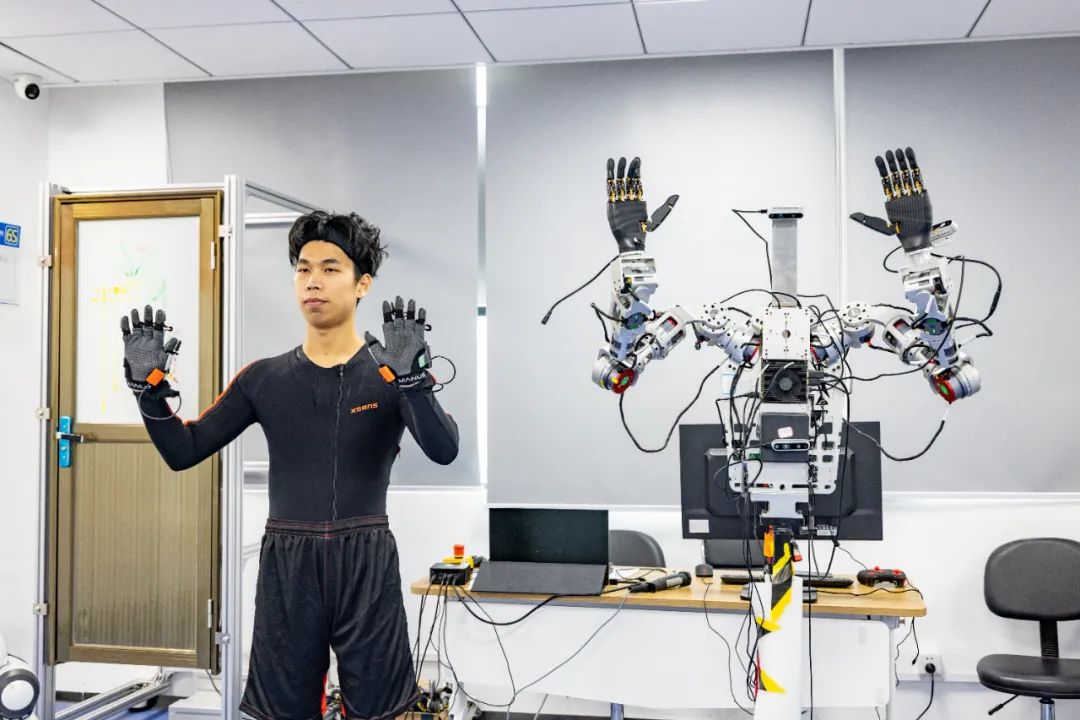
The 58 Intelligent Trainer is using motion capture technology to train humanoid robots. Photo by Cao Jian
It is well known that Xihu District is a prominent presence on China’s innovation map, home to Zhejiang University, Westlake University, and other higher education institutions, as well as the headquarters of well-known tech companies like Alibaba Cloud, Ant Group, and Yunsen, with many leading enterprises’ products undergoing real-world training at the “Robot Mother Port.”
Therefore, Xihu District has many talented individuals and numerous real-world training venues. Building the “Robot Mother Port” here not only has the support of top-level design but also has a solid industrial foundation and talent base, which is widely expected.
02
This is Hangzhou’s “Industrial Surprise Attack” on Beijing, Shanghai, Guangzhou, and Shenzhen
At this point, some may ask, what is Hangzhou’s advantage in the currently competitive robot industry?
First, let’s look at the current distribution of the robot industry:
In terms of the number of robot companies and overall output value, Guangdong is the strongest, with over 70,000 robot cluster enterprises in Shenzhen and over 50,000 in Guangzhou, ranking first and second in the country, respectively. By 2024, the total output value of Shenzhen’s robot industry chain will reach 201.2 billion yuan, making it the first city in the country to achieve a trillion-level output value in the robot sector.
Compared to Guangdong’s focus on terminal applications, Shanghai’s advantage lies in the supply of core components, with a relatively complete integrated circuit and high-end manufacturing industry chain that can provide chips, bearings, screws, and dexterous hands for the robot industry.
Beijing may not be as strong in manufacturing as Guangdong and Shanghai, but it gathers the country’s top universities and research institutions, holding an irreplaceable position in talent reserves, basic research, and core technologies. Moreover, Beijing’s venture capital is concentrated, making it very suitable for the development of startups.
In contrast to Beijing, Shanghai, and Shenzhen, Hangzhou’s industrial accumulation in the robot sector is not very deep, but with the explosive success of DeepSeek and Yushu Technology, the industry suddenly sees Hangzhou’s unlimited potential, with some netizens even jokingly calling it: this is Hangzhou’s “industrial surprise attack” on Beijing, Shanghai, Guangzhou, and Shenzhen.
03
What is Hangzhou’s advantage compared to Beijing, Shanghai, Guangzhou, and Shenzhen?
So, what exactly is Hangzhou’s advantage?
First, Hangzhou has a first-class urban charm, as Jiangnan has always been a fertile land in China, and Hangzhou is the epitome of Jiangnan culture. This city has a unique historical depth and cultural spirit, which is irresistibly attractive to many.
Moreover, Hangzhou’s urban construction is also well done, with Xihu District being a typical representative. The beauty of West Lake and the surrounding mountains is self-evident; the key is its cleanliness and tidiness, with a focus on spatial aesthetics in street design, and very few places are dirty or chaotic. Some say, Hangzhou is full of beautiful scenery, and you can take a picture anywhere and post it on Xiaohongshu.
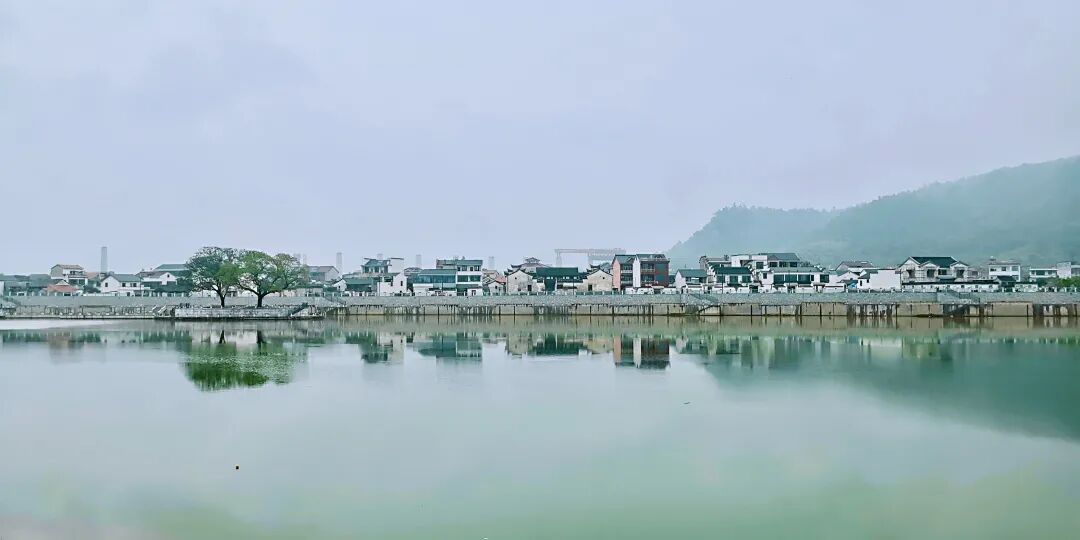
 West Xixi Wetland (Photo by Jiang Zhonglai)
Not only that, but Hangzhou’s urban charm is also reflected in its first-class business environment and entrepreneurial atmosphere, with tags like “no disturbance without business, responsive to requests,” “let data do more running, and the public do less running,” and “nanny-style service” having become synonymous with Hangzhou’s business environment, greatly enhancing the city’s reputation.
Do not underestimate these factors that do not have a direct relationship with the industrial chain. In recent years, several of my friends have moved from Beijing and Guangdong to Hangzhou, all attracted by the environment, and their common feeling about Hangzhou is: beautiful, clean, and good public services.
This is on a large scale; on a smaller scale, Hangzhou also has its advantages in industrial structure, as the robot industry is not an isolated single-point industry, but is connected with many industries, especially those requiring artificial intelligence and digital economy as the technological foundation and ecological synergy.
This is precisely Hangzhou’s strong suit, especially in cloud computing in Xihu District, which can provide computational power support for the robot industry; breakthroughs in humanoid robot technology also heavily rely on support from large models, and Hangzhou has DeepSeek and Qianwen, which can provide precise algorithm support for robots; Hangzhou also has Ant Group, which can provide technical support for digital security in robots.
Therefore, for the robot industry, even if we just consider Xihu District, it offers not just a “single technology,” but a “complete solution”— from the underlying computational power support, to mid-level algorithm optimization, to upper-level scenario data and terminal security assurance, Hangzhou’s digital economy provides a rich soil for the development of the robot industry.
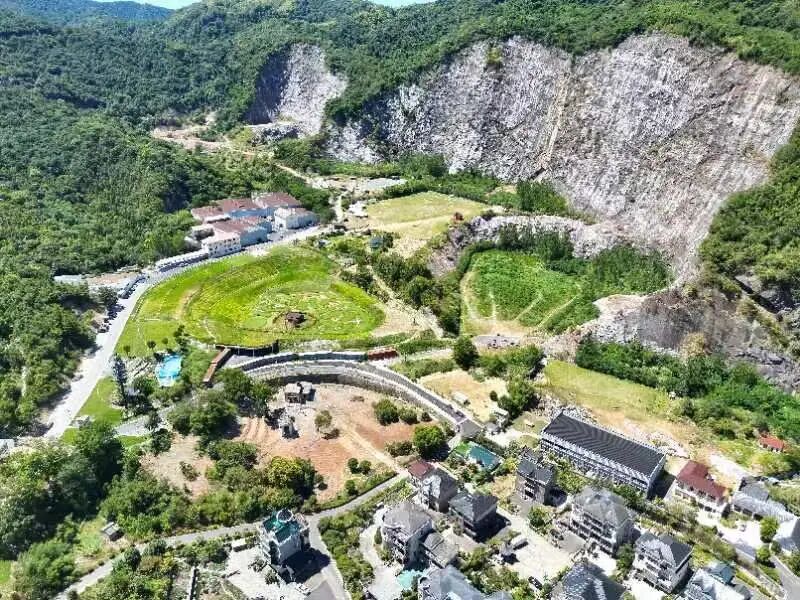 Zhijiang Robot Industry Service PortShuangpu Robot Testing Training GroundThis “chemical reaction between industries” provides ecological synergy advantages for the “Robot Mother Port.”
Of course, more importantly, the robot track is wide enough and large enough, being the next trillion-level industry, accommodating a competitive landscape where a hundred flowers bloom and a hundred boats compete, allowing for both the deep accumulation of Beijing, Shanghai, Guangzhou, and Shenzhen, and the sudden rise of Hangzhou.
04
Hangzhou is not a port city, but it can become a global “Digital Mother Port”
In the era of the Industrial Revolution, ports were the connection points for trade and civilization.
In the era of digital economy and artificial intelligence, Hangzhou may redefine the concept of “port,” which has a long history in world economic history.
Among China’s coastal metropolises, Hangzhou is one of the few without a natural deep-water port, missing out on the “geographical dividend” of the traditional port economy era.
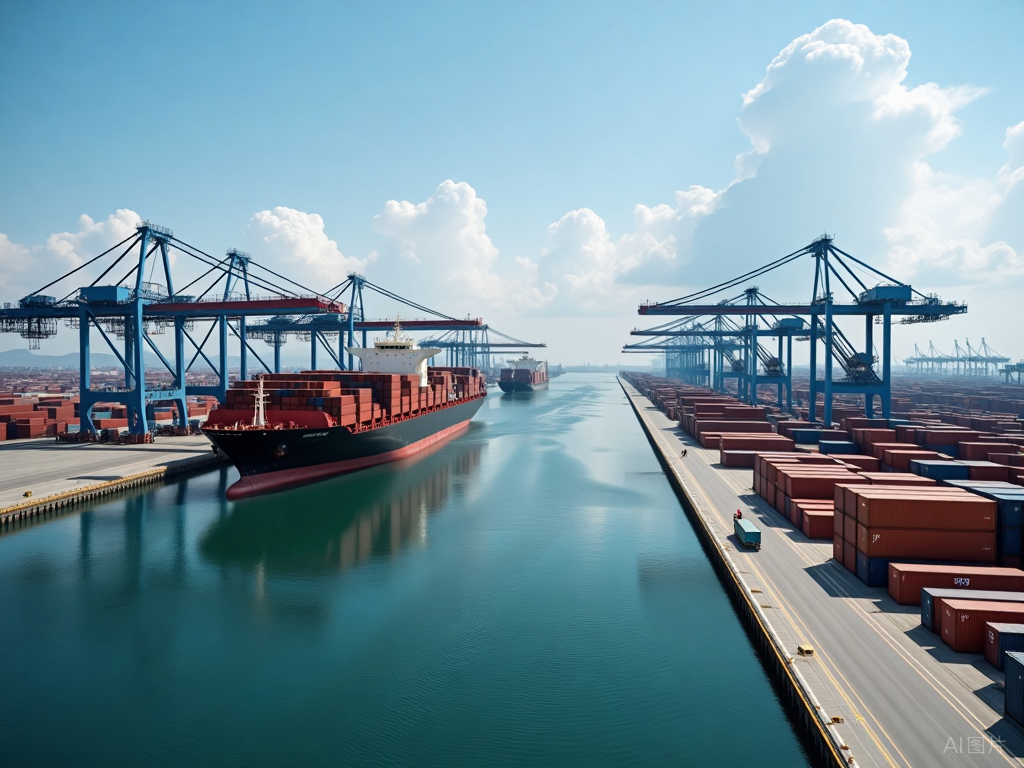
However, it is precisely this “geographical shortcoming” that forces Hangzhou to open up a new track in the digital economy era: it uses data as the “cargo ship,” computational power as the “waterway,” and platforms as the “hub.”
Thus, Hangzhou does not need to build large storage facilities but can achieve efficient circulation of goods through digital scheduling; Hangzhou does not need physical ports but can conduct “buying globally and selling globally” business through a “digital port,” creating an ecological network that connects local and global, talent and capital, and research results with industrial transformation.
It is evident that the capabilities of a “digital port” are broader and deeper than those of traditional ports.
In the process of forming Hangzhou’s “digital port,” Xihu District has always played a key role. Hangzhou’s high-tech industry first sprouted in the cultural and educational area of Xihu District, which is the origin of Hangzhou’s high-tech zone and the pioneering area of Hangzhou’s “government-industry-university-research” model. A large number of enterprises, including Alibaba, Ant Group, and Alibaba Cloud, were born in Xihu District, grew in Hangzhou, and eventually went global.
Now, Xihu District has also anchored the coordinates of the “Robot Mother Port,” with the ultimate goal of attracting talent, capital, and projects from across the country and even globally to conduct concept verification, technology incubation, pilot testing, product evaluation, quality certification, and scenario validation at the “Robot Mother Port,” truly creating a new anchor point for global robot innovation networks.

After the vision of the “Robot Mother Port” is realized, many enterprises from Shanghai and Beijing have already joined the construction of the “Mother Port.” The Shanghai Robot Industry Technology Research Institute has become a cooperative operating unit of the “Robot Mother Port,” and will build a national-level certification platform here, currently holding over 60% of the national robot certification market share.
Additionally, 58 Intelligent, a subsidiary of China Ordnance Group, will initially invest 160 million yuan to build a pilot platform here, which has been successfully approved as the humanoid robot pilot base in Hangzhou, and will undergo saturated investment in the future.
In the history of world economics, there is an iron law: whoever controls key ports controls the valves of the world economy.
Whether building a “e-commerce hub,” “cross-border settlement point,” or constructing a “Robot Mother Port,” Hangzhou is knocking on the door of the world economy with its unique development model, helping China seize the high ground in the global industrial chain reconstruction.
Further Reading:
Hangzhou Takes the Lead, Beijing, Shanghai, and Shenzhen Collaborate on a Major Project
What Signal Does the Entry of Individual Businesses into the Guangzhou Municipal Committee Send?
Guangdong’s Most Sacrificed City, Shenzhen Helps It Turn the Tide