From the core components of rocket engines to customized dental prosthetics, from precision molds on industrial production lines to creative toys in consumers’ hands, 3D printing (additive manufacturing) is transitioning from a “niche technology” in high-end manufacturing to a “universal tool” empowering industries with its capability of “printing anything.” According to data from the National Bureau of Statistics, the production of 3D printing equipment in China increased by 25.4% year-on-year in the first three quarters of 2024, with export values surpassing those of the entire previous year. It is expected that the domestic market size will exceed 63 billion yuan by 2025, achieving a remarkable 30-fold growth over ten years, confirming the vigorous momentum of this manufacturing revolution.
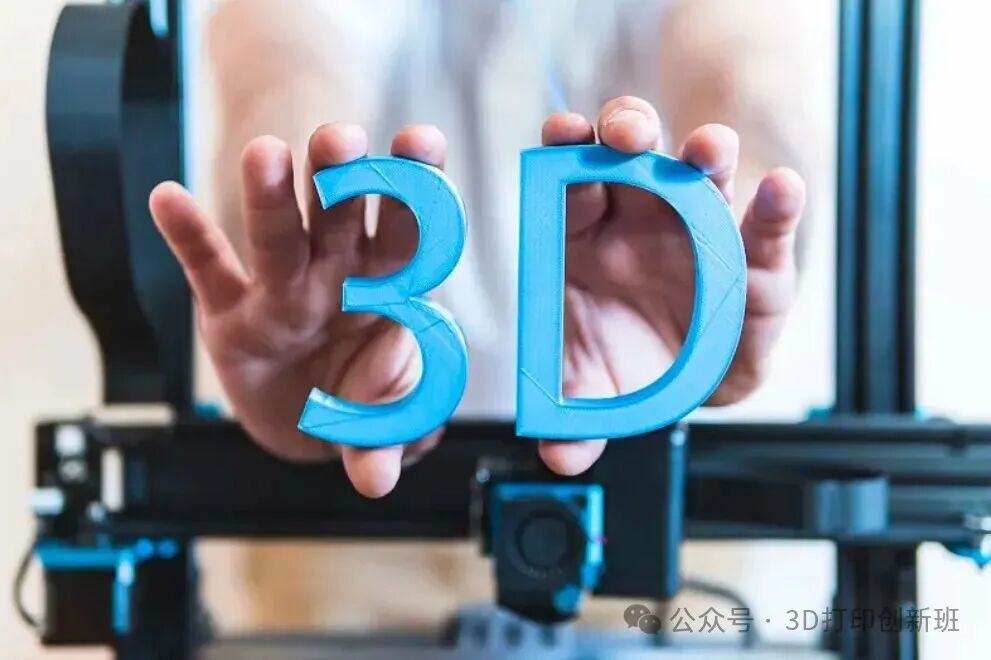
Technological Breakthrough: A Dual Leap in Materials and Processes
The core breakthrough of 3D printing begins with the synergistic evolution of materials and processes. The stretchable PEG-based materials developed by the University of Virginia, through the molecular design of a “foldable bottle brush,” maintain biocompatibility while exhibiting high elasticity. This not only provides new possibilities for artificial organ transplantation but also shows great potential in the field of solid-state batteries. On the industrial side, emerging processes such as continuous carbon fiber composite printing and large-format ceramic SLA are breaking technological monopolies — the strength of components printed with high-tech continuous carbon fiber can reach twice that of aluminum, while weighing only 1/7 of steel, and are already being mass-produced for drone wings and lightweight rocket components.
The addition of AI technology has significantly lowered the barriers to 3D printing. Generative AI allows ordinary users to create 3D models based solely on text descriptions, and combined with mature processes such as light curing and fused deposition, the cycle time for bringing ideas to reality has been reduced from weeks to hours. DJI’s investment in consumer-grade 3D printing companies reflects the enormous market potential brought by this trend of “technological democratization.”
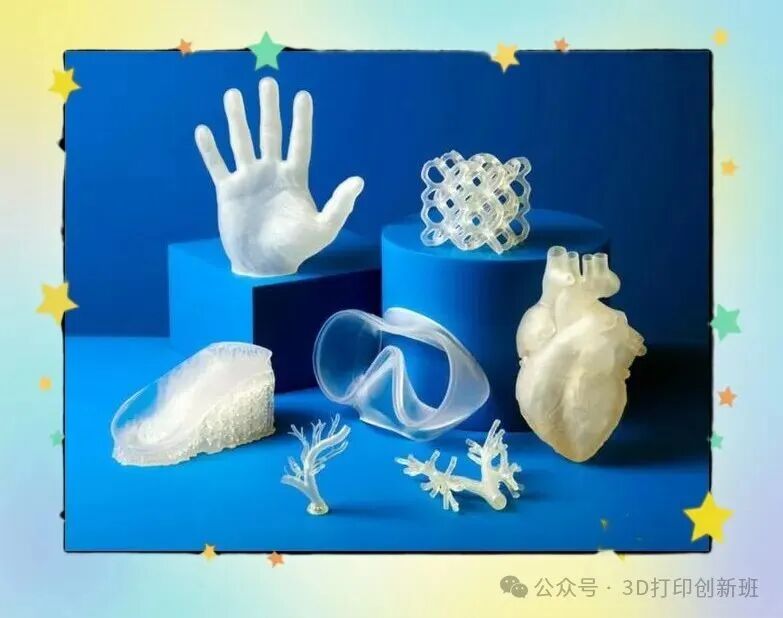
Application Expansion: From Cutting-Edge Fields to Everyday Scenarios
Today’s 3D printing has long surpassed the single function of “prototyping.” In the aerospace sector, rockets with 85% of their components completed through 3D printing have successfully launched, making China a major market for aerospace 3D printing globally; in the medical field, organ scaffolds and customized prosthetics printed with biocompatible materials achieve precise fitting, addressing the pain points of traditional medicine’s “one-size-fits-all” approach; in the consumer electronics sector, metal 3D printing meets the precision demands of foldable screens and wearable devices, with companies like Plater and Huashu High-Tech seeing a continuous surge in orders.
The dual support of policies and capital has accelerated the application landing. The “Guidance Catalog for Industrial Structure Adjustment (2024 Edition)” clearly encourages the development of additive manufacturing, and four national standards will officially take effect in 2025, ensuring the industry’s standardization. Since the beginning of this year, the investment and financing scale in the domestic 3D printing field has exceeded 1.5 billion yuan, with giants like Huawei and Xiaomi entering the market, promoting the industry chain from “single-point breakthroughs” to “cluster development.”
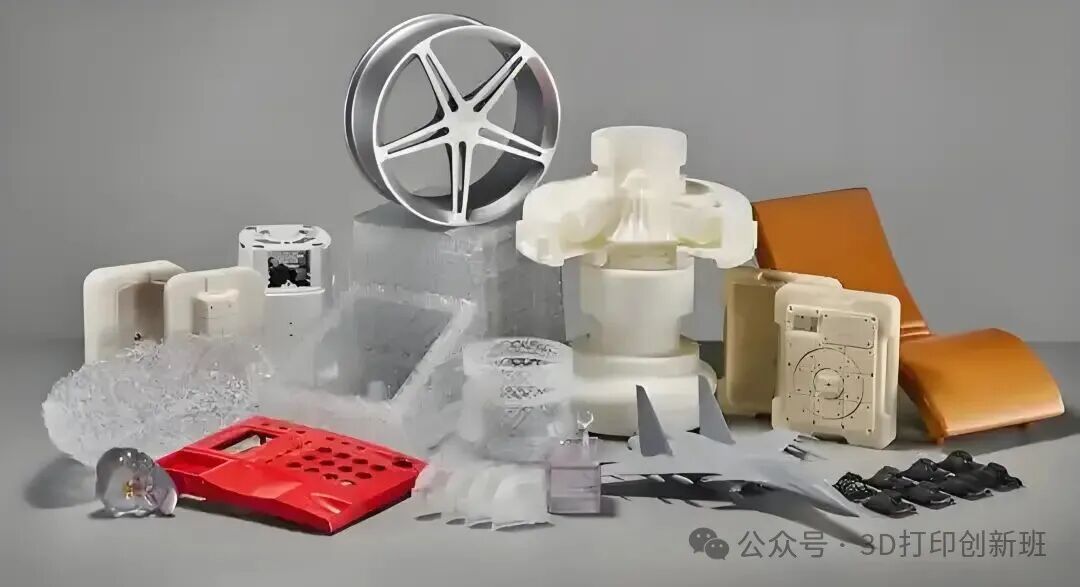
Challenges and Opportunities: Moving Towards the Era of Scaled Manufacturing
Despite the broad prospects, 3D printing still faces bottlenecks such as limited material types, insufficient printing speeds, and incomplete industry standards. In response, companies are actively breaking through: Plater is reducing costs through optimized algorithms, Huashu High-Tech has launched a 600 million yuan expansion project, and several regions, including Shaanxi, have introduced special plans to cultivate trillion-level industrial clusters. As processes such as continuous fiber and integrated additive-subtractive manufacturing mature, 3D printing is transitioning from “customized production” to “scaled manufacturing,” with the potential for mass application in automotive parts and electronic devices over the next three years.
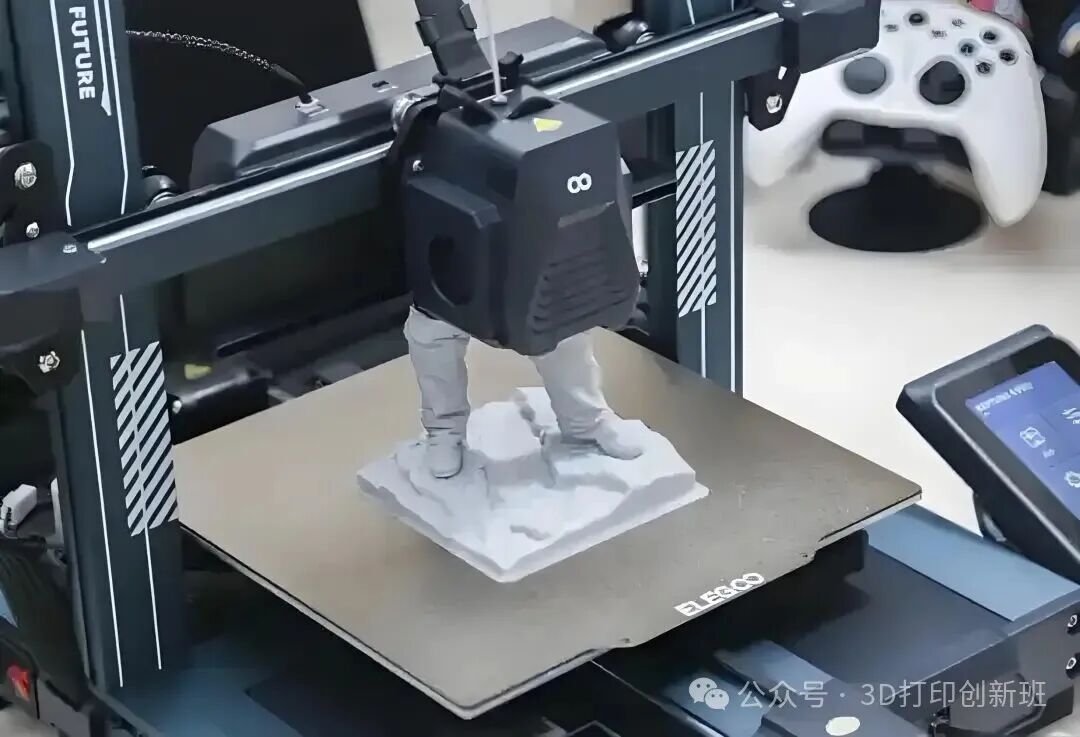
From laboratory technological exploration to mass application on production lines, from hard-core empowerment on the industrial side to creative realization on the consumer side, the development trajectory of 3D printing is a vivid epitome of China’s intelligent manufacturing upgrade. When materials, processes, AI, and policies form a synergy, this manufacturing revolution will undoubtedly reshape the industrial landscape, bringing the future life of “on-demand printing” into reality. What innovation in 3D printing are you most looking forward to? Feel free to share your thoughts in the comments section!
If you like it, follow the 3D Printing Innovation Class
Share the latest dynamics and innovative achievements in the 3D printing industry
Source: Guangming Network, Securities Daily, Xietong High-Tech, China Economic Network
Chief Editor: Li Shuai, Class 24 Innovation Class | Contribution: Software Technology Deng Mingjian, 3D Printing Innovation Class
Proofread by: Li Nanjing, Studio Head
Reviewed by: Zhou Dawei, Guiding Teacher
Class: Sichuan Tuo Ping Information Technology Vocational College– School of Information Engineering Major in Software Technology
(Class 24 3D Printing Innovation Class)