Under the “dual carbon” strategic goals, the PCB (Printed Circuit Board) manufacturing industry, as a cornerstone of the electronic information industry, is facing severe energy consumption challenges, and the green transformation of PCB manufacturing is urgent. Industry data shows that the electroplating process, as a core energy-consuming segment, accounts for about 30%-40% of total production energy consumption, making it a key breakthrough point for cost control and low-carbon transformation. In response to this situation, power sales companies leverage their deep understanding of the energy market and comprehensive service capabilities to provide systematic energy-saving solutions for PCB enterprises, helping them reduce costs and increase efficiency.
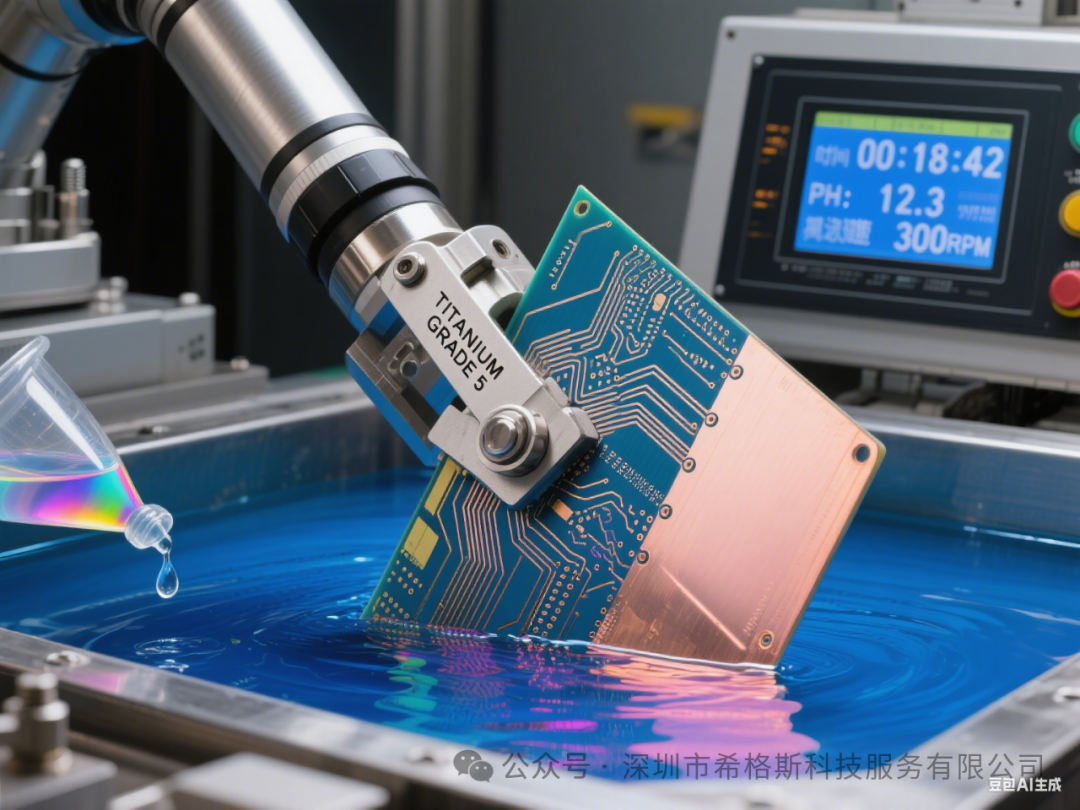
**1. Analysis of High Energy Consumption Pain Points in the Electroplating Process**
The energy consumption in the PCB electroplating process is concentrated in three areas:
1. **Electrochemical Process Itself**: Requires high current and long time for metal ion deposition, especially the multilayer electroplating process for HDI boards, resulting in significant cumulative energy consumption.
2. **Constant Temperature Control of Plating Solution**: The electroplating solution needs to be maintained at a constant temperature of 50-80°C; traditional electric heating or boiler heating methods are inefficient and costly, with energy consumption accounting for over 30% of total production costs.
3. **Auxiliary Equipment Systems**: Energy consumption from auxiliary equipment such as air compressors, chillers, and circulation pumps accounts for nearly 25%. There is often significant energy waste due to unreasonable equipment selection or poor management, leading to a situation where “a big horse pulls a small cart.”
These pain points not only increase production costs for enterprises but also put pressure on the achievement of national energy-saving and emission reduction goals.
**2. Systematic Energy-Saving Solutions from Power Sales Companies**
In response to the above pain points, leading power sales companies have developed systematic energy-saving solutions from multiple dimensions.
**1. Process Technology Innovation: Reducing Consumption from the Source**
**Pulsed Electroplating Technology**: Replacing traditional DC power with pulsed power can shorten electroplating time by 30%, reduce overall energy consumption by 15-20%, and decrease metal consumption.
**Horizontal Electroplating Process**: Compared to vertical electroplating, energy consumption can be reduced by about 25%. Coupled with multi-stage countercurrent cleaning technology, it can significantly reduce water usage and water treatment energy consumption.
**Cyanide-Free Electroplating Process**: Promoting environmentally friendly processes such as cyanide-free gold and silver plating, which reduces harmful emissions while avoiding the additional energy consumption of cyanide treatment.
**2. Energy Recycling: Turning Waste into Treasure**
**Air Source High-Temperature Heat Pump**: Replacing traditional electric heating or boilers, its coefficient of performance (COP) can reach 4-6, reducing operating costs by over 50%, with a short payback period and significant economic benefits.
**Metal Recovery and Waste Liquid Regeneration**: Efficiently extracting metals (such as over 90% copper recovery rate) from waste liquids through electrolysis recovery devices, reducing resource consumption and waste liquid treatment energy consumption.
**Waste Heat Cascade Utilization**: Constructing a steam condensate recovery system for preheating cleaning water or plating solution, which can reduce overall thermal energy consumption by 15-20%.
**3. Digital Energy Management: Precise Control**
**AIoT Real-Time Monitoring**: Deploying sensors to collect data in real-time, using AI algorithms to dynamically adjust equipment operating parameters, achieving precise energy control and effectively reducing energy consumption of equipment such as air compressors.
**Predictive Maintenance**: Utilizing machine learning to analyze equipment data, predicting failure risks, avoiding energy losses from unplanned downtime, and optimizing process parameters to reduce ineffective energy consumption.
**Energy Management System (EMS)**: Integrating data on water, electricity, and gas across the plant, establishing energy consumption models to support staggered production and demand management, enhancing overall energy efficiency management levels.
**4. Equipment and Management Refinement: Incremental Energy Savings**
**High-Efficiency Motors and Variable Frequency Transformation**: Replacing auxiliary equipment such as water pumps with high-efficiency permanent magnet motors and adding variable frequency drives to achieve demand-based speed regulation, with energy savings of up to 30%.
**Standardization of Process Parameters**: Establishing a standard parameter library through the MES system to enforce standardized operations, avoiding energy consumption fluctuations and quality issues caused by improper manual adjustments, and reducing rework waste.
**Energy-Saving Culture for All Employees**: Organizing energy-saving training and incorporating energy consumption indicators into KPI assessments, establishing reward and punishment mechanisms to stimulate all employees’ enthusiasm for energy saving, forming a long-term mechanism.
**3. Future Outlook**
In the future, energy saving in PCB electroplating will develop towards deep integration of “intelligence” and “greenness.” New technologies such as AI dynamic optimization and bio-based environmentally friendly plating solutions will accelerate implementation. It is expected that by 2025, the low-carbon PCB market size will exceed 80 billion yuan, bringing new growth points for power sales companies. At the same time, new international trade regulations such as the EU carbon tariff will impose higher requirements on product carbon footprints, forcing enterprises to enhance energy management levels. Power sales companies need to deepen cooperation with PCB enterprises, provide cutting-edge energy-saving solutions, help address green trade barriers, and play a key role in collaborative carbon reduction within industrial clusters, contributing to the national “dual carbon” strategy.