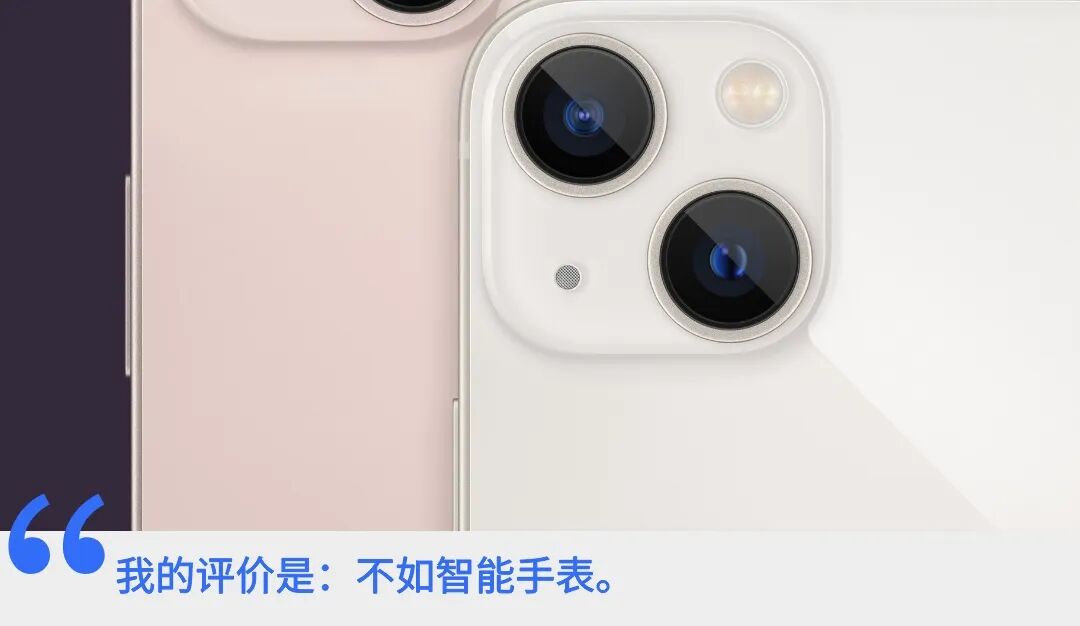
 Source: Lei Technology Digital 3C GroupEditor: A TianmingThere is a category of phones that, before their release, everyone claims to be the core of mobile phones, and their “followers” are so numerous that even Apple has jumped on their bandwagon. However, after the brand actually released the product, these “followers” all said they would consider it next time, and even the halo of the iPhone could not save the sales of this category, which, after years of “torment,” still had to cut off the product line that was praised but not selling.That’s right, we’re talking about small screen phones.
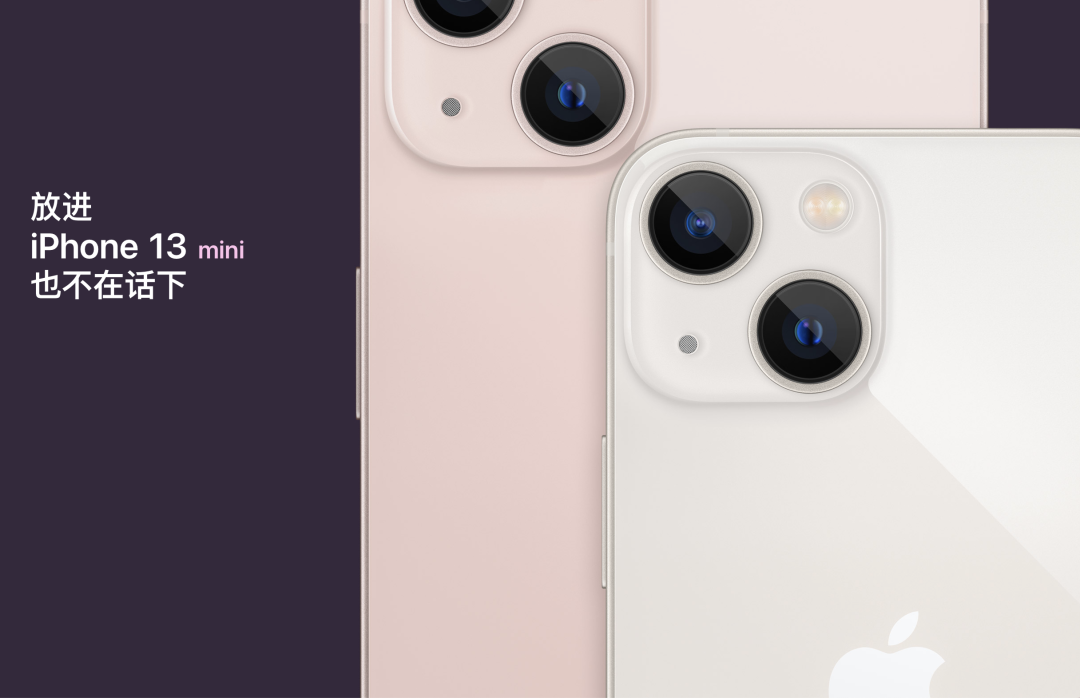 Image Source: AppleIf you have been following the smartphone market after 2018, it is not hard to find that the fact that “small screen phones do not sell well” has become a settled issue. From Sony’s “Compact” to Samsung’s “e” to the iPhone’s “SE” and “mini,” it can be said that the product lifecycle of every generation of small screen phones can be described as “next time for sure.” It cannot be denied that the group of small screen phone enthusiasts does exist. As an iPhone 13 mini user, I have always been very interested in small-sized flat-screen phones, and I even once used the iPhone 13 mini as my main phone.But I also admit that I am not a pure small screen phone user. The iPhone 13 mini is not my only phone; it only holds a secondary SIM for internet use, while I still use what is called a “full-size” phone for daily use. Even among my friends who are “small screen phone enthusiasts,” many are more like “seasonal” enthusiasts: they like it when they first use it, but dislike it after a while, until the next small screen phone is released and the cycle repeats.

Misplaced Identity of Small Screen Phones
From my experience using small screen phones, in certain situations, the experience of small screen phones is indeed better than that of so-called “full-size phone brands.” For example, in sports scenarios, the portability of small screen phones can reduce the burden of sports gear, and the various inconveniences of small screen phones in audio-visual entertainment can also lead users to unconsciously put down their phones, serving as a “phone detox” tool.Looking back at our various fantasies about the usage scenarios of small screen phones before their product launch, could it be that our “methods” of using small screen phones were wrong from the start? Should small screen phones not have appeared as a “fully functional phone” from the beginning?Although this idea sounds very bold, there are indeed a few phone brands that have launched small screen phones based on this concept. For example, the pioneer of modern mobile gesture interaction—Palm—designed and launched an extremely small screen phone with the concept of a “weekend phone.”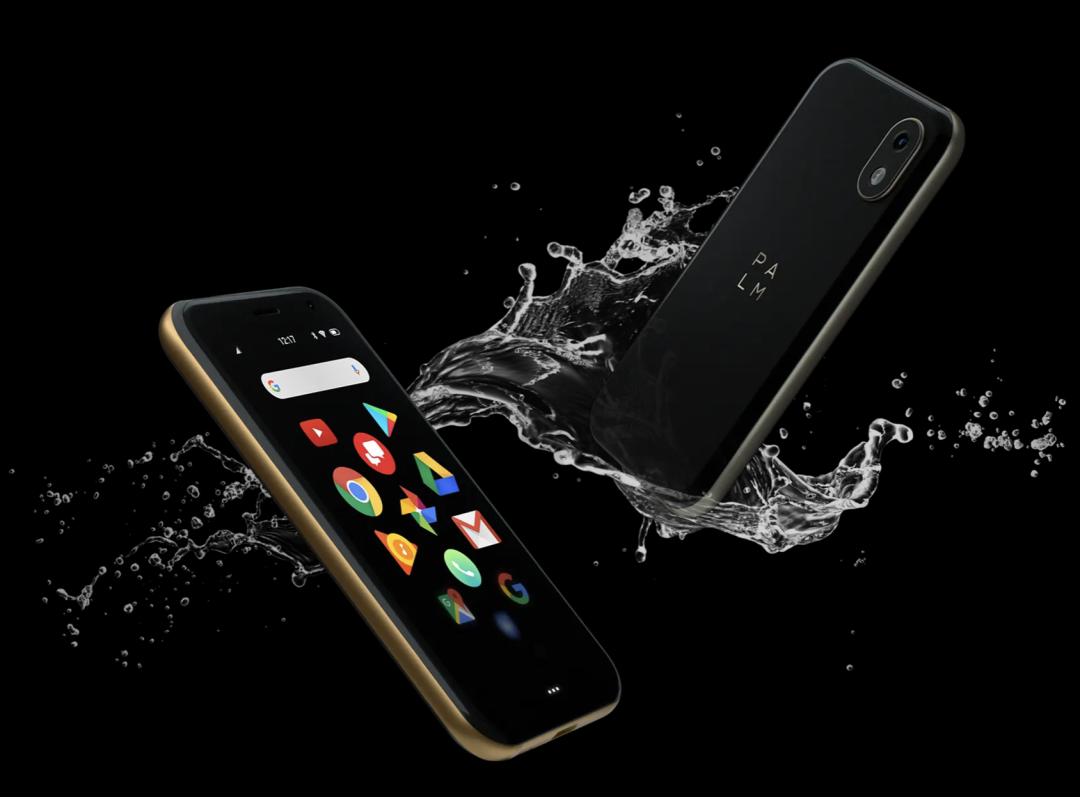 Image Source: PalmThis phone, named “Palm,” features a custom 3.3-inch screen with a pixel density of up to 445 ppi, ensuring clear display quality while compressing the screen size. In terms of dimensions, the Palm is only 96mm long, 50mm wide, and 7.4mm thick, making it even more compact compared to small screen phones like the iPhone 13 mini. As for the specifications, this phone is actually at a “basic phone” level: Qualcomm 435 processor, equipped with 3+32GB memory.I know what everyone is thinking: what can this configuration do besides making calls and sending texts? It might struggle to even be labeled as “small but beautiful.” In fact, Palm also considered this issue, which is why this phone was not designed to be used as a primary phone from the outset.
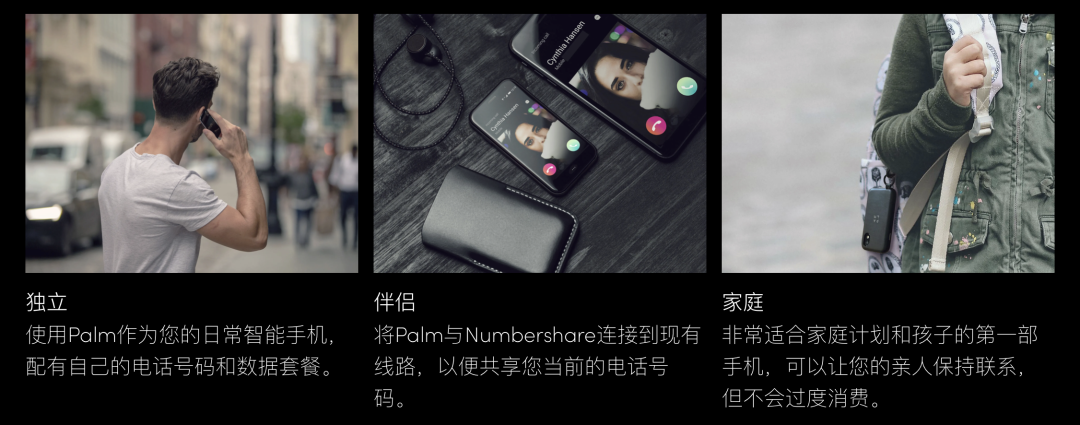 Image Source: Palm (translated via browser)According to Palm’s vision, this Palm phone is like a “sub-phone” to your full-size flagship phone, an accessory or satellite device. Although Palm does not prevent everyone from using this phone as their main device, they also introduced another working mode on their official website:Through the multi-terminal function of number sharing, you can set the Palm as a “sub-phone” for your iPhone or other phones, allowing you to receive calls and texts on both devices. Additionally, you can install necessary IM software on the Palm to maintain basic contact with the outside world. During work hours, you can use your primary phone to enjoy the conveniences of the internet. After work or on weekends, you can leave your main phone at the office and take your Palm to enjoy your weekend, thus achieving a better “work-life balance.”Of course, you can also use the Palm as a so-called “study phone” for exam preparation, allowing you to stay connected with modern society while eliminating distractions and focusing on your studies, capable of scanning health codes and avoiding games and variety shows.
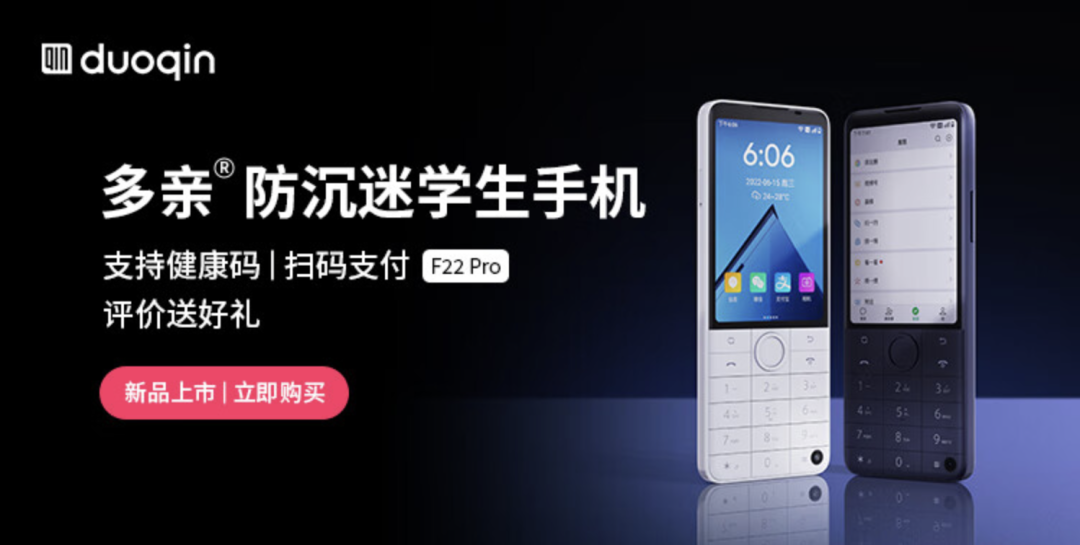 Besides Palm, a domestic phone brand recently launched a “modern feature phone,” which aligns with Palm’s functionality, with a pre-sale price of 999 yuan, echoing Palm’s price of 349 dollars.
Small Screen Phones? Or Just Smartwatches?
At this point, I believe everyone should have identified the problem: Palm’s understanding of small screen phones is essentially the same as modern phone manufacturers’ conception of smartwatches. Small screen phones need to be used in conjunction with a “primary phone,” and smartwatches also need to be paired with smartphones; small screen phones use dual-terminal technology to maintain contact, while smartwatches also utilize eSIM technology for multi-terminal connectivity. Small screen phones can serve as substitutes for phones in certain scenarios, and smartwatches can also replace phones in specific situations, even outperforming small screen phones in sports contexts.Of course, some may argue that smartwatches cannot scan health codes. But ultimately, this is not the fault of the watch; if health codes could be made into a standalone app that can be opened to display, and registered with a simple NFC tap, then smartwatches could completely replace small screen phones.From this perspective, small screen smartphones are indeed a product that has been “mispositioned.” Manufacturers mistakenly interpreted user demand for smartwatches and product understanding as requirements for small screen phones, unaware that they had already provided a better solution—smartwatches—before launching small screen phones.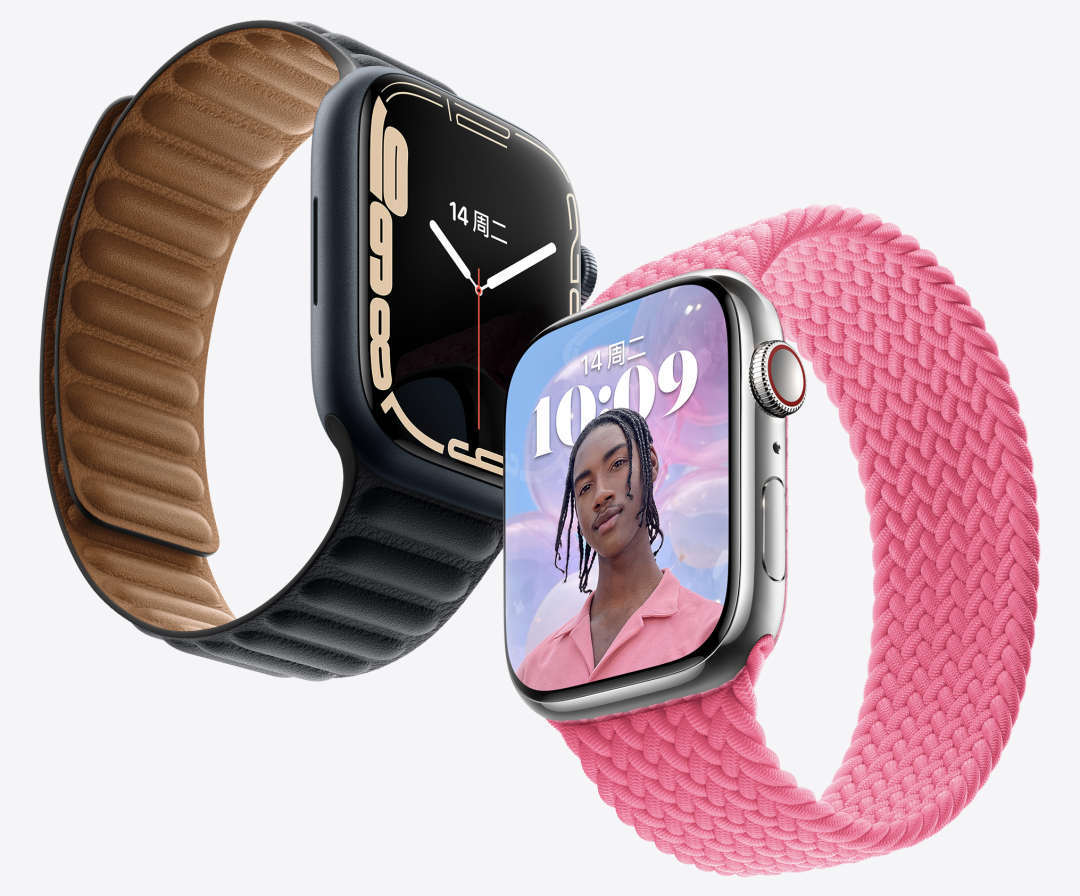 Image Source: AppleIn fact, looking at the rise of smartwatches this year, especially in the K12 phase, the ultimate form of small screen phones is actually smartwatches. Compared to small screen phones, these smartwatches have reasonable small screen interaction solutions, and the physical button-based interaction method can also prevent users from obstructing the screen display due to touch screen interactions. In terms of communication, these smartwatches have complete calling and IM functions, and the experience brought by dedicated software far exceeds typing on a full keyboard on the iPhone 13 mini.Boldly speaking, smartwatches are the ultimate form of small screen phones.It cannot be denied that, at this stage, these “smart devices” that require daily charging are still some distance from replacing smartphones. For the sake of trying new things, I indeed fully pre-ordered the aforementioned F22 Pro.However, it is foreseeable that small screen phones, which cannot pinpoint their development direction and thus come to a halt, will inevitably be replaced by smartwatches with clear goals in the future. And this so-called “study phone” will also become a family heirloom for countless students preparing for exams, until the day these phones can no longer connect to the network and cannot receive online interview messages.