This issue adds a real power load dataset to the MATLAB prediction toolkit. This dataset comes from the power grid data of a region in Jiangsu Province, with each sample containing the load values for the entire region as well as the load values for Jiangyin City, Yixing City, and the Xicheng power grid for both grid supply and the entire society.A short-term prediction will be made using this data, utilizing the data from the previous 5 days (5*96 sample points) to predict the load values for the next day (96 sample points).
As of this issue of the MATLAB machine learning prediction toolkit, a total of 30 articles have been published regarding machine learning prediction code. Including this one, there are now 31 articles! The reference articles are as follows:
1. Various machine learning predictions? Can one article cover it all?
2. Machine learning prediction toolkit, multi-step predictions using BiGRU, BiLSTM, GRU, LSTM, LSSVM, TCN, CNN, using photovoltaic power generation data as an example
3. Machine learning prediction toolkit, multi-step predictions using ensemble prediction models, using photovoltaic power generation data as an example
4. Machine learning prediction toolkit using Xgboost, traffic flow data prediction as an example
5. Machine learning prediction toolkit using CNN-RVM (Relevance Vector Machine), wind power prediction
6. This paper relies on it! Adaboost wind power prediction, machine learning prediction toolkit
7. Machine learning prediction toolkit for univariate input single-step prediction, using weather temperature prediction as an example
8. 2023 Guanhao algorithm optimizes CNN-GRU-Attention multi-feature input multi-step prediction9. Machine learning prediction toolkit for univariate input multi-step prediction, using weather temperature prediction as an example10. Machine learning prediction toolkit adds VMD-TCN-GRU/BiGRU-Attention model
11. Jinzhai algorithm optimizes TCN-BiGRU-Attention multi-feature input single-step prediction
12. LSTM for recursive prediction. Machine learning prediction toolkit, continuously updated
13. 12 algorithms optimize CNN-BiLSTM-Attention multi-feature input single-step prediction
14.New idea: TCN-RVM model, have you seen it? New model added to the machine learning prediction toolkit
15.Adding dozens of regression models! The most comprehensive machine learning prediction toolkit, MATLAB code, don’t miss it this time!
16. 12 algorithms optimize CNN-BiGRU-Attention univariate input single-step prediction, continuously updated
17.BiTCN, BiTCN-SVM, BiTCN-LSTM, BiTCN-BiGRU machine learning prediction toolkit
18.Machine learning prediction toolkit updated again! CEEMDAN-VMD double decomposition CNN-BiLSTM prediction, MATLAB code
19.Four algorithms optimize ELM to achieve multi-variable input 24-step ahead prediction, machine learning prediction toolkit updated again!
20.7 algorithms for 2024 optimize BP to achieve regression, single/multi-variable input, single/multi-step prediction functionality
21.Power load 96-step ahead prediction, using the latest 2024 Luying algorithm to optimize ELM, MATLAB code
22.One article covers quantile regression interval prediction, machine learning prediction toolkit MATLAB code updated again!23.Transformer for wind power/pv power prediction, machine learning prediction toolkit updated again!24.New England 2024 latest load data prediction, machine learning prediction toolkit updated again!
25. Parallel or serial Transformer+LSTM prediction, machine learning prediction toolkit updated again!
26.Transformer-SVM regression prediction, machine learning prediction toolkit updated again!27.Optimizing extreme learning machine to achieve regression prediction, comparison of three algorithms28.Sharing an ARIMA electricity price prediction example and calculating confidence intervals29.Whale optimization BP for regression prediction30.Small innovative model! 6 algorithms for 2024 optimize BiTCN-SVM univariate input single-step prediction
The newly added power load dataset for this issue is as follows:
The load dataset is from 2018with load values for Jiangyin City, Yixing City, and the Xicheng power grid for both grid supply and the entire society.
The folder structure is as follows:
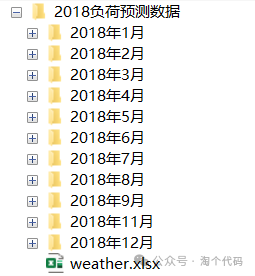
The dataset contains load values for the entire year of 2018. Each folder contains all datasets for that month.
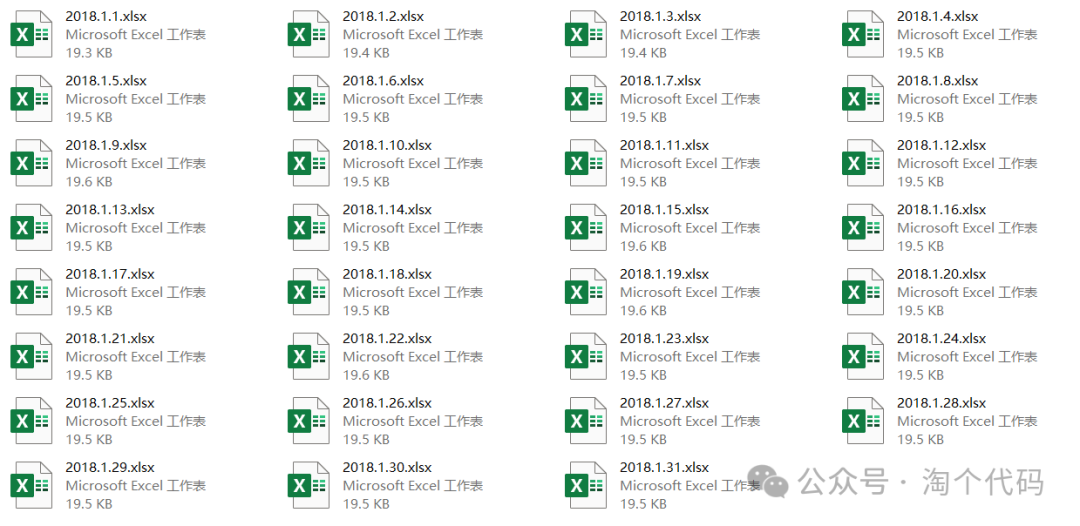
Each table looks like this when opened:
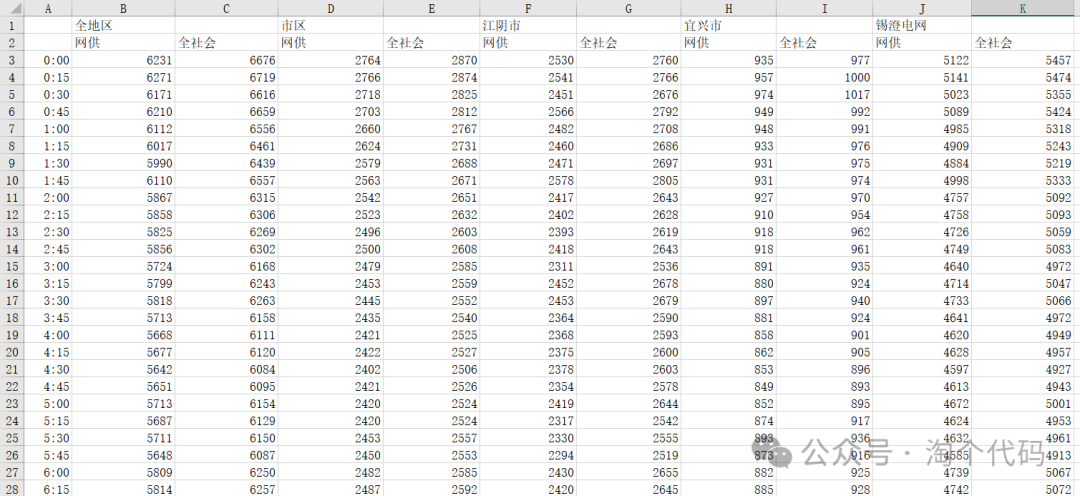
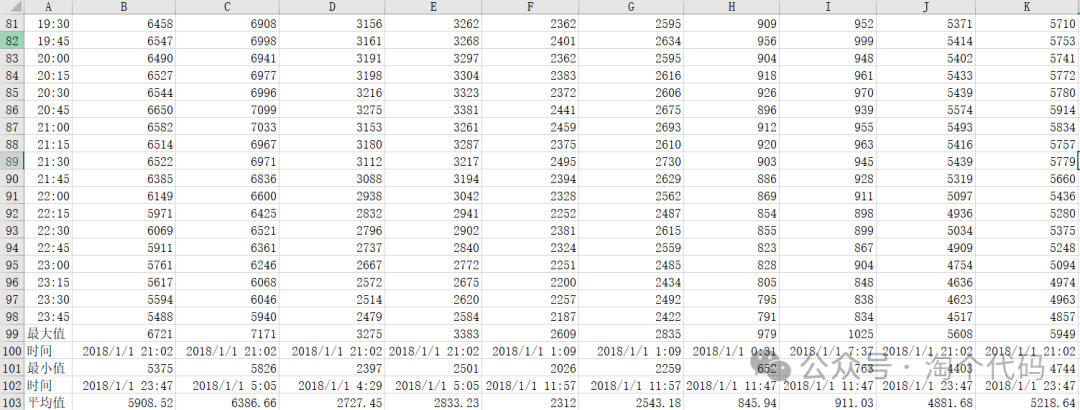
The dataset is sampled every 15 minutes, with each sample containing the load values for the entire region as well as the load values for Jiangyin City, Yixing City, and the Xicheng power grid for both grid supply and the entire society.
The organization of this data is as follows:
Taking the data from January as an example, the total social load value is used, predicting the load value for the next day (96 sample points) using the data from the previous 5 days. Since there are 96 sample points each day, the organized data is as follows:
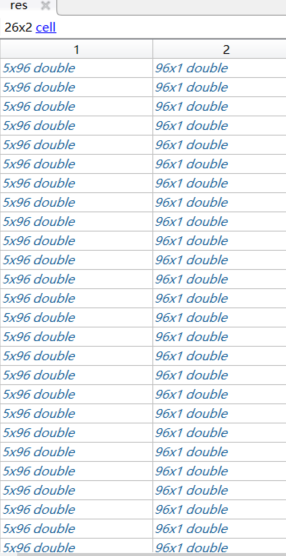
The first column is the model input, and the second column is the model output. A 2DCNN-BiGRU is used for feature extraction and model prediction.
Modifying the month in the code is also very simple; I have specifically written a script for data organization. You can directly modify the month to change to different months and train different models.
%%%%%%%%%%%%%%%%%%%%%%%%%%%%%%%%%%%%%%%%%%%%%%month = 1; % Training monthday_len = 5; % Training daysfile_path = '2018负荷预测数据';%%%%%%%%%%%%%%%%%%%%%%%%%%%%%%%%%%%%%%%%%%%%%%res = {};for day_start = 1:26 % Training for 5 days, using the previous 5 days to train the data for the 6th day, January has 31 days, so only 31-5=26 samples can be made.day_startoutput = [];for day = day_start:1:(day_start + day_len - 1) [raw_data, ~ ,~] = read_load_data_from_excel(file_path, month ,day); ………………The results of the code are as follows:
January test results:
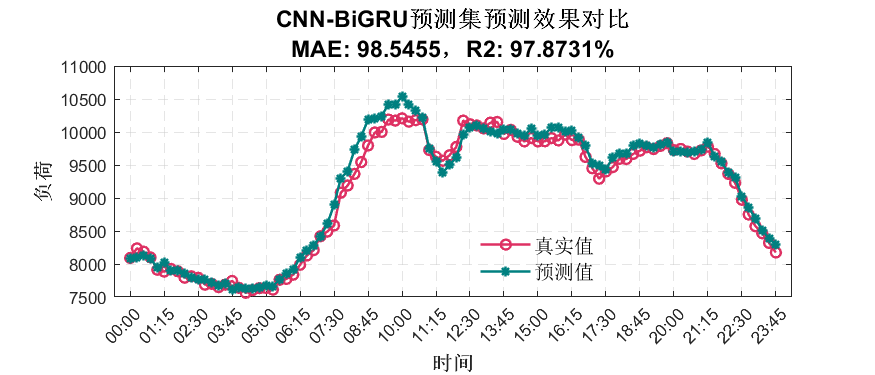 The prediction effect of this data is quite good and is very suitable for writing papers.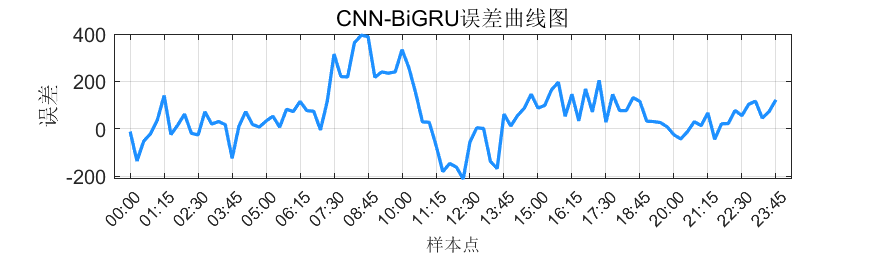
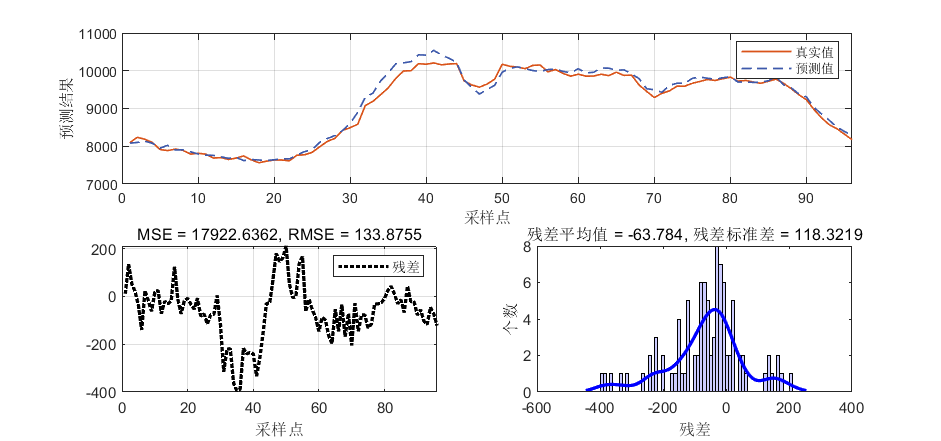
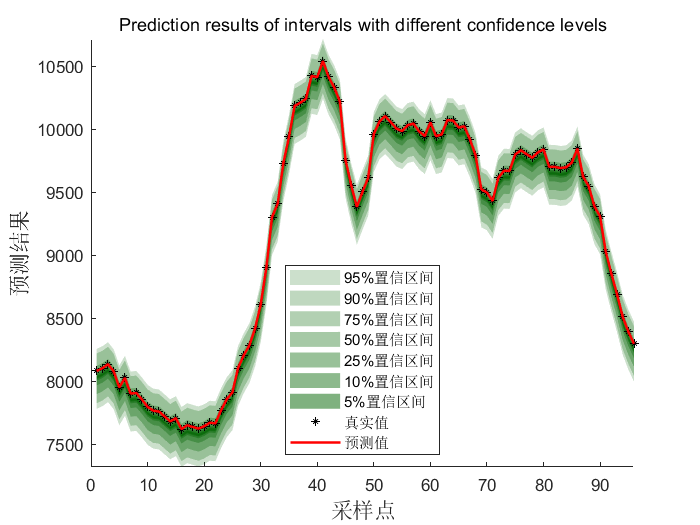
Additionally, this issue also adds code for evaluating confidence intervals:
 December test results: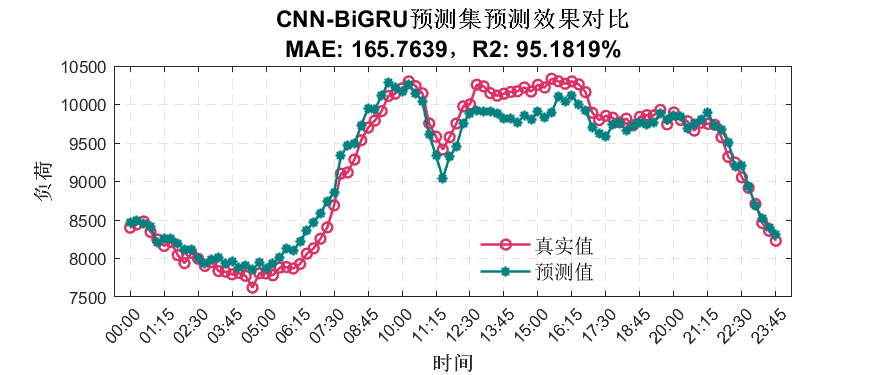
Access to the machine learning prediction toolkit code
Click the link below Read the original text to obtain it.
The algorithms from this article have been added to the machine learning prediction toolkit and those who need the toolkit can follow the link to obtain it:
https://mbd.pub/o/bread/ZZmWk5xp
Scan this QR code to access the prediction toolkit