Click the blue text above to follow us

📋📋📋 The table of contents is as follows: 🎁🎁🎁
Table of Contents
💥1 Overview
📚2 Results
🎉3 References
🌈4 Matlab Code, Data, References



1 Overview
Source of literature:

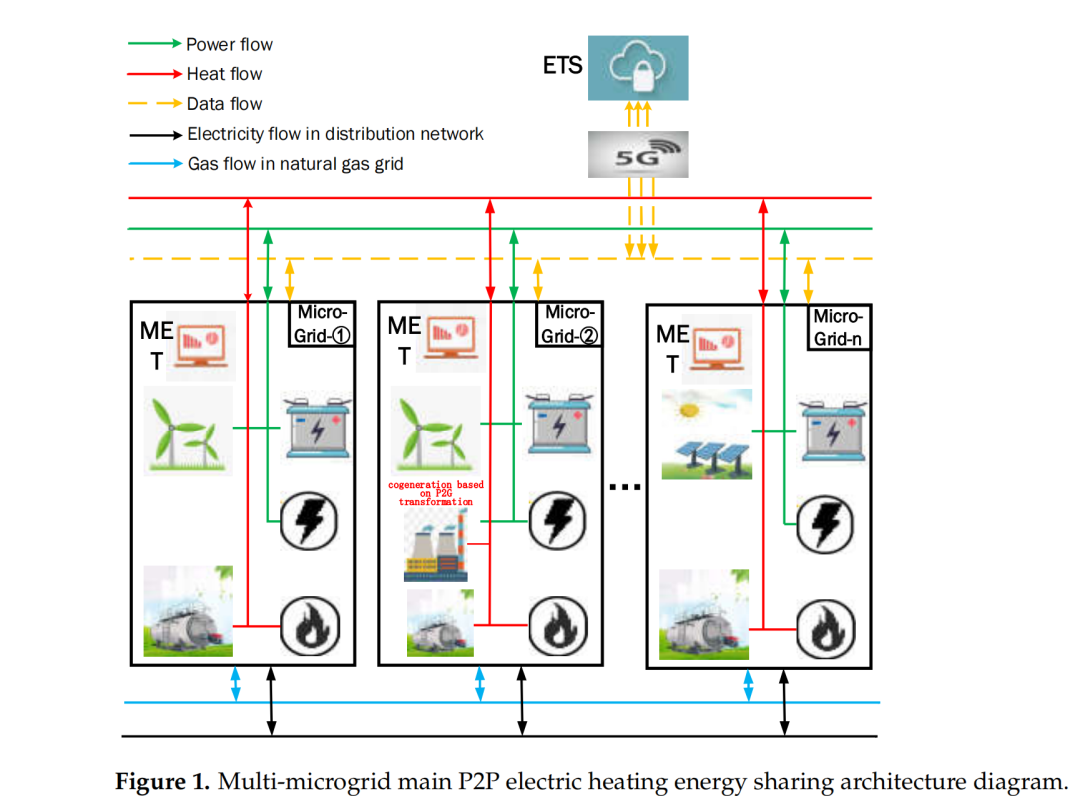
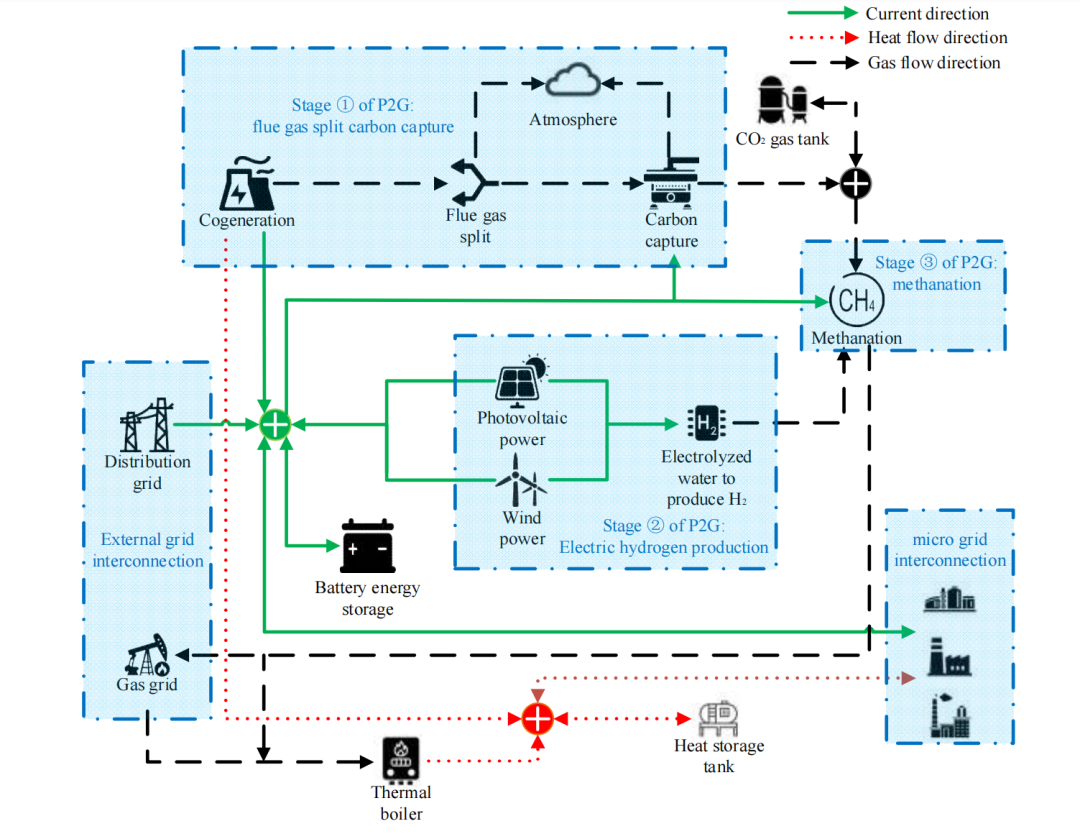
Abstract: In order to promote energy mutual assistance among microgrids, expand the types of energy interactions, and improve the utilization rate of renewable energy, this paper proposes a dual-layer sharing strategy for multi-microgrids (MMGs) based on Nash game theory. First, the microgrid model is transformed into a low-carbon operation mode of an integrated flexible carbon capture combined heat and power (CHP) plant. Then, a dual-layer sharing model for the main energy of multi-microgrids based on Nash game theory is constructed, which is decomposed into a profit maximization subproblem and a profit redistribution subproblem. In the profit maximization subproblem, the goal is to minimize the operational cost of carbon quotas and conduct phased carbon trading, using the Alternating Direction Method of Multipliers (ADMM) for distributed solutions. In the profit redistribution subproblem, a reasonable profit redistribution is achieved by constructing an asymmetric energy mapping contribution function for different periods and energy types. Finally, simulation results validate the effectiveness of the proposed method. The results show that the strategy can optimize the economic objectives of the multi-microgrid (MMG) alliance, with reasonable profit redistribution, promoting wind and solar consumption, and reducing carbon emissions. Keywords: Nash game; multi-microgrid; dual-layer sharing; low-carbon transformation of gas power plants; Alternating Direction Method of Multipliers; CHP
The “China Carbon Neutrality Research Report 2060” states: “Low-carbon and zero-carbon technologies are key to achieving carbon neutrality goals, especially in areas such as carbon capture, utilization, and storage (CCUS), negative emissions, and carbon sinks.” Promoting the effective utilization of renewable energy to achieve a low-carbon, clean energy supply for the power system will be a key research direction in the future. Microgrids are an important way to integrate producers and sellers. Internally, they contain various distributed energy sources and multiple types of loads, which can promote self-production and self-consumption of energy. Externally, they can interact with the grid to achieve integrated supply and sales. Peer-to-peer (P2P) energy trading among microgrids can effectively reduce electricity costs; improve the utilization of new energy, and reduce carbon emissions.
 For detailed article explanation, see section 4.


2 Results
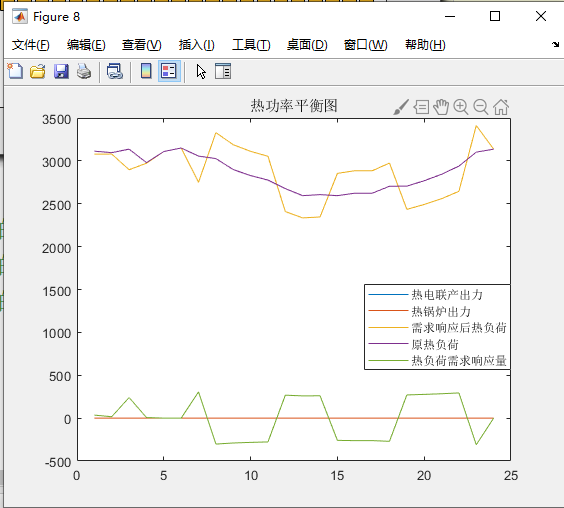
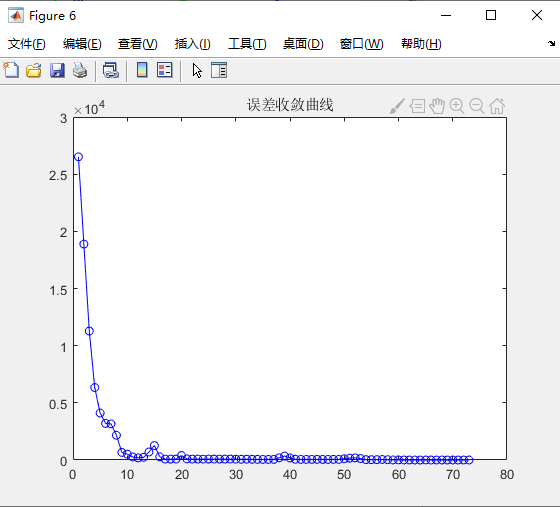
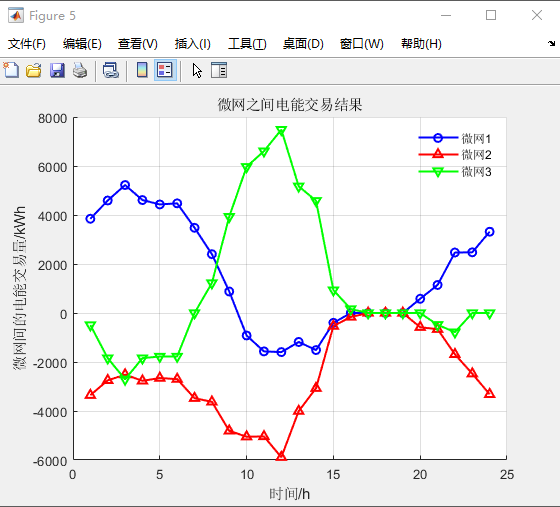
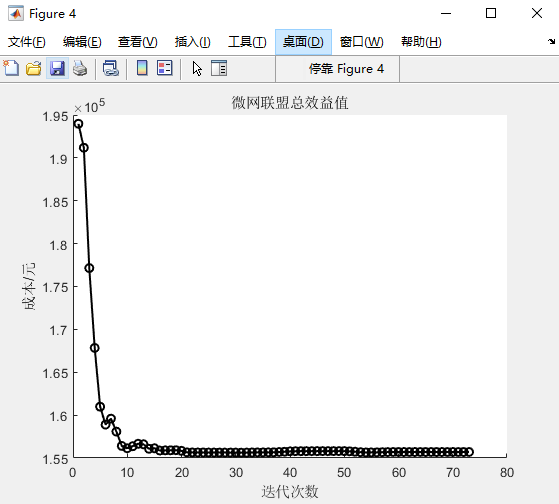
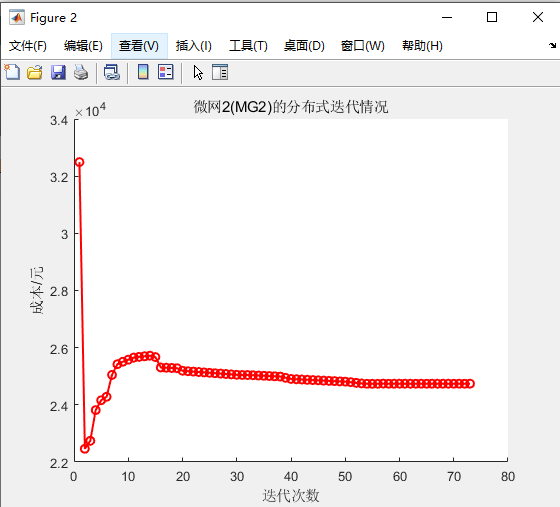
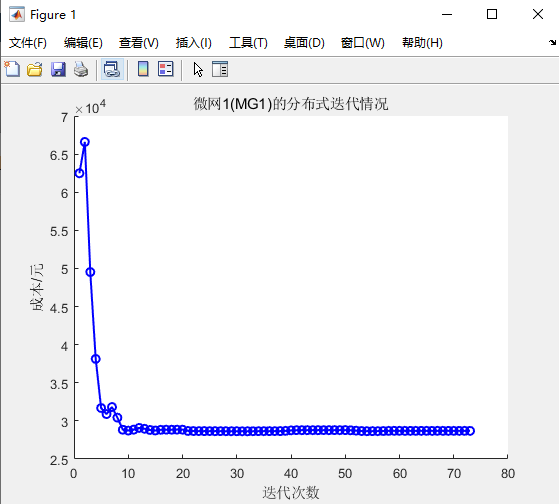
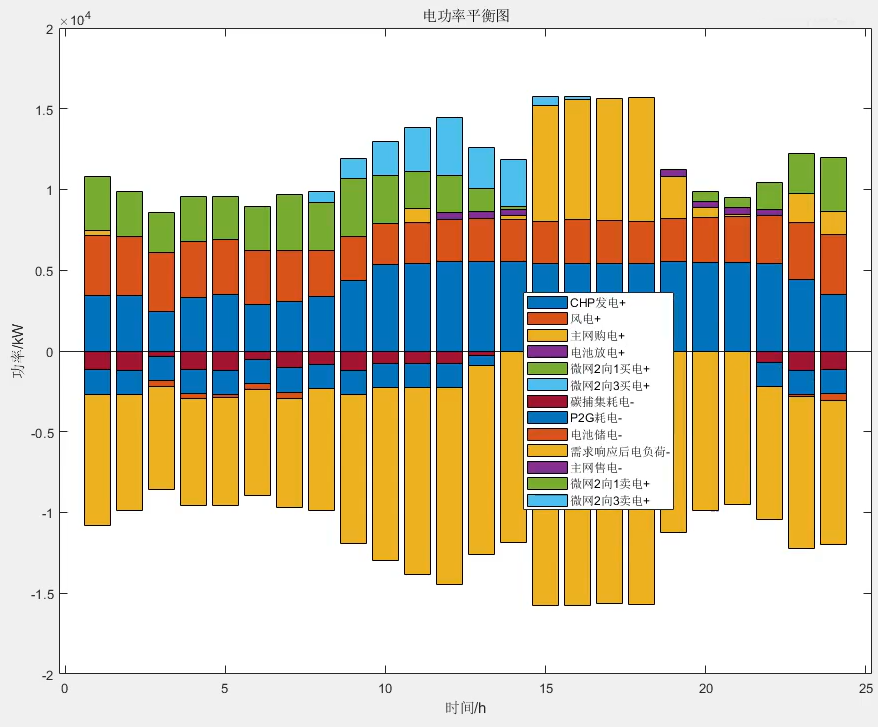
% Distributed optimization iterative model for microgrid 2 (MG2) % Adjusting Soc_C can achieve this, whether to add CO2 solution storage function [ P_e_21 , Obj_MG_21 ] = Copy_of_Fun_MG_21( P_e_12 ,P_e_23 ,P_e_32 ,lambda_e_12,lambda_e_23 )%% Decision variable initialization L_e=sdpvar(1,24); % Actual electrical load of the microgrid after demand response L_h=sdpvar(1,24); % Actual thermal load of the microgrid after demand response P_e_cut=sdpvar(1,24); % Reducible electrical load of the microgrid P_e_tran=sdpvar(1,24); % Transferable electrical load of the microgrid P_h_DR=sdpvar(1,24); % Reducible thermal load of the microgrid E_bat=sdpvar(1,24); % Energy storage capacity of the microgrid P_batc=sdpvar(1,24); % Charging power of the energy storage device P_batd=sdpvar(1,24); % Discharging power of the energy storage device U_abs=binvar(1,24); % Discharge state of the energy storage device, 1 for discharge, 0 for not discharged U_relea=binvar(1,24); % Charge state of the energy storage device, 1 for charging, 0 for not charging P_e_wd=sdpvar(1,24); % Actual output of wind power P_e_GT=sdpvar(1,24); % Power generation of gas turbine P_h_GT=sdpvar(1,24); % Heat power of gas turbine P_h_GB=sdpvar(1,24); % Heat power of waste heat boiler P_buy=sdpvar(1,24); % Power purchased from the external grid P_sell=sdpvar(1,24); % Power sold to the external grid Gas_GT=sdpvar(1,24); % Gas consumption of GT Gas_GB=sdpvar(1,24); % Gas consumption of GB Gas=sdpvar(1,24); % Total gas consumption of the system % P2G+CCS P_e1=sdpvar(1,24); % Power supply of CHP P_e3=sdpvar(1,24); % Power supply of P2G from CHP P_e2=sdpvar(1,24); % Power supply of CCS from CHP P_h=sdpvar(1,24); % Output thermal power of CHP P_gs=sdpvar(1,24); % Gas production power of P2G C_ccs=sdpvar(1,24); % Amount of CO2 captured by CCS C_p2g=sdpvar(1,24); % Amount of CO2 used by P2G Soc_C = sdpvar(1,24); % Amount of CO2 captured by CCS / Amount of CO2 used by P2G P_e_21 = sdpvar(1,24); % Electricity supplied from microgrid 2 to microgrid 1 %% Import electrical/thermal loads and grid purchase prices Predict_wd = [3716,3646,3617,3469,3401,3373,3168,2865,2712,2528,2572,2645,2681,2588,2594,2701,2638,2593,2674,2745,2851,2949,3529,3704 ]; L_e0 = [7764,6828,6116,6290,6377,6224,6420,7655,8761,11253,12184,13009,13809,13940,14005,13763,13671,14117,13216,11604,11197,9682,8960,8496] ; L_h0 = [7783,7740,7842,7449,7772,7876,7639,7567,7246,7071,6940,6691,6486,6516,6486,6558,6556,6761,6763,6921,7109,7348,7755,7842]*0.4 ; Predict_wd = floor(Predict_wd ); pri_e=[0.40*ones(1,7),0.75*ones(1,4),1.20*ones(1,3),0.75*ones(1,4),1.20*ones(1,4),0.40*ones(1,2)]; grid_sw= 0.2*ones(1,24); %% Constraints C=[]; % Demand response part of the microgrid's electrical/thermal load for t=1:24 C=[C, L_e(t)==L_e0(t)-P_e_cut(t)-P_e_tran(t), % Power balance constraint for microgrid's electrical load L_h(t)==L_h0(t)-P_h_DR(t), % Power balance constraint for microgrid's thermal load 0 <=P_e_cut(t)<= 0.05*L_e0(t), % Upper and lower limit constraints for reducible electrical power of the microgrid -0.1*L_e0(t)<=P_e_tran(t) <= 0.1*L_e0(t), % Upper and lower limit constraints for transferable electrical power of the microgrid -0.1*L_h0(t)<=P_h_DR(t)<=0.1*L_h0(t), % Upper and lower limit constraints for reducible thermal power of the microgrid ];endC=[C,sum(P_e_tran)==0,]; % Total transferred electrical load constraint C=[C,sum(P_h_DR )==0,]; % Total transferred thermal load constraint % Constraints for the microgrid's energy storage devices % Continuity constraint for the state of charge of the energy storage station C=[C,E_bat(1)== 1000+0.95*P_batc(1)-P_batd(1)/0.96,]; % Constraint for time period 1 for t=2:24 C=[C,E_bat(t)==E_bat(t-1)+0.95*P_batc(t)-P_batd(t)/0.96,]; % Capacity change constraint for energy storage devices end% Size constraint for energy storage capacity for t=1:24 C=[C,500<=E_bat(t)<=2500,]; % Upper and lower limit constraints for energy storage end% Conservation of initial and final state C=[C,E_bat(24)==1000,];% Power constraints for charging and discharging of the energy storage station, linearization using Big-M method M=1000; % Here M is a large number


3References
Some content in this article is sourced from the internet, and references will be noted. If there are any inaccuracies, please feel free to contact us for removal.




4 Matlab Code, Data, References
Public Account
Lychee Research Society


MATLAB|【SCI Electric】 Consideration of Different Charging Needs for Electric Vehicle Orderly Charging Scheduling Method
2023-06-13
MATLAB|【SCI Zone】 Modeling and Optimization Research of Combined Heat and Power Based on Power-to-Gas and Carbon Capture System in Integrated Energy Systems
2023-07-19
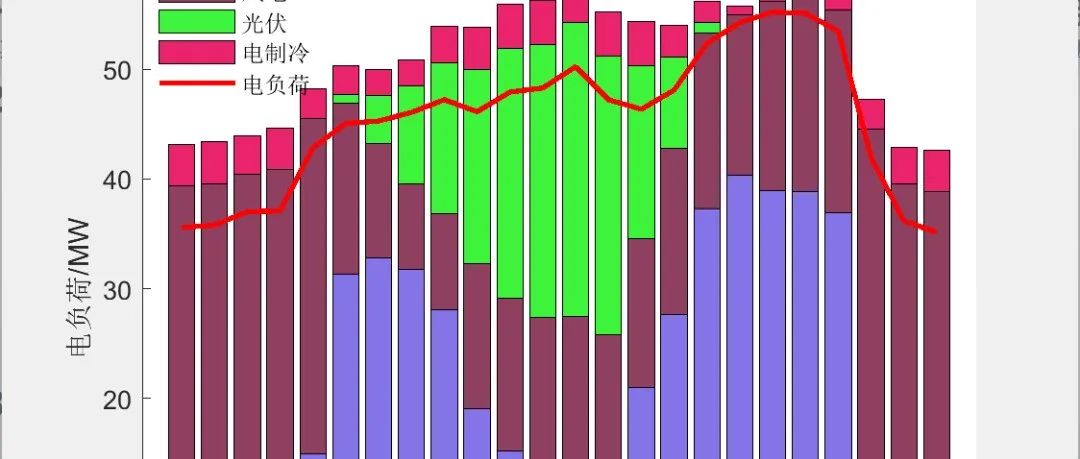
MATLAB|【SCI】 Research on Comprehensive Energy Optimization Scheduling Considering Hydrogen Energy
2023-11-04
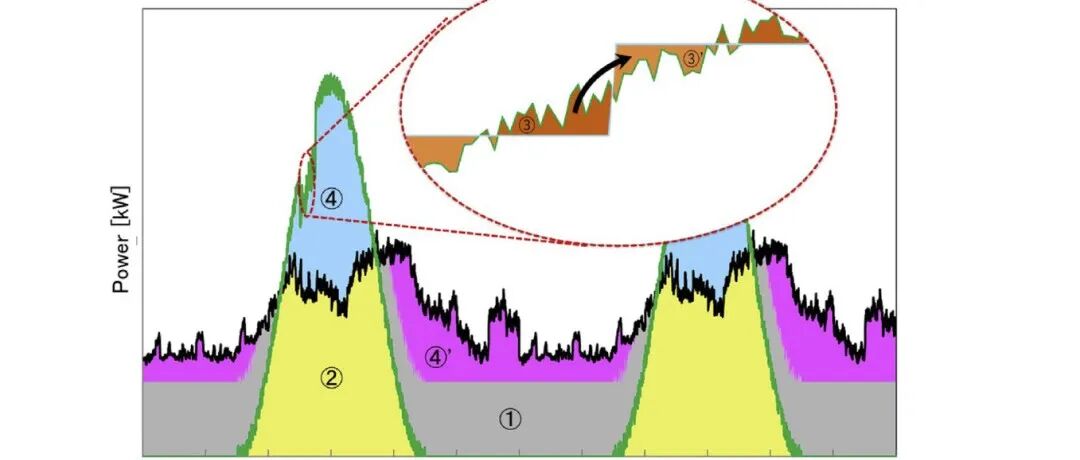
MATLAB| Based on Multi Objective Particle Swarm Algorithm for Microgrid Optimization Scheduling【Wind, Solar, Energy Storage, Diesel Generator, Grid Interaction Gas Turbine】
2023-08-27
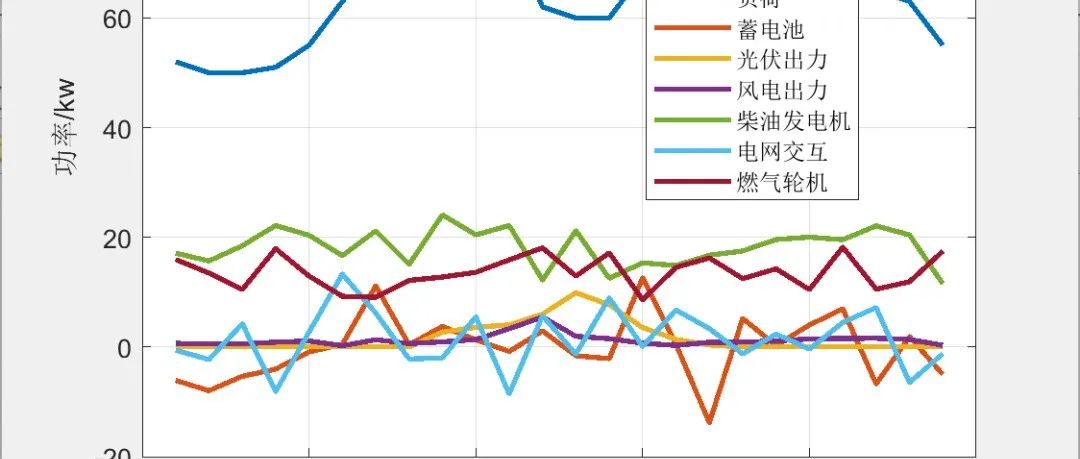
【Multi-Microgrid】 Research on Distributed Operation Strategy of Multi-Microgrid Energy Interaction Based on Alternating Direction Method of Multipliers (ADMM) (Matlab Code Implementation)
2023-04-13
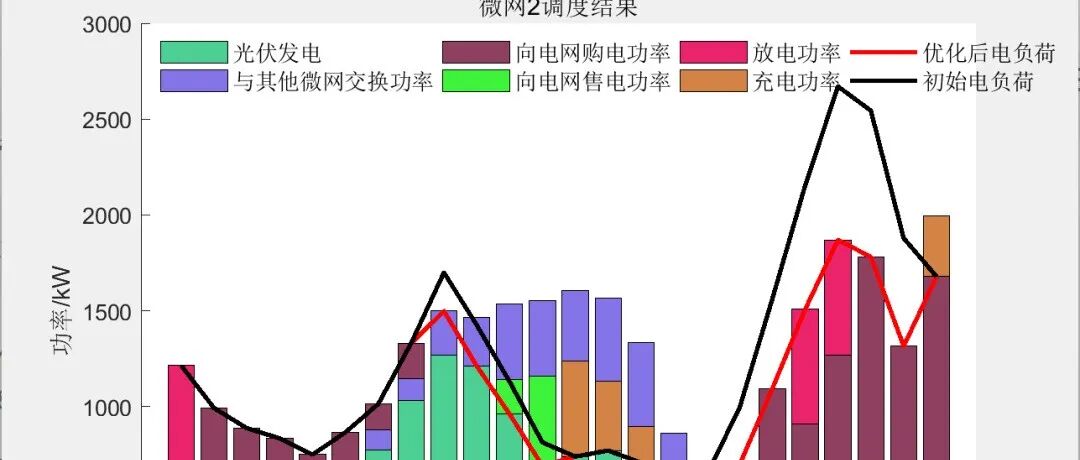
【Multi-Microgrid】 Game Optimization Scheduling of Power Grid with Shared Energy Storage (Matlab Code Implementation)
2023-03-18
【Microgrid Scheduling】 Research on Microgrid Optimization Scheduling Based on Improved Multi-Objective Grey Wolf Algorithm Considering Demand Response (Matlab Code Implementation)
2023-03-30
MATLAB| Research on Multi-Objective Optimization Method for Microgrid Operation Considering Load Satisfaction
2023-09-18
Multi-Microgrid Case Study – Research on Distributed Energy Trading (Matlab Code Implementation)
2023-01-03
Multi-Microgrid Optimization Scheduling (Wind Turbine, Photovoltaic, Energy Storage, Fuel Cell, Diesel Generator, Grid Interaction) (Matlab Code Implementation)
2023-01-31