 Author | Mao XinruThis year’s Qixi Festival saw a special “witness” at the Marriage Registration Office in Nanshan District, Shenzhen.Not only did it stamp the marriage certificates, present roses, and participate in themed activities for photos, this “witness” is the Astribot S1 humanoid robot.It must be admitted that humanoid robots are rapidly integrating into various aspects of our lives, from elderly care to commercial services, and now into large-scale industrial applications.The Astribot S1, which just completed its “witness” task, is about to switch roles and engage in more challenging industrial production tasks.Today, Astribot announced a strategic cooperation with XianGong Intelligent to achieve a thousand-unit order for humanoid robots, aiming to promote the large-scale, phased deployment of over a thousand AI robots in industrial, manufacturing, warehousing, and logistics scenarios over the next two years.This cooperation is not only one of the earliest large-scale commercial collaborations in the industrial field for humanoid robots this year but also provides a new practical case for the deep integration of “robotics +” with intelligent manufacturing.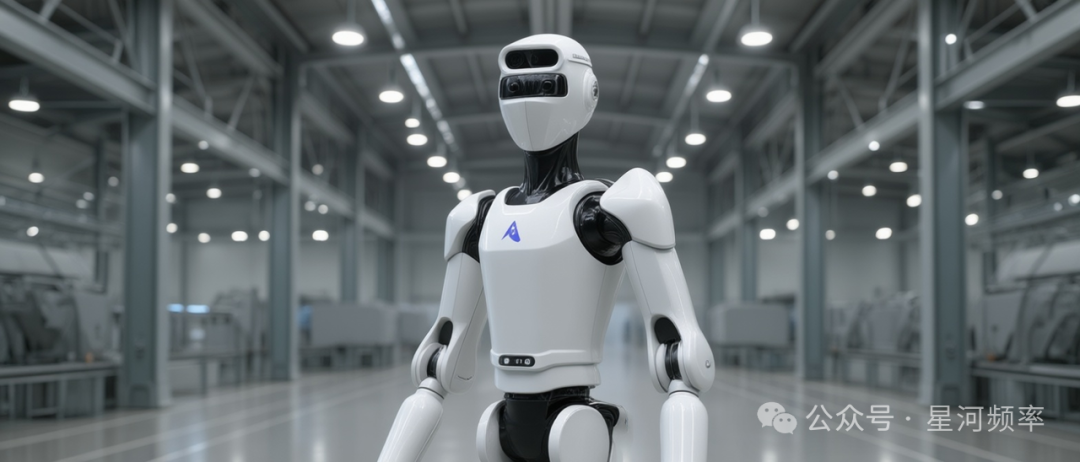
 Astribot: Aiming to be an Embodied Intelligent “Super Assistant” In the fiercely competitive humanoid robot market, Astribot has carved out a differentiated development path.It has made a “non-consensus” choice in its technical approach by adopting rope-driven transmission technology as the core solution for the robot’s body.Currently, Astribot is also the first company in the industry to achieve mass production of rope-driven AI robots.Astribot’s founder, Lai Jie, believes that the first principle of robots interacting with the physical world is the perception and control of “force”, rather than visual positioning, which directly led to its choice of rope-driven technology.The AI robot Astribot S1 uses rope-driven transmission technology to simulate the way human tendons exert force, making the robot’s behavior and movements closer to that of humans, with inherent operational advantages such as high dynamic response, high dexterity, and high interaction safety.
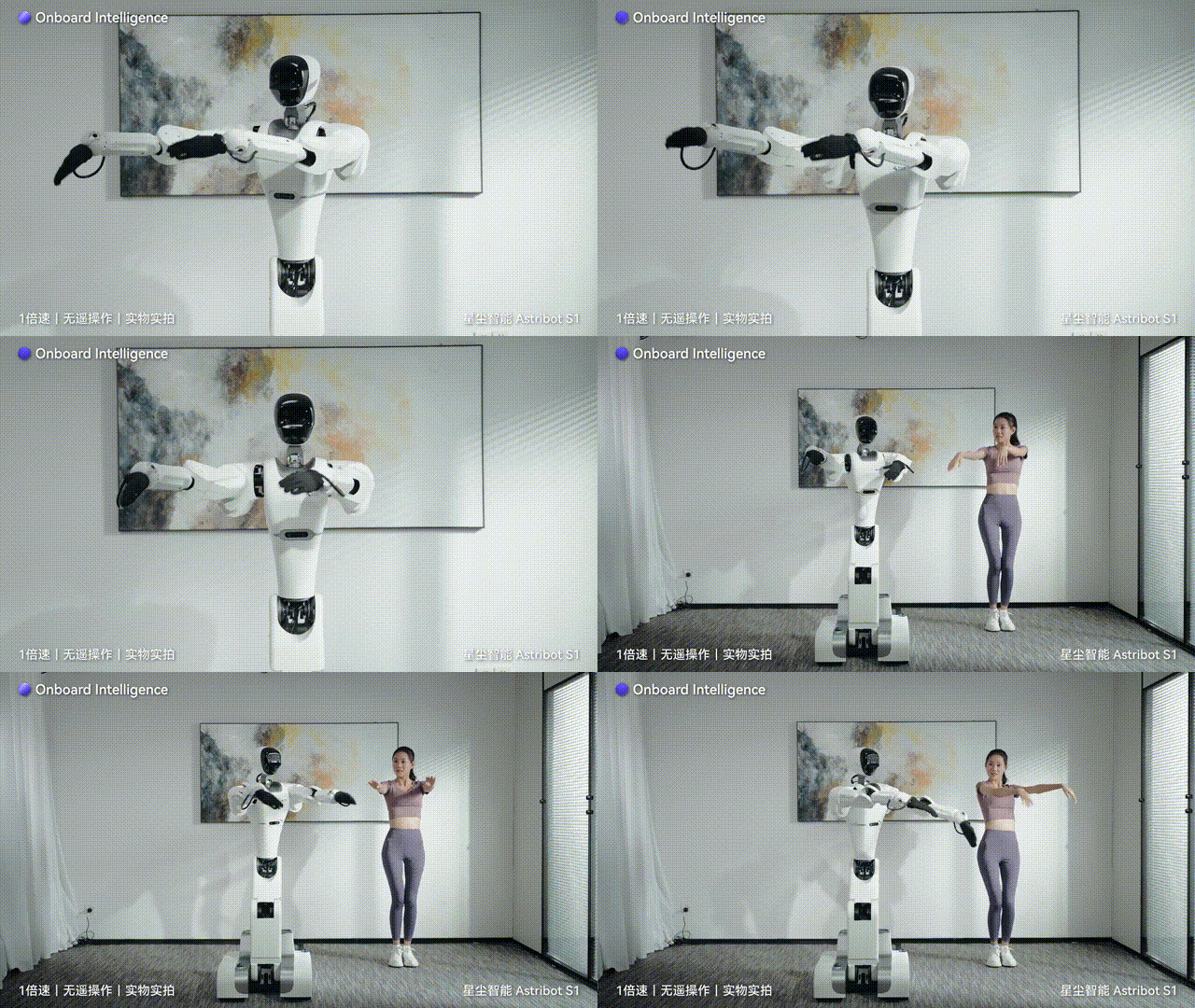 Traditional motor drives often face issues such as large size, rigidity, and insufficient safety, while rope-driven technology achieves a better balance between force control precision and safety through a transmission method similar to human muscles and tendons.In industrial environments, this characteristic means that robots can handle fragile materials more gently, complete assembly tasks more accurately, and collaborate with humans more safely.Especially in logistics scenarios, the Astribot S1 can handle various shapes and weights of turnover boxes, adapting to different heights of shelves and conveyor lines, showing significantly greater flexibility than traditional industrial robots.On the software and intelligence front, Astribot has built a full-body VLA model architecture and adopted the “slow brain” concept in model design, deeply integrating perception, language understanding, and action control.The “slow brain” is a composite system that integrates real scene data with a VLA large model and a physical world model, operating at a frequency of 20Hz, responsible for task planning, physical reasoning, and cross-scenario meta-skill transfer;the “fast brain” is based on rope-driven transmission and dual closed-loop control technology, operating at a frequency of 250Hz to convert slow brain commands into millimeter-level continuous actions, achieving real-time dynamic corrections through force feedback.This architecture effectively resolves the contradiction between general semantic understanding and real-time precise control: the slow brain processes high-level goals and “thinks slowly”, while the fast brain is responsible for “quick decision-making” and immediate execution and adjustment of actions.In industrial scenarios, this mechanism allows the robot to understand high-level commands such as “transport materials to production line three” while also being able to adjust its arm posture in real-time to accommodate slight changes in material positions and instinctively react to obstacles.Moreover, the training data for its VLA model is primarily based on real robot interaction data, supplemented by simulation data and internet data. This data strategy enhances the model’s adaptability in real-world scenarios,reducing the Sim2Real Gap problem caused by pure simulation training.
 Astribot’s product matrix currently centers around the Astribot S1, priced at approximately 500,000 yuan, which includes a data collection remote control platform, SDK development kit, and more. This product has been deployed in multiple scenarios and has garnered clients including JD.com, CCTV, Shenzhen Elderly Care Institute, and Shenzhen Artificial Intelligence and Robotics Research Institute.These cross-scenario application experiences have accumulated rich data for the Astribot S1, enhancing its generalization ability when entering industrial scenarios.This collaboration with XianGong Intelligent will bring a wealth of real industrial scene data to Astribot, further improving the adaptability of the VLA model in manufacturing and logistics scenarios, forming a positive cycle of “more data → better model → better experience → more data”.
 Industrial Scenarios: The Optimal Solution for CommercializationAs humanoid robots transition from laboratories to commercialization, industrial scenarios have almost become the common choice for all leading companies. This is the result of the combined effects of technology maturity, scene adaptability, and commercial sustainability.From UBTECH, Star Motion Era, Astribot, Kepler to Tesla, Figure AI, and Agility, domestic and foreign companies are increasingly choosing factories as early entry scenarios to accumulate data and refine technology through practical training.Undoubtedly, industrial scenarios are currently the best “training ground” and starting point for the commercialization of humanoid robots.The primary advantage of industrial scenarios lies in their structured environmental characteristics, which highly match the current technical capabilities of humanoid robots.In manufacturing workshops or warehouse areas, the positions of workstations, conveyor belt speeds, specifications of material boxes, the repetitiveness of operational processes, and abnormal handling processes are mostly predictable and standardizable.Therefore, the uncertainty faced by robots during the initial deployment is relatively low, allowing engineers to adjust positioning, force control, and grasping trajectories based on clear parameters, thus achieving a usable state more quickly.In contrast, home, retail, or public space environments are complex and variable, requiring robots to possess extremely high adaptability, robustness, and generalization capabilities, with the time and cost required for training and validation far exceeding those in industrial scenarios.
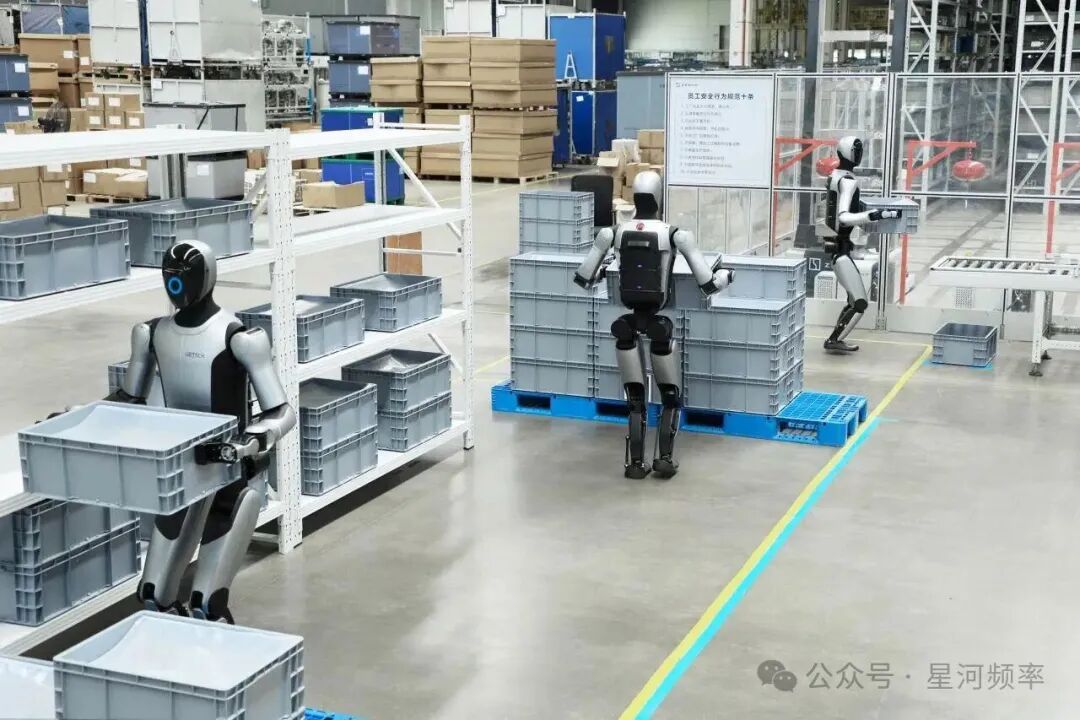 From an economic feasibility perspective, the large-scale application of industrial scenarios provides an ideal path for robot companies to achieve a commercial closed loop.The manufacturing industry faces multiple challenges such as rising labor costs, a shortage of skilled workers, and pressure to improve production efficiency, creating real market demand for humanoid robots.The High-Tech Robot Industry Research Institute predicts that by 2030, global humanoid robot sales will reach nearly 340,000 units, with a market size exceeding 64 billion yuan; by 2035, sales will exceed 5 million units, and the market size will surpass 400 billion yuan.By replacing manual labor in tasks such as material delivery, turnover box handling, and loading/unloading, companies can reduce labor costs, improve production stability, and decrease safety incidents, thus achieving quantifiable returns on investment in the short term, a commercial closed loop that is difficult to achieve in consumer scenarios.From the perspective of technological evolution, industrial scenarios are a necessary stage for humanoid robots to transition from specialized to general-purpose.Current humanoid robots are still far from true general intelligence; through applications in industrial scenarios, robots can first establish technological barriers and user trust in specific fields.
 Specifically, in application scenarios, the industrial field provides a rich task matrix for humanoid robots.In workshops of 3C electronics, automotive manufacturing, and other industries, robots can handle the transportation and assembly of precision components; in new energy battery production lines, robots can perform cell inspection and transportation; in logistics and warehousing scenarios, robots can complete sorting, stacking, and transshipment of goods.In summary, industrial scenarios are regarded as the first station for the commercialization of humanoid robots, stemming from both the standardized and quantifiable characteristics of the scenarios themselves and the practical support from industrial organizations and supply chains.Ultimately, manufacturers that successfully leverage industrial scenarios as a springboard to transition into homes and service industries are often those that have made substantial progress in hardware engineering, controller collaboration, and data closed loops.
 The Year of Mass Production: Orders Soar2025 is undoubtedly the year of mass production for humanoid robots.Data shows that this year, the sales of humanoid robots in China are expected to exceed 10,000 units, a year-on-year increase of 125%.In terms of applications, humanoid robots have been piloted in industrial manufacturing, retail delivery, catering services, and other fields, with the entire industry entering a stage of large-scale deployment.The leap in mass production is driven by leading companies signing large orders, pushing the industry towards large-scale applications.
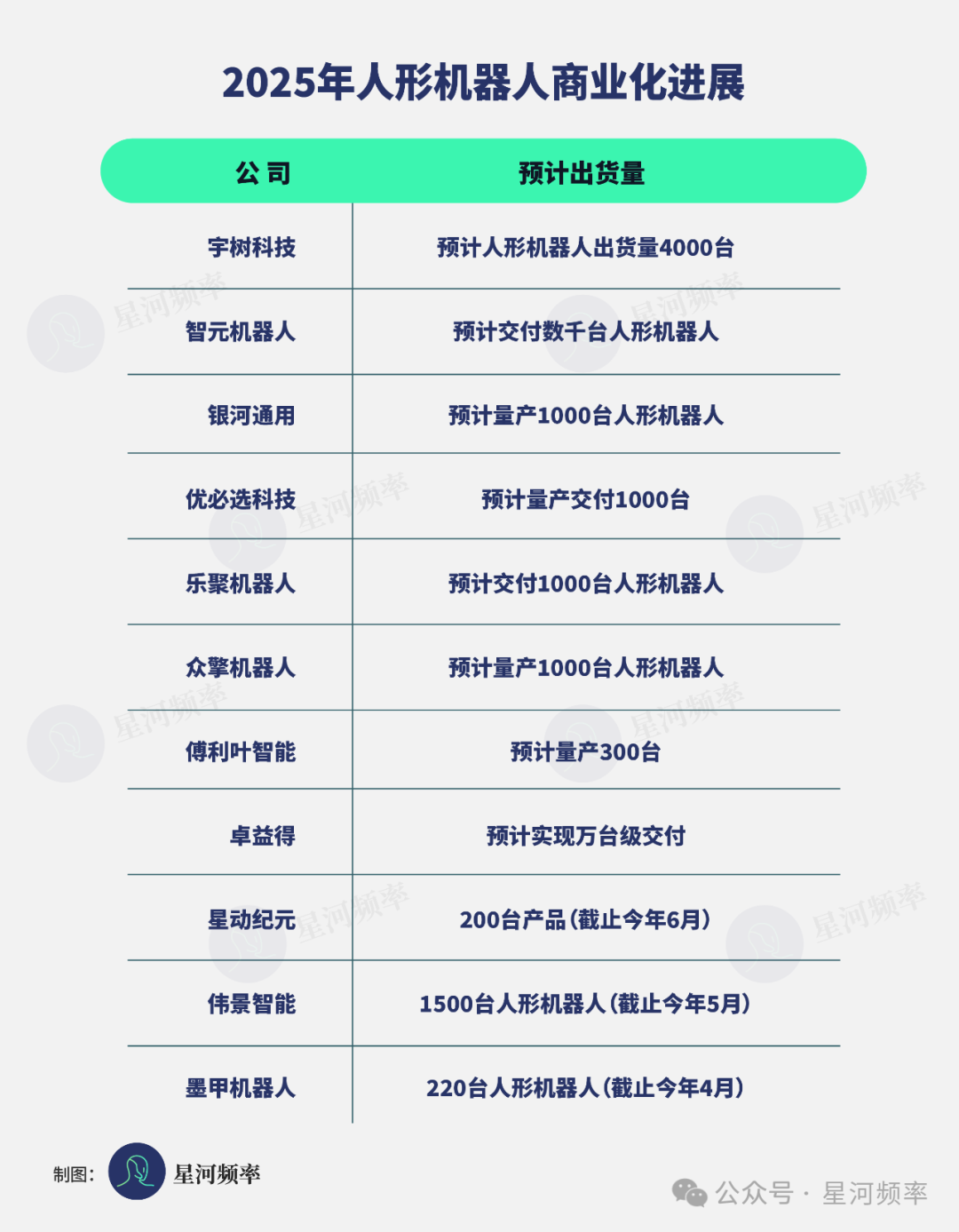 Since July of this year, large orders have been coming in one after another. First, Yushu Technology and Zhiyuan Robotics secured a 124 million yuan order from China Mobile, becoming the largest single purchase in the domestic humanoid robot field to date.Subsequently, UBTECH signed a large biped humanoid robot procurement contract in April and won a 90.5115 million yuan humanoid robot procurement project from Miyi Automotive in mid-July, securing the largest bid in the global humanoid robot industry.In August, Zhiyuan reached a multi-million yuan cooperation with Fulian Precision, with nearly a hundred Expedition A2-W robots set to be deployed in Fulian’s factory, becoming the first case of large-scale commercial signing for embodied robots in the domestic industrial field.Leju Robotics has also become the first candidate for the second phase of the Beijing Humanoid Robot Data Training Center project, with an order amount of 82.95 million yuan.Additionally, companies like Tiantai Robotics signed the world’s first order agreement for 10,000 embodied intelligent humanoid robots, and Junpu Intelligent secured approximately 28.25 million yuan in humanoid robot orders.The significance of these orders lies not only in their monetary value but also in the signal they collectively send: the willingness to pay and procurement processes along the industrial chain have begun to tilt towards humanoid robots,marking a shift from “demonstration trials” to a new stage of “paying for capabilities”.
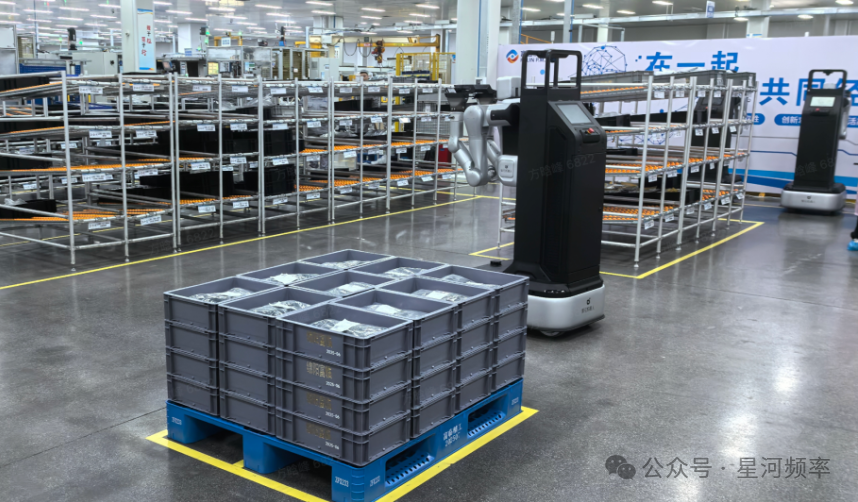 Breaking down these orders reveals three layers of value:The first layer is the controllability of the supply chain and cost curve.Batch-level delivery requires key components to achieve scalable supply in terms of price and quality. Without stable component supply, the manufacturing and maintenance costs per unit will be locked at high levels, making large-scale delivery a burden.The second layer is the establishment of a commercial closed loop.Industrial customers typically focus on “input-output ratios”; when robots can achieve quantifiable improvements in clear metrics, such as yield enhancement or reduction in safety incidents, they will have repurchase value, and the project may evolve into continuous procurement.The third layer is operational and service capabilities.Multiple deliveries mean that spare parts systems, on-site engineering teams, remote diagnostic platforms, and rapid iteration capabilities must be in place simultaneously. Delivery is just the first step; long-term availability and control of maintenance costs are key to determining repurchase and expansion.Moreover, each delivery also represents an opportunity for data collection,allowing robots to systematically collect on-site demonstrations, failure cases, and parameter adjustment records, transforming them into structured samples for training.Viewing delivery as a “data-driven production process” makes it possible to convert the success of a single delivery into cumulative model improvements, thus achieving faster adaptability in subsequent deliveries.In contrast, if delivery is an isolated project without a data closed loop, regardless of the quantity delivered, the long-term commercial value will be fragile.Despite the rapid growth in orders this year, the humanoid robot industry still faces challenges.Leju Robotics founder Leng Xiaokun stated that if we only look at the small brain and the body, 2025 is indeed the year of mass production for humanoid robots, as the robots delivered can move, walk, and wave.However, true industrialization of humanoid robots will certainly be the result of the integration of the brain, small brain, and body.Leng Xiaokun’s judgment precisely points out the truth behind the current industry boom:The initial realization of mass production only solves the usability issue of “from 0 to 1”, whilereal industrial success relies on sustainability and generality of “from 1 to N”.The current surge in orders is merely the starting gun for a long marathon.Ultimately, those who can traverse cycles and move towards a general future will be the long-term thinkers who treat each delivery as a system capability upgrade and successfully convert data into true intelligence.


 Click “Read the original text” to join the Xinghe Frequency Knowledge Circle.