
Click the blue text above to follow for more exciting content

What is CAR-T Cell Therapy?

CAR-T therapy (Chimeric Antigen Receptor T-cell therapy) is a type of immunotherapy primarily used for the clinical treatment of malignant blood diseases and tumors. CAR-T therapy involves collecting and isolating T cells from the patient’s blood, followed by genetic modification to enhance their targeting and killing abilities against cancer cells. After large-scale culture and amplification of T cells in vitro, they are reintroduced into the patient’s body, continuing to proliferate and ultimately recognizing and destroying cancer cells within the body.
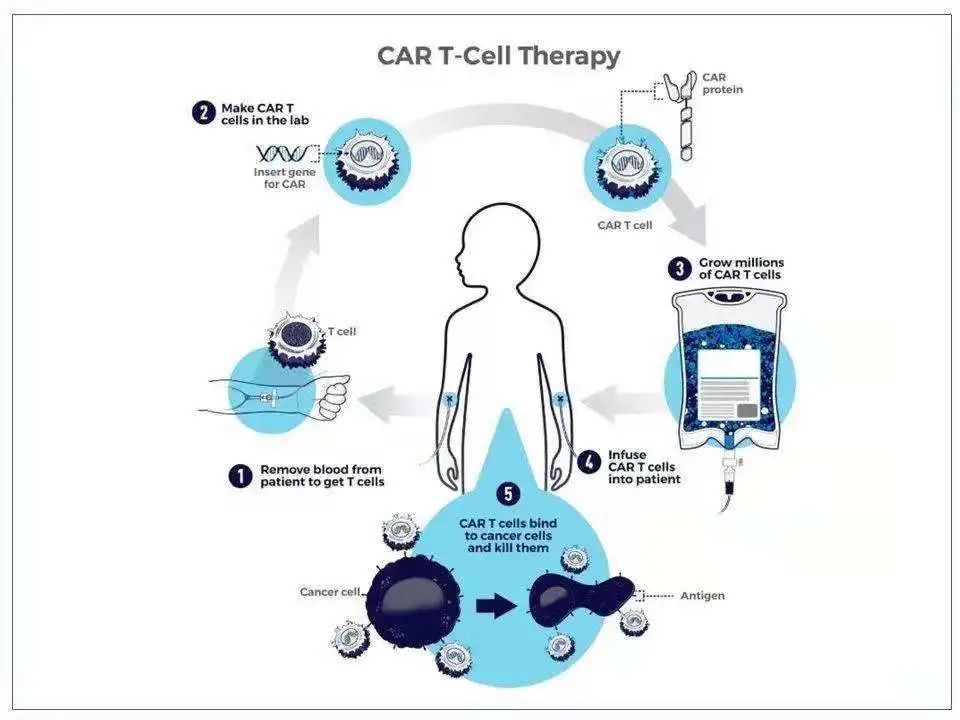
(Image source from the internet)
CAR-T therapy is more lethal to tumor cells and has stronger targeting capabilities, resulting in more durable treatments. Each CAR-T is specifically designed based on the surface antigens of the tumor present in the patient’s body, making it more targeted. Experiments have shown that when cancer cells re-emerge in the body, these genetically modified T cells can still exert anti-tumor activity.

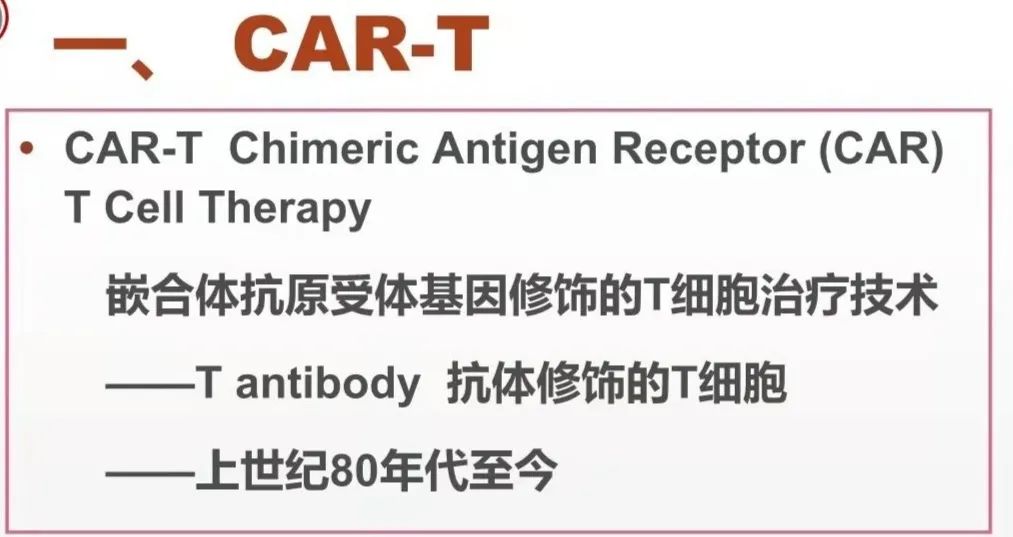
(Image source from the internet)

Clinical Project Information on CAR-T Therapy
 [Research Title]Phase I Clinical Trial of New CoupidCAR Therapy GCC19CART for Refractory Solid Tumors[Research Drug]
Chimeric Antigen Receptor T-cell Immunotherapy
[Project Advantages]This clinical trial utilizes CAR-T cell therapy; Efficacy: Currently, there have been cases of PR (Partial Response), with colorectal cancer (40%-90%), thyroid cancer (70%), and higher rates for prostate cancer;[Eligible Cancers]Patients with solid tumors who have failed standard treatments can participate; Patients with gastric cancer, breast cancer, pancreatic cancer, lung cancer, mesothelioma, ovarian cancer, endometrial cancer, cervical cancer, prostate cancer, and other solid tumors can participate.
[Inclusion Criteria]
1. Aged 18-65;
2. Immunohistochemistry (IHC) target expression ≥1+;
3. Cytology or pathology confirmed solid tumor meeting the protocol;
4. Inoperable or unsuitable for surgery, or postoperative recurrence;
5. At least one measurable extra-cranial lesion according to RECIST 1.1 criteria;
6. Expected survival ≥60 days;
7. Major organ function normal, meeting the following criteria:
8. ECOG score 0-1 or KPS score >70;
9. Blood test standards: HB≥90g/L (not transfused in the last 14 days), ANC≥ 1.5 x 10^9/L, PLT≥80 x 10^9/L, Alb ≥ 2.8g/dL, serum lipase and amylase < 1.5×ULN (upper limit of normal);
10. Biochemical tests: TBIL≤1.5 x ULN (upper limit of normal); ALT and AST≤2.5 x ULN; if liver metastasis exists, ALT and AST≤5xULN; serum Cr≤1xULN, endogenous creatinine clearance >50 ml/min (Cockcroft-Gault formula);
11. Cardiac ejection fraction >55%;
12. No bleeding disorders or coagulation dysfunction;
13. No allergy to contrast agents;
14. (Women of childbearing age) Negative pregnancy test results and contraception within 8 weeks after the last infusion;
15. Good compliance and cooperation with follow-up.
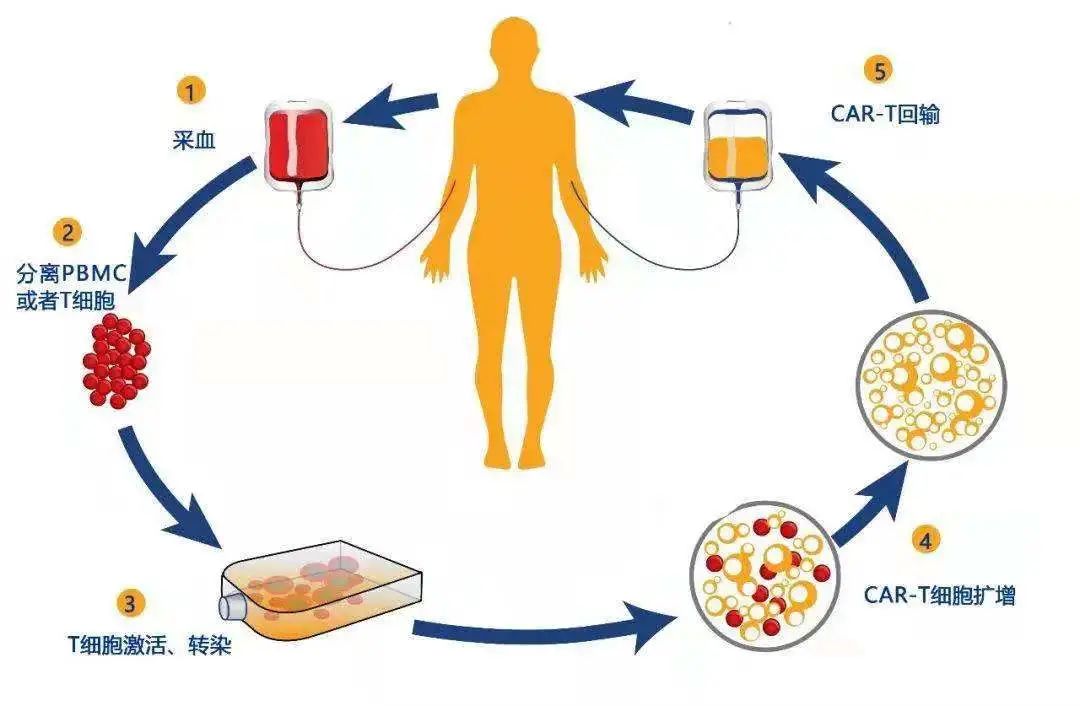
(Image source from the internet)
[Exclusion Criteria]
1. T-cell transduction efficiency <10% or T-cell expansion less than 5-fold after culture;
2. Participation in other drug clinical trials within 4 weeks prior to the study start;
3. Patients with hypertension poorly controlled by a single antihypertensive drug (systolic blood pressure > 140 mmHg, diastolic blood pressure >90 mmHg), patients with grade I or higher myocardial ischemia or myocardial infarction, grade I and above arrhythmias (including QT interval ≥ 440ms) or heart failure;
4. Long-term non-healing wounds in the chest or other areas or fractures;
5. History of substance abuse and inability to quit or history of mental disorders;
6. Objective evidence of pulmonary fibrosis, interstitial pneumonia, pneumoconiosis, radiation pneumonia, drug-related pneumonia, or severely impaired lung function;
Presence of uncontrolled or antibiotic-treated fungal, bacterial, viral, or other infections. Simple urinary tract infections and uncomplicated bacterial pharyngitis are allowed;
[Research Hospital Locations]
Chongqing, Changchun, Zhengzhou, Lanzhou, Yantai, Shanghai, Qingdao

END, click the link below to learn more about previous exciting content
-
Differences Between Solid and Non-Solid Tumors
-
Why Cancer Patients Are Suitable for Clinical Trials
-
DN1508052-01 Monotherapy Subcutaneous and Intratumoral Injection Clinical Treatment for Advanced Solid Tumor Patients
 Scan the QR code below to follow us