 Core Content SummaryRecently, the team from China University of Petroleum (East China) systematically analyzed the requirements for anode, cathode, and electrolyte materials in high energy density lithium batteries, pointing out that the target energy density for 2030 needs to reach 500 Wh/kg, while the current mainstream lithium iron phosphate batteries have an energy density of less than 200 Wh/kg, and ternary lithium batteries range from 200-300 Wh/kg. The team summarized the applications of polymer materials in batteries, such as alleviating 300% volume expansion of silicon-based anodes, with some polymer electrolytes achieving ionic conductivity of up to 10⁻³ S/cm, significantly enhancing battery performance.
This achievement was published in the journal Chemical Society Reviews under the title “Advancements in polymer materials for high-energy-density lithium-ion batteries,” with Yuting Du as the first author from China University of Petroleum (East China).
Content Overview
Polymer materials, with their inherent flexibility, adjustable structures, and ease of functionalization, are expected to address the bottleneck issues faced by high energy density batteries. This article first analyzes the requirements for anode, cathode, and electrolyte materials in high energy density batteries, as well as the challenges existing in current material systems; it then summarizes and discusses the current applications and development trends of polymer materials in these fields; further clarifies the issues faced by polymer materials in high energy density batteries regarding stability, ionic transport, processing, and system integration; and finally outlines the current applications and regulatory considerations of polymer materials in high energy density lithium batteries, proposing future development directions in this field. This article aims to provide insights for the application of polymer materials in lithium batteries and the development of high energy density lithium battery technology.
Research Background
Driven by the global transition to a low-carbon and sustainable energy system, high energy density lithium-ion batteries (LIBs) have become the core of next-generation energy storage technology, providing key power for the development of electric vehicles, smart grids, and portable electronic devices. Since their commercialization in 1991, LIBs have gradually replaced traditional lead-acid and nickel-hydride batteries due to their higher energy density, longer cycle life, and lower self-discharge rates. However, as the application fields expand, the limitations of traditional LIB structures have become increasingly prominent, especially issues such as energy density ceilings, safety hazards, and cost-effectiveness barriers. This technological bottleneck highlights the necessity of developing high specific energy LIB systems, the successful realization of which will have a profound impact on fundamental electrochemical research and industrial energy storage applications.
High energy density LIBs refer to new battery structures that significantly improve energy density, power density, and cycle life compared to traditional LIB systems, achieving synergistic enhancement through optimization of anodes (high specific capacity, high voltage platform, etc.), cathodes (high specific capacity, low charge transfer resistance, etc.), and electrolytes (high ionic conductivity, wide electrochemical stability window, etc.). Their core performance indicators include: energy density (the target for lithium batteries used in electric vehicles by 2030 is 500 Wh/kg), cycle life (capacity retention rate of no less than 80% after 1000 charge-discharge cycles), temperature adaptability (-60 to 80℃), and safety (passing puncture tests, suppressing thermal runaway, etc.).
Research Content
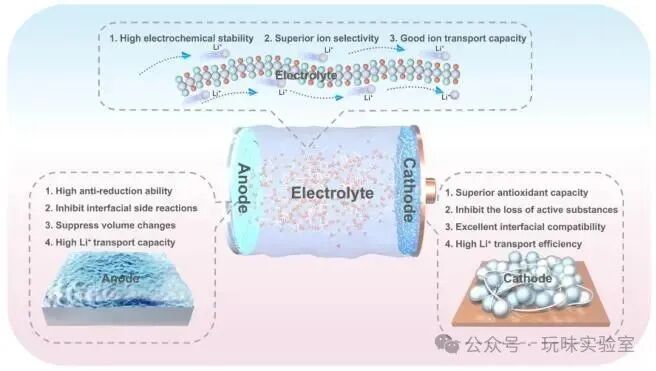 Figure 1 Core Performance Indicators of High Energy Density LIBs (Fig. 1)
This figure illustrates the core performance indicators of high energy density lithium-ion batteries (LIBs) for anodes, cathodes, and electrolytes. For the anode, it needs to possess high electrochemical stability, excellent ionic selectivity, good ionic transport capability, and high oxidation resistance, while also suppressing the loss of active materials and interfacial side reactions; for the cathode, it must have high reduction resistance, suppress interfacial side reactions and volume changes; for the electrolyte, it needs to have high lithium ion transport capability and efficiency, as well as excellent interfacial compatibility. These indicators collectively define the technical boundaries of high specific energy batteries, requiring synergistic optimization of active materials for anodes and cathodes, electrolyte formulations, and interfacial engineering strategies. For example, the combination of high nickel ternary materials with flame-retardant electrolytes can demonstrate the practical application of safety indicators through puncture tests.
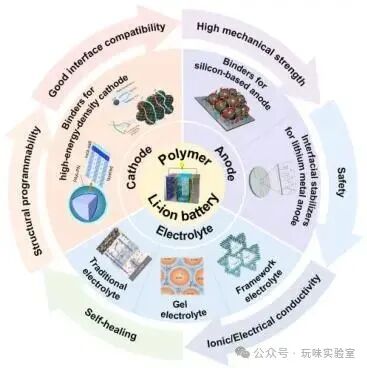
Figure 2 Polymer Materials for High Energy Density Lithium-Ion Batteries (Fig. 2)
This figure illustrates the application scenarios and functions of polymer materials in high energy density lithium-ion batteries. Polymer materials play a key role in the anode, cathode, and electrolyte: in the electrodes, polymers can serve as binders to enhance the bonding of active materials with current collectors, constructing a three-dimensional conductive network; in the electrolyte, polymer-based solid-state electrolytes and functional additives can enhance the electrochemical stability window and thermodynamic safety. For example, self-healing polymers can alleviate mechanical stress accumulation during fast charging through dynamic hydrogen bonding or disulfide bond exchange mechanisms; gel electrolytes combine the high ionic conductivity of liquid electrolytes with the safety of solid-state electrolytes, with some gel electrolytes achieving room temperature ionic conductivity of up to 10⁻³ S/cm, approaching the level of liquid electrolytes.
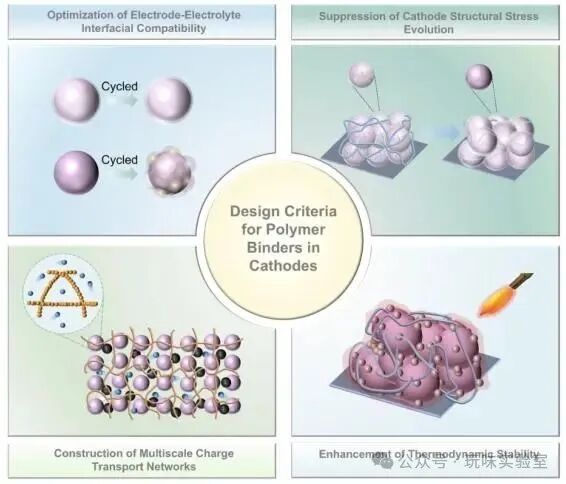 Figure 3 Design Standards for Polymer Binders in High Energy Density Battery Cathodes (Fig. 3)
This figure outlines the four major design standards for polymer binders in high energy density battery cathodes. First, optimize the compatibility of the electrode-electrolyte interface by constructing an ordered interfacial passivation layer to suppress the dissolution of transition metal ions and electrolyte decomposition, such as the PAA-PN binder reducing nickel deposition on the lithium electrode after cycling NCM811 from 56.95 μg/L to 2.44 μg/L; second, suppress the evolution of structural stress in the cathode by buffering volume expansion (>8%) through strong intermolecular interactions, maintaining the continuity of the 3D conductive framework; third, construct a multi-scale charge transport network, where conjugated polymer binders reduce the activation energy for lithium ion diffusion through polar functional groups, enhancing charge transfer efficiency; fourth, enhance thermodynamic stability, where thermally stable polymer matrices (decomposition temperature > 300℃) can quench reactive oxygen species, raising the oxygen release initiation temperature by over 50℃, improving battery safety.
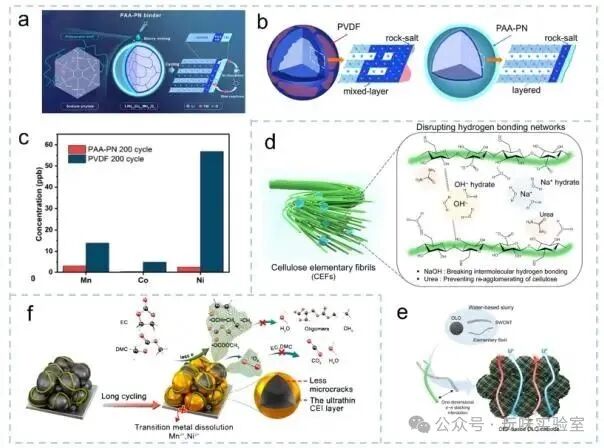 Figure 4 Surface Protection Mechanism of PAA-PN Binder on NCM811 (Fig. 4)
This figure illustrates the synthesis of the PAA-PN crosslinked binder and its surface protection mechanism on the NCM811 cathode under high voltage, as well as the roles of other functional binders. Figure 4a is a schematic of the formation of the PAA-PN binder through chemical crosslinking of PAA and PN; Figure 4b compares the structural changes of NCM811 under the influence of PVDF and PAA-PN binders, where PAA-PN forms a dense CEI on the outer layer and a defect passivation rock salt phase on the inner layer, suppressing transition metal dissolution and electrolyte oxidation; Figure 4c shows through ICP-MS analysis that after 200 cycles, the PAA-PN binder results in nickel deposition on the lithium foil of only 2.44 μg/L, far lower than PVDF’s 56.95 μg/L; Figures 4d-e demonstrate that the natural wood-derived CEF binder suppresses interfacial side reactions through electrostatic repulsion, reducing transition metal deposition in high-load OLO cathodes by over 85%; Figure 4f illustrates the mechanism of an anti-aging binder in layered transition metal oxides, which can eliminate reactive oxygen species, stabilize the CEI layer, and enhance high-temperature and high-voltage performance.
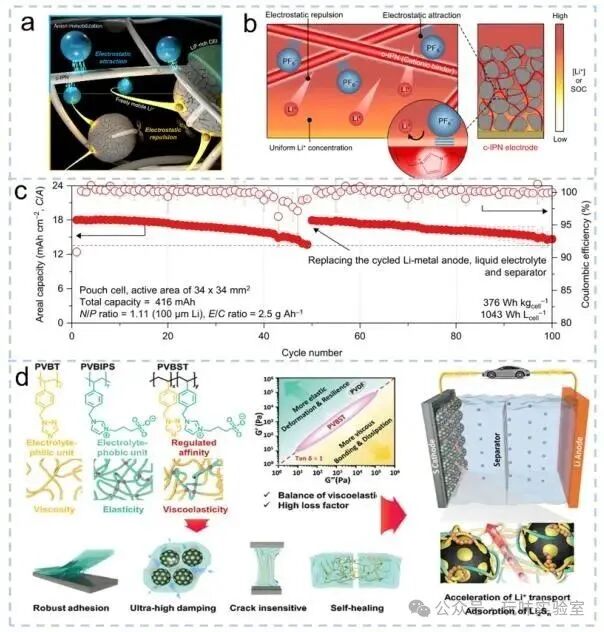 Figure 5 Performance of Conductive Binders such as c-IPN and PVBST (Fig. 5)
This figure illustrates the role of various conductive binders in enhancing battery performance. Figure 5a shows the advantages of c-IPN cathodes, which optimize the dispersion of active materials through electrostatic double layers; Figure 5b shows that the c-IPN binder, through electrostatic attraction of PF₆⁻ and repulsion of Li⁺, achieves a lithium ion diffusion coefficient (D Li⁺) higher than n-IPN across the entire voltage range; Figure 5c shows that the soft-pack battery composed of c-IPN cathode and lithium metal anode achieves an energy density of 376 Wh/kg and 1043 Wh/L at 45℃, with a capacity retention rate of 82% after 100 cycles; Figure 5d illustrates the design of the PVBST binder, which balances viscoelasticity to achieve ultra-high damping, self-healing, and accelerated lithium ion transport, maintaining excellent cycling stability under high load in lithium-sulfur batteries, such as a capacity retention rate of 85% after 100 cycles with a sulfur loading of 4.72 mg/cm².
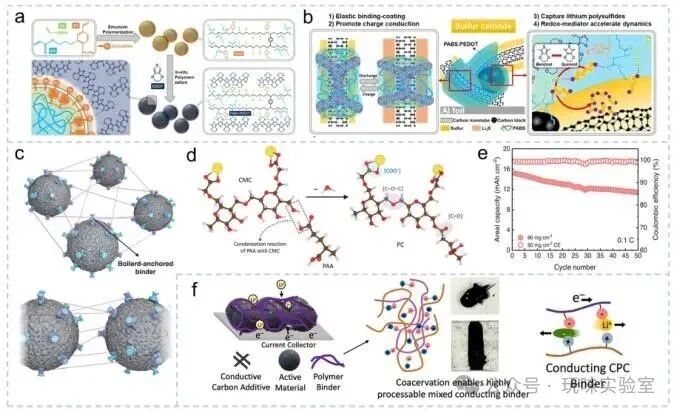 Figure 6 Structure and Performance of Conductive Binders (Fig. 6)
This figure illustrates the structure of various conductive binders and their enhancement of battery performance. Figure 6a shows the preparation process of PABS:PEDOT core-shell emulsion, where the elastic copolymer core binds polysulfides, and the PEDOT shell provides a conductive pathway with conductivity > 10⁻² S/cm; Figure 6b shows that it enhances lithium-sulfur battery performance through elastic constraints, charge transfer enhancement, and accelerated polysulfide conversion; Figures 6c-d illustrate the PC-PTFE dual binder system, which reduces PTFE usage by 70%, achieving a high loading of 90 mg/cm², with a capacity retention rate of 84% after 50 cycles at 0.5C; Figure 6e shows the cycling performance of different binders at a loading of 25 mg/cm²; Figure 6f shows that the CPC binder stabilizes conjugated polymers with polyelectrolyte blends, achieving a discharge capacity of 65 mAh/g at 6C for LFP batteries (PVDF only 2 mAh/g), with a capacity retention rate of 63% after 400 cycles (PVDF only 6%).
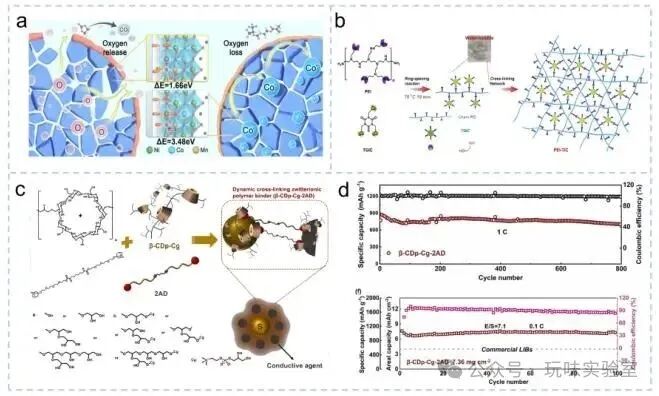 Figure 7 Polymer Design for Enhanced Safety (Fig. 7)
This figure illustrates the polymer design and performance for enhancing battery safety. Figure 7a shows that the UMA-F amphiphilic copolymer electrolyte self-assembles to form a stable CEI layer on the surface of high-nickel cathodes, converting oxygen release into Co³⁺→Co⁴⁺ oxidation, stabilizing after 200 cycles at 4.7V without short-circuiting at 120℃; Figure 7b shows that the PEI-TIC water-based binder, through a 3D crosslinked network and polar group anchoring of polysulfides, achieves an initial capacity of 817.0 mAh/g at 0.2C in lithium-sulfur batteries, with a capacity retention rate of 97.2% after 800 cycles; Figures 7c-d illustrate that the β-CDp-Cg-2AD binder limits polysulfides through ion-dipole interactions, maintaining an area capacity of 7.28 mAh/cm² at a sulfur loading of 7.36 mg/cm² after 100 cycles, with an increased thermal decomposition temperature to delay thermal runaway.
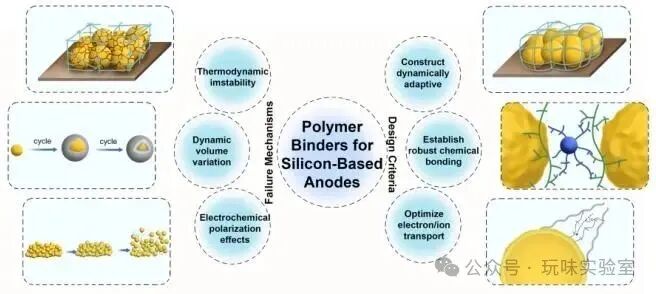 Figure 8 Failure Mechanism of Silicon-Based Anodes and Design Principles for Binders (Fig. 8)
This figure illustrates the failure mechanism of silicon-based anodes and the design principles for polymer binders. Silicon-based anodes experience volume expansion of up to 300%, leading to particle fracture, current collector delamination, and dynamic reconstruction of the SEI (failure mechanisms); binders need to address: constructing a dynamic adaptive interface to cope with thermodynamic instability, buffering volume stress through molecular chain elasticity; forming a robust chemical bond network (such as hydrogen bonds, coordination bonds) to ensure adhesion of active materials to current collectors; optimizing electronic/ionic synergistic transport by enhancing charge transfer kinetics through conductive functional groups. For example, binders like SA and CMC form hydrogen bonds with the silicon surface oxide layer through polar groups, but their linear structure struggles to withstand 300% expansion, necessitating crosslinking to form a three-dimensional network to enhance stability.
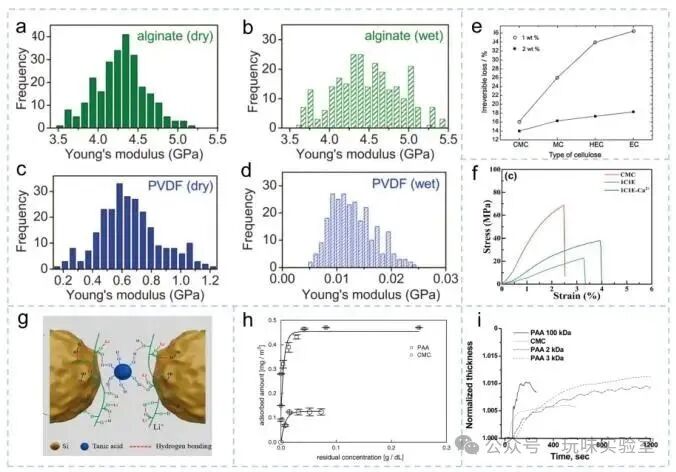 Figure 9 Performance Comparison of Binders such as SA, CMC, and PVDF (Fig. 9)
This figure compares the mechanical properties of sodium alginate (SA), carboxymethyl cellulose (CMC), PVDF, and their effects on batteries. Figures 9a-d show that under dry and solvent-swollen states, the Young’s modulus of SA is 6.7 times that of PVDF, suppressing the anisotropic expansion leading to fracture during the initial lithiation of silicon particles; Figure 9e shows the impact of different cellulose binders on irreversible loss during the first cycle; Figure 9f shows that the 1C1E-Ca²⁺ binder achieves a fracture strain of 4.0% and tensile strength > 68 MPa, outperforming pure CMC; Figure 9g shows that the LiCMC-TA 3D crosslinked binder transforms the contact between silicon and binder from point-line to surface contact, suppressing crack propagation; Figure 9h shows that PAA’s adsorption isotherm on the graphite surface outperforms CMC; Figure 9i shows that low molecular weight PAA exhibits better swelling behavior in diethyl carbonate vapor than NaCMC, beneficial for maintaining electrode structure.
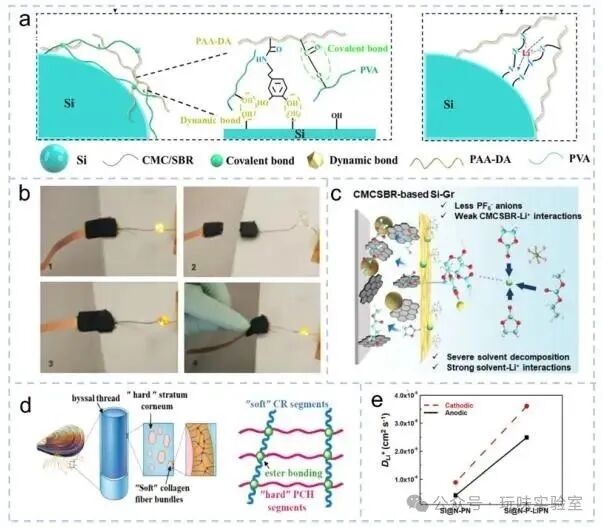 Figure 10 Effects of Self-Healing Binders and Functional Binders on Silicon-Based Anodes (Fig. 10)
This figure illustrates the enhancement of silicon-based anode performance by self-healing binders and functional binders. Figure 10a shows the PAA-DA/PVA dual network binder, which buffers stress through dynamic hydrogen bonds and covalent crosslinking, maintaining a capacity of 1974.1 mAh/g after 500 cycles at 4 A/g for the Si@PAA-DA/PVA electrode; Figure 10b shows a hyperbranched topological polymer self-healing binder that reconstructs hydrogen bond networks to repair micro-defects, maintaining electrical contact; Figure 10c shows that the zwitterionic binder regulates interfacial electrochemistry through charge control, inducing the formation of a thin and uniform SEI layer; Figure 10d shows that the PCH-CR binder, inspired by mussel foot threads, synergistically enhances mechanical strength and adhesion, improving SEI dynamic stability; Figure 10e shows that the lithium ion diffusion coefficient of the N-P-LiPN binder is higher than that of N-PN, achieving a reversible capacity of 2021 mAh/g at 8.4 A/g.
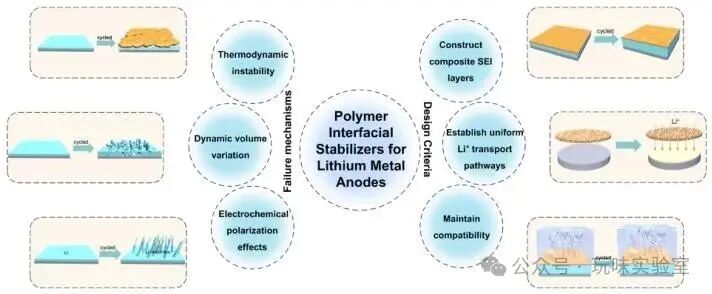 Figure 11 Design Principles for Polymer Interface Stabilizers in Lithium Metal Anodes (Fig. 11)
This figure illustrates the design principles for polymer interface stabilizers in lithium metal anodes. Lithium metal anodes face challenges due to thermodynamic instability (reacting with the electrolyte to form porous SEI), dynamic volume changes (>200%), and electrochemical polarization (dendrite growth under high currents); stabilizers need to: construct a composite SEI layer with high ionic conductivity and Young’s modulus; establish uniform lithium ion transport channels to eliminate current density gradients; and be compatible with existing battery systems without reducing energy density. For example, in-situ polymerized acrylate polymer layers form gradient modulus structures while suppressing dendrite penetration and buffering volume strain, with some designs enabling symmetrical batteries to cycle over 1000 hours.
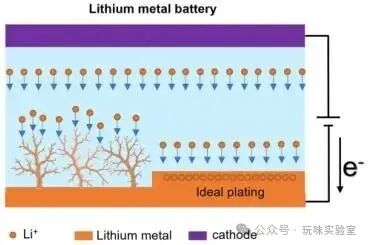 Figure 12 Ideal vs. Actual Lithium Metal Deposition (Fig. 12)
This figure compares the actual deposition characteristics of lithium metal batteries during charging with the ideal plating morphology. In actual deposition, lithium metal tends to form dendrites due to interfacial electrocrystallization kinetics, with curvature-driven growth mechanisms leading to irregular shapes, posing risks of internal short circuits and capacity decay; under ideal conditions, lithium ions deposit uniformly to form a dense, flat metal layer. Controlling lithium deposition kinetics (such as nucleation sites, growth orientation, ion concentration gradients) is key to achieving ideal deposition, for example, COF-based artificial SEI layers guide uniform nucleation through ion sieving effects of sub-nanopores, with a Young’s modulus of 6.8 GPa suppressing dendrite growth, enabling symmetrical batteries to cycle over 400 hours at 1 mA/cm².
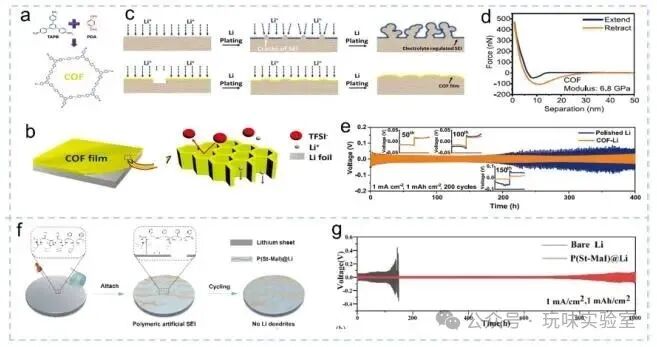 Figure 13 Performance of Artificial SEI Layers such as COF-Li (Fig. 13)
This figure illustrates the stabilizing effects of artificial SEI layers such as COF-Li and P (St-MaI) on lithium metal anodes. Figure 13a shows the in-situ polymerization of COF on the lithium surface; Figures 13b-c show that the sub-nanopores of COF regulate lithium ion flux, guiding uniform nucleation; Figure 13d shows that the Young’s modulus of COF-SEI is 6.8 GPa, exceeding the yield strength of lithium dendrites; Figure 13e shows that COF-Li symmetrical batteries cycle over 400 hours at 1 mA/cm² and 1 mAh/cm²; Figure 13f shows that P (St-MaI) regulates lithium ion solvation and transport through carboxyl and crown ether units, guiding uniform deposition; Figure 13g shows that P (St-MaI)@Li symmetrical batteries cycle over 900 hours at 1 mA/cm², with Li||LiFePO₄ batteries maintaining 96% capacity after 930 cycles at 1C.
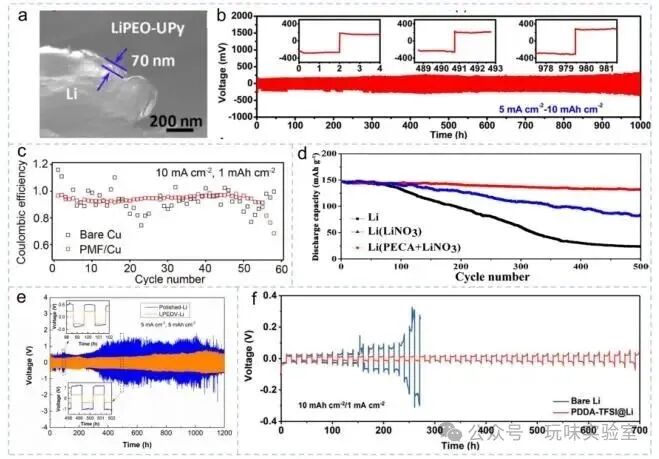 Figure 14 Cycling Stability of Different Polymer Interface Layers (Fig. 14)
This figure illustrates the cycling stability of lithium metal electrodes modified with different polymer interface layers. Figure 14a shows the cross-sectional SEM of LiPEO-UPy@Li anodes, where a 70 nm coating suppresses dendrite growth under high surface capacity (10 mAh/cm²); Figure 14b shows that its symmetrical batteries cycle over 1000 hours at 5 mA/cm²; Figure 14c shows that PMF/Cu electrodes maintain a coulombic efficiency of 94.7% after 50 cycles at 10 mA/cm²; Figure 14d shows that Li (PECA+LiNO₃) maintains a capacity retention of 93% after 500 cycles at 2C in LiFePO₄||Li batteries; Figure 14e shows that LPEDV-Li symmetrical batteries cycle over 1200 hours at 5 mA/cm² and 5 mAh/cm²; Figure 14f shows that lithium electrodes modified with PDDA-TFSI layers cycle over 700 hours at 1 mA/cm² and 10 mAh/cm², regulating deposition orientation through electrostatic shielding.
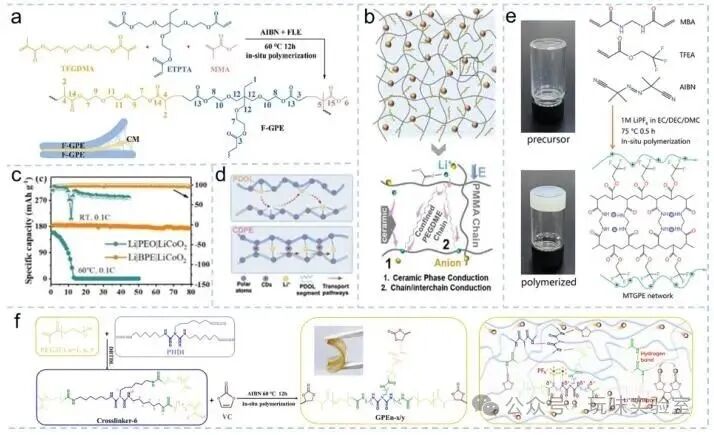 Figure 15 Design of Gel Electrolytes (Fig. 15)
This figure illustrates the design of gel electrolytes modified with different chain segments/functional groups. Figure 15a shows that F-GPE forms a dynamic adaptive interface layer through in-situ copolymerization of MMA, TEGDMA, and ETPTA, achieving an ionic conductivity of 2.24×10⁻⁴ S/cm; Figure 15b shows that PEGDME@PMMA composite electrolytes achieve an ionic conductivity of 1.1×10⁻⁴ S/cm at 30℃ and 1.0×10⁻³ S/cm at 80℃, with an electrochemical window of 4.7 V; Figure 15c shows that BPE enables LiCoO₂||Li batteries to maintain a capacity retention rate superior to PEO-based electrolytes after 80 cycles at 4.5 V; Figure 15d shows that CDPE constructs a crosslinked network through hydrogen bonding with carbon dots, achieving an ionic conductivity of 3.20 mS/cm at 30℃; Figures 15e-f show that GPEs containing amide functional groups enhance mechanical properties and improve dendrite suppression through chemical crosslinking and hydrogen bonding.
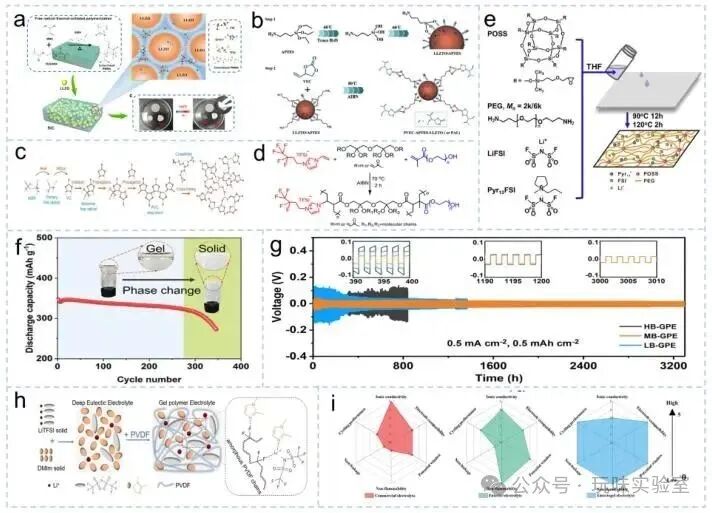 Figure 16 Composite and Formulation Optimized Gel Electrolytes (Fig. 16)
This figure illustrates the design of composite-filled and formulation-optimized gel electrolytes. Figure 16a shows that SIC composite electrolytes exhibit better thermal stability than commercial PP separators, enhancing the cycling stability of NCM523 and LiFePO₄ batteries; Figure 16b shows that PVEC-APTES-LLZTO composite electrolytes enhance interfacial compatibility through chemical bonding, improving the energy density of LiCoO₂-based solid-state batteries; Figure 16c shows that LSC nanofiber framework composite electrolytes achieve an ionic conductivity of 1.50 mS/cm at 25℃ and a lithium ion transference number of 0.91; Figure 16d shows that GPEs with ionic liquid end groups optimize lithium ion transport, achieving a room temperature conductivity of 2.6 mS/cm; Figures 16e-f show that MB-GPEs regulate solvation structures through fluorinated solvents, cycling lithium electrodes over 3200 hours at 0.5 mA/cm²; Figures 16g-h show that deep eutectic gel electrolytes achieve a conductivity of 1.67 mS/cm at 30℃, maintaining a capacity retention of 72.5% after 1500 cycles at 4.45 V in LiCoO₂||Li batteries.
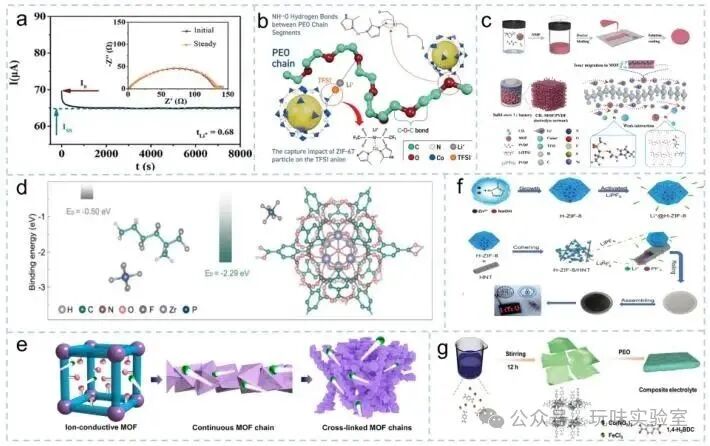 Figure 17 Design of MOF-Based Electrolytes (Fig. 17)
This figure illustrates the design and performance of MOF-based electrolytes. Figure 17a shows that the SPE2-PI-ZIF8 electrolyte stabilizes polarization at room temperature in Li symmetrical batteries, with a lithium ion transference number of 0.68; Figure 17b shows that the PEO/LiTFSI-ILE-ZIF-67 electrolyte achieves a conductivity of 1.19×10⁻⁴ S/cm at 25℃ and an electrochemical window of 5.66 V; Figure 17c shows that the CIL-MOF/PVDF solid-state electrolyte maintains a capacity retention of 98.9% after 500 cycles at 6C in LiFePO₄||Li batteries under a 4.82 V window; Figure 17d shows that UIO-66-NH₂ enhances lithium salt dissociation, improving electrolyte performance; Figure 17e shows that the Zr-BPDC-SO₃H MOF forms a 3D network on nanocellulose, achieving a conductivity of 7.88×10⁻⁴ S/cm and a transference number of 0.88; Figure 17f shows that the H-ZIF-8/HNT electrolyte achieves a conductivity of 7.74×10⁻³ S/cm and a transference number of 0.84; Figure 17g shows that the 2D MOF nanosheet composite electrolyte improves the transference number from 0.36 to 0.64.
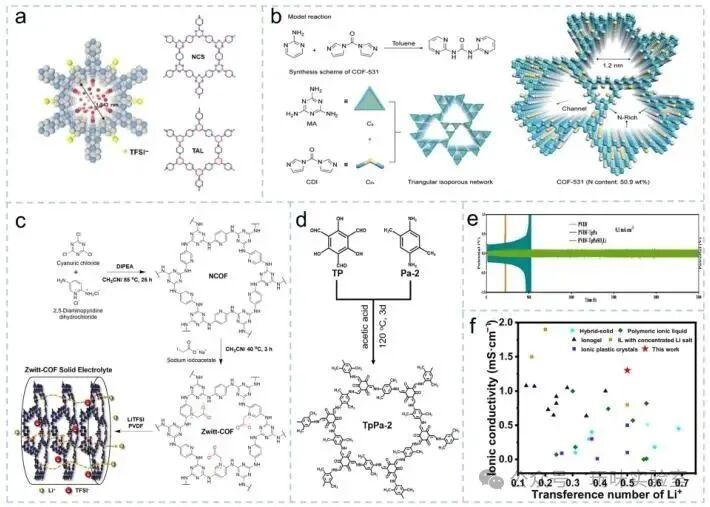 Figure 18 Design of COF/HOF-Based Electrolytes (Fig. 18)
This figure illustrates the design and performance of COF and HOF-based electrolytes. Figure 18a shows that the NCS-Li COF electrolyte achieves a room temperature conductivity of 1.49 mS/cm and a transference number of 0.84, requiring no solvent; Figure 18b shows that the urea-linked COF-531 forms nitrogen-rich coordination sites through a dynamic reversible network, promoting lithium ion transport; Figure 18c shows that the zwitterionic COF electrolyte achieves a room temperature conductivity of 1.65×10⁻⁴ S/cm, maintaining a capacity retention of 99% after 100 cycles in all-solid-state batteries; Figure 18d shows that the TpPa-2 COF-modified gel electrolyte induces the formation of a LiF-rich SEI, maintaining a capacity retention of 75% after 1000 cycles at 0.5C in LiFePO₄||Li batteries; Figure 18e shows that the PVDF-TpPaSO₃Li electrolyte cycles over 2500 hours in Li symmetrical batteries at 60℃; Figure 18f shows that the HT-HOF-IL CQSE achieves a conductivity of 5.8×10⁻⁴ S/cm at -20℃ and 5.7×10⁻⁵ S/cm at 60℃, with a transference number of 0.69.
Conclusion and Outlook
Polymer materials, with their designable structures, mechanical flexibility, and multifunctional adaptability, have become key materials driving advancements in high energy density lithium-ion battery technology. As core components of electrolytes, binders, and composite electrodes, polymers exhibit excellent performance in high energy density and high safety battery systems: in electrolyte engineering, solid-state/gel polymer electrolytes significantly enhance safety by suppressing lithium dendrite growth and improving interfacial compatibility; in electrode materials, conductive polymers and functional binders address cycling stability issues of high-capacity silicon-based anodes and sulfur cathodes by alleviating volume expansion and parasitic reactions; furthermore, polymer-based composites provide innovative pathways to break through the energy density limitations of traditional electrode materials.
Despite their immense potential, the application of polymers still faces challenges in structural stability, ionic transport efficiency, processing technologies, and system integration, such as oxidative degradation of high-voltage cathode binders, insufficient dynamic self-healing capabilities of silicon-based anode binders, and limitations in room temperature ionic conductivity of polymer electrolytes. Additionally, controlling coating uniformity, balancing cost-effectiveness, and meeting environmental sustainability requirements in large-scale production necessitate collaborative innovation between materials science and manufacturing engineering.
Future research should focus on: innovative polymer structural design that balances high chemical/mechanical stability with rapid ionic transport; optimizing interfaces and achieving multi-scale synergy to enhance compatibility and suppress side reactions through multifunctional interfacial layers; developing advanced processing and system integration technologies, such as 3D printing and electrospinning for the large-scale production of uniform films or flexible electrodes; promoting interdisciplinary innovation by integrating computational materials science, in-situ characterization, and sustainable chemistry to accelerate polymer design; reducing industrial production costs by minimizing material usage and introducing smart manufacturing equipment; and improving recycling systems to develop multi-process routes for achieving high recovery rates of safe recycling.
Polymer-based high energy density lithium-ion batteries are expected to achieve breakthroughs in energy density (>500 Wh/kg), inherent safety (through solid-state structures), and cycle life (>2000 cycles), but commercialization requires collaborative solutions from academia, industry, and research to address the “last mile” challenges from the laboratory to the market. Furthermore, polymer materials, through innovative interfacial engineering and multifunctional composite solutions, also hold transformative potential in next-generation energy storage systems such as sodium-ion batteries and lithium-sulfur batteries.
Author Information
- First Author: Yuting Du, PhD candidate, affiliated with China University of Petroleum (East China), research focus on functional polymer materials in energy storage devices.
- Corresponding Author: Zhongtao Li, Professor and PhD supervisor, affiliated with the School of Chemical Engineering at China University of Petroleum (East China), recipient of the Shandong Province “Outstanding Young Scientist” fund, selected as a “Taishan Scholar” young expert, research focus on structural design and development of nanocomposites in the fields of new energy and catalysis.
- Other Authors:
- Shenzhen Deng, Associate Professor, China University of Petroleum (East China), Shandong Province “Taishan Scholar” young expert, research focus on nanocarbon materials and advanced energy storage devices.
- Yuanyuan Zhu, PhD candidate, China University of Petroleum (East China), research focus on functional polymer materials in energy storage devices.
- Jianan Jiang, Master’s student, China University of Petroleum (East China), research focus on solid-state electrolytes for lithium-ion batteries.
- Guangxu Yang, PhD candidate, China University of Petroleum (East China), research focus on the preparation and characterization of high nickel cathode materials.
- Mingbo Wu, affiliated with Qingdao University of Science and Technology, School of Chemical Engineering.
ReferencesDOI: 10.1039/d5cs00583c