
On August 22, graphene research company Benzheng Equation engaged in a technical collaboration with metal 3D printing service provider Huayang New Materials. The two parties focused on the core topic of “graphene-coated metal powder,” aiming to break through the quality bottleneck that has constrained the metal additive manufacturing industry for years.
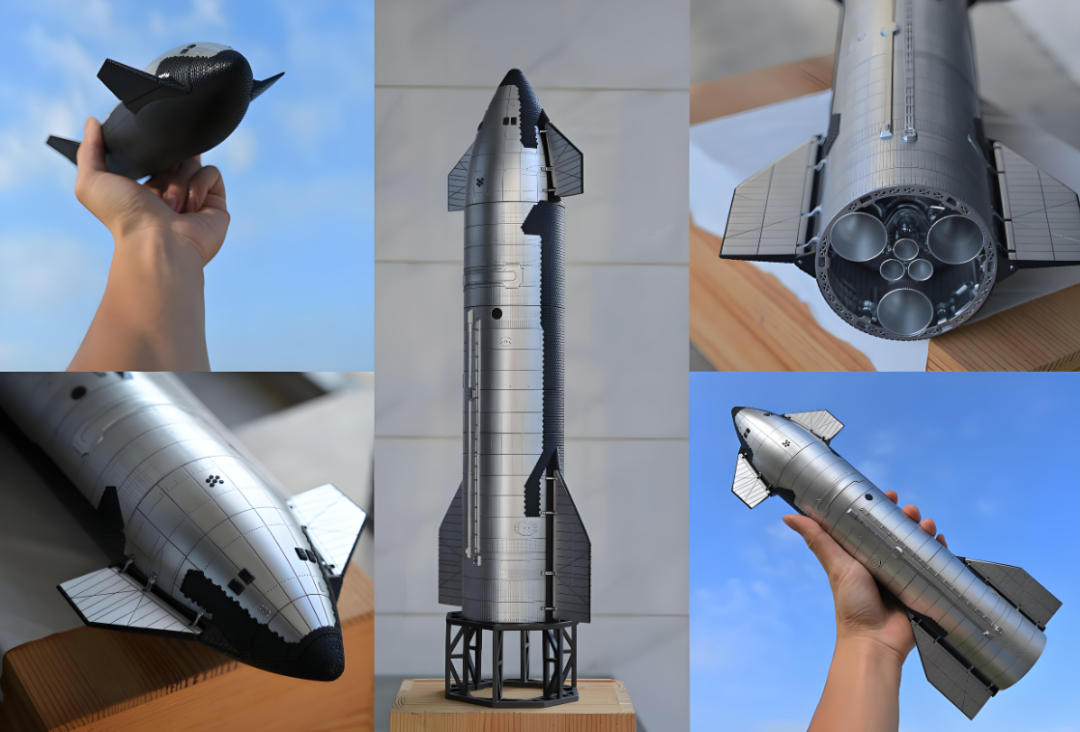
3D Printing in Aerospace Applications
As one of the three major engines of Shenzhen’s cutting-edge new materials industry, metamaterials, graphene, and 3D printing have formed a global influence: Shenzhen is the birthplace of global metamaterial technology, the first to achieve the industrialization of graphene, and has become the “world’s first city for consumer-grade 3D printing” with high cost performance and innovative technology. Among them, Shenzhen’s 3D printing has built a complete industrial chain, nurturing leading enterprises that occupy a significant share of the global market.
As the core of 3D printing, consumables include mainstream materials such as thermoplastics (PLA/ABS), engineering materials (nylon/PEEK), photopolymer resins, metal/ceramic powders, and special functional consumables (such as conductive materials). Graphene is a two-dimensional honeycomb lattice structure material composed of carbon atoms in sp² hybridization, known as the “king of new materials,” and is one of the thinnest and strongest materials known, possessing excellent electrical conductivity, thermal conductivity, and light transmittance. The integration of graphene with 3D printing may represent a new and highly challenging attempt.
Benzheng Equation’s unique liquid-phase synthesis technology has successfully achieved low-cost mass production of single-layer graphene, allowing the company’s products to be widely used in conductive pastes, new energy batteries, and other important fields. Huayang New Materials has established a complete industrial chain from equipment to materials to services, serving numerous high-end manufacturing enterprises including AVIC, China Aerospace, and BYD.
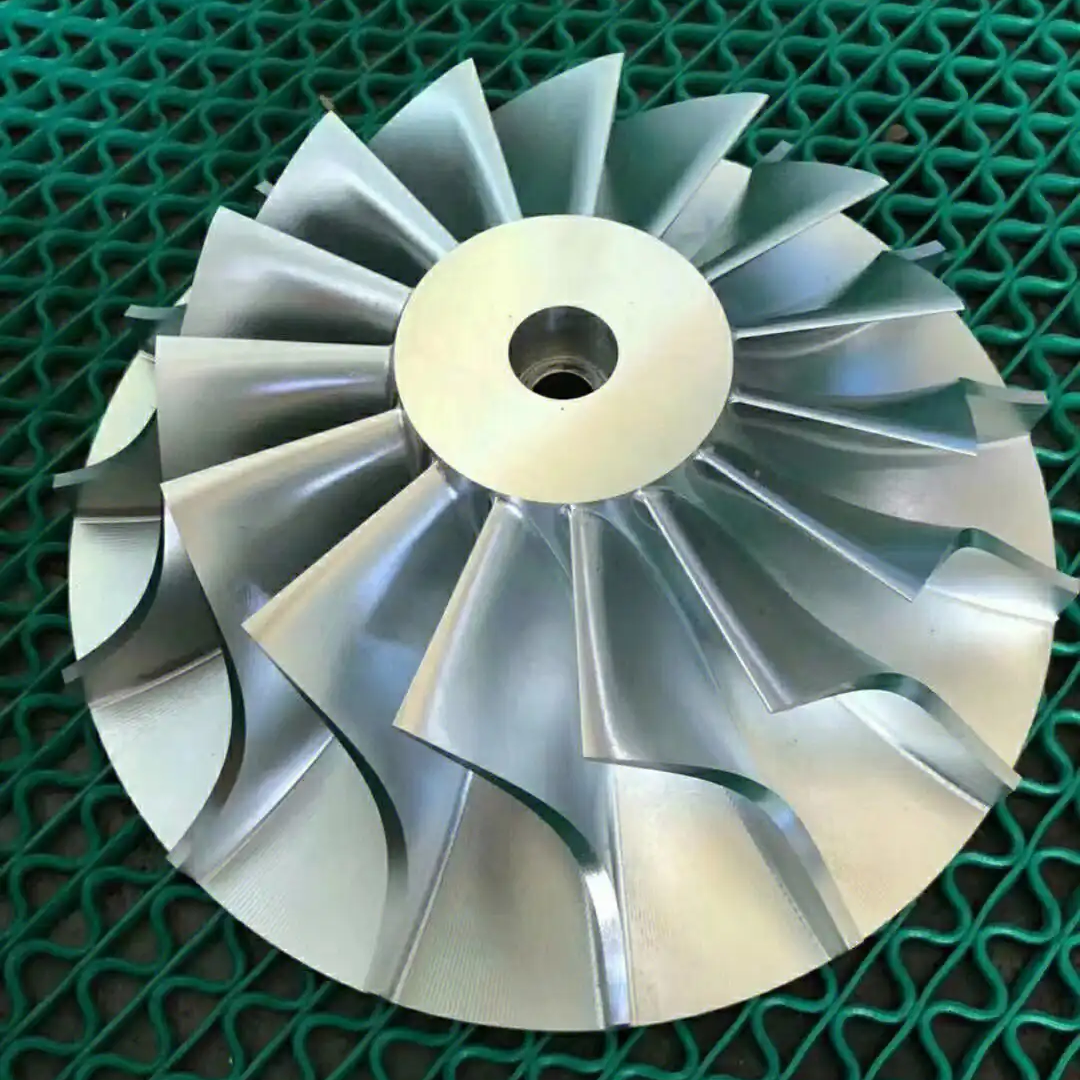
3D Printed Components for Aircraft Engines
This collaboration focuses on the application of graphene nanomaterials in 3D printing. During the 3D printing process, the characteristics of metal powders are one of the key challenges affecting print quality. The particle size distribution of different metal powders varies significantly; for example, the ideal particle size range for titanium alloy powder is between 50 – 150 microns. If the particle size exceeds this range, it will severely affect the uniformity of powder spreading, leading to inconsistent density in printed parts, which in turn affects the forming quality.
Graphene nanomaterials, especially the unique properties of graphene-coated metal powders such as copper, nickel, chromium carbide, and tungsten carbide, provide new opportunities to address this challenge. Research indicates that graphene nanomaterials not only help reduce printing temperatures and improve laser absorption rates but also effectively enhance material performance, potentially playing a crucial role in precisely controlling powder production processes and achieving stable particle size distribution, thereby improving the quality and performance of 3D printed products.

Disclaimer | Some materials are sourced from the Shenzhen New Materials Association and publicly available information, with copyright belonging to the original authors. This platform publishes content solely to convey a different perspective and does not represent endorsement or support of that perspective. If there are any copyright infringements, please contact us for resolution: 15381395623 (WeChat same number).