Hey, everyone! Today, let’s talk about the little powerhouse in differential pressure transmitters—the PB3030CNO wind pressure sensor! This device is simply an expert in micro pressure measurement, with outstanding precision that is hard to ignore! Don’t let its small size fool you; its impact is significant! Let’s discuss how to use this device to accurately control micro pressure differences, ensuring smoother operation of your equipment!
First, we need to understand what this wind pressure sensor is. Simply put, it is a sensor that measures gas pressure. In industrial production, the application of wind pressure sensors is ubiquitous, such as in fans, compressors, air conditioning systems, etc., all of which require it to monitor gas pressure.
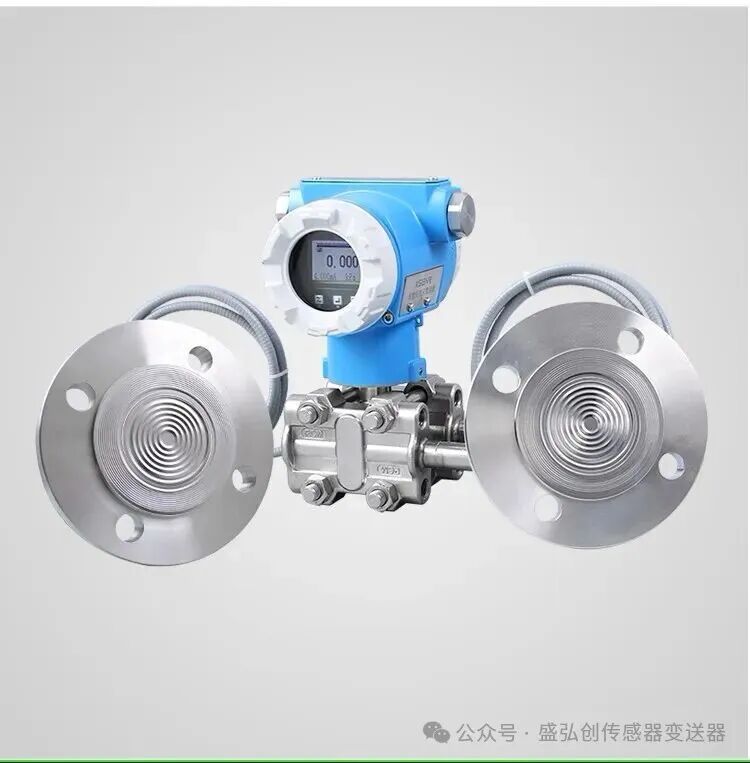
So, how can we use the PB3030CNO wind pressure sensor to accurately measure micro pressure differences? Here are some practical tips, so grab your notebooks!
- Select the appropriate installation location
When installing the wind pressure sensor, it is essential to choose a suitable location. Generally, it should be as close as possible to the gas flow path being measured, avoiding interference from airflow on the sensor. Additionally, the installation site should be away from harmful environments such as high temperatures and corrosive gases.
- Ensure correct connections
When connecting the sensor to the system, make sure the connections are correct. Typically, the sensor will have markings for positive and negative terminals, signal lines, etc., and you should connect according to these markings. Furthermore, the connection wires should be kept tidy to avoid wear and aging issues.
- Regular calibration
During use, the wind pressure sensor can be affected by various factors such as temperature and humidity. To ensure measurement accuracy, the sensor should be calibrated regularly. Specific calibration methods can be referenced in the product manual.
- Select the appropriate measurement range
Based on the pressure range of the gas being measured, choose an appropriate measurement range. If the measurement range is too large, it may lead to reduced measurement accuracy; if it is too small, it may exceed the sensor’s capacity and damage it.
- Pay attention to temperature compensation
The wind pressure sensor can be affected by temperature changes during measurement. To improve measurement accuracy, temperature compensation should be applied to the sensor. Common temperature compensation methods include hardware compensation and software compensation.
- Maintenance
During use, the wind pressure sensor should be regularly cleaned to prevent dust, oil, and other debris from entering the sensor, which could affect measurement accuracy. Additionally, regularly check the sensor’s connection wires to ensure good connectivity.
- Be aware of sensor performance specifications
When purchasing a wind pressure sensor, pay attention to its performance specifications, such as accuracy, stability, and response speed. Choosing a high-performance sensor is essential to ensure the accuracy of measurement results.
In summary, the PB3030CNO wind pressure sensor has high precision in micro pressure measurement. By mastering the above techniques, you can easily control micro pressure differences, ensuring smoother operation of your equipment! Let’s get started, everyone! 🚀🚀🚀