Hello, friends! Today, let’s talk about a powerful tool in the field of micro pressure differential measurement—the ZRN300 differential pressure transmitter combined with a wind pressure sensor. These two devices represent industry-leading technology, boasting exceptional accuracy! Next, I will share some practical tips to help you master this tool with ease!
First, we need to discuss the ZRN300 differential pressure transmitter. This device is simply a marvel for micro pressure differential measurement! It utilizes an advanced silicon piezoresistive sensor with extremely high sensitivity, capable of responding quickly to even the slightest pressure changes. Moreover, it has a wide measurement range from 0.1 kPa to 10 kPa, easily handling various applications. Despite its compact size, its internal structure is quite precise, with strong anti-interference capabilities and outstanding stability.
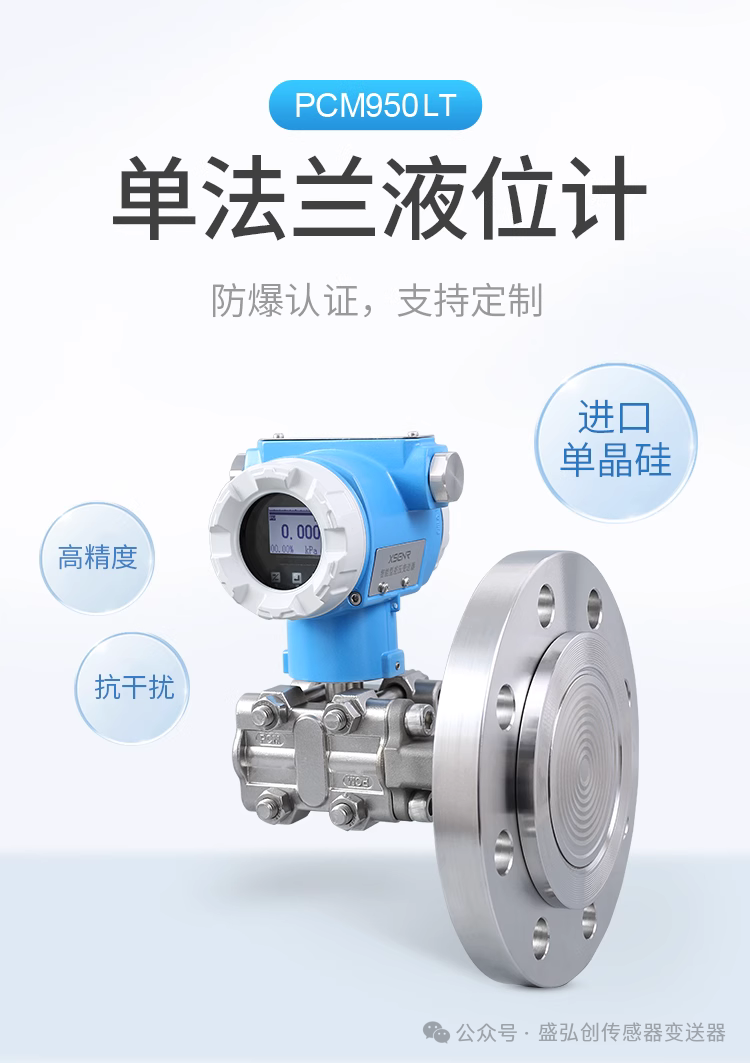
So, how do we correctly use the ZRN300 differential pressure transmitter? First, ensure that its operating temperature is between -40℃ and +85℃, and the humidity is between 0% and 95%. Next, install the transmitter in an appropriate location, ensuring good contact with the medium being measured. Then, connect the transmitter’s output signal to your control system or data acquisition device. This way, you can obtain real-time micro pressure differential data.
Of course, relying solely on the ZRN300 differential pressure transmitter is not enough; we also need to pair it with a wind pressure sensor. This wind pressure sensor is a high-precision, high-stability device that converts wind pressure signals into electrical signals, enabling micro pressure differential measurement. There are many types of wind pressure sensors available on the market, and when selecting one, pay attention to the following points:
-
Measurement Range: Choose a suitable measurement range based on your actual needs, such as 0~0.1 kPa, 0~1 kPa, etc.
-
Accuracy: The higher the accuracy, the more precise the measurement results. Generally, an accuracy of 0.5% is sufficient for most application scenarios.
-
Output Signal: Common output signals include 4~20 mA, 0~5 V, etc. Ensure compatibility with your control system when selecting.
-
Environmental Adaptability: The working environment of the wind pressure sensor may differ from that of the ZRN300 differential pressure transmitter, so ensure both can adapt to their respective working environments.
Now, how can we perfectly match the ZRN300 differential pressure transmitter with the wind pressure sensor? Here are a few tips:
-
Ensure the quality of the connecting wires between the two devices to avoid signal interference.
-
During installation, pay attention to the installation positions of both devices, keeping them as parallel as possible to minimize measurement errors.
-
Regularly calibrate the sensors to ensure measurement accuracy.
-
Be mindful of the working temperature and humidity of the sensors to avoid errors caused by environmental factors.
In summary, the ZRN300 differential pressure transmitter combined with the wind pressure sensor holds significant application value in the field of micro pressure differential measurement. By mastering these practical tips, I believe you can easily wield this tool and bring more convenience to your work! Keep it up, friends!