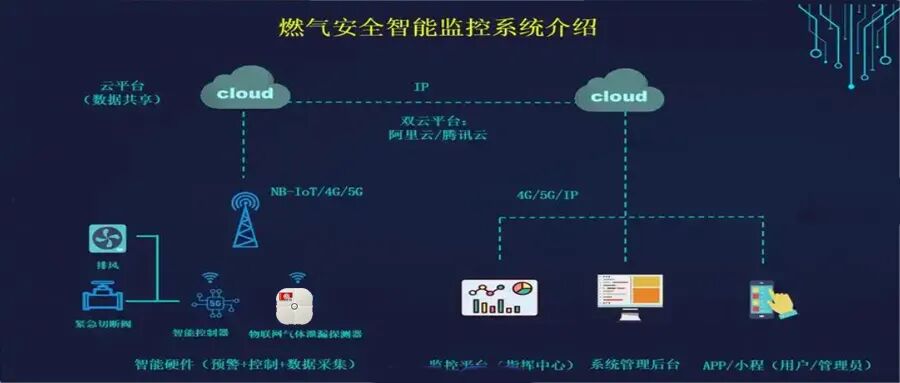
“Precision sensing” is the core mission of semiconductor sensors in the era of the Internet of Things, and remote software upgrades (OTA) for gas alarms are a key enabling technology to achieve this goal. It breaks the traditional limitations of fixed performance after the sensor leaves the factory, injecting continuous evolutionary vitality into it.
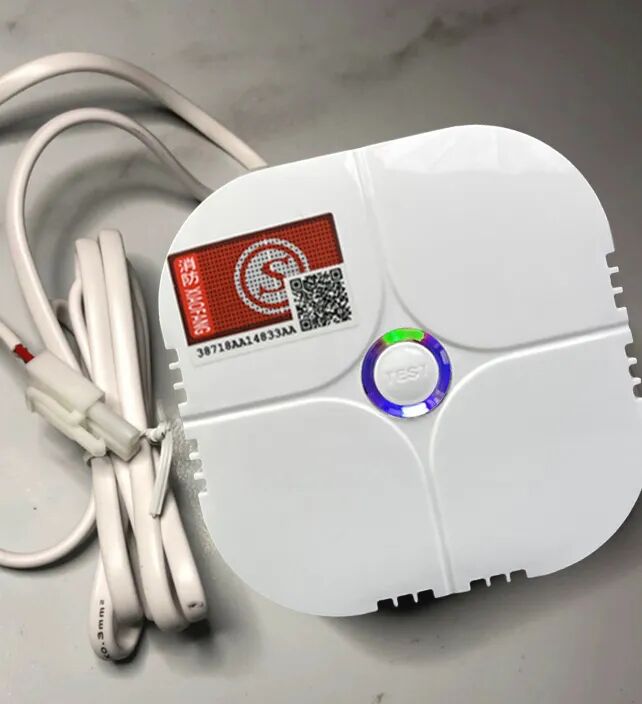
The initial performance of sensors inevitably deviates when facing complex and variable real-world application scenarios, such as drift in temperature and humidity sensors or cross-interference in gas sensors. Remote software upgrades can address these specific issues by remotely and in bulk injecting optimized calibration models, advanced filtering algorithms, and intelligent diagnostic programs into the sensors. This is akin to “refreshing the brain” of the sensors, enabling them to more intelligently identify and filter environmental noise, thus outputting more stable and purer data.
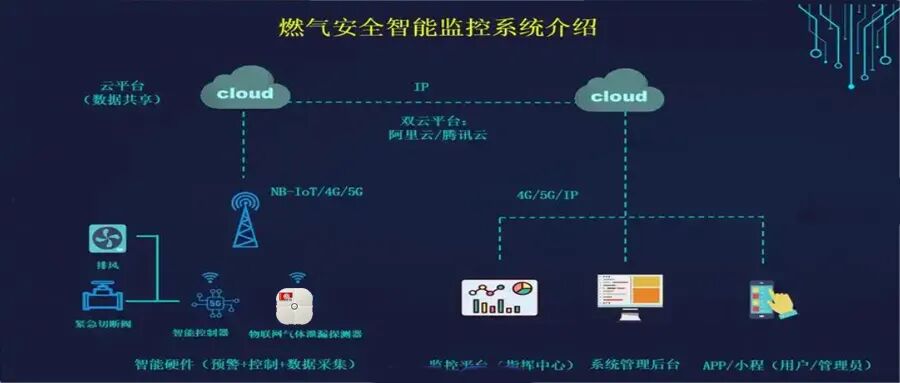
This transition from “hardware fixed” to “software defined” not only extends the lifecycle of hardware products but also continuously enhances the sensing capabilities of sensors through algorithm iteration after deployment, ultimately bringing unprecedented reliability and accuracy to users in fields such as smart homes, industrial IoT, and vehicle networking.