 On August 27, it was reported that a protein-based biosensor can achieve high-precision detection of cortisol and is compatible with smartphones, significantly enhancing the accessibility of stress testing.
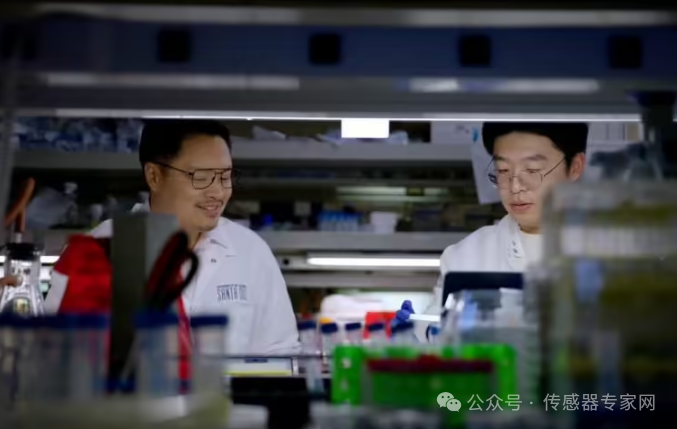 Cortisol plays a core role in regulating key physiological functions in the human body (such as blood pressure and metabolism), and abnormal secretion of this “stress hormone” can lead to various health issues. Traditional cortisol testing requires visits to hospitals or other clinical institutions, while recent breakthroughs in artificial biosensor technology have made instant testing possible, with accuracy surpassing existing methods.Andy Yeh, an assistant professor of biomolecular engineering at the University of California, Santa Cruz, has developed a luminescent artificial sensor that can bind to cortisol molecules in blood or urine. Once bound, the sensor emits light, and the intensity of the light reflects the concentration of cortisol. A study published in the Journal of the American Chemical Society confirmed that this method can reliably measure cortisol levels across the full concentration range relevant to human health.Andy Yeh stated that this sensor can be used in conjunction with smartphone cameras, allowing cortisol testing to be performed at home or in clinics. This solution combines high sensitivity with cost-effectiveness, eliminating the need for expensive laboratory equipment, making precise hormone monitoring more achievable.Andy Yeh specializes in the field of artificial protein engineering, which uses AI-assisted computational design techniques to create new proteins rather than modifying existing ones found in nature.In this study, the protein biosensor he developed has a unique mechanism: when cortisol binds to it, two artificially designed proteins come close to each other at the molecular level, and this interaction generates a light signal — the brighter the light, the higher the cortisol level.According to Andy Yeh, this is the first biosensor developed through pure computational design that can detect small molecule analytes with extremely high sensitivity and dynamic range. By measuring the intensity and color of the emitted light with a camera, its detection sensitivity far exceeds that of existing testing methods.This new diagnostic tool employs a “mix-and-read” mode, similar to the operation of rapid tests for COVID-19 nasal swabs: just a drop of blood or urine mixed with a solution containing the biosensor, and then using a smartphone camera and accompanying app, the light signal can be converted into direct data on cortisol concentration.“The signal can be read directly — the output form of the sensor is luminescence, so essentially you just need to take a picture of the test sample with a smartphone,” said Andy Yeh. “Ideally, this testing method is very suitable for on-site use.”The high sensitivity of this testing method represents a significant breakthrough over traditional testing — traditional tests often fail to provide sufficiently accurate quantitative results when cortisol levels exceed the normal range. The solution developed by Andy Yeh has a wider dynamic detection range, providing quantitative data regardless of whether cortisol levels are normal, low, or high.“Compared to the standard testing methods currently used in hospitals, this sensor’s sensitivity is much higher,” Andy Yeh stated, “and its dynamic detection range far exceeds traditional testing methods.”In the future, Andy Yeh hopes this technology can be applied in drug development or disease diagnosis, aiding in the understanding of health issues caused by insufficient or excessive cortisol secretion and providing support for the treatment of related diseases.★ Source: Sensor Expert Network ↑ ★ Please cite the above source↑Disclaimer: This article is for informational purposes only and is for reference only. If there are issues related to the content, copyright, and other matters, please contact us, and we will handle it immediately. If this article is reprinted on any platform, the reprinting party shall be responsible for the article, and Xiangrun Instrumentation shall not be responsible for secondary dissemination caused by reprinting.