
Intelligent Wireless, Internet of Everything
When disasters such as earthquakes and floods cause widespread failure of operator base stations, the establishment of temporary base stations often takes hours or even days.
During this period of “communication blackout”,
wireless broadband self-organizing network technology is becoming the “invisible backbone” supporting rescue command,
achieving the core goal of “disaster situation visibility, command transmission, and resource mobilization” through rapid deployment and comprehensive coverage.
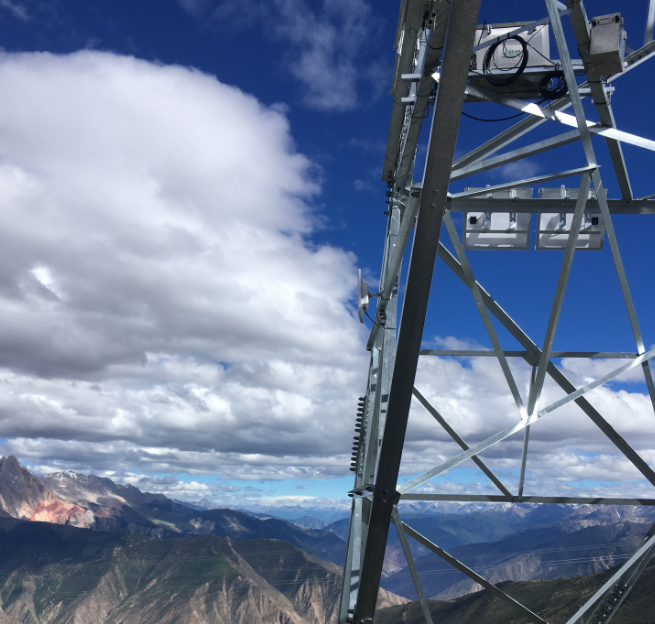


Three Major Technical Advantages Supporting Emergency Command Framework


Minute-Level Deployment Capability
The “trump card” of self-organizing networks.
Traditional base stations require vehicle transport and tower setup,
while self-organizing network devices can be quickly deployed through individual carrying or drone airdrop — after firefighters arrive on site, three portable terminals can establish a communication network covering one square kilometer, improving efficiency by 20 times compared to base station setup, allowing the command center to grasp the overall disaster situation immediately.
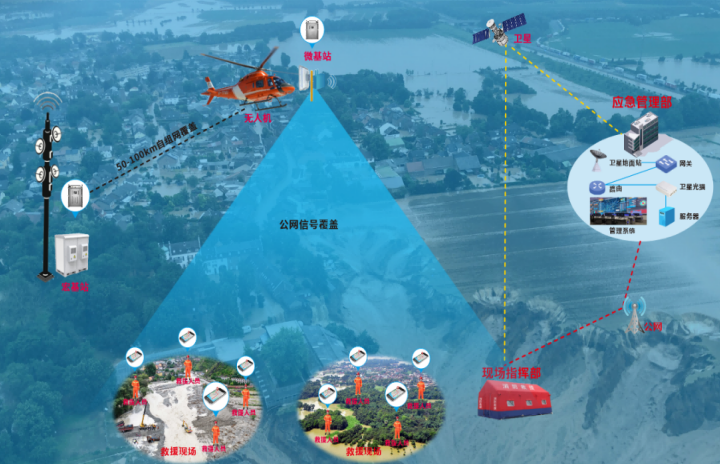
Multi-Hop Relay Coverage
Solving the “communication island” problem in disaster areas.
Collapsed buildings and broken roads can sever signal transmission,
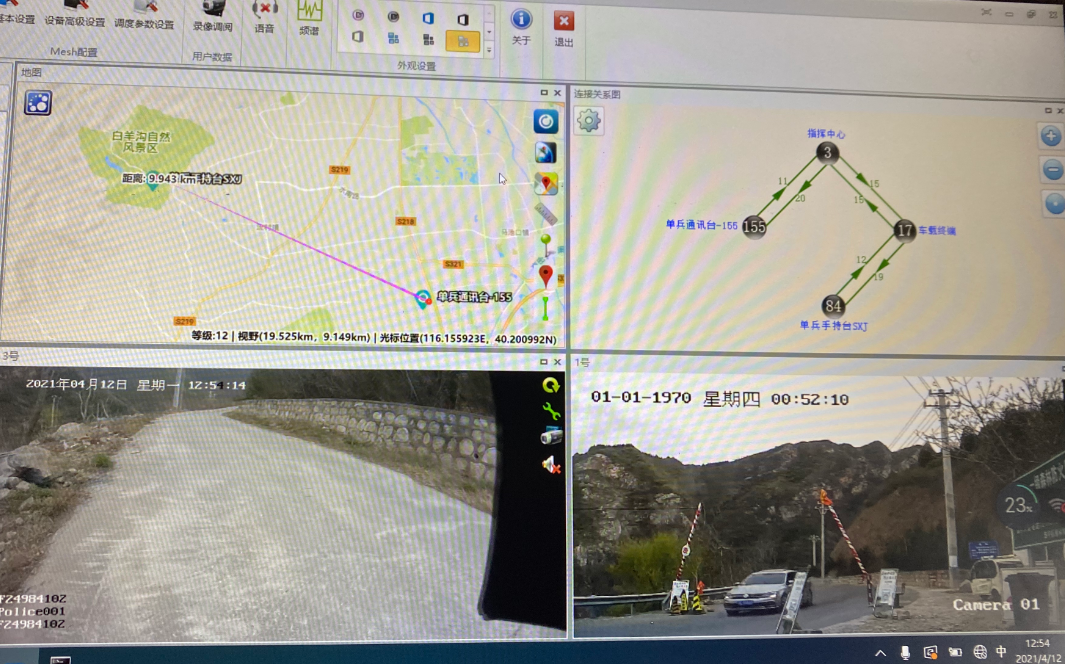
but the MESH dynamic routing technology of self-organizing networks allows each node to automatically forward signals: even if the rescue command center is located in a safe area, it can maintain contact with rescue teams deep in the core area through relay nodes in the ruins.
This “decentralized architecture” ensures that single point failures do not affect the overall network, meeting the leadership’s requirement for “uninterrupted command across all areas”.
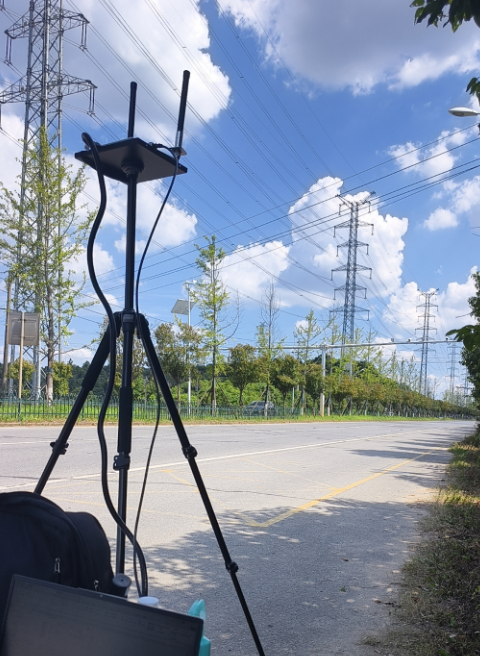
Broadband Integrated Transmission
Realizing “data visualization command”.
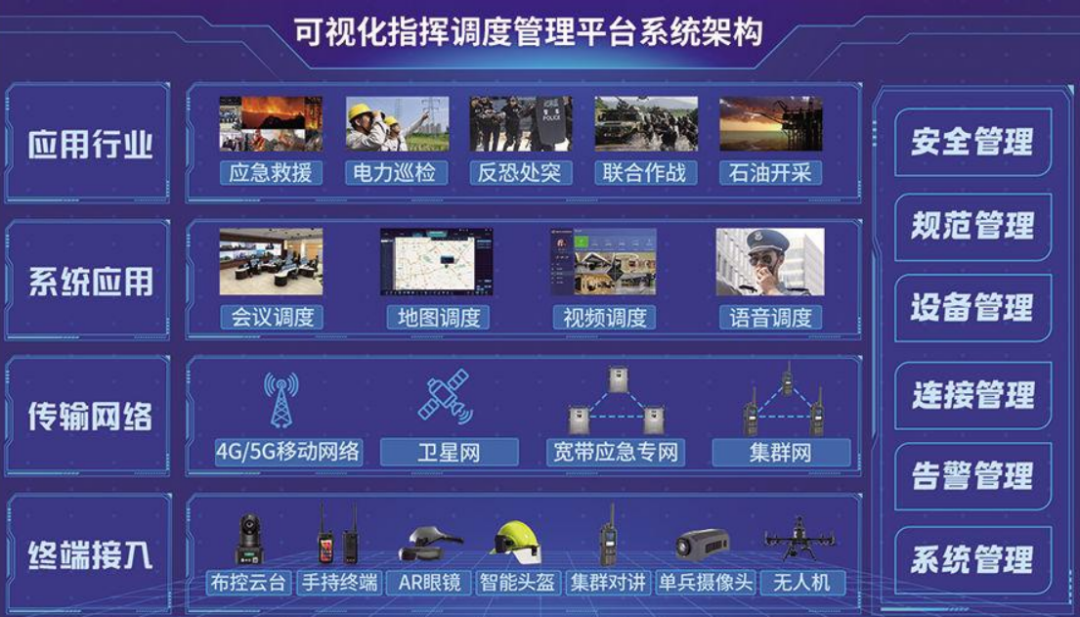
Unlike traditional walkie-talkies that can only transmit voice, self-organizing networks support high-speed transmission of 100Mbps, allowing real-time backhaul of on-site video, location data, and material requests.
On the command center’s electronic screen, the positions of various rescue teams, the distribution of trapped individuals, and the status of material reserves are updated in real-time, transforming leadership decision-making from “listening to reports” to “viewing data”, significantly improving resource allocation efficiency.



Addressing Core Pain Points for More Accurate and Efficient Command

In the common “three difficulties” scenarios in disaster areas,
self-organizing networks demonstrate unique value: when base station repair teams operate in remote areas, they can maintain contact with the command center through the self-organizing network, avoiding “loss of contact and getting lost”;
medical teams at temporary treatment points can upload patient information in real-time,
allowing hospitals in the rear to prepare for receiving patients in advance;
the civil affairs department can use the network to count the distribution of affected populations,
accurately allocating food and tents.
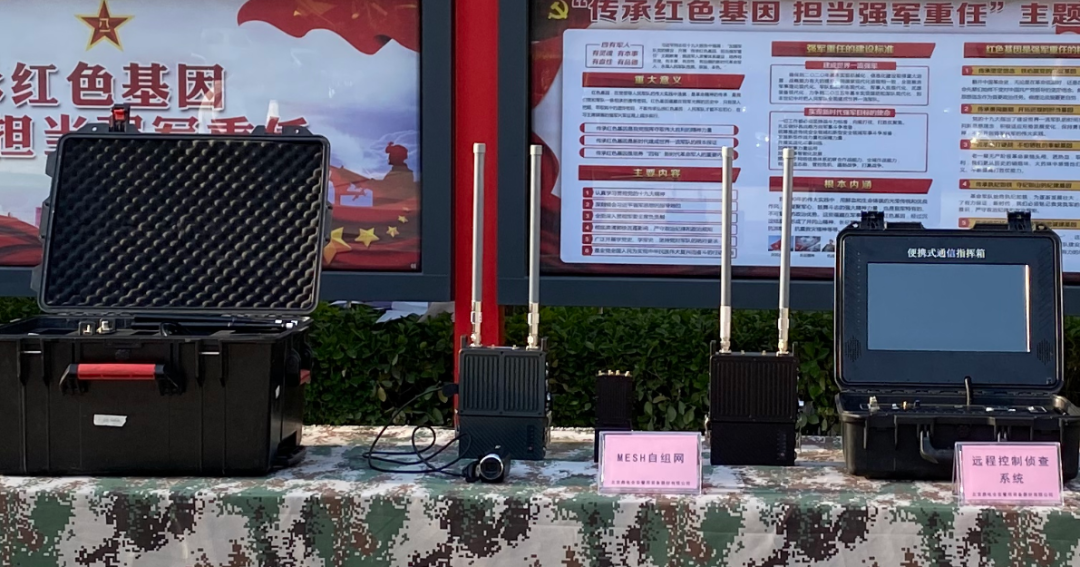

For decision-makers, the ultimate value of this technology lies in shortening the response chain from “disaster occurrence to orderly rescue”.
When the self-organizing network seamlessly connects with the subsequent recovery operator base stations,
the disaster data and command links accumulated in the early stage can transition smoothly, achieving a seamless connection between “emergency communication and normal communication”, truly laying the foundation for long-term management.
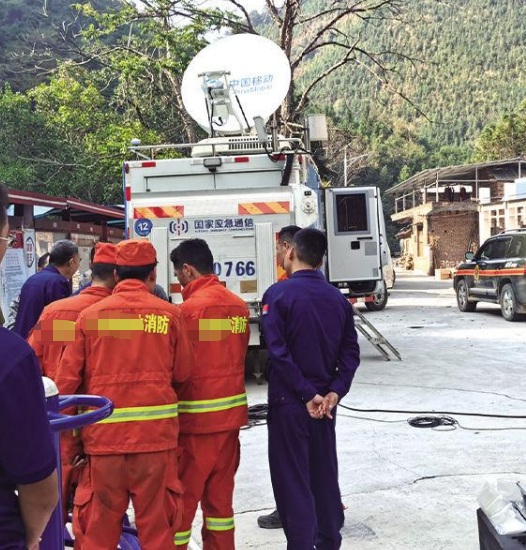
In disaster rescue, every minute and second matters for life.
Wireless broadband self-organizing networks use technological innovation to “accelerate” the command system,
allowing leadership decisions to penetrate through ruins and barriers,
directly reaching the front line of rescue,
which is the core reason it has become the “ballast stone” of emergency communication.


Contact Number丨15735979040
Beijing Hanxun Technology丨Self-Organizing Network Equipment Manufacturer