Please credit the Shanghai Municipal Education Commission’s official WeChat account “Shanghai Education”.
Implementing the “dual carbon” action to build a beautiful home together! In 2022, the Municipal Education Commission, the Municipal Ecological Environment Bureau, and 10 other departments jointly organized the 2022 Shanghai Youth “Dual Carbon” Proposal Competition, encouraging students to explore and research “green” topics around them, proposing corresponding solutions in areas such as waste classification, energy conservation and carbon reduction, biodiversity, and resource recycling. After multiple rounds of selection, 8 special prizes, 8 first prizes, 8 second prizes, and 16 third prizes were awarded from 229 entries from 115 schools.These outstanding works vividly showcase the fruitful results of ecological civilization construction in Shanghai schools and the active participation of young people in ecological and environmental protection. Starting today, we launch the “I Contribute a Proposal for ‘Dual Carbon’ – Exhibition of Outstanding Works from the Shanghai Youth ‘Dual Carbon’ Proposal Competition”, featuring selected outstanding works that reached the finals, leading more young people and the public to turn the construction of a beautiful China into conscious action.This issue is the second phase of this case exhibition, where students from nine schools of different ages present their excellent works, focusing on new energy, artificial intelligence, water-saving recycling, and other fields, responding to the “dual carbon” call through intelligent innovations and technological inventions. Let’s take a closer look at this issue’s outstanding cases!
All-Weather Clean Energy Clothing
School: Donghua University
Group Name: JOKER
Group Members: Lin Shaomei
Photovoltaic power generation, as a revolutionary power generation technology, provides continuous clean energy, alleviating humanity’s demand for fossil energy, reducing carbon dioxide emissions, and achieving the goal of “carbon neutrality”. However, it is greatly affected by weather conditions, making it difficult to operate stably and effectively on cloudy or rainy days. Therefore, exploring multi-mode power management is particularly important in the innovation of “dual carbon” green technology.
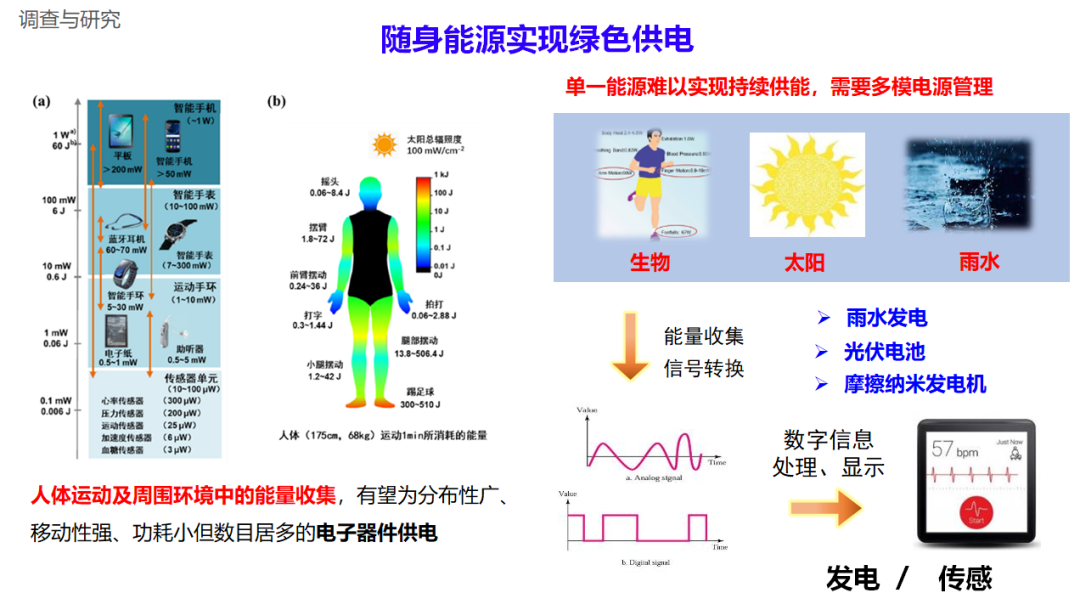
This invention aims to develop a new type of composite energy conversion device that utilizes principles of photoelectric conversion, mechanical energy, and electrical energy conversion to collect energy from rainwater and sunlight under both sunny and rainy conditions, providing energy for smart clothing in all weather.
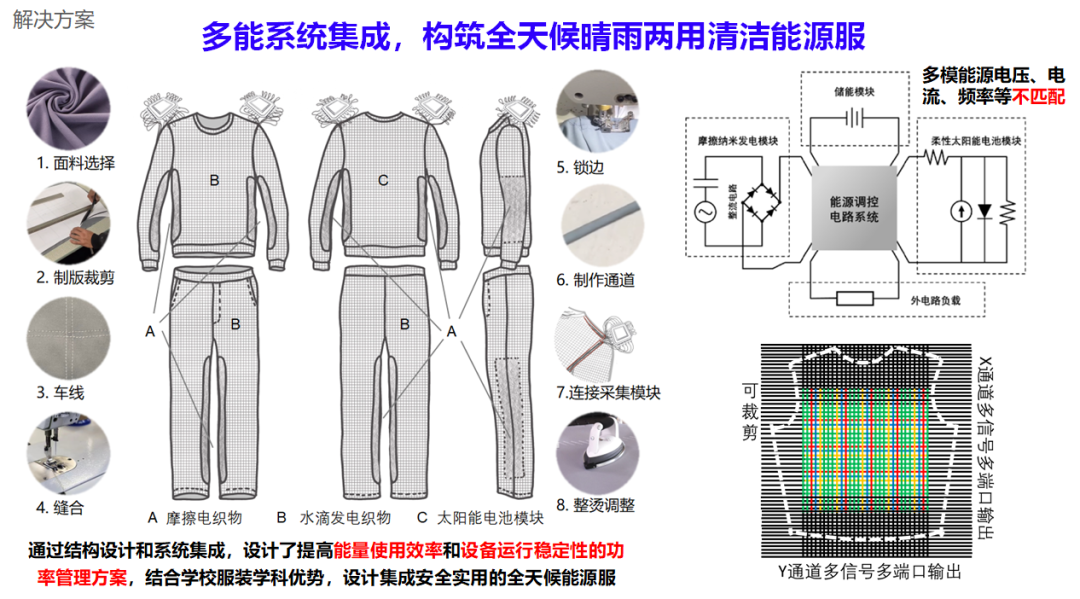
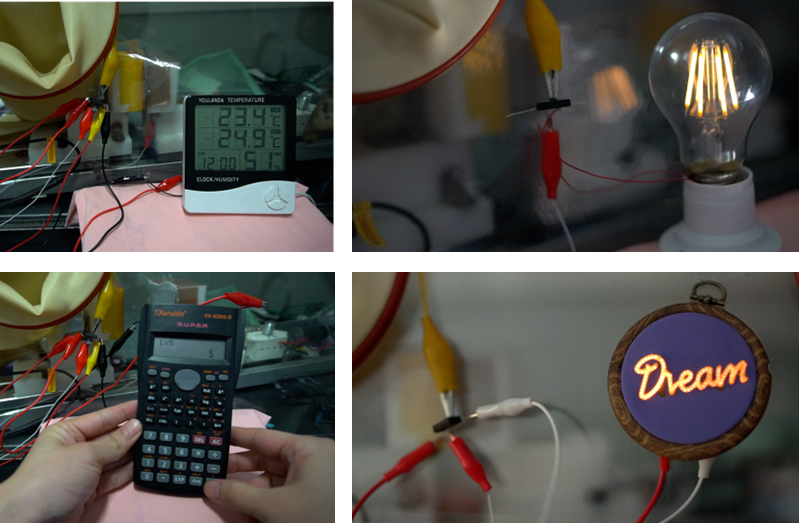
This work uses high-performance fiber fabric as a substrate, constructing flexible solar cells and new Fermat spiral energy yarns, breaking through key technologies such as photoelectric conversion, mechanical friction, piezoelectric conversion, and power transmission and storage in clothing, completing power generation and energy storage on the clothing, and providing all-weather green energy support for personal smart equipment.

Water-Saving Irrigation System Design and Verification
School: Shanghai Huangpu District Penglai Road Second Primary School
Group Name: Yunsheng Team
Group Members: Shen Youzhu, Zhang Zhiyu
The water-saving irrigation system consists of a cultivation unit and a circulating water distribution system. The designed cultivation unit serves to accommodate plants and soil while retaining the moisture needed for plant growth. Experimental results show that compared to surface irrigation, the cultivation unit has a good moisture retention effect, helping seedlings grow. The cultivation unit is made from recycled biodegradable materials (such as express packaging boxes) and will naturally degrade when the plant roots grow to absorb underground water, without affecting subsequent growth.
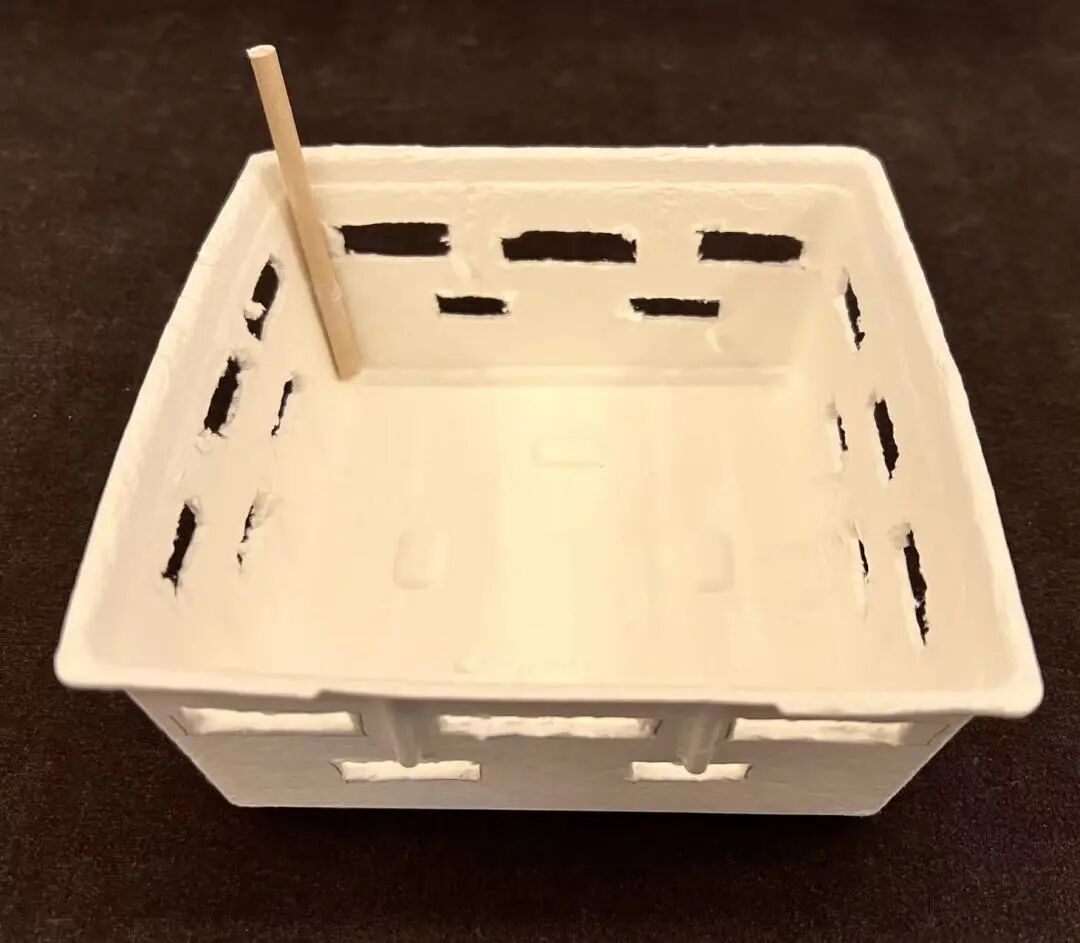
Physical model of the cultivation unit (square)
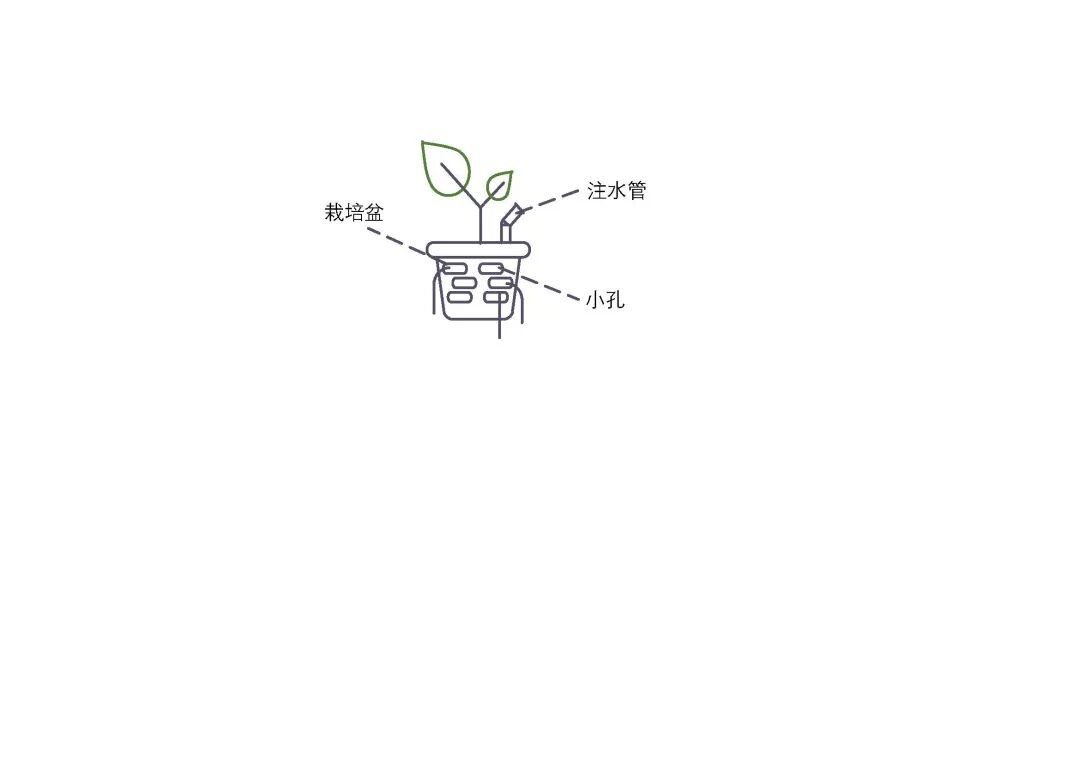
Schematic diagram of the cultivation unit
The circulating water distribution system is used to collect and distribute moisture to the cultivation unit. The moisture collection source comes from the community drainage system (gray water, rainwater, etc.), stored in a collection barrel, and intelligently controlled to distribute the necessary minimum amount of water to the plants based on factors such as plant type and climate, avoiding “flood irrigation”. Additionally, when plants require fertilizers or medications, they can also be precisely injected through the water-saving irrigation system, effectively controlling the application near the plant roots, reducing pollution to the soil and groundwater.
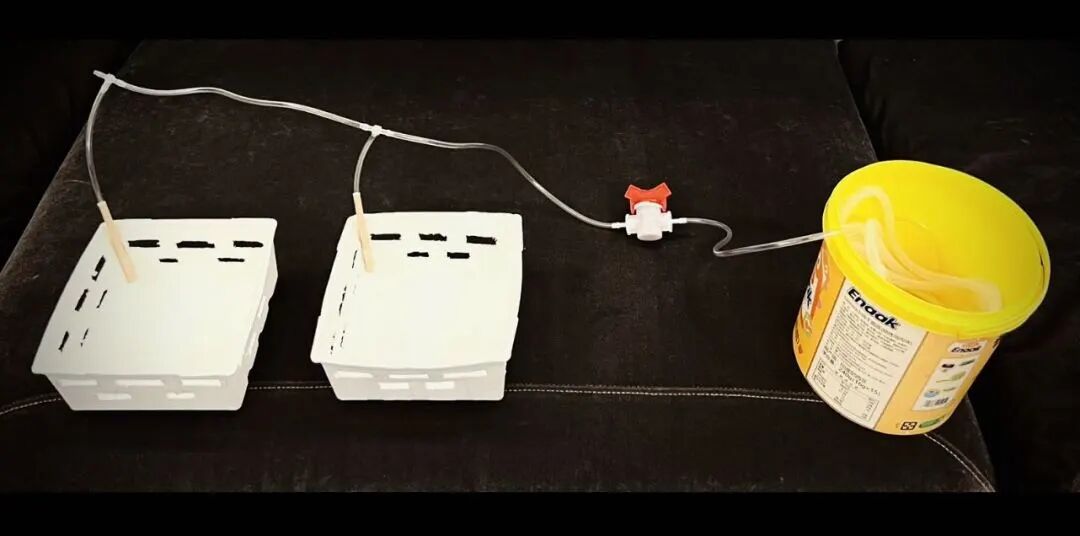
Physical model of the water-saving irrigation system
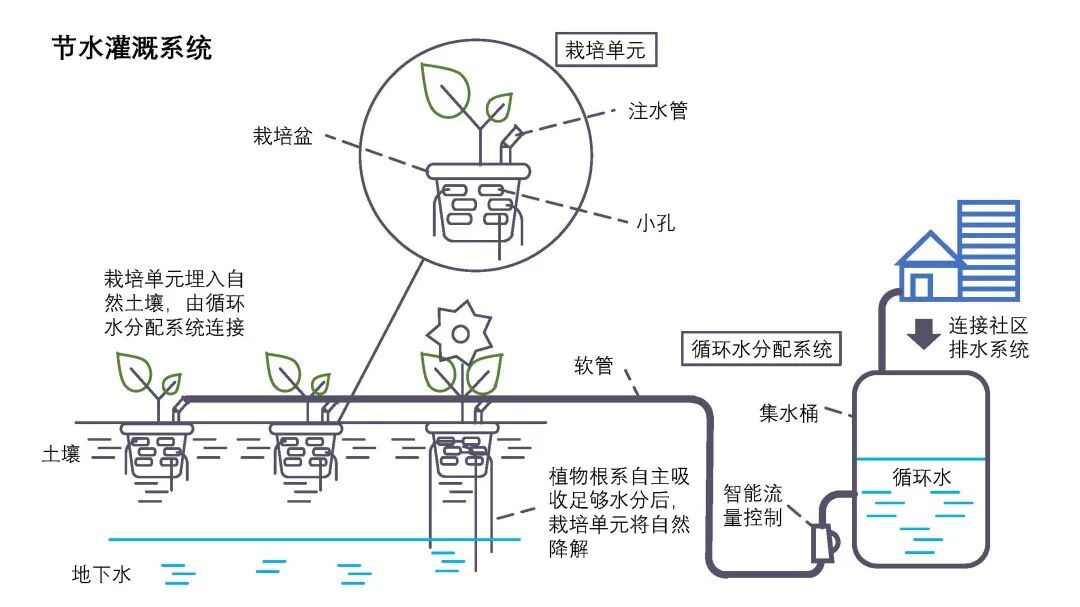
Schematic diagram of the water-saving irrigation system
Model of the water-saving irrigation system.
Smart Toilet Lid and Flushing Device
——Smart Water-Saving Guardian
School: East China Normal University Second Affiliated Middle School
Group Name: Green Water and Green Mountain Team
Group Members: Chen Sizhe, Fu Juncan
This smart toilet lid and flushing device can be easily installed on a regular toilet, achieving automatic lid closing and intelligent flushing, with water-saving features, making it an environmentally friendly and low-cost “smart water-saving guardian”.
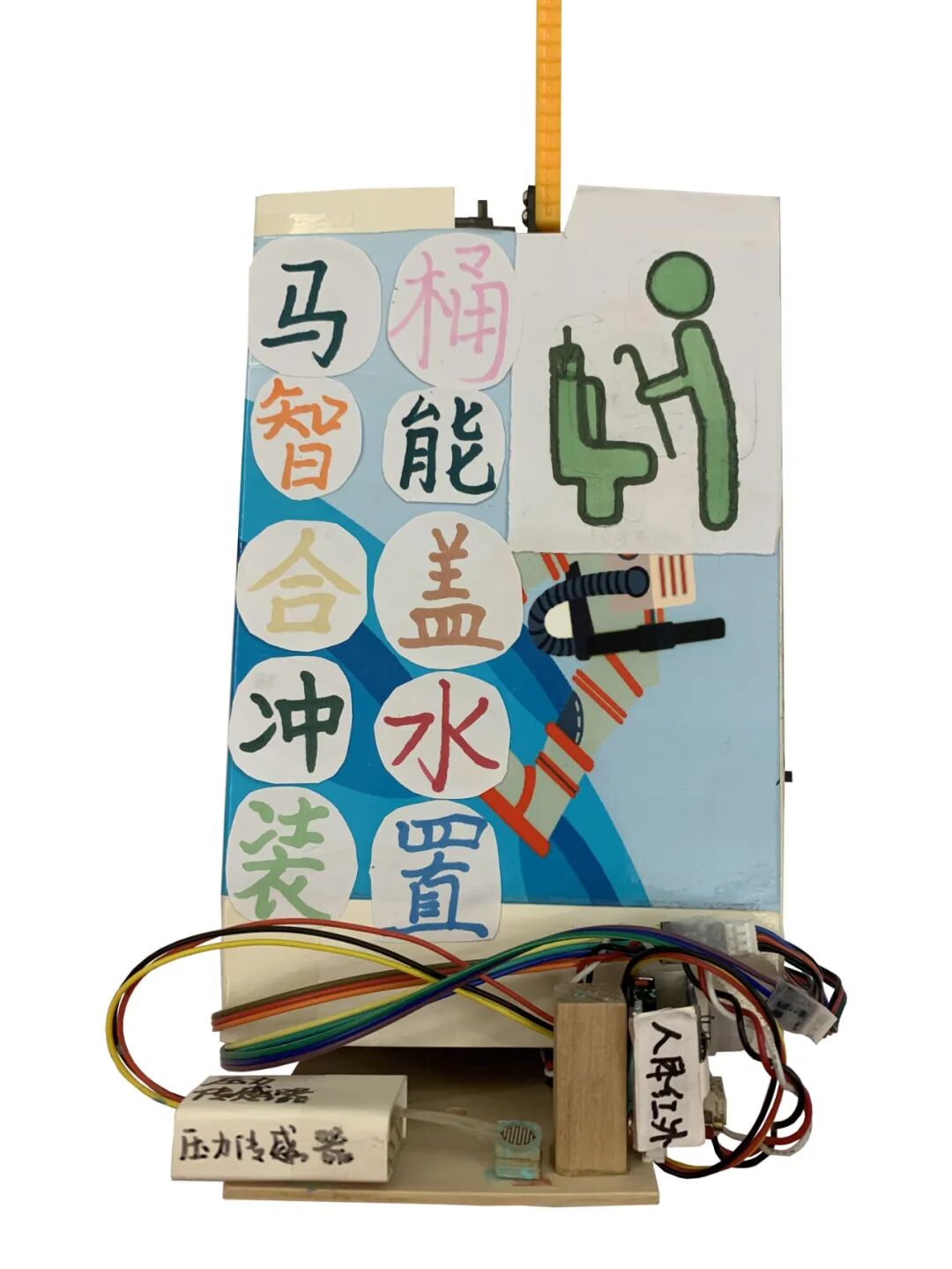
Physical image of the smart toilet lid and flushing device
The device integrates a human infrared sensing module to detect whether someone is using the toilet, uses a pressure sensor to determine the toilet usage situation; and installs a three-color indicator light to display its operating status; the built-in battery module allows the device to be easily and quickly installed on existing toilets without replacing the current toilet, making it a low-carbon and environmentally friendly solution.
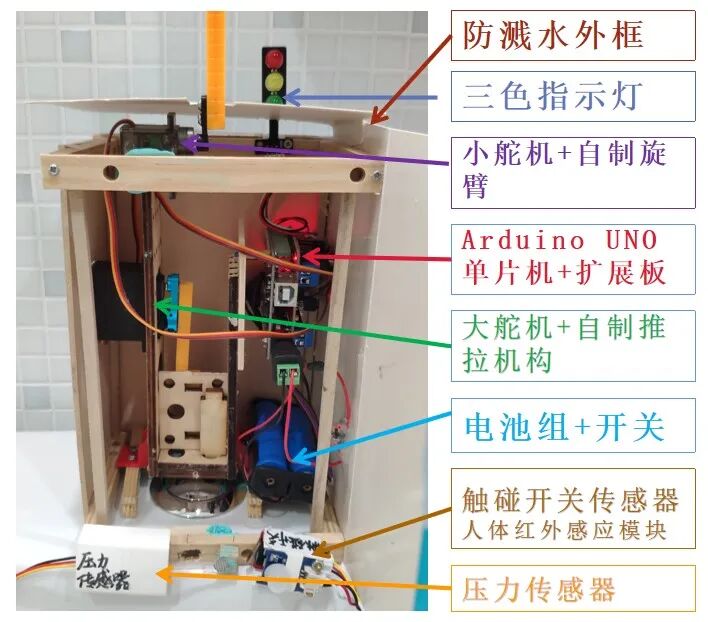
Internal components of the smart toilet lid and flushing device
This device has an automatic lid closing function, which can prevent liquids in the toilet from splashing out. The intelligent flushing function can solve issues like forgetting to flush the toilet, and it can accurately control the flushing time based on the toilet’s usage situation to achieve water-saving functionality; this device can also be applied to toilets in hospitals, shopping malls, and other places with high foot traffic, with an intelligent design that allows flushing without touching the toilet tank lid, reducing the risk of spreading various viruses.
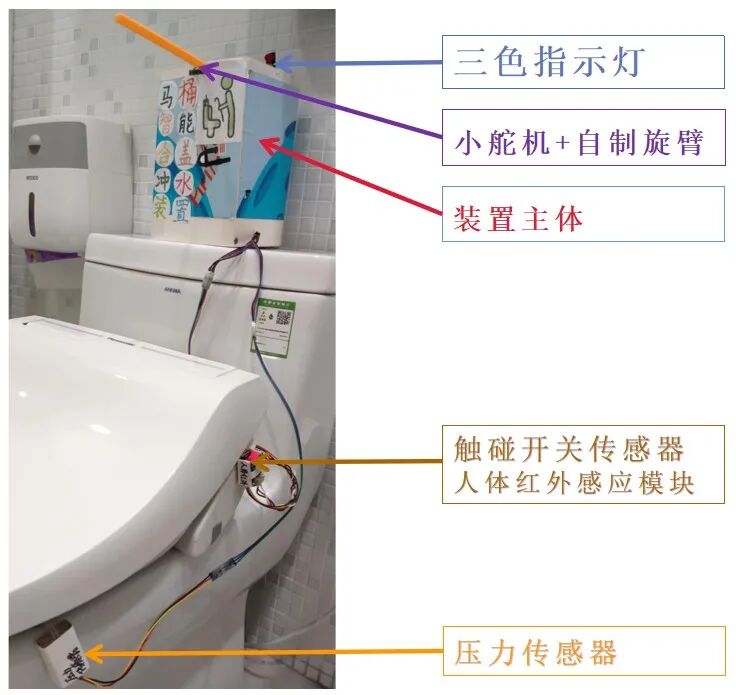
Installation effect of the smart toilet lid and flushing device
Water-Saving System for Toilets Based on Water Storage Reuse
School: Shanghai Shiwai Middle SchoolGroup Name: Little Water DropletGroup Members: Zhu XuanchengWater conservation has become our daily habit. However, there is a scenario in life that leads to water waste: before taking a shower, when hot water has not yet flowed from the faucet, one can only watch cold water flow away. Isn’t that a pity? Some suggest using a bucket to catch the water, but placing a bucket in the shower or bathtub is neither elegant nor convenient, and the water collected is easily contaminated.
Is there a simple way to save water?
The project team brainstormed and conceived a method of first storing water and then reusing it. The yellow box outlines the idea for the bathroom waterway renovation.
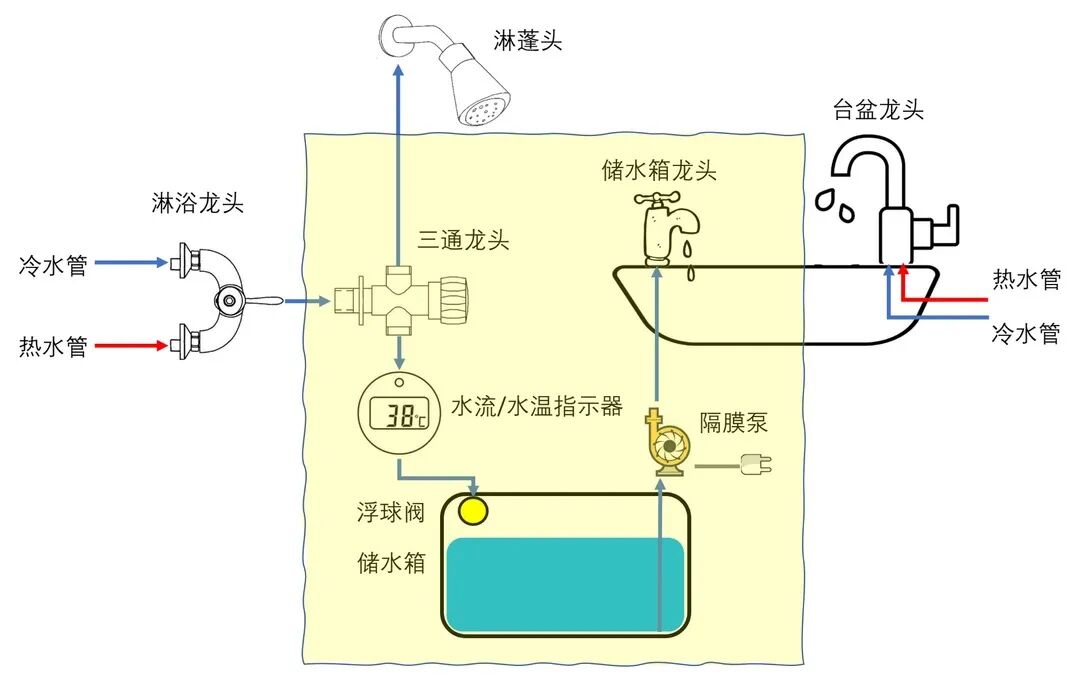
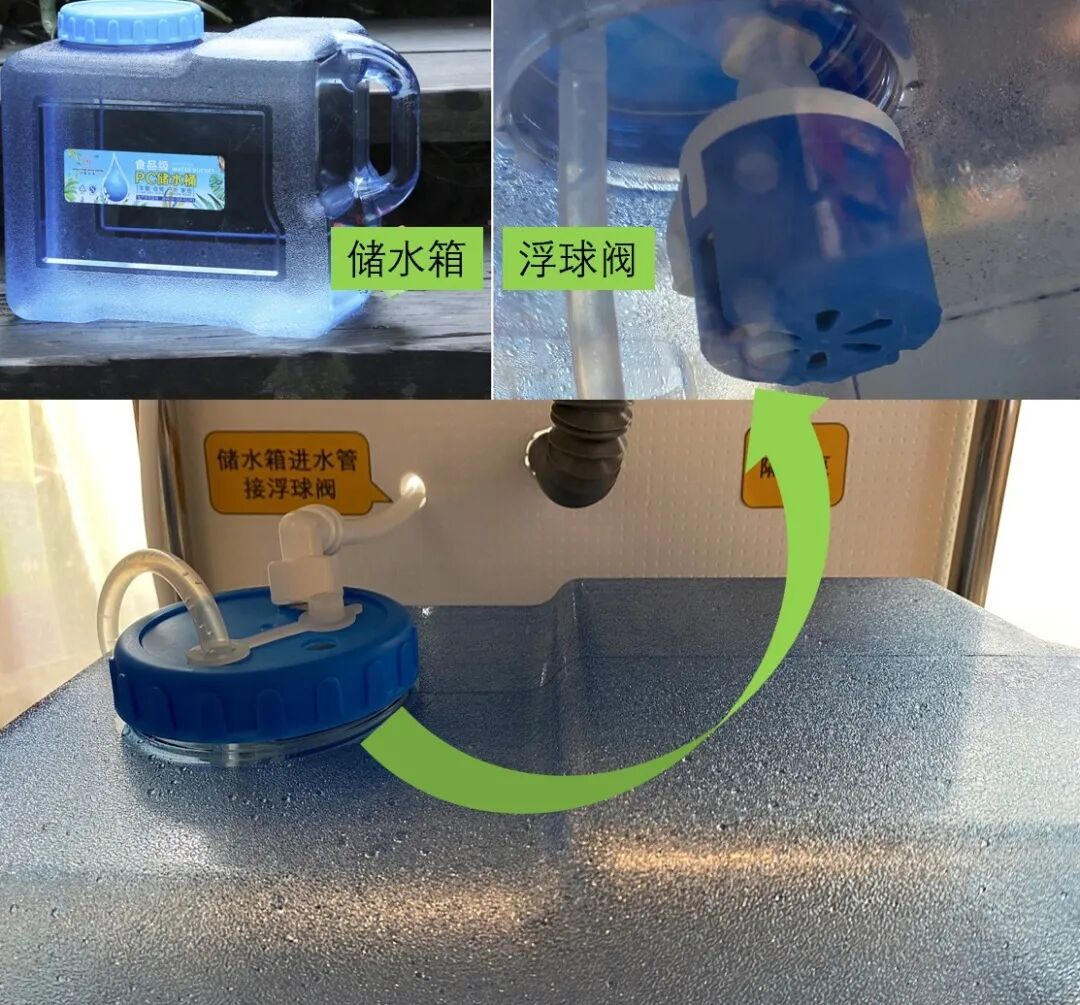
First, a storage tank with a float valve is needed: based on calculations and experiments of household water pipe volume, a family of three needs a storage capacity of 30 liters for daily showers, which is approximately the size of 50X30X20 cubic centimeters. Such a tank can be placed in the cabinet under the sink, hidden and not taking up extra space. To prevent overflow, this invention designs a float valve at the inlet. It is a purely mechanical structure that does not require a power source; when the water level rises to the top of the tank, the float rises and closes the water inlet.
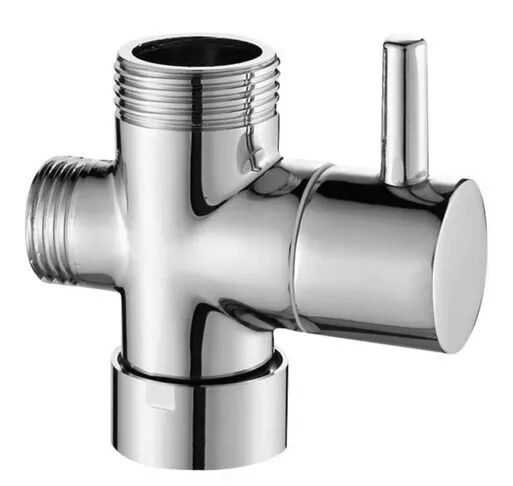
Install a three-way valve between the hot and cold water adjustment faucet and the showerhead, adding a water pipe leading to the storage tank. The three-way valve allows cold water to flow to the storage tank first instead of the showerhead, and when the water temperature is sufficiently high, it switches back to the showerhead. The original shower faucet and hot and cold inlet pipes do not need to be modified.
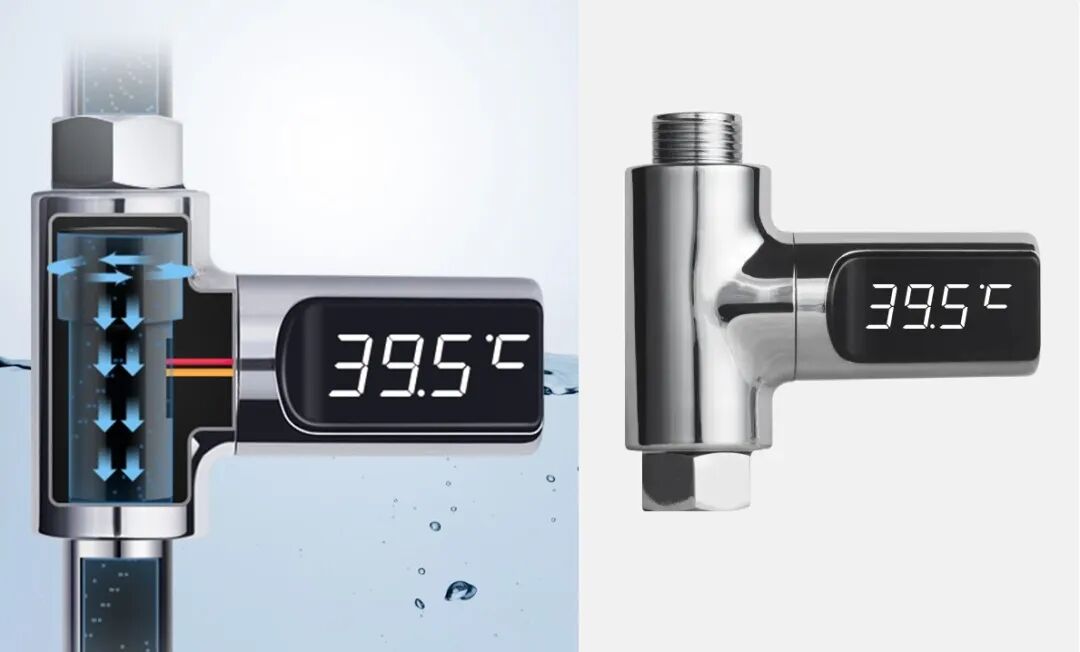
Install a water flow and temperature indicator on the water pipe leading to the storage tank. It is fully waterproof and does not require a power source, using electromagnetic induction principles, relying on water flow to drive a turbine to convert kinetic energy into electrical energy. The built-in thermistor can measure temperature accurately to 0.5 degrees Celsius. When water flows through, the panel displays the current water temperature; if the number goes out, it indicates that the storage tank is full. The person showering can see this indicator to know when to switch to the showerhead.
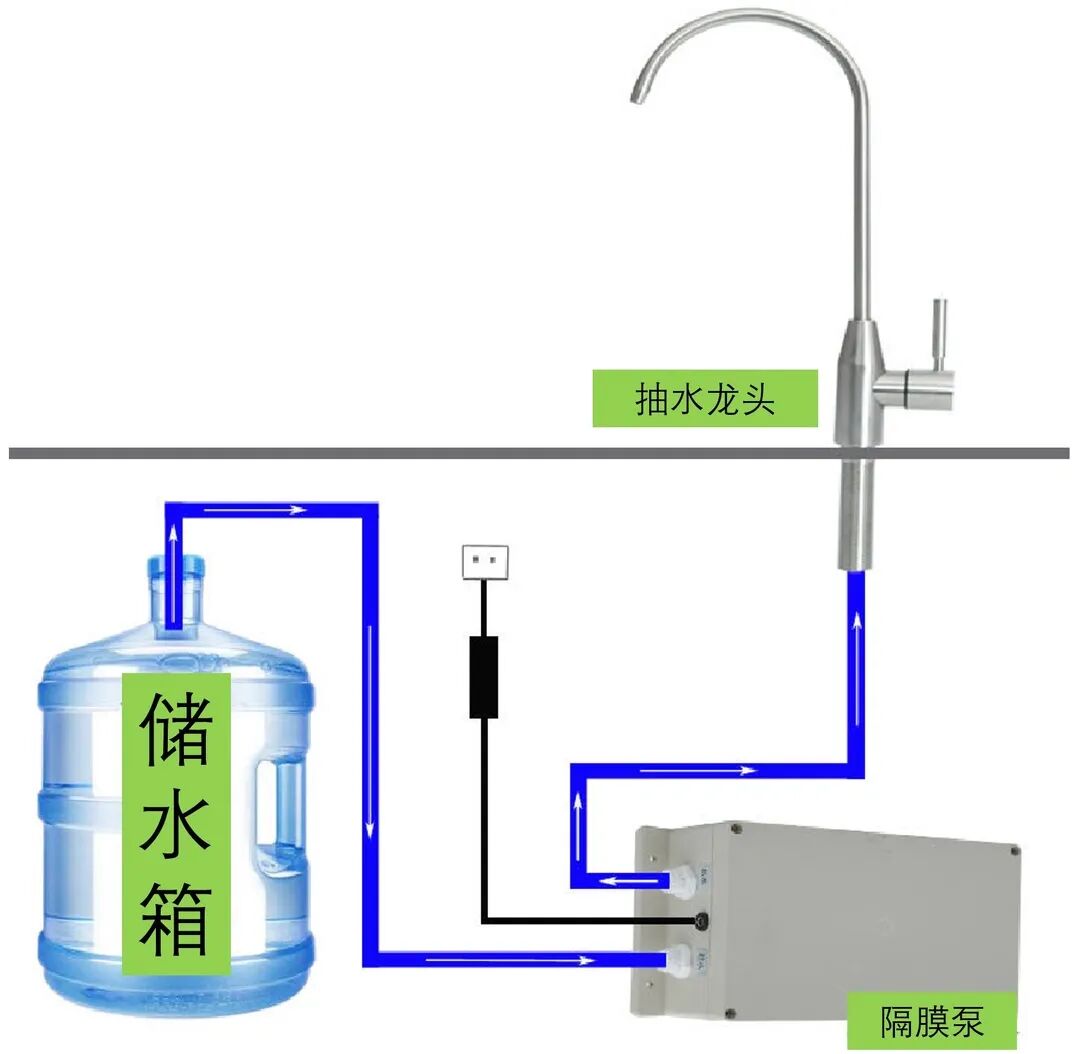
Use a diaphragm pump and faucet to achieve the water reuse function. The diaphragm pump is a miniature vacuum pump, with internal mechanical devices causing the diaphragm to move reciprocally, creating negative pressure at the inlet and positive pressure at the outlet, allowing water to flow from the inlet to the outlet. The outlet water pipe connects to the faucet; when the faucet is opened, the diaphragm pump starts automatically. When the faucet is closed, the pump stops working. For example, a 16-watt diaphragm pump can achieve a flow rate of 2.7 liters per minute. After emptying the 30-liter tank, the diaphragm pump consumes only 3 watt-hours of electricity, resulting in a water savings of 11 tons per year!
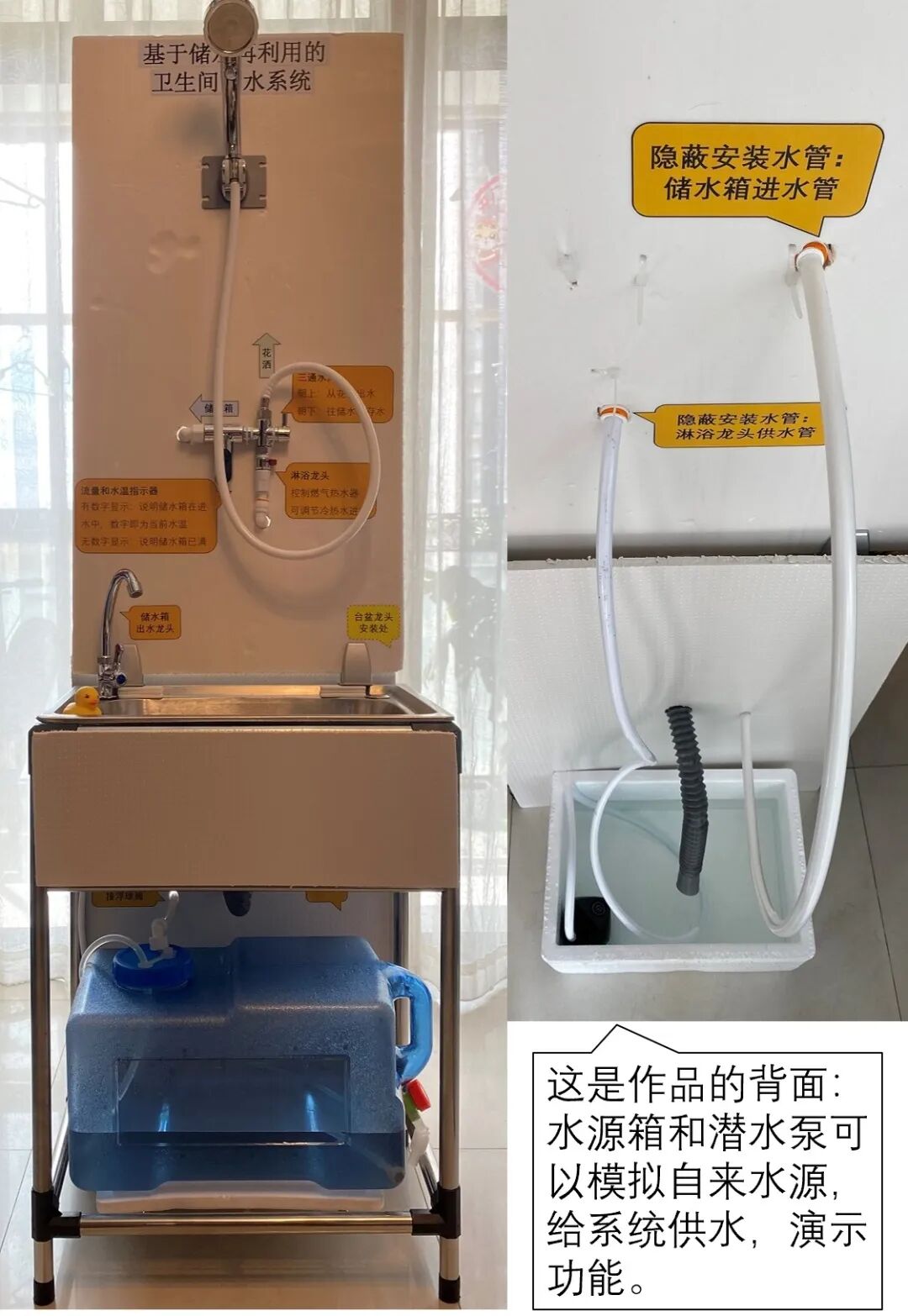
The following is a 1:1 physical diagram of this invention! To demonstrate the full functionality of water storage reuse, a water source tank is also configured, with a submersible pump to simulate tap water supply.
Subway Tunnel Piston Wind Energy Collection and Power Generation System
School: Shanghai Yan’an Experimental Junior High School
Group Name: Qihang Team
Group Members: Liu Chengzhou, Qiu Guangting
Project team members discovered that when the subway train travels through the tunnel, especially when arriving and departing from stations, strong air currents can create strong winds.
Therefore, the project team wondered if such a large airflow could be further utilized, in addition to ventilating the subway station?
They envisioned installing wind power generation components in the subway tunnel to power maintenance lights and advertising light boxes within the tunnel, especially for advertising lights, which do not need to remain lit continuously but can be illuminated when the subway carries passengers, achieving both advertising effects and energy savings.
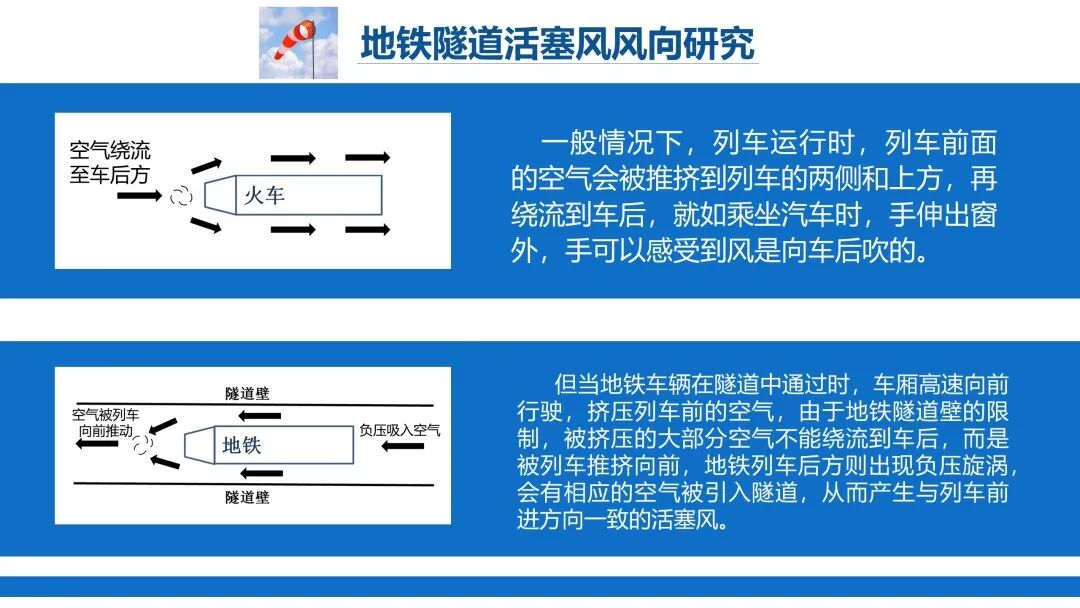
Research on Subway Tunnel Piston Wind Direction:Under normal circumstances, when the train is running, the air in front of the train is pushed to the sides and above the train, then flows around to the back of the train, just like when you stick your hand out of a car window, you can feel the wind blowing towards the back of the car.
However, when the subway vehicle passes through the tunnel, the carriage moves forward at high speed, compressing the air in front of the train. Due to the constraints of the tunnel walls, most of the compressed air cannot flow around to the back of the train but is pushed forward by the train, creating a negative pressure vortex behind the subway train, which draws in corresponding air into the tunnel, thus generating piston wind in the same direction as the train’s forward motion.
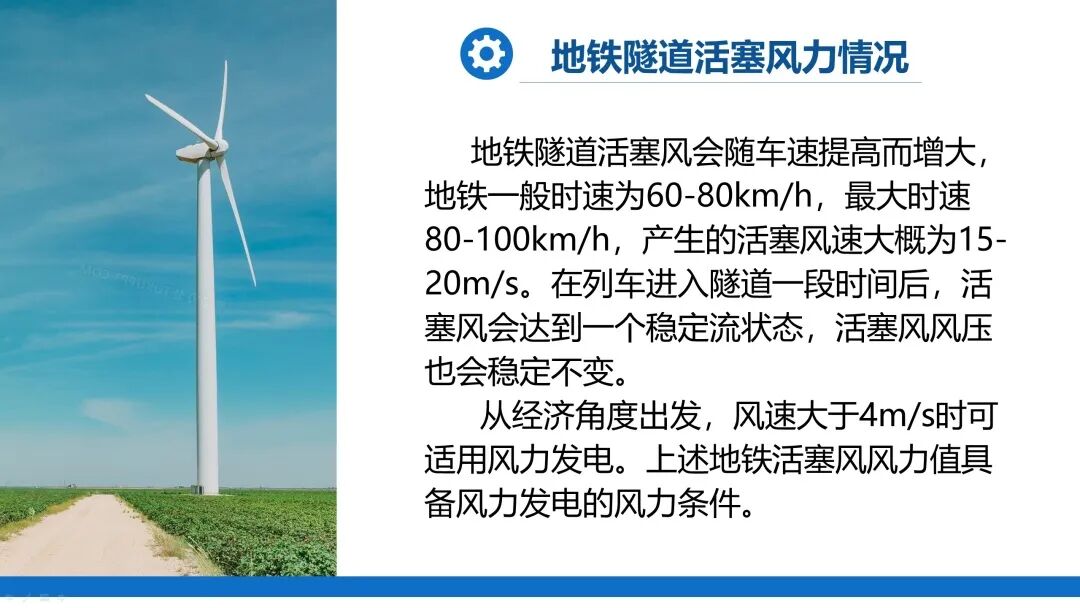
Subway Piston Wind Energy Situation:The piston wind increases with the speed of the train; the subway generally runs at a speed of 60-80 km/h, with a maximum speed of 80-100 km/h, generating piston wind speeds of about 15-20 m/s. After the train enters the tunnel for a period, the piston wind reaches a stable flow state, and the wind pressure of the piston wind stabilizes. From an economic perspective, wind speeds greater than 4 m/s are suitable for wind power generation, and the piston wind generated by the subway meets the conditions for wind power generation.
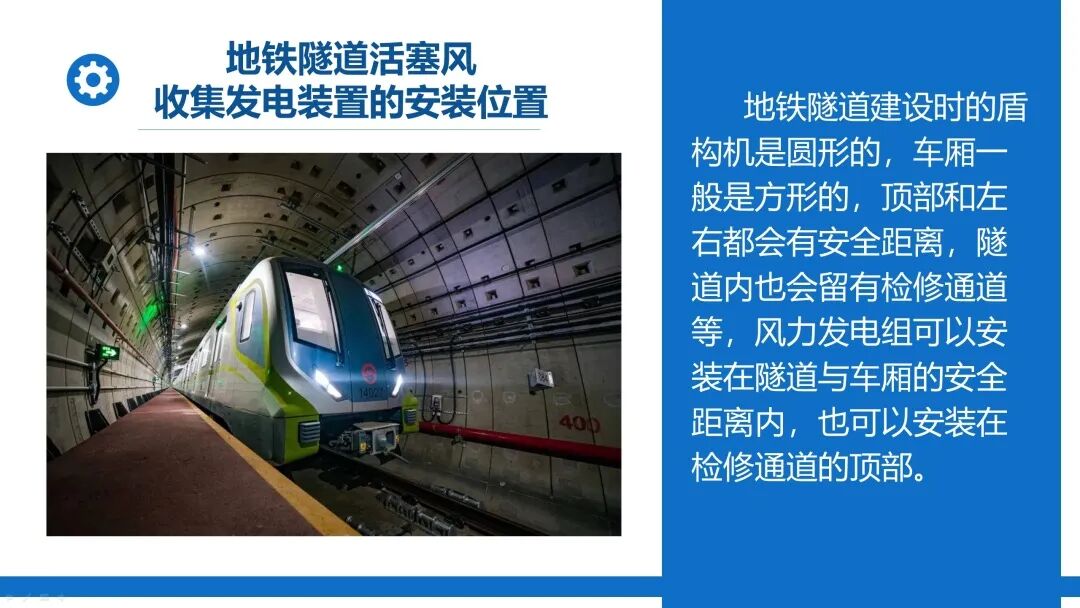
Based on the data collected and analyzed in the preliminary stage, the project team built a model for better visual effects. The wind direction and wind power generation device were installed relative to the train.
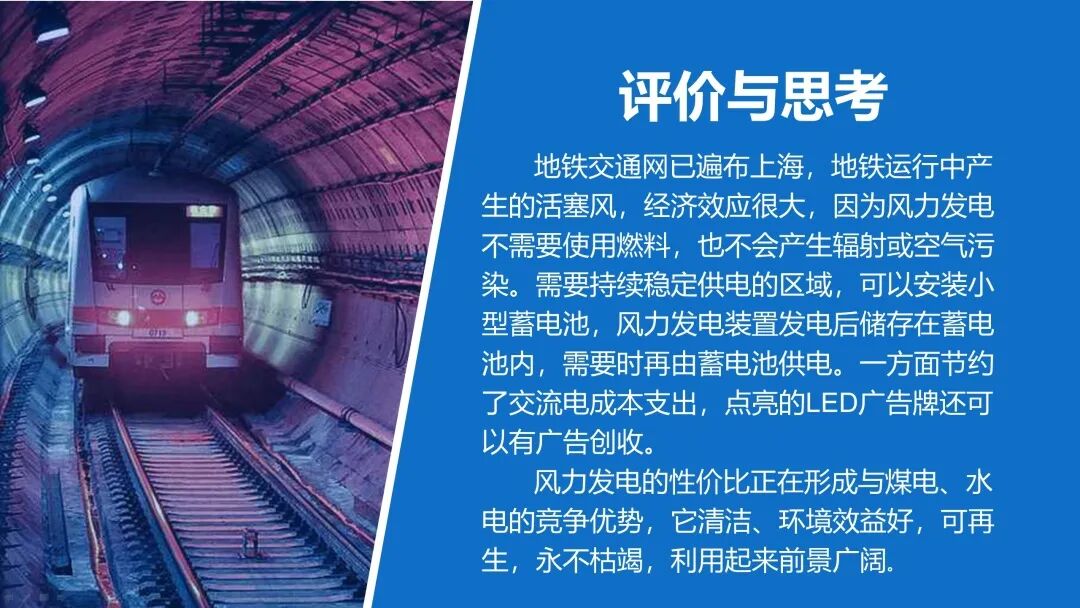
The subway transportation network has spread throughout Shanghai, and utilizing the piston wind generated during subway operation for power generation has broad prospects. It can reduce radiation and air pollution, achieve carbon reduction goals, and enhance economic effects. Areas requiring continuous stable power supply can install small batteries to store the power generated by the wind power generation device for later use.
Design of an Intelligent Lighting System for Classrooms Based on Arduino Microcontroller
School: Shanghai Loushan Middle School
Group Name: “SMART” Group
Group Members: Cai Yifan, Zheng Chuhuang
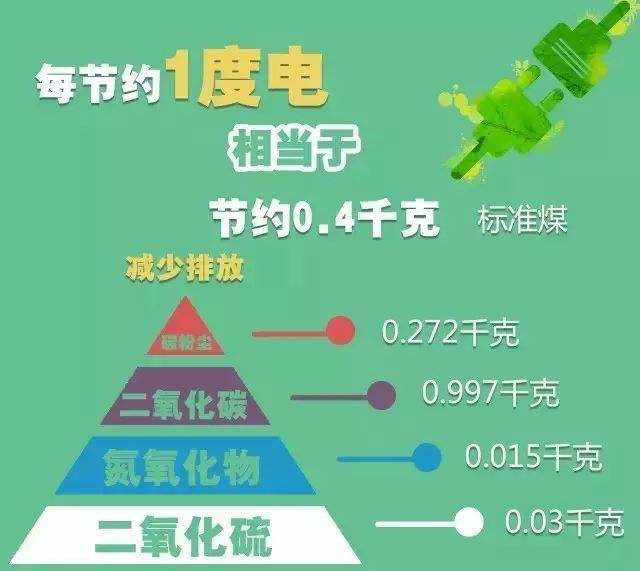
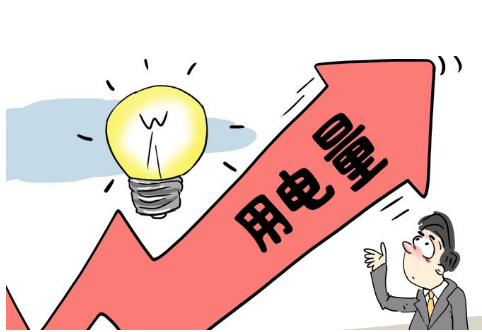
From the moment the first student enters the classroom in the morning to turn on all the lights, to the last student leaving after school to turn them off, the classroom lights are often on for nearly 10 hours a day, even when the weather is sunny or when there are few students in the classroom.Although China is a major energy country, the per capita energy reserve is still low, and thermal power generation remains the primary method of electricity generation (as of August 2022, thermal power accounted for 72.6% of the country’s electricity generation). Research shows that burning coal for thermal power generation not only consumes a large amount of energy but also increases carbon emissions; calculations indicate that saving one kilowatt-hour of classroom lighting can reduce carbon dioxide emissions by 997 grams.
Is there a way to make classroom lighting smarter?Artificial intelligence to the rescue!
The project team designed two types of intelligent lighting systems for classrooms based on the existing lighting control system, using Arduino microcontroller technology to automatically adjust the brightness of local lights based on changes in the number of students in the class, achieving energy conservation and emission reduction while meeting classroom lighting needs.The intelligent counting and lighting brightness automatic adjustment system installs a resistive thin-film pressure sensor at each seat to detect pressure and calculate the number of people in the area. The system adjusts the switches and brightness of the overhead lights based on pre-set values.
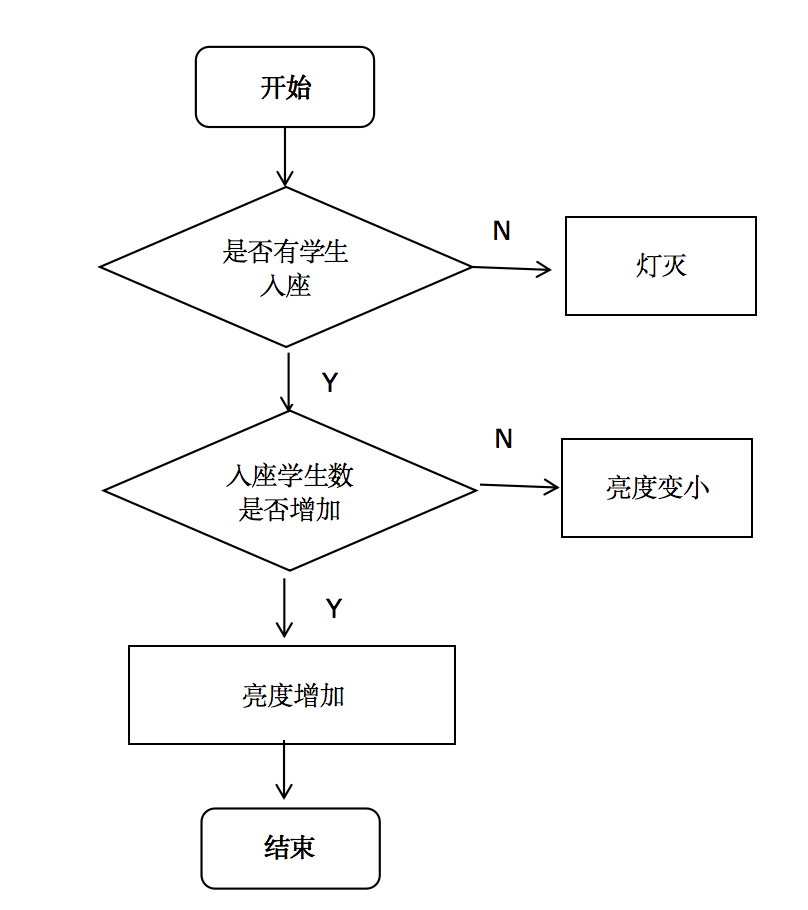
Process of the intelligent counting and lighting brightness automatic adjustment system
The design utilizes LEGO-like building blocks to assemble a classroom model, with KT board as the ceiling, installing LED lights in the center of the ceiling, and placing a resistive thin-film pressure sensor at each seat, using dolls to simulate students for experimental simulation. Through system simulation and debugging, the intelligent counting under lighting brightness automatic adjustment function was achieved.
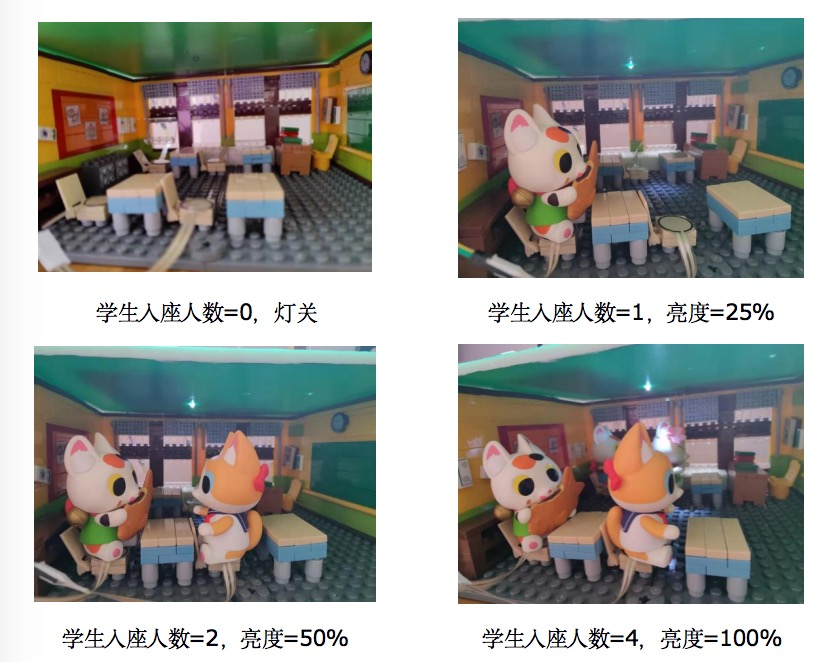
Simulation and debugging effects of the intelligent counting and lighting brightness automatic adjustment system
The intelligent light-sensitive and constant brightness automatic adjustment system installs a light-sensitive resistor light intensity detection module in the classroom lighting fixtures, detecting whether the light intensity in the corresponding range exceeds the constant brightness range, automatically turning off or adjusting the brightness of the fixtures to keep the light intensity in that area within the constant brightness value range.
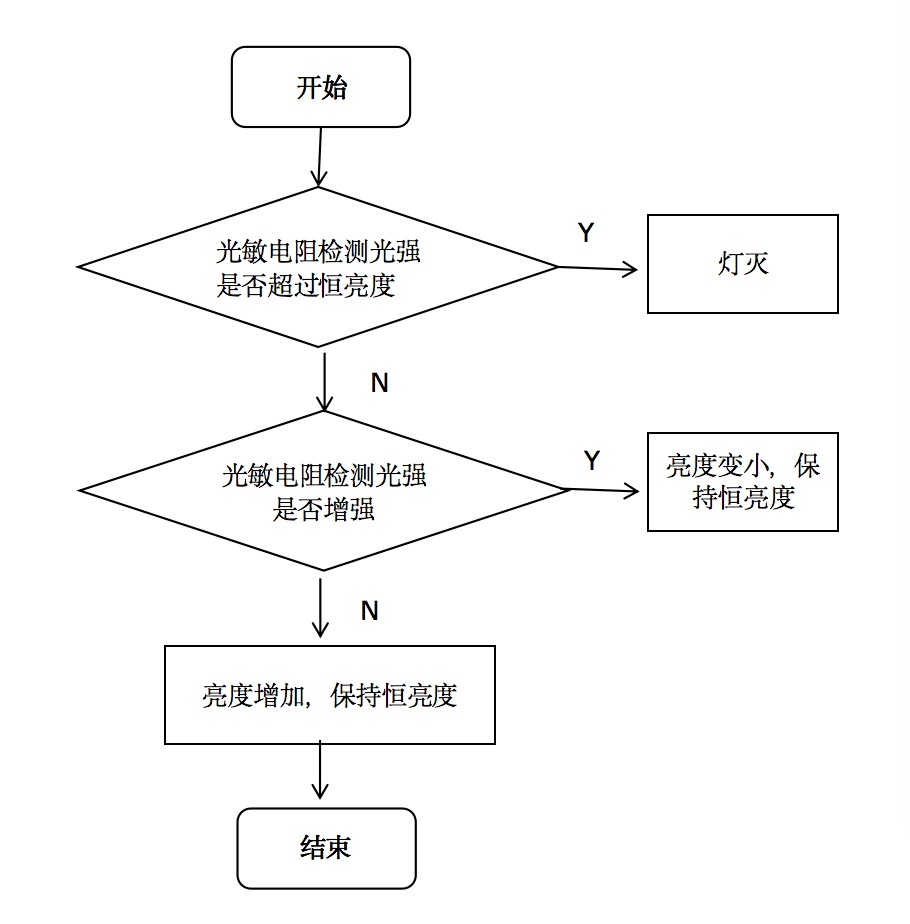
Process of the intelligent light-sensitive and constant brightness automatic adjustment system
Light-sensitive resistors are installed on the classroom model ceiling, simulating changes in outdoor light by opening/closing curtains. Through system simulation and debugging, the intelligent light-sensitive lighting brightness automatic adjustment was also achieved.
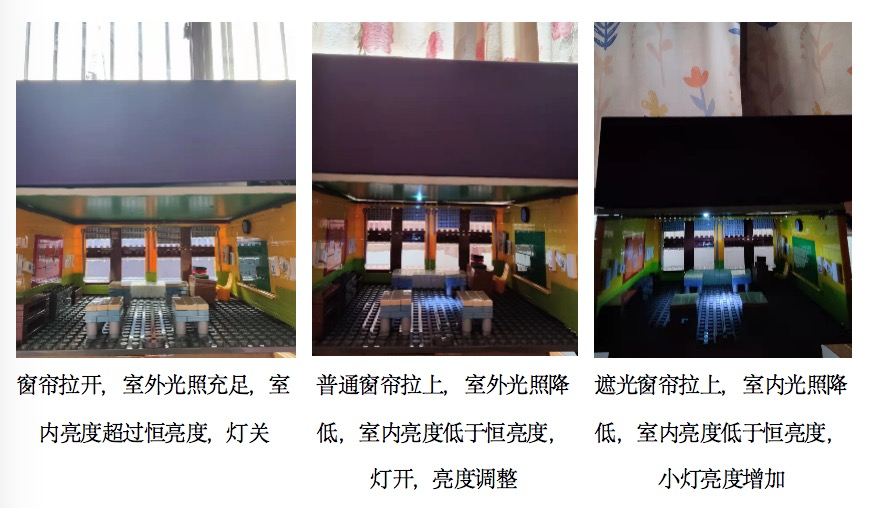
Simulation and debugging effects of the intelligent light-sensitive and constant brightness automatic adjustment system
This design is also applicable to self-study classrooms and libraries in universities, achieving energy savings by automatically controlling lighting switches and brightness, reducing energy consumption and pollutant emissions, and achieving low-carbon energy conservation and emission reduction.
Design and Production of an Intelligent Tracking Fan Based on Arduino
School: Shanghai Caoyang Middle SchoolGroup Name: ChuangtuGroup Members: Yan Yiqi, Yu Zidan, Zhu QiananProject team members observed a scenario in life: on hot summer days, in kitchens and large logistics factories, people often cannot control the fan’s switch, wind speed, and direction with their hands, failing to achieve the cooling effect and wasting electricity in the process; another scenario is that families with pets worry that their pets will be too hot when no one is home, and the pets cannot turn the fan on or off themselves.Thus, the project team decided to apply the knowledge, skills, and methods learned in the school’s special course “Extreme Smart Maker” to practice and develop intelligent low-carbon devices. First, they designed and distributed a questionnaire based on real-life problems, brainstormed various design solutions based on the survey results, and then independently read relevant materials to learn and conduct preliminary debugging of various components to ensure they could work properly, clarifying the basic functions and principles of the device through these pre-experiments.
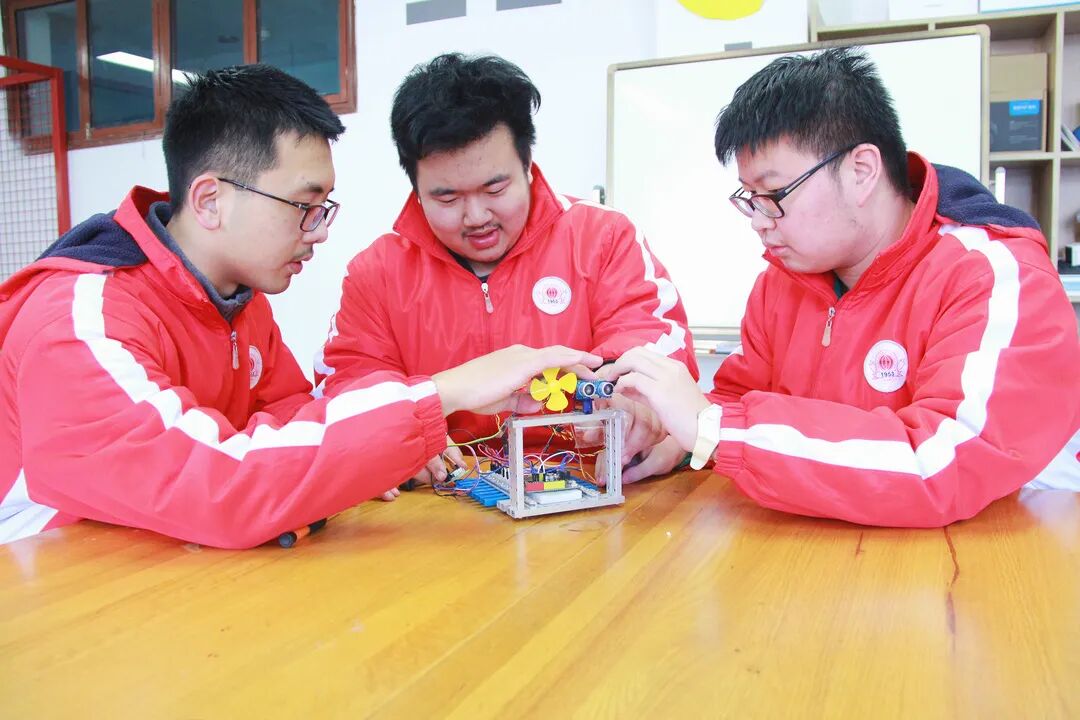
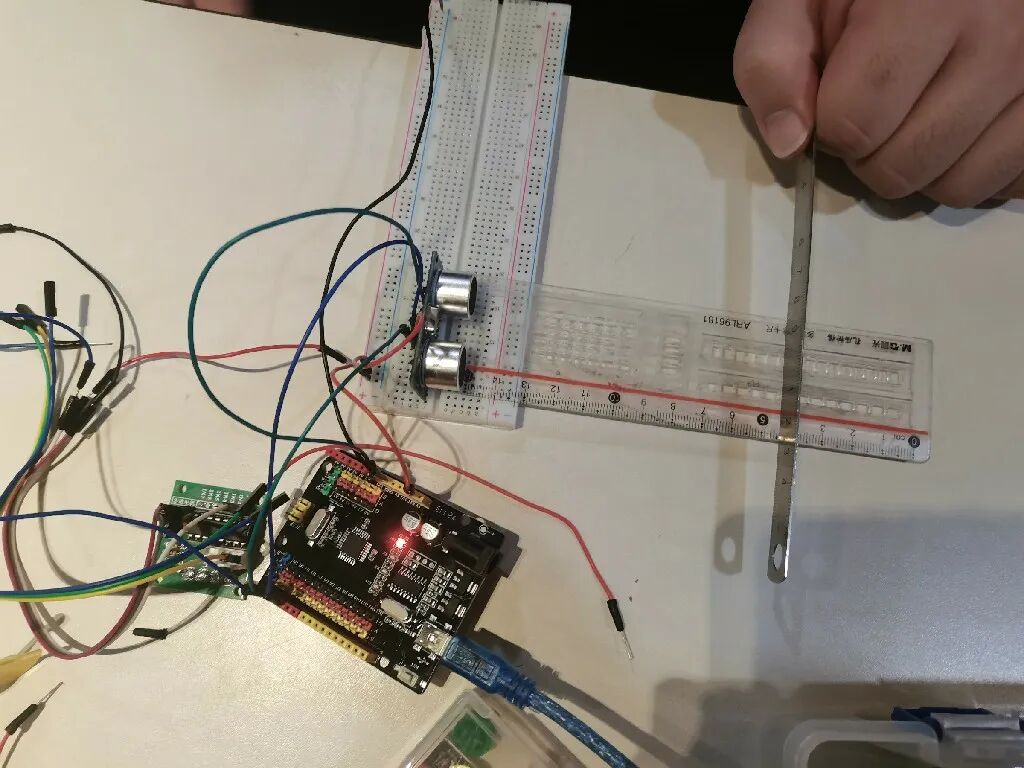
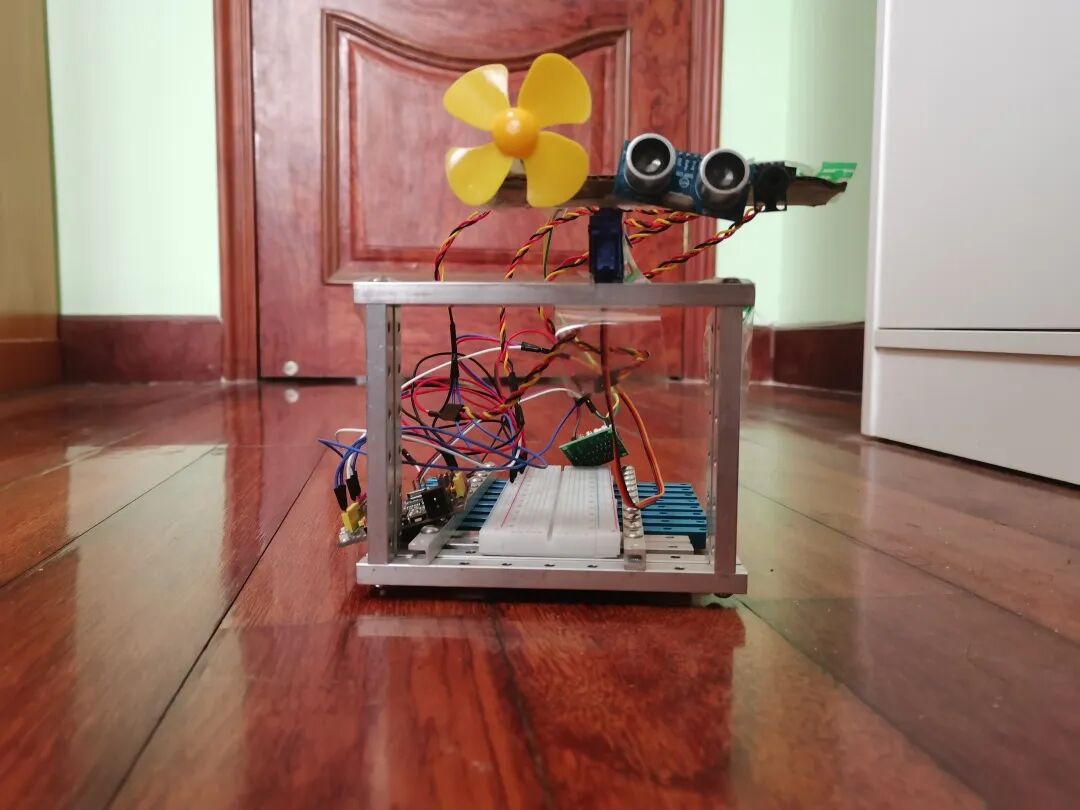
After multiple discussions and tests, the project team decided to develop a smart fan based on the Arduino hardware development platform, using various basic components such as microcontrollers, servos, ultrasonic distance sensors, and infrared temperature sensors, to design and produce a smart fan that features automatic rotation, intelligent locking, and wind speed adjustment, allowing the fan to find and lock onto a target for airflow, avoiding energy loss caused by conventional “swing” functions.The project team first drew an electronic overall structure diagram to visually present their ideas in design form for subsequent assembly work. Then they wrote programs to implement the device’s functions, making the device “move”. Finally, they assembled the circuit, tested the functionality, and built the framework to shape the device.
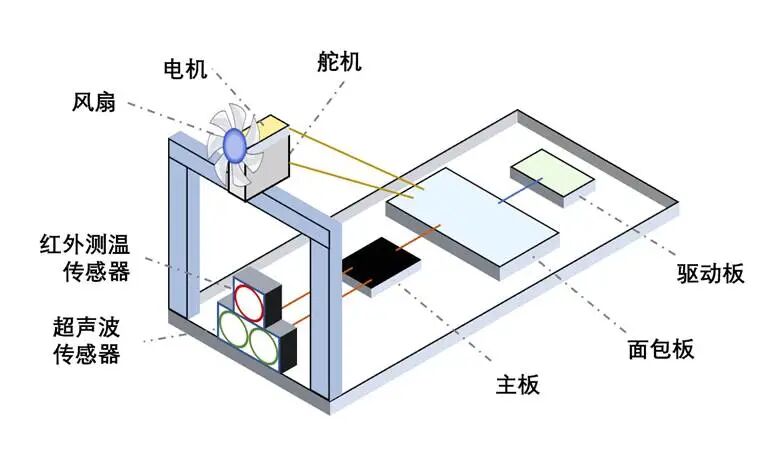
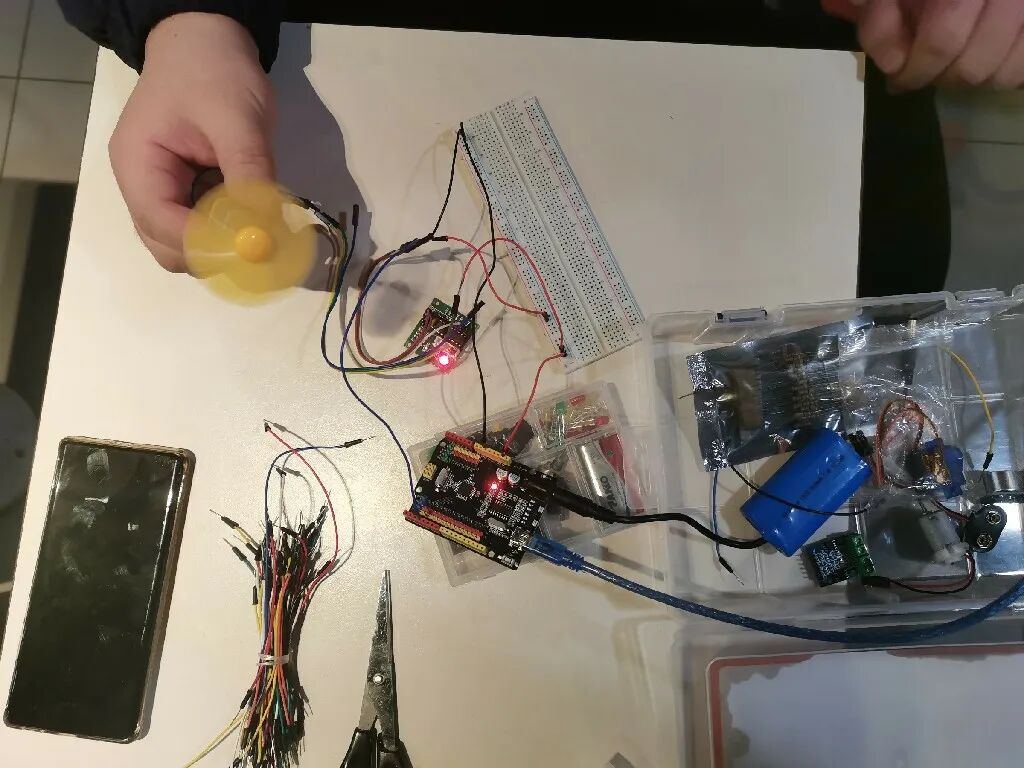
After completing the device, the project team members determined different wind speed levels based on research on the optimal wind speed at different distances, allowing the device to automatically adjust the wind speed based on the distance between the target and the fan, balancing practicality, comfort, and energy efficiency.
New Photovoltaic Smart Lamp Post with Passive Intelligent Reflective Surface
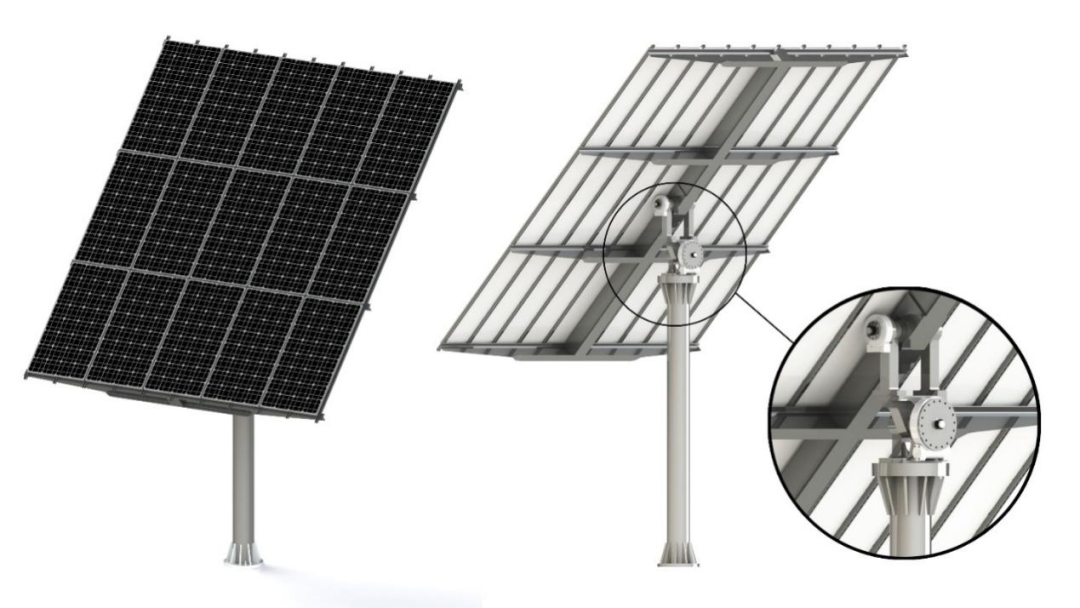
School: East China Normal University Second Affiliated Middle SchoolGroup Name: Huayi TeamGroup Members: Chen Zhuo, Xu SihangThe smart lamp post integrates the latest generation of information technology, equipped with functions such as intelligent lighting, 5G micro base stations, LED screens, charging piles, parking management, and traffic signs, achieving a multi-functional integrated lamp post to reduce the number of poles on the road and free up public space resources.
Due to its high position, the smart lamp post has no obstructions, making it an excellent location for solar panels to absorb sunlight and generate electricity. At the same time, the smart lamp post occupies a small area, with many points, making it convenient to lay mobile communication base stations, which can significantly improve mobile signal coverage.
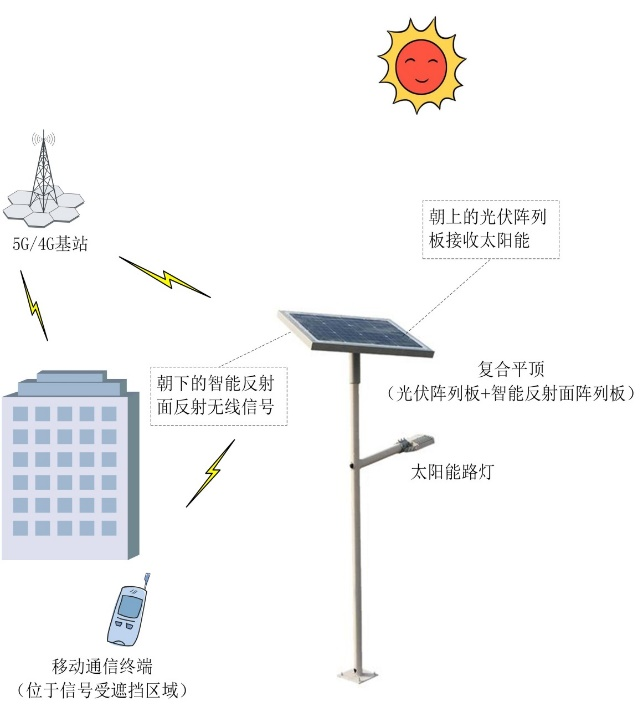
However, if the signal quality received by mobile communication terminals is poor, simply increasing the emission of electromagnetic waves to improve signal quality is not an efficient approach. In contrast, reflecting scattered electromagnetic waves back to mobile communication terminals is a more efficient and correct solution!
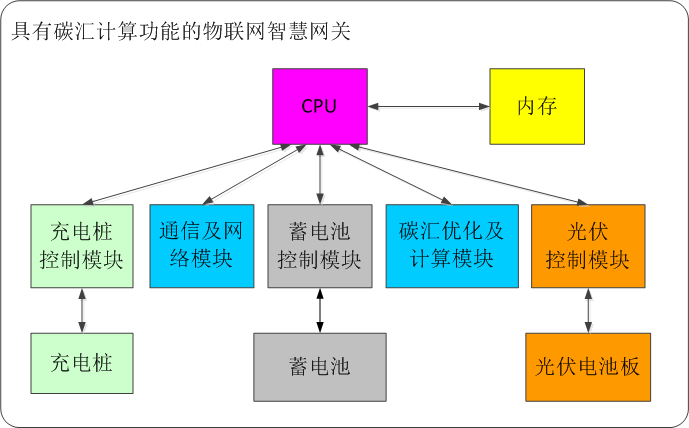
Finally, the project team members optimized and calculated the carbon sink through the smart lamp post’s IoT gateway according to methods in the literature, obtaining relatively accurate carbon sink results, effectively supporting the operators of the new photovoltaic smart lamp post system in carbon sink trading, thus generating carbon sink income and promoting the sustainable operation of the new photovoltaic smart lamp post system.
Intelligent Solar Car Acquisition of Maximum Illumination: Research and Model Implementation
School: Shanghai Jianping Middle School
Group Name: Solar Car Intelligent Illumination Project Team
Group Members: Qi Zisheng, Sun Zhiyuan
The project was inspired by the “Tianwen-1” Mars probe and the Mars rover “Zhurong”, researching how solar-powered cars can acquire maximum solar energy from onboard solar panels.

Mars rover “Zhurong”
The project team members thought of simulating a space environment with a small car equipped with solar energy devices, controlling the solar panels through a program to automatically adjust the angle and position to acquire maximum solar energy.High school physics knowledge tells us that when solar panels are perpendicular to the incident sunlight, the solar intensity is maximized, thus maximizing the solar energy obtained. However, in practice, due to the revolution and rotation of planets, the position of the sun varies at different latitudes and times of the day.Considering that the solar-powered car’s angle relative to sunlight will not remain fixed during movement, adjusting based on numerical modeling is only suitable for fixed solar panels. Therefore, an engineering solution was considered, building a small car model with a mechanical arm to adjust the angle of the solar panels, measuring voltage through analog-to-digital conversion, obtaining the angle of maximum voltage as the optimal angle. The voltage data changes are connected to the Raspberry Pi mainboard through an AD conversion circuit, and the Raspberry Pi program calculates the best angle, moving the mechanical arm to the optimal angle to acquire maximum illumination.The project team purchased a small car model, which has multiple functions, including self-driving, solar panel control, signal reception, and program control.
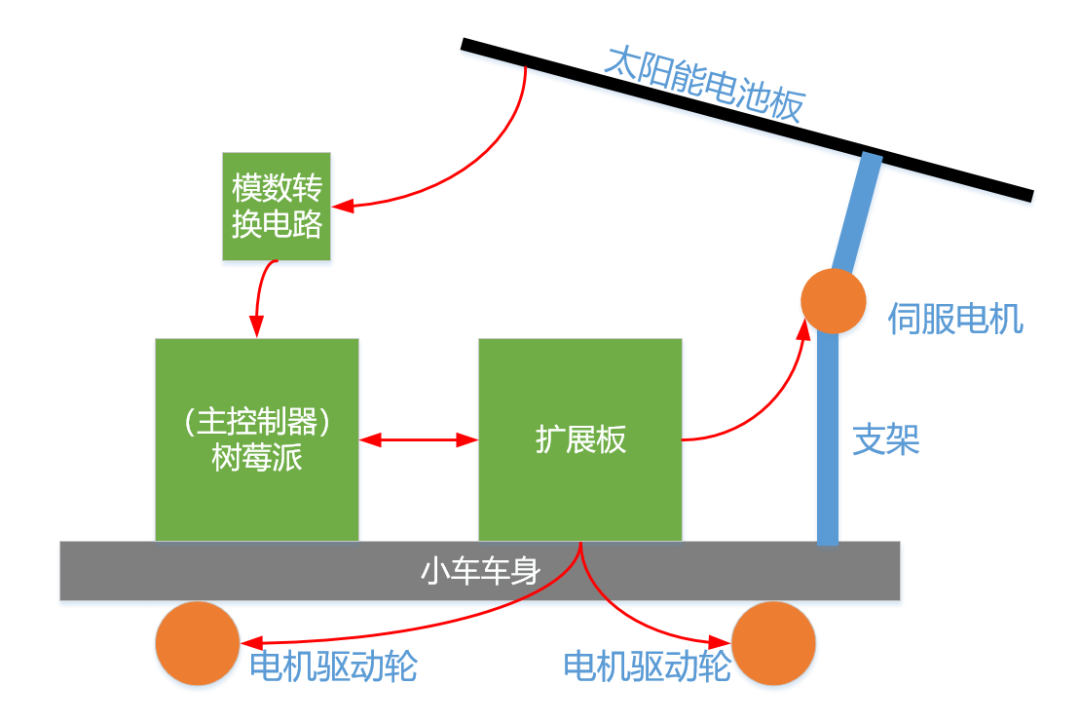
Control system framework of the small car
This project first assembles the components into a four-wheel drive small car, adding solar panels to provide energy for the car. The car is powered by solar energy and can move freely forward, backward, and turn through manual control. The Raspberry Pi mainboard is installed on top of the car, and the mechanical arm controls the solar panels, with the mechanical arm connected to the expansion board and then to the Raspberry Pi mainboard.The software part of the small car model is based on Python language, controlling the above mechanical structure through GPIO output signals from the Raspberry Pi. In the program for adjusting the angle of the solar panels, a method of rotating multiple motors to measure voltage values at different angles is used, and after calculations, the solar panels are moved to the position with the highest voltage, thus acquiring maximum illumination.
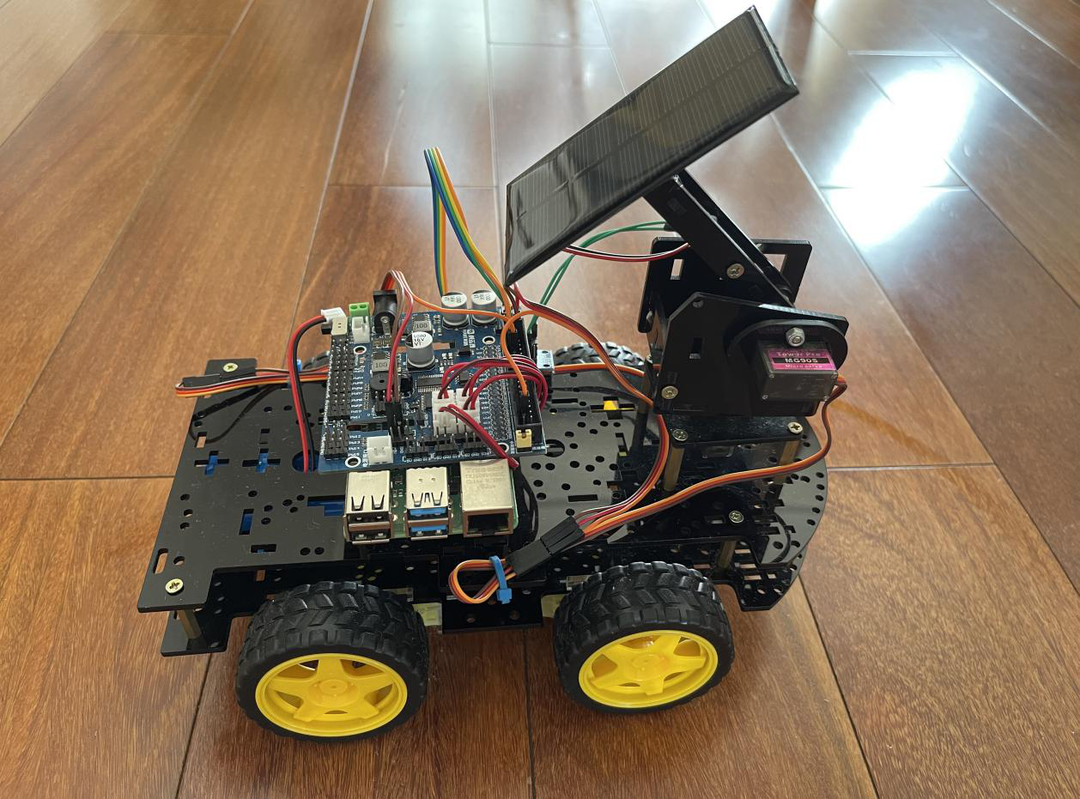
Small car model that can automatically acquire maximum solar energy
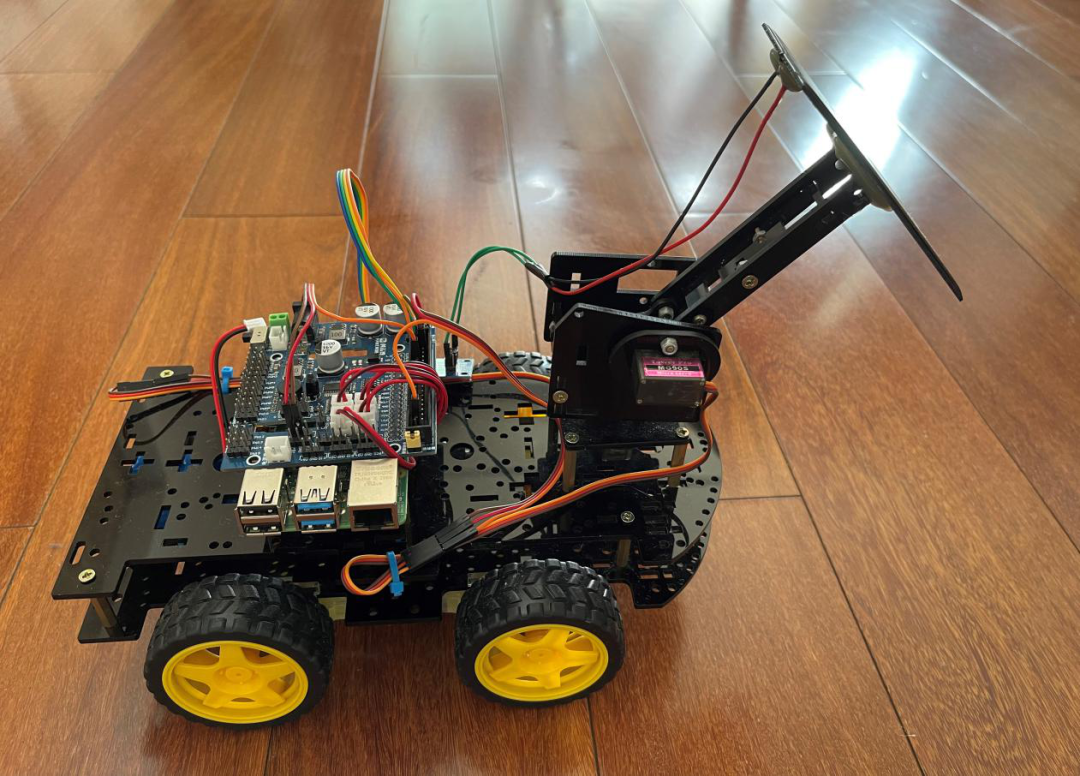
Mechanical arm adjusting the panel working angle
Related Reading
Carbon footprint, carbon inclusiveness, carbon points… These students present new proposals! | I contribute a proposal for “dual carbon” ①
Editor: Lu Shenyu