Last week, Zhihui Dog shared with everyone about the polarizing film on monitor screens, which, if accidentally peeled off, can turn the screen white, making it impossible to see anything (see “Did You Know? There is a Film on Computer Screens That Can Blind You If You Peel It Off!”). In fact, in addition to the polarizing film, many products add various coatings to the surface of monitor screens, which can also lead to display issues if not properly maintained.
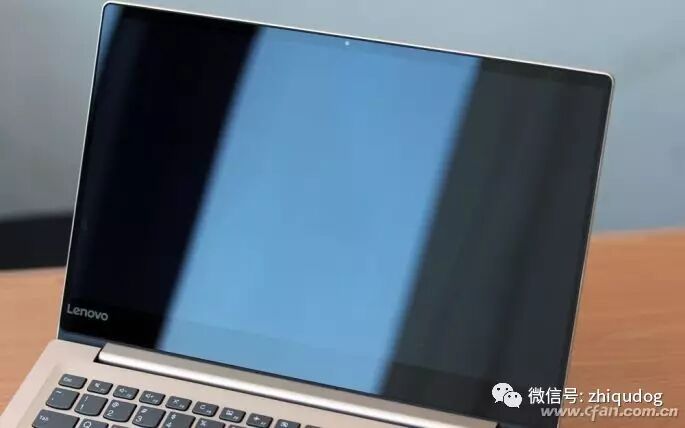
When we set up our PCs, the most intolerable situation is having the screen directly facing a window, as the glare from sunlight can severely affect display quality. The problem arises that even if we are careful about the placement of the PC, there still exists the issue of light interference. At this point, screens known as “anti-glare” come to the forefront.
What is an Anti-Glare Screen?
As the name suggests, an anti-glare screen reduces the reflections caused by direct sunlight or artificial light, allowing users to always see the screen clearly without feeling dizzy from glare. Generally speaking, anti-glare screens are a technology applied to the outermost polarizing layer (the polarizing film) of LCDs.
Another type of anti-glare screen (glass) is known as “AG glass”. Its principle is to use chemicals like hydrofluoric acid to specially process the glass surface, transforming its originally reflective surface into a matte, non-reflective surface with a lower reflection rate (from 8% for ordinary glass down to 1%).

Comparison of ordinary glass and anti-glare glass effects
Those so-called “matte screens” on the market are actually a manifestation of anti-glare screens.
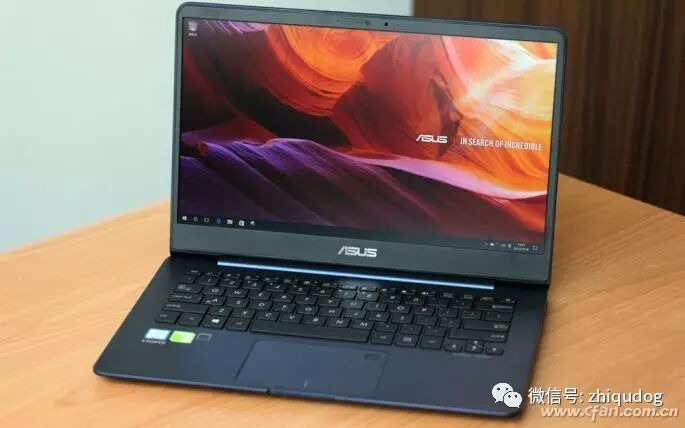
Matte screen laptops are not sensitive to light
If your monitor or laptop uses a glossy screen and has severe reflections, you might consider applying an AG film to achieve a matte screen effect. However, this AG film is essentially a frosted protective film, which has a slight negative impact on screen display and is not as effective as a native anti-glare screen.
Improvements to Glossy Screen Coatings
The question arises: to protect the fragile glass or to achieve touch functionality, many monitors and laptop screens now embed a layer of Corning glass cover, completely insulating them from anti-glare screens.
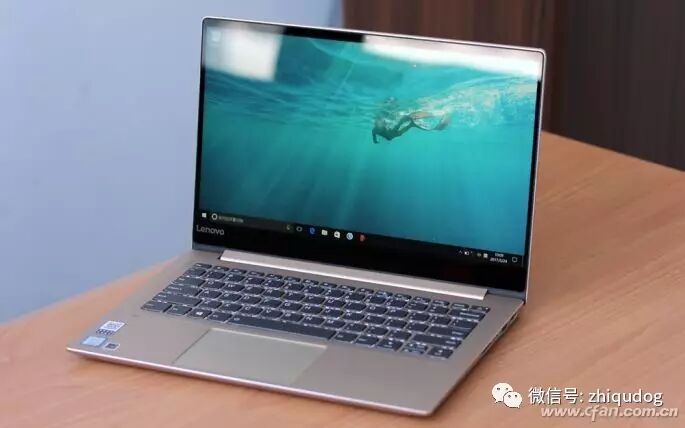
Laptop screens with glass covers still have some reflection issues
So, do such products have to endure the troubles of light refraction?
The answer is naturally no. Glossy screens can solve glare issues through anti-reflective coatings. It is important to note that as long as it is a glossy glass, glare will always exist; the so-called anti-reflective coating can only alleviate it, not completely eliminate glare! Additionally, these anti-reflective coatings often also have anti-fingerprint and certain hydrophobic properties, eliminating the hassle of having to clean the screen every time after touching it.
Proper Maintenance of Coatings is Crucial
Is everything fine once the glossy screen is coated with an anti-reflective layer? Unfortunately, if you do not develop proper maintenance habits, this coating may become a nightmare for you: early MacBooks and the retina version of MacBook Pro from Apple suffered from issues with the anti-reflective coating discoloring or peeling off, severely affecting the visual experience.
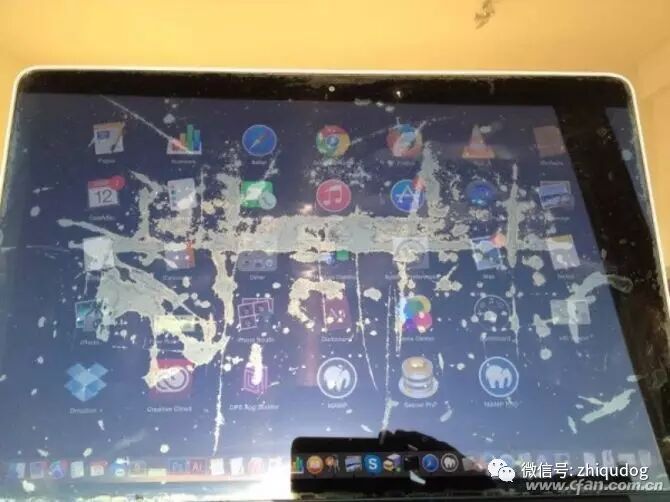
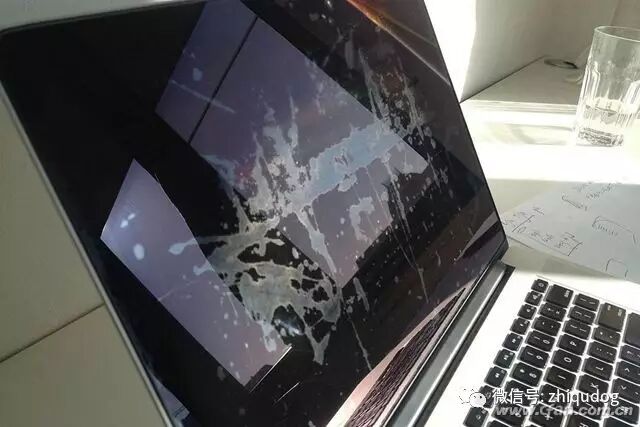
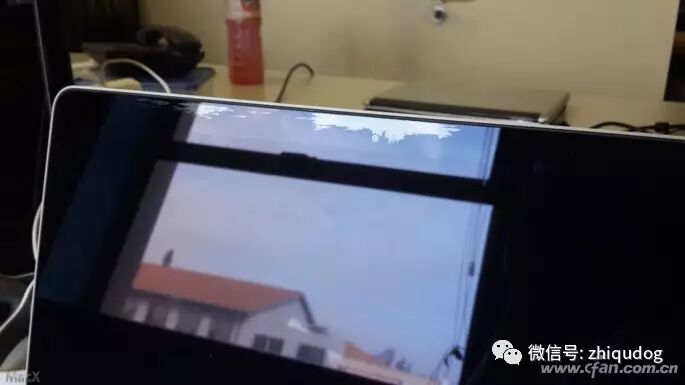
The effects after the anti-reflective coating on the screen is damaged are quite tragic, aren’t they?
Although later MacBooks and other brands that use glossy screens with anti-reflective coatings have improved the coating process, eliminating the design impact of keyboard pressure on the screen when closed, sweat and third-party cleaning solutions can still cause irreversible damage to the anti-reflective coating.
In simple terms, all coatings, including anti-reflective coatings, are most afraid of acidic substances. Due to individual differences, some people’s sweat may be acidic, and if this substance mixes with the coating for an extended period, it can cause chemical reactions, leading to discoloration or peeling issues.
In summary, screens with coatings require more attention to maintenance. Do not spray anything on the screen, including external alcohol and any type of glass cleaner or lens cleaning spray.
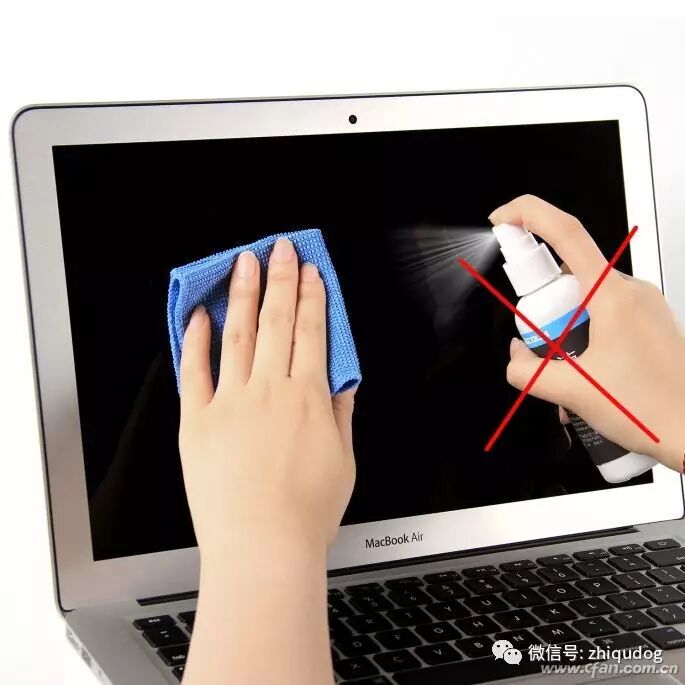
Only use purified water, and remember not to spray or soak; instead, use a slightly damp, soft eyeglass cloth to clean the screen surface. Additionally, do not use paper towels or various tissues, as they are still too rough for the delicate coating.
Some may say, “I clean my screen with alcohol every now and then and have noticed the screen becoming cloudy?” On one hand, not all screens have coatings, and damaging the coating is a rare event. However, once the coating is damaged, the impact on display quality will be very severe!
After reading this article, 99% of readers also clicked: