Editor’s Note: On November 17, the second page of the “Ningbo Daily” published an article titled “Baking Out High ‘Coffee’ Positions” by Shen Sunhui and Zhang Chaoliang.As a precision household appliance, the core function of coffee machines relies on the collaborative work of various sensors to ensure the extraction quality of coffee, usage safety, and operational convenience. Therefore, coffee machine manufacturers are also part of the intelligent sensor industry chain application enterprises. This article will share the technical applications of intelligent sensors in coffee machines based on the news event report.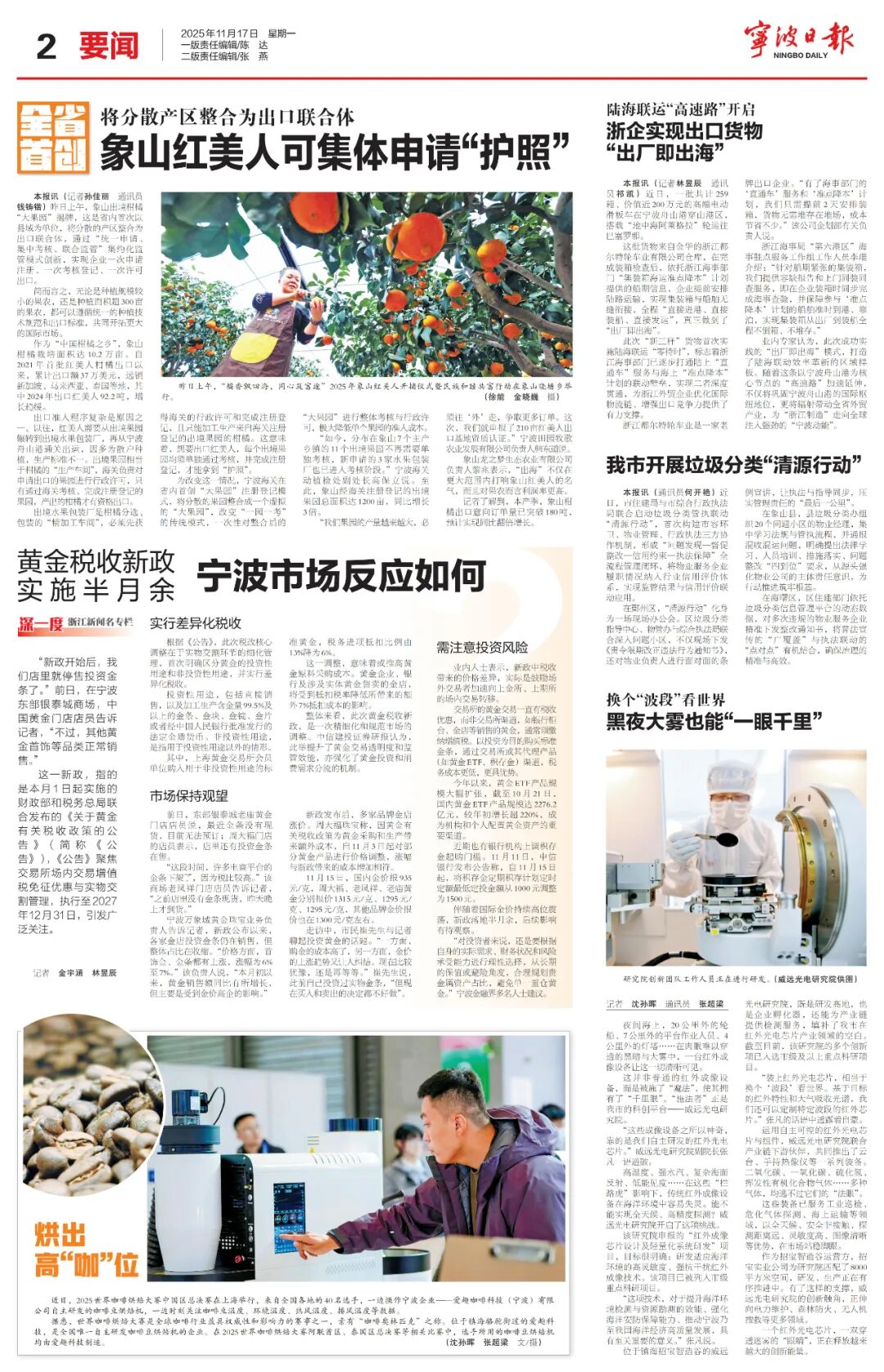 Recently, the 2025 World Coffee Roasting Championship China Finals was held in Shanghai, where 40 contestants from across the country operated the coffee bean roasting machine independently developed by Ningbo-based Aiqi Coffee Technology (Ningbo) Co., Ltd., while constantly monitoring data such as coffee bean temperature, ambient temperature, hot air temperature, and exhaust temperature.
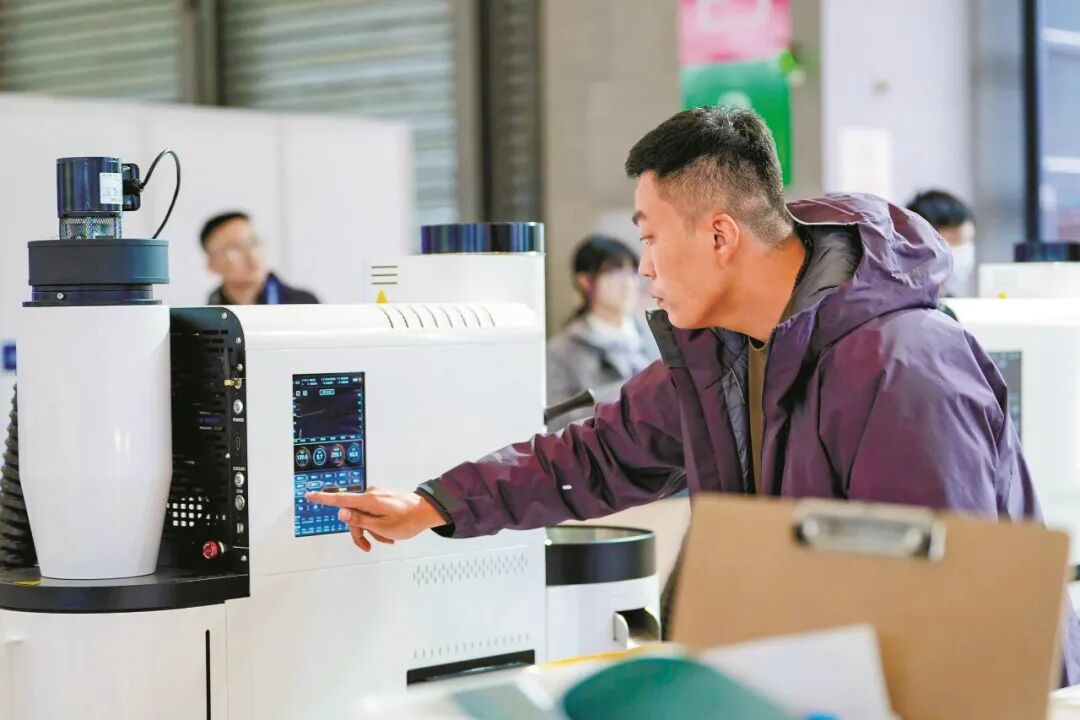 It is reported that the World Coffee Roasting Championship is one of the most authoritative and influential events in the global coffee industry, known as the “Coffee Olympics.” Aiqi Technology, located in Zhenhai Luotuo Street, is the only company in the country that independently develops coffee bean roasting machines. In the finals of the 2025 World Coffee Roasting Championship in the UAE and Thailand, the coffee bean roasting machines used by the contestants were all manufactured by Aiqi Technology. (Shen Sunhui, Zhang Chaoliang, text/photo)【In-depth】 Behind the news, there are stories.The following text focuses on analyzing how technology creates new lives, as well as the types of sensors commonly used in coffee machines and their functions.
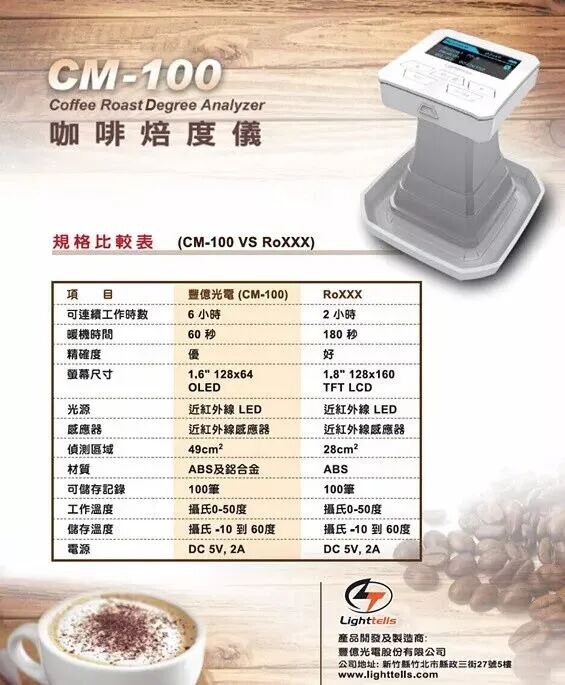
Whether you are a bean roaster, a coffee shop owner, or a home roaster, you need a roasting instrument to help you analyze the caramelization index of roasted beans to determine the roasting or Delta value of coffee beans and coffee powder.
In the early days, without temperature sensors on roasting machines, roasters had to rely on color, smell, and long-term practice to barely master the roasting of coffee beans.
It wasn’t until the advent and application of temperature sensors that many coffee roasters solved various difficult problems. The precise data provided by temperature sensors allows for more discussions and exchanges regarding roasting data, greatly improving the efficiency of roasting learning.
Relying on temperature display not only allows for accurate judgment of the coffee roasting process but also ensures the stability of the roasting output. Temperature sensors have many benefits, but the generation of temperature data is complex and diverse, with many variables and influencing factors. Sometimes understanding temperature sensor data is not an easy task.
1. Do you really understand temperature probes?
Different roasting machines, different roasting amounts, roasting curves, and roasting RoR are high-frequency vocabulary I hear roasters discussing. What is the theoretical basis for these discussed data? What data supports them? These questions seem to point to temperature sensors, or temperature probes.
A temperature sensor (temperature transducer) is a sensor that can sense temperature and convert it into a usable output signal. Temperature sensors are the core part of temperature measuring instruments and come in various types.
According to the measurement method, they can be divided into contact sensors and non-contact sensors: contact sensors require contact with the object being measured, which is generally used in traditional coffee roasting machines. Non-contact sensors, on the other hand, operate based on the interaction of waves with matter, including acoustic temperature sensors, infrared sensors, and microwave sensors. Major roasting machine manufacturers are exploring the application of non-contact temperature sensors in coffee roasting, and it is believed that affordable and effective non-contact temperature measurement devices will emerge in the near future.
According to the characteristics of temperature sensor materials and electronic components, they can be divided into resistance temperature sensors and thermocouple sensors.
Resistance temperature sensors are widely used in industrial temperature measurement and are made into standard reference instruments.
However, due to their temperature measurement range, their application is somewhat limited. The measurement principle of resistance temperature sensors is based on the characteristic that the resistance value of conductors or semiconductors changes with temperature.
They have many advantages, including high sensitivity, strong stability, good interchangeability, and accuracy, but they require power supply excitation and cannot instantaneously measure temperature changes.
The commonly used models are Pt100 and Pt1000. Thermocouples, on the other hand, are currently the most widely used temperature probes in coffee roasting machines. The sensitivity of thermocouple temperature sensors is independent of the thickness of the material, allowing very thin materials to be made into temperature sensors, resulting in extremely high response speeds that can measure rapidly changing processes.
However, they are easily affected by environmental interference signals and are also susceptible to temperature drift from the front-end amplifier, making them unsuitable for measuring small temperature changes. Among them, J-type and K-type thermocouple thermometers are the most commonly used. In comparison, both types of temperature sensors have sufficient accuracy for coffee roasting machines, but there will still be differences in response speed.
2. Analysis of Different Factors Affecting Probe Temperature Measurement Effects
Have you ever wondered if the bean temperature and wind temperature we usually read are the real temperatures of the coffee beans and hot air? If they are real temperatures, why do they exhibit different flavor profiles at the same roasting temperature? To answer these questions, let’s first look at a roasting curve graph from the same roasting machine with two different temperature probes installed at the same position.
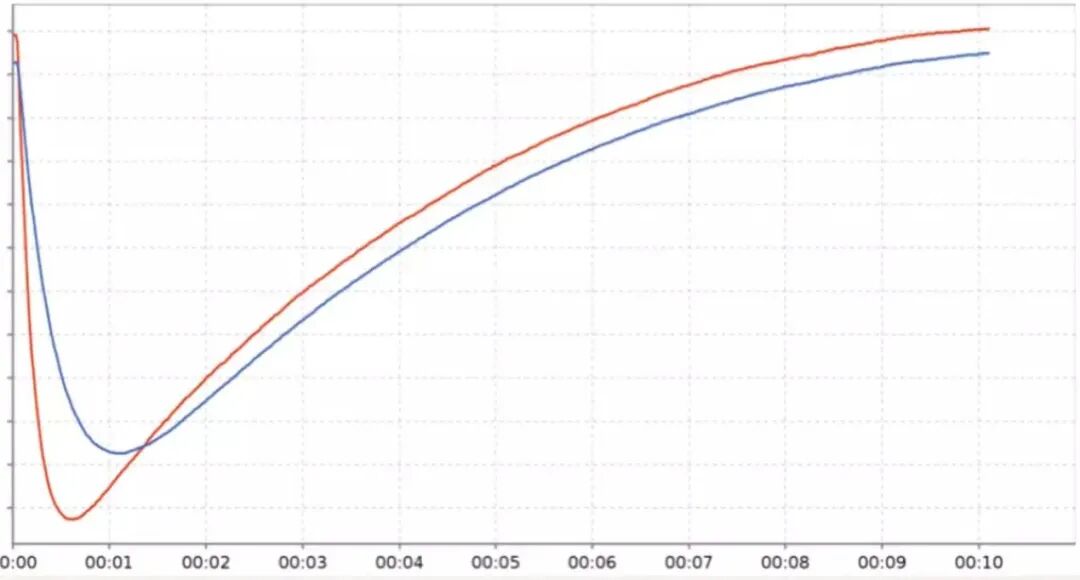
In this graph, we first see that at the same time point, the two probes read different temperatures. During the cooling action, the red line segment shows a lower temperature, while during the heating action, the red line segment shows a higher temperature than the blue line segment.
Here we need to explain what the data measured by the probe is. The temperature probe is embedded in the layer of coffee beans, detecting the environmental temperature between the coffee beans, which is influenced by the temperature of the coffee beans. On the other hand, the temperature probe requires a certain amount of time to achieve thermal equilibrium with the environmental temperature, but our roasting process is a constantly changing process, so the temperature probe is always trying to catch up with the actual environmental temperature. Referring back to the graph, it can be seen that the probe with the red line segment catches up with the real temperature faster. So, why is there such a significant difference in temperature measurements between different probes? What are the influencing factors?
1) Probe Insertion Depth and Position
The bean temperature probe measures the environmental temperature between the coffee beans during the roasting process, which is affected by the air and coffee beans. Therefore, to accurately measure the bean temperature, the probe needs to be embedded in the layer of coffee beans. Generally, it should be placed on the side where the drum flips the beans upward, as close to the drum wall as possible without interfering with any actions. If the probe is not low enough, when roasting the smallest batch, the probe may not be fully embedded in the coffee beans, resulting in values that do not match those during normal roasting amounts, leading to quality instability.
2) Thermal Resistance
The temperature probes in roasting machines generally have a metal protective shell, which creates significant resistance to heat transfer, slowing down the response time. To improve this, I would choose a thinner metal protective tube to accelerate heat transfer. Additionally, the high-temperature operation of coffee roasting machines can cause dust and other deposits on the surface of the protective tube to melt, increasing the thermal resistance of the protective tube; these factors not only increase the probe’s response time but also cause the displayed temperature to be lower.
3) Response Time
The basic principle of contact temperature measurement is that the measuring element must reach thermal equilibrium with the object being measured. Therefore, a certain amount of time must be maintained during measurement to allow both to reach thermal equilibrium. The duration of this time is related to the thermal response time of the measuring element. However, the coffee roasting process is a constantly changing temperature environment, requiring the sensor’s response time to be as short as possible to closely match the actual temperature of the coffee beans.
For temperature probes, in addition to the influence of the protective tube, the diameter of the thermocouple’s measuring end is also a major factor; the thinner the thermocouple wire, the smaller the measuring end diameter, and the shorter the thermal response time. In this regard, HB, based on years of experience in manufacturing and using coffee roasting machines, has determined the optimal bean temperature insertion position through repeated experimental testing and data comparison, and designed a quick disassembly and cleaning device for the probe. In the pursuit of high response speed sensors, while ensuring durability, a thinner metal protective tube is selected, and to further accelerate the temperature response time, special thermal conductive materials are added inside the probe to ensure a better representation of the actual coffee roasting state.
3. The Roaster’s Right-Hand Man — Temperature Probes
We often like to compare roasting temperature data, but after seeing the real state and error influences of the probes, can we still trust the temperature curves? Can we still discuss the rate of temperature increase? These questions require maintaining consistency within the roasting environment, ensuring that the same coffee roasting machine, the same temperature probe, and relatively the same batch size are used. Each machine’s probe position has subtle differences; in other words, if you measure data of 2:30 at 104 degrees Celsius on one machine, that data may not be suitable for other roasting machines, and all coffee bean temperature data would need to be reassessed.
A coffee roasting machine generally has several temperature probes located at different positions, each playing a crucial role. For example, HB’s roasting machine has inlet temperature, outlet temperature, bean surface temperature, ambient temperature, and several other temperatures. The inlet temperature sensitively perceives the size of the firepower, the outlet temperature stabilizes the roasting process, and the bean temperature accurately reflects the roasting state in real-time. There is much more to discuss about them, including the roles and differences of outlet temperature, inlet temperature, and ambient temperature, and how these temperature data provide reference and assistance for roasting. A small probe, regardless of its quality, is crucial for its ability to function effectively in the right position, which is fundamental to the roasting effect and quality control of a roasting machine. Understanding and flexibly utilizing this data will provide incomparable benefits to roasting.
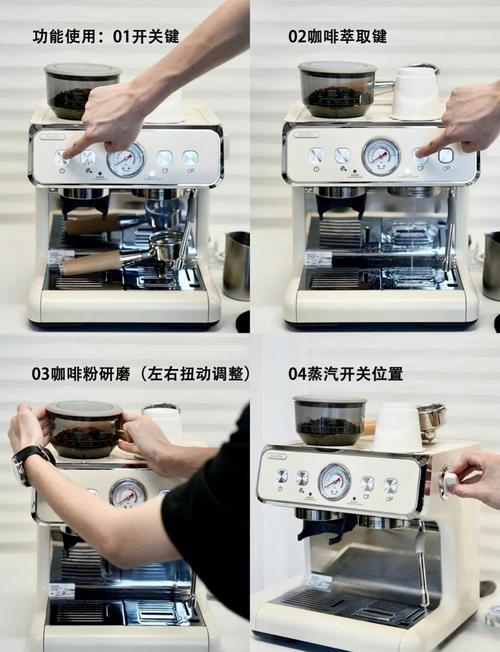
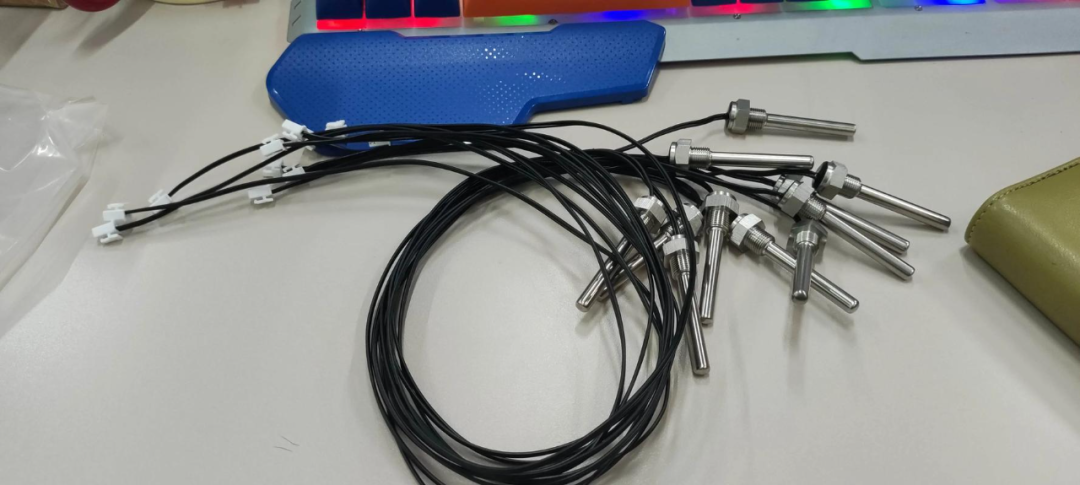
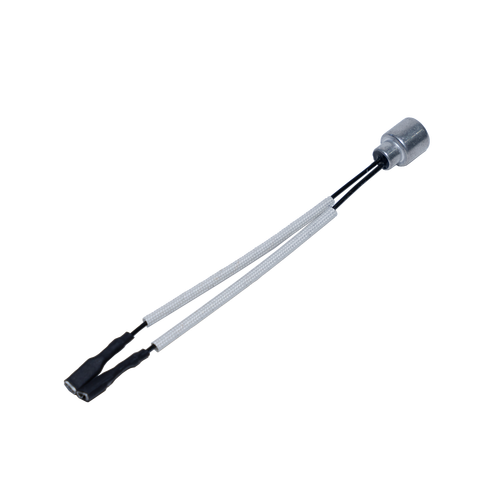
Temperature sensors in coffee machines mainly undertake three core functions: precise temperature control, safety protection, and enhancing user experience. The core component, NTC thermistor, achieves real-time monitoring and feedback control of water temperature through its negative temperature coefficient characteristics. The specific functions are as follows:1. Precise Control of Water Temperature: NTC temperature sensors monitor water temperature in real-time and adjust heating power to stabilize the water temperature within the ideal range (usually 90-96°C). Excessively high water temperature can lead to over-extraction of coffee, resulting in bitterness, while too low a temperature fails to fully release the coffee aroma. The sensor is usually installed at the bottom or side of the coffee machine’s water path to ensure measurement accuracy.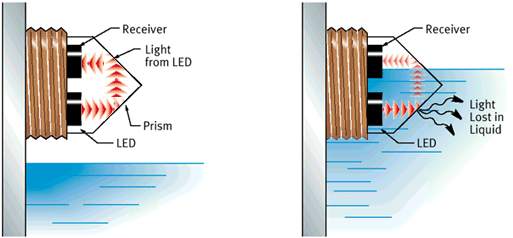 2. Safety Protection Mechanism: When the water temperature exceeds the safety threshold, the sensor triggers an automatic power-off or alarm function to prevent burns or equipment damage. For example, a temperature controller failure may cause the indicator light to flash abnormally, requiring timely replacement of the sensor component.3. Personalized Experience Optimization: Supports users in customizing water temperature based on coffee types (such as espresso, Americano) to meet different flavor needs. Some high-end models also implement energy-saving modes through sensors to extend equipment lifespan.
 |
 |
 |
 |
 |
Technical Principle: NTC sensors are made of semiconductor materials (such as nickel oxide), and their resistance value decreases as temperature increases. By measuring the change in resistance, real-time water temperature can be calculated. Their high sensitivity and high-temperature resistance characteristics (usually up to 150°C) are suitable for the coffee machine environment.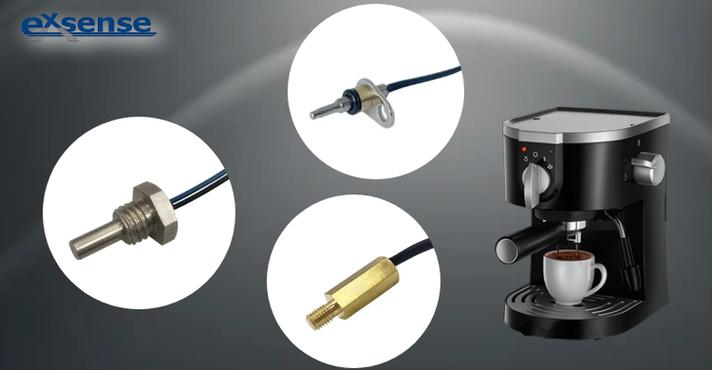
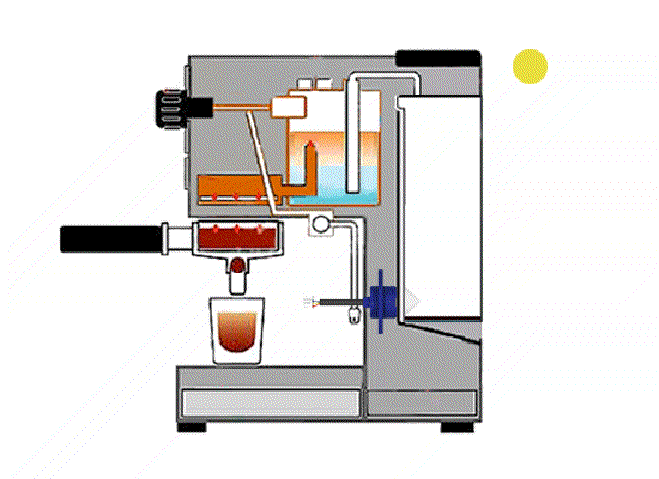
Below are the types of sensors commonly used in coffee machines and their functions:
Liquid Level Sensor
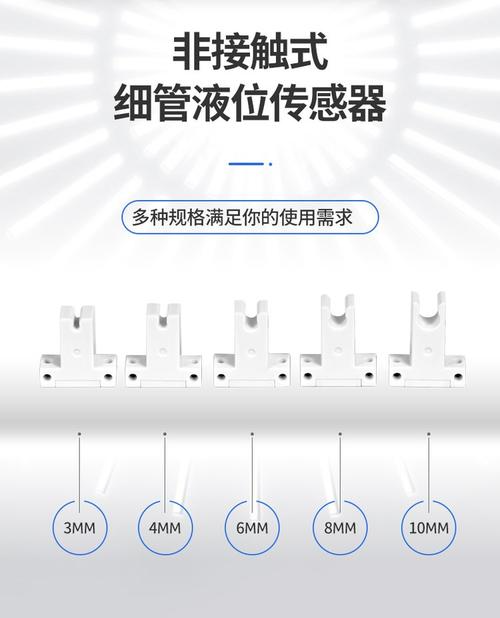
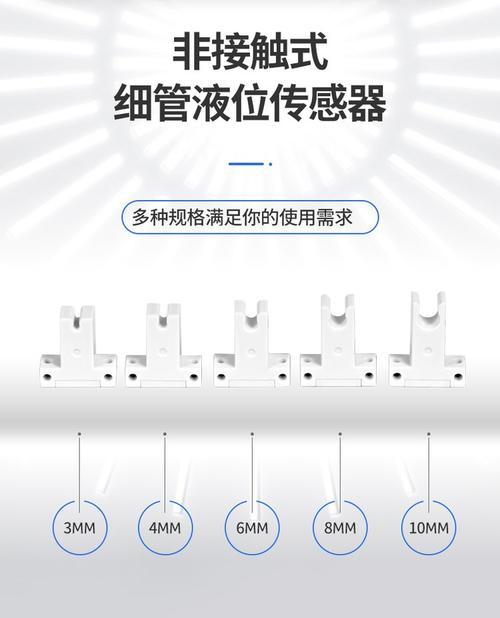
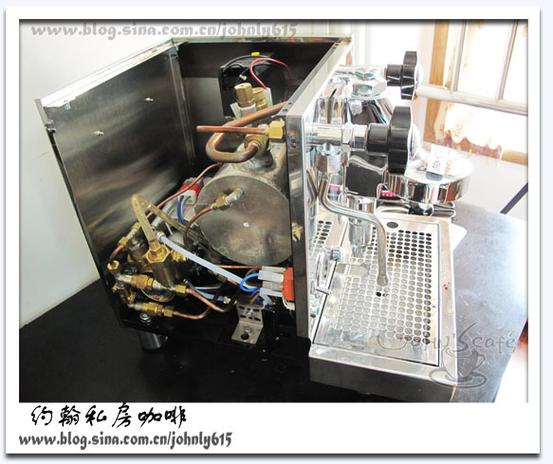
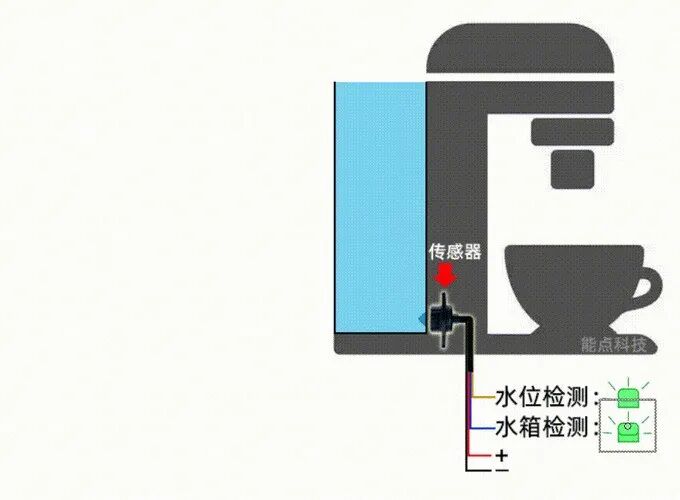
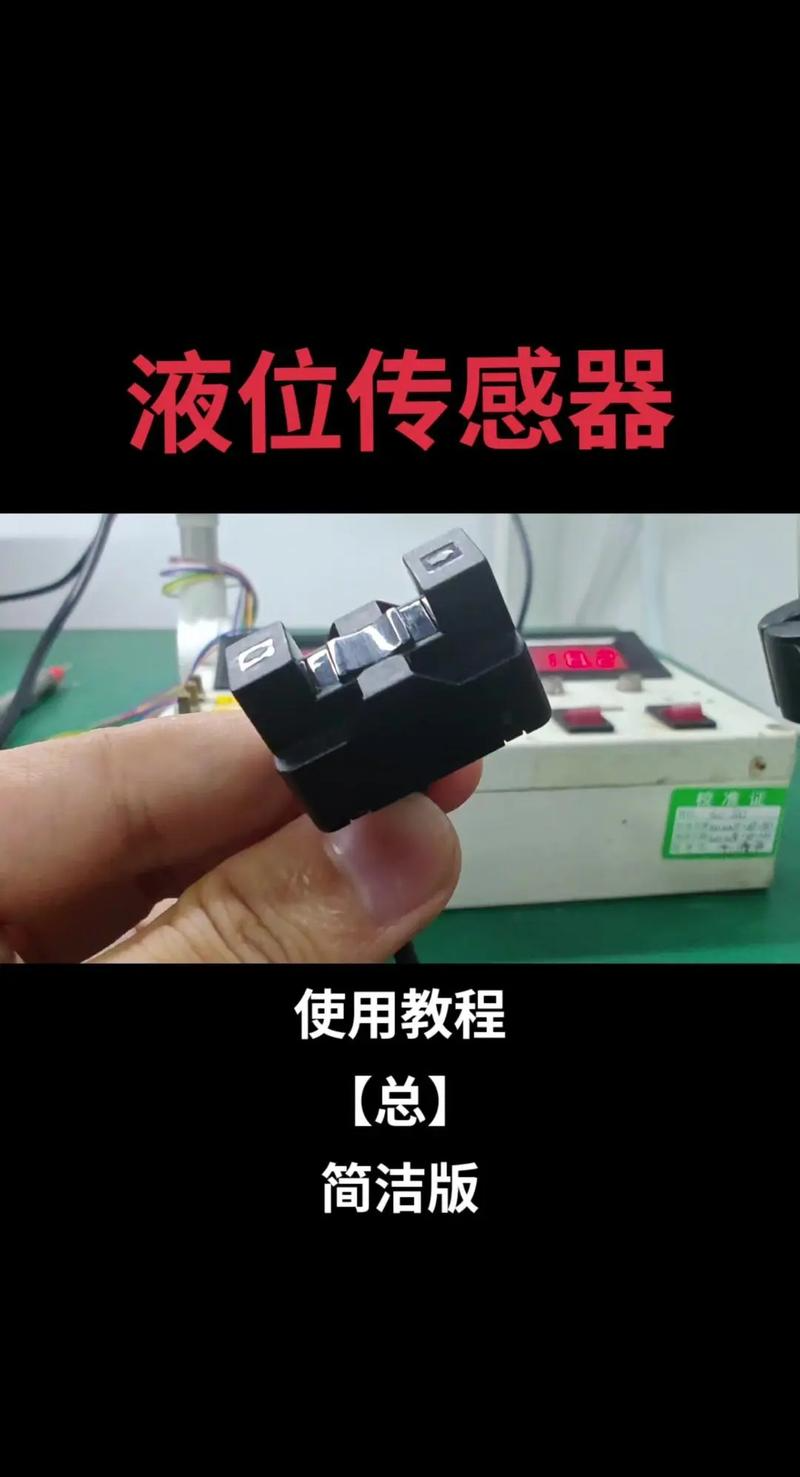
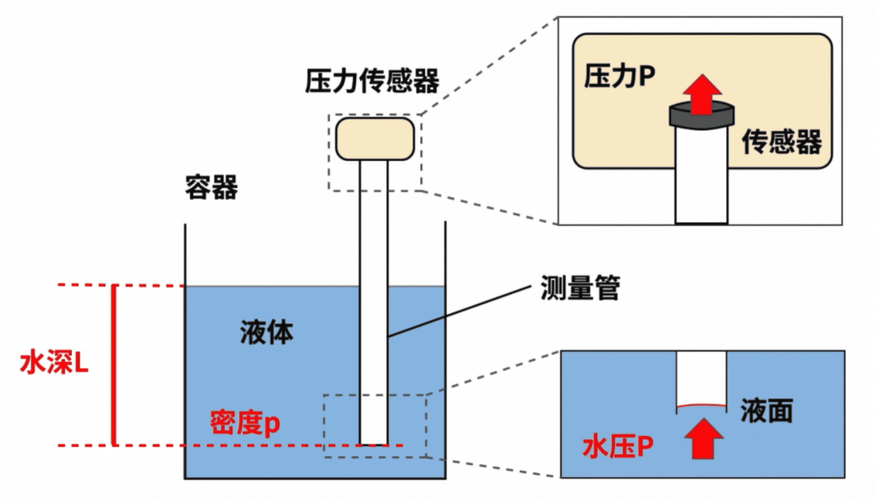
Used to monitor the water level in the water tank, preventing dry burning or interruption of brewing due to lack of water. Photoelectric liquid level sensors are the mainstream choice, detecting water level changes through optical principles, featuring no mechanical parts, easy installation, and high stability.Some high-end models also use capacitive sensors (such as the CD50CNF series), which can achieve non-contact detection, avoiding hygiene issues caused by liquid contact.
 |
 |
 |
 |
 |
 |
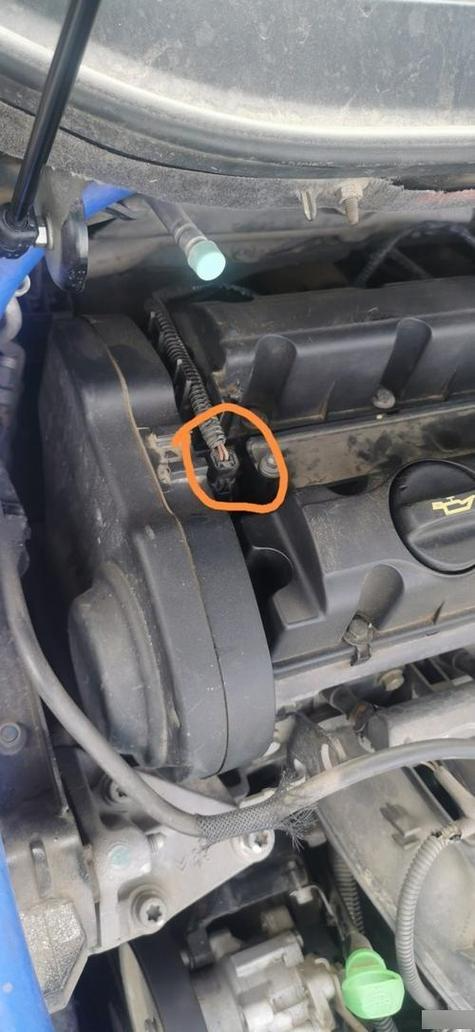
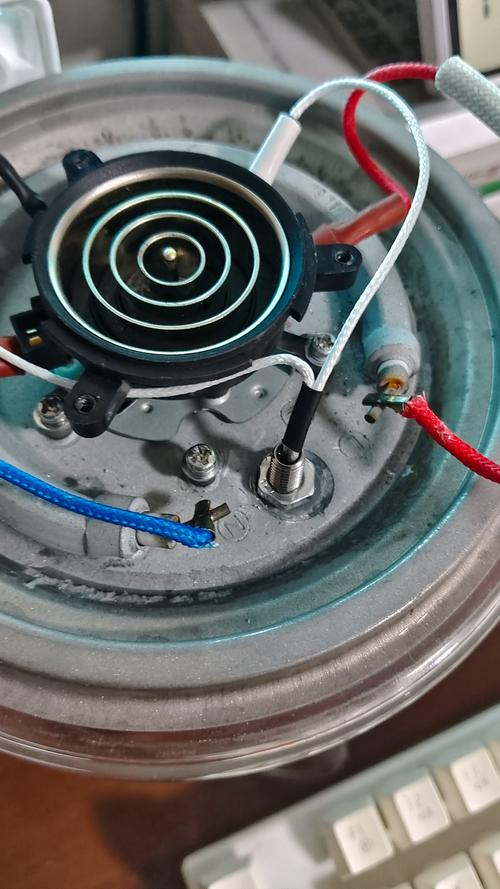
Temperature Sensor (NTC Sensor)
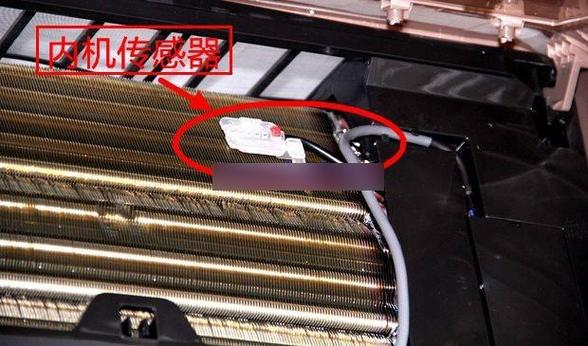
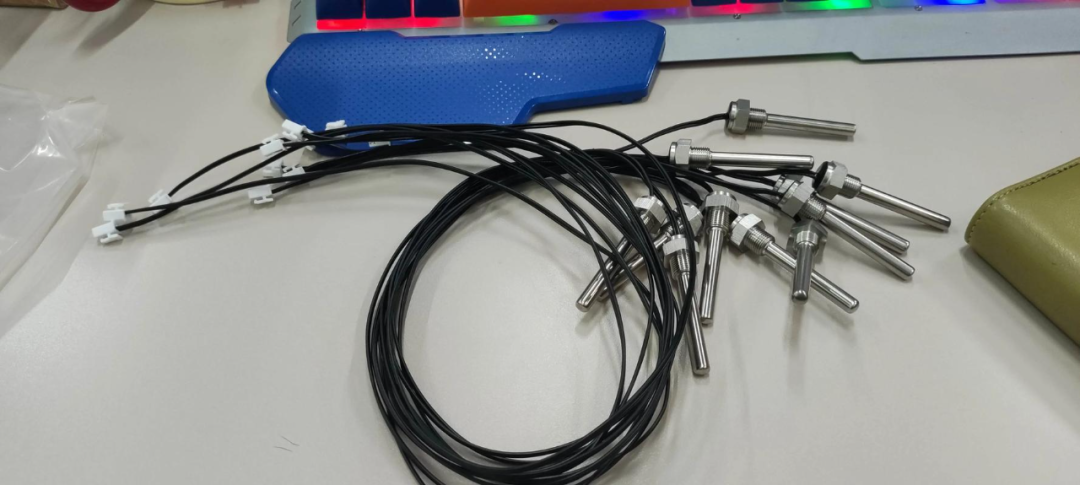
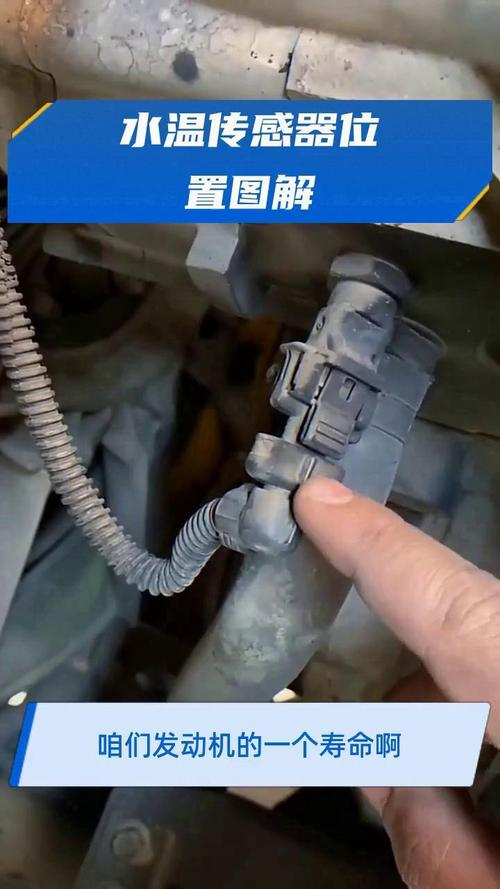
Responsible for precise control of water temperature, ensuring the best flavor extraction of coffee. The NTC temperature sensor monitors water temperature in real-time through changes in resistance and feeds the signal back to the control system to adjust heating power. For example, espresso requires the water temperature to be stable between 90-96°C; too high will lead to bitterness, while too low will fail to fully release the aroma.
 |
 |
 |
 |
 |
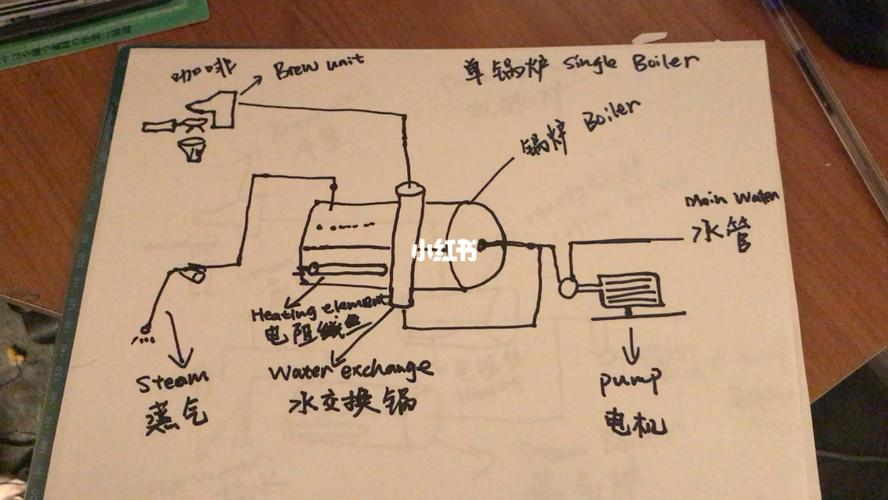
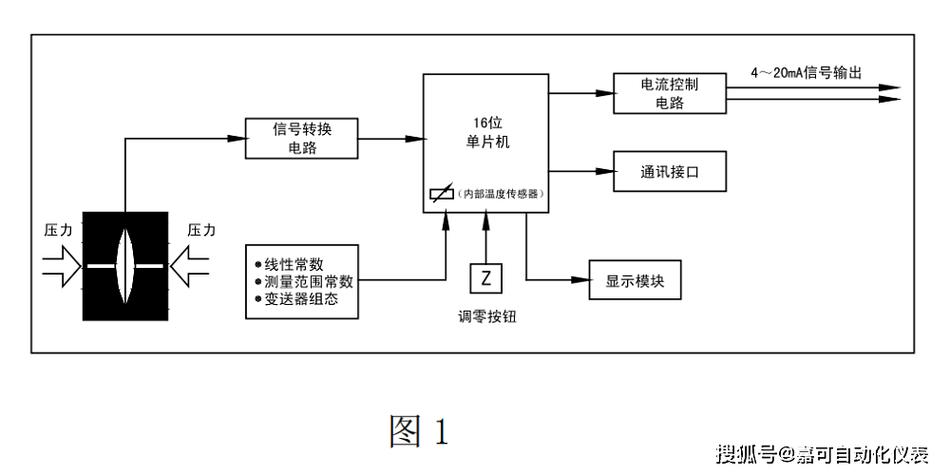
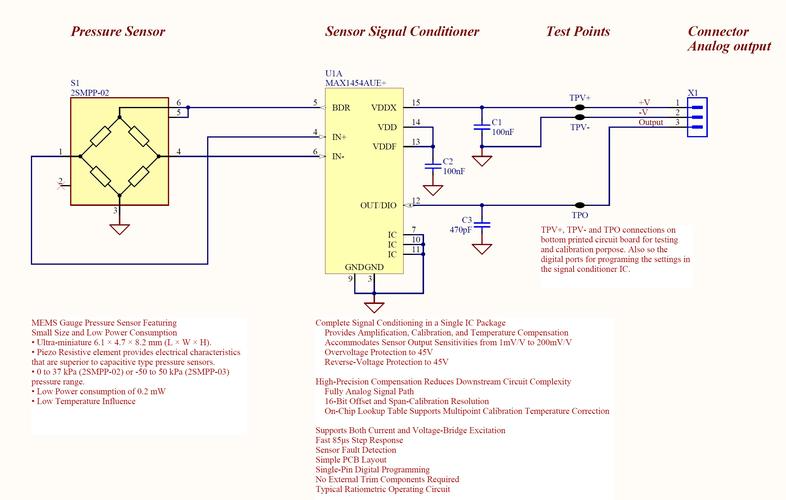
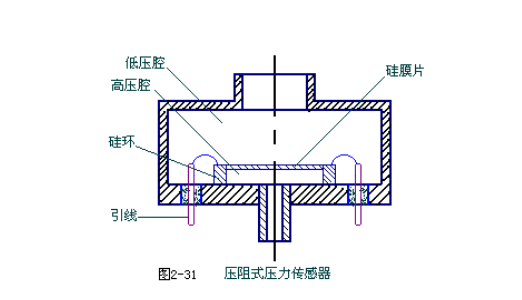
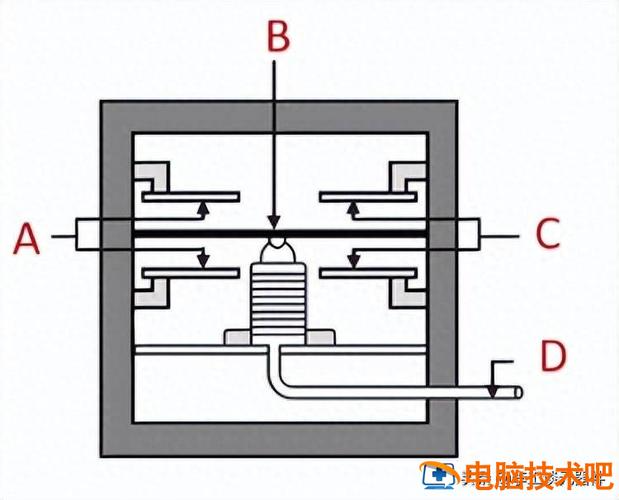
Pressure Sensor
Used to monitor and adjust coffee extraction pressure in real-time, affecting the concentration and taste of coffee. For example, the DeLonghi EC series coffee machines are equipped with 576 pressure sensors that can dynamically calibrate pressure within 0.1 seconds, achieving “pressure-breathing extraction” (such as initial 6Bar saturation, mid-section 9Bar flavor release, and final 3Bar to avoid over-extraction).
 |
 |
 |
 |
 |
 |
Other Auxiliary Sensors
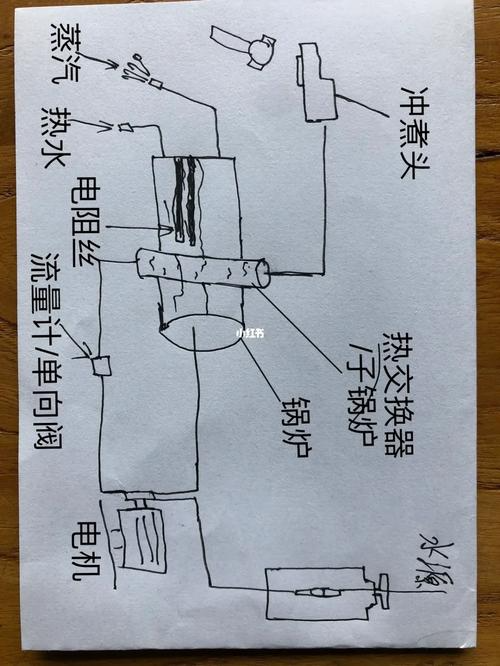
Flow Sensor: Accurately calculates water volume, working with liquid level sensors to achieve automatic water filling function.
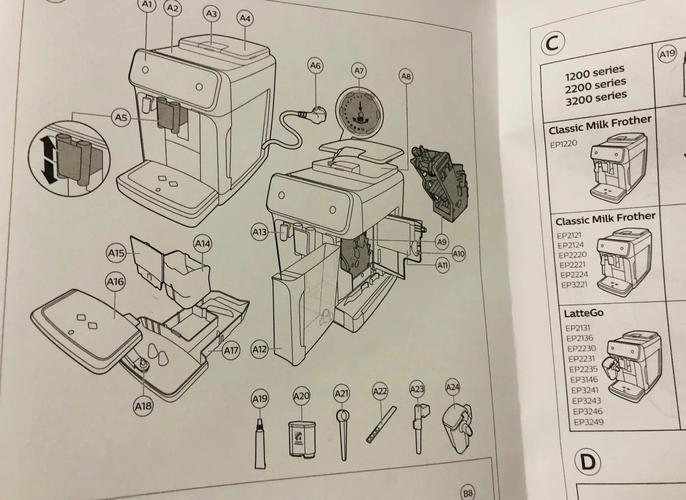
Magnetic Sensor/Infrared Sensor: Detects the remaining material in the coffee powder bin to avoid malfunction due to empty running or insufficient materials. These sensors together form the intelligent control system of the coffee machine, ensuring the quality of coffee and the safety of the equipment from water temperature, pressure to liquid level and material monitoring.