The advancements in the HVAC field are changing the way people manage indoor environments. The integration of smart technologies allows users to adjust temperature, humidity, and air quality settings from anywhere. Smart systems also utilize sensors and data analytics to optimize energy efficiency while reducing costs and environmental impact. Further advancements in predictive maintenance enhance system reliability and optimize operational expenditures.
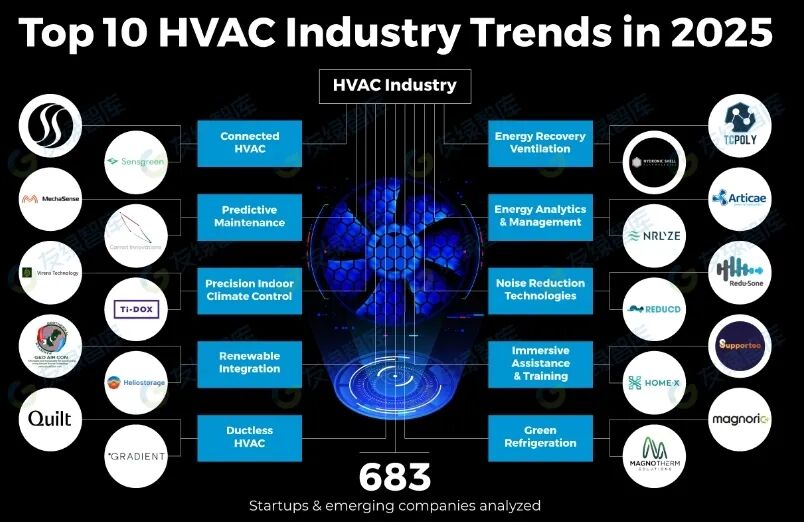
In 2025, notable technological trends in the HVAC industry include interconnected systems, green refrigeration, predictive maintenance, and ductless air conditioning. These innovations enhance the effectiveness, efficiency, and environmental consciousness of HVAC systems.
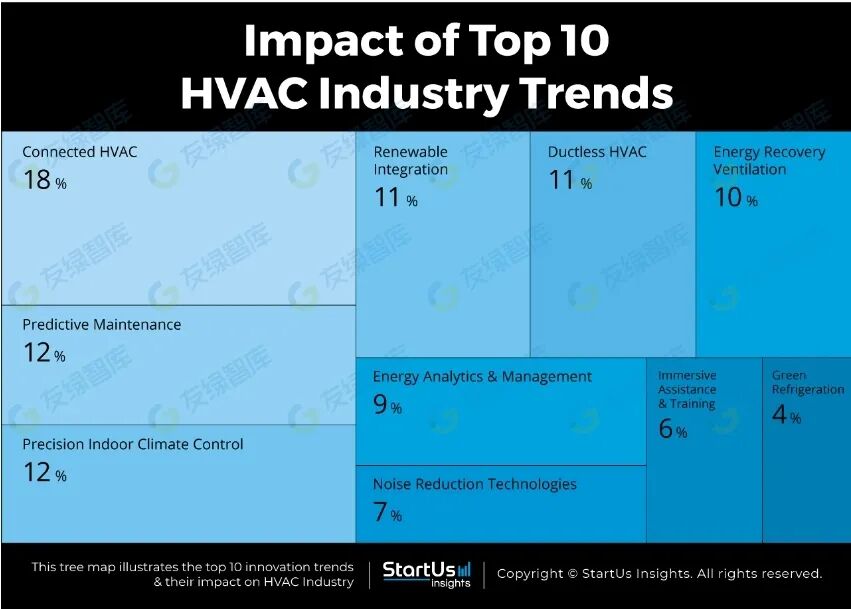
The impact of the top ten technological trends in the HVAC industry is illustrated in the tree diagram above. Connected HVAC solutions enhance system control and energy efficiency by integrating with other smart home devices. It also allows for remote monitoring and control. Predictive maintenance solutions leverage AI and machine learning to detect potential system failures early, thereby reducing downtime and maintenance costs. Additionally, the introduction of renewable energy sources (such as solar or wind) through HVAC systems represents a significant step towards sustainability, reducing reliance on fossil fuels and lowering greenhouse gas emissions. Energy Recovery Ventilation (ERV) systems can also recover and utilize waste heat to improve the energy efficiency of HVAC systems, thus lowering operational costs. Finally, energy analytics and management tools provide a detailed view of energy usage, allowing for the optimization of HVAC performance and further reduction of energy consumption.
Top Ten Technological Trends in the HVAC Industry (2025)
-
Connected HVAC
-
Predictive Maintenance
-
Precision Indoor Climate Control (PICC)
-
Renewable Energy Integration
-
Ductless HVAC
-
Energy Recovery Ventilation
-
Energy Analytics and Management
-
Noise Reduction Technologies
-
Immersive Assistance and Training
-
Green Refrigeration
1. Connected HVAC
Common challenges of traditional HVAC systems include poor energy efficiency, inadequate temperature control, and limited maintenance capabilities. IoT connects HVAC systems to the network, supporting remote monitoring and control. Additionally, smart thermostats and sensors provide real-time data on temperature, humidity, and system performance, aiding in precise adjustments and optimization. Retrofit solutions play a crucial role in this transformation by alleviating the need for extensive infrastructure overhauls to connect HVAC networks to the internet. Through IoT connectivity and smart devices, connected HVAC systems can enhance performance and reduce operational costs.
Sobie Systems Enhances Boiler Health Management
Canadian startup Sobie Systems offers an IoT-based HVAC sensing solution that operates around the clock. Its product, K2, connects to the boiler’s mainboard and provides real-time health measurements. Furthermore, Sobie Systems provides an efficient management tool for HVAC service teams, optimizing asset maintenance scheduling.
Sensgreen Supports Remote HVAC System Management
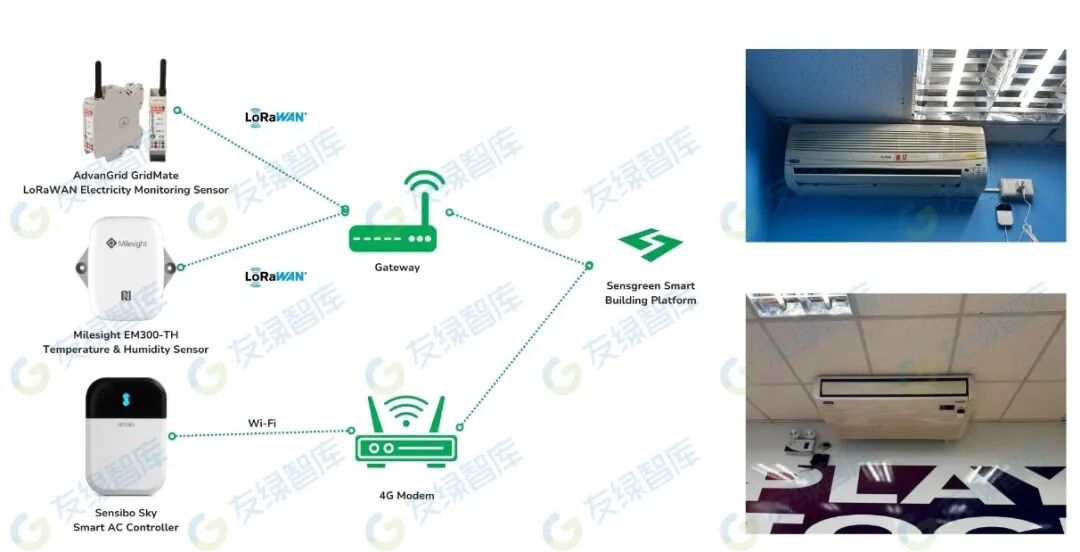
UAE-based startup Sensgreen has developed an IoT platform that transforms buildings into smarter, healthier environments. The startup’s technology uses LoRaWAN-based devices to control and monitor various aspects of HVAC, such as radiators, air conditioning, and plug controllers that support remote management and smart control. The platform also provides AI-based reporting to optimize HVAC management strategies and automate building controls.
2. Predictive Maintenance
Airflow imbalances, refrigerant leaks, clogged filters, and component failures make HVAC maintenance challenging. These issues can lead to reduced efficiency, increased energy consumption, and decreased air quality, resulting in higher maintenance costs. Predictive maintenance platforms utilize sensors, data analytics, and machine learning algorithms to detect early warning signs of HVAC failures or inefficiencies. This enables technicians to schedule timely repairs or maintenance activities before major failures occur. In this way, predictive maintenance can streamline HVAC maintenance while minimizing downtime and energy consumption. It also extends the overall lifespan of the system, saving costs and enhancing occupant comfort.
MechaSense Supports Proactive HVAC System Maintenance
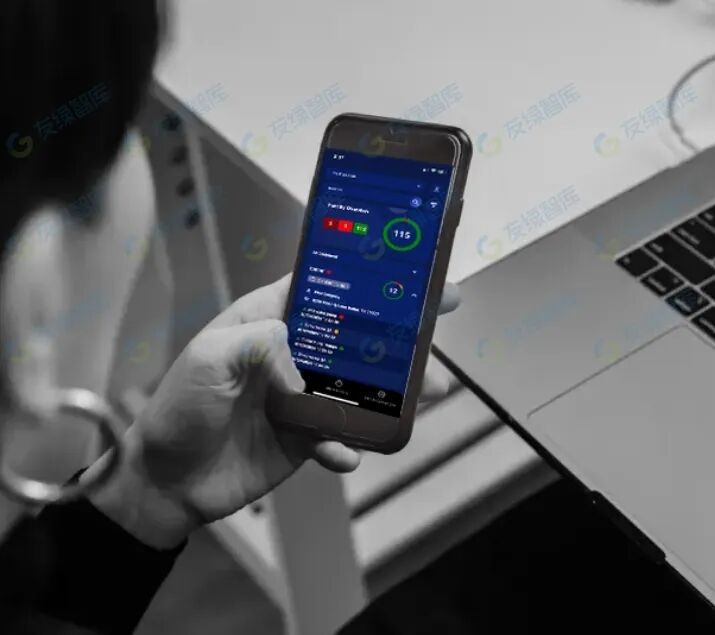
US-based startup MechaSense provides intelligent monitoring for building systems, particularly HVAC units. The startup’s technology collects key parameters from HVAC assets and securely transmits this data to its IoT cloud. The system then processes the information and detects operational issues, enabling proactive maintenance and preventing severe failures. The platform also provides alerts and actionable insights regarding potential failures, thereby reducing energy consumption and maintenance costs.
Carnot Innovations Simplifies Equipment Failure Detection
Hong Kong-based Carnot Innovations has developed an AI-driven analytics platform for HVAC systems. The startup’s platform collects data from existing sensors and IoT devices, managing and visualizing this data. It then optimizes energy consumption and predicts maintenance needs. The platform’s machine learning models can identify anomalous data deviations and provide prescriptive insights for facility managers. Carnot Innovations’ solution can detect equipment failures that go unnoticed in traditional Building Management Systems (BMS), thereby reducing energy consumption and avoiding costly replacements.
3. Precision Indoor Climate Control
Temperature fluctuations, poor humidity control, uneven air distribution, and limited personalization options can negatively impact occupant comfort and productivity. Digital monitoring and management tools simplify the adoption of precision indoor climate control solutions. Such systems utilize advanced sensors, data analytics, and algorithms to provide precise and personalized climate control at the individual level within each area or building. By continuously monitoring and adjusting temperature, humidity, and airflow parameters, PICC systems ensure that occupants experience consistent comfort. They can also adapt to changes in occupancy, weather conditions, and building usage patterns, optimizing energy efficiency and reducing operational costs. HVAC systems utilizing these solutions provide tailored comfortable indoor environments, enhancing occupant satisfaction and well-being.
Virens Supports Occupancy-Based HVAC Control
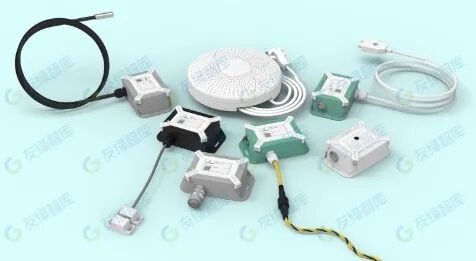
UK-based startup Virens has developed a data-driven property management solution that optimizes building energy consumption patterns. The startup’s interactive HVAC control solution utilizes proprietary radar motion sensors to capture user activity and occupancy within buildings. This information interacts with the building’s HVAC system to optimize its performance based on occupancy, providing an efficient and privacy-driven alternative to image-based CCTV. Virens’ solution digitizes and automates building climate control while achieving precise control for energy savings, enabling building managers to achieve net-zero building goals.
Ti-DOX Develops Air Purifier Technology
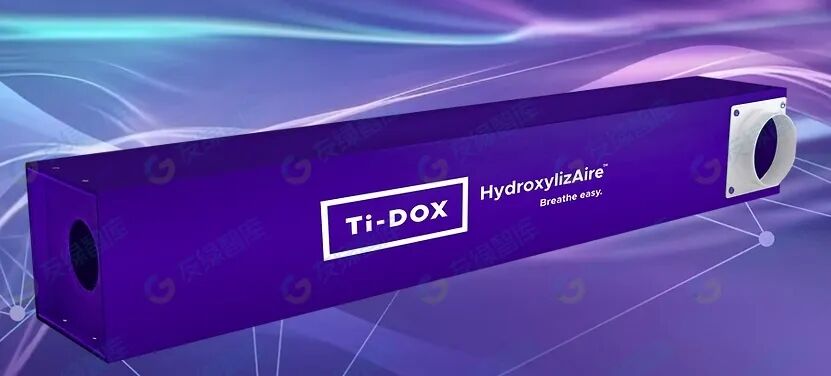
Ti-DOX is a Canadian startup that offers HydroxylizAire devices, an air purification system that seamlessly integrates with centralized forced ventilation. It neutralizes chemicals and pathogens while reducing radon and smoke, promoting a healthier indoor environment. The device combines UVC light with a titanium dioxide coating to generate hydroxyl radicals, making it an ideal choice for spaces with respiratory or chemical sensitivities.
4. Renewable Energy Integration
As the demand for energy efficiency and emission reduction continues to grow, integrating renewable energy into HVAC systems has become a focal point of sustainable building practices. This shift towards renewable energy mitigates the environmental impact of buildings and contributes to energy independence. By utilizing renewable energy sources such as solar or geothermal energy, HVAC systems can significantly reduce their carbon footprint. Additionally, advanced control systems optimize the use of renewable energy to match the heating and cooling demands of buildings. This integration reduces reliance on coal and contributes to stronger energy efficiency goals and cost savings, paving the way for a more sustainable future.
GeoAirCon Provides Geothermal Heating and Cooling
GeoAirCon: This Pakistani startup has developed ground-source climate control technology that utilizes mild underground temperatures to lower climate control and air conditioning costs. Its components include coil fin units, high-density polyethylene piping, circulation pumps, and online chiller systems. Furthermore, GeoAirCon’s heat exchange technology is applicable in industrial, commercial, residential, and agricultural sectors.
Heliostorage Provides Seasonal Thermal Storage
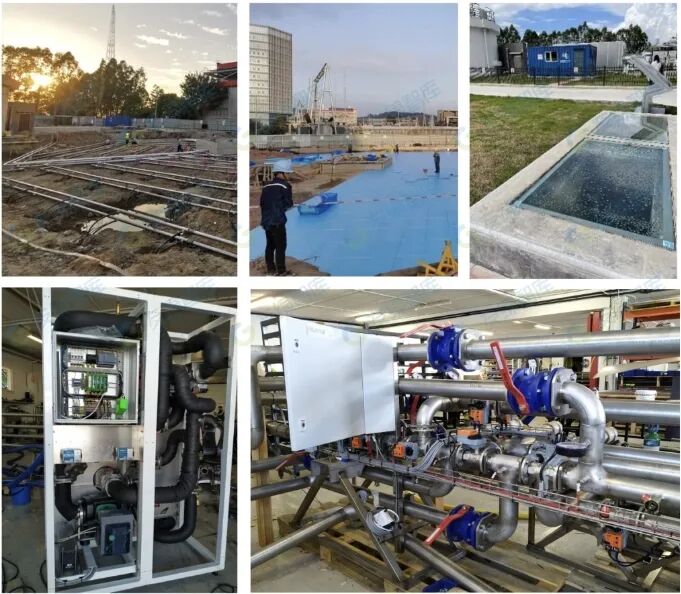
Finnish startup Heliostorage offers a seasonal thermal energy storage solution that effectively heats buildings. The startup’s technology combines solar collectors, smart thermal controllers, and proprietary borehole thermal energy storage (BTES). It collects excess energy in spring and summer, storing it in BTES for use during colder months. The system also supports other heat sources, such as industrial waste heat or surplus district heating. Its smart controller further monitors all thermal flows and directs heat as needed, ensuring efficiency throughout the year.
5. Ductless HVAC
HVAC systems often face challenges related to the design and installation of duct systems, which can be costly, time-consuming, and space-consuming. Duct systems also introduce sources of energy loss and inefficiency due to frequent leaks and poor insulation. Ductless HVAC, also known as mini-split systems, provides an alternative by completely eliminating the need for duct systems. Instead, individual air handling units are installed in each room or area, connected to an outdoor condenser unit. This allows for independent temperature control and zoning, ensuring personalized comfort and energy savings. Additionally, ductless HVAC systems are highly efficient as they eliminate losses associated with ducts and can be equipped with advanced features such as variable-speed compressors and motion sensors. The absence of ducts also simplifies installation, reduces maintenance requirements, and improves indoor air quality by eliminating the accumulation of dust and allergens.
Quilt Manufactures Ductless Heat Pumps
US-based startup Quilt manufactures smart ductless heat pump systems for residential buildings. The startup’s solution features AI-driven efficiency and room-by-room management capabilities for home heating and cooling applications. As a result, Quilt’s ductless electric pumps enhance energy efficiency while avoiding the use of fossil fuels.
Gradient Provides Compact Window Air Conditioners
US-based startup Gradient offers ductless HVAC solutions that combine heating and cooling in one system. Its easy-to-set-up modular design places power and noise outside the window, leaving only heating and cooling to create a tranquil room environment. Gradient’s commercial-grade heat pump technology operates more efficiently than traditional window air conditioning units while reducing energy consumption.
6. Energy Recovery Ventilation
Traditional HVAC systems often experience energy loss with the introduction of fresh air and the expulsion of stale air. This energy loss can lead to increased energy consumption. The development of ERV systems mitigates this loss by recovering and exchanging heat or coolness between incoming and outgoing airflows. The heat exchangers in ERV systems allow for heat transfer, reducing the need for additional heating or cooling. This improves energy efficiency and helps maintain a consistent and comfortable indoor environment. Additionally, ERV systems facilitate the exchange of moisture and pollutants, improving indoor air quality by balancing stale air with fresh air. By integrating energy recovery ventilation into HVAC systems, buildings can significantly reduce energy consumption, lower operational costs, and ensure a more comfortable indoor atmosphere.
TCPoly Develops Heat Recovery Panels
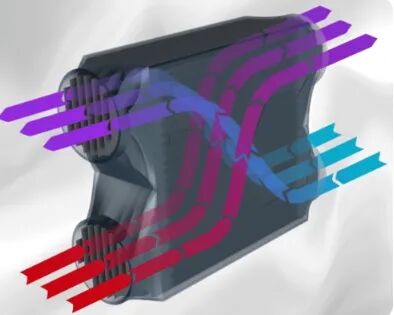
US-based startup TCPoly produces heat recovery and thermal energy storage products to enhance the efficiency of commercial ventilation systems. XPanel is the startup’s energy recovery ventilation system that enables efficient heat and moisture transfer between incoming and outgoing airflows in buildings. The panel utilizes TCPoly’s proprietary materials and 3D printing technology to achieve optimal performance and minimal installation costs. It recovers most of the energy from exhaust airflows without any moving parts or complex maintenance schedules. Therefore, TCPoly’s smart technology allows users to monitor their systems and quantify savings, making it an ideal choice for energy efficiency and cost reduction in commercial buildings.
Hydronic Shell Enhances Building Efficiency
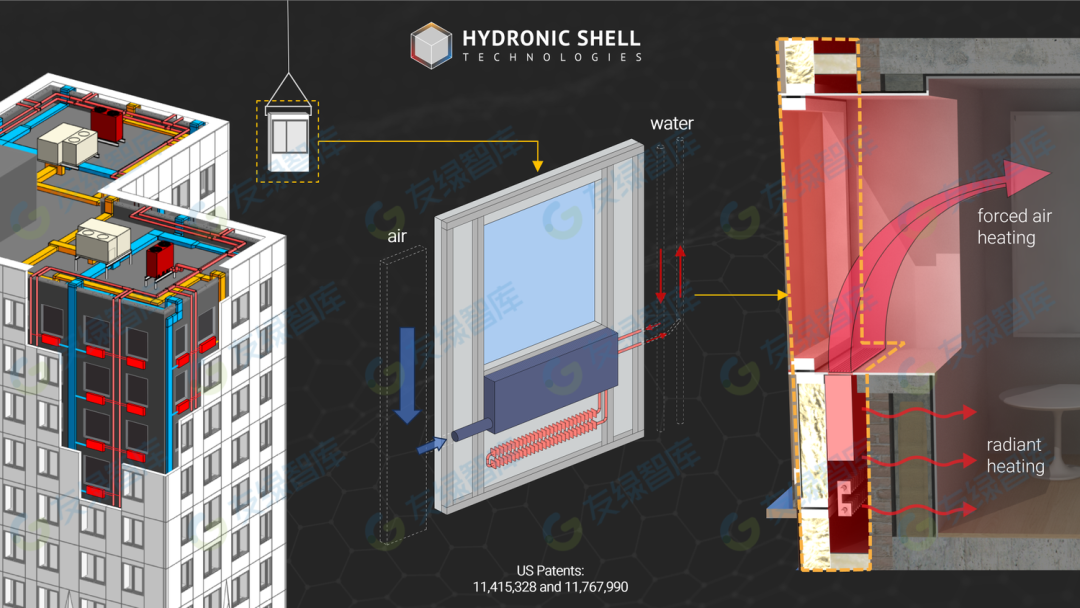
US-based startup Hydronic Shell provides prefabricated and modular assembly solutions for HVAC. The startup’s system regulates buildings from the shell, with heating and cooling radiating through existing facades. This solution operates efficiently, improving energy balance, indoor air quality, thermal comfort, and return on investment (ROI). Additionally, the startup integrates an energy recovery wheel to reduce loads and energy consumption. By transforming existing masonry facades into thermal batteries, the startup enhances building resilience and allows for demand response during peak activities.
7. Energy Analytics and Management
Operational inefficiencies, lack of visibility into energy usage, and difficulty in identifying and addressing system inefficiencies are some of the issues associated with HVAC management. Energy analytics and management solutions provide effective methods to address these challenges. By leveraging advanced sensors, data analytics, and machine learning algorithms, energy analytics solutions can collect and analyze information from HVAC systems in real-time. This enables building operators and facility managers to gain insights into energy consumption patterns, identify energy-saving opportunities, and detect system inefficiencies or failures. These energy management systems are also prerequisites for implementing energy-saving strategies, such as adjusting setpoints, scheduling operations, and streamlining equipment runtimes. Furthermore, energy analytics and management solutions provide continuous monitoring and performance tracking, enabling proactive maintenance and ongoing improvement of HVAC system efficiency.
Articae Provides HVAC Energy Management Platform
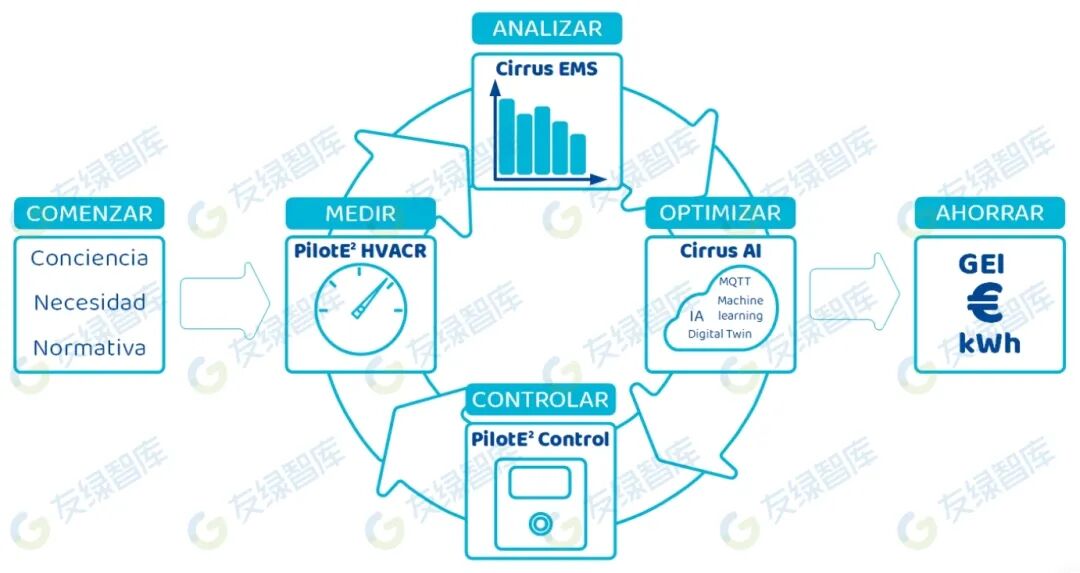
Spanish startup Articae has developed an energy management platform that enhances the sustainability and energy efficiency of industrial and commercial HVAC systems. The PilotE² EMS is the startup’s platform that processes raw data on energy measurements to generate comprehensive reports on energy and economic metrics. It also allows users to track the evolution of energy consumption in their facilities, including electricity, gas, and water. Insights gained from these reports help implement energy-saving measures, further reducing the carbon footprint of HVAC systems.
Nrlyze Aids Energy Balancing
Swedish startup Nrlyze has created an IoT-based solution that reduces energy consumption in real estate by correcting imbalances and misconfigurations in heating devices. It utilizes AI-based algorithms to analyze, identify, and rectify HVAC issues. This includes balancing temperature differences between apartments, optimizing heating systems for consistent indoor climates, and providing real-time, fact-based decision-making on necessary measures. The startup’s wireless connected sensors use proprietary mesh technology for easy installation and monitoring. Nrlyze also offers performance tracking capabilities to compare consumption before and after efficiency measures.
8. Noise Reduction Technologies
Noise issues in HVAC systems arise from various sources, including fans, compressors, air handlers, and duct systems. Excessive noise levels can lead to decreased productivity, disturbed sleep, and overall dissatisfaction among occupants. Modern noise reduction technologies focus on minimizing noise at the source, enhancing sound insulation, and implementing sound control measures. Startups and scaled enterprises are developing advanced fan blade designs and motors to reduce fan noise. Additionally, soundproofing materials and acoustic enclosures can attenuate noise from compressors and air handlers. Furthermore, vibration isolation technologies and duct lining materials help reduce noise transmission through duct systems. In practice, such solutions help HVAC systems operate more quietly, providing a tranquil indoor environment for building occupants.
Redu-Sone Develops Duct Silencers
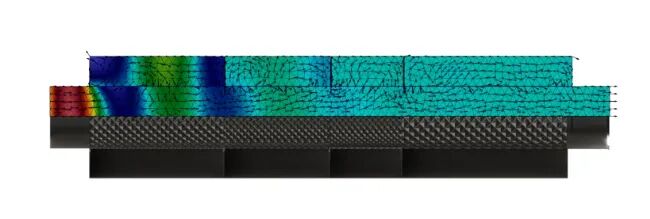
Dutch startup Redu-Sone manufactures passive noise control solutions using Micro Perforated Plates (MPP) technology. The startup’s MPP-based duct silencers use mathematical optimization models to reduce noise emissions. Its silencers are suitable for various markets, including HVAC, racing, chimney systems, and the food industry. Additionally, Redu-Sone’s silencers are fireproof, durable, recyclable, and resistant to contamination. They also do not impede gas flow, resulting in low pressure drops. This fully assists building developers in suppressing HVAC noise without causing significant energy loss.
Reducd Creates Custom Soundproof Enclosures
Reducd is a Dutch startup that develops noise-reducing enclosures for (hybrid) heat pumps and air conditioning systems. The startup’s enclosures use Magnelis (a high-quality galvanized steel coating) and offer finishes in any RAL color to match building styles. The enclosures are durable and focus on sustainability by using recycled materials.
9. Immersive Assistance and Training
Incorrect maintenance practices can lead to increased energy consumption and costly repairs for HVAC systems. Immersive assistance utilizes Augmented Reality (AR) and Virtual Reality (VR) to provide interactive and hands-on guidance for HVAC technicians. AR overlays digital information (such as repair instructions or equipment diagrams) onto the real-world HVAC system, enabling technicians to troubleshoot and resolve issues more effectively. VR-based training programs provide simulated environments where technicians can practice HVAC maintenance procedures and gain hands-on experience in a risk-free setting. These immersive technologies enhance personnel learning and troubleshooting capabilities, allowing for faster and more accurate diagnosis and repair of HVAC issues. This, in turn, ensures effective maintenance, minimizes downtime, reduces costs, and improves overall system performance.
Supporteo Supports Assisted HVAC Maintenance
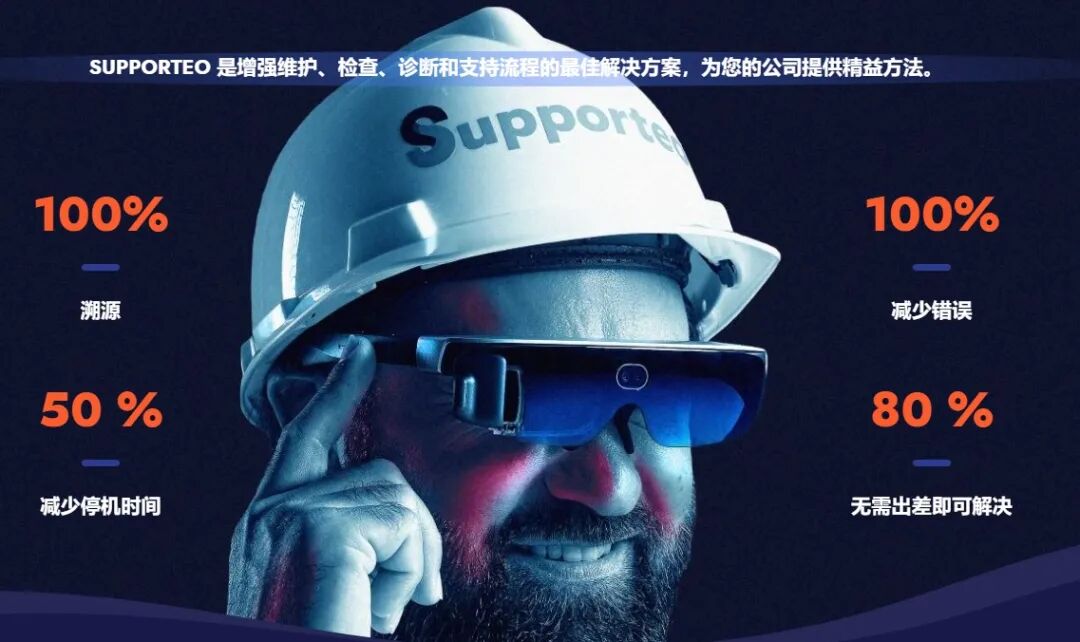
US-based startup Supporteo provides AR solutions for frontline workers in the HVAC industry. The startup’s AR-based solutions simplify routine inspections and maintenance tasks without complex manuals. It offers precise and targeted inspections through checklist-based reviews, guided diagnostics, troubleshooting, and automated process documentation. Supporteo also provides real-time collaboration for complex tasks requiring expert consultation via video calls. These experts assist field technicians remotely and monitor the process through the technician’s headset. This reduces the likelihood of failures due to human error, thereby improving overall quality and reducing workload.
HomeX Provides Virtual Assistance for HVAC Maintenance Training
US-based startup HomeX offers virtual assistance solutions to address challenges in the home services industry, with a particular focus on HVAC applications. The startup’s Live Expert Help and Diagnostic Software Platform combines visual assistance, diagnostic intelligence, and access to remote diagnostics by skilled workers to resolve home issues. HomeX’s technology enables experienced technicians to provide enhanced diagnostics at scale, supplementing existing workflows. The platform also generates detailed diagnostic reports, providing meaningful information before home visits. This improves customer experience, reduces service calls, minimizes operational burdens and cycle times, and lowers training and support costs.
10. Green Refrigeration
Traditional refrigerants such as Hydrofluorocarbons (HFCs) have relatively high global warming potential. To address this challenge, the HVAC industry is adopting green refrigeration technologies. Green refrigeration is typically driven by alternative cooling technologies and environmentally friendly methods. One such alternative technology is magnetic cooling, which relies on the magnetocaloric effect to achieve cooling without traditional refrigerants. Magnetic cooling involves applying a magnetic field to solid materials to heat them and then removing the magnetic field to cool the material. By utilizing magnetic cooling and other alternative cooling technologies, HVAC systems reduce reliance on harmful refrigerants, thereby minimizing environmental impact.
Magnoric Manufactures Magnetic Cooling Systems
Magnoric is a French startup specializing in magnetocaloric technology for cooling, air conditioning, and energy conversion. It utilizes the magnetocaloric effect and simple, non-toxic water-based coolants to capture temperature differences and provide clean, efficient cooling. In addition to cooling, Magnoric is also developing devices that utilize temperature differentials to effectively convert low-grade waste heat sources into electrical energy. The technology is reliable, durable, quiet, and low-vibration, and is not limited by gas constraints. By avoiding the use of refrigerant gases, this startup reduces the impact of HVAC systems on global warming.
Magnotherm Provides Magnetic Heating and Cooling
German startup Magnotherm has developed magnetocaloric technology for cooling and heating applications. The startup’s technology has a global warming potential (GWP), ozone depletion potential (ODP), and direct carbon dioxide emissions of zero. It operates at low pressure, resulting in low vibration, near-silent operation, and low maintenance costs. The startup’s devices can also be scaled to specific temperature and power ranges without sacrificing efficiency. Furthermore, with slight modifications, the technology can function as an efficient heat pump. Thus, this startup offers heating and cooling solutions with low or zero carbon footprints.
Conclusion
Digital innovations in the HVAC field can better understand operational aspects, reduce energy consumption, and avoid sudden failures. Geothermal heat pumps and solar air conditioning also reduce the carbon footprint of HVAC systems. Additionally, using biodegradable and non-toxic refrigerants helps address environmental issues associated with traditional refrigerants. Therefore, the future of innovation in the HVAC industry lies in the integration of smart technologies, green energy solutions, and user-friendly interfaces.
Source | YouGreen Network