Abstract
 Recently, Professor Hu Kun’s team from the Beijing Printing Electronics Engineering Technology Research Center published an article titled“Enhancing Flexible Capacitive Sensor Performance through the Synergy of Thermally Expandable Microspheres and Carbon Nanotubes via 3D Direct Ink Writing” in the journal Advanced Functional Materials. They developed a novel flexible capacitive pressure sensor based on a composite dielectric layer made of carbon nanotubes (CNTs), thermally expandable microspheres (tem), and polydimethylsiloxane (PDMS), utilizing 3D direct ink writing (DIW) technology. The synergy between carbon nanotubes and tem significantly enhances the mechanical and dielectric response of the capacitive sensor, achieving a two-order-of-magnitude increase in sensitivity compared to systems filled solely with carbon nanotubes. The grooved microstructure on the surface of the dielectric layer allows for rapid and stable air expulsion, thereby improving the change in dielectric constant and sensitivity under pressure. The sensor exhibits a maximum sensitivity of 3.09 kPa−1 across a wide pressure range of 0 – 500 kPa, with a detection limit as low as 16.7 Pa. Furthermore, the sensor’s pressure resolution is 0.3%, and it demonstrates over 40,000 cycles of stability, accurately monitoring various human activities, showcasing its potential applications in health monitoring and flexible electronics.



01. Reference Information
Article Title:Enhancing Flexible Capacitive Sensor Performance through the Synergy of Thermally Expandable Microspheres and
Carbon Nanotubes via 3D Direct Ink Writing
DOI:10.1002/adfm.202514093Original Link:https://doi.org/10.1002/adfm.202514093(Download link at the end of the article, click to download)



02. Main Content
01 Research Background
Flexible capacitive pressure sensors have garnered significant attention for their wide applications in electronic skin, artificial intelligence, and wearable medical devices. (References 1~6) However, due to the simplicity of materials and microstructures, most reported capacitive pressure sensors exhibit low sensitivity, especially in high-pressure sensing ranges.
One strategy to enhance sensitivity is to create microstructures for the dielectric layer materials (References 8, 9) or to select materials with low Young’s modulus to improve the distance change of the electrode plates under pressure (References 10, 11). For instance, microstructures such as pyramids (References 12, 13), micropillars (References 14, 15), micropores (References 16, 17), and foam-like structures (References 18, 19) can be constructed to reduce the elastic modulus of the dielectric materials, thereby increasing the change in electrode spacing under pressure and further enhancing the sensor’s sensitivity.
Another method to improve sensitivity is to increase the relative change in dielectric constant of the dielectric layer under pressure, which is typically achieved by adding conductive fillers.
This study designed and integrated three operations to enhance the sensitivity of flexible capacitive pressure sensors: using CNTs composite dielectric materials, employing tems within the dielectric composite layer, and incorporating microstructures on the surface of the dielectric layer.
02 CTPD Sensor Structure Design and Working Principle Diagram
A flexible capacitive pressure sensor was designed and manufactured, featuring a domed microstructure on its surface and a porous composite dielectric layer inside. PDMS was used as the matrix material, with a dielectric composite made of CNTs and tem.
First, silver electrode patterns were screen-printed onto a PET substrate, followed by 3D DIW of the dielectric layer. The final sensor structure was achieved by sandwiching the dielectric layer between PET films, each patterned with silver electrodes. This ensured reliable sensor performance and controllable response characteristics.
Unlike pure solid individual-filled dielectrics, this microstructured composite material design can simultaneously adjust bothmechanical compliance and dielectric response under pressure, leading to significant improvements in sensitivity and pressure range.
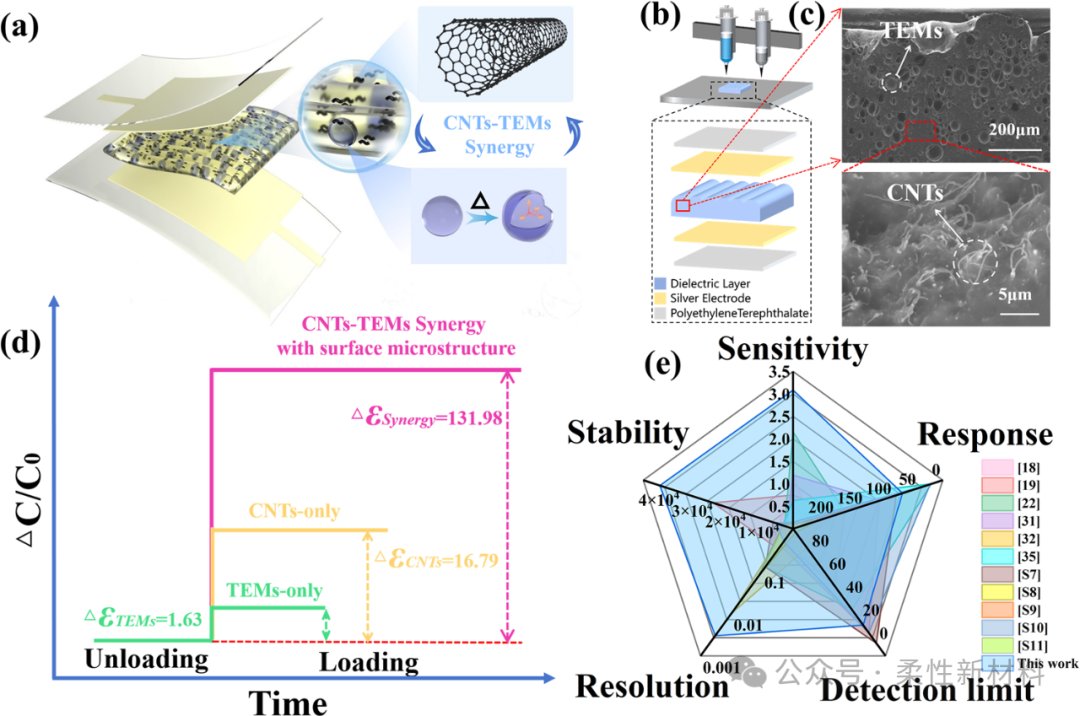
Figure 1:CTPB flexible capacitive sensor structure design and working principle based on 3D DIW printed porous composite dielectric layer
03 3D Direct Ink Writing Ink Design
To fabricate the dielectric layer of the capacitive pressure sensor, the researchers developed a extrusion-based 3D DIW molding technology. The rheological properties of the CNTs/TEMs/PDMS composite ink system were studied. The mass fractions of CNTs relative to PDMS were 0.5%, 1.0%, and 1.5%, while the mass fraction of tem relative to PDMS remained constant at 1.0%.At low shear rates, the apparent viscosity briefly increased with the increase in shear rate. This behavior can be attributed to the preservation of internal structure, which exhibits solid-like yield stress characteristics. As the shear rate continued to increase, the system gradually overcame this structural resistance, exhibiting typical shear-thinning behavior.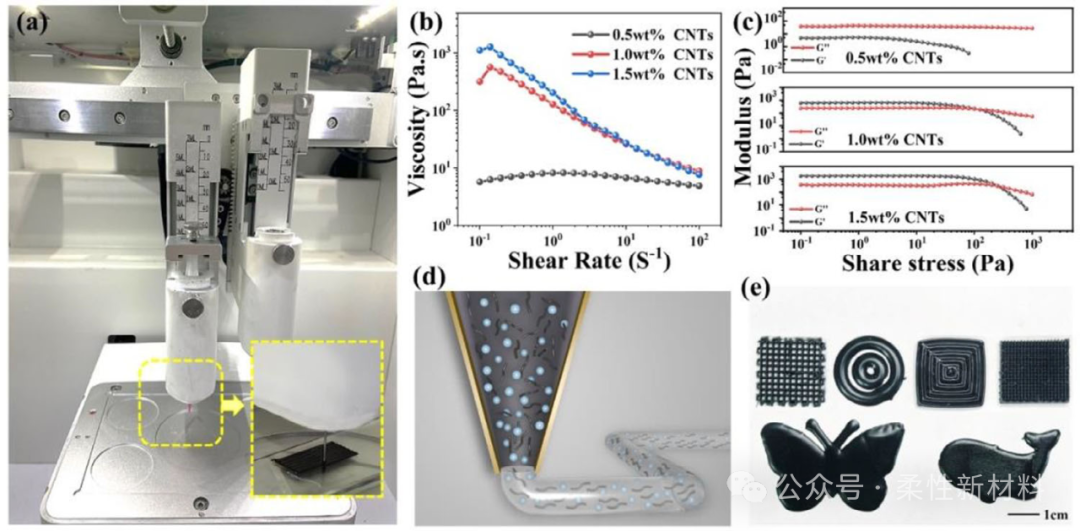 Figure 2:Working process and rheological properties of CNTs/TEMs/PDMS composite ink
04 CNTs/TEM Synergistic Effect and Geometric Microstructure Design
To investigate the effects of carbon nanotubes and tem on flexible capacitive sensors, their mechanical properties and electrical response were systematically analyzed by varying the filling ratio. According to the principle of enhanced sensitivity in capacitive sensors, the increase in sensitivity can be achieved by increasing the change in electrode spacing (which can be adjusted by changing the elastic modulus) or increasing the change in dielectric constant.
First, the individual adjustment effects of carbon nanotubes and tem on these parameters were studied. In the CNTs/PDMS composite system, as the mass fraction of CNTs increased from 0.5% to 1.5%, the elastic modulus steadily increased. This phenomenon can be attributed to the additional physical cross-linking points provided by carbon nanotubes in the PDMS matrix. However, concentrations exceeding 1.5% can lead to nozzle clogging. While using larger diameter nozzles can alleviate this issue, it compromises the precision of the designed microstructure. Additionally, within the pressure range of 0-250 kPa, the incorporation of CNTs resulted in a gradual increase in the relative dielectric constant of the composite material as pressure increased. Specifically, the increase in relative dielectric constant for the 1.5% CNTs sample was significantly greater than that for the 0.5% and 1% CNTs samples.
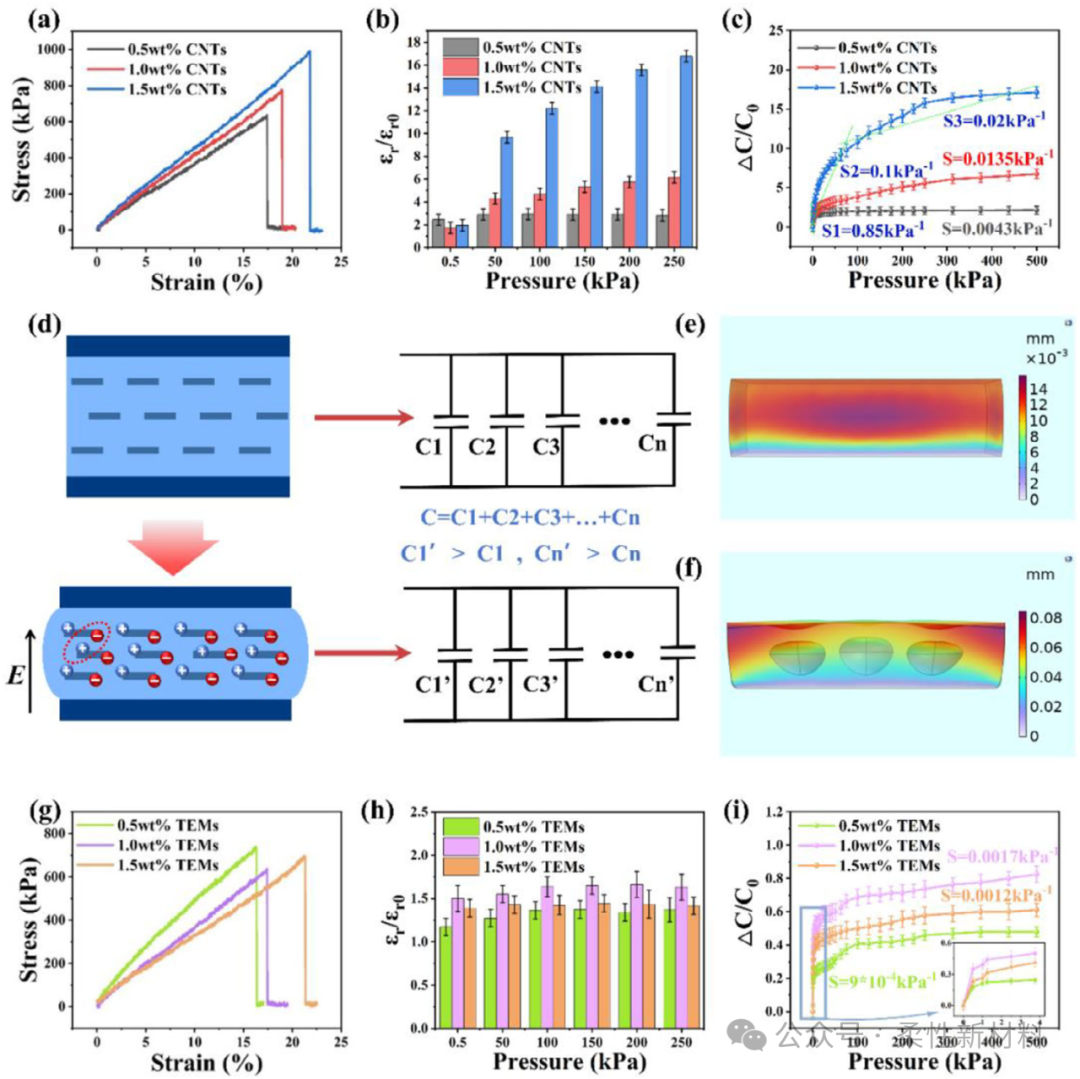 Figure 3:Performance study of CNTs/PDMS and tem/PDMS.
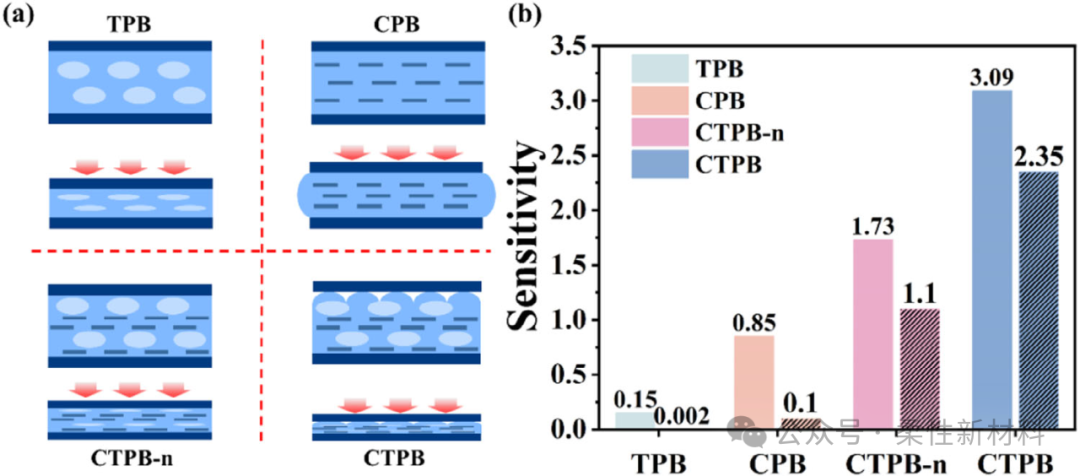 Figure 4:a) Schematic diagram of the structure and compression process of four sensors. b) Sensitivity images of the four sensors under different pressure ranges, solid color blocks (0-3.72kPa) and shaded color blocks (3.72-62.5kPa).
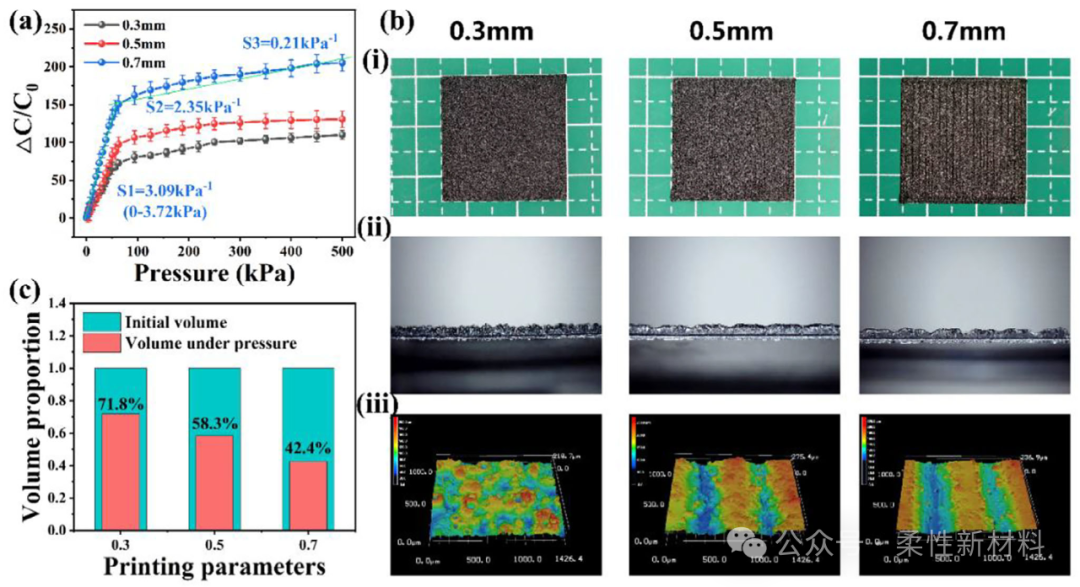 Figure 5:Effect of air medium on the sensitivity of CTPB sensor
05 CTPB Sensor’s Sensing Performance
A series of sensing performance evaluations were conducted on the final CTPB sensor. The sensitivity of the CTPB sensor was 3.09 kPa−1, 2.4 kPa−1, and 0.21 kPa−1 in the ranges of 0 ~ 3.72 kPa, 3.72 ~ 62.5 kPa, and 62.5 ~ 500 kPa, respectively, demonstrating significant sensitivity advantages across different pressure ranges.
To study the dynamic response characteristics of the pressure sensor under different pressures, pressures of 1, 2, 5, 10, 50, and 100 kPa were applied, and the relative capacitance changes during three loading/unloading cycles at each pressure were examined. The results showed stable and reversible responses at all applied pressures.
Additionally, the CTPB sensor exhibited a notable short response relaxation time (67 ms and 60 ms) to external pressure stimuli. Another key performance of the pressure sensor is its minimum detection limit, indicating its ability to detect minute pressures. This flexible pressure sensor can clearly identify minute pressure stimuli as low as 16.7 Pa. Furthermore, at high pressures of 500 kPa, the sensor demonstrated low hysteresis (<9%) during loading/unloading processes.
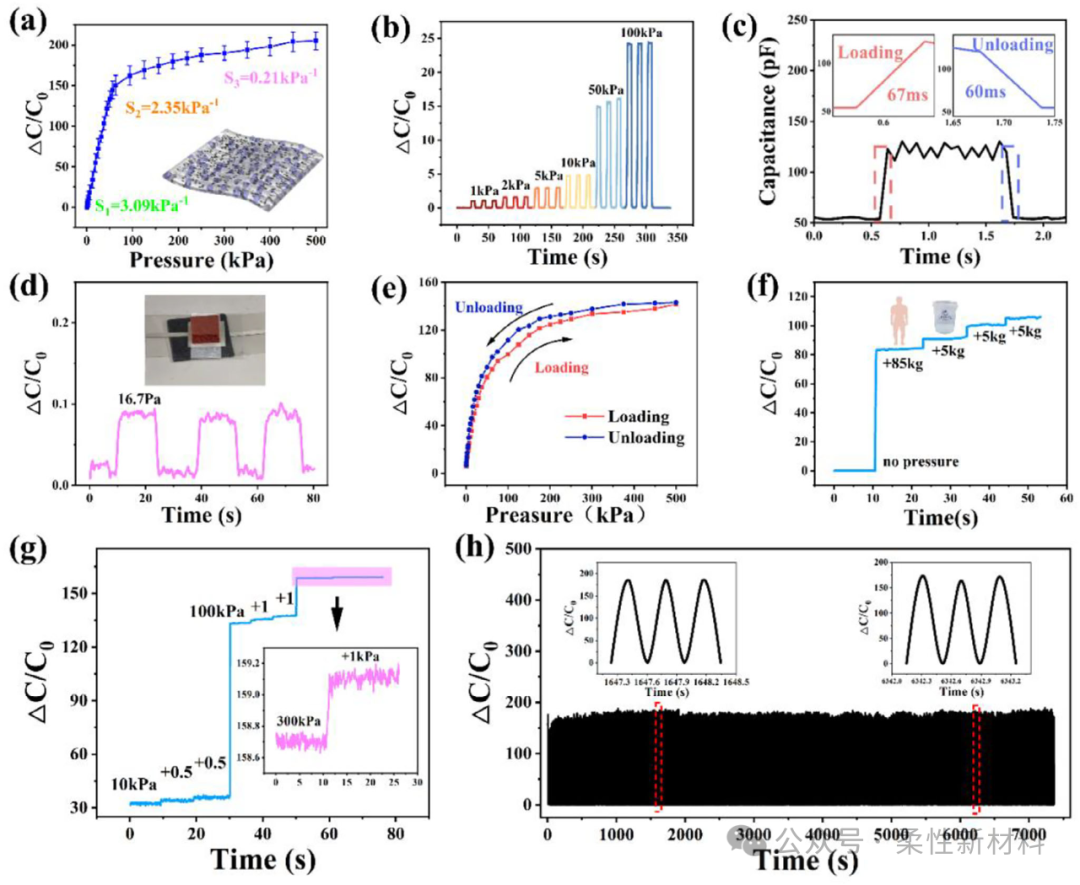 Figure 6:Sensing characteristics of CTPB flexible capacitive sensor.
06 CTPB Sensor’s Practical Applications
To demonstrate the capacitive flexible sensor’s ability to monitor human movement, the designed pressure sensor was installed on different parts of the human body to track various postures and movements. When the sensor was placed on the throat area, it successfully captured the characteristic capacitive response of the word “flexible” being pronounced four times. Additionally, the sensor was encapsulated within a mask to measure the air pressure generated by human exhalation, allowing for real-time detection of the human breathing state. The sensor effectively tracked the tester’s deep breathing rate (15 breaths per minute) and normal breathing rate (24 breaths per minute).
A sensor connected to the wrist pulse position monitored the pulse frequency of the tester under active (120 beats per minute) and resting (70 beats per minute) conditions. The resulting pulse curve displayed a typical human pulse waveform, showcasing the potential applications of the CTPB sensor in diagnosing critical health indicators such as heart rate, blood pressure, and sleep status.
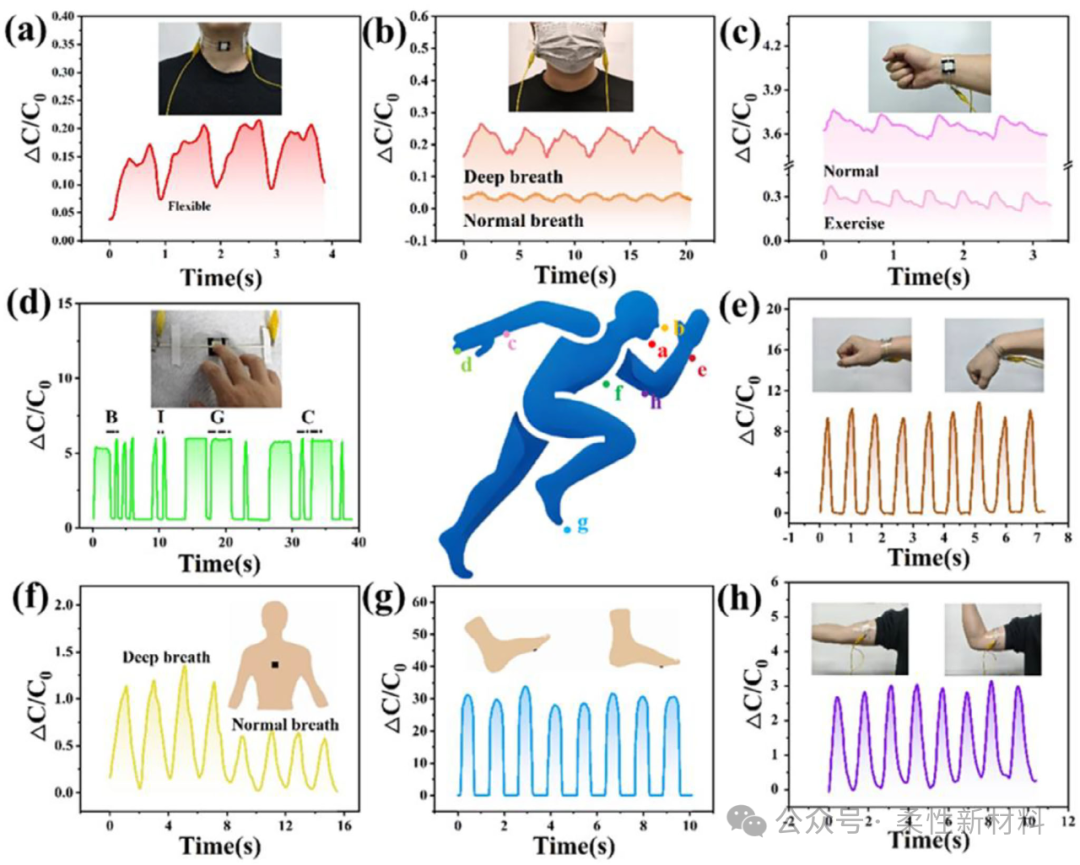 Figure 7:Applications of CTPB flexible pressure sensor in monitoring different human activities and bodily signals.
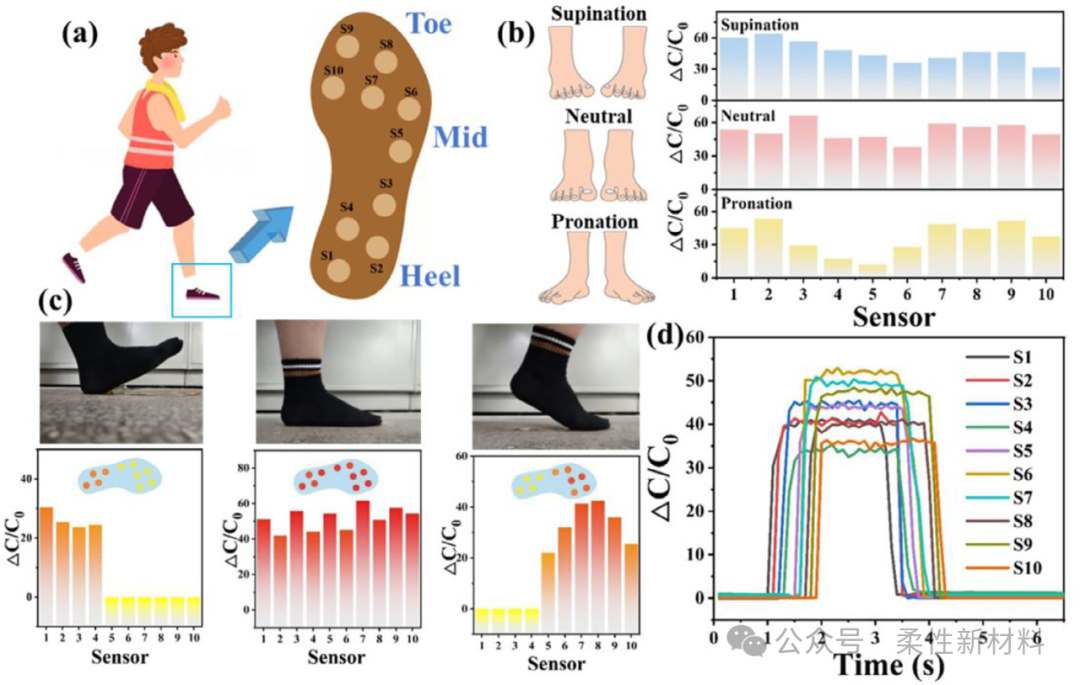 Figure 8:Demonstration of CTPB sensor in a flexible pressure sensor array
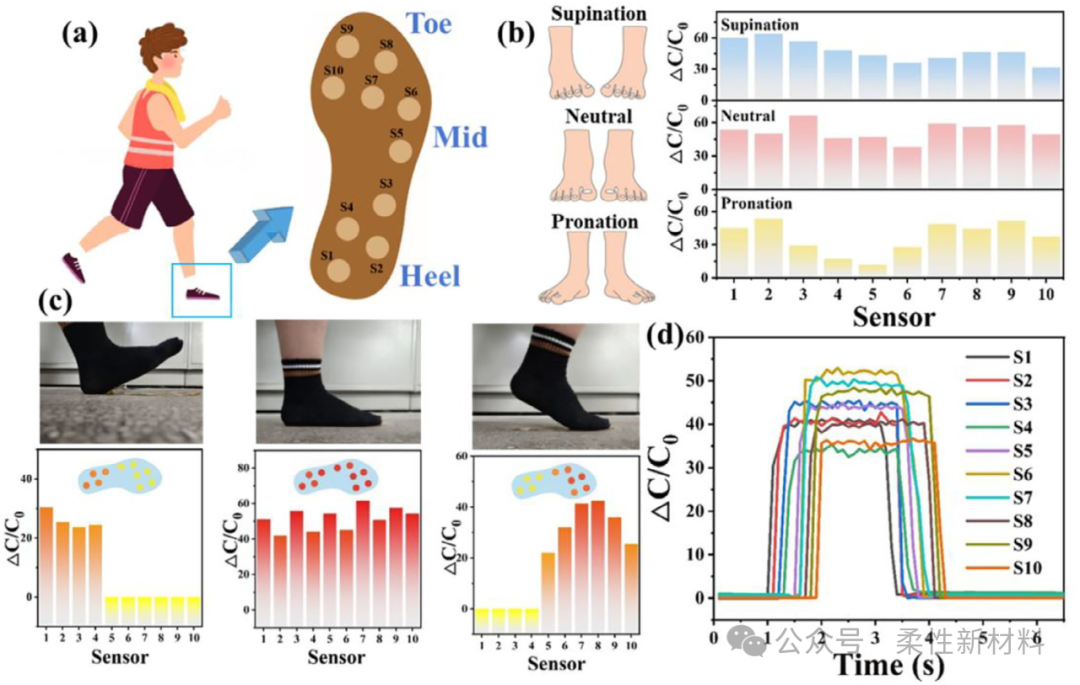 Figure 9:Smart insole based on CTPB sensor

03. Analysis and Outlook
In summary, this study has made significant progress in the development of flexible capacitive pressure sensors through the innovative integration of carbon nanotubes, tem, and PDMS composites. With a maximum sensitivity of 3.09 kPa−1 across a wide pressure range of 0-500 kPa, it is 1 to 3 orders of magnitude higher than reported 3D DIW printed capacitive sensors under medium to high pressure (>10 kPa), with an excellent pressure resolution of 0.3% and a detection limit of only 16.7 Pa. This sensor demonstrates outstanding performance in a wide range of applications, including health monitoring and human motion detection.
 Download link (click to download):Enhancing Flexible Capacitive Sensor Performance through the Synergy of Thermally Expandable Microspheres and Carbon Nanotubes via 3D Direct Ink Writing.pdf