In today’s rapidly developing field of artificial intelligence technology, the education sector is undergoing unprecedented changes. To explore the current applications and future potential of AI education robots, the “AI Education Robot Research Team” conducted a multidimensional social practice survey from August 18 to August 29, 2025, under the theme “Empowering Education with Technology, AI Leading the Future.” Through visits to schools and businesses, in-depth interviews, and the construction of data analysis models, the team systematically investigated how AI education robots can reshape educational models, promote educational equity, and enhance quality, providing innovative insights for the future of education.
1.
Planning Before Action: Precisely Anchoring Research Coordinates

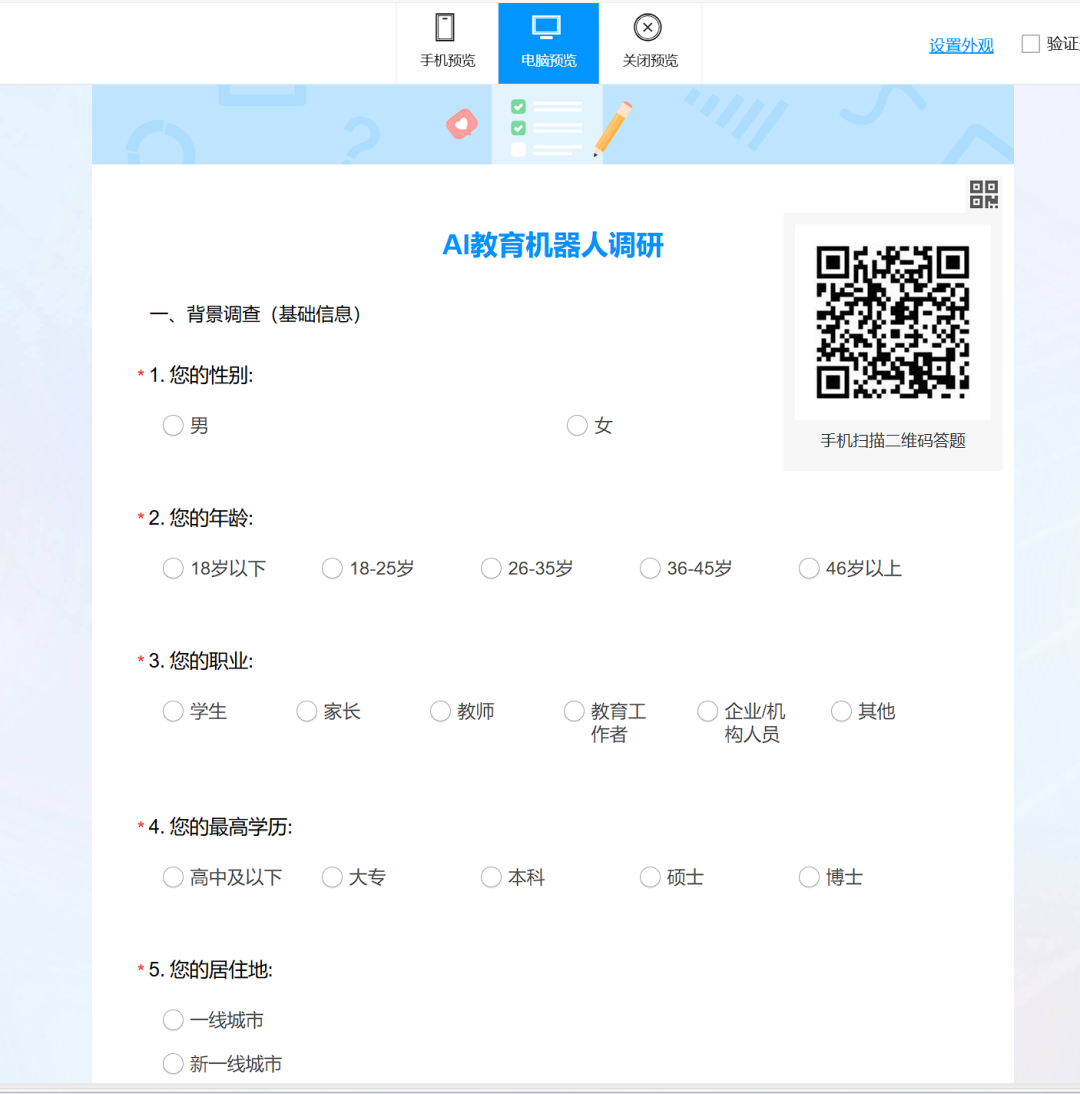
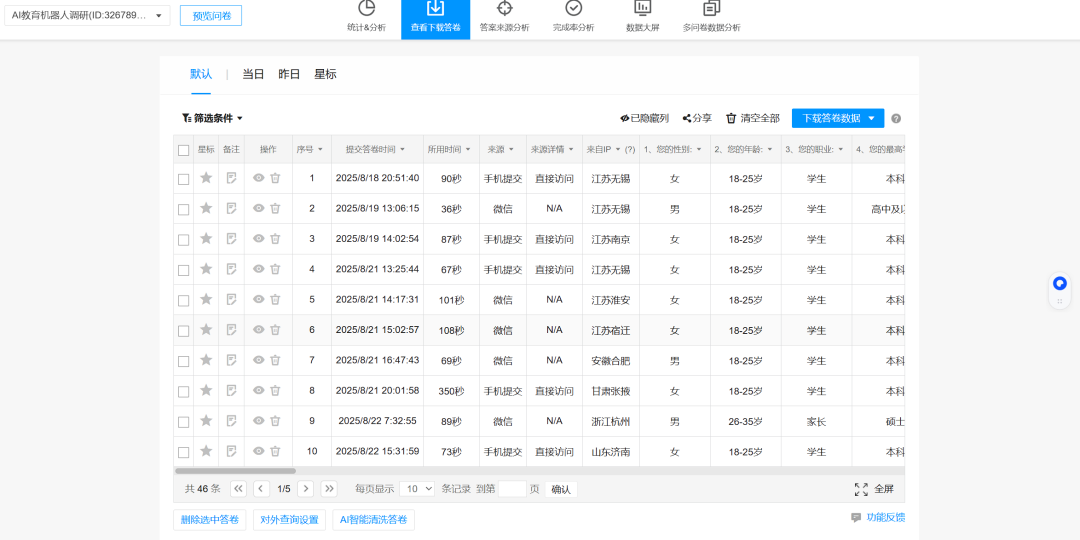
At the beginning of the practice, the team focused on the core research object—AI education robot “Damon”—and conducted in-depth discussions. By breaking down its core functions such as “intelligent interaction, personalized learning, and knowledge graph construction,” and combining market environment and audience needs, the team developed a research questionnaire on August 18 that covered dimensions such as functional cognition, usage pain points, and scenario adaptability. Utilizing social media platforms and offline channels, the questionnaire quickly reached parents, students, and education practitioners, collecting a total of 46 valid samples. Based on data insights, the team precisely identified three core directions: “technical implementation pain points,” “market demand differences,” and “scenario adaptability,” laying a foundation for subsequent research and more targeted positioning.
2.
Decoding the Market Ecosystem: Competitor Analysis and Strategic Insights

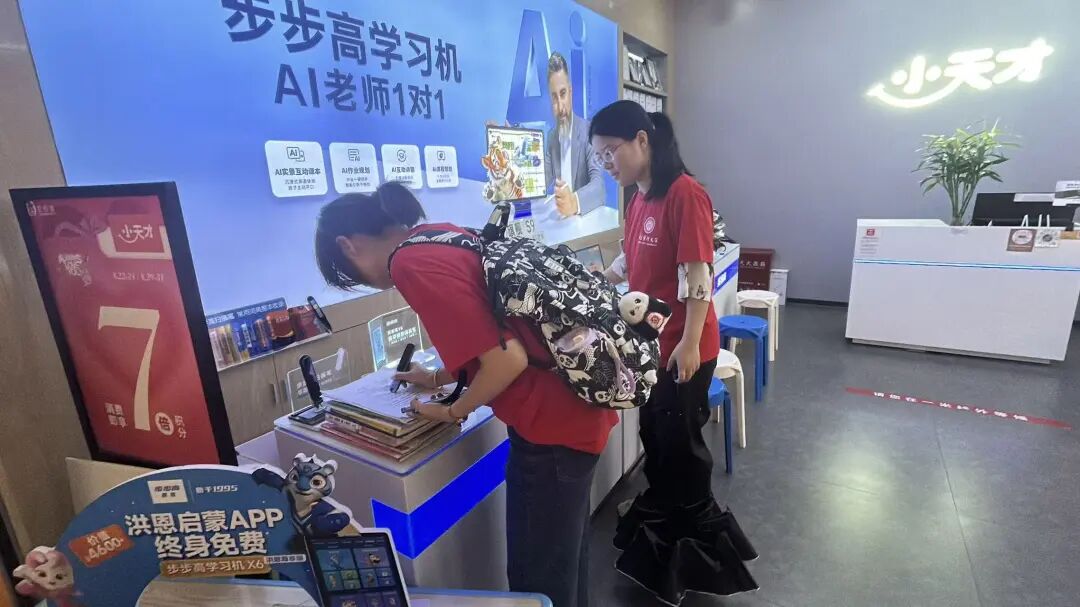
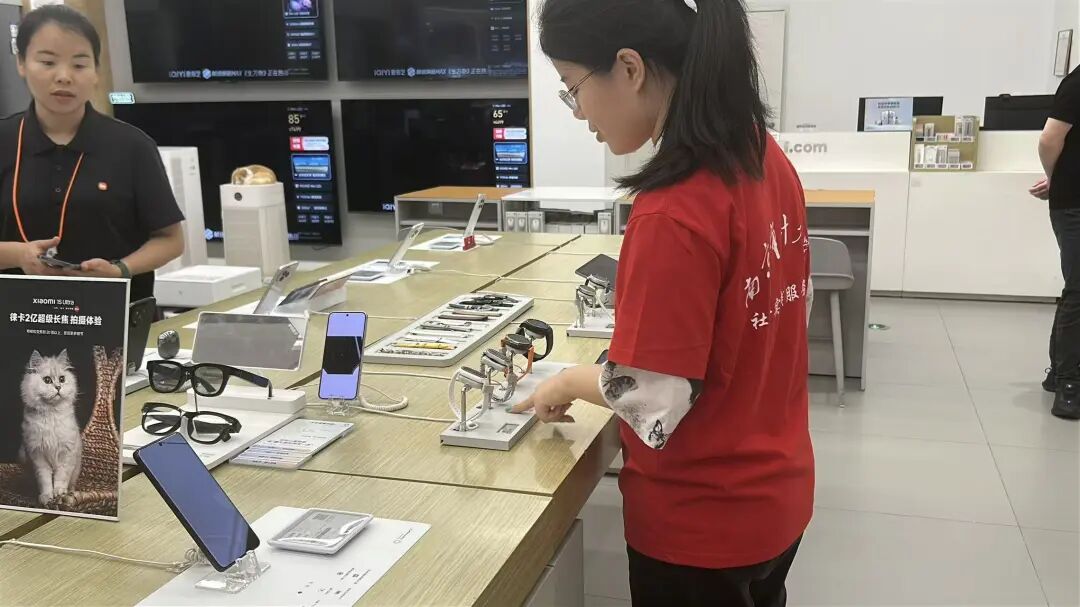
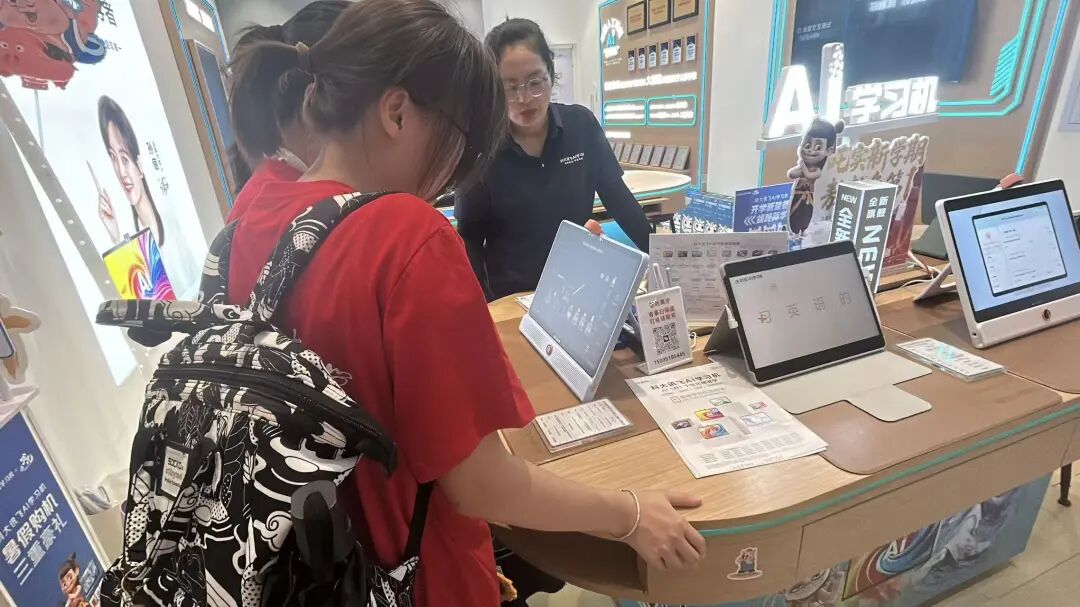
From August 23 to August 24, the AI Education Robot Research Team’s Jiang Hongkun, Jiang Yuqing, and Xu Keke formed a research subgroup to conduct “immersive” competitor research in the educational electronic product merchant cluster of Jiangpu Street. By visiting various merchants, they learned about the unique functions of different educational electronic products and their unique advantages in the education market. Through hands-on experiences with mainstream products such as Xiaomi’s educational tablet, iFLYTEK’s AI learning machine, and BBK’s Xiaotiancai, the team systematically organized the “function matrix” and market strategies of each competitor. Using the PEST model to analyze industry policies, economic, social, and technological environments, and combining the SWOT framework to compare Damon with competitors’ strengths (such as emotional interaction depth and interdisciplinary knowledge integration ability), weaknesses (such as insufficient regional penetration), opportunities (AI policy dividends), and threats (technology iteration risks), they ultimately formed the “AI Education Robot Competitiveness Comparison Report” and proposed targeted optimization solutions such as “strengthening scenario customization development” and “building regional service ecosystems.”
3.
Facing Real Needs: In-Depth Dialogue with Diverse Groups

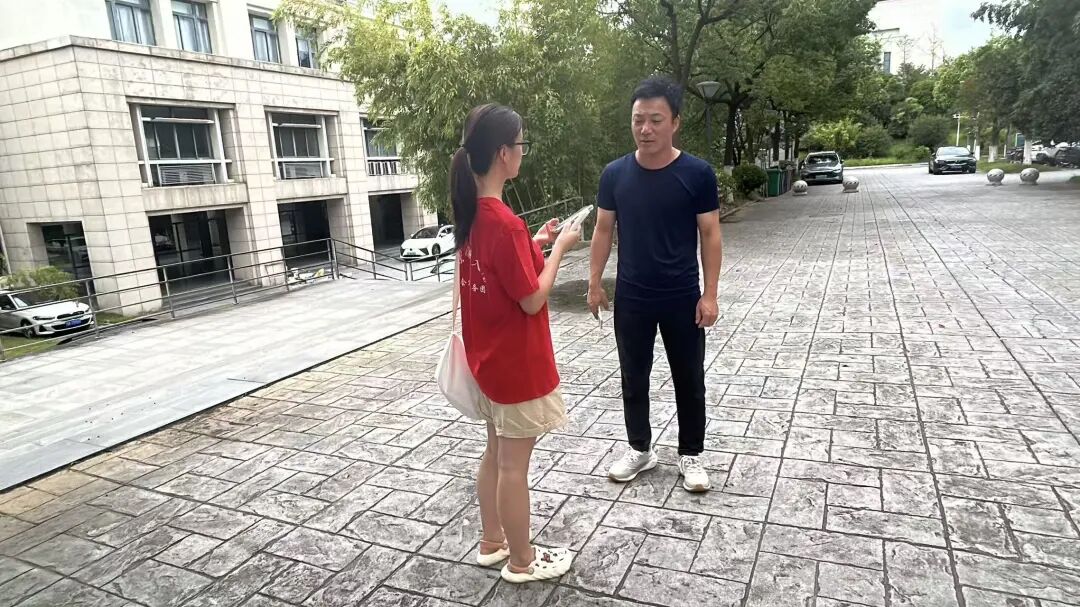
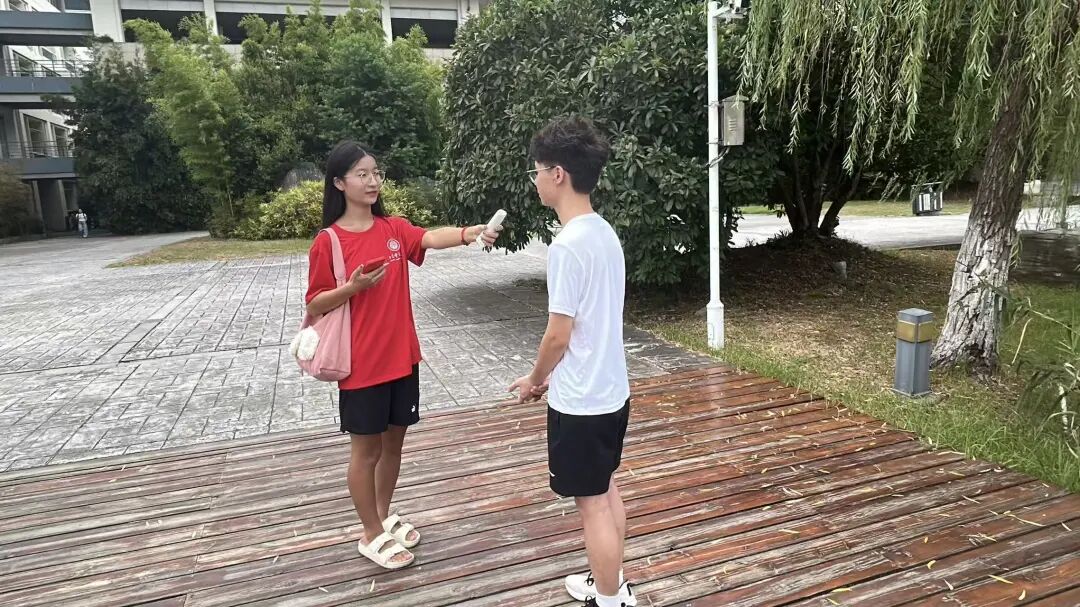
From August 25 to August 26, the AI Education Robot Research Team’s Jiang Hongkun, Shen Mengna, and Ding Yumeng conducted in-depth interviews with different groups. Jiang Hongkun, Shen Mengna, and Ding Yumeng formed an interview group to conduct random sampling interviews in Jiangpu Street. Focusing on three typical groups: parents, middle school students, and college students, the team used semi-structured interviews and scenario simulation dialogues to deeply explore hidden and diverse consumer needs. From parents’ concerns about “safety and quantifiable learning outcomes” to students’ expectations for “engaging interactive experiences,” the team innovatively distilled the “Demand Pyramid Model” and developed corresponding solutions based on the collected diverse needs and suggestions.
4.
Summary and Improvement: The Future is Full of Infinite Possibilities

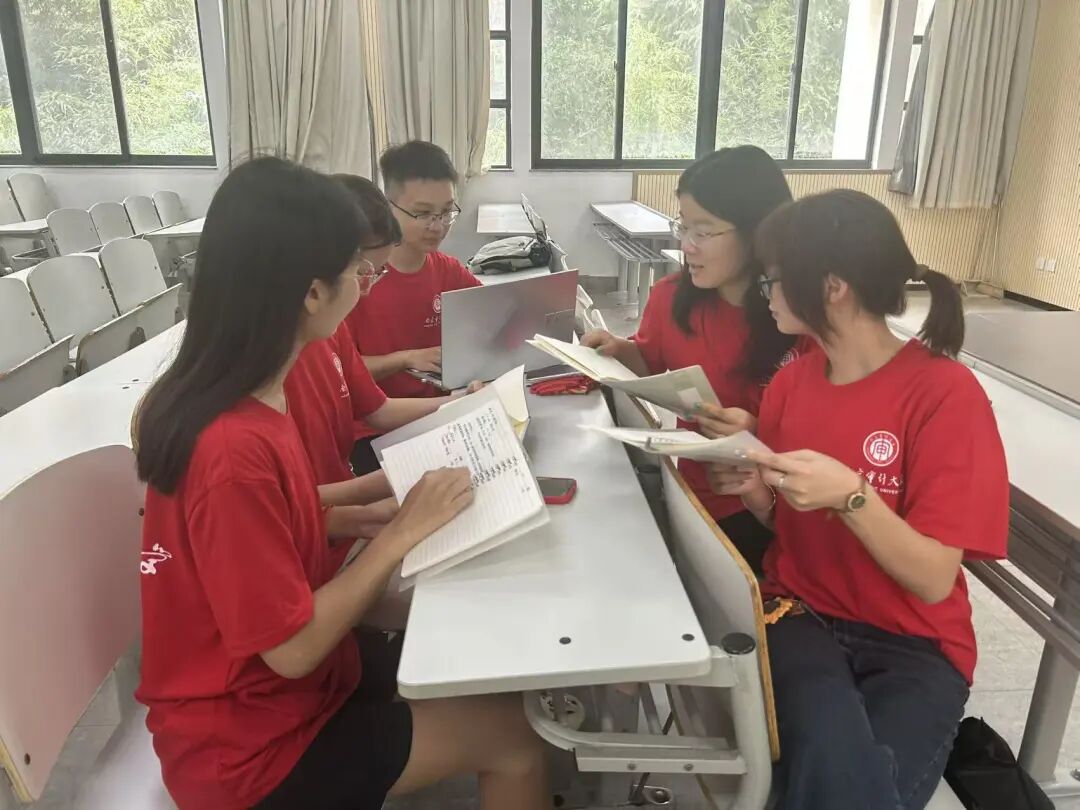
From August 27 to August 29, based on all the information collected during the research and interviews, discussions and summaries were held regarding existing doubts and issues. After the meeting, a research report was written, and based on the data in the report, market development trends for the AI education robot Damon were predicted, and reasonable plans were formulated.
This social practice allowed the AI Education Robot Research Team to conduct in-depth field research and gain valuable insights through visits and surveys. Based on the research data and case analysis, the team identified four major development trends for AI education robots: accelerated technological iteration (enhanced emotional interaction and autonomous learning capabilities), deepening scenario segmentation (covering basic education, vocational education, and special education), policy and capital support (industry-university-research cooperation promoting large-scale development), and inclusive shared demand (narrowing the digital divide between urban and rural areas). At the same time, the team also recognized the current challenges of ethical norms and teacher adaptation, and proposed targeted suggestions.
Moreover, the team realized that AI education robots are not only a technological innovation but also an elevation of educational philosophy. They make learning more efficient and equitable, allowing the light of technology to shine into every child’s future. The team will take this practical research as a starting point and continue to explore and progress in the field of AI education robots, dedicating their youthful passion to empowering education with technology and leading the future with AI.
Source of the text | Jiang Hongkun
Source of the images | Jiang Hongkun
Editor | Pan Yanbing
Proofread by | Liu Qi, Zhuo Ziran
Reviewer | Hu Yeyu