In today’s flagship imaging smartphone market, the competition has become intense with 1-inch sensors and dual telephoto lenses. The larger the parameters and the more lenses, it seems that pixel count and size are the only standards for taking good photos. However, while everyone is caught up in this “arms race,” the Huawei Mate80 Pro has chosen a less traveled path—stability, precision, and rational upgrades.
Indeed, it does not rely on gimmicks but instead utilizes a combination of the domestic SC590XS sensor and the new generation Kirin chip to achieve a significant leap in domestic imaging experience. It may not have the most extravagant configuration, but it could be the most practical upgrade.

1. The SC590XS Domestic Sensor: Unassuming Specs, Hardcore Performance
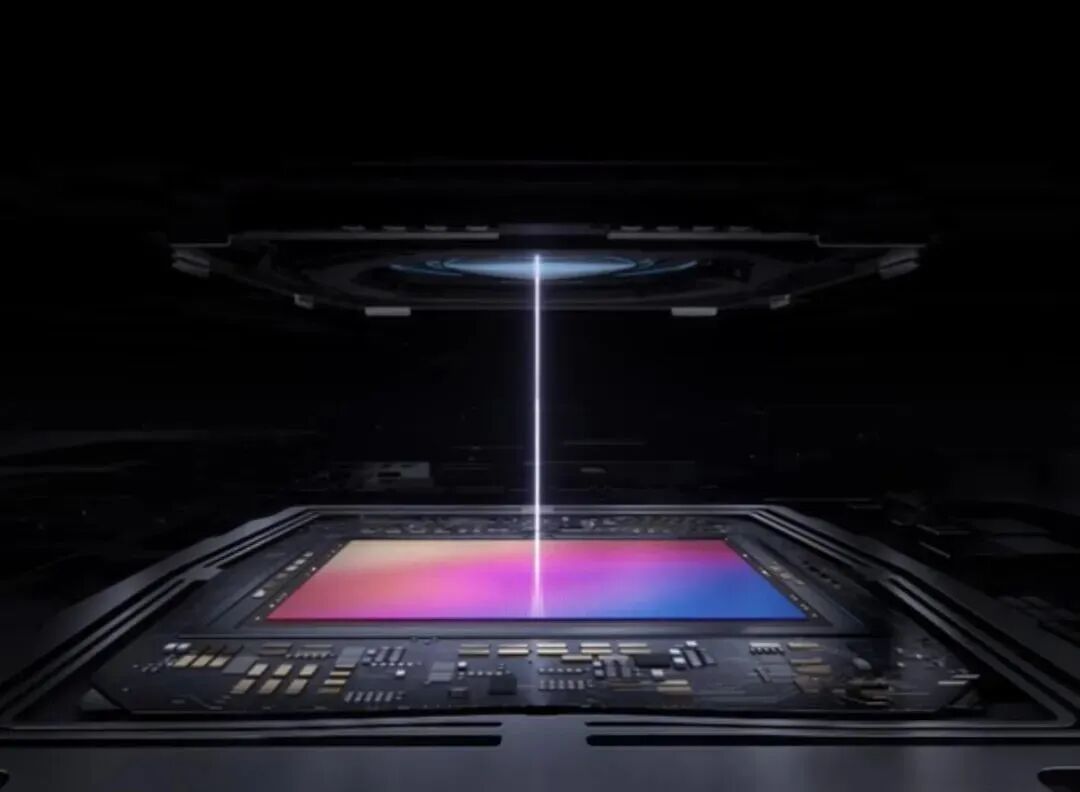
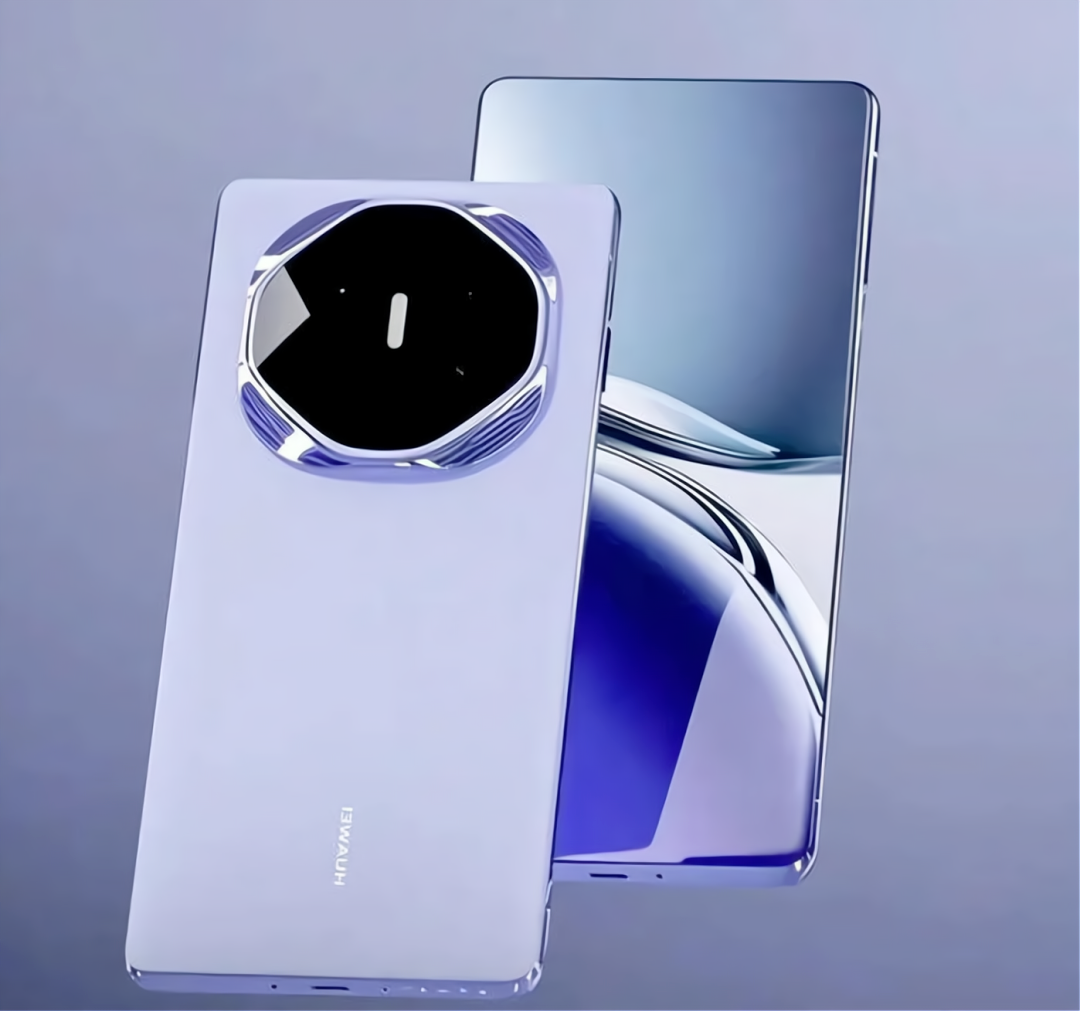
The main camera of the Mate80 Pro is equipped with the domestic SC590XS sensor, which may seem “conservative” at first glance, but is actually very capable:
-
50 million pixels, 1/1.28-inch sensor size, although not 1 inch, it is already considered flagship-level in terms of light-sensitive area;
-
F/1.4~F/4.0 physical variable aperture, not simulated bokeh, but a true aperture that can be “mechanically adjusted”;
-
RYYB arrangement, which increases light intake by 40%, especially enhancing night scenes;
-
Supports AI HDR fusion, fast focusing, and low-light dynamic tracking.
In simple terms, this CMOS does not rely on intimidating numbers but rather on impressive real-world performance. You may not notice the slight differences in parameters, but the photos taken will clearly show the difference—darker areas are cleaner, more details are captured, and color reproduction is closer to reality.
2. Why Not Compete with Dual Telephoto? Huawei’s Answer: Stay Steady, Don’t Rush
Some may ask: Since the Pura80 Ultra has dual telephoto lenses, why doesn’t the Mate80 Pro follow suit?
The answer has been written in the word “Mate”: The Mate series has always prioritized comprehensive experience, pursuing overall balance. It’s not that they can’t compete, but they choose not to blindly follow trends.
-
Adding a periscope telephoto lens is sufficient to meet daily telephoto needs;
-
Having an additional telephoto lens may lead to a heavier lens module and a larger camera bump;
-
More importantly, it would compress battery space, affect heat dissipation, and impact grip comfort.
Ultimately, the Mate80 Pro is not designed for imaging enthusiasts; it is prepared for users who need a “versatile player” for work, business trips, photography, streaming, and gaming.
“Not sacrificing experience is the baseline that a flagship should have.” Huawei has chosen to be a “restrained extreme” rather than a “parameter showcase.”
3. Kirin Chip Returns: Comprehensive Upgrade of Imaging AI
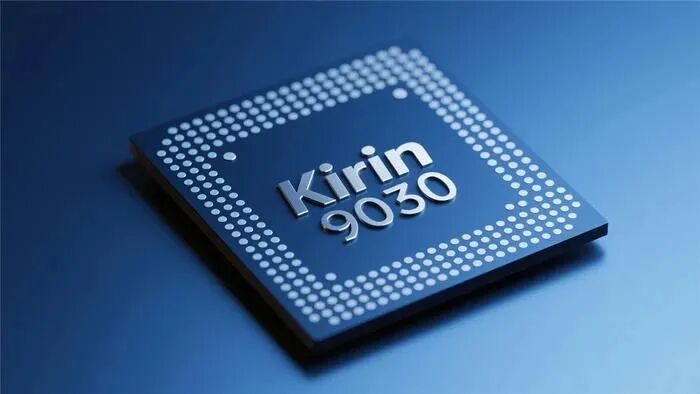
In addition to camera hardware, the bigger surprise comes from the new generation Kirin 9030 chip inside the Mate80 Pro.
Recently, there have been good news in the chip industry: EDA design software export restrictions are gradually easing, and domestic processes are maturing, which means— the Kirin 9030 is no longer just “usable” but is becoming increasingly powerful!
The new Kirin chip will bring:
-
Stronger AI image processing capabilities, enhancing dynamic range and detail retention;
-
Real-time night scene synthesis, faster and clearer;
-
More accurate portrait recognition and beautification algorithms;
-
Lower energy consumption, allowing for prolonged shooting while remaining cool.
In the past, imaging experiences relied heavily on post-processing algorithms, but now these can be completed instantly on the chip side, making the Mate80 Pro smoother in actual use and faster in photo processing.
4. Domestic Full Link: True Technical Confidence
You may not have noticed, the Mate80 Pro is currently the only flagship model that achieves a “domestic triple” in the imaging link:
-
Self-developed domestic chip (Kirin 9030);
-
Domestic sensor (SITW SC590XS);
-
Self-developed algorithms + HarmonyOS tuning.
This is not just sentiment but a reflection of strength: Huawei has crafted an excellent imaging experience using its own technology without external dependencies.
For users, this means better system synergy, longer software support cycles, and higher privacy and security guarantees.
5. November Early Release? Huawei’s Rhythm is Back
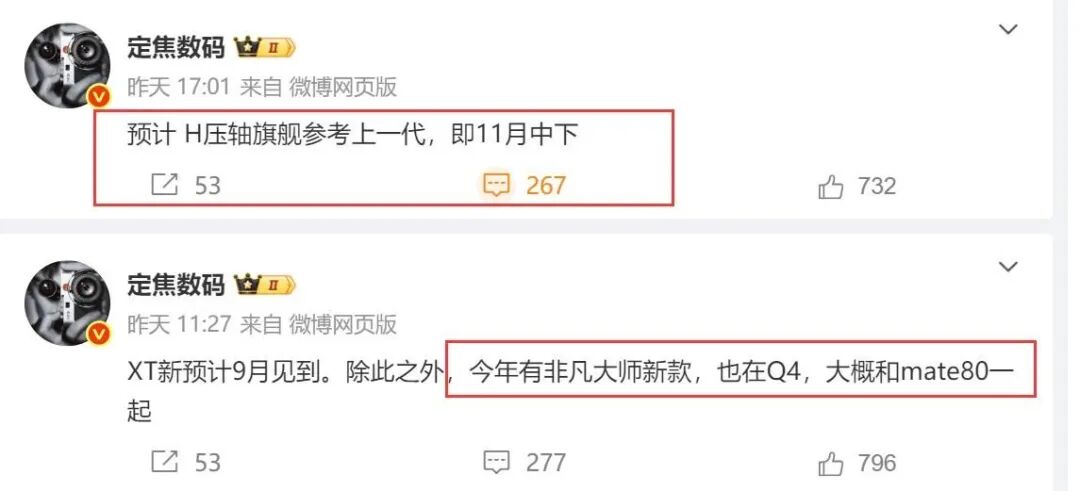
There are reports that the Mate80 series will be released early in November, what does this indicate?
It indicates that Huawei’s internal rhythm is being reshaped, Kirin chip production capacity is recovering, and the product line is becoming more efficient and stable. This confidence stems from technological reserves and is the best proof of the maturity of the “Huawei imaging ecosystem.”
From previously being the “grand finale” to now being able to “strike at any time,” the emergence of the Mate80 Pro signifies that Huawei has transitioned from “holding on” to “stabilizing and then making a move”.
Conclusion: This Time, Huawei Didn’t Show Off, But Securely Won the Experience
Compared to those flagship models that focus on specs, the Huawei Mate80 Pro does not offer the most extravagant parameters but may provide the most reassuring experience:
-
Camera stability: SC590XS + physical aperture + RYYB, maximizing night scenes;
-
Performance stability: Kirin chip AI assistance, smooth image processing;
-
Experience stability: no sacrifice of hand feel, no unnecessary efforts;
-
Full domestic supply chain for chips, systems, and imaging, showcasing strong technical confidence.
This time, Huawei demonstrates through action: that it can create the most user-friendly imaging flagship without relying on flashy technology or parameter boasting.
Is the imaging of the Mate80 Pro stable? Don’t ask, this is not just “stable,” this is—”crazy but understated.”