
With the rapid development of technology, wearable health monitoring devices are gradually becoming a part of our daily lives. Traditional health monitoring devices are often bulky and inconvenient, while the emerging “bionic skin” sweat sensors in recent years have provided a more lightweight and efficient solution. However, most bionic skin technologies currently on the market face various challenges, such as complex and expensive manufacturing processes, low wearing comfort, and the difficulty of real-time health monitoring. These issues hinder the widespread adoption and practical application of bionic skin in various fields.
The research group led by Hu Jinlian at City University of Hong Kong has proposed an innovative bionic skin sweat sensor that effectively addresses several shortcomings of existing technologies by introducing a new thermal transfer manufacturing method. This method is cost-effective and easy to operate, making it particularly suitable for small-scale commercial production. Its unique double-layer unidirectional moisture-permeable nanomembrane provides excellent extensibility and breathability, efficiently absorbing sweat and enabling comfortable real-time health monitoring for the wearer.
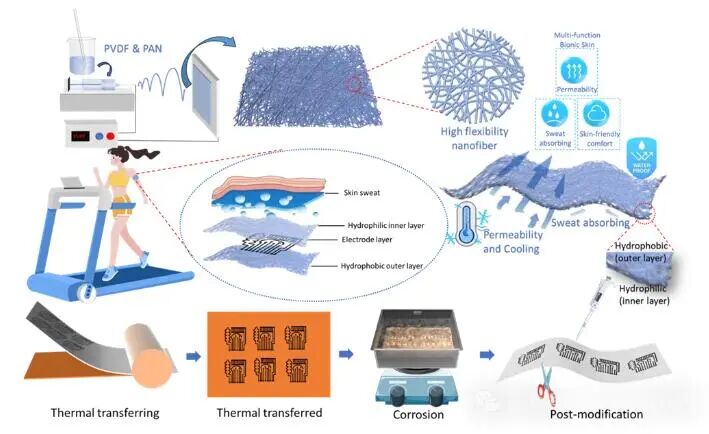
Figure 1: Thermal transfer electronic skin manufacturing process and double-layer nanomembrane functionality
It is worth mentioning that this sensor is equipped with an advanced sensor system capable of monitoring various biomarkers in sweat, including glucose, lactate, uric acid, pH, temperature, and skin impedance. Coupled with the newly developed CARE (Continuous Analyte Monitoring with Real-time Engagement) system, it achieves real-time data transmission and processing, providing a comprehensive solution for reliable and comfortable health monitoring.
Wearability and comfort test results indicate that the flexibility, breathability, and moisture permeability of the bionic skin have reached excellent levels. This allows the device to be worn for extended periods without causing discomfort to the user. Biocompatibility tests have also confirmed the safety of the device, showing no skin irritation or allergic reactions.
The development of the bionic skin sweat sensor marks a significant advancement in the field of wearable health monitoring devices, bringing more possibilities for medicine, sports science, and personal health management.

Figure 2: Functional characterization of the double-layer nanomembrane
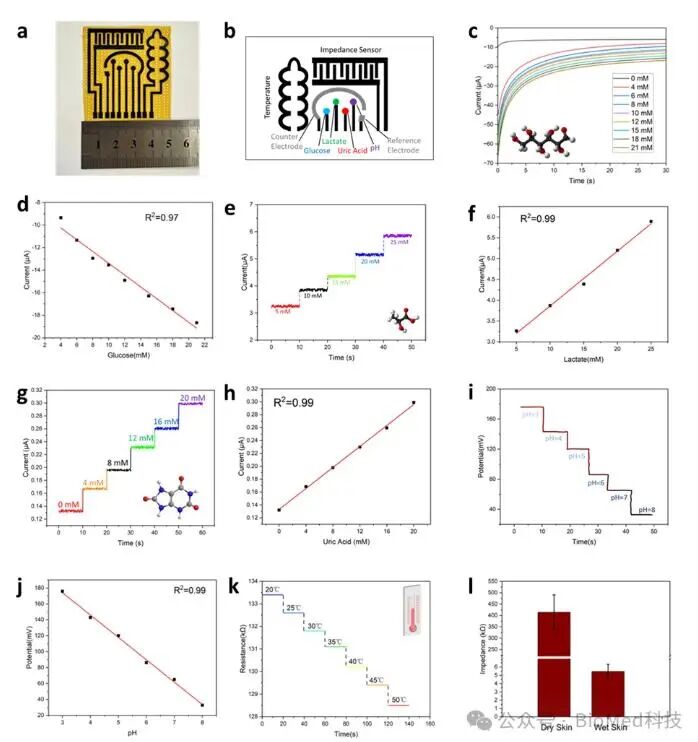
Figure 3: Sensing performance characterization of the sweat sensor
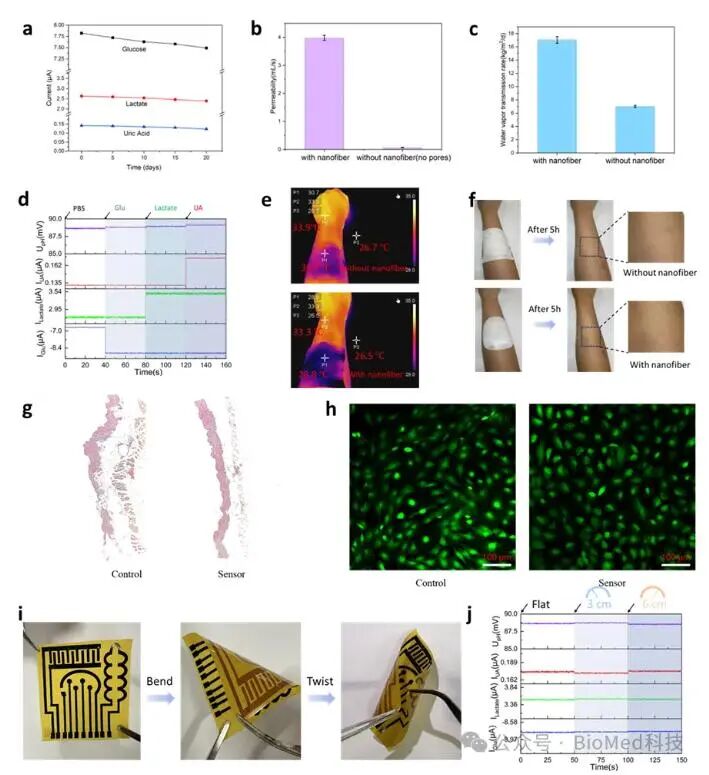
Figure 4: Other performance characterizations of the electronic skin sweat sensor and its biocompatibility and extensibility tests
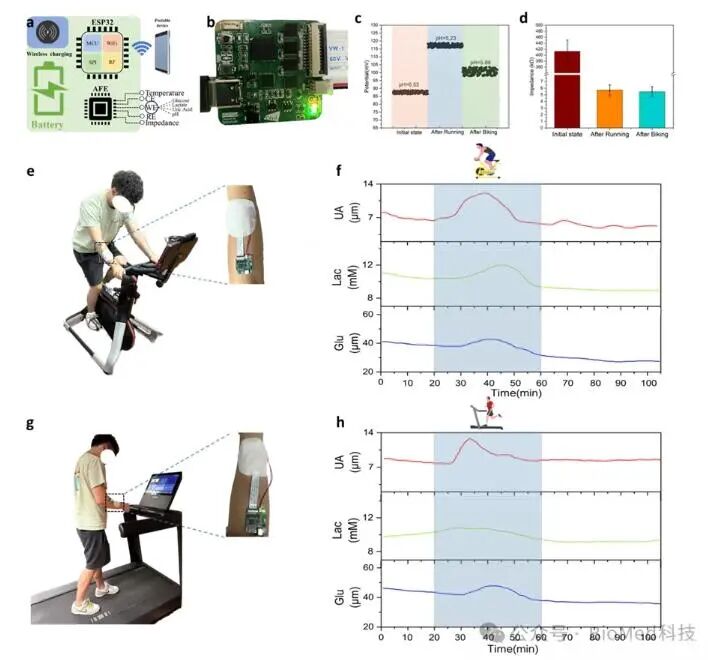
Figure 5: Continuous health monitoring of the biological skin sensor during human movement
(Source: Polymer Science Frontiers)