

When it comes to delicious food, every “foodie” gets excited. Especially with the recent trend of “custom-made home-cooked meals,” many people are eager to try their hand at becoming culinary “gods.”
In their view, homemade foods that are “pure, natural, and additive-free” are the ultimate comfort for the soul.
Recently, reporters from Guangzhou Medical University’s Department of Food Quality and Safety revealed that if not handled properly, homemade foods can pose serious health risks and even threaten life!
Experts point out that there are risks associated with DIYing 7 common foods, and it is essential to master the correct methods.
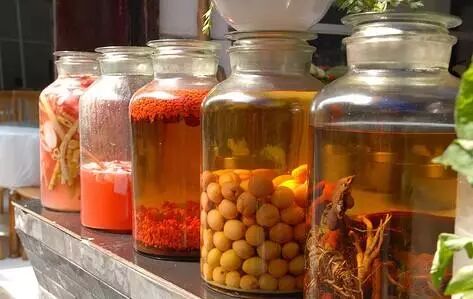
A man fell unconscious after drinking homemade medicinal wine
A grandfather and his son-in-law in Hubei almost lost their lives due to homemade medicinal wine. 90-year-old Grandpa Li heard about a folk remedy and soaked belladonna seeds with other plant seeds in wine to treat rheumatism. He and his son-in-law, Mr. Chen, fell unconscious shortly after drinking a small amount, and after being rushed to the hospital, they were diagnosed with wine poisoning. Grandpa Li spent an entire week in the neurology department before waking up.
Nearly 80-year-old Aunt Ma often makes stinky tofu at home. One time, after eating stinky tofu with her daughter and granddaughter, they all experienced symptoms like vomiting and blurred vision, eventually leading to multiple organ failure. After being hospitalized, all three were diagnosed with acute botulinum poisoning and spent over two months in the ICU, costing at least 400,000 yuan.
Mr. Lu from Cixi, Ningbo, purchased three flavors of cold noodles from an online store selling Northeast specialties. Less than a week after receiving them, he took one bag for lunch, only to experience abdominal pain shortly after eating.
Upon closer inspection, Mr. Lu found that the packaging not only lacked the manufacturer’s contact information but also had no production date, shelf life, or ingredient information.
Qualified food production requires meeting 13 conditions, and just the “Food Production and Operation License” alone is enough to disqualify a large number of homemade foods sold online.
When discussing the current trend of purchasing homemade foods online, experts remind consumers to be cautious, as they may end up buying “three-no products” (no manufacturer, no production date, no quality guarantee).
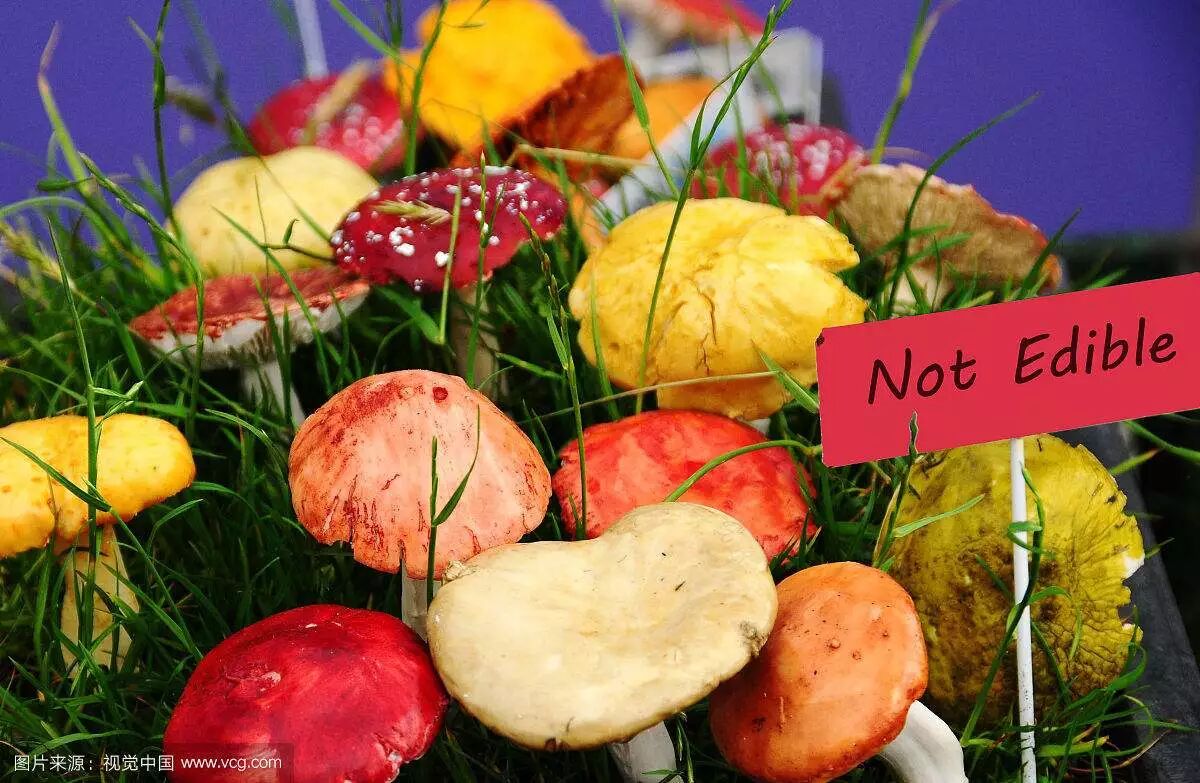
What seems like ordinary mushrooms can actually be highly toxic
Collective diarrhea and fever were caused by eating cake contaminated with salmonella; undercooked lentils can also be toxic; what seems like ordinary mushrooms can also be highly toxic…
In recent years, common food poisoning incidents in China mainly include microbial food poisoning and food poisoning caused by toxic plants and mushrooms.
People in Guangdong love seafood, and it is crucial to prevent infection by Vibrio parahaemolyticus. Avoid eating raw seafood as much as possible. Vibrio parahaemolyticus is not resistant to high temperatures or acidity; generally, heating at high temperatures (above 80°C) for one minute or soaking in vinegar for five minutes can kill it.
Food poisoning caused by toxic plants and mushrooms often involves pathogenic factors such as toxic mushrooms, undercooked beans, soy milk, wild honey, and tung seeds. These foods inherently contain toxic substances, and improper handling can easily lead to food poisoning.
Not only should you avoid picking roadside wildflowers, but picking brightly colored mushrooms can also be very dangerous. Experts warn that you should never casually pick roadside mushrooms.
7 Types of Homemade Foods and Their Correct DIY Methods
Many people turn to making their own food at home due to concerns about eating out. Pickles, stinky tofu, chili sauce… various homemade snacks are tempting. How can you enjoy delicious food while ensuring health?
Reporters specifically consulted experts: it turns out that these 7 common homemade foods can be DIYed in ways that significantly reduce the risk of poisoning.
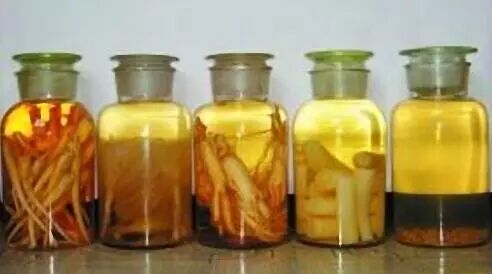
1. Homemade Pickles
Risk: Nitrites
Homemade pickles can easily produce nitrites, which are not only toxic but may also be carcinogenic.
Correct Method
1) Choose ordinary clay jars: Clay jars help lactic acid bacteria from the air to enter better, promoting fermentation. When sealing the pickles, ensure that the vegetables and water occupy at least 80% of the container’s volume.
2) Add some lactic acid bacteria or garlic to the pickles.
3) Wait a month before eating. The entire pickling process takes about fifteen days; it is recommended to wait a month before consuming to reduce nitrite intake.
4) Pair pickles with foods rich in vitamin C to compensate for nutritional losses.
2. Homemade Soy Products
Risk: Botulinum, aflatoxin, staphylococcus, salmonella, saponins, trypsin inhibitors, coagulants
Soy products are rich in protein, but protein is also a good breeding ground for bacteria. If sterilization is not thorough during the production of homemade soy products, some contaminating bacteria can multiply rapidly. If the contaminating bacteria are botulinum, it can lead to botulism.
If legumes become moldy, they can lead to aflatoxin contamination, causing liver damage, gastrointestinal inflammation, and even cancer.
Soy products can also be infected with staphylococcus, salmonella, etc., leading to symptoms like vomiting, diarrhea, and acute gastroenteritis.
Soybeans themselves also contain some toxic chemical components, such as saponins, trypsin inhibitors, and coagulants. Undercooked soy milk can cause poisoning.
Correct Method
1) Use fresh ingredients.
2) Ensure that the utensils used for making soy products are cleaned and disinfected.
3) Store the ingredients in a dry place.
4) Heat thoroughly before consumption.
5) Do not consume leftover soy products.

3. Homemade Cured Meat
Risk: Botulinum
Cured meat products are easily contaminated with botulinum, which is an anaerobic bacterium that can easily reproduce and produce toxins in low-oxygen environments.
Correct Method
1) Add an appropriate amount of salt: Salt can inhibit the growth of some spoilage microorganisms and has a preservative effect, but remember to soak and rinse before consumption to reduce salt content.
2) Do not eat fresh cured meat: Similar to pickles, it is recommended to wait about fourteen days, roughly two weeks to a month, before consuming.
3) Reduce moisture and add fermentation agents to inhibit the growth of botulinum.
4) Ensure the hygiene of the ingredients and storage containers. It is best to make small batches and consume them within a short period.
4. Homemade Sauces
Risk: Aflatoxin
Homemade sauces like chili sauce, sesame sauce, and tomato sauce sound tempting, but they can also pose problems, mainly due to improper selection and handling of ingredients. When making chili sauce or tomato sauce, it is essential to ensure thorough cleaning before preparation. For sauces made from grains like peanut or sesame, precautions against aflatoxin contamination must be taken.
If the container is not well-sealed, it can lead to spoilage and the growth of pathogenic bacteria, severely affecting human health.
Correct Method
1) Ensure the quality of the ingredients.
2) Always soak and clean. For fresh chili and tomatoes, soak for 1-2 hours; sesame should be rinsed briefly, but pay attention to selecting fresh ingredients free from aflatoxin contamination.
3) Ensure the sauce containers are well-sealed.

5. Homemade Wine
Risk: Methanol, fusel oil
Homemade wine production often lacks strict adherence to standard procedures and does not have professional fermentation environments or sterilization conditions, which can hide toxic substances like methanol and fusel oil, and may result in low levels of certain effective components and excessive microorganisms.
In some northern regions, homemade wine is popular, but its taste is unstable and often has a high alcohol content, leading to hangovers due to the presence of higher alcohols. Higher alcohols remain in the body longer than ethanol but oxidize more slowly.
Consuming a certain amount of homemade wine can cause symptoms like dry mouth and severe headaches, leading to congestion in the nervous system, commonly referred to as a hangover. Long-term consumption of wine with high levels of higher alcohols can lead to chronic poisoning, especially when the content of isoamyl alcohol is too high.
Correct Method
1) Ensure the grapes are dried; grapes with moisture can easily mold.
2) Prepare a clean, dry jar.
3) Store in a cool, ventilated place; generally, the fermentation time is about one and a half months.
6. Homemade Medicinal Wine
Risk: Parasites, toxic minerals, pathogenic bacteria
A jar of medicinal wine may seem like a health tonic, but it hides many risks. The herbs may carry bacteria, microorganisms, and parasites that can harm human health. If the medicinal wine contains toxic minerals, it can lead to poisoning, and in severe cases, even threaten life.
If stored at improper temperatures, medicinal wine can spoil and develop pathogenic bacteria. If the container is not suitable, toxic substances may leach into the wine. Improper selection of herbs can also significantly impact human health.
Correct Method
1) Choose herbs wisely: It is recommended to purchase herbs and use medicinal wine recipes under the guidance of a physician.
2) Generally, use drinking alcohol with an alcohol content above 50 degrees for soaking, which can effectively kill bacteria, harmful microorganisms, and parasites in the herbs.
3) It is best to use clay jars or glass bottles: Plastic bottles may leach plasticizers, harming human health. Avoid using metal containers, as they can leach toxic substances or undergo chemical reactions.
4) Store in a cool, dry place, avoiding sunlight and heat.
5) Consume quickly after opening.
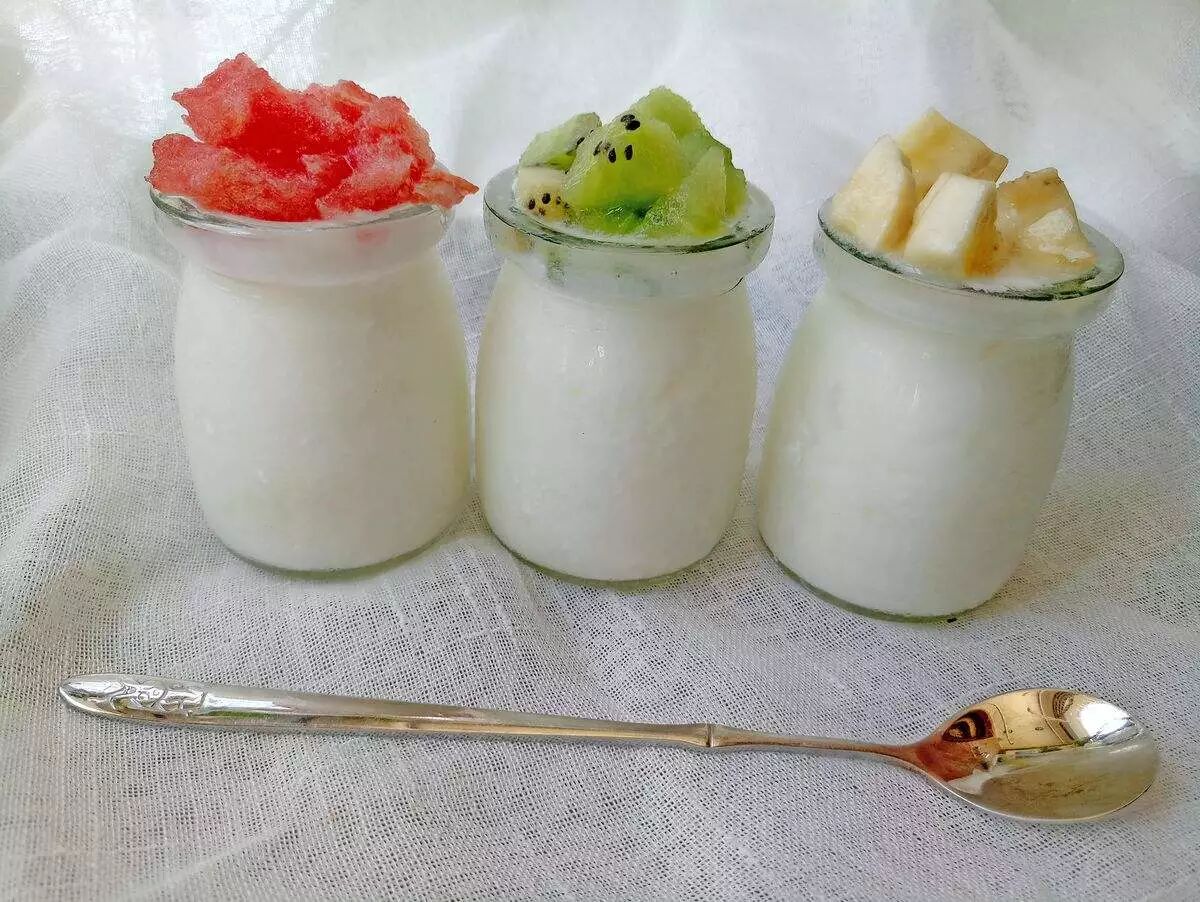
7. Homemade Yogurt
Risk: Contaminating bacteria
Making yogurt at home generally lacks sterilization conditions, making it impossible to eliminate microbial contamination, which can lead to symptoms like diarrhea, dizziness, headaches, and nausea, and may even cause food poisoning.
Correct Method
1) Choose high-quality milk: Try to buy fresh pure milk with a recent production date; avoid untreated fresh milk.
2) Select reputable yogurt cultures.
3) Pay attention to sterilization during the process: It is best to wear sterile gloves and maintain a temperature between 40°C and 45°C. Using a yogurt maker for constant temperature fermentation is recommended.
4) Store in the refrigerator, sealed, and do not exceed three days. Try to consume each bottle of yogurt in one sitting.
Source: Guangzhou Daily
Editor: Gu Peng

Health and safety come first!