 Last week, I saw everyone’s recommendations for several mid-range devices recently.
 As a result, the iQOO Z9 Turbo stands out significantly.
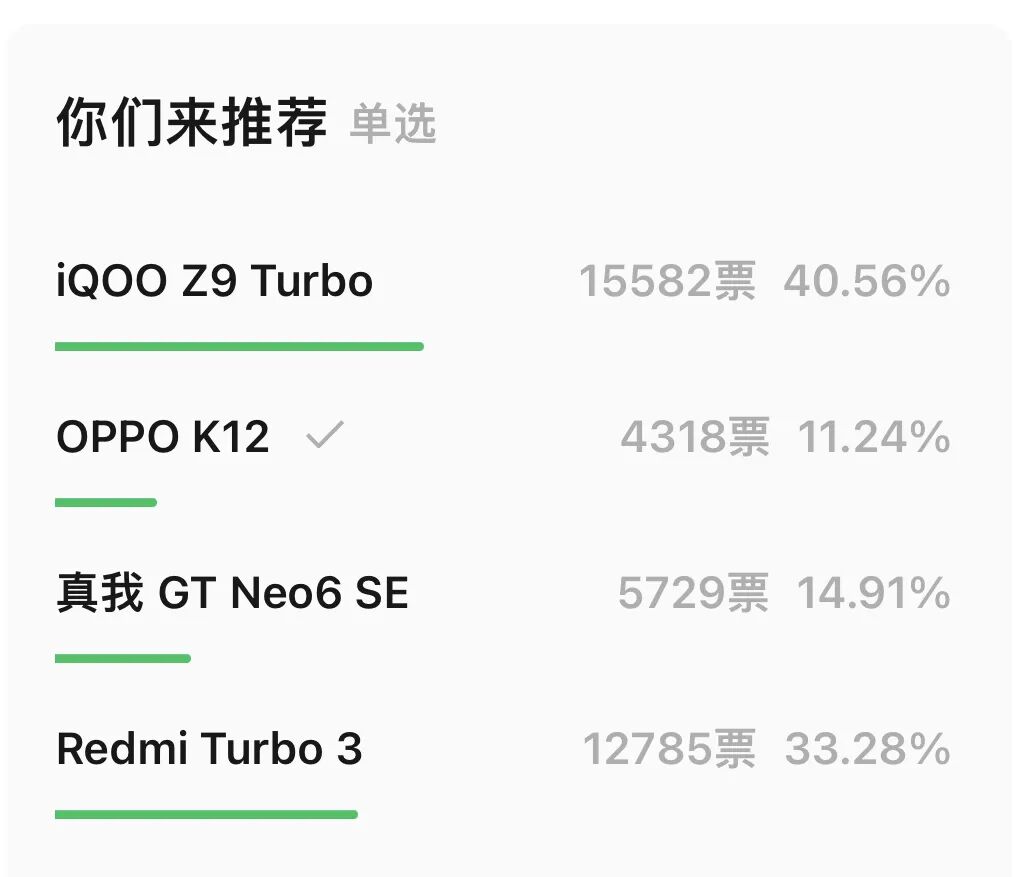 So, I took it for a few days of testing.Here are my impressions.
 First, let’s look at the design.The front features a 6.78-inch, 1.5K Huaxing C8 direct screen, 2800×1260, 144Hz LTPS high refresh rate, 452ppi, with a peak brightness of 4500nit.
 It is worth noting that this Huaxing C8 flexible direct screen uses the same new materials as many flagship devices,previously mainly used in the entire Xiaomi 14 series and Redmi K70 Pro, among other Xiaomi flagship and sub-flagship models.It also offers three dimming modes, supporting:
Low brightness 2160Hz PWM + high brightness DC dimmingLow brightness 3840Hz ultra-high frequency PWM dimmingFull brightness DC dimming
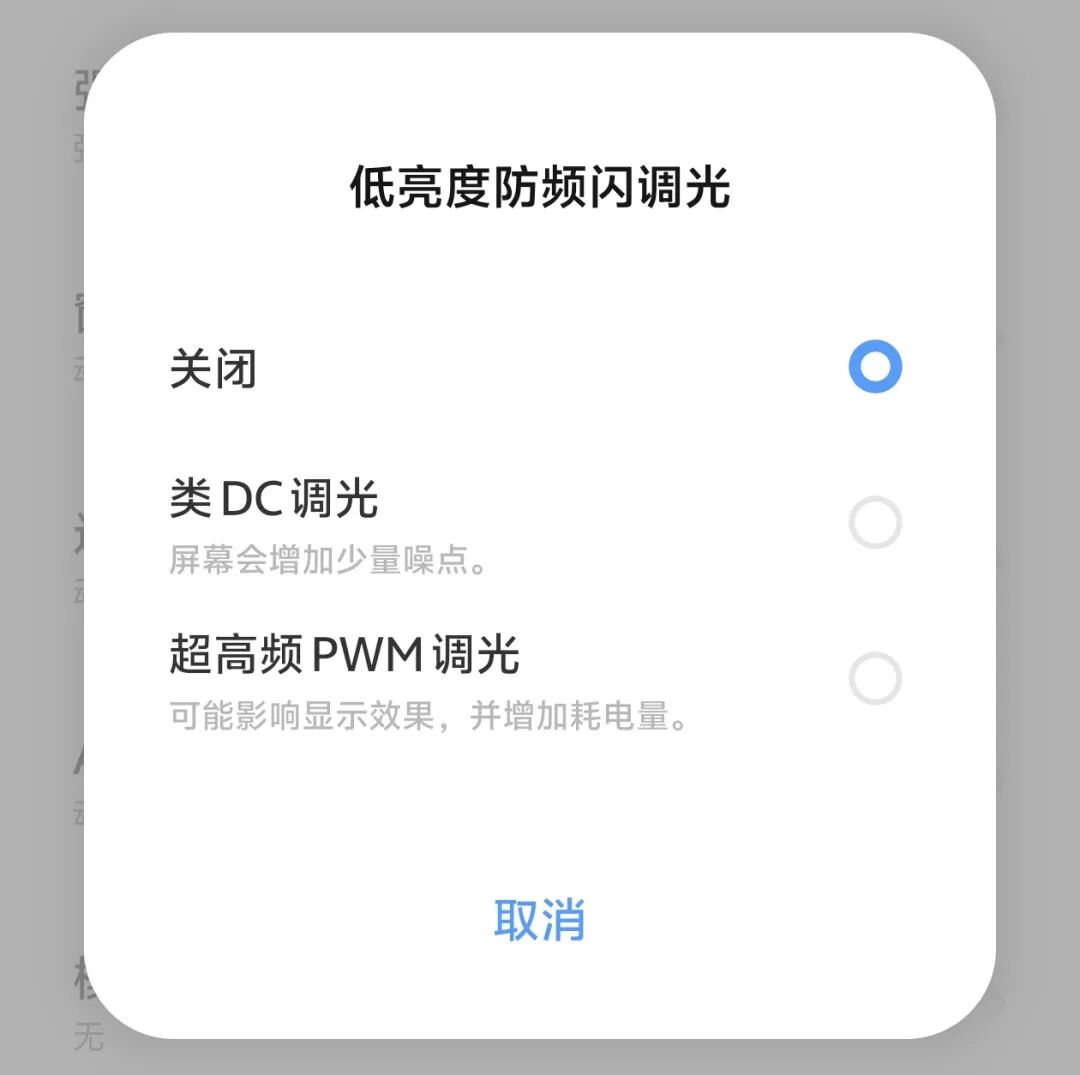 The screen hardware is LTPS,which has certain eye protection advantages compared to LTPO,and the screen buffer layer has removed the cheap-feeling plastic support.
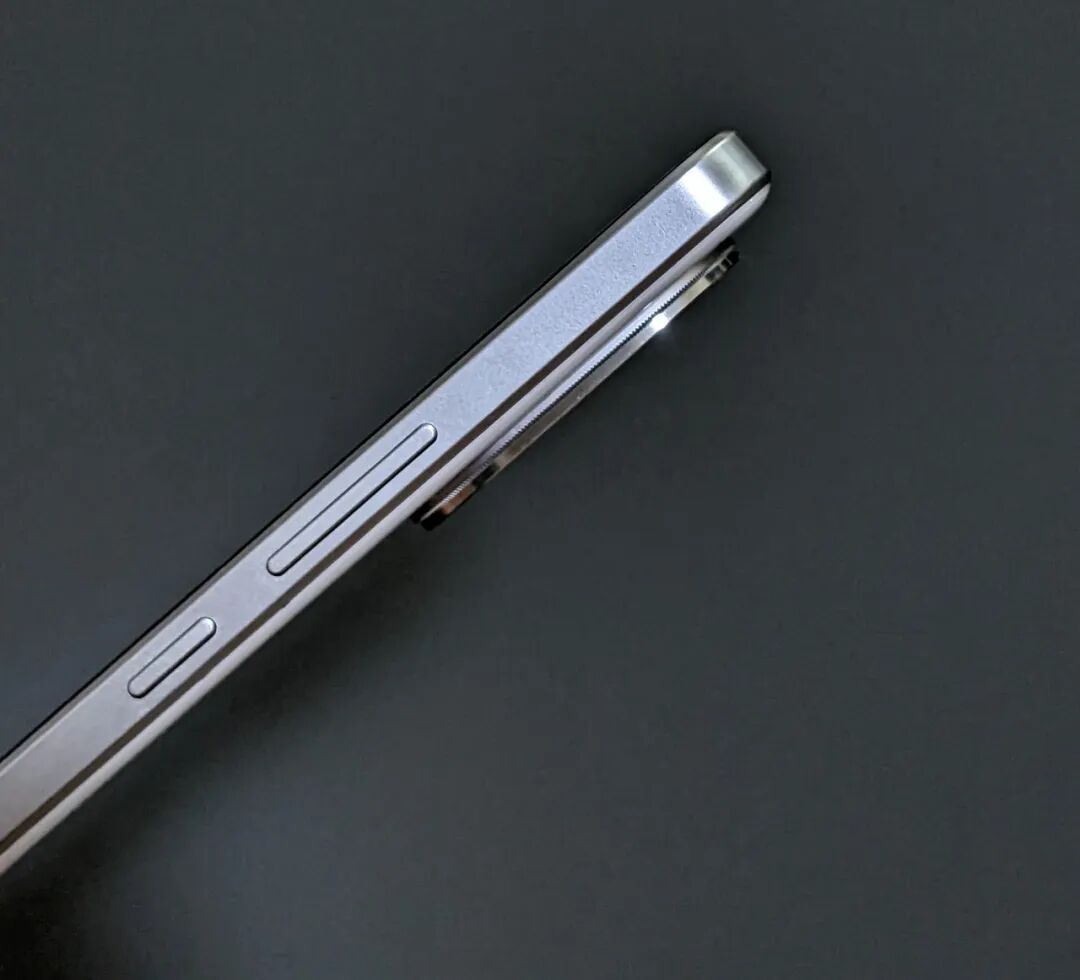
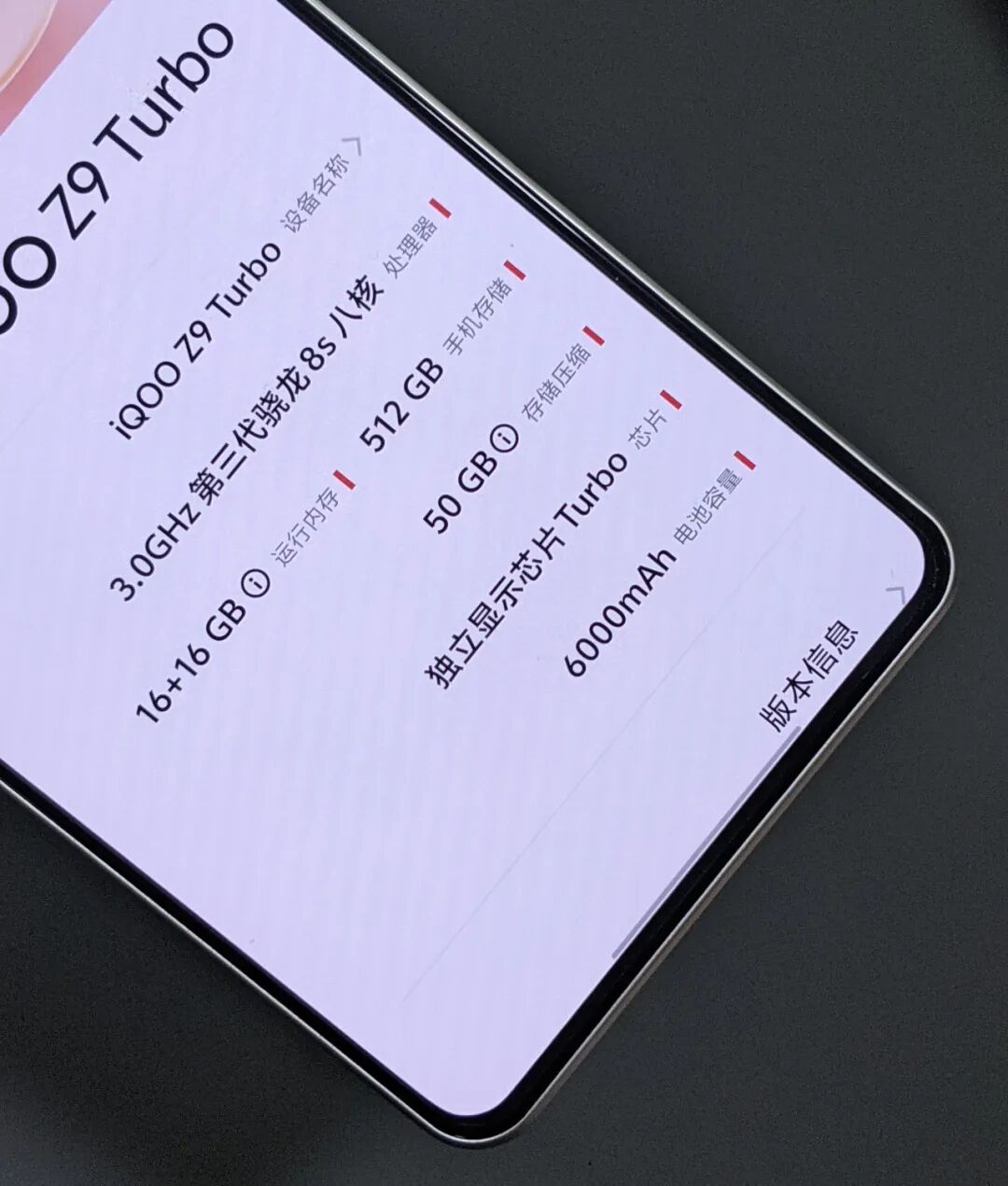 With a thickness of 7.98mm and a weight of 194.9g,
 it houses a massive 6000mAh battery.It is well-known that stacking large batteries is a new trend, but suddenly cramming such a large battery into a device that is less than 8mm thick is quite impressive.
 The back features a camera module with a rounded rectangular design.Does it look familiar?
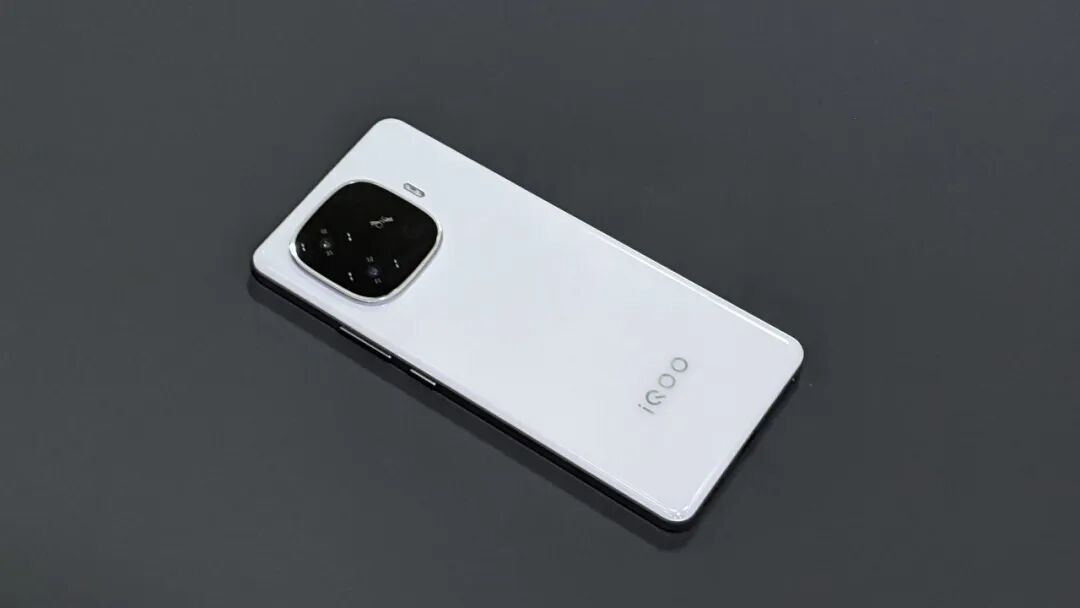 Compared to the iQOO 12, aside from the size of the camera module and the logo position, there are almost no changes.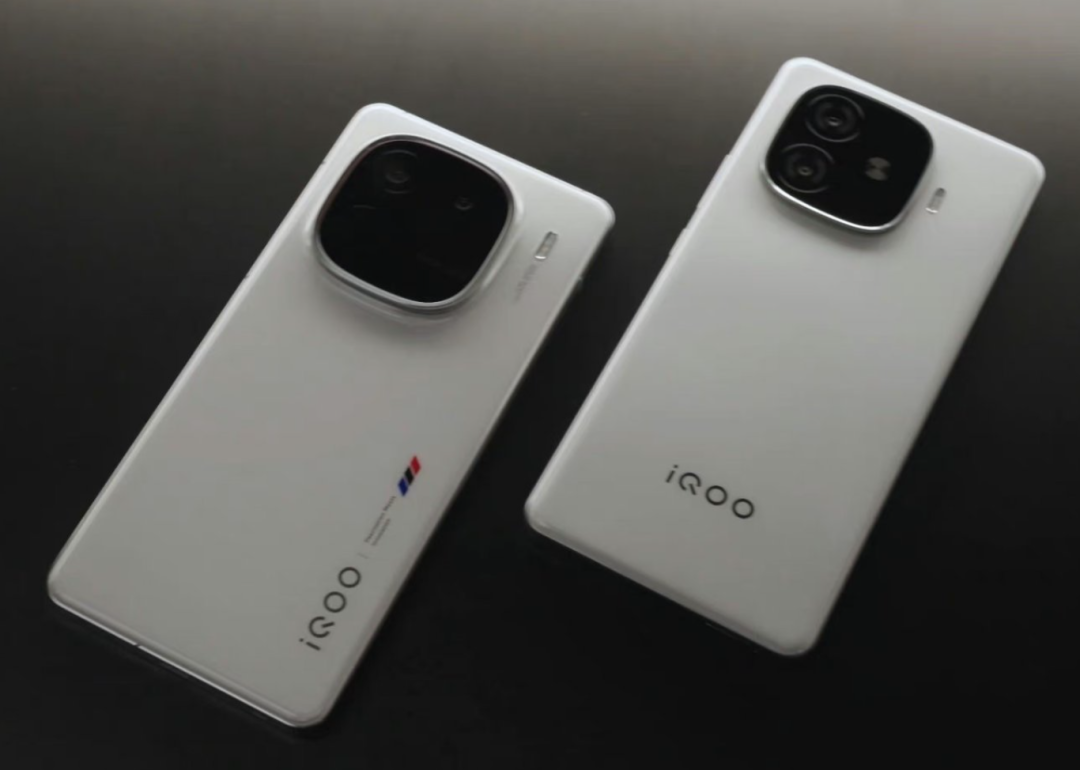
 You can think of it as the youth version of the iQOO 12.So…The iQOO Z9 Turbo uses the Snapdragon 8s Gen3 chip, built on TSMC’s 4nm process,with 1x Cortex-X4 3.0GHz super core + 4x Cortex-A720 2.8GHz large cores + 3x Cortex-A520 2.0GHz small cores, and the GPU is Adreno 735 @ 1100MHz.
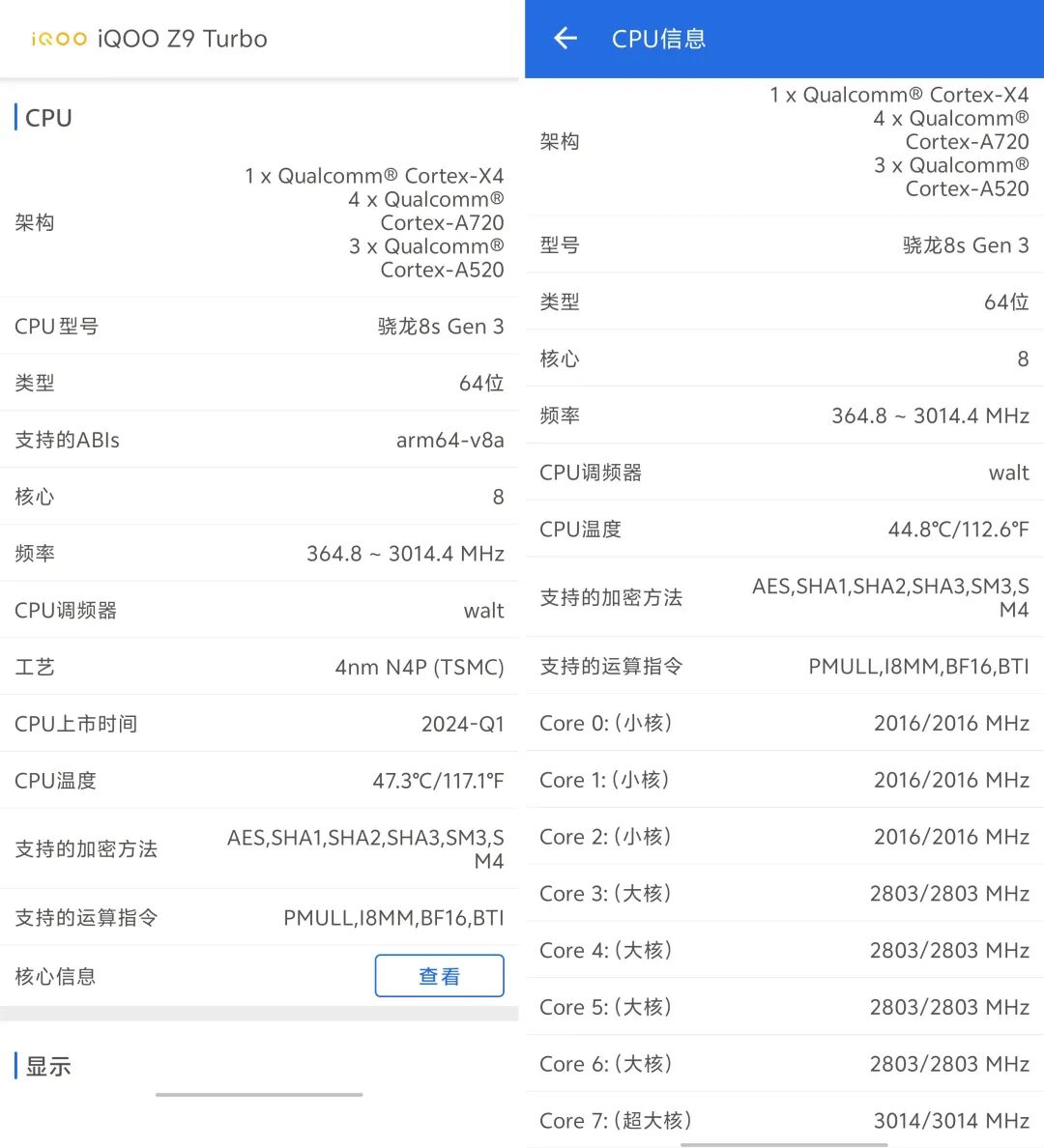 So how powerful is this 8s Gen3?According to tests,it scores 155,000 on AnTuTu, 1991 points on GeekBench6 single-core, and 5382 points on multi-core.
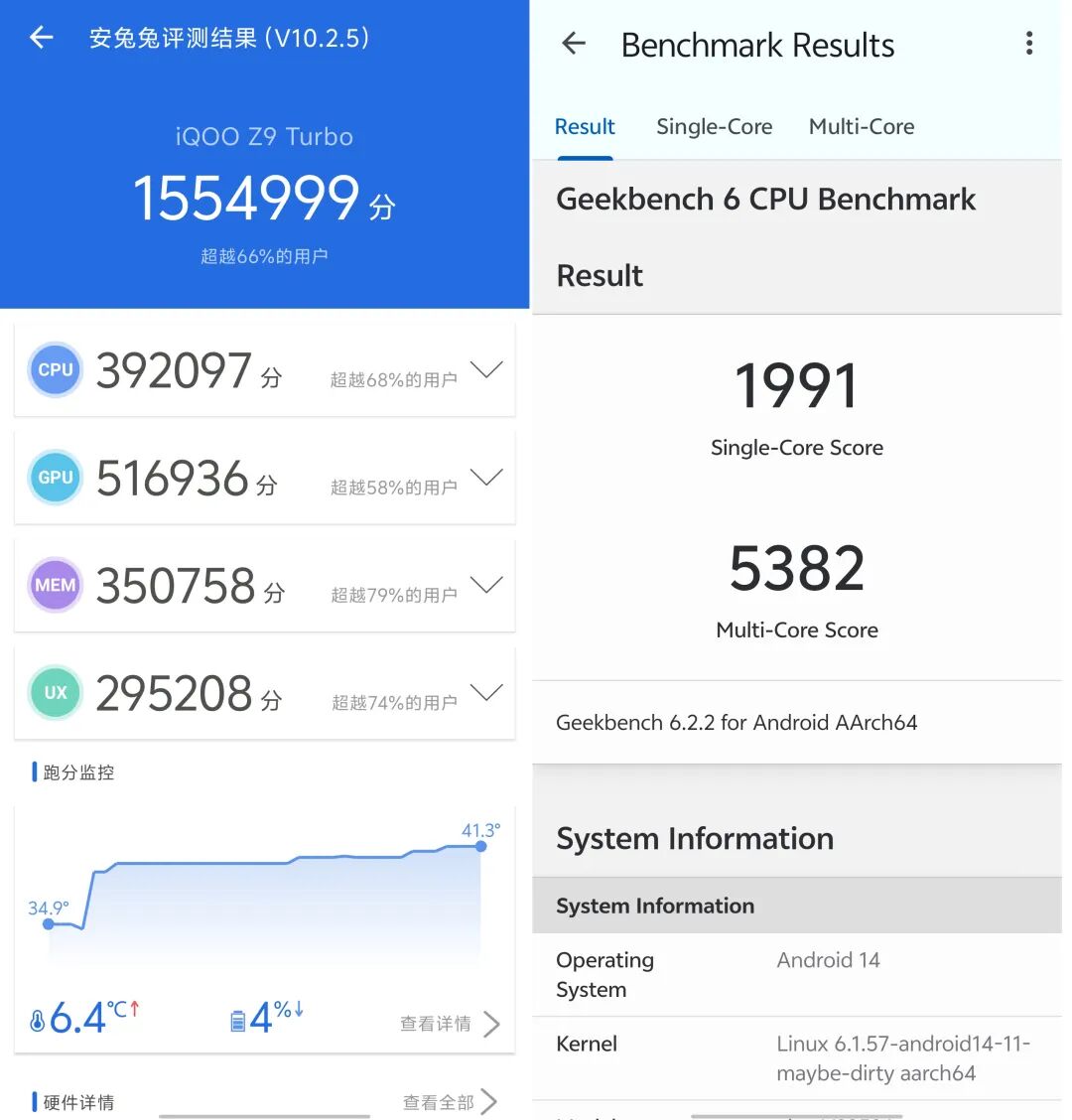 It can be observed that while the scores show a gap compared to the 8 Gen3, it does not fall behind the 8 Gen2.In GPU testing, 3D Mark shows that during continuous rounds of testing, the Wild Life Extreme Unlimited test has a stability of 84.4%, with a maximum score of 3096 and an average frame rate of 18.50.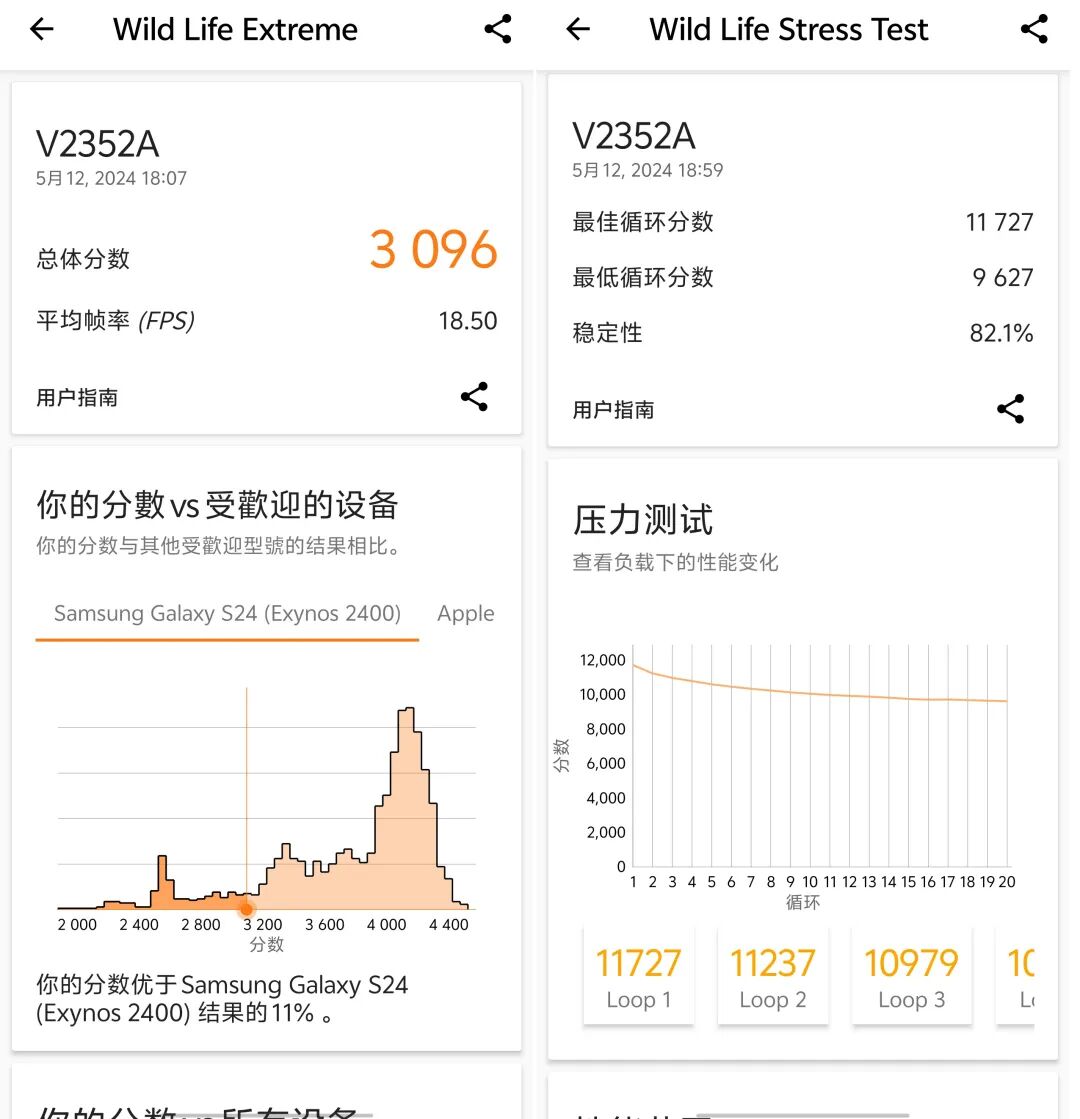
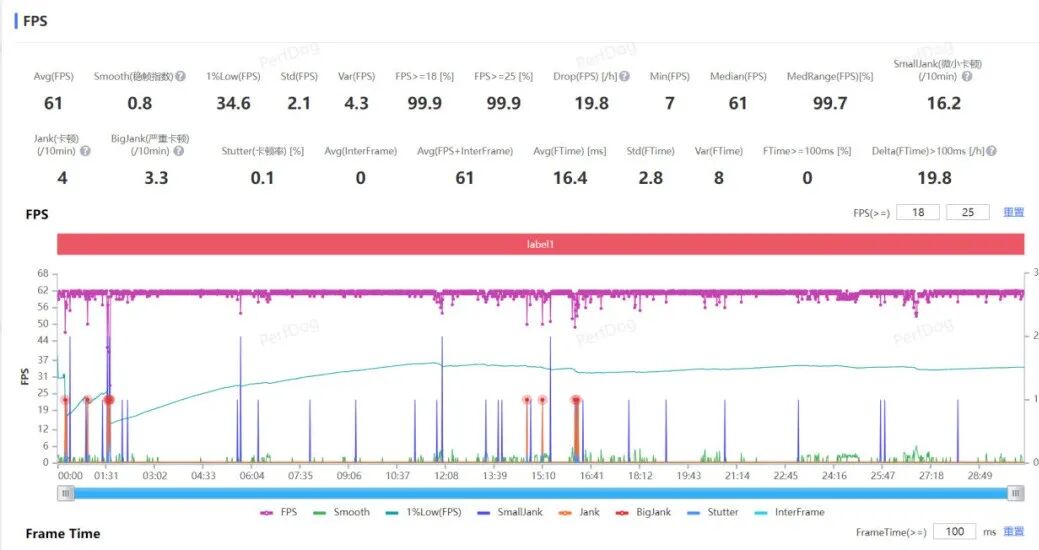
 The CPU performance of the Snapdragon 8s Gen3 is basically on par with the Snapdragon 8 Gen2, but the GPU performance shows a clear gap, with only the MEM score having a leading advantage.Benchmark scores are ultimately just theoretical values; real-world gaming performance is the true test.I selected two high-load testing scenarios: “Genshin Impact’s Fontaine area exploration + combat” and “Honkai: Star Rail’s Star Chaser Sea exploration”.In Genshin Impact at high graphics settings, the average frame rate during 30 minutes of exploration is 61 frames without any pressure.
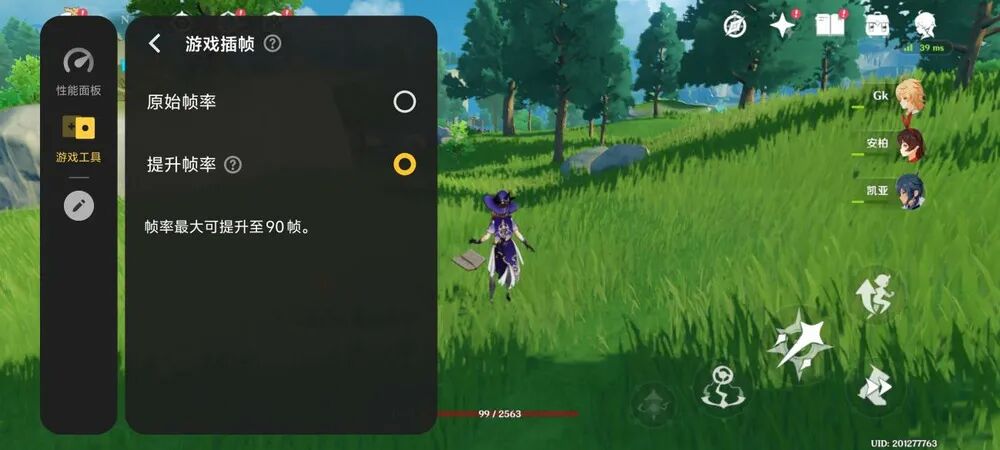
 It is worth mentioning that the Z9 Turbo also features a dedicated graphics chip, which is standard for performance flagships. This “dedicated graphics chip Turbo” serves two purposes: one is to use frame interpolation optimization, like in “Honor of Kings”; the other is to enhance the gaming experience through frame interpolation, as seen in “PUBG Mobile”, “Star Rail”, and “Genshin Impact”. Taking “Genshin Impact” as an example, the maximum frame rate is 60fps, and with the frame interpolation feature enabled, the displayed frame rate jumps to 90fps, which looks quite good to the naked eye.In another higher-load mobile game, Honkai, at full high graphics 60fps mode, the average frame rate over 30 minutes of gameplay is 55 frames.
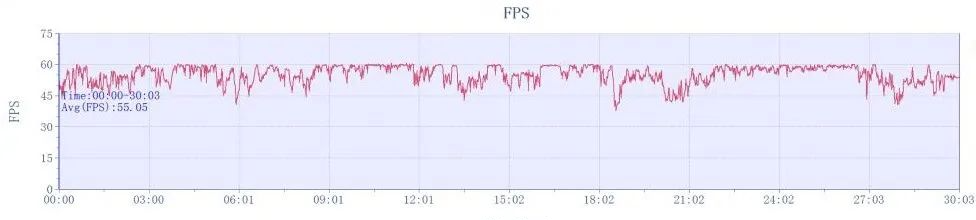 It can be observed that the performance fluctuations are quite significant.However, this is quite normal,as even current flagship chips cannot maintain a stable 60fps. iQOO has tuned the Snapdragon 8s Gen3 to this level, and maintaining brightness and graphics quality throughout the gaming experience is commendable.Moreover, the maximum temperature of the front screen is 46.8°, while the back cover reaches a maximum temperature of 45°.
 This may be attributed to the device’s largest VC thermal plate in iQOO’s history, measuring 6043mm².By the way, this dedicated graphics chip Turbo is physically the Pixelworks PX8588.When enabled, certain scenes indeed feel smoother than the native 60fps mode, and the gaming power consumption is reduced.
 Oh, after testing for so long, there was still half the battery left.Indeed, it is a 6000mAh battery.Ah,the official testing guide claims it can watch all top 8 movies on Douban in one go, and it might actually be true…Regarding the 8s Gen3 and 7+ Gen3, you might feel confused,so let me explain a bit.
 How to choose between 8s Gen3 and 8 Gen2?You can simply understand it this way:
In daily use, the 8s Gen3 is comparable to the Snapdragon 8 Gen2, but for gaming, it is not as good as the Snapdragon 8 Gen2, and gaming power consumption will be higher. However, it excels in video editing, large model computations, and AI tool usage compared to the Snapdragon 8 Gen2.
What about the 8s Gen3 and 7+ Gen3?
They have almost identical performance, so there’s no need to worry; you can choose either chip without hesitation.

 As for photography,the main camera is 5000W, using the Sony LYT-600 (IMX882),which inherits the color tone from vivo’s flagship camera.In actual shooting, the sample performance is worthy of the audience, with clarity and resolution being on point.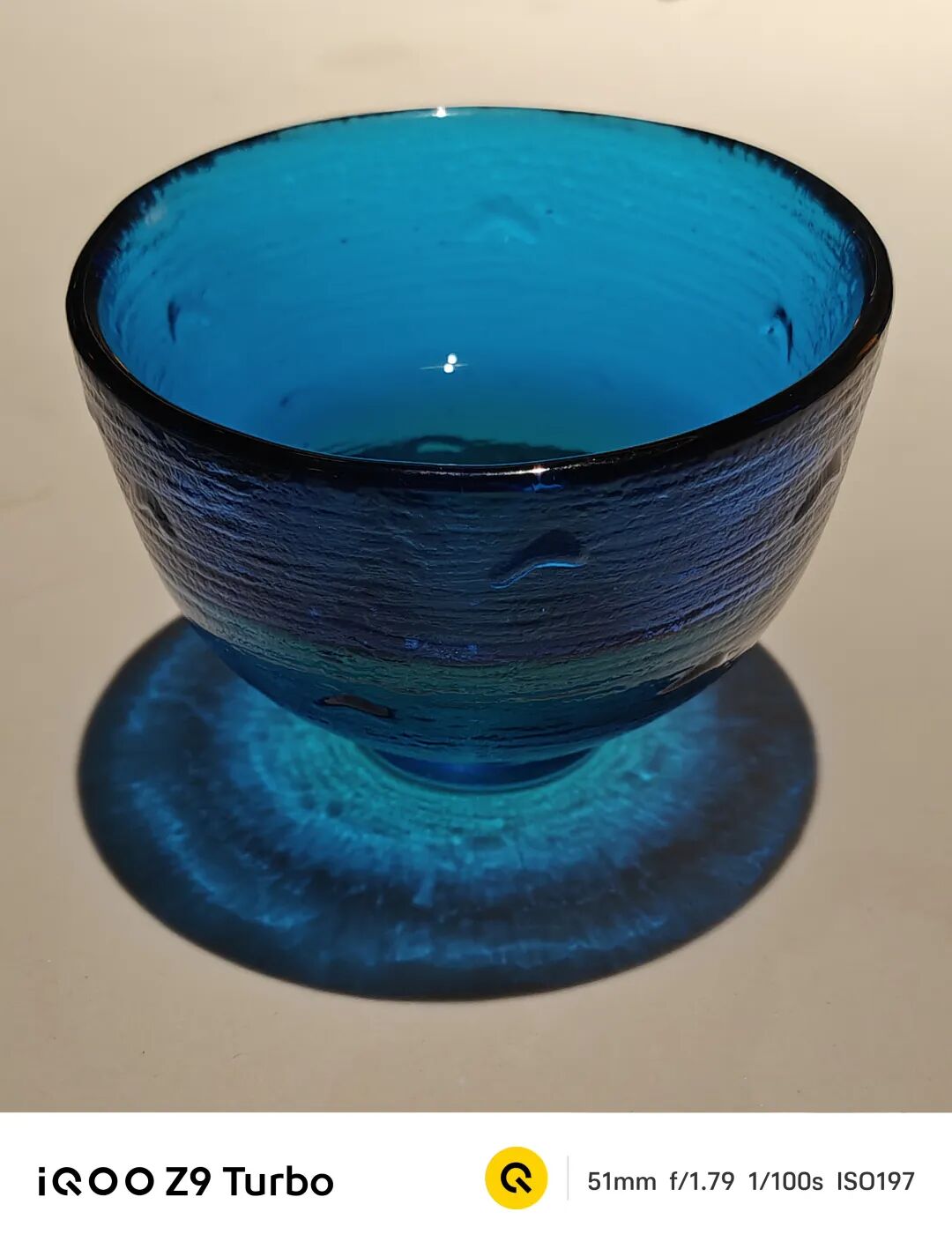

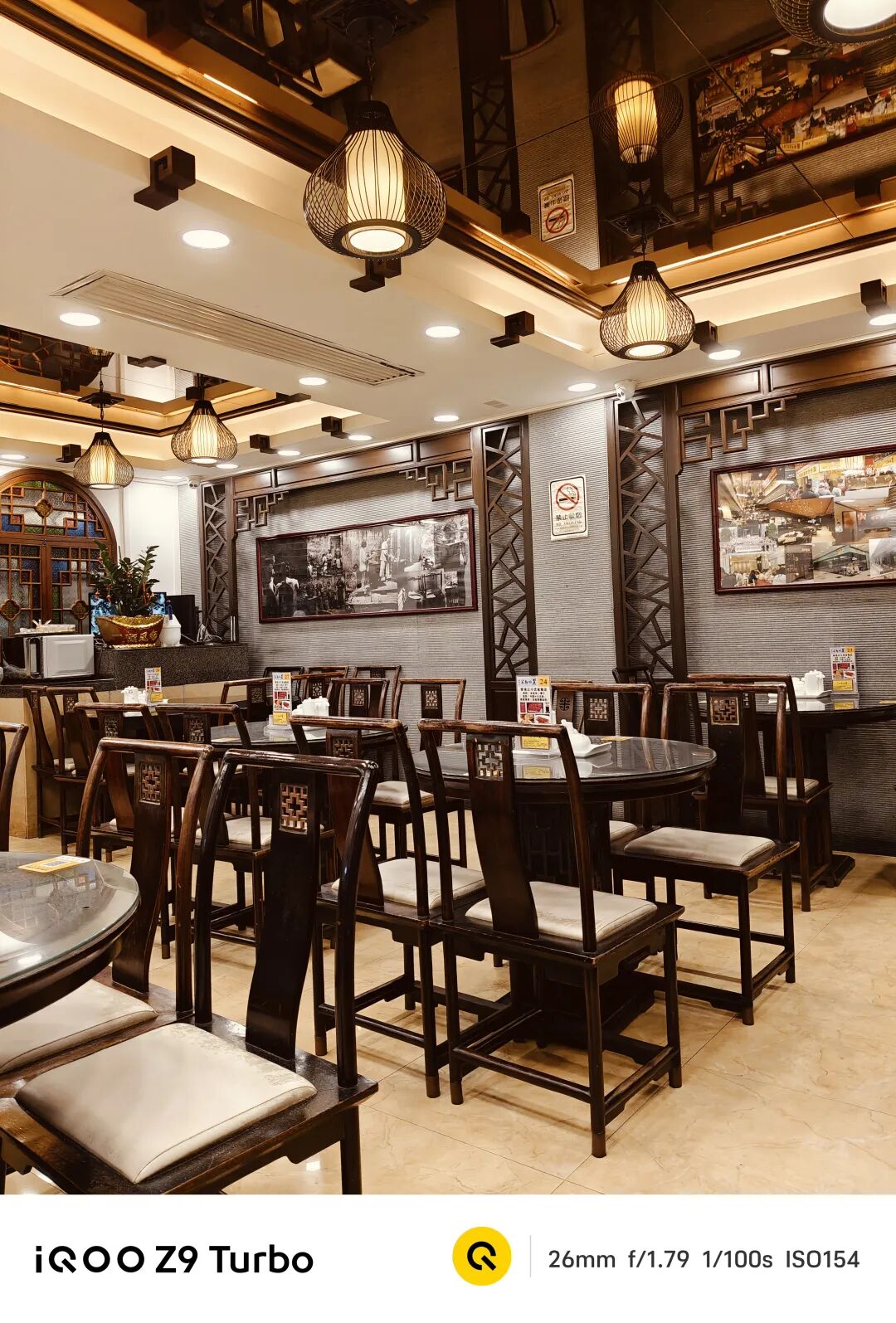
 Are you tempted, friends?I must say, the performance of these two popular games from miHoYo is impressive.If youare looking for a device with a large battery,strong performance,and a lightweight body,the iQOO Z9 Turbois already excellent for a phone starting at 1999.