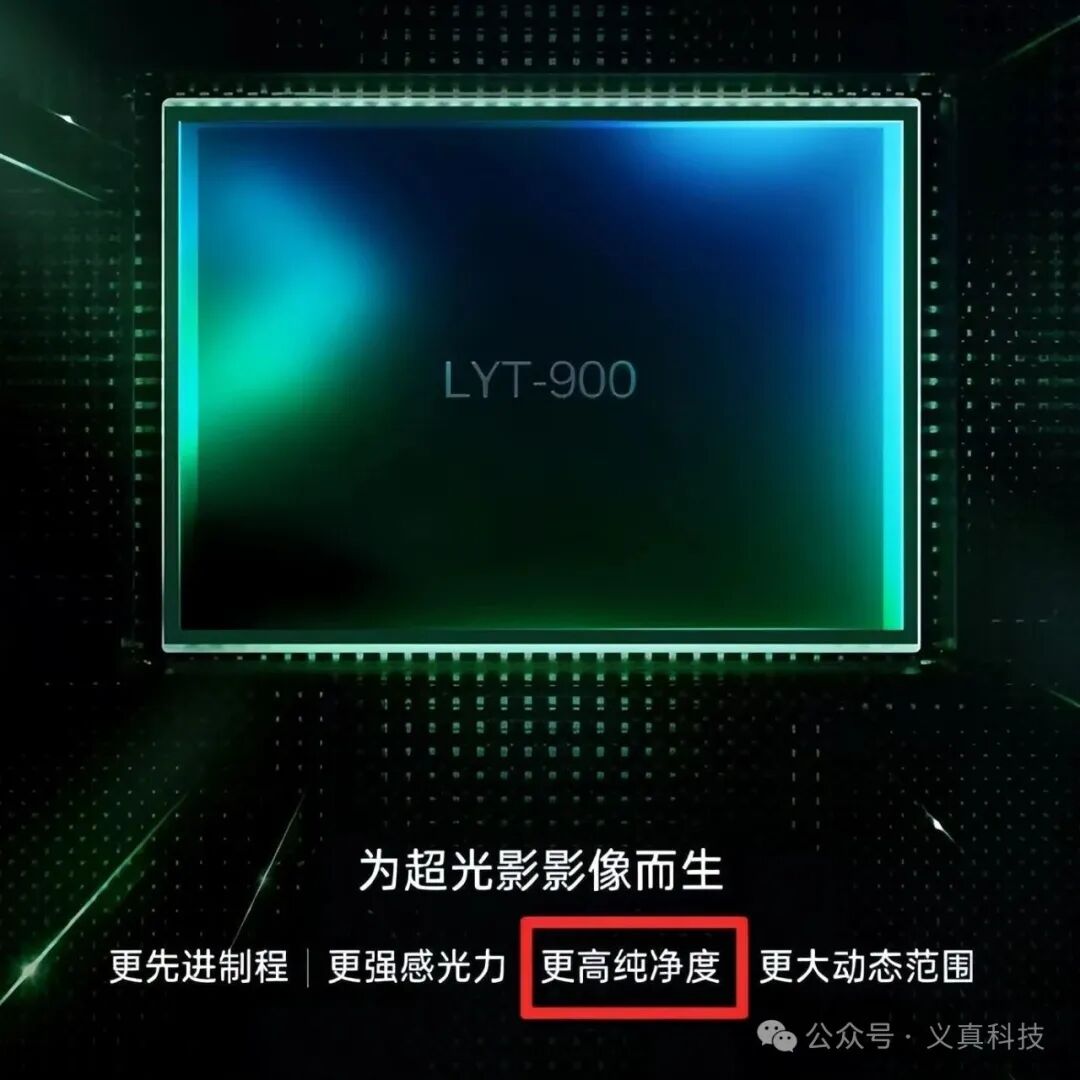
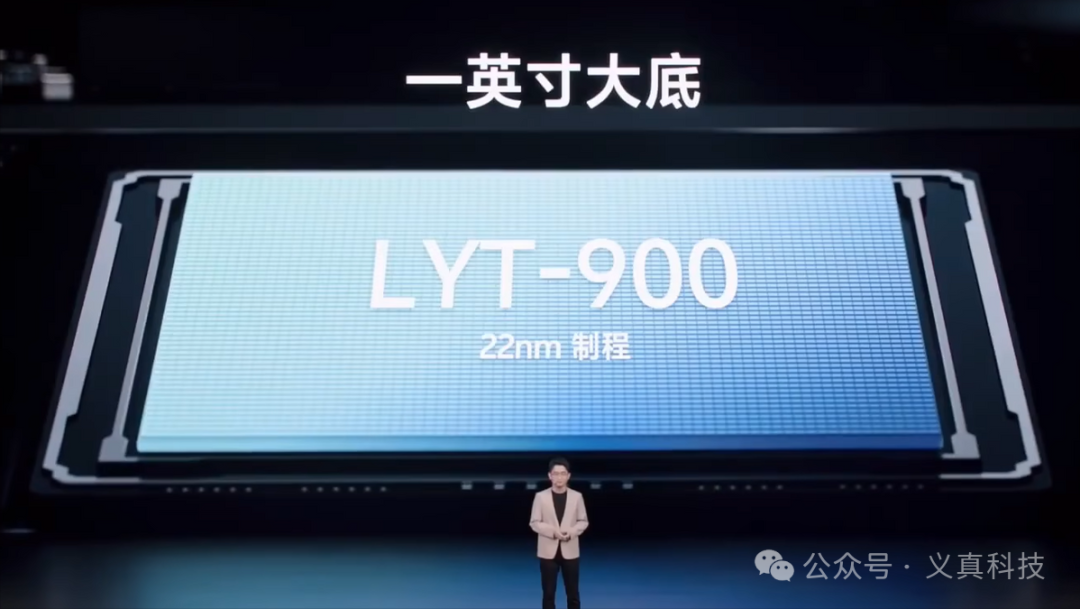
 Due to the upgrade of the circuit layer process from 40nm to 22nm technology, power consumption has been significantly reduced. Moreover, this upgrade allows the LYT-900 to enable DCG HDR, resulting in a substantial increase in the native dynamic range after pixel binning to 14EV!The upgrade of the circuit layer process means that more transistors can be packed into the same space, thereby expanding the circuit scale to enhance readout speed—thus adding support for 1080P/960fps super slow-motion video recording, which also improves focusing performance.Additionally, this generation introduces the Multi Camera Sync System (multi-camera collaboration system) technology, which was first launched on the IMX858. This technology enables smooth switching between multiple cameras, reducing image quality discrepancies and ensuring frame continuity.
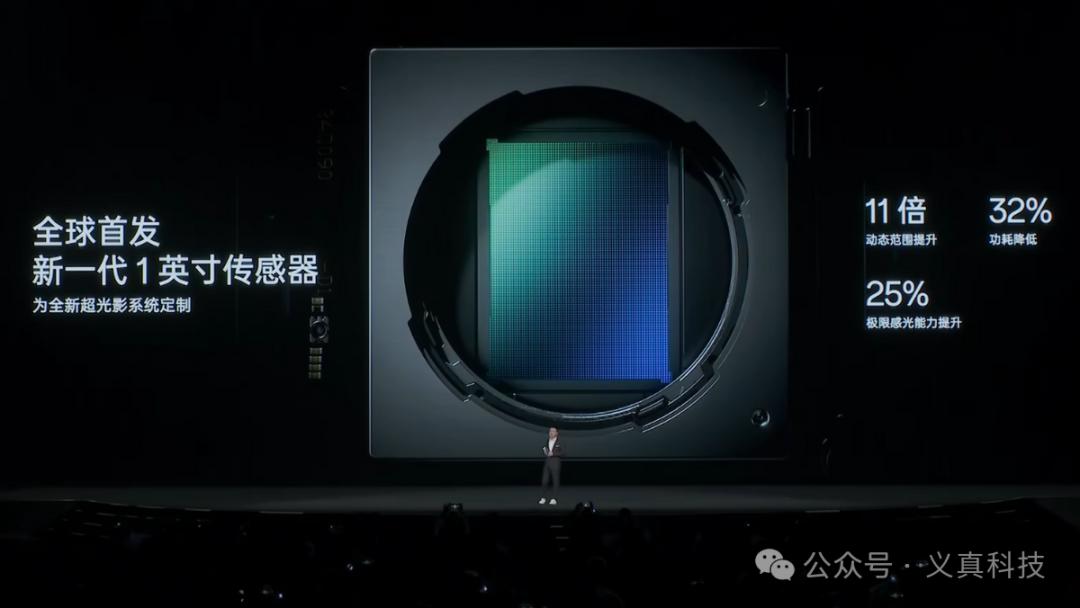
 This technology can also drive other cameras using special power suppression techniques and low frame rates, thus addressing the excessive power consumption issue during switching in older modes,allowing for smooth zoom transitions based on this feature and the multi-camera smooth switching capability.Other hardware upgrades includean increase in full well capacity after pixel binning from the previous generation’s 48000e to 60000e,which represents a significant upgrade of 25%!The substantial increase in dynamic range in this generation is primarily due to this upgrade in full well capacity.Moreover, this upgrade aligns perfectly with the “25% increase in extreme sensitivity” stated in the green factory’s PPT. It is evident that the amount of photo-generated electrons that can be stored in the pixel well is closely related to sensitivity—allowing for more photo-generated electrons to be accepted in the same time frame.
 Finally,this generation is equipped with a 12bit ADC that is four times more precise than the previous generation,which is a very important upgrade.Thanks to its higher precision limit, the single-frame 14bit RAW output process after pixel binning can be performed with lower power consumption on-chip.The key point is that the higher ADC precision can also reduce quantization noise, thereby improving imaging purity.This is because fixed bit quantization errors (i.e., quantization noise) occur during the analog-to-digital conversion process, so high ADC precision can dilute this error.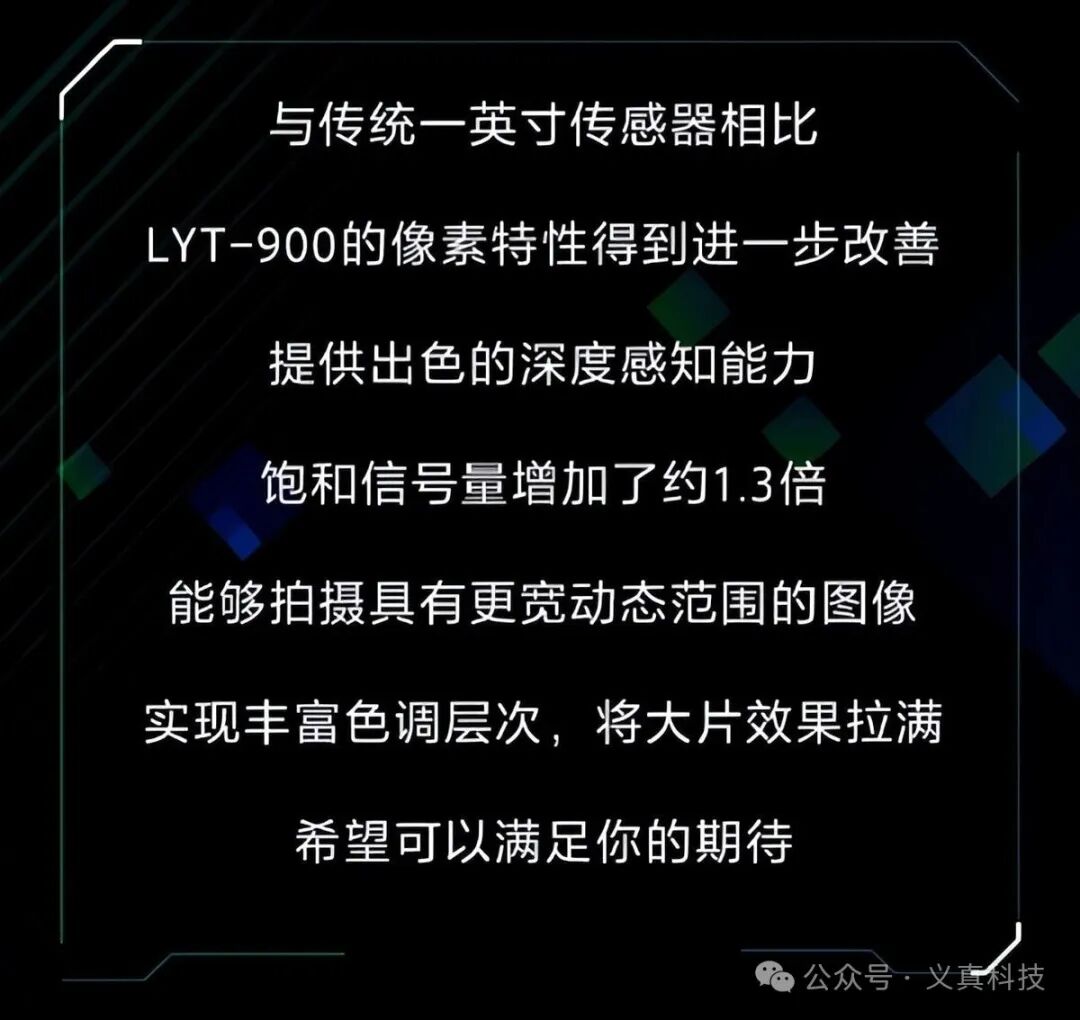
- Summary:
1. Stronger sensitivity—Due to innovations in materials optimizing the response curves of R, G, and B in the color filter array layer and adjustments to the pixel structure, the extreme sensitivity has significantly increased by 25%.2. More advanced process—The process of the circuit layer beneath the sensor pixel layer has been upgraded from 45nm to 22nm technology, resulting in a significant reduction in power consumption; this also expands the circuit scale, enabling support for super slow-motion photography and enhancing focusing performance.3. Greater dynamic range—Thanks to the first two upgrades, the front-end full well capacity has also increased significantly by 25%, and the back-end DCG HDR function has been enabled to achieve on-chip single-frame fusion, ultimately increasing the dynamic range to 14EV.4. Higher purity—Based on the upgrade in sensitivity, imaging in low-light scenes will be purer compared to the previous generation; combined with the hardware upgrade of the 12bit ADC, it can further achieve pure imaging performance across all scenes, with more natural color and brightness transitions.