 ~Q Group Chat [AMP Laboratory Kitchen: 679837318]~Another new perspectiveHere comes another reason. According to a report by South Korean media ZDNET, the semiconductor substrate manufacturing industry in South Korea is facing increasing pressure from rising raw material costs. The core raw materials—gold and CCL (Copper Clad Laminate) prices have seen a sharp double-digit increase in the second half of this year, placing a significant cost burden on substrate manufacturers.Semiconductor substrates are essential printed circuit boards (PCBs) in DRAM, SSD modules, and system-on-chip (SoC) applications, responsible for connecting semiconductor components and passive devices. Gold and CCL account for nearly half of the raw material costs in PCBs.
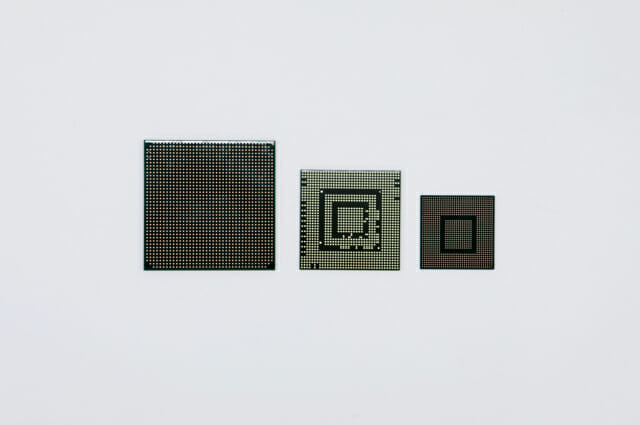 Influenced by global geopolitical conflicts and expectations of interest rate cuts by the Federal Reserve, spot gold prices have surged, directly impacting raw materials like PGC. The price of the key gold-containing material PGC (Potassium Gold Cyanide) has nearly doubled since 2023.As of the third quarter of this year, the procurement price of CCL has increased by more than 10% year-on-year. CCL is an insulating layer made from resin, fiberglass, and copper foil, widely used in semiconductor module PCBs and packaging substrates (such as FC-BGA). The main drivers of its price increase are the surge in demand for high-performance substrates from AI chips and the supply shortage of key raw materials like T-glass.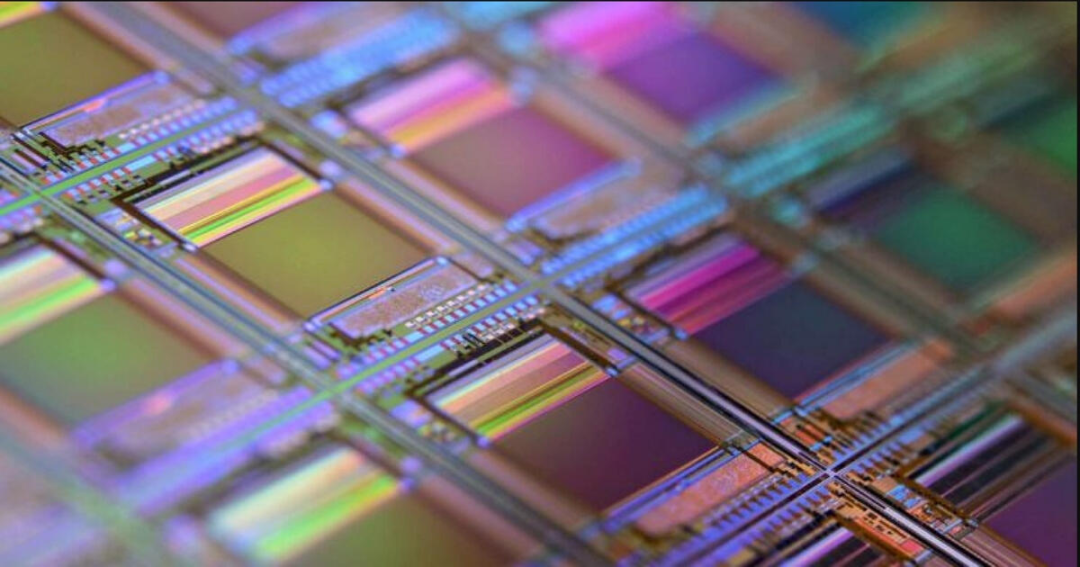
FC-BGA (Flip Chip Ball Grid Array) is a representative product of advanced semiconductor packaging substrates, widely used in AI accelerators and ASIC chips developed by global tech giants. Companies like Samsung Electro-Mechanics and LG Innotek in South Korea are actively investing in the FC-BGA business.
Despite the immense cost pressure, the substrate industry generally holds an optimistic outlook on profitability. They are accelerating product structure adjustments to increase the proportion of high-value products. For example, in the memory sector, the commercialization of 1c-level (6th generation 10nm) DRAM is expected next year, promoting the adoption of high-density DDR5, and the SoCAMM PCB developed by NVIDIA for AI servers will also begin mass production. All of these require higher performance and higher density substrates.
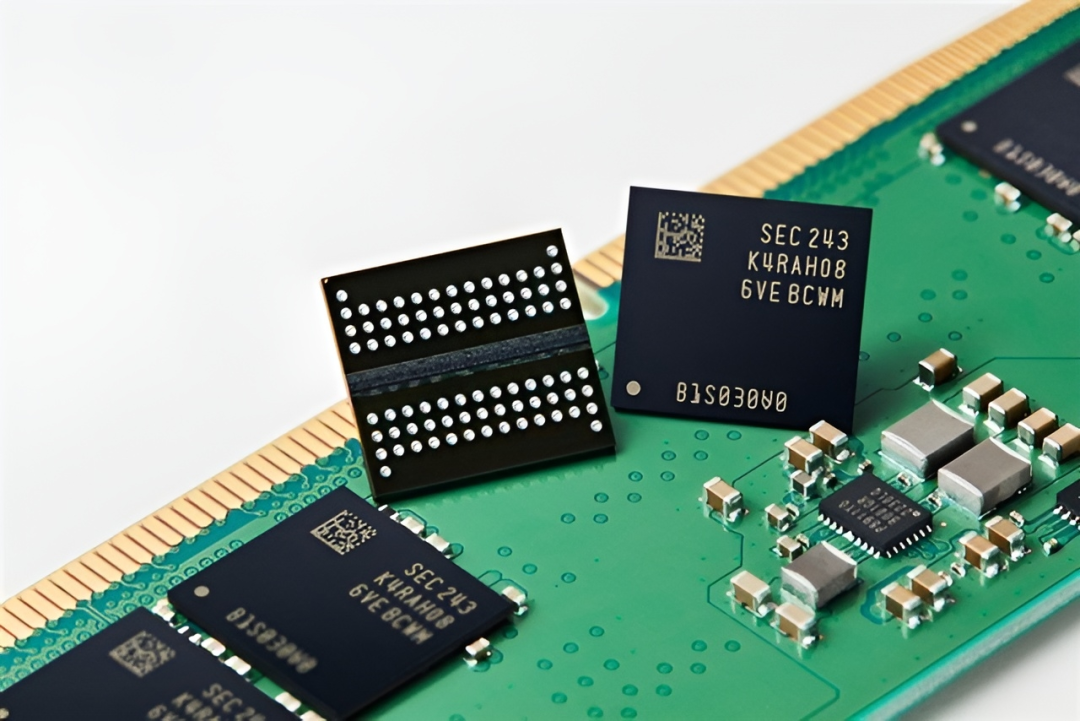
Industry insiders believe that due to the irreplaceability of gold-containing materials used in substrates, the cost pressure from rising gold prices is unavoidable. However, by seizing the demand for high-value substrates from the next generation of memory and AI accelerators, the industry can continue to strengthen its profitability.
This rise in raw material costs is a global phenomenon. Gold, as a globally traded precious metal commodity, has its price determined by international financial markets. The domestic supply chain also needs to procure PGC raw materials, with basic costs directly linked to international gold prices. Although there are many CCL manufacturers domestically, the required CCL resin, fiberglass, or high-performance copper foil still relies on imports or is affected by global market fluctuations, making the supply chain global.
Clearly, aside from manufacturers optimizing product structures and supply chains, one key aspect is the transfer of costs. When negotiating with downstream customers (such as smartphone, PC, and server manufacturers), upstream suppliers will reasonably pass on the rising raw material costs.
Previous Reading: Research and Development Continues, SK Hynix Showcases New High-Speed GDDR7 Technology, 24Gb Density, Single Pin Rate Reaching 48Gb/s