
With the breakthrough progress of novel structures such as bispecific ADCs and dual payload ADCs, ADC drugs have transitioned from “single-target precision strikes” to a new era of “multidimensional collaborative operations.” These innovative designs greatly expand therapeutic potential but also make their molecular structures, mechanisms of action, and in vivo fates unprecedentedly complex.
In this context, reliable and precise bioanalysis has transcended its traditional auxiliary role, becoming the cornerstone and bottleneck for the successful development and concept validation of such innovative drugs. It serves not only as a “decoder” connecting drug design and clinical efficacy but also as a key to evaluating therapeutic windows, analyzing resistance mechanisms, and ultimately determining the success or failure of development. To continuously empower the evolving development of ADC drugs, the Dingtai team systematically reviewed the evolution of ADC bioanalysis strategies from single-target to multidimensional breakthroughs, providing a comprehensive technical roadmap to address the complex challenges of the next generation of ADCs.
The full text contains: 7056 words and 19 figures.
Estimated reading time: 20 minutes.
The 2025 American Association for Cancer Research (AACR) Annual Meeting will be grandly held in San Diego from April 25-30, gathering the world’s top cancer research achievements. In this meeting, the ADC field has made significant breakthroughs, with particularly notable performances from Chinese innovation. 111 Chinese pharmaceutical companies showcased over 100 new ADC drugs, dominating the cutting-edge technology fields of bispecific ADCs and dual payload ADCs: of the 32 disclosed bispecific ADC studies globally, 29 are from Chinese companies; of over 16 dual payload ADC studies, more than 10 originate from China.
However, the emergence of novel structures such as bispecific ADCs and dual payload ADCs has greatly expanded the therapeutic potential of ADC drugs while also making their molecular structures and in vivo behaviors unprecedentedly complex. In this context,reliable and precise bioanalysis has transcended its traditional auxiliary role, becoming the cornerstone and bottleneck for elucidating the in vivo fate of such complex innovative drugs, achieving “concept validation,” and ultimately determining the success or failure of development.The Dingtai Group’s bioanalysis team has systematically organized the new landscape and core strategies of bioanalysis for novel ADC drugs based on over 50 ADC bioanalysis projects, particularly supporting more than 10 bispecific/dual payload ADC projects, aiming to provide a comprehensive technical roadmap and solutions to address the complex challenges of the next generation of ADCs.
★ Article Overview ★
|
01 |
Introduction to ADCs and Non-Clinical Bioanalysis Guidelines |
|
02 |
ADC Drug Bioanalysis Strategies |
|
03 |
Introduction to Bispecific ADC and Dual Payload ADC Bioanalysis |
|
04 |
Conclusion |
01
Introduction to ADCs and
Non-Clinical Bioanalysis Guidelines
1.1 Introduction to ADCs
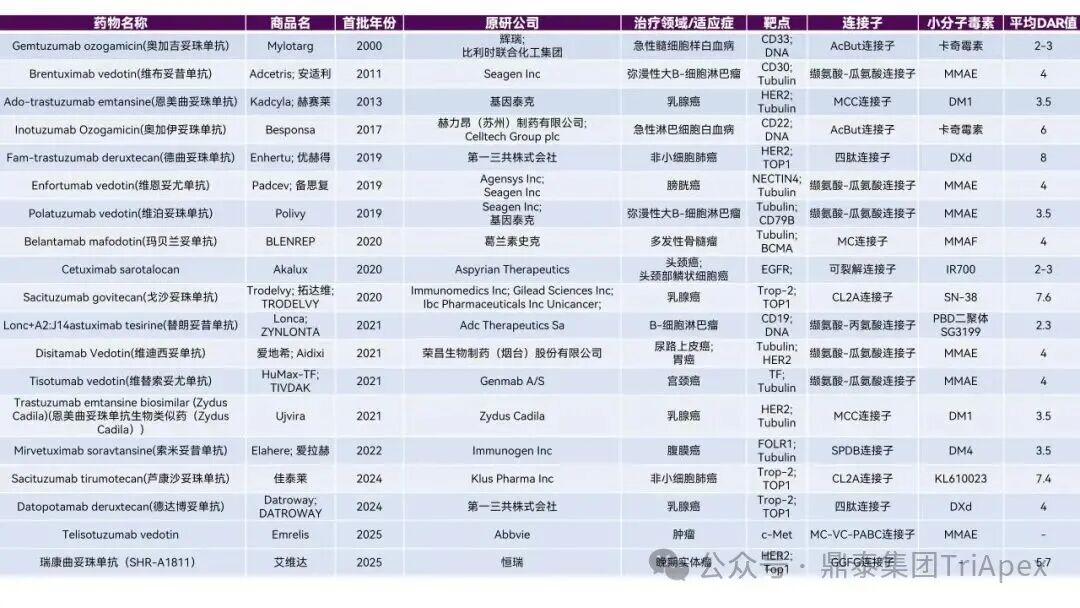
Currently, a total of 19 ADC drugs have been approved globally (see Table 1), with hundreds of ADCs targeting different tumor sites at various stages of clinical development.
Therefore, establishing sensitive, reliable, and reproducible bioanalytical methods is crucial for accurately assessing the pharmacokinetic characteristics, target binding, efficacy, and safety of ADC drugs, as well as accelerating their clinical development and successful market launch.
Table 1. Summary of Approved ADC Drugs, data from the PharmaData database (as of July 2025)
1.2 Non-Clinical Analysis Guidelines for ADC Drugs
In 2023, the NMPA released“Technical Guidelines for Non-Clinical Research of Antibody-Drug Conjugates”, and in 2024, the FDA released“Clinical Pharmacology Considerations for Antibody-Drug Conjugates”, both of which mention pharmacokinetics and immunogenicity testing. The bioanalysis and immunogenicity strategies for ADCs and related analytical methods should follow the relevant guidelines and refer to related white papers, such as Figure 1 and Figure 2.
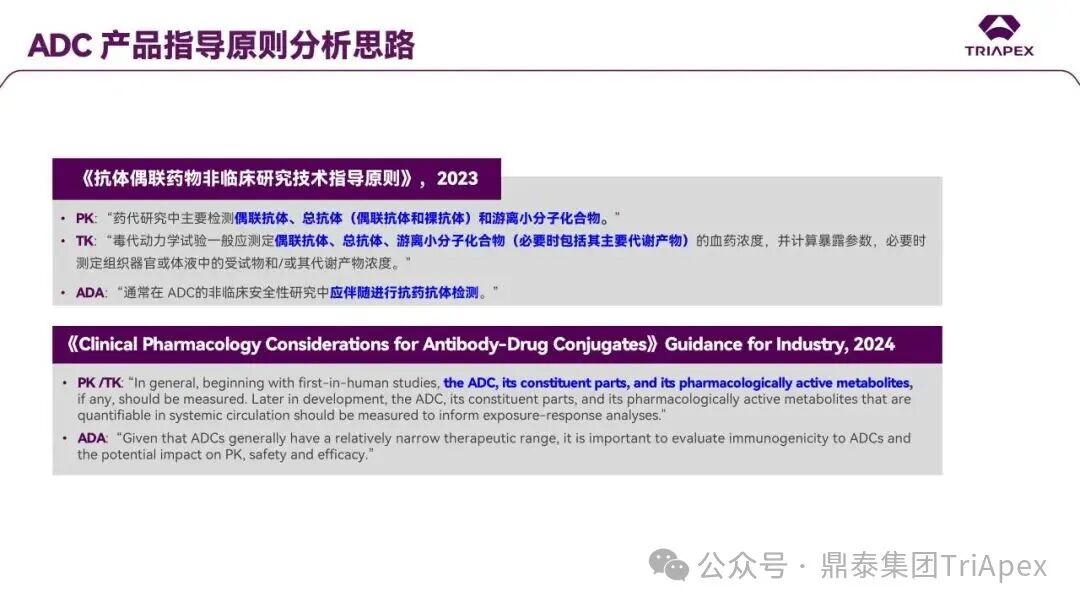
Figure 1. Analytical Approach for ADC Product Guidelines
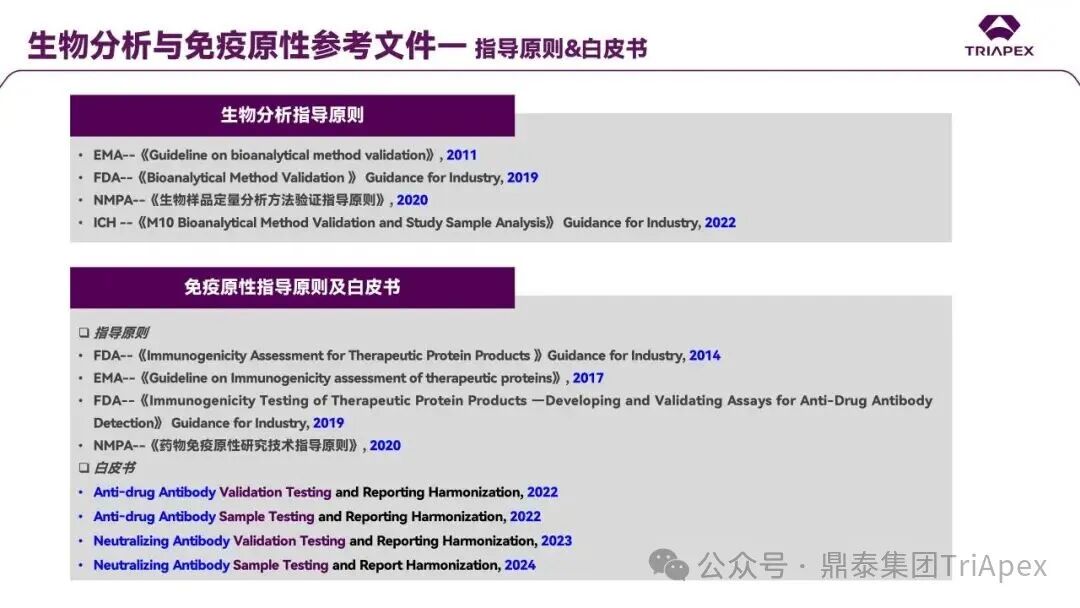
Figure 2. Technical Reference Documents for ADC Product Bioanalysis and Immunogenicity
02
ADC Drug Bioanalysis Strategies
According to FDA and NMPA guidelines, it is recommended to detect ADC, Tab, and free small molecule compounds in the PK and TK bioanalysis of ADCs, as shown in Figure 3. Therefore, a comprehensive bioanalytical strategy is needed to identify, characterize, and quantify the in vivo metabolic fate (pharmacokinetics, biotransformation, etc.) of ADCs for safety and efficacy evaluation, utilizing analytical techniques including ligand binding assays and liquid chromatography-mass spectrometry (LC-MS/MS) analysis.
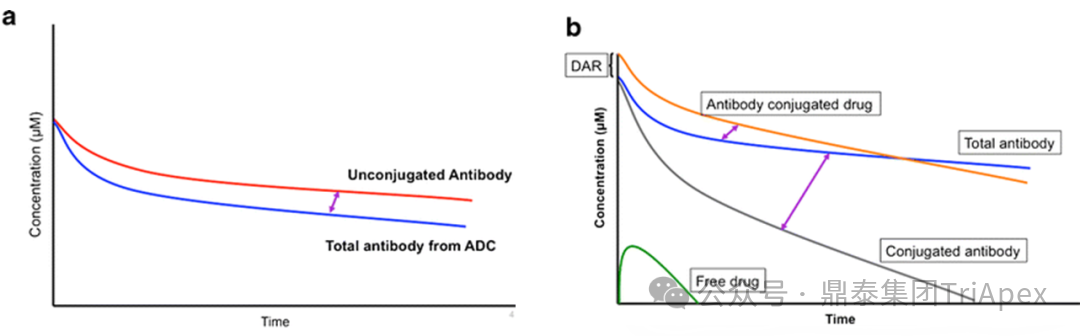
Figure 3. Pharmacokinetic Curves of Various Components of ADC Drugs[2]
Below is an overview of commonly used methods for ADC drug bioanalysis:
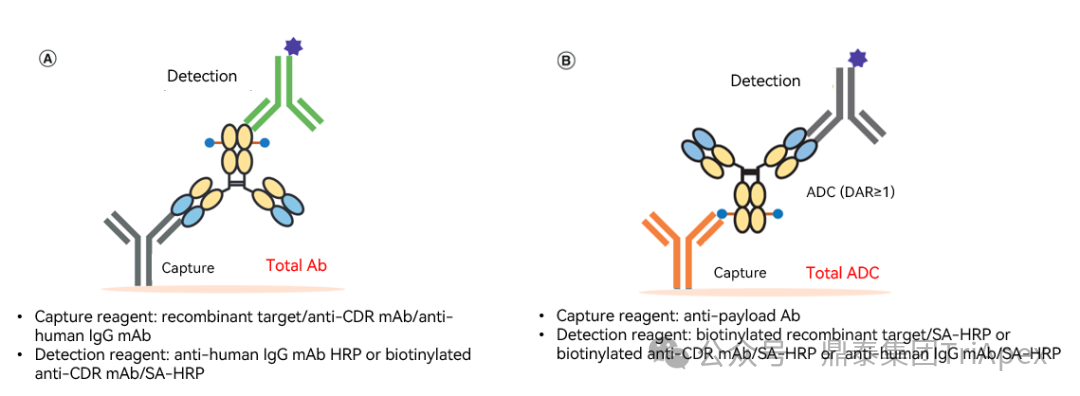
Figure 4. Total Antibody Detection Based on LBA Method
2.1 Total Antibody Detection Using LBA Method
Tab detection includes analysis of fully conjugated, partially deconjugated, and fully deconjugated antibodies, as shown in Figure 4A. During the development of the Tab method, the following considerations should be noted:
(1) Key Reagents and Differences in Binding to Conjugated and Non-Conjugated Antibodies
Although the aforementioned coating and detection reagents do not directly bind to the active payload, the active payload may indirectly interfere with the binding of the reagents to the ADC antibody components through steric hindrance effects. This interference is particularly significant in ADCs with high DAR values, so during method development, the differences in binding of key reagents to conjugated and non-conjugated antibodies should be examined to avoid situations where the assay cannot accurately quantify all expected DAR molecular components in circulation.
(2) Interference from Free Targets
Free forms of targets can bind to antibodies, potentially leading to the inability to detect the in vivo bound Tab. During clinical stages, the expression levels of soluble drug targets in the blood circulation of healthy individuals and target patient populations should be considered, and the presence of drug targets should be evaluated during method development and validation. If the target protein severely interferes with detection under physiological or pathological conditions, alternative detection modes should be considered. For example, using non-blocking antibodies against unique epitopes instead of target proteins as capture reagents; for preclinical bioanalysis, generic antibody reagents can also be used, such as antibodies specific to human heavy or light chains, or appropriate reagents can be used to deplete the target before detection.
2.2 ADC Detection Using LBA Method
ADC analysis methods generally use small molecule antibodies as coating reagents, and labeled target proteins or unique antibodies against ADC drugs or anti-human IgG Fc antibodies as detection reagents, as shown in Figure 4B. This detection method reflects the principle of equimolar detection (i.e., insensitive to DAR), ensuring accurate detection of drug-conjugated antibodies. Conversely, as shown in Figure 5, if target proteins or unique antibodies or anti-human IgG are used as coating reagents, and labeled small molecule antibodies are used as detection reagents, this detection method is affected by the number of payloads in the ADC molecule, violating the principle of equimolar detection, leading to inaccurate results; therefore, this detection mode is not recommended.
Additionally, during method development, the impact of different DAR values on ADC analysis methods should be considered, testing the detection differences of standard samples with different DAR values, selecting appropriate standard samples and analysis modes with suitable DAR values.
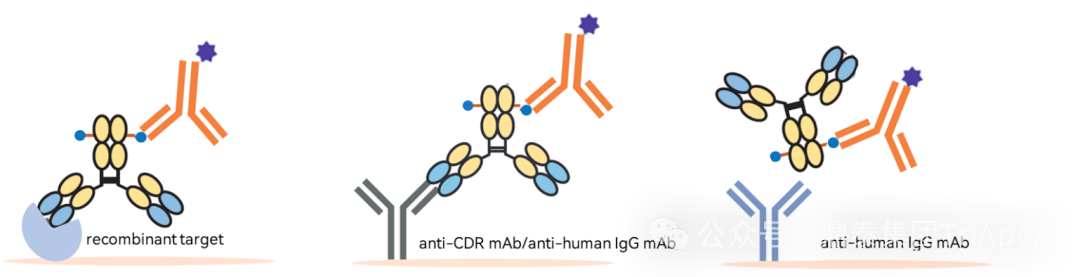
Figure 5. ADC Detection Mode Based on LBA Method (Not Recommended)
2.3 LC-MS/MS Detection
LC-MS/MS is the preferred platform for bioanalysis of non-conjugated active payloads and their metabolites. The Hybrid LC-MS/MS method combines the high selectivity of LBA with the selectivity and sensitivity of LC-MS/MS methods. Over the past decade, especially in the early discovery phase when suitable LBA reagents were not available, the Hybrid LC-MS/MS method has replaced LBA methods for the bioanalysis of Tab and ADC conjugated active payloads.
The Hybrid LC-MS/MS detection mode is shown in Figure 6.
-
Tab Quantification: First, affinity capture of the ADC’s mAb component is performed using unique antibodies or generic capture reagents (such as Protein A, Protein G, or anti-human IgG), extracting the ADC from the biological matrix, then digesting the mAb into surrogate peptides/characteristic peptides using trypsin or other proteases, and finally quantifying via LC-MS/MS. Typically, stable isotope-labeled characteristic peptides are added during the trypsin digestion step for accurate quantification.
-
ADC Quantification: Generally, ADC is affinity captured, followed by cleavage of the active payload using proteases such as tissue protease B and papain (for proteases that can cleave linkers), or reduction with DTT or TCEP (for disulfide linkers), followed by multi-reaction monitoring (MRM) analysis of the active payload via LC-MS/MS.
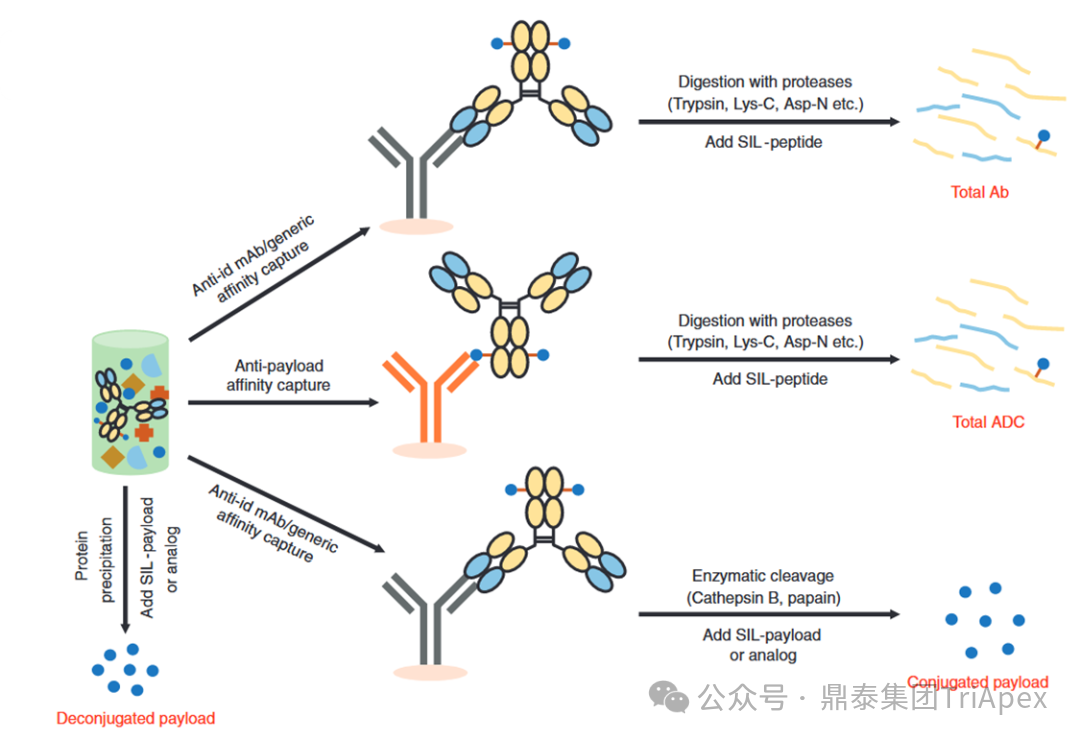
Figure 6. Schematic Diagram of Hybrid LC-MS/MS Detection of ADC Drugs[6]
Of course, for some special cases, adjustments to the detection system are needed. For example, if small molecule antibodies cannot be obtained, and the linker for the small molecule is non-cleavable, but antibodies against the antibody portion can be obtained, special considerations for the detection method are required. As shown in Figure 7, Kcas bio prepares Specific Peptides and Common Peptides for ADC drugs, and through LC-MS/MS detection, naked antibody analysis can detect Specific Peptides and Common Peptides, while ADC analysis can detect Common Peptides and Specific Peptides + payload, thus quantifying ADC and Tab.
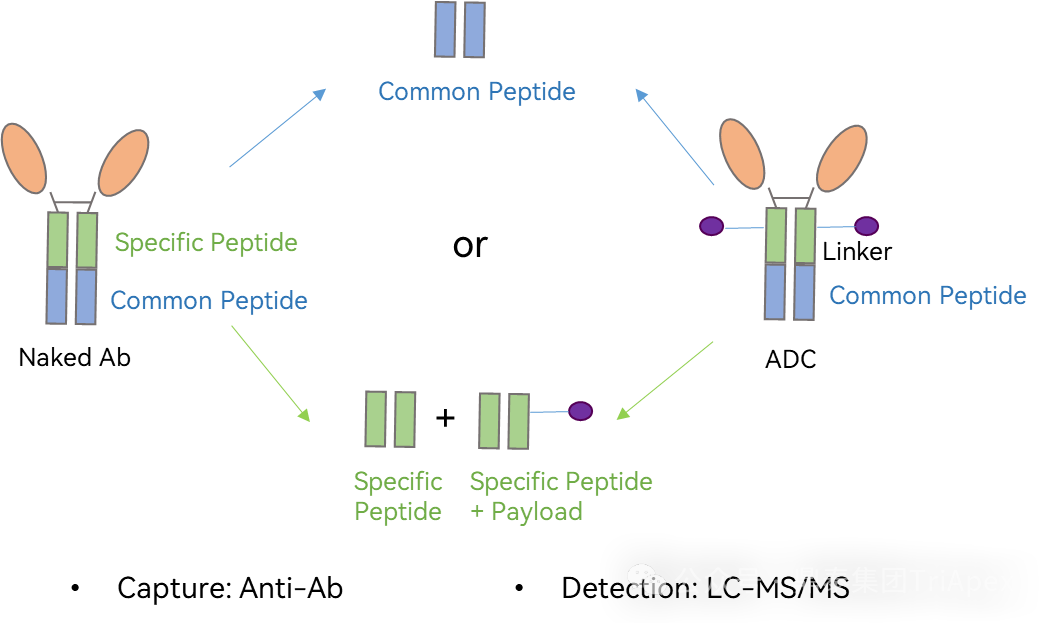
Figure 7. Biochemical Analysis Methods for Site-Specific ADC and Total Antibody[12]
2.4 Immunogenicity Testing
Similar to other biological products, ADCs may also induce immunogenicity after entering the biological system, producing anti-drug antibodies (ADA), including binding antibodies and neutralizing antibodies (Nab). The evaluation of ADC immunogenicity helps analyze pharmacokinetics, efficacy, and safety results, which is particularly important in clinical trials. For ADA analysis of ADCs, ligand binding detection methods are commonly used, and it is recommended to follow the NMPA guidelines“Technical Guidelines for Immunogenicity Studies of Drugs” and FDA regulations“Immunogenicity Testing of Therapeutic Protein Products — Developing and Validating Assays for Anti-Drug Antibody Detection” for method development, validation, and three-tier analysis detection strategies.
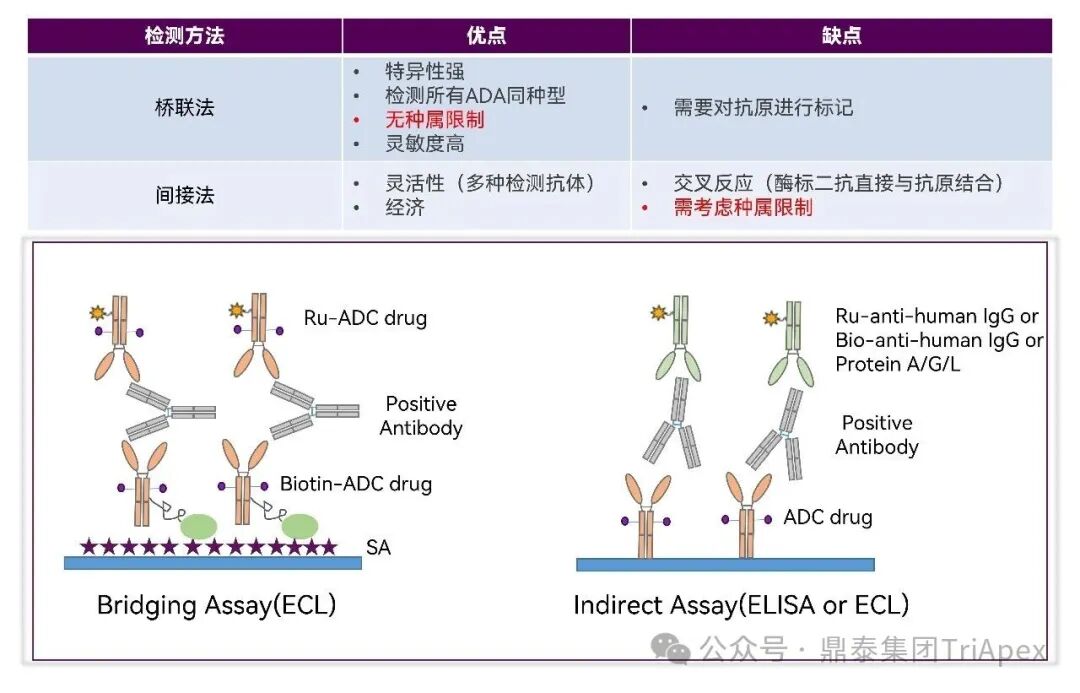
Figure 8. Common Detection Platforms and Modes for ADA
(1) Detection Platforms
Common detection platforms for ADA include ELISA and ECL, as shown in Figure 8. The ECL platform method has high sensitivity, a wide quantification range, high reproducibility, and good stability, but in preclinical ADA analysis, considering cost-effectiveness, ELISA methods are often used.
(2) Detection Modes
Detection modes are divided into bridging and indirect methods, as shown in Figure 8. When reagents are available, the bridging method is the preferred method. The bridging ECL method uses biotinylated drugs as coating reagents and ruthenium-labeled drugs as detection reagents; the bridging ELISA method directly coats the drug, using biotinylated drugs as detection reagents. The bridging detection mode is not limited by the species of the detection sample and the positive antibody species, and has strong specificity; however, in actual method development, due to the availability of labeled drugs or reduced binding activity after drug labeling, mixed secondary antibodies targeting the positive antibody species and sample species can be considered as detection reagents, but this method may lead to false-negative results in the samples being tested. To address these issues, the indirect detection mode usually employs Protein A/G/L as detection reagents, which can be used for detection across multiple species, avoiding the risk of false negatives. However, this method is often more prone to contamination and increased background signal values in actual operations.
(3) Improving Drug Tolerance Levels in ADA Detection
Due to the relatively high dosing in non-clinical toxicology studies, high concentrations of drugs in biological samples can competitively bind with ADA, affecting ADA detection, resulting in poor drug tolerance of the method. To address this issue, during the ADA method development phase, the drug concentration should be estimated based on the dosing, and efforts should be made toimprove the drug tolerance of the method. Currently, the ACE method is widely used, as shown in Figure 9, which enriches ADA using biotinylated drugs, then elutes ADA through acidification and coats it onto the plate, and finally detects using labeled drugs. Additionally, samples can be collected at the trough concentration of the drug in the subjects to minimize interference from excessively high blood drug concentrations.
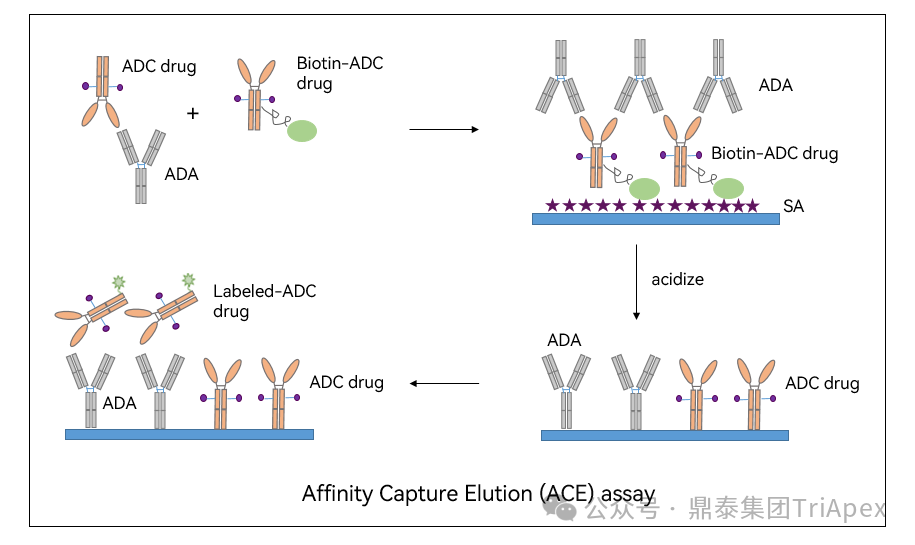
Figure 9. Affinity Capture Elution Method (ACE)
2.5 Summary of ADC Product Analysis Approaches
Table 2. Summary of ADC Product Bioanalysis
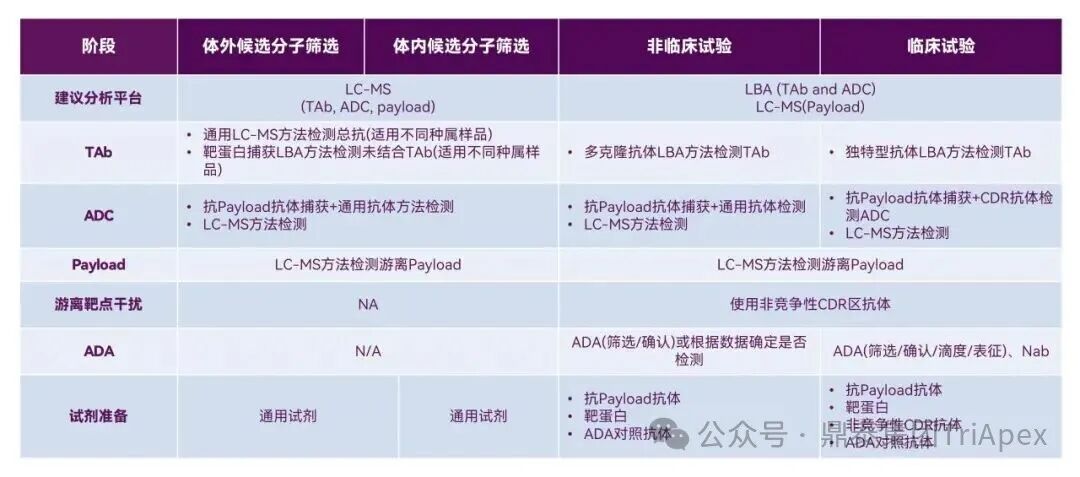
Table 2 systematically summarizes the analysis strategies and key considerations for different analytes at various stages of ADC drug development. The core is to select and optimize the most suitable analytical methods (LC-MS or LBA) based on the characteristics of the development stage and the complexity of the analytes (Tab, ADC, Payload).
-
In the early discovery phase (in vitro/in vivo candidate molecule screening), the focus of analysis is on speed, universality, and high throughput. LC-MS, due to its high sensitivity and specificity, has become the preferred method for detecting small molecule payloads and performing preliminary ADC characterization. Additionally, Tab and ADC detection can also utilize flexible LBA methods to assess their binding activity. The key considerations at this stage are method development speed and platform universality, to support the rapid evaluation of a large number of candidate molecules, thus generic reagents are prioritized.
-
As the analysis focus shifts to method accuracy, reliability, and adaptability to complex biological matrices in the development phase (non-clinical/clinical trials), detection reagents transition from generic antibodies to unique antibodies.
03
Bispecific and Dual Payload ADC Drugs
Traditional ADCs consist of three components: antibody, linker, and active payload. Based on the selection of antibodies, linkers, active payloads, and conjugation chemistry, researchers have developed new ADCs, leading to new terminologies, as shown in Figure 10.
-
Bispecific ADC (BsAb)
-
Nanobody-drug conjugate (NAC)
-
Dual-payload antibody-drug conjugate (Dual-payload ADC)
-
Radionuclide-antibody conjugate (RAC)
-
Antibody-oligonucleotide conjugate (AOC)
-
Antibody-degrading conjugate (DAC)
-
Probody-drug conjugate (PDC)
-
Theranostic ADC
This section mainly introduces the new challenges and bioanalytical considerations brought by the development of bispecific ADCs and dual payload ADCs.
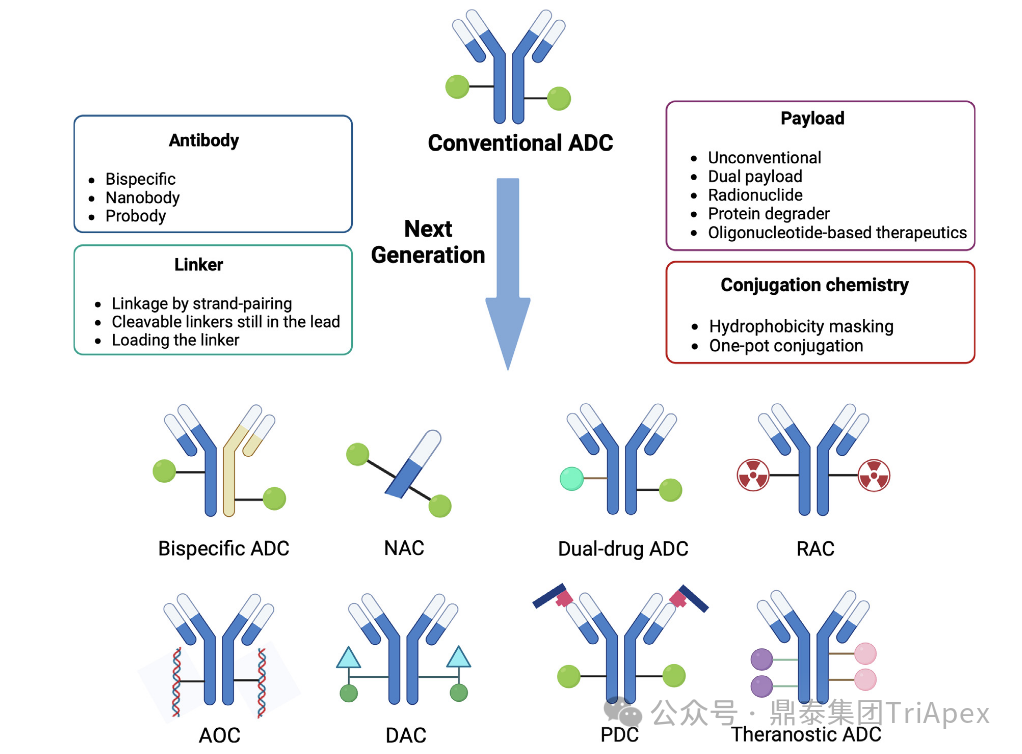
Figure 10. Schematic Diagram of Next-Generation ADC Drugs[1]
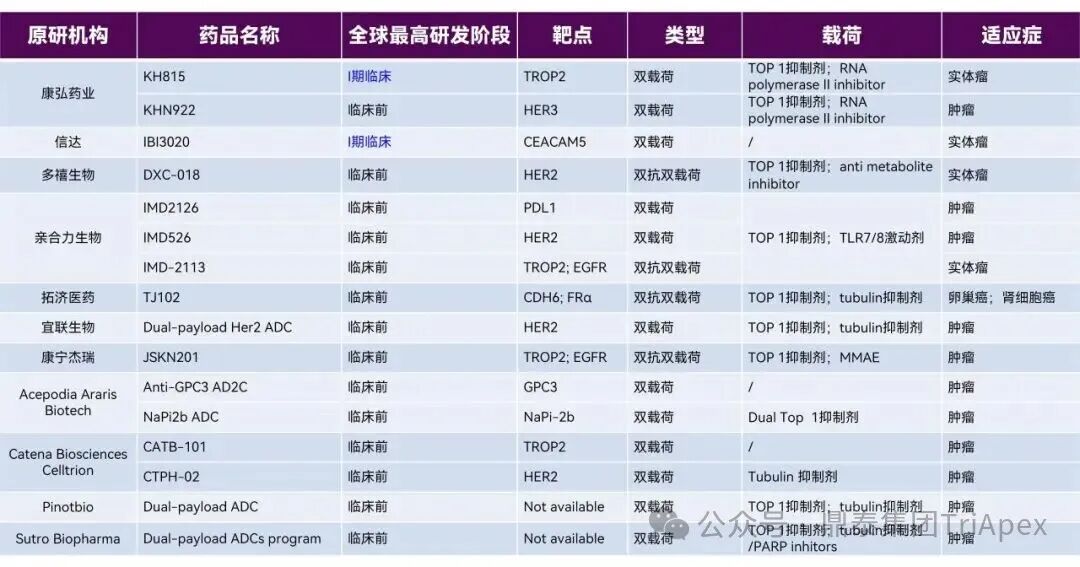
As shown in Table 3, at the 2025 AACR meeting, domestic companies such as Duoyi Bio, Kanghong Pharmaceutical, CanSino Biologics, and Affinivax disclosed their layouts for dual toxin ADCs; Duoyi Bio, CanSino Biologics, and Tuojie Pharmaceutical laid out dual-target dual toxin ADCs; Kanghong Pharmaceutical’s KH815 became the world’s first dual toxin ADC drug to enter clinical trials. In addition, Innovent’s IBI3020 is a dual toxin ADC targeting CEACAM5, which has been approved for IND in China and is intended for the treatment of solid tumors.Foreign companies are mostly in the preclinical stage for dual payload ADC pipelines.
Table 3. Dual Payload ADCs Announced at the 2025 AACR, data from PharmaCube (as of July 2025)
3.1 Dual Payload Antibody-Drug Conjugates (Dual-payload ADC)
(1) Concept and Structure of Dual-payload ADC
Although ADC drugs significantly expand treatment options, they still face several challenges. One major issue is the limited drug penetration of antibodies within tumor tissues, which can restrict drug delivery and lead to suboptimal efficacy[7]. Additionally, in traditional ADC therapies, the enrichment of resistant cancer cell populations under treatment pressure remains a significant obstacle: the selective pressure created by reliance on a single therapeutic drug allows insensitive tumor cells to survive and proliferate, ultimately leading to acquired resistance within tumor tissues. To address these pain points, dual payload ADCs have emerged, with design concepts as shown in Figure 11.
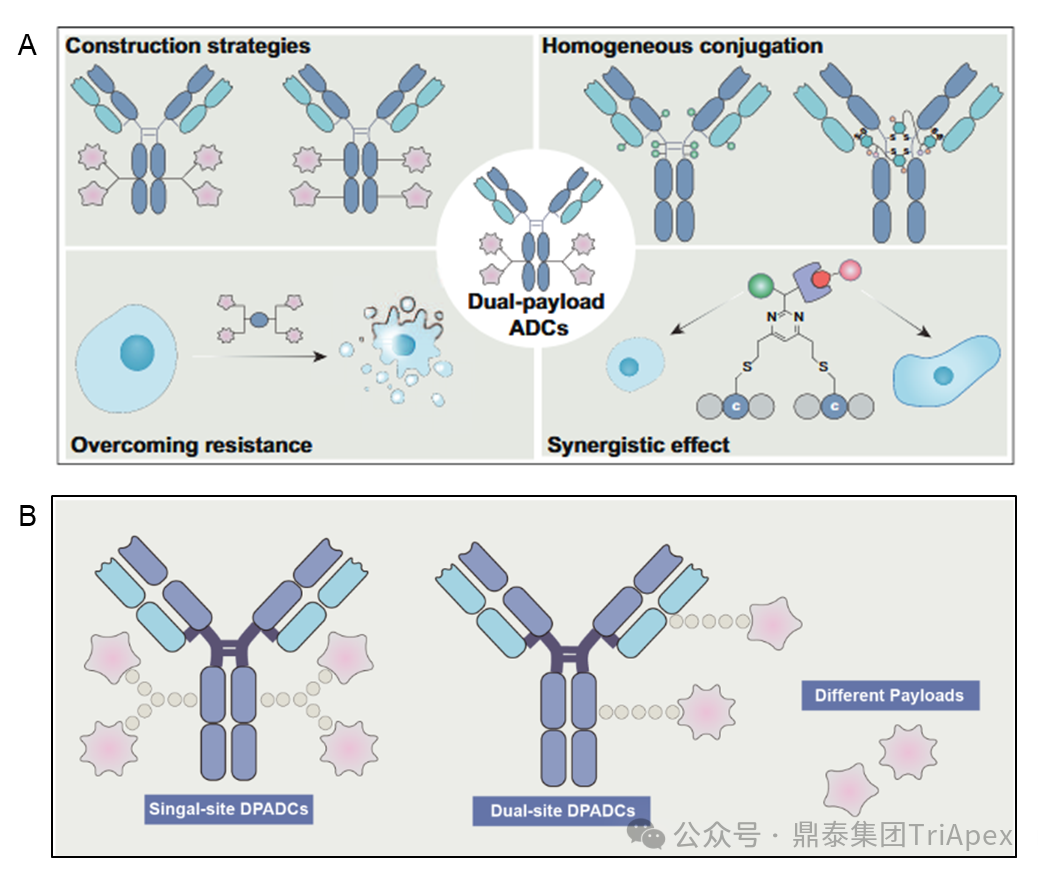
Figure 11. Structure of Dual Payload ADC[8]
A) Conceptual design and considerations of dual payload ADC; B) Dual coupling modes of dual payload ADC: single-site coupling and dual-site coupling
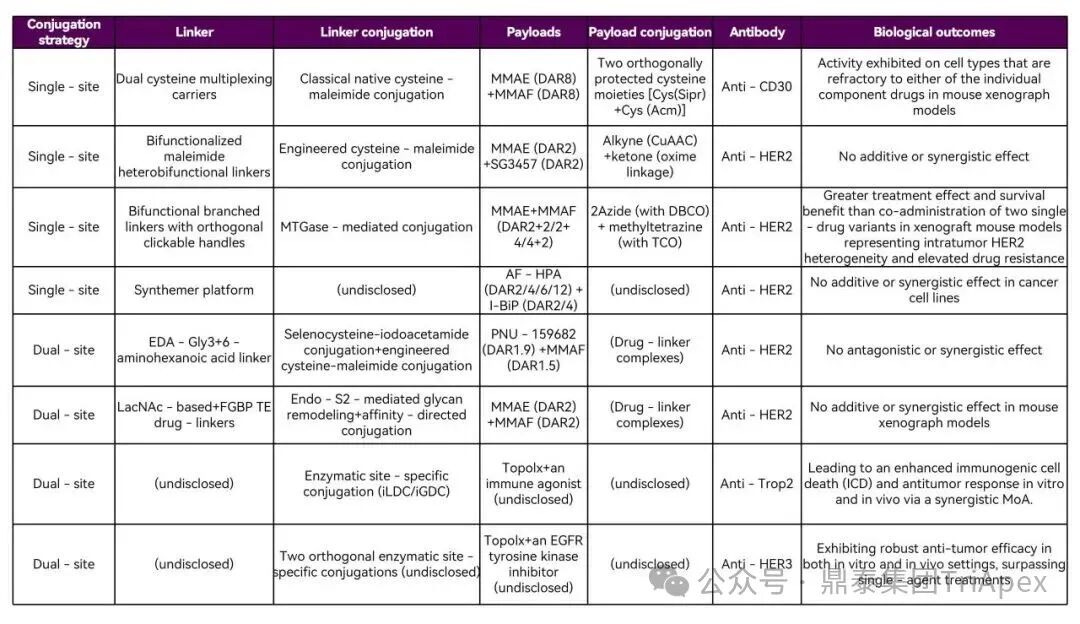
(2) Summary of Reported Dual-payload ADCs
Table 4 summarizes the currently reported designs of Dual-payload ADCs.
Table 4. Summary of Reported Dual-payload ADC Designs[8]
(3) Bioanalytical Detection Modes and Special Considerations for Dual-payload ADCs
-
Antibody Analysis of Dual-payload ADCs
The detection strategy for the antibody portion of dual-payload ADCs can refer to the PK bioanalysis strategies for monoclonal antibody ADCs, detailed in 02 ADC Drug Bioanalysis Strategies section.
-
ADC Portion Analysis of Dual-payload ADCs
It is recommended to focus on detecting the total amount of ADC carrying either or both payloads. That is, capture antibodies should use two different small molecule antibodies, and detection antibodies should use target or unique antibodies. It is important to pay attention to the comparability and interpretability of the results from the two methods. When using LC-MS/MS quantification methods based on the antibody portion (such as a specific peptide segment) to determine the total concentration of ADC, since this method measures the amount of the antibody scaffold rather than the total amount of drug-conjugated molecules, it needs to be corrected using the average DAR to obtain a concentration closer to the actual drug molecule (i.e., the entire ADC), which is crucial for PK/PD studies and efficacy evaluations.
3.2 Bispecific Antibodies (BsADCs)
(1) Concept and Structure of BsADCs
Although the toxicity of ADCs primarily arises from the active payload or linker and payload complexes, the binding of antibodies to antigens also significantly impacts drug action. A forward-looking approach to address these clinical challenges is to couple bispecific antibodies with linker payload complexes, leading to the concept of bispecific antibody-drug conjugates.
BsADCs are a class of antibody molecules that can simultaneously recognize and bind to two different antigens or antigen epitopes. The bispecific ADC designs explored to date can be categorized into two types based on their binding modes, including ADCs that bind to two different antigens simultaneously (bispecific) or bind to two different epitopes on the same antigen (dual-epitope), as shown in Figure 12 .
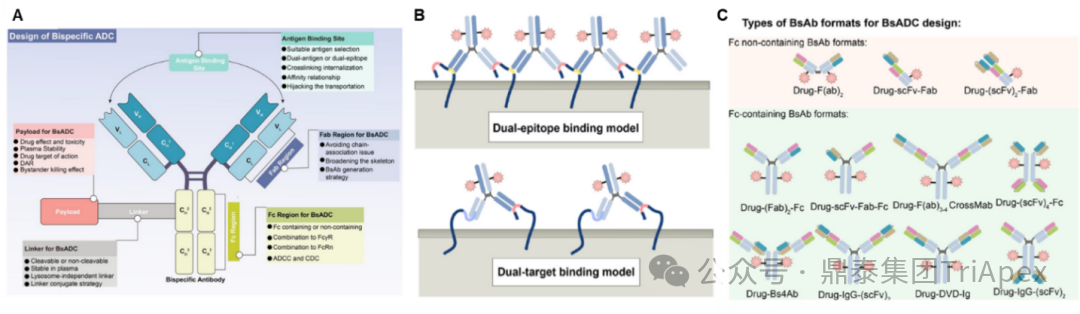
Figure 12. Structure of BsADCs[9]
A) Conceptual design and considerations of BsADCs; B) Binding models of dual-epitope and dual-target ADCs; C) Possible structural types of BsADC designs
(2) Mechanism of Action of BsADCs
BsADCs have unique advantages, promoting internalization and lysosomal degradation through clathrin-mediated endocytosis and non-clathrin-mediated endocytosis pathways, as detailed in Figure 13.
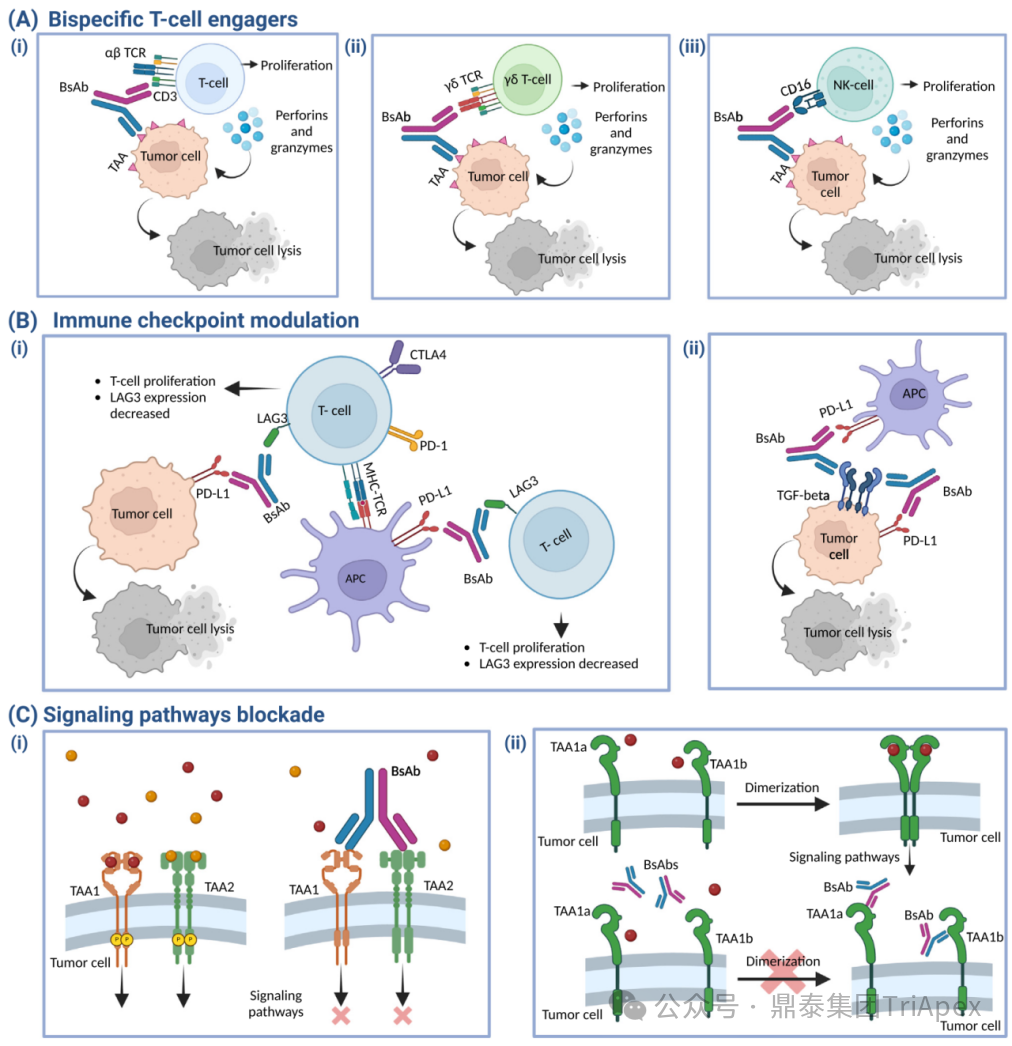
Figure 13. Mechanism of Action of BsADCs[10]
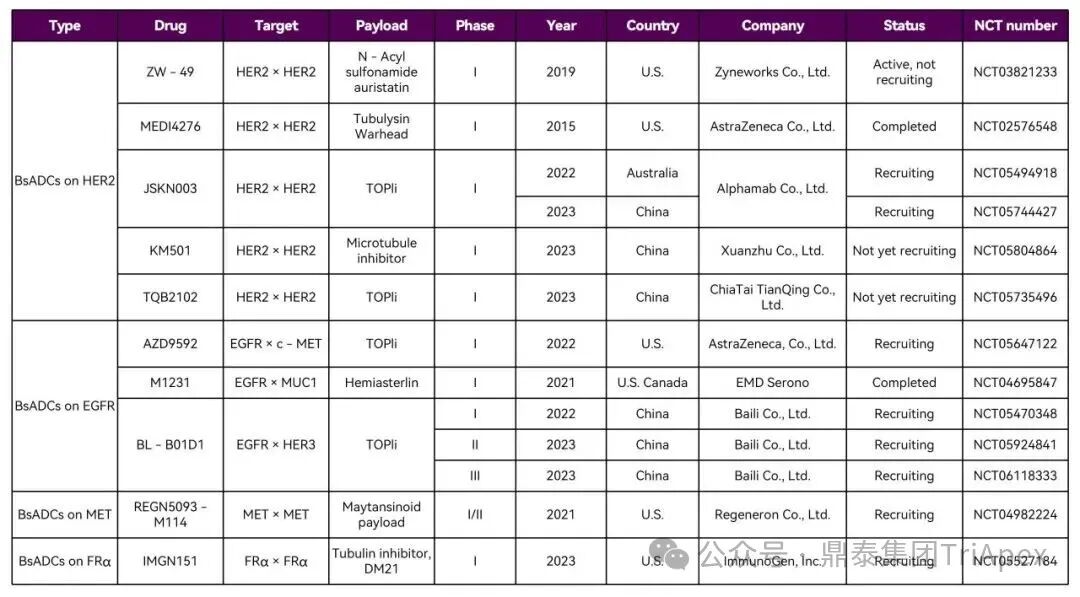
(3) Summary of Clinical BsADCs
As of 2024, there are 10 BsADCs undergoing clinical trials (as shown in Table 5), targeting various hematological diseases and certain solid tumors, with some early clinical trial results announced at recent AACR and ESMO meetings.
Table 5. Clinical Progress of BsADCs[9]
(4) Bioanalytical Detection Modes and Considerations for BsADCs
-
Tab Analysis of BsADCs
Due to the multiple binding sites and complex mechanisms of bispecific antibodies, these present new challenges for the design of bioanalytical methods. When designing bioanalytical methods, it is necessary to comprehensively consider the structural characteristics of the drug, target conditions, mechanisms and features, technical feasibility, and regulatory requirements.
As shown in Figure 14, due to the different binding sites of bispecific antibodies, BsAbs may exist in different forms in vivo, and both their active and inactive forms need to be considered in method strategy formulation, requiring multiple bioanalytical methods to meet the detection needs of different forms of the drug, including: intact molecules, single-target free molecules, and total drug molecules. The detection analysis of different molecular forms of BsAbs needs to be developed according to the “case by case” principle. Among them, the concentration of free intact molecules is more meaningful for PK, the concentration of total drug molecules is more meaningful for TK, and the concentration of bound drugs is more related to efficacy. The detection aspect can often achieve the purpose of detecting different forms of drugs through the design of the analysis format. The detection strategies are as follows:
□ Free Intact Molecules (Figure 14 A)
-
Use two targets as capture and detection reagents respectively
-
Conditions: The bispecific antibody drug is stable in vitro or in vivo
-
Objective: Measure the complete active bispecific antibody molecules in biological matrices that are not blocked by any functional domains by targets or ADA
□ Single-Target Free Molecules (Figures 14 B and 14 C)
-
Use one target protein as a capture reagent and anti-human IgG Fc antibody as a detection reagent
-
Note: The impact of using two target-coated methods on the detection results should be examined
□ Total Drug Molecules (Figure 14 D)
-
Use generic anti-human IgG Fc antibodies as capture and detection reagents
-
Special Treatment: Acidification is used to break the connection between bound drug molecules and targets/anti-drug antibodies, allowing for more flexible detection of total drug types.
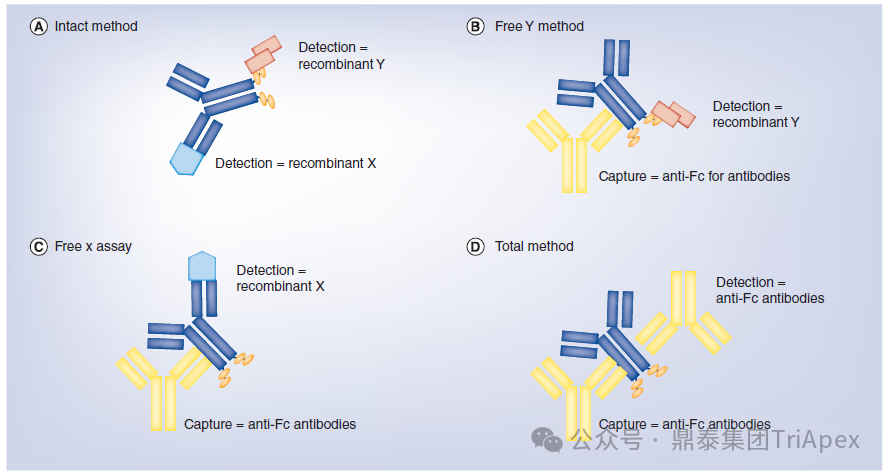
Figure 14. Detection of Antibody Portions of BsADCs[11]
-
ADC Portion Analysis of BsADCs
For the ADC portion of BsADCs, refer to the detection methods for monoclonal ADCs described in 02 ADC Drug Bioanalysis Strategies section.
-
ADA Analysis of BsADCs
ADA analysis of BsADCs can refer to the conventional ADA detection of ADCs described in 02 ADC Drug Bioanalysis Strategies section, and will not be elaborated here. Given that BsADCs can bind to two antigen domains, based on risk assessment, domain-specific analysis of ADA-positive samples is generally not required in the non-clinical phase, while it is generally conducted in the mid to late clinical phase.
04
Conclusion
With the breakthrough development of bispecific ADCs, dual payload ADCs, and other novel structures, the position of ADCs in fields such as tumor treatment is becoming increasingly prominent. Bioanalysis, as a key link in the entire chain of innovative drug development, undertakes the important task of evaluating pharmacokinetics, efficacy, and toxicity. Due to the complexity of the new ADC structures, involving challenges such as dual-target synergy, dual-toxin PK separation, and dynamic DAR heterogeneity, coupled with the rapid evolution of global regulatory guidelines, current bioanalysis still faces systemic challenges such as method comparability and data interpretation standardization. It is promising that as Chinese companies accelerate their achievements in global ADC innovation, the continuous accumulation of industry experience and data assets will further promote the deep optimization of analytical technology systems. In the future, mature detection standards for novel ADCs are expected to be gradually established, providing precise and reliable data support for the clinical translation of the next generation of ADCs.
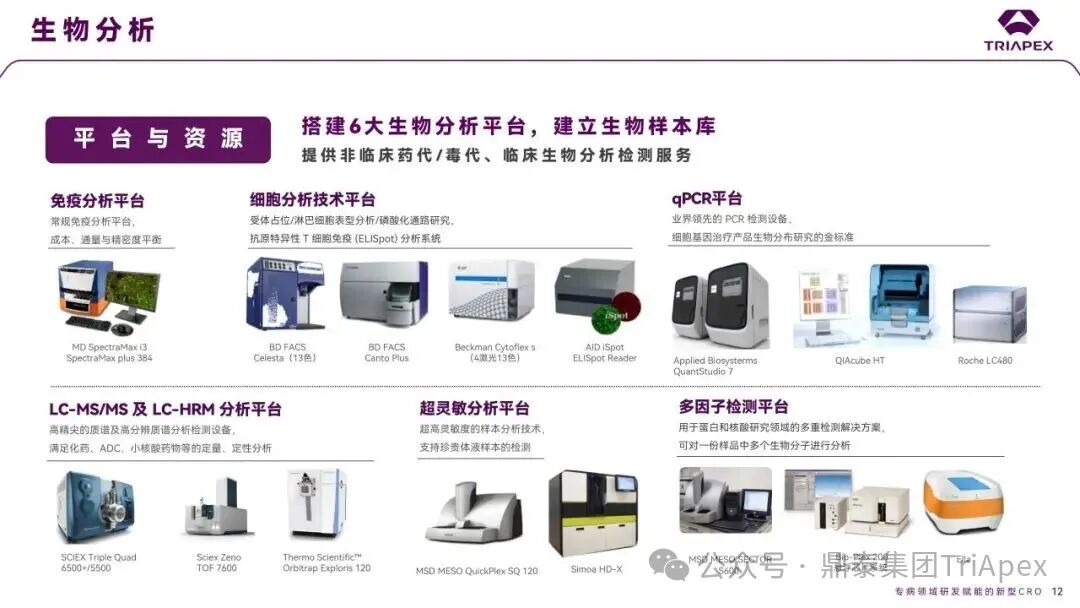
As of now, Dingtai Group TriApex has completed the development and validation of over 50 ADC bioanalytical methods, supporting more than 10 bispecific/dual payload ADC projects in non-clinical and clinical trials. In key areas such as interference elimination from complex matrices, free target clearance, high-tolerance ADA detection, and Hybrid LC-MS/MS characteristic peptide quantification, solid practical experience has been accumulated. In the future, we will continue to focus on cutting-edge technology iterations (such as in vivo real-time DAR monitoring, payload release timing tracking), striving to break through technical bottlenecks in dual-toxin PK separation analysis, actively addressing the analytical challenges posed by novel ADC drugs; at the same time, we sincerely look forward to maintaining open communication with industry peers and regulatory agencies to jointly explore analytical solutions for ADC drug development, contributing to improving the efficiency of new drug development.
Contributed by: Bioanalysis Center I
References:
[1]GRAIRI M, LE BORGNE M. Antibody–drug conjugates: prospects for the next generation[J/OL]. Drug Discovery Today, 2024, 29(12): 104241. DOI:10.1016/j.drudis.2024.104241.
[2] KAMATH A, LYER S. Preclinical Pharmacokinetic Considerations for the Development of Antibody Drug Conjugates. [J/OL]. Pharmaceutical research, 32(11): 3470–3479. DOI:10.1007/s11095-014-1584-z.
[3]WANG J, GU H, LIU A, et, al. Antibody-drug conjugate bioanalysis using LB-LC-MS/MS hybrid assays: strategies, methodology and correlation to ligand-binding assays.[J/OL]. Bioanalysis, 2016, 8(13): 1383-1401. DOI:10.4155/bio-2016-0017.
[4]HUANG Y, MOU S, WANG Y, et, al. Characterization of Antibody-Drug Conjugate Pharmacokinetics and in Vivo Biotransformation Using Quantitative Intact LC-HRMS and Surrogate Analyte LC-MRM.[J/OL]. Analytical chemistry, 2021, 93(15): 6135-6144. DOI:10.1021/acs.analchem.0c05376.
[5]MOU S, HUANG Y, ROSENBAUM A I. ADME Considerations and Bioanalytical Strategies for Pharmacokinetic Assessments of Antibody-Drug Conjugates.[J/OL]. Antibodies (Basel, Switzerland), 2018, 7(4). DOI:10.3390/antib7040041.
[6]KOTAPATI S, DESHPANDE M, JASHNANI A, et, al. The role of Ligand-Binding Assay and LC–MS in the Bioanalysis of Complex Protein and Oligonucleotide Therapeutics[J/OL]. Bioanalysis, 2021, 13(11): 931-954. DOI:10.4155/bio-2021-0009.
[7]FU Z, LI S, HAN S, et, al. Antibody drug conjugate: the “biological missile” for targeted cancer therapy[J/OL]. Signal Transduction and Targeted Therapy, 2022, 7(1): 93. DOI:10.1038/s41392-022-00947-7.
[8]TAO J. Dual-payload Antibody–drug Conjugates: Taking a Dual Shot[J]. Eur J Med Chem, 2025, 281:116995. DOI: 10.1016/j.ejmech.2024.116995.
[9]GU Y, WANG Z, WANG Y. Bispecific antibody drug conjugates: Making 1+1>2[J/OL]. Acta Pharmaceutica Sinica B, 2024, 14(5): 1965-1986. DOI:10.1016/j.apsb.2024.01.009.
[10]HERRERA M, PRETELLI G, DESAI J, et, al. Bispecific Antibodies: Advancing Precision Oncology[J/OL]. Trends in Cancer, 2024, 10(10): 893-919. DOI:10.1016/j.trecan.2024.07.002.
[11]MA M, COLLETTI K, YANG T Y, et, al. Bioanalytical Challenges and Unique Considerations to Support Pharmacokinetic Characterization of Bispecific Biotherapeutics[J/OL]. Bioanalysis, 2019, 11(5): 427-435. DOI:10.4155/bio-2018-0146.
[12] Dominic Warrino. Hybrid LC-MS/MS technology becoming increasingly valuable in the bioanalysis of antibody drug conjugates – bioanalytical strategy illustrated by case studies[C]. European Bioanalysis Forum, Barcelona, 2024.
Copyright Notice: This article is from the Dingtai Group content team, personal forwarding and sharing are welcome, but unauthorized reproduction to other platforms by media or institutions in any form is prohibited. For reprints, please contact us for permission (WeChat LXL–7).
Disclaimer: This article is for industry information exchange and not for medical advertising or commercial profit purposes, content is for sharing and learning only. If any cited materials involve infringement, please contact us for removal. This article is also not a recommendation for treatment plans. For treatment plan guidance, please visit a regular hospital.