

In recent years, with the rapid development of artificial intelligence technology, AI education has gradually extended from higher education to basic education. How to carry out AI general education in primary and secondary schools has become a new topic for many schools to explore. Against this backdrop, the YN Experimental Tianma Maker Center has attempted to integrate artificial intelligence with innovation education, conducting a series of practices that provide some referable experiences for the implementation of AI general education at the basic education stage.
Introducing Tsinghua Course Resources
Building an AI General Education Teaching Framework
This semester, the Tianma Maker Center introduced Tsinghua University’s AI general education course as the foundation for teacher training and curriculum development. Through theoretical learning, case analysis, and teaching method discussions, the teaching team gradually sorted out AI teaching content suitable for the cognitive level of the students at this school, and conducted in-depth learning trial training to explore how to transform complex AI concepts into learning content that students can understand and participate in.
The core of this attempt is not to train students to become “programmers” or “algorithm engineers,” but to help them understand the basic logic of AI technology in real contexts, establishing a preliminary understanding and critical thinking about intelligent technology.
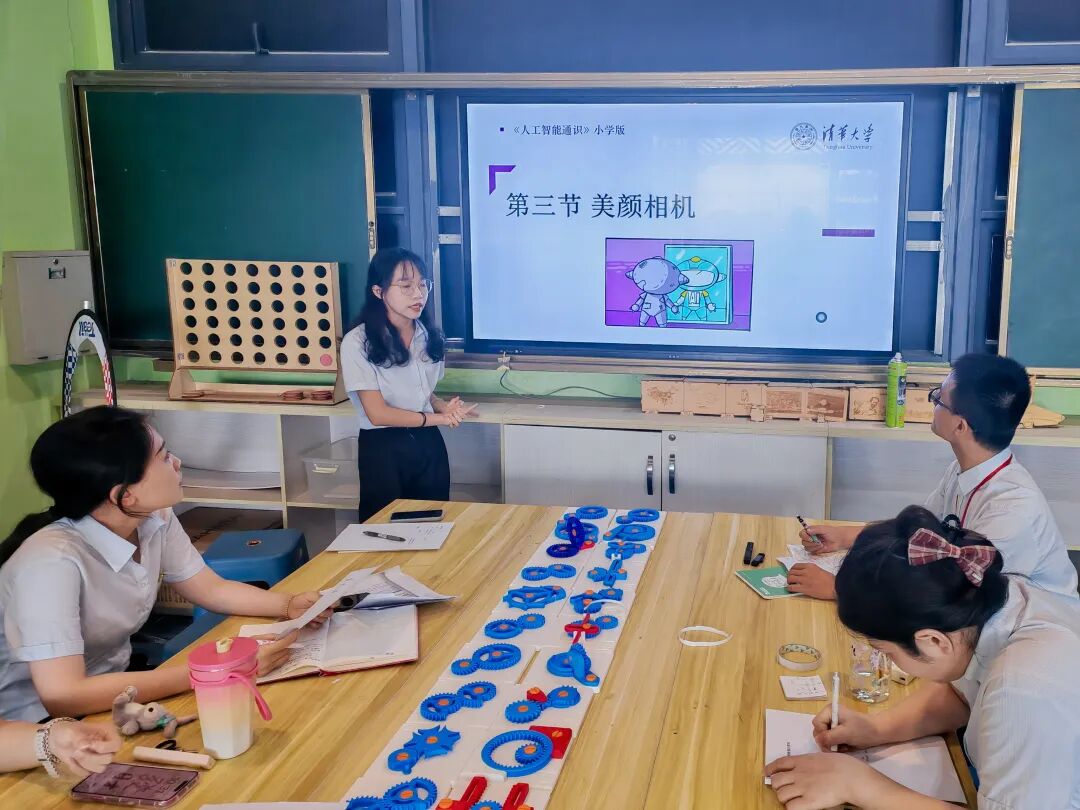
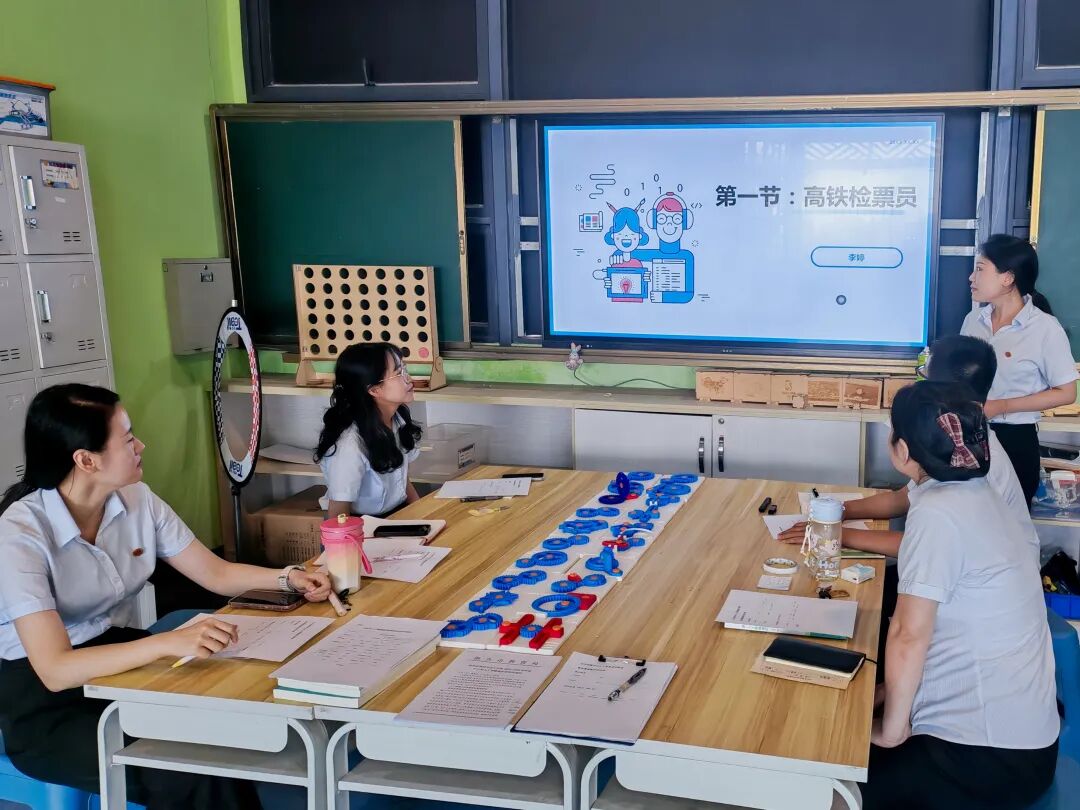
(Building an AI General Education Teaching Framework)
Cross-Disciplinary Integration Experience:
Making AI “Visible and Tangible”
In addition to AI teaching, the school also organized an “AI Integration Innovation Experience Day” event, setting up six major thematic sections covering artificial intelligence, 3D printing, laser cutting, open-source hardware, Arduino robots, and more. The event is not competition or results-oriented, but emphasizes “experience” and “understanding”—allowing students to feel the cross-application of AI and other technologies through hands-on practice.
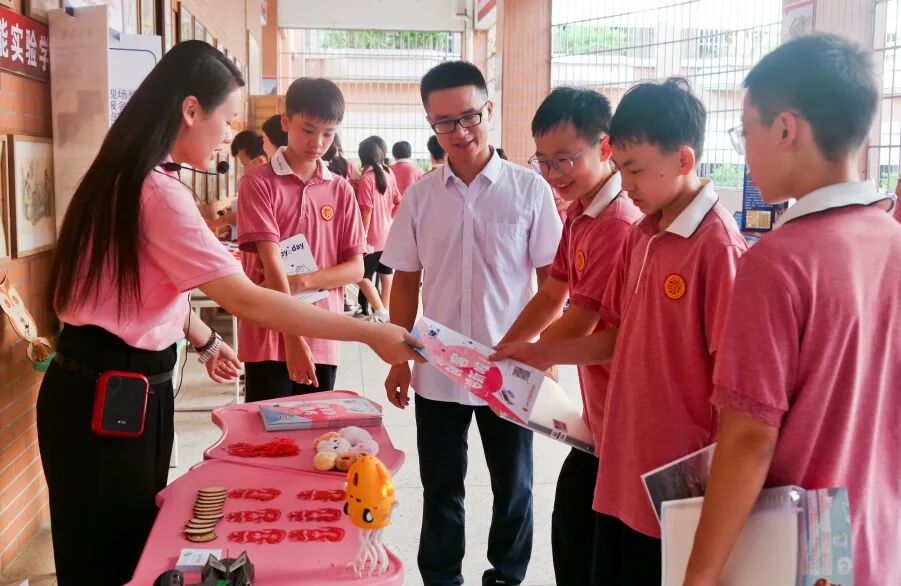
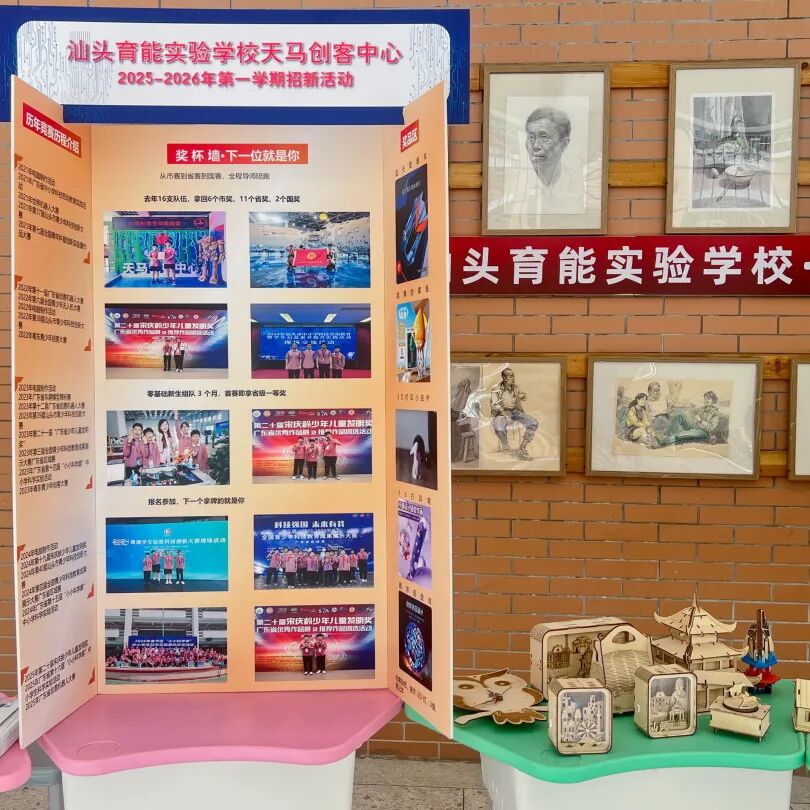
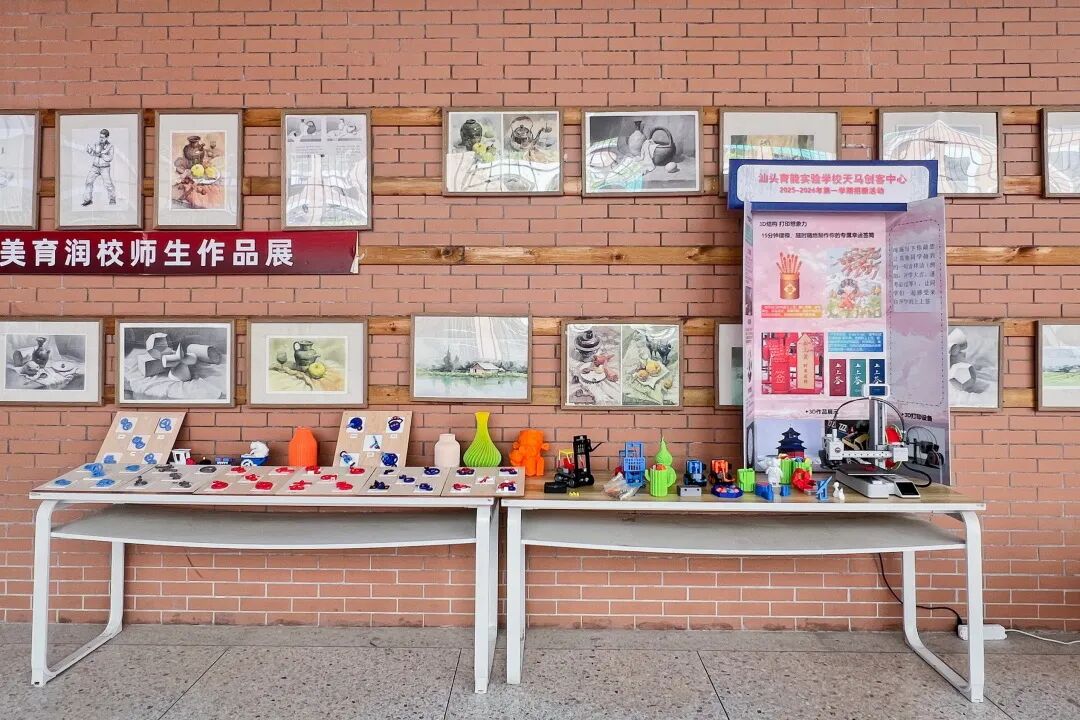
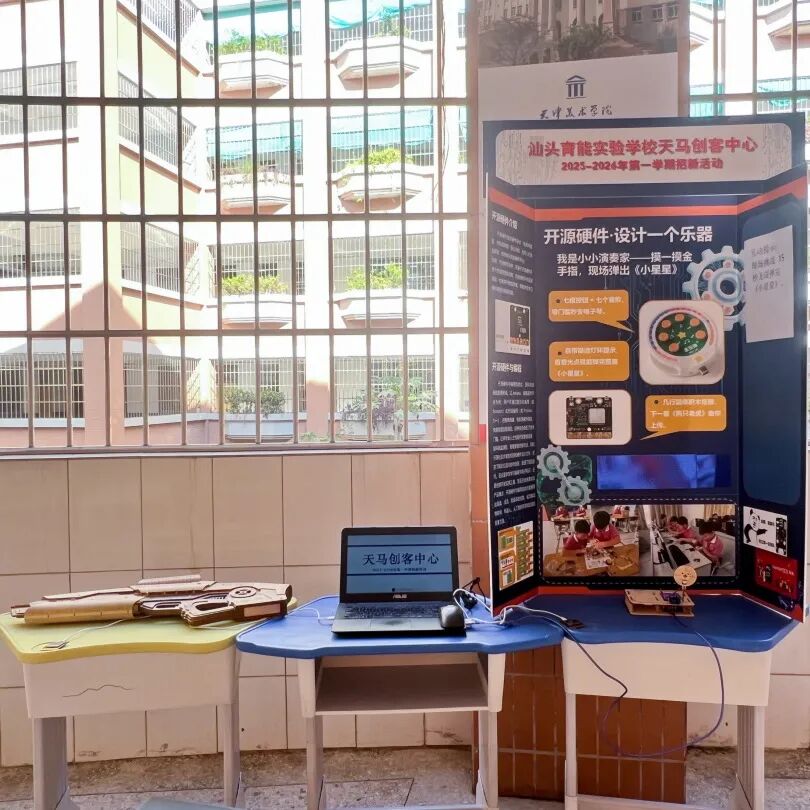
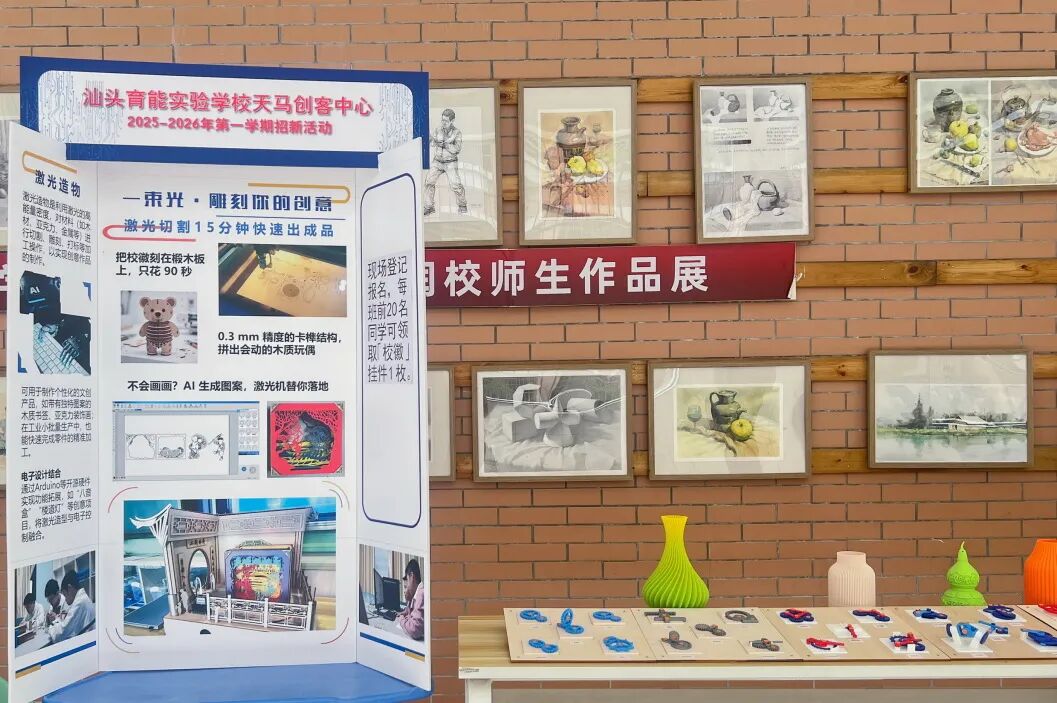
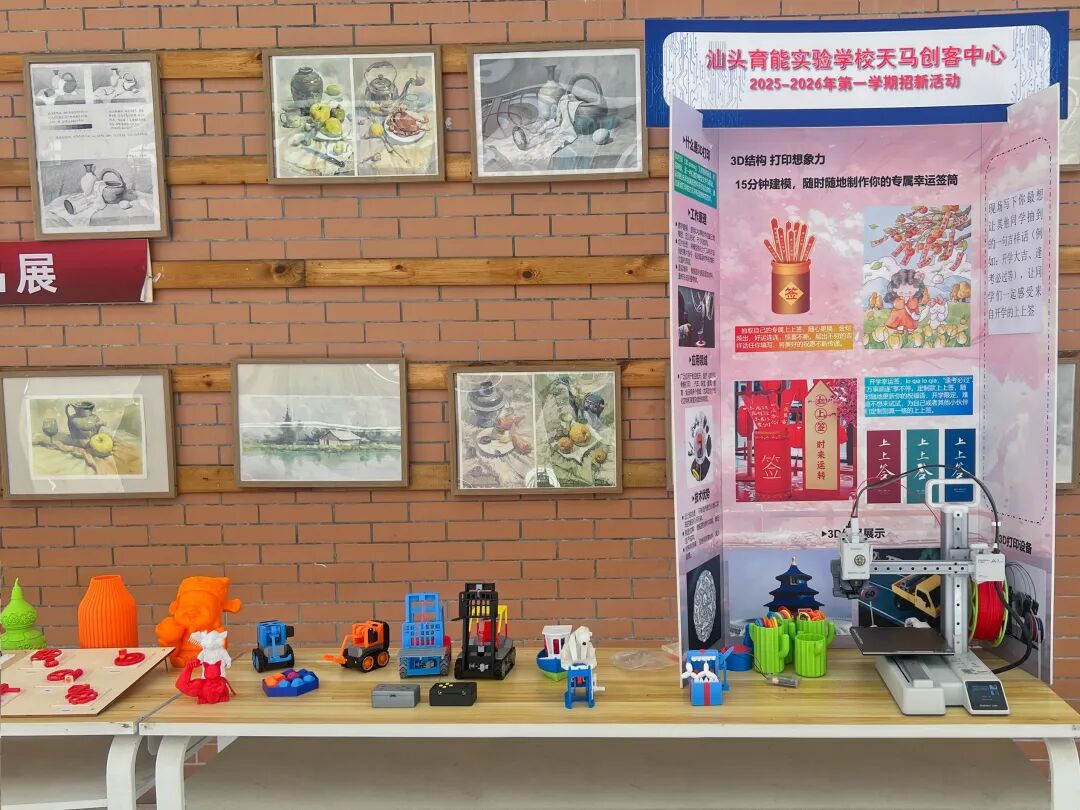
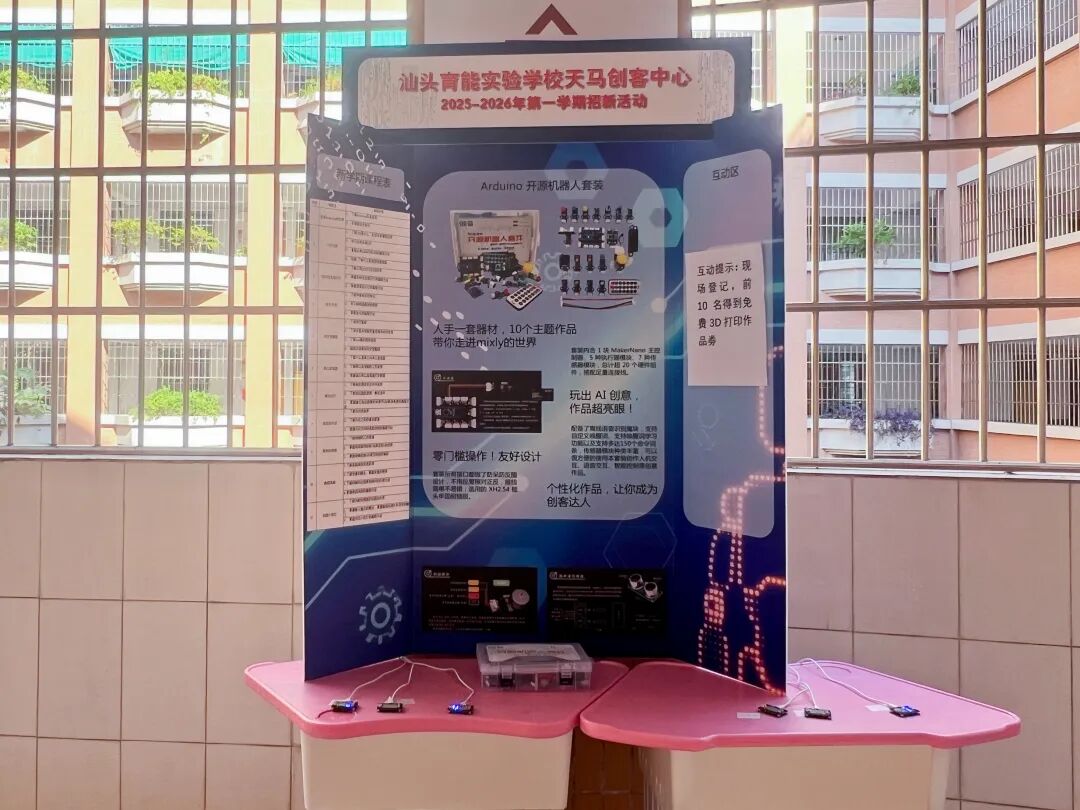
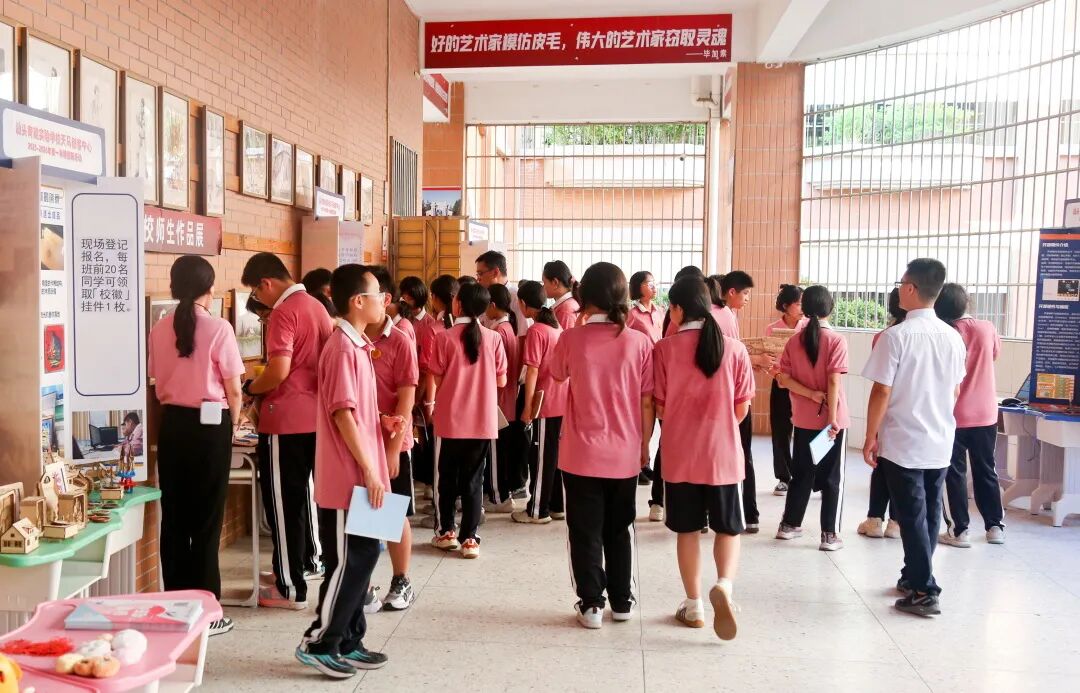
(AI Integration Innovation Experience Day)
For example, in the AI experience area, students understand how to achieve gesture recognition through simple programming with the teacher’s explanation, observing how machine vision drives a fan to rotate with a person. These projects, while not advanced, effectively reduce the “mystique” of AI technology, helping students establish the understanding that “technology is usable, modifiable, and creatable.”
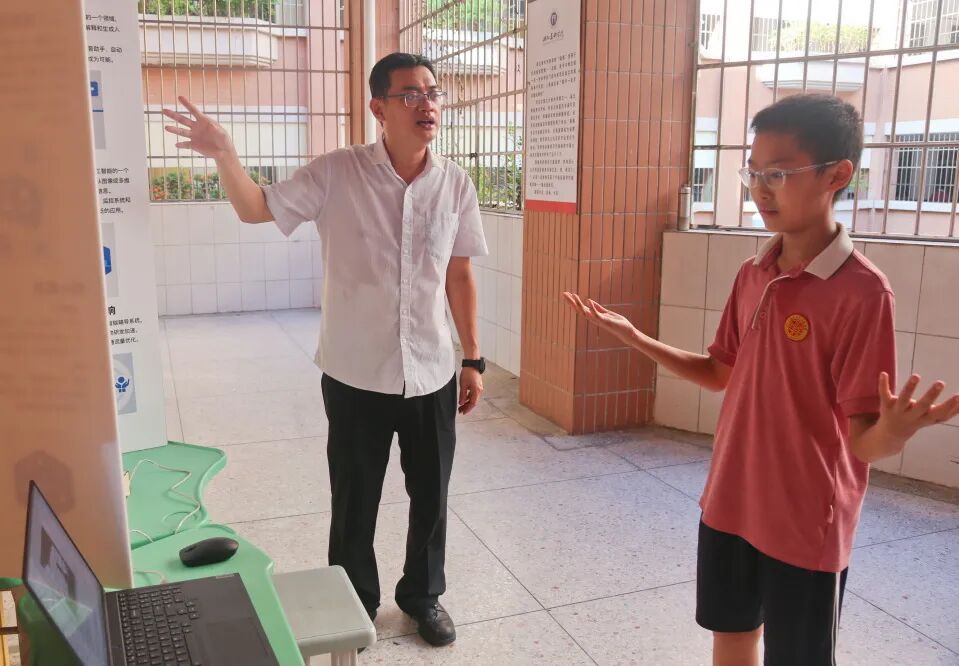
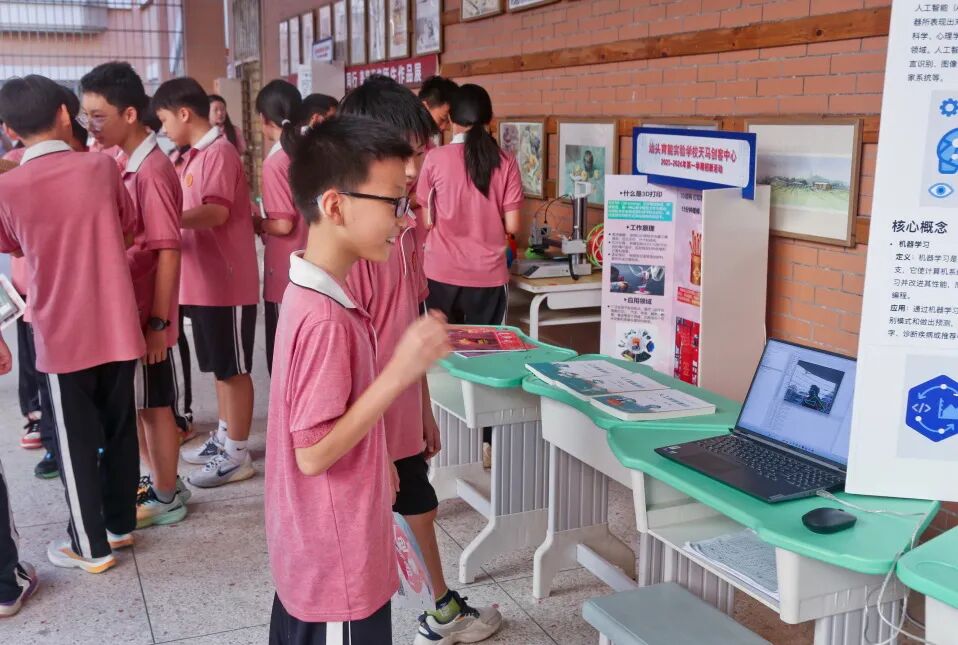
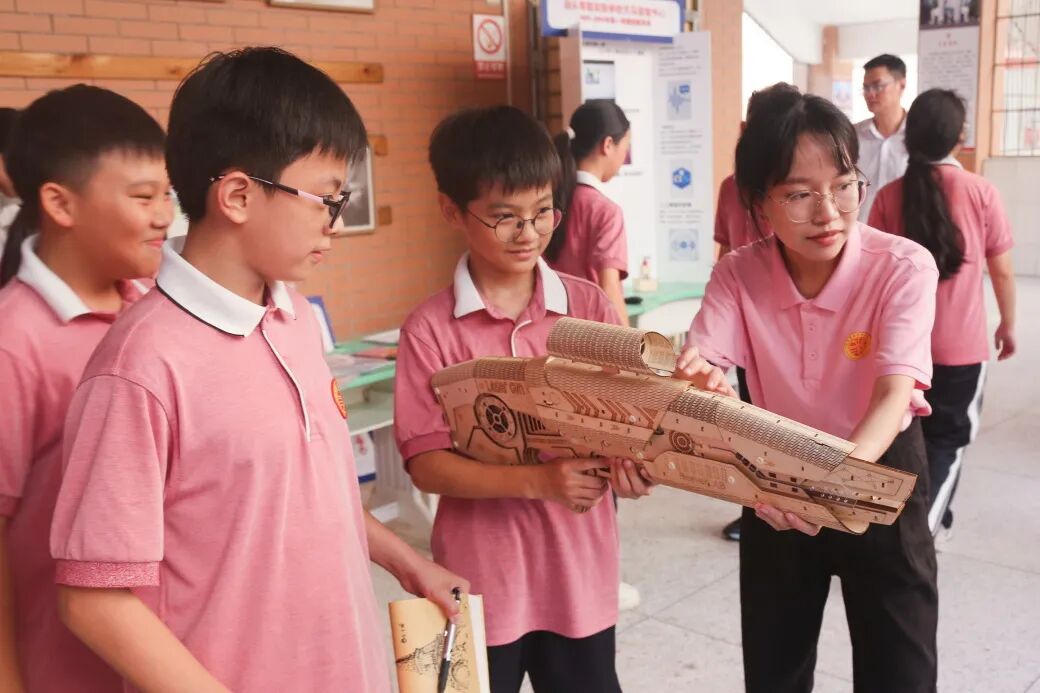

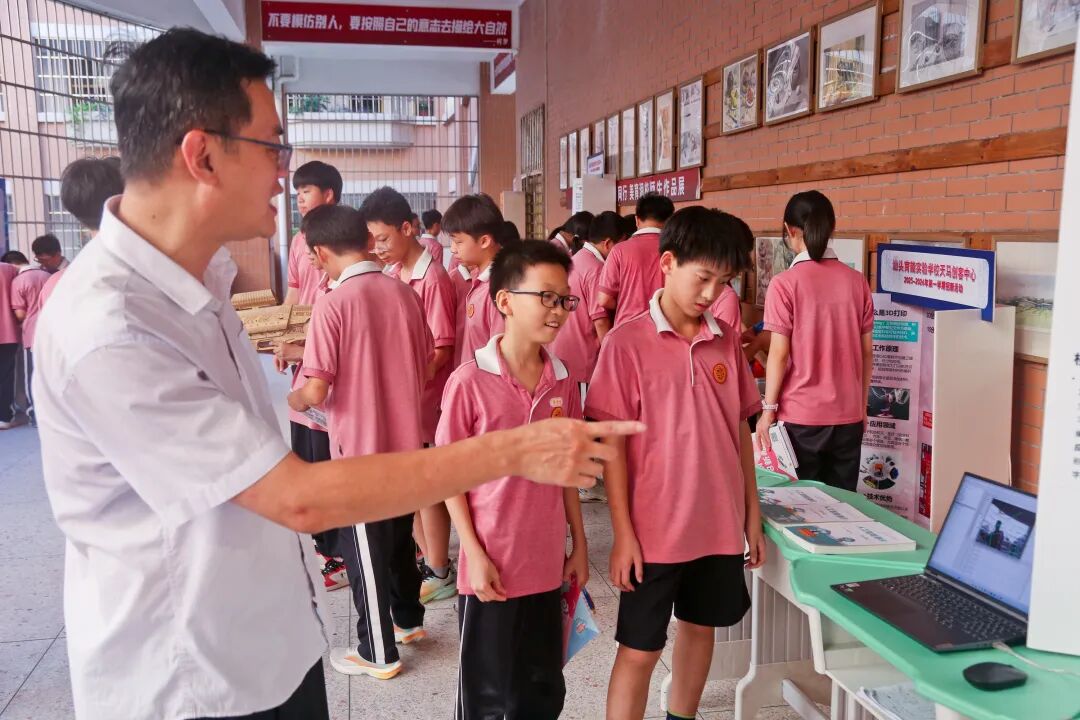
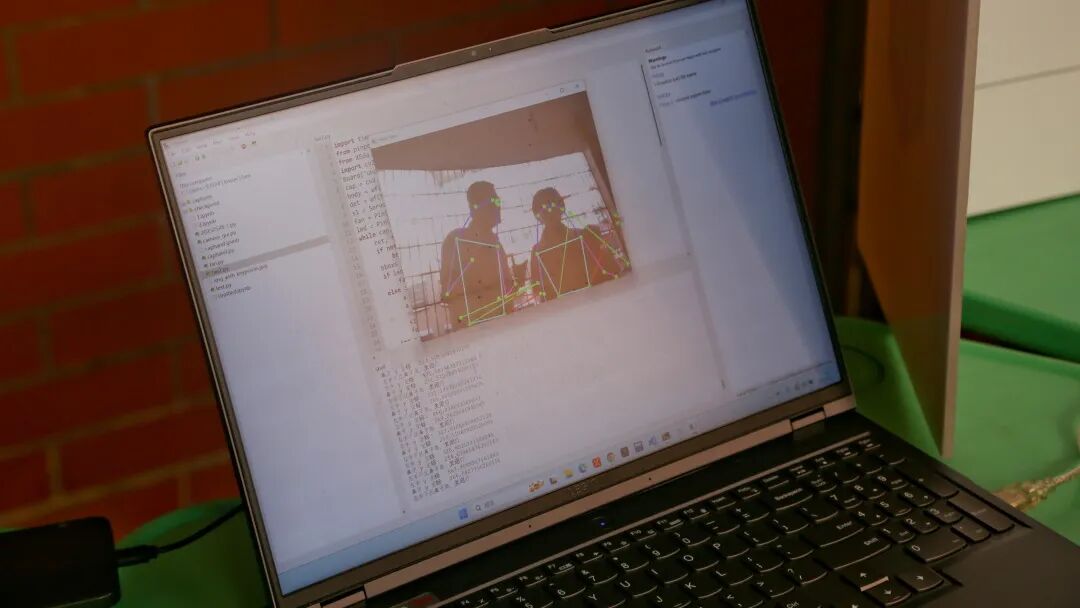
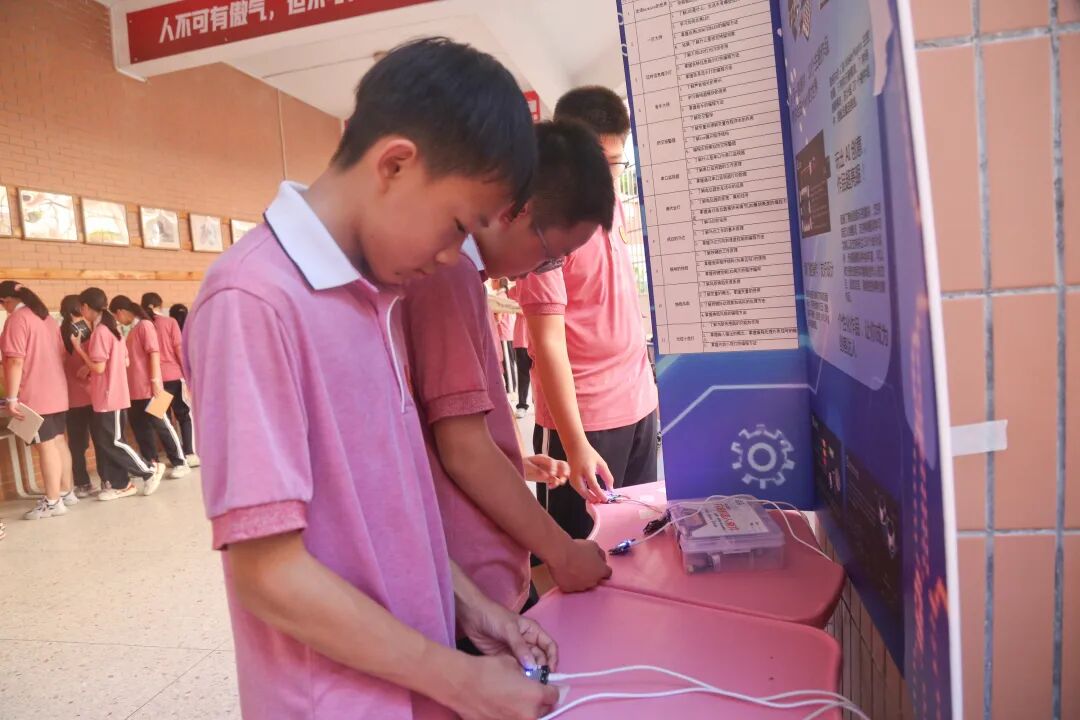
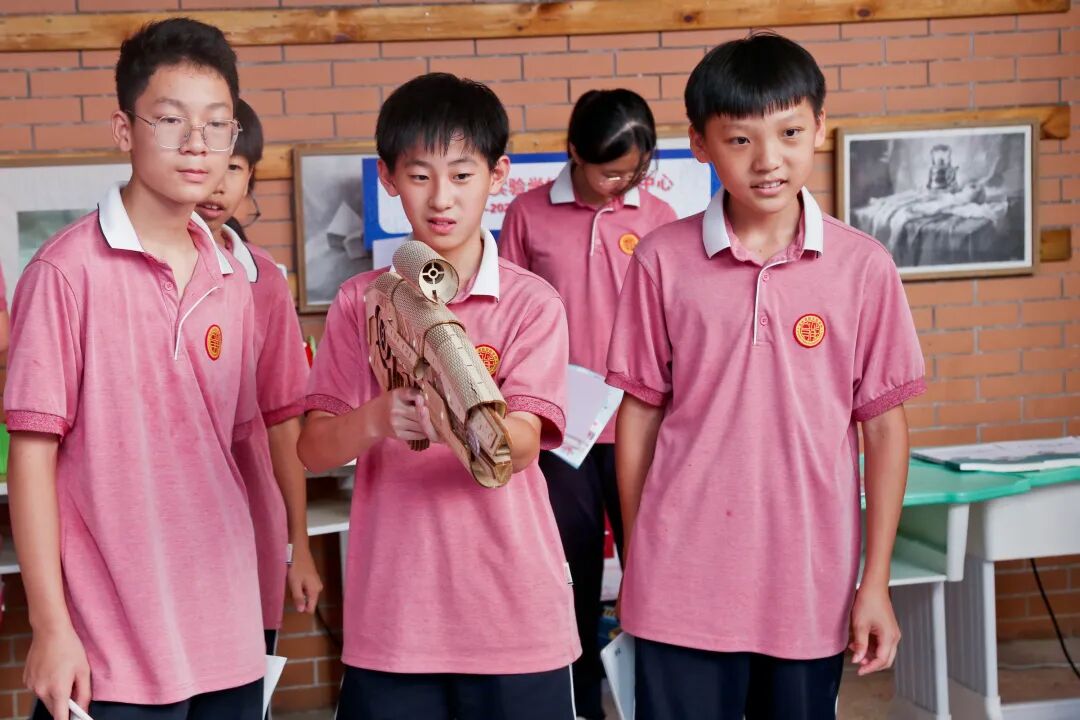
(AI Experience Area)
From “Learning Technology” to “Using Technology”:
Design Concept of Arduino Course
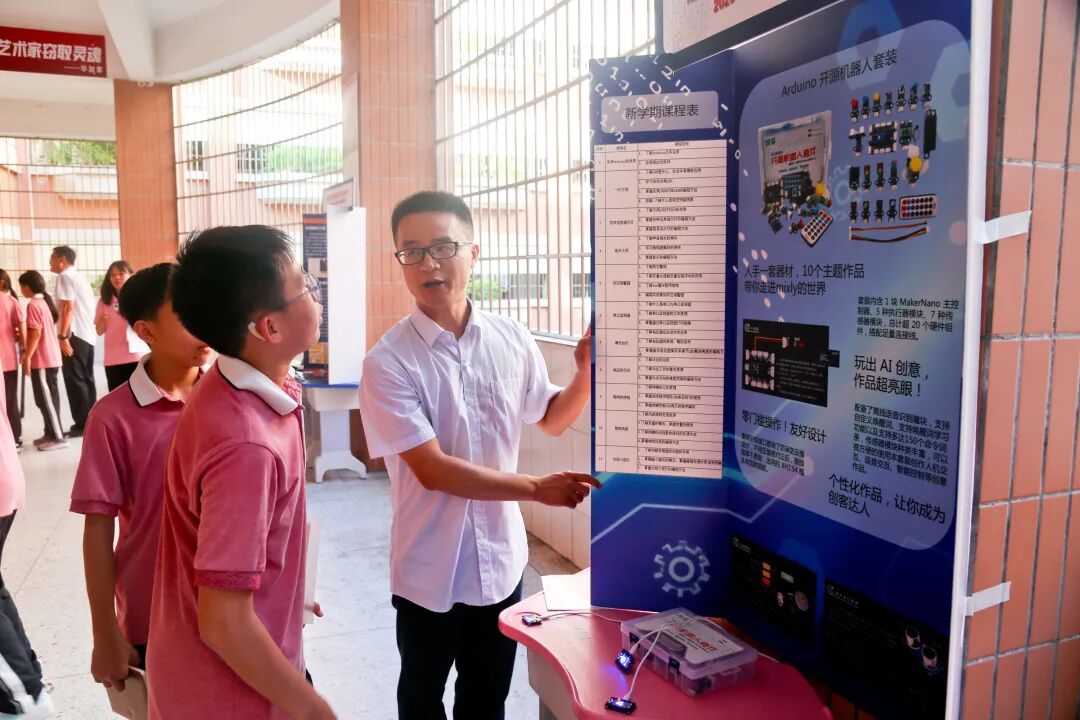
In the new semester, the school launched an Arduino open-source practical course for all students. The course revolves around ten themes, with each student equipped with a set of materials, emphasizing “learning by doing” and “creating while learning.” Unlike conventional programming classes, this course encourages students to integrate AI modules (such as image recognition and voice recognition) into their projects, attempting to use technology to solve real problems.
The course design focuses on the process rather than the outcome, with teachers playing more of a “facilitator” role, encouraging students to understand the logic of technology through trial and error and to form personal insights through creation. This “low-threshold, high-openness” teaching method provides a possible path for the normalization of AI general education.
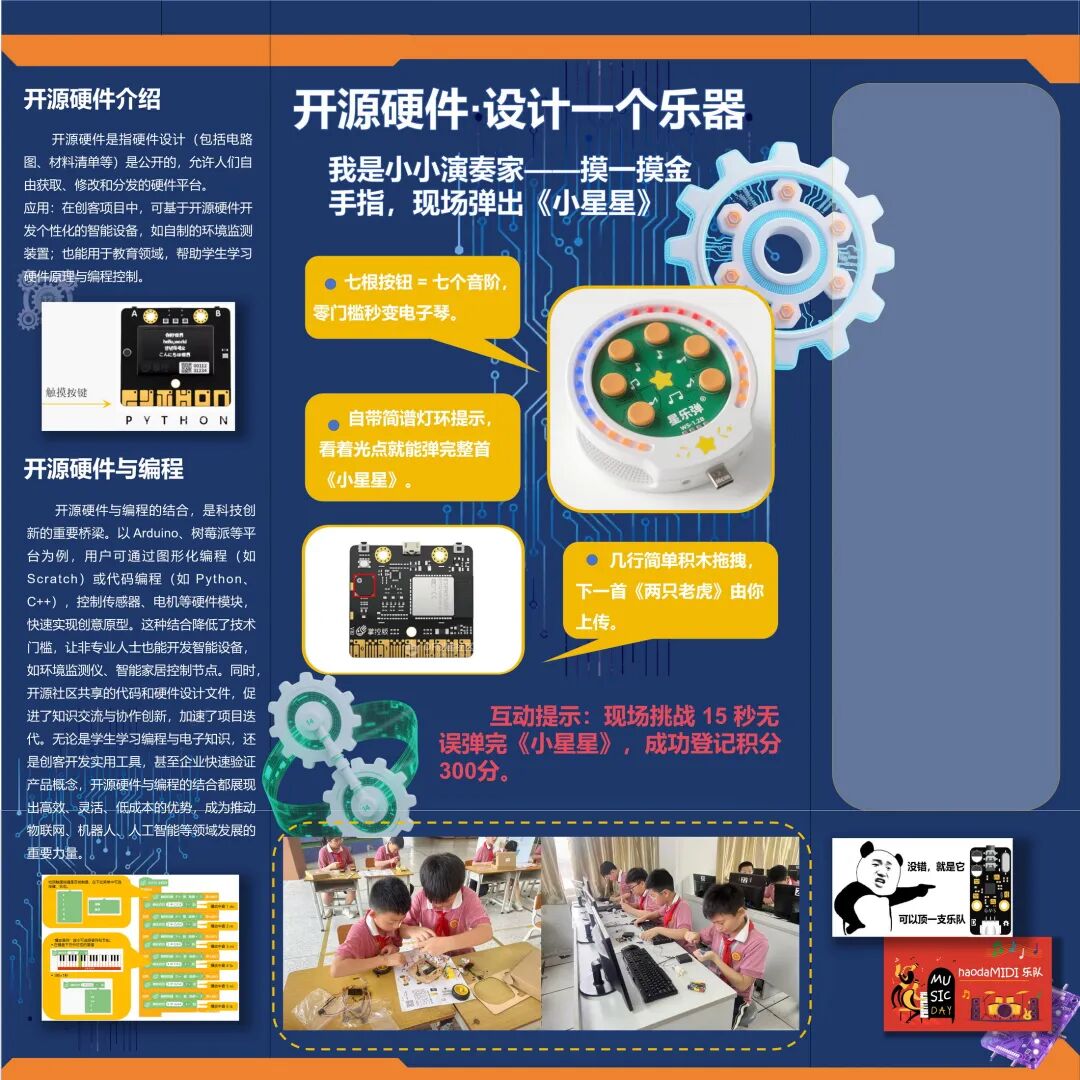
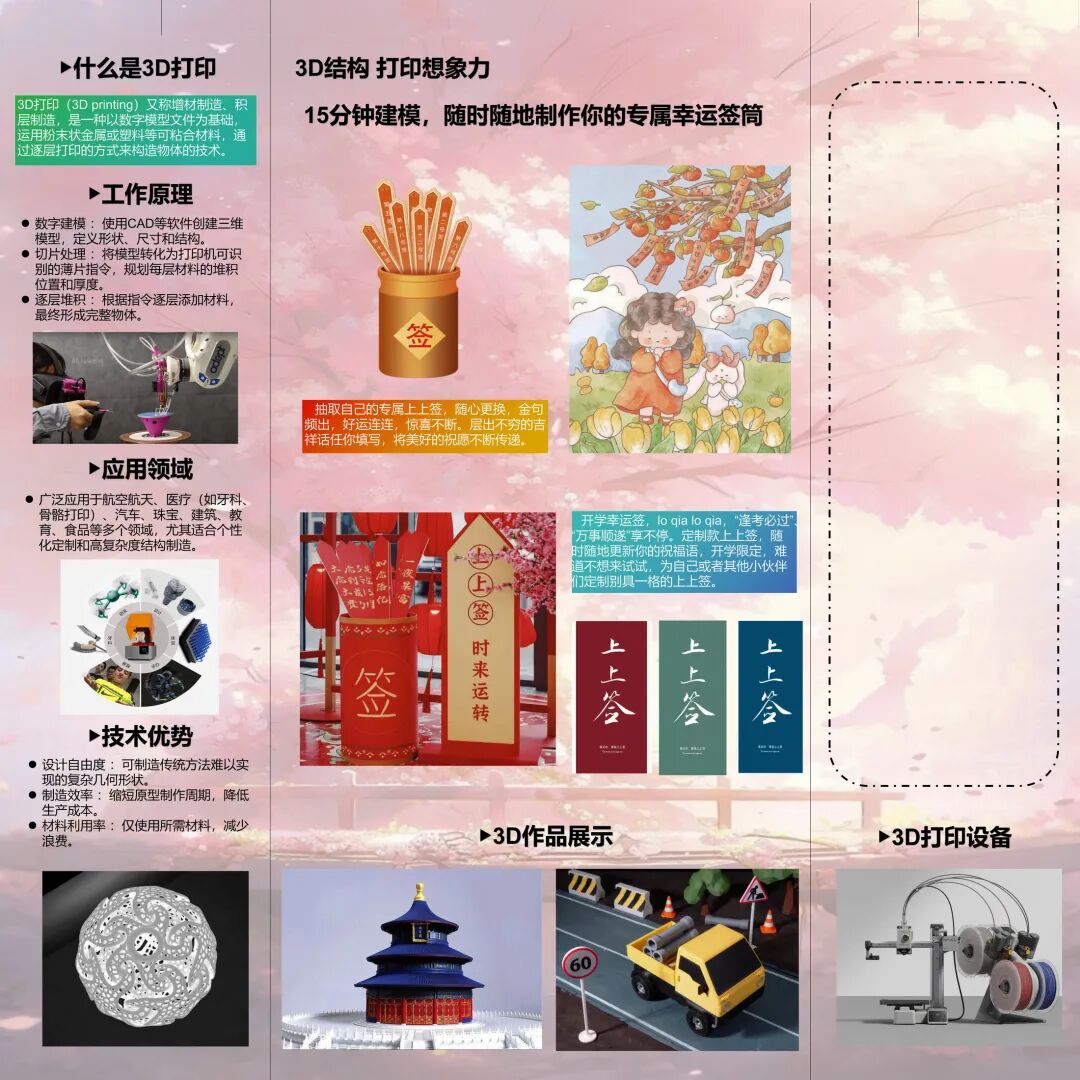
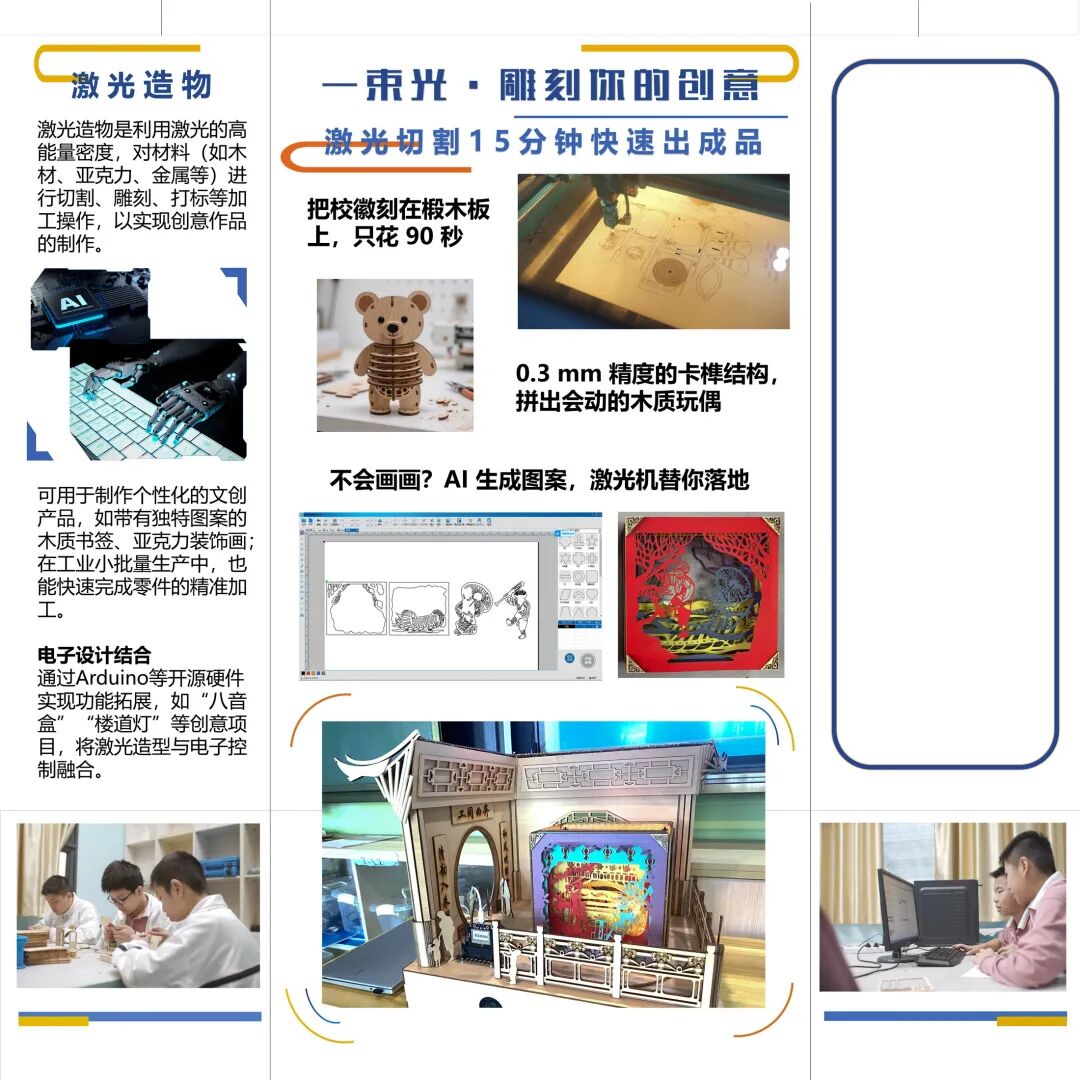
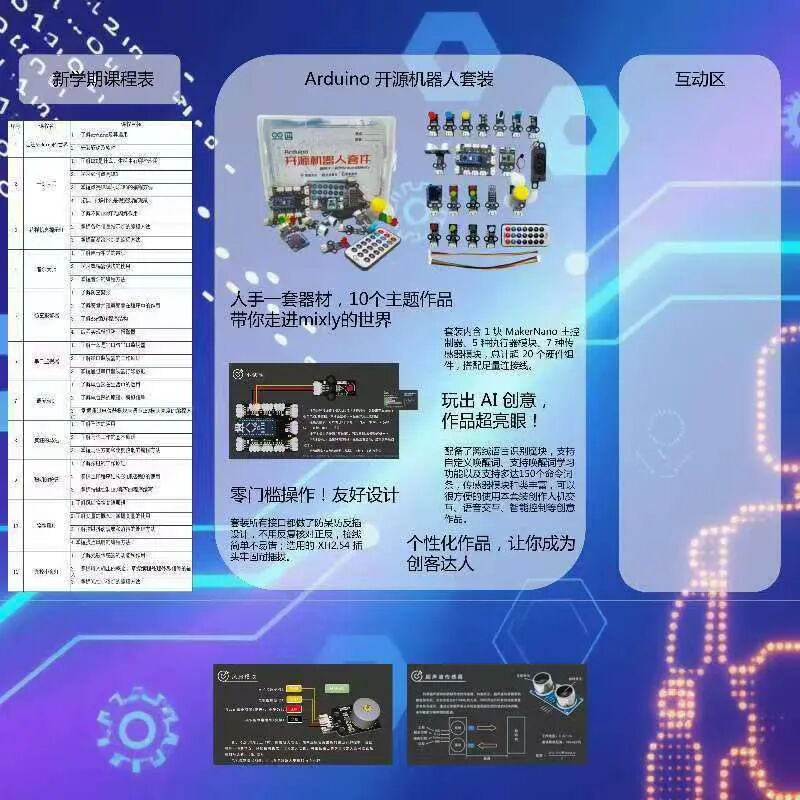
(Course Design)
Educational Observation:
The “Implementation” of AI General EducationRequires
More Practical Samples
The promotion of AI general education at the basic education stage still faces practical problems such as a lack of curriculum resources, insufficient teacher reserves, and vague teaching objectives. The practices of the Tianma Maker Center still have much room for improvement, but they provide a complete chain sample from teacher training to curriculum design, from experiential activities to project practice.
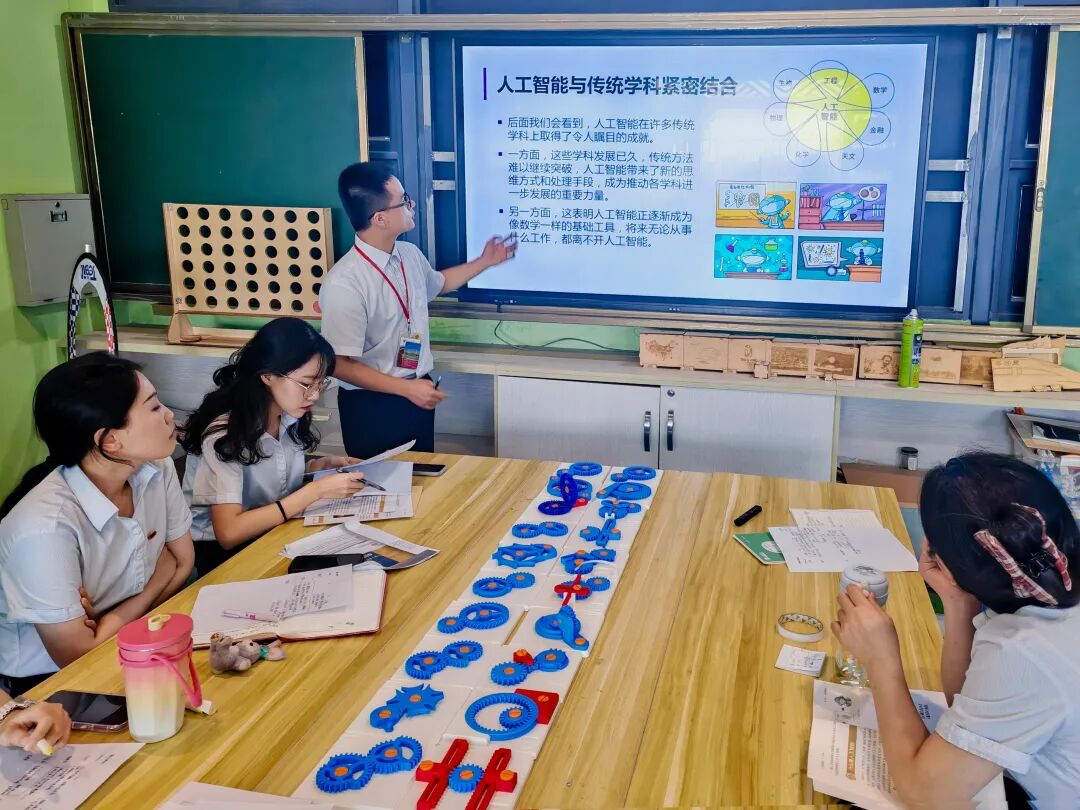
(Research Discussion)
More importantly, this exploration is not aimed at “cultivating AI talents,” but attempts to establish an educational model of “technological literacy” at the basic education stage—allowing students to understand technology, question technology, and express themselves using technology. This may be the more essential value of AI general education.
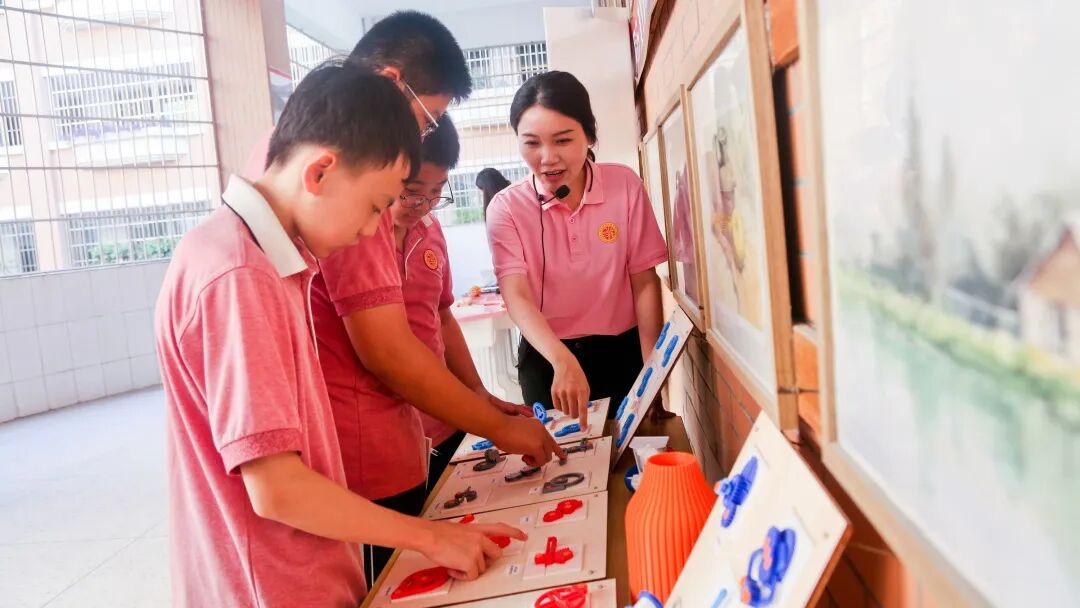
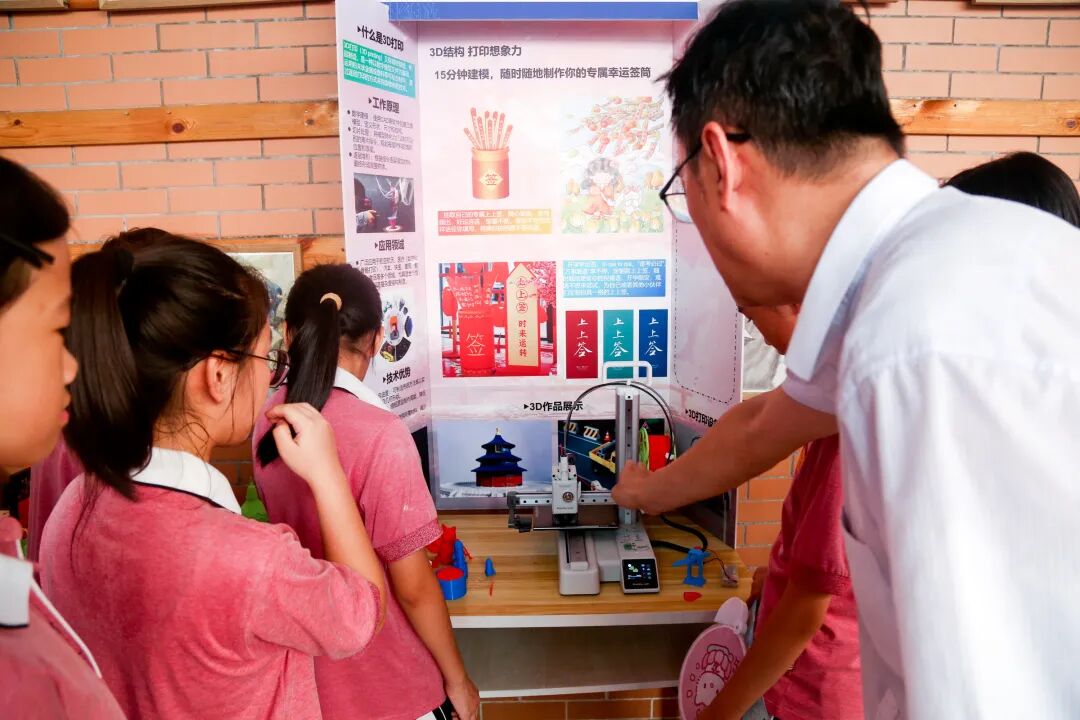
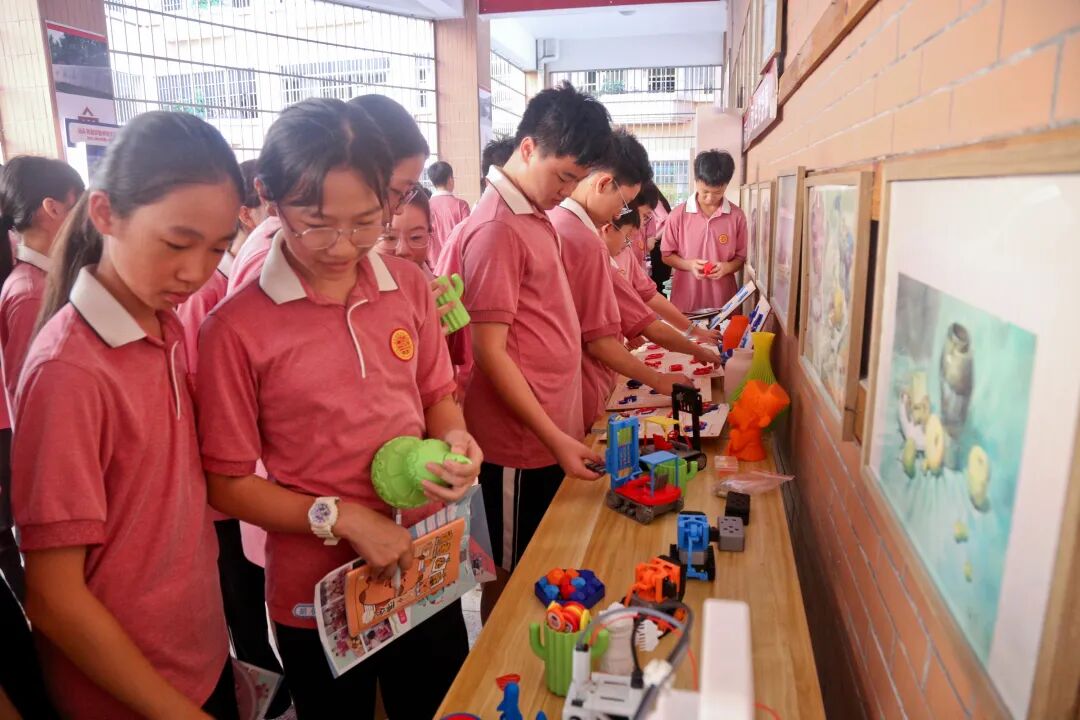
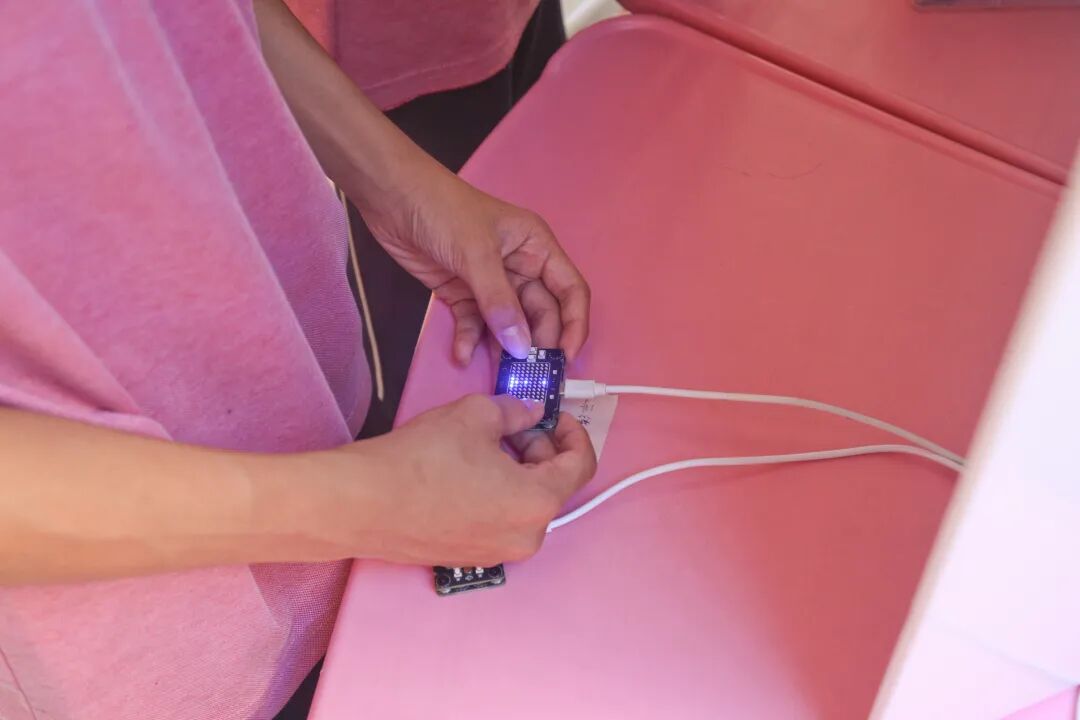
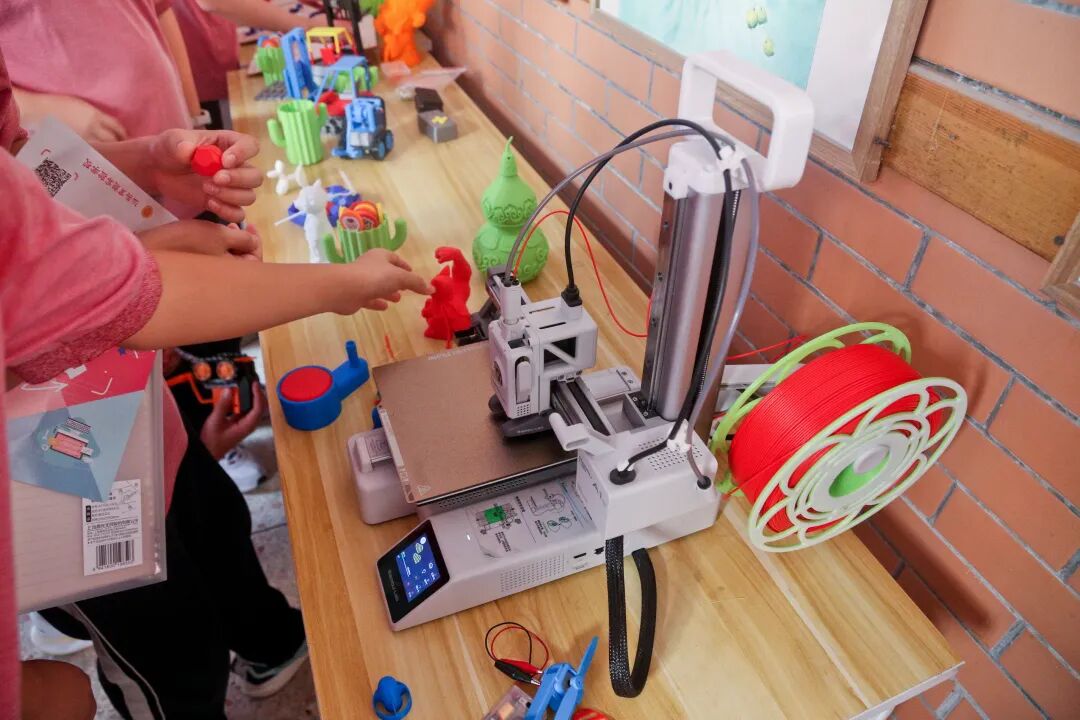
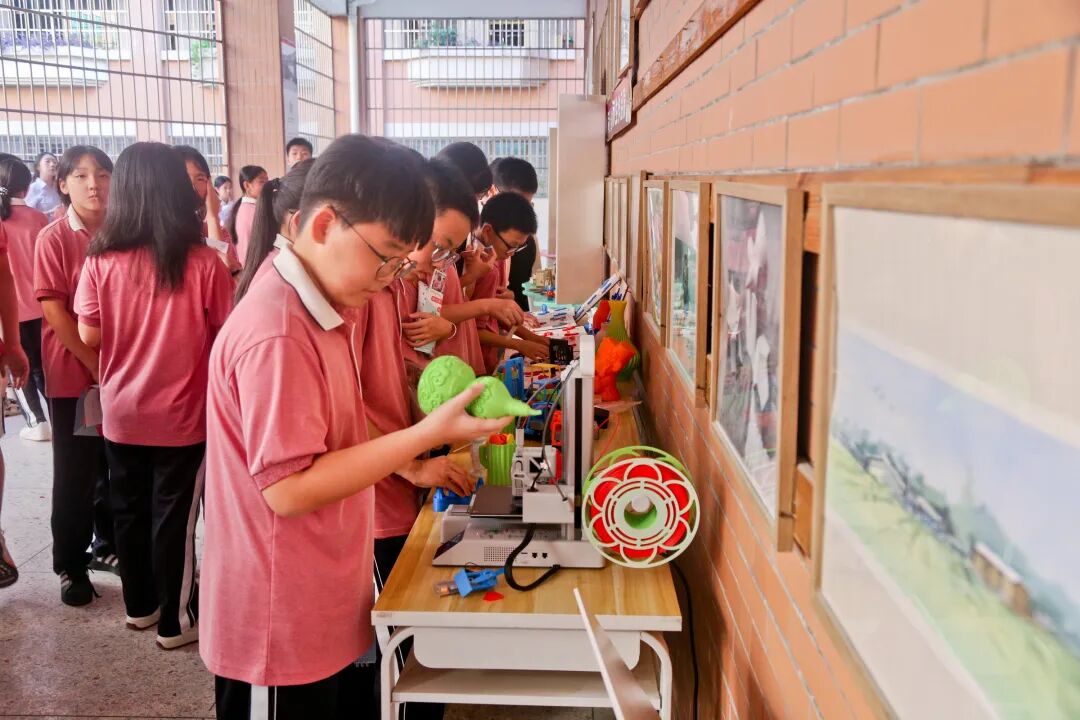
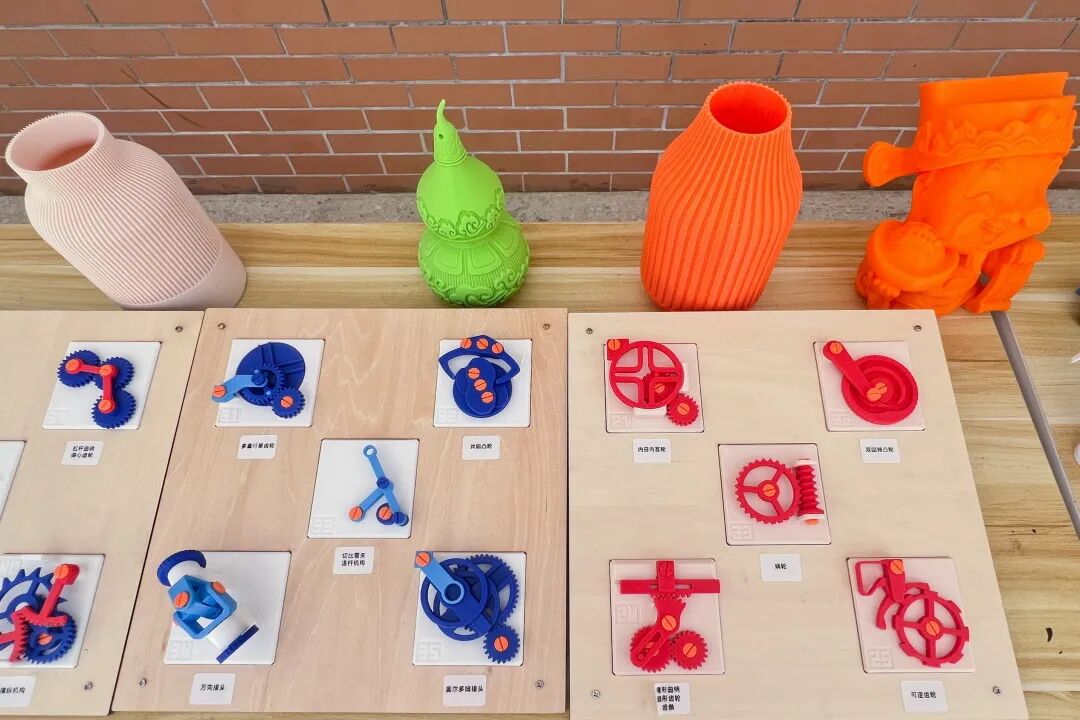
(Project Practice)
The future of artificial intelligence education lies not in early “elitism,” but in widespread “enlightenment.” When more schools are willing to explore the connections between AI and disciplines, life, and creativity from a general education perspective, technology can truly become a part of education rather than an additional task.
The attempts of the Tianma Maker Center are ongoing, and their significance may not lie in being “leading,” but in “starting.”

Images and text: Maker Center; Layout: Moral Education Department
Reviewed by: Principal’s Office