Foxconn Technology Group has announced a collaboration with Intrinsic, a robotics software company under Alphabet, to deploy a new generation of flexible robotic systems at Foxconn’s factories in the United States. This partnership was revealed during the “Foxconn Technology Day” held in Taipei, representing a deep integration between global manufacturing and Silicon Valley AI technology, moving from conceptualization to actual production.

Background of the Collaboration: The Combination of Manufacturing Giants and AI Technology
Foxconn has long been the world’s largest consumer electronics contract manufacturer, providing production and assembly services for international brands; Intrinsic is a robotics software subsidiary established by Alphabet in 2021, dedicated to making industrial robots “smarter and more flexible” without relying on complex manual programming to perform production tasks. The core goal of this collaboration is to integrate artificial intelligence, robotics technology, and digital twins, allowing Foxconn’s U.S. factories to transition from traditional “hard-coded automation” to more adaptive flexible automation systems.
Traditional automation equipment typically requires manual pre-setting of complete action processes, and once the product structure or part model changes, reprogramming is necessary, resulting in limited response speed. In contrast, flexible automation leverages AI’s visual recognition, dynamic planning, and reasoning capabilities, enabling robots to handle more variations and make more autonomous judgments in production environments. Foxconn and Intrinsic have stated that they have explored the possibilities of AI factories for many years, and the current level of technological maturity is sufficient to support real commercialization.
Collaboration Details: Tackling the “Challenging Links” in Electronic Assembly
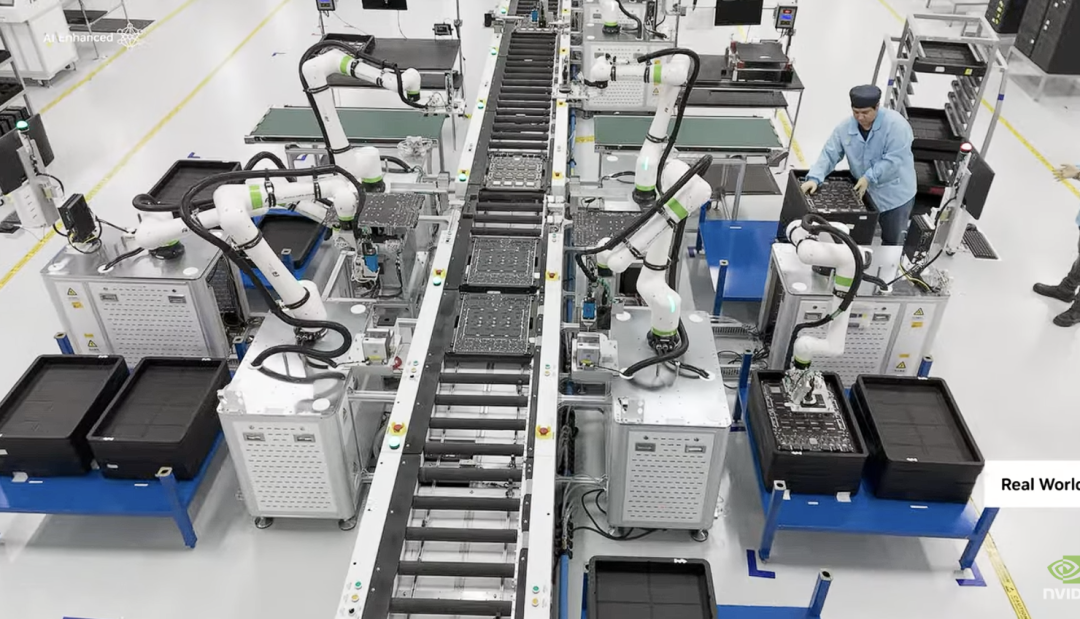
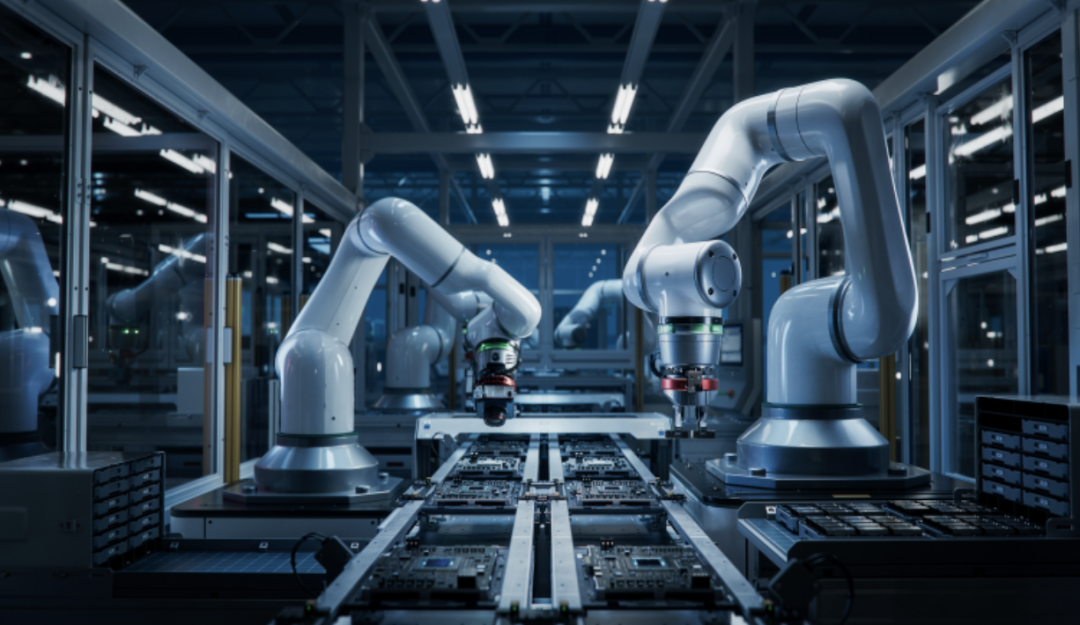
Although the specific robot models or complete product plans have not been disclosed, it has been confirmed that the collaboration will focus on some of the most challenging tasks in the electronic manufacturing process, such as AI server assembly. These tasks typically involve high-precision connections, positioning of small components, and process inspection, which require high levels of robot perception. In addition to assembly, related processes such as equipment monitoring, quality inspection, and internal logistics are also within the scope of the collaboration.
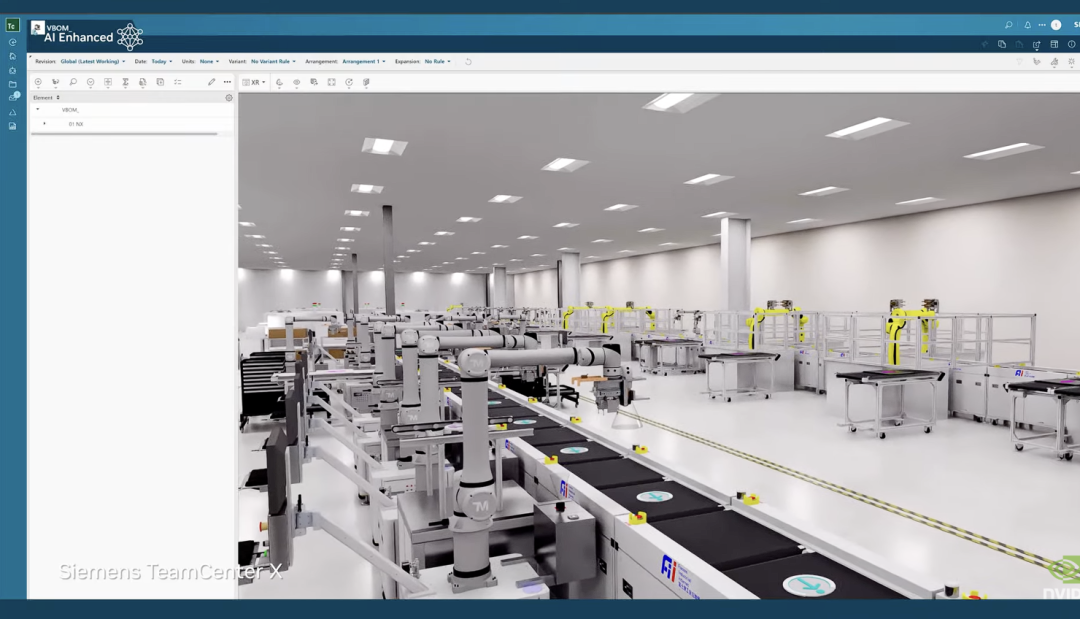
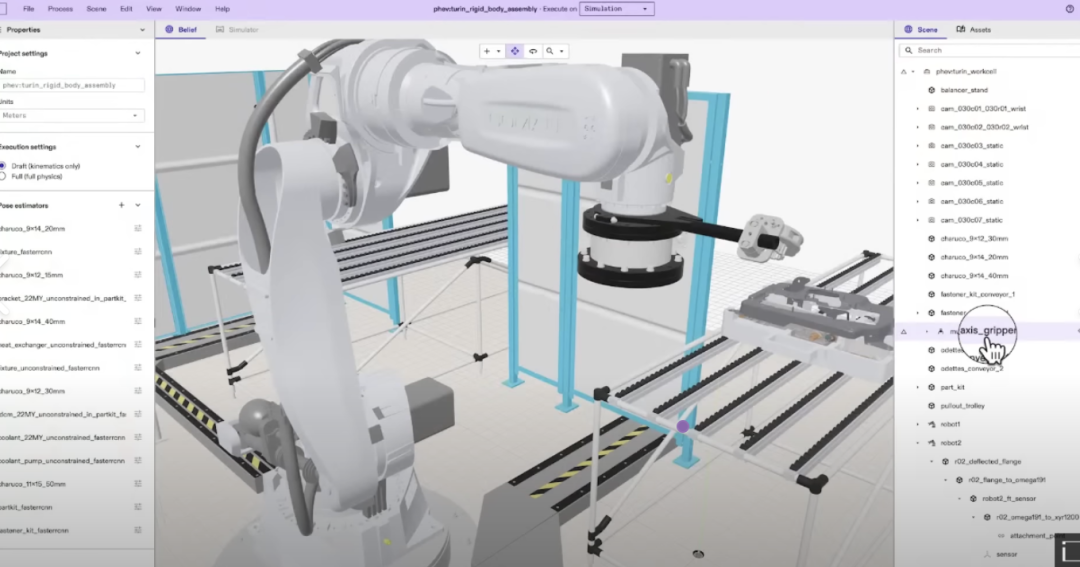
Foxconn and Intrinsic will jointly develop a series of modular industrial robot workcells. These workcells are not single devices but a comprehensive system that includes vision, motion planning, grasping, and tactile perception technologies. Through digital twins, engineers can first design and test processes in a virtual space before quickly migrating to the real production line, thereby accelerating deployment speed. For the rapidly iterating electronic industry, this model is expected to shorten the introduction cycle of new processes and reduce reliance on traditional manual programming.
Core Technology: Robots “See More Clearly” to Achieve Greater Precision
In this collaboration, Intrinsic’s development platform Flowstate will provide a unified robotic software foundation for both teams. The most notable capability comes from the Intrinsic Vision Model (IVM) integrated into Flowstate. This model, based on a transformer architecture, can simultaneously handle visual tasks such as pose recognition, object tracking, image segmentation, and point cloud generation. Unlike traditional vision systems that rely on large amounts of data for training, IVM can operate with just a CAD file, making it lighter and easier to deploy in manufacturing scenarios.
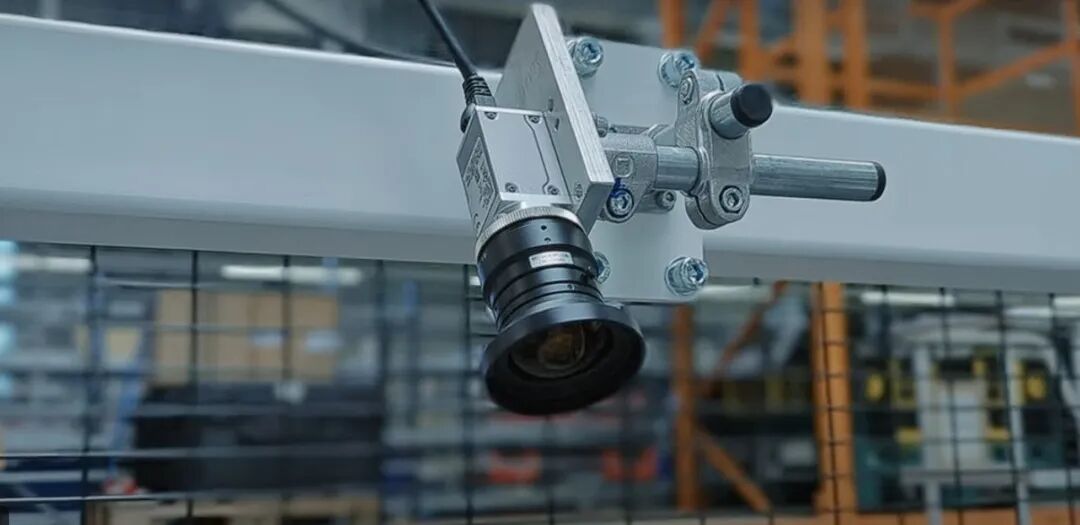
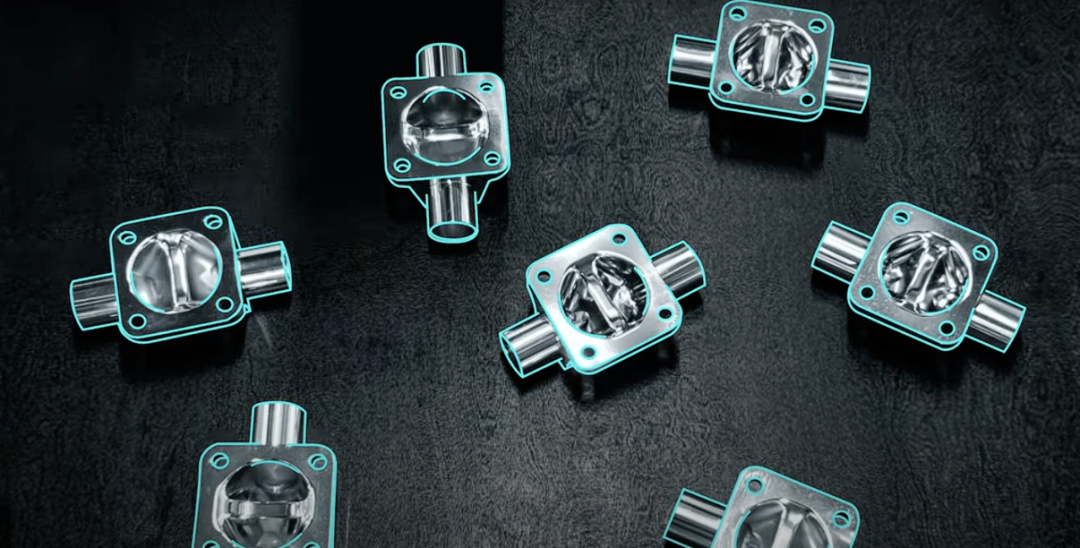
Another significant feature of IVM is that it can achieve sub-millimeter accuracy using only standard RGB cameras, which translates to lower hardware costs and greater adaptability in industrial environments. High-precision visual input will also enhance subsequent motion planning and grasping strategies, allowing robots to reduce errors and improve consistency when inserting small components or aligning complex assemblies.
For Foxconn, the introduction of such AI perception capabilities not only enhances production efficiency but also enables robotic systems to possess stronger “cross-variety capabilities,” allowing for quicker responses to product line adjustments.
Potential Impact: High Mix, High Volume Production Becomes More Economically Viable
From an industry perspective, the significance of this collaboration lies in its potential to propel “AI-driven flexible manufacturing” into a phase of large-scale commercialization. The rapid iteration speed and diverse processes in the electronics industry have long relied on a significant amount of manual labor to handle highly variable tasks, while the collaboration between Foxconn and Intrinsic showcases a possible future: robotic systems are no longer limited to repetitive labor but can undertake more tasks requiring precise judgment and adjustments.
This not only helps factories shorten the time from design to mass production but also makes high mix, high volume production models more economically feasible. As AI visual models, digital twins, and software-driven robotic platforms continue to advance, it will become increasingly realistic for manufacturing enterprises to deploy more consistent and faster-reacting production capabilities globally.
No matter the final outcome, this collaboration reflects a clear trend: AI and robotics technology are stepping out of laboratories and concept demonstrations to begin influencing real manufacturing processes, and global manufacturing is entering a new phase that relies more on data and models.
One-click Triple Action“Like 👍” “Share ➡️” “Love ❤️”
Leave your thoughts in the comments!
🌟 Every weekday at 12:00 🌟
From technological evolution to market landscape
Guozhiyuan provides first-hand information on intelligent industry trends and investment insights