With ropes as wings, guarding is our responsibility. From July 9 to 13, the Shendun Emergency Rescue Center in Beijing Economic and Technological Development Zone focused on practical needs and organized specialized training for DRT (Double Rope Technique) rope rescue. Through individual skill refinement and team collaboration, the training comprehensively enhanced the emergency response capabilities of the rescue team in complex environments such as high altitudes and mountainous areas, solidifying a professional defense line for safeguarding lives.
Theoretical Foundation: Understanding Principles to Ensure Every Action is Justified01
“The core of DRT is ‘double rope safety’; there must always be an independent backup rope, which is the bottom line for rescue safety!” On the first day of training, the instructor team systematically explained the principles of the double rope system, equipment characteristics, and scene adaptation logic using a “theory + case study” approach. From the load parameters of rope materials to the mechanical transmission of descenders, from the safety factors of anchor point setups to risk assessment in different rescue scenarios, each knowledge point was closely tied to practical needs.
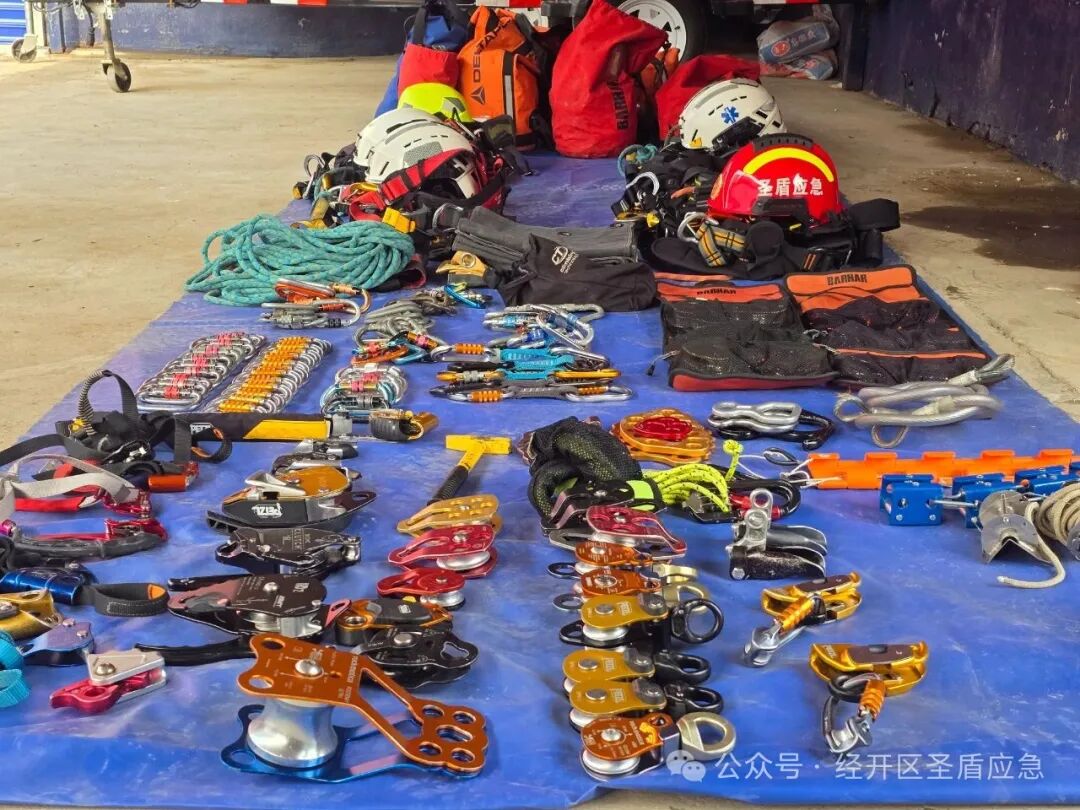
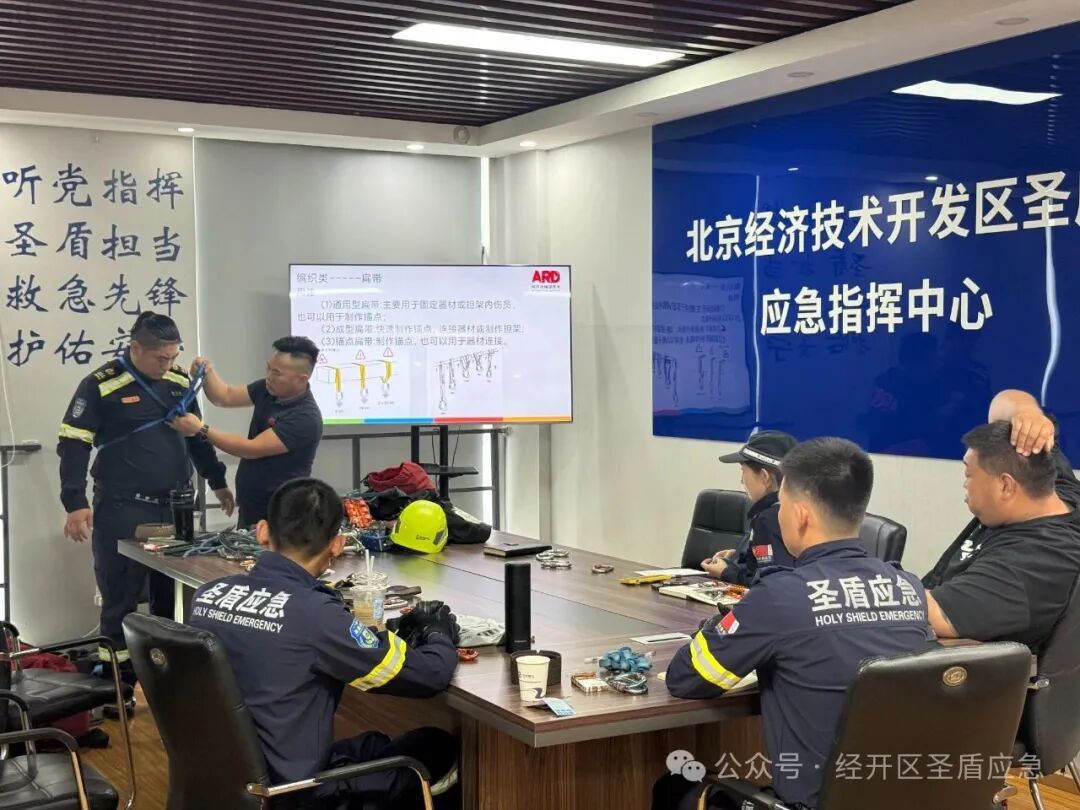
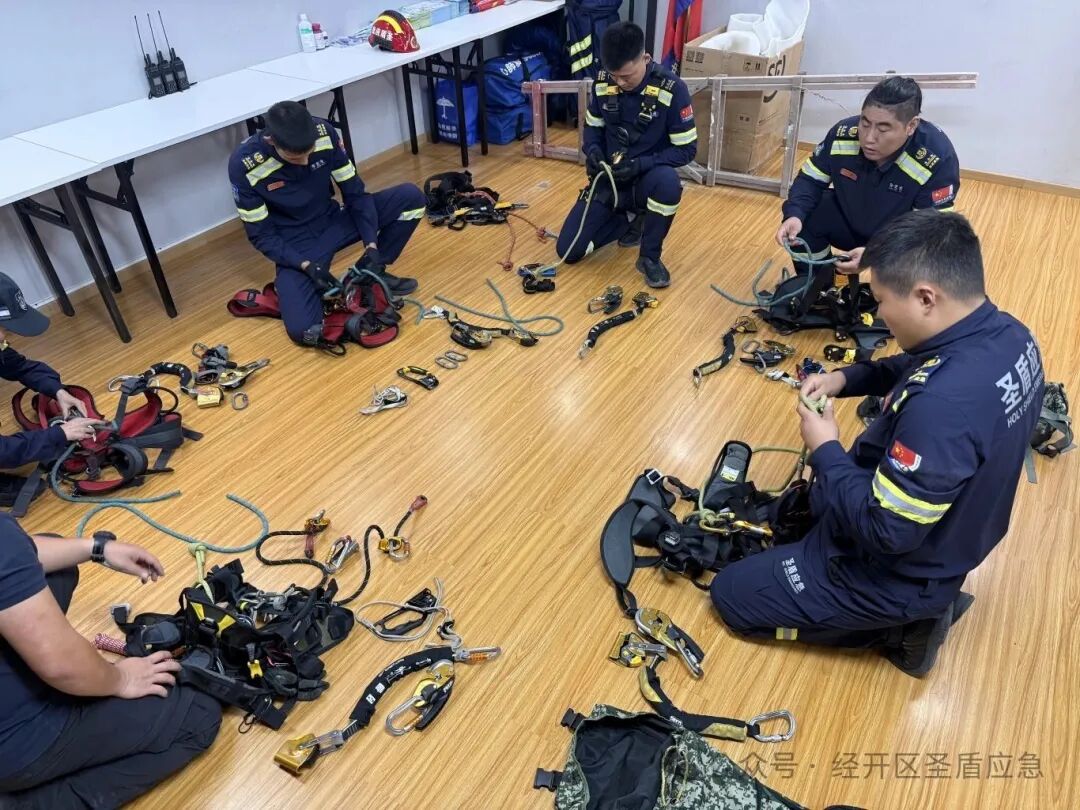
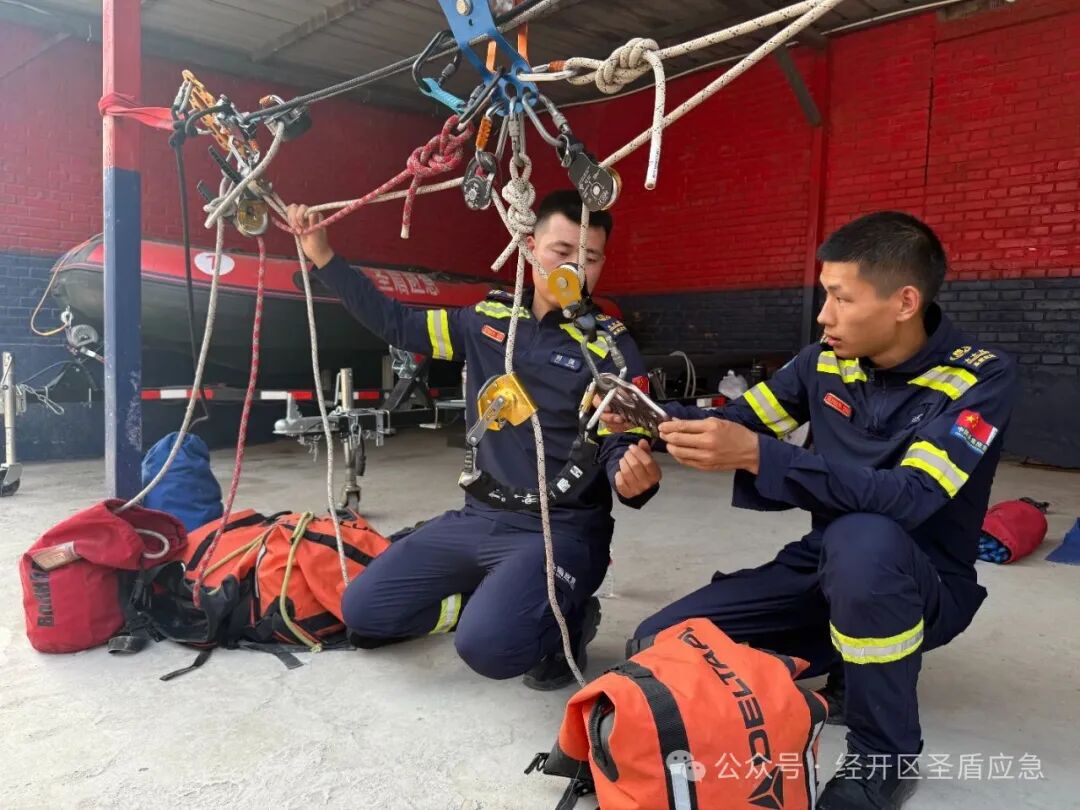
By analyzing the risks caused by “rope operation errors” in real rescue cases, the instructors deeply dissected the importance of standardized processes, ensuring that team members not only “know the facts” but also “understand the reasons behind them,” laying a solid theoretical foundation for subsequent practical training.
Individual Refinement: Repeated Practice to Perfect Every Move02
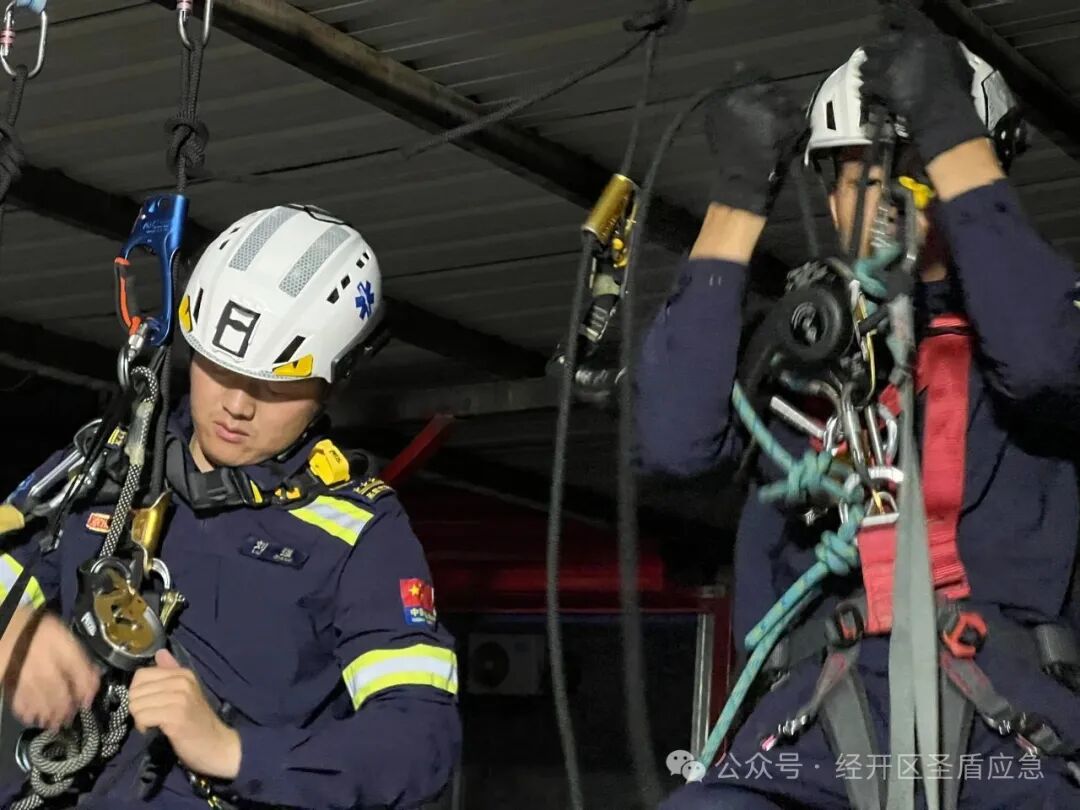
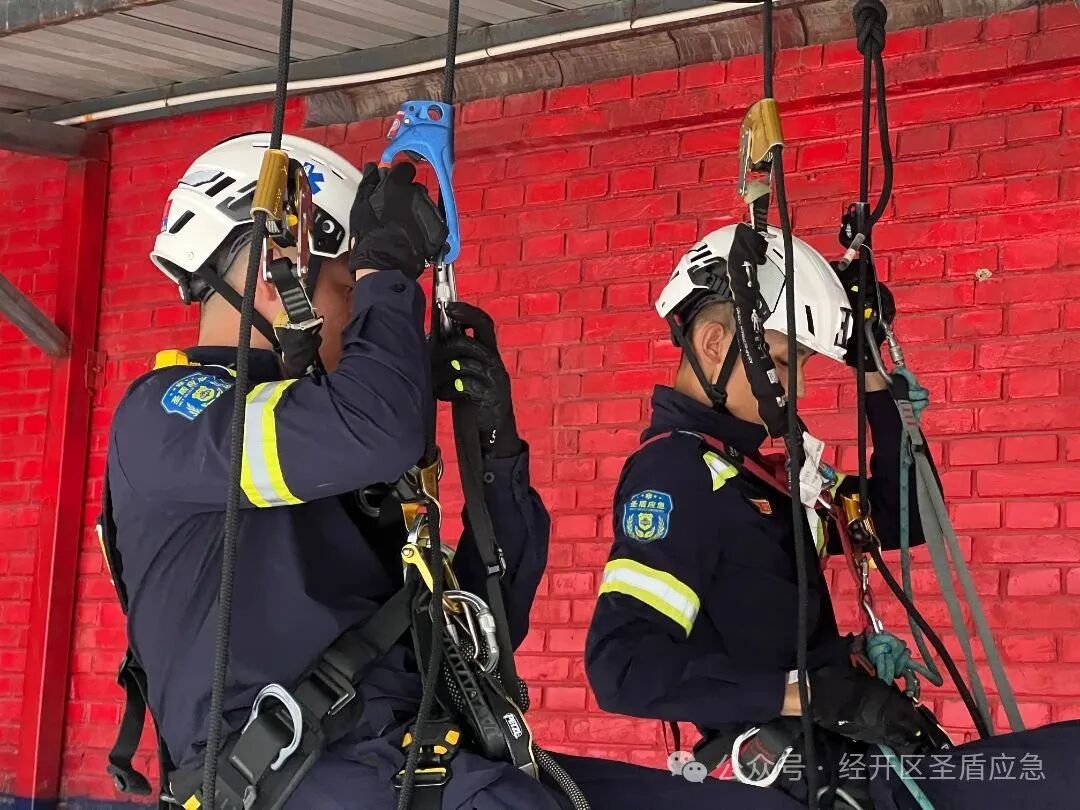
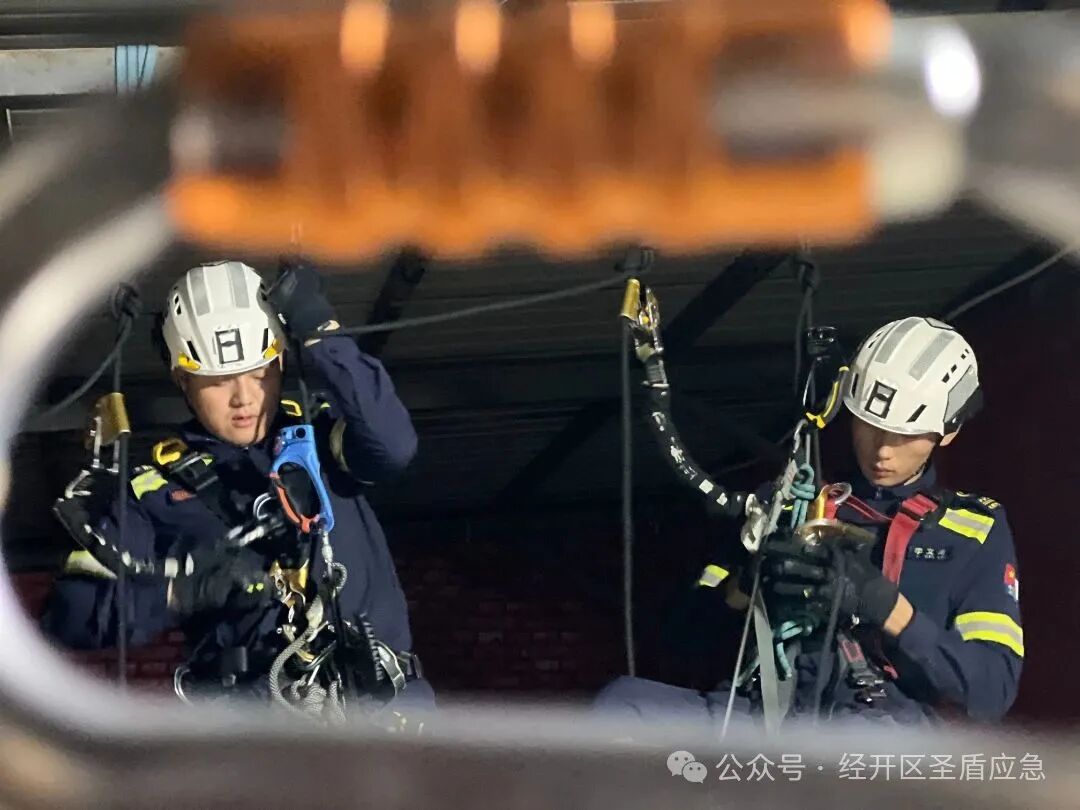
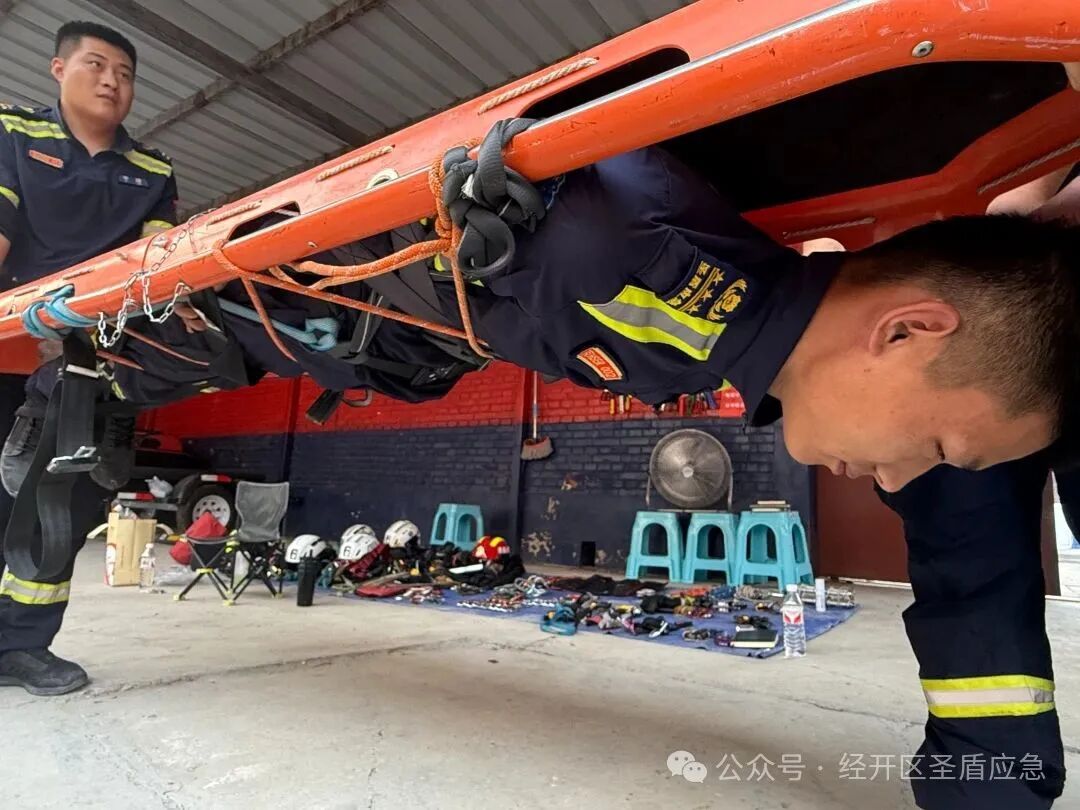
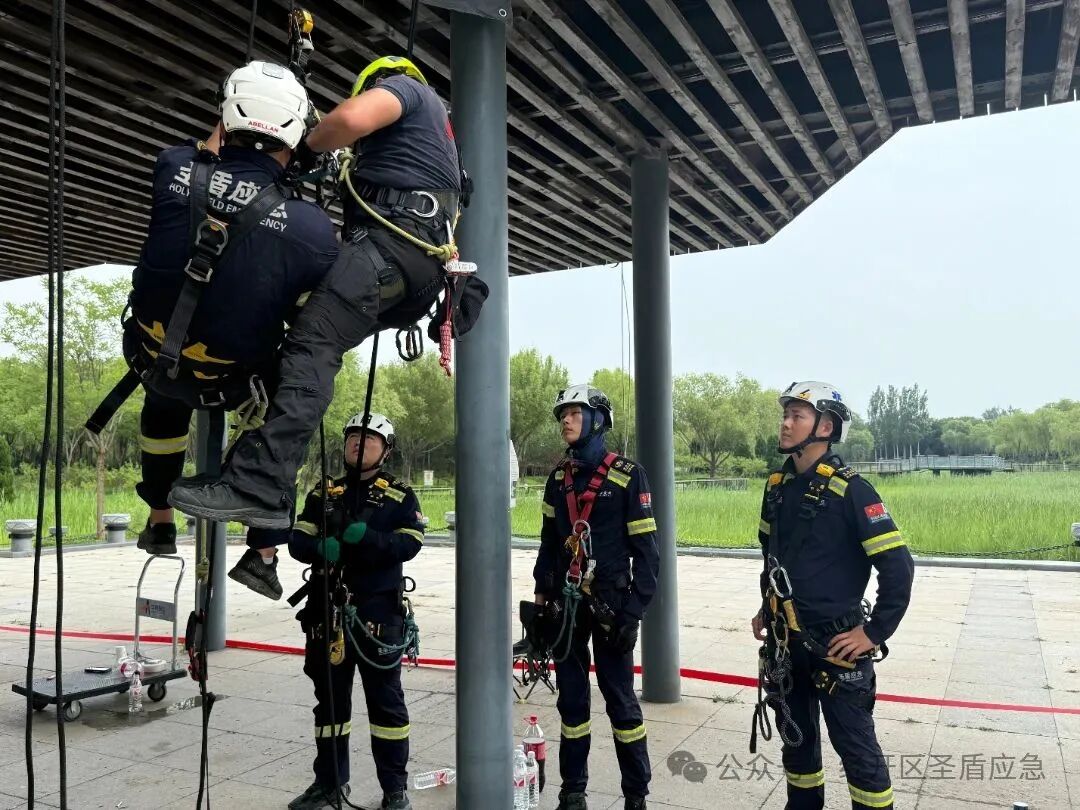
During individual skill training, team members engaged in high-intensity exercises focused on “precise operations”:
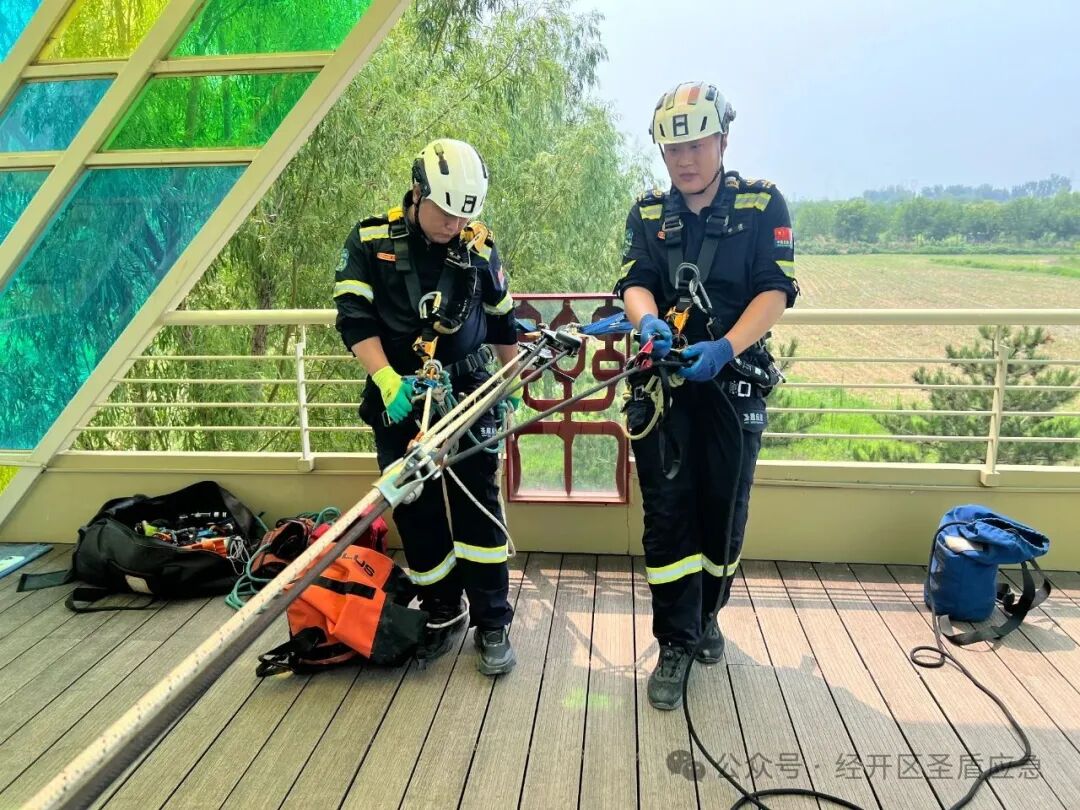
– Seamless transitions between ascending and descending tested absolute control over the equipment, requiring precise adjustments in finger strength and body balance;
– Knot tying and rope protection techniques required quick completion of standardized operations even under simulated complex conditions such as blindfolded or wearing gloves;
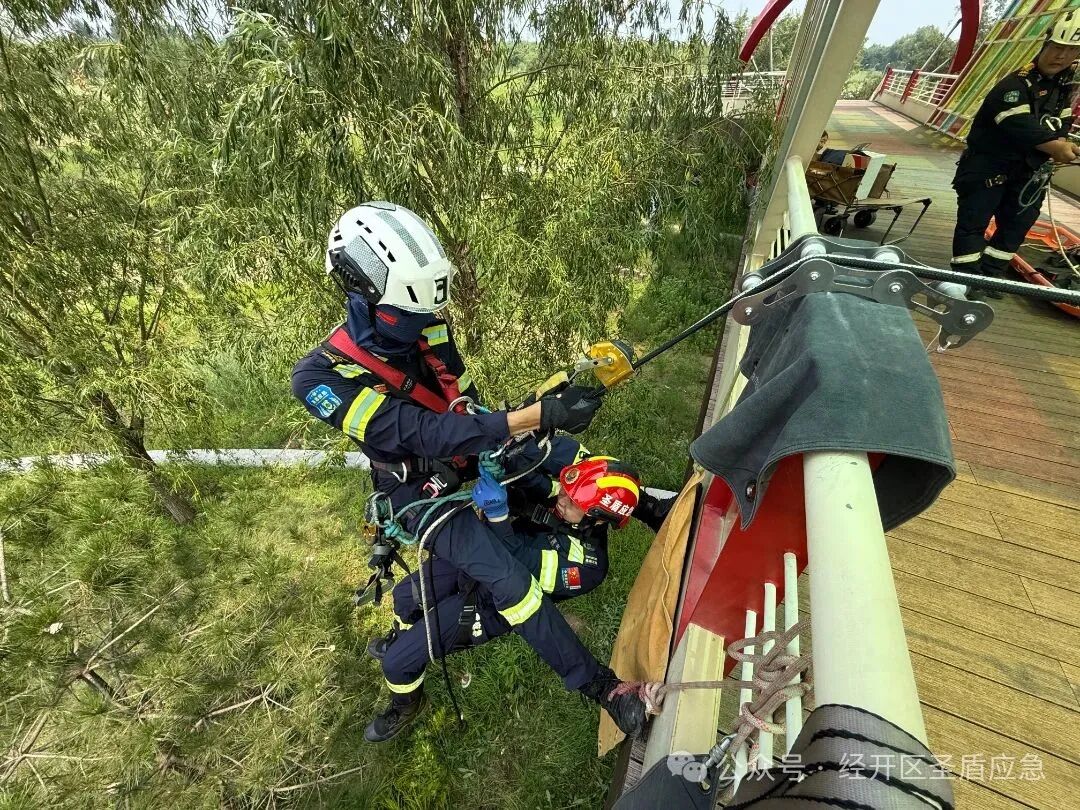
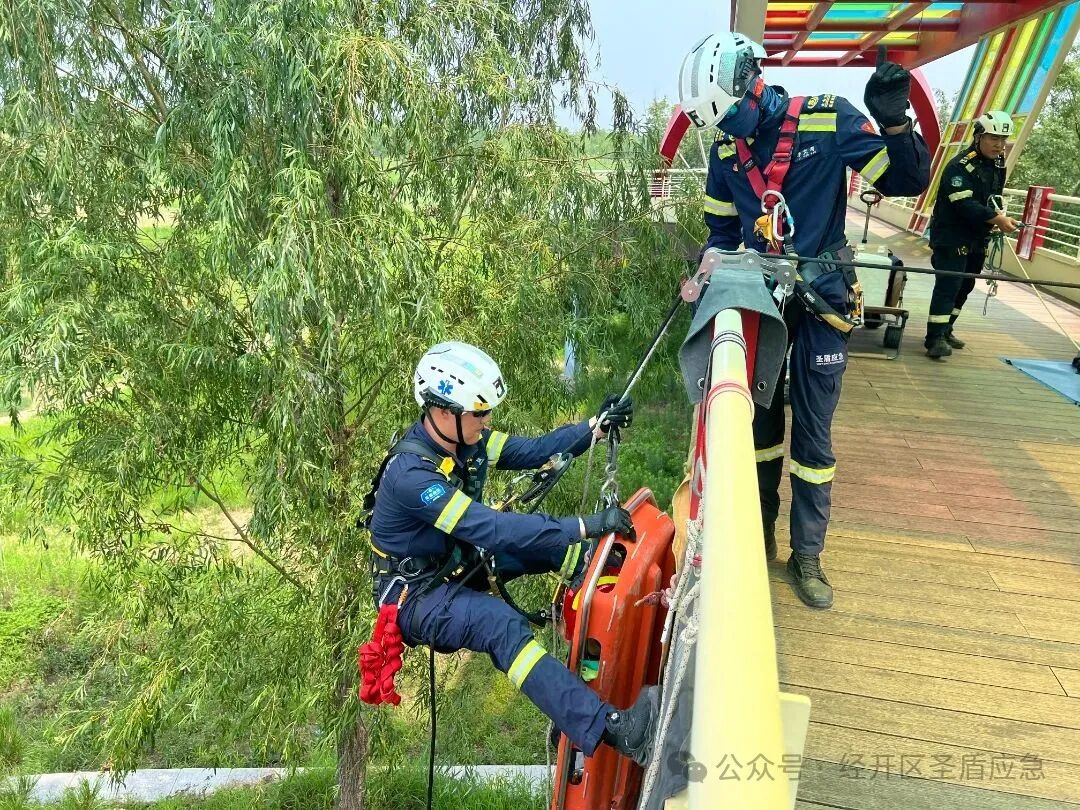
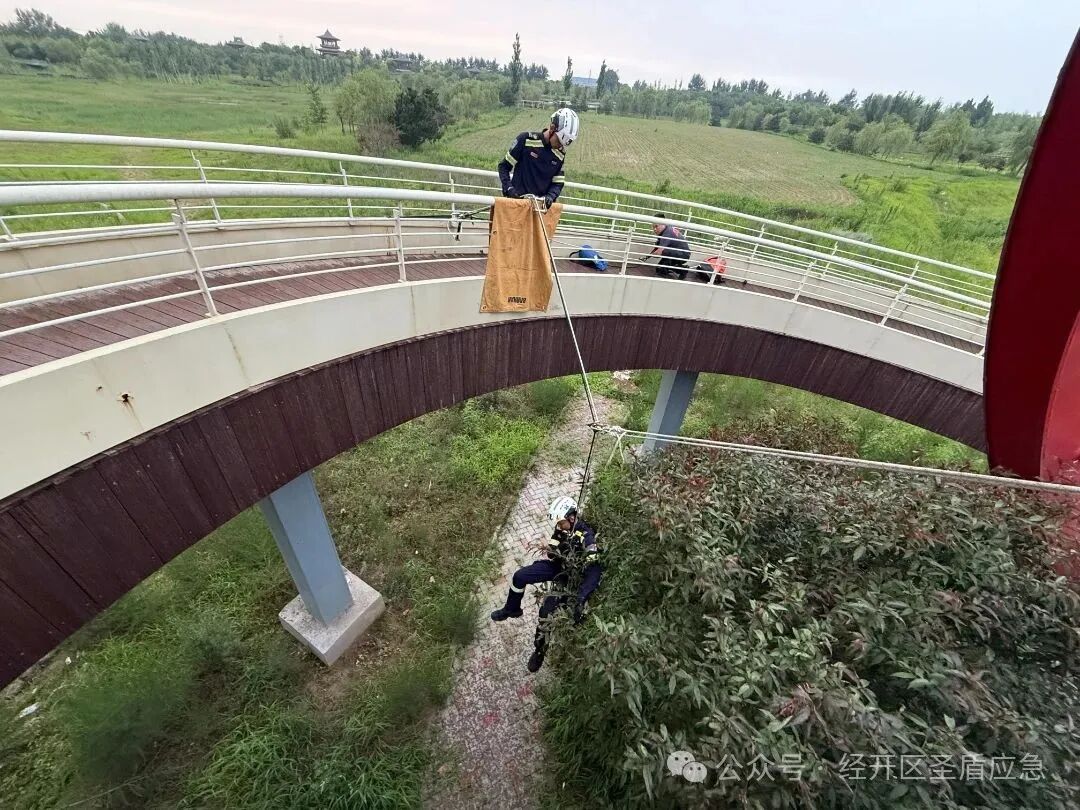
– Subjects like passing through platform corners and using rope protectors focused on adaptability in confined spaces, ensuring flexibility in navigating restricted scenarios like cliffs and buildings.
Under the scorching sun, team members repeatedly climbed, adjusted, and reviewed, with their sweat soaking through their rescue uniforms, yet no one slacked off. “Practicing once more gives us more confidence in real situations,” was a common saying among the team members, reflecting their dedication to professionalism.
 Team Collaboration: Harmonious Coordination to Ensure Every Link in the Rescue Chain03
Rope rescue has never been a “lone battle”; team collaboration training directly addresses the core of “efficient cooperation”:
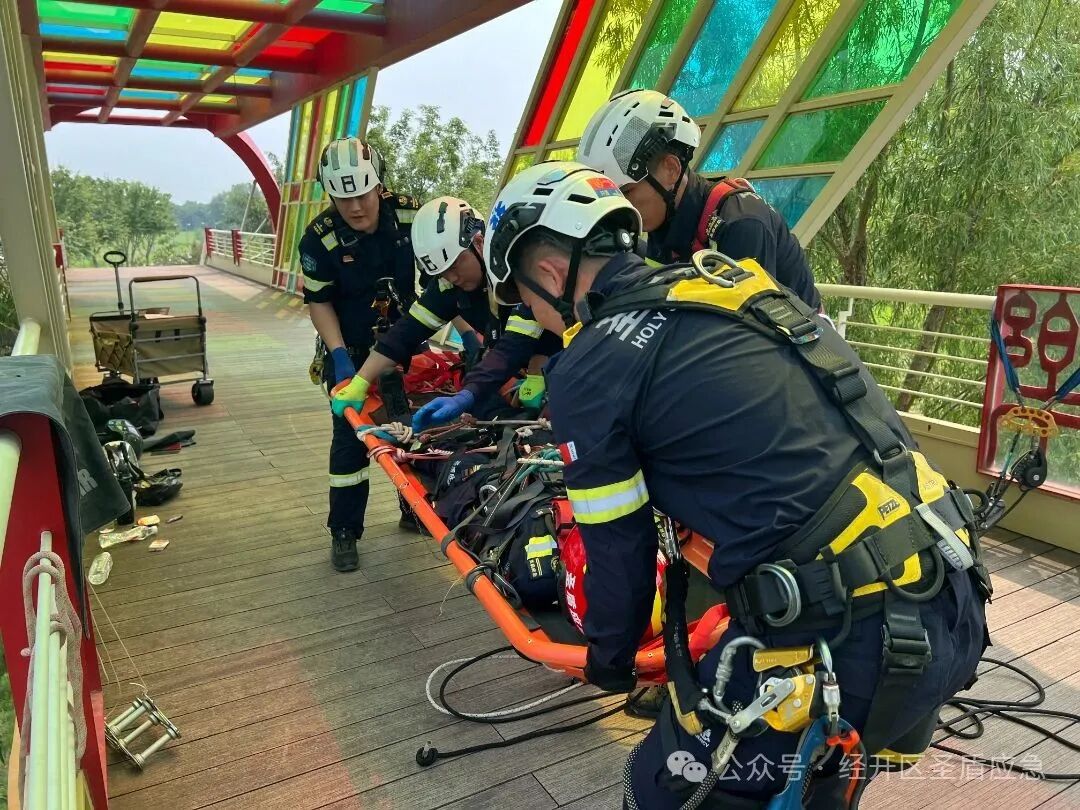
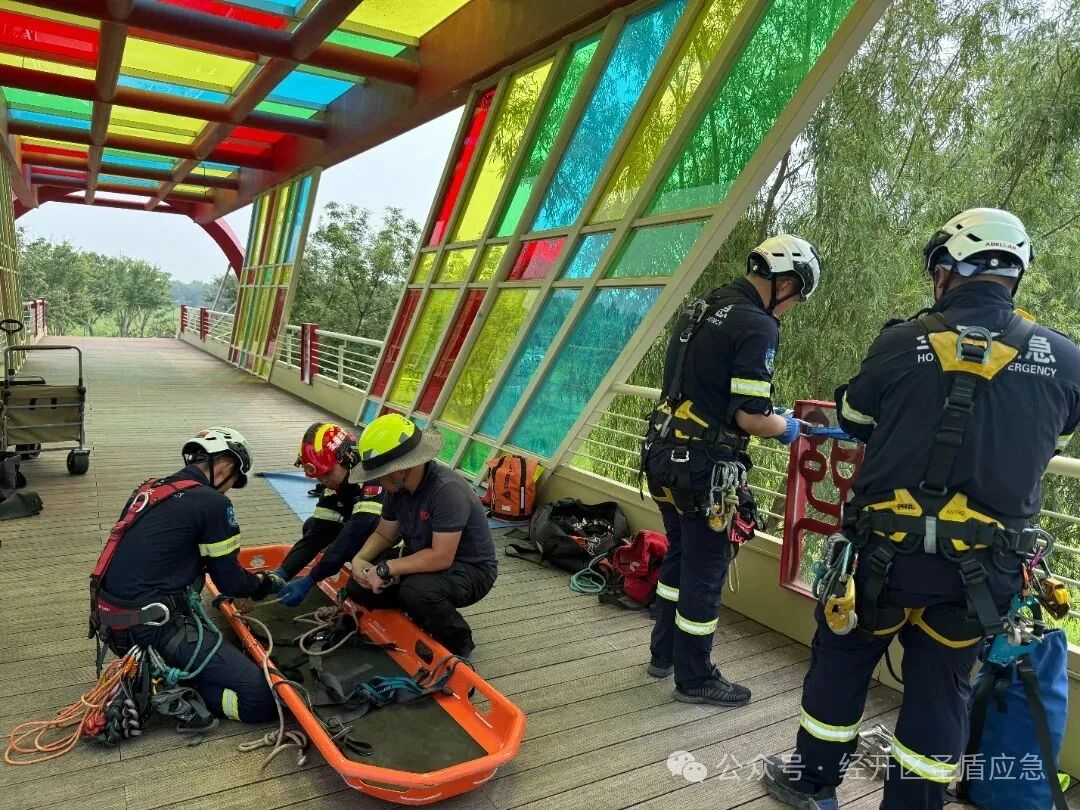
– In the rescue with a stretcher at a low fixed point, the anchor group, operation group, and medical group each performed their roles, with clear instructions and synchronized actions from anchor reinforcement to stretcher balancing;
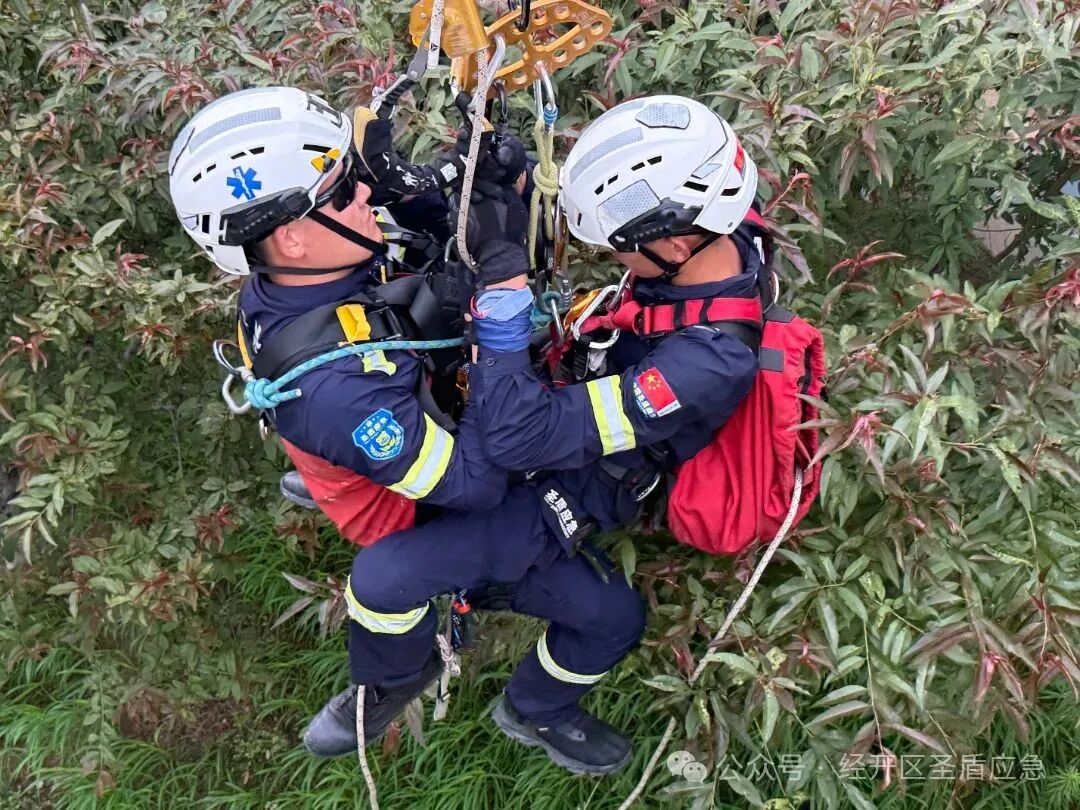
– In T-type/V-type rescue simulations, team members became the “lifeline,” with some controlling rope tension, others focusing on securing the injured, and some observing environmental risks in real-time. Through brief instructions via intercom, they completed precise rescues across obstacles.
“Loosen the left rope by 5 cm” and “keep the stretcher level”… As they refined their coordination, verbal communication decreased, and eye contact and gestures became the tacit code, improving team response speed by 40% compared to the initial training, truly achieving a rescue efficiency of “1+1>2”.
 Assessment-Driven Training: Rigorous Standards to Test Practical Abilities04
On the final day of training, a strict assessment comprehensively evaluated the results: theoretical written tests solidified foundational knowledge, individual practical assessments focused on detail standards, and team rescue drills simulated real emergency situations, completing the “high-altitude patient transfer” task within a time limit.
During the assessment, team members remained calm: anchor points were securely set, rope operations had zero errors, and team cooperation flowed smoothly. Ultimately, all members passed the assessment, with some subject scores exceeding expectations. The instructors emphasized during feedback: “Assessment is not the end, but the starting point for the next real battle. Only by maintaining high standards can we be ready to respond effectively in critical moments.”
This DRT rope training is a microcosm of the Shendun Emergency Rescue Center’s “combat-oriented training”. Through five days of rigorous practice, the team members’ skills have become more refined, their collaboration more seamless, and their commitment stronger. In the future, the center will continue to focus on building rescue capabilities in complex environments, using training to enhance combat readiness and combat to validate training, safeguarding peace with professionalism and responsibility, ensuring that the name “Shendun” becomes a symbol of reassurance in the hearts of the people!
If you face danger, I am willing to be your Shendun400-180-9958
Editor: Yao JiuIssued by: Li Bin Previous RecommendationsRECOMMENDBeijing Economic Development Zone Shendun Emergency Rescue Center: A Day Full of Safety Promotion and Consultation ActivitiesBeijing Economic Development Zone Shendun Emergency Conducts CPR and AED Training at Dazhu Plaza Beijing Economic Development Zone Shendun Emergency Conducts CPR and AED Training at Tongming Lake Park