
In non-standard automation projects, controller selection is a key decision that determines equipment performance, cost, and stability.
Faced with PLC (Programmable Logic Controller) and PC-based control systems (including motion control cards and embedded systems), many engineers often find themselves in a dilemma.
This article will delve into the advantages and disadvantages of both, providing a clear guide for your project selection.
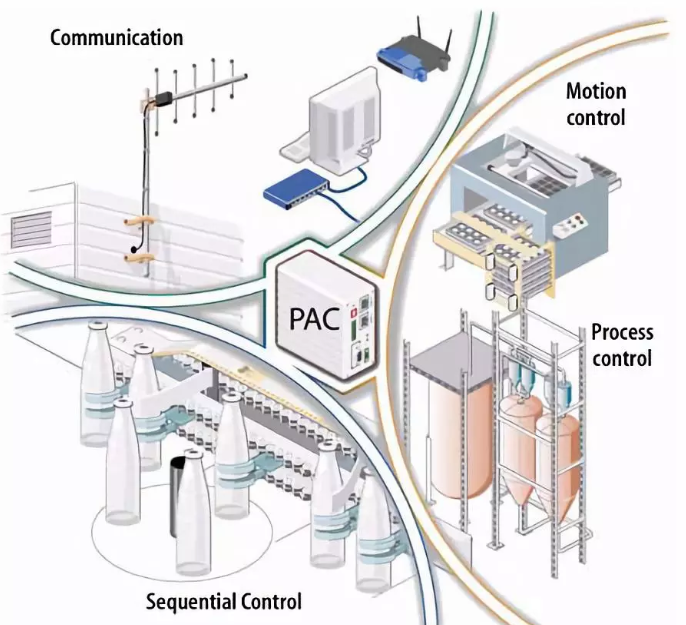
PLC: The “Steady Veteran” of the Industry
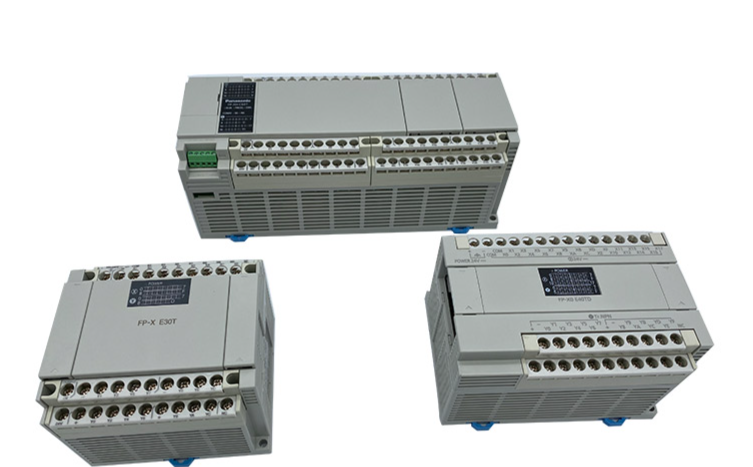
Advantages of PLC
● High Reliability: Designed for industrial environments, strong anti-interference capability, and stable operation under harsh conditions.
●Standardized Programming: Follows IEC 61131-3 standards, ladder diagram language is easy for electricians and maintenance personnel to master.
● Deterministic Response: Guarantees the determinism of the scan cycle, meeting strict timing control requirements.
● Mature Ecosystem: Modular expansion is convenient, spare parts supply chain is complete, and technical support system is sound.
Limitations of PLC
● Limited Processing Power: Weak in handling complex algorithms and big data processing.
●Insufficient Openness: Usually limited to the vendor’s own software ecosystem.
● Higher Costs: High-end PLCs are expensive, especially when complex motion control is required.
PC-Based Control
—— The Rise of the “All-Round Newcomer”
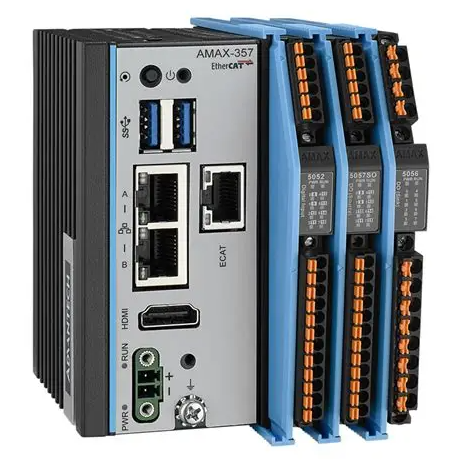
Advantages of PC-Based Control
● Powerful Computing Capability: Easily handles complex algorithms, machine vision, and data analysis tasks.
●High Openness: Supports multiple programming languages (C++, C#, Python, etc.), easy to integrate with IT systems.
● Cost-Effectiveness: Commercial hardware is low-cost, especially suitable for applications requiring large data processing.
● Flexibility: Easy hardware and software upgrades, better adaptability to future demand changes.
Challenges of PC-Based Control
●System Complexity: Requires higher software development capability and system integration experience.
●Real-Time Challenges: Standard Windows systems are not real-time, requiring real-time extensions or real-time operating systems.
● Stability Risks: Less adaptable to industrial environments than PLCs, with risks of system crashes.
Practical Selection Guide
—— Choosing Based on Conditions
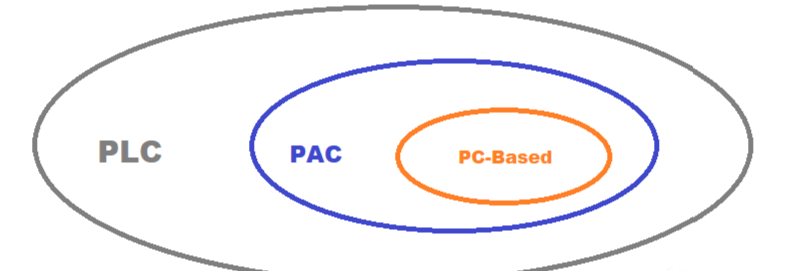
Choose PLC when the following conditions apply:
-
Harsh Environment: Equipment is in harsh industrial environments with vibration, high temperatures, and dust.
-
Relatively Fixed Control Logic: Mainly sequential control and interlocking protection, without the need for complex algorithms.
-
Maintenance Team Familiar with Ladder Diagrams: Maintenance personnel have a strong electrical background but weak programming skills.
-
High Reliability is a Priority: Significant losses from downtime, stability is the primary consideration.
-
Tight Project Timeline: PLC development and debugging are relatively quick and predictable.
Choose PC-Based Control when the following conditions apply:
-
Complex Data Processing is Required: Involves machine vision, artificial intelligence, advanced algorithms, etc.
-
High Customization Needs: Requires deep integration with databases and MES systems.
-
Cost-Sensitive with Complex Functions: Needs to achieve complex functions within a limited budget.
-
Technical Team with Strong Software Skills: Has a skilled team of software engineers.
-
Future Scalability is Important: Equipment functions may need frequent upgrades or expansions.
There are no absolute advantages or disadvantages, only the most suitable choice.
In today’s rapidly developing automation technology,
maintaining an open mind and deeply understanding the characteristics of both
is essential for making decisions that meet the times,
finding the best balance between the steady and reliable PLC and the flexible and powerful PC-Based.

Give us a thumbs up!

Contact Us
We look forward to providing you with more exciting information.
Phone: 15669968886 (WeChat same number)
Website: http://www.sanvorobot.com/
Address: No. 208 Tangzhisha Road, Xinjie Street, Xiaoshan District, Hangzhou, Zhejiang Province