ABC Sharing Session Theme Sharing Information Review:
Sharing Topic: Introduction to SMT Process and Costs
Sharing Time: May 10, 2019
Presenter: Xiao Gang
Recorder: Jiang Huai
Commentators: Jian, Ya Qiong
Article Editor: Li Gongzi
Partial Content of the Sharing PPT (Jiang Huai):
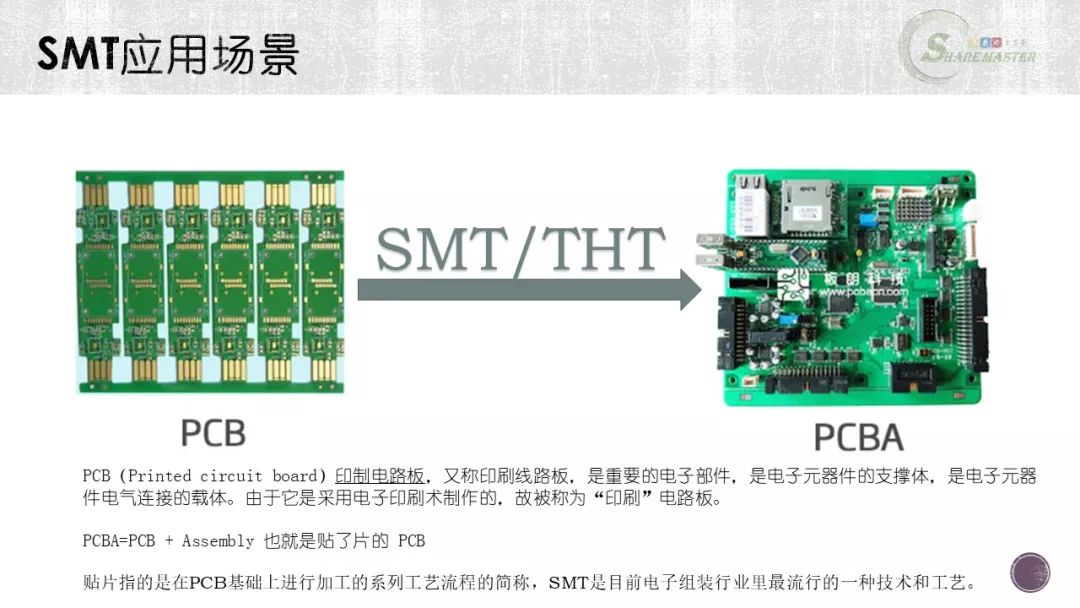
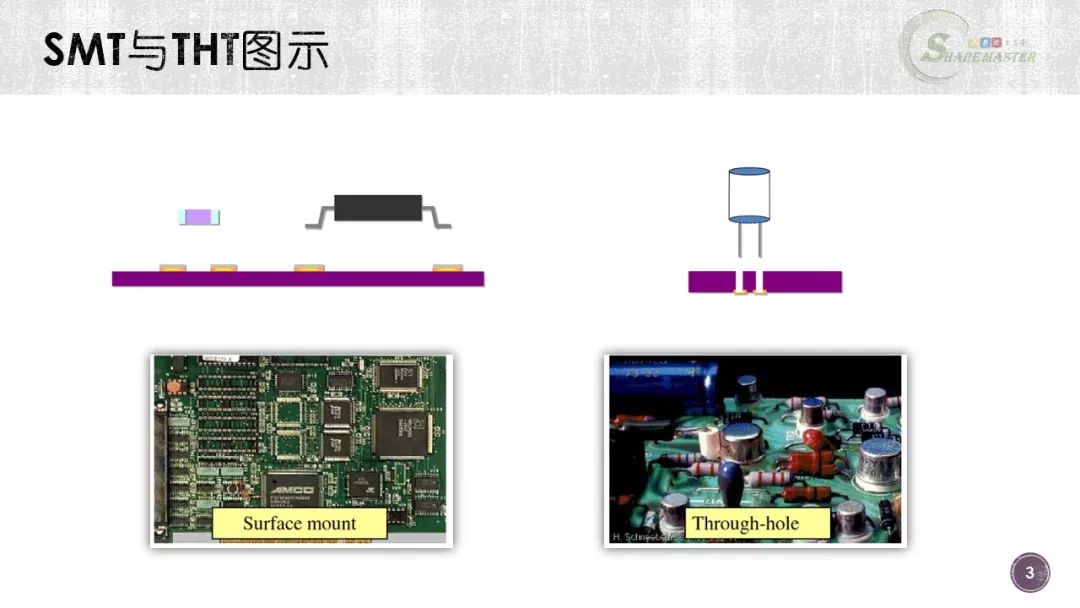
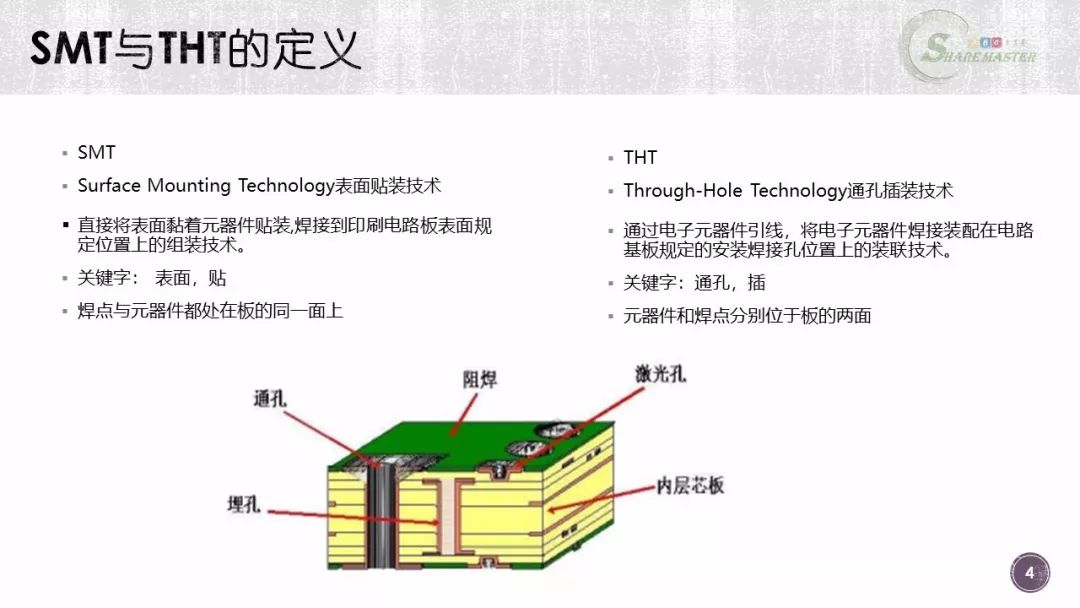
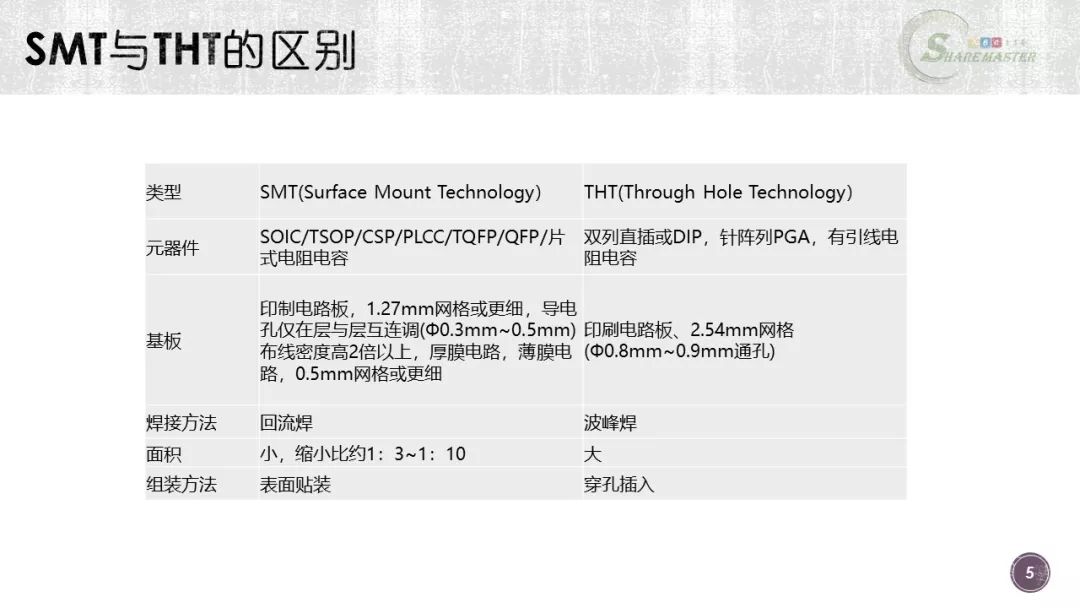
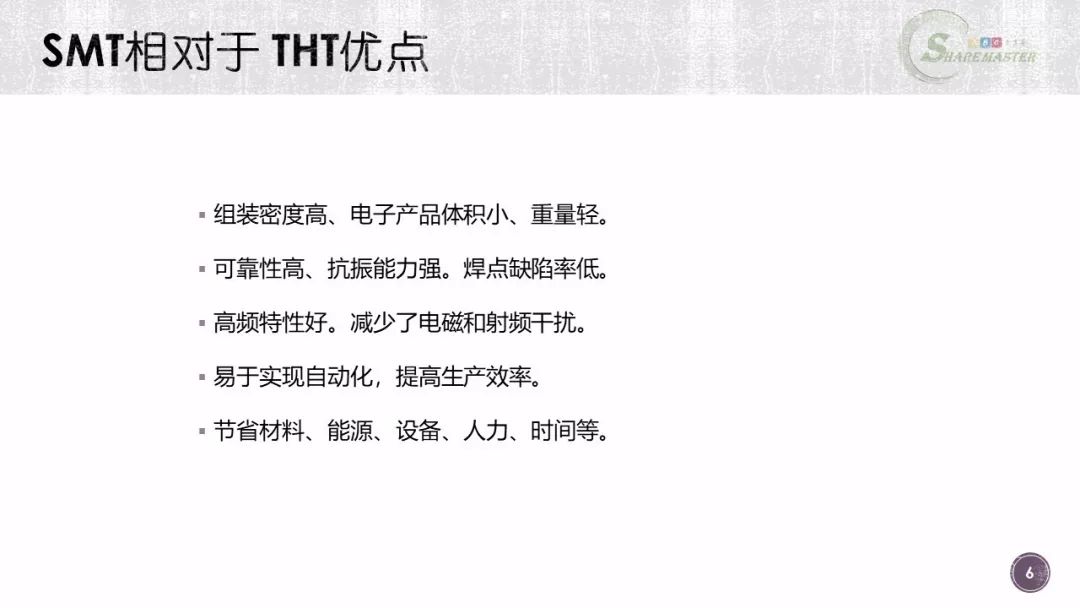
SMT is the most popular production process in the electronics assembly industry, meeting the demands for lightweight and mass production of mobile phones and computers. PCBA assembled using SMT has a high assembly density and low weight, enabling automated mass production. Its characteristic is that the solder joints and components are on the same plane as the board surface, with the soldering process being reflow soldering.
THT is still irreplaceable in the automotive electronics industry in the short term, but it has been gradually replaced in the consumer electronics industry. The PCBA made using THT has electronic components spaced further apart and a larger board area. Its characteristic is that components and solder joints are located on both sides of the board.
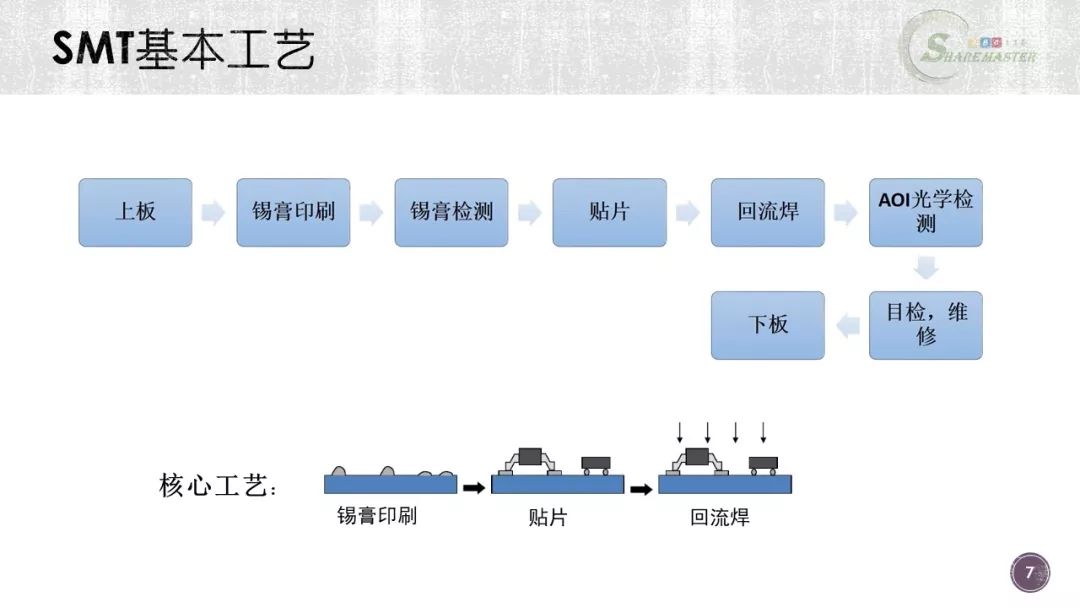
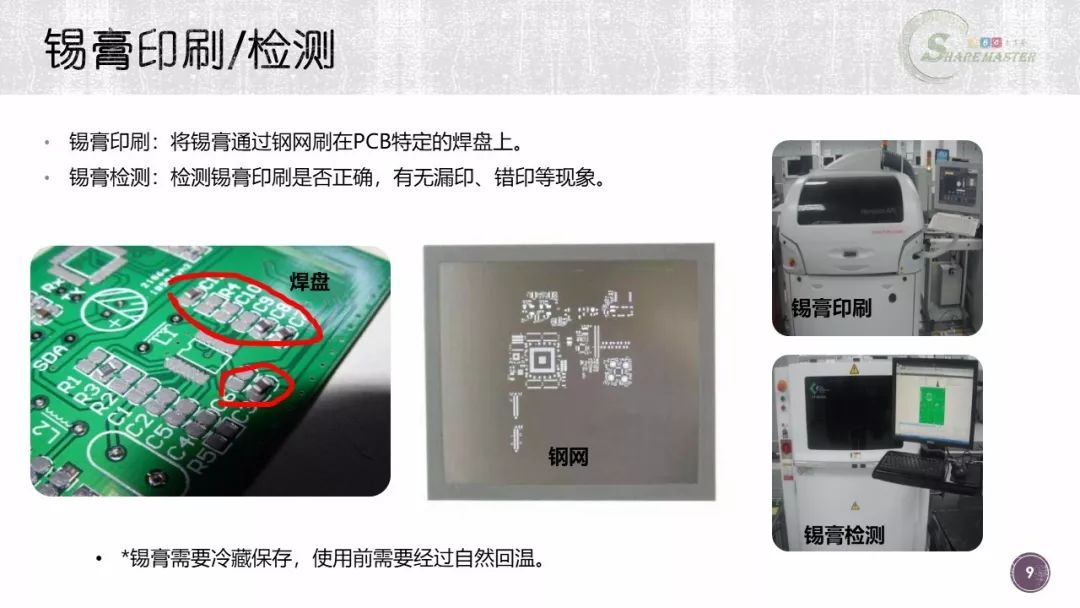
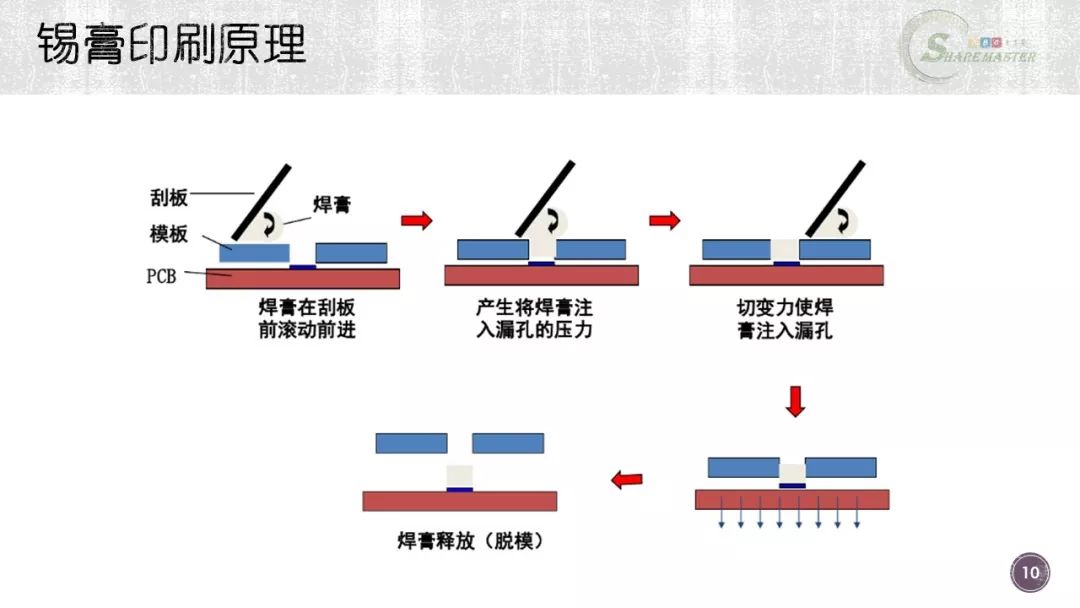
Solder paste printing: The squeegee scrapes the solder paste into a stencil that is hollowed out to the required shape for welding, allowing the solder paste to settle accurately onto the positions that need to be soldered. The cost of the stencil varies from thousands of yuan, but the daily maintenance cost for solder paste residue and scratches on the stencil should not be overlooked. Note: Solder paste must be allowed to return to room temperature before use; using machines to heat it too quickly can cause the solder paste to crack.
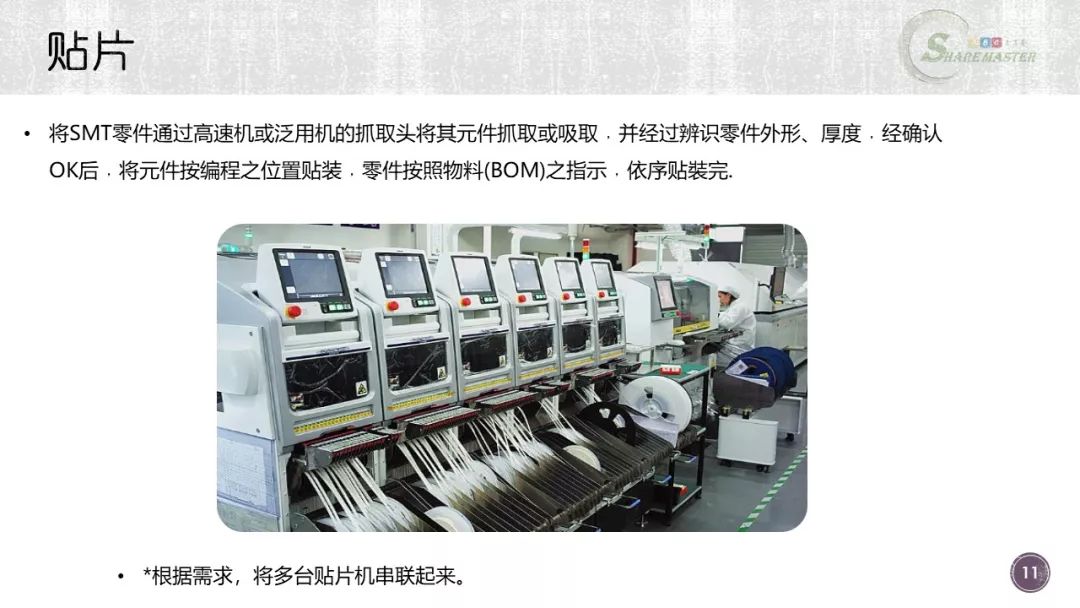
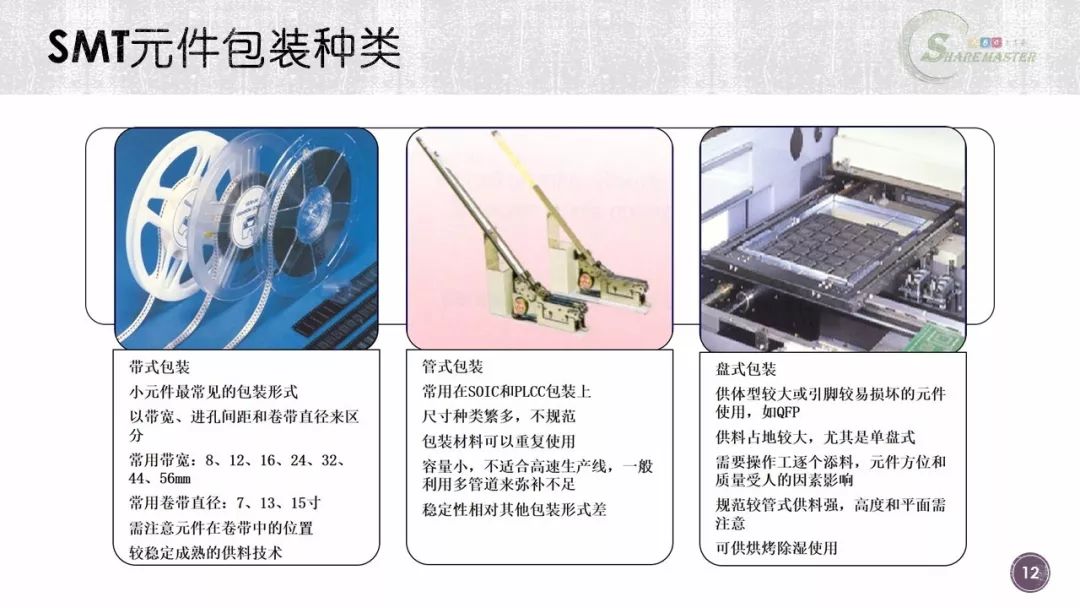
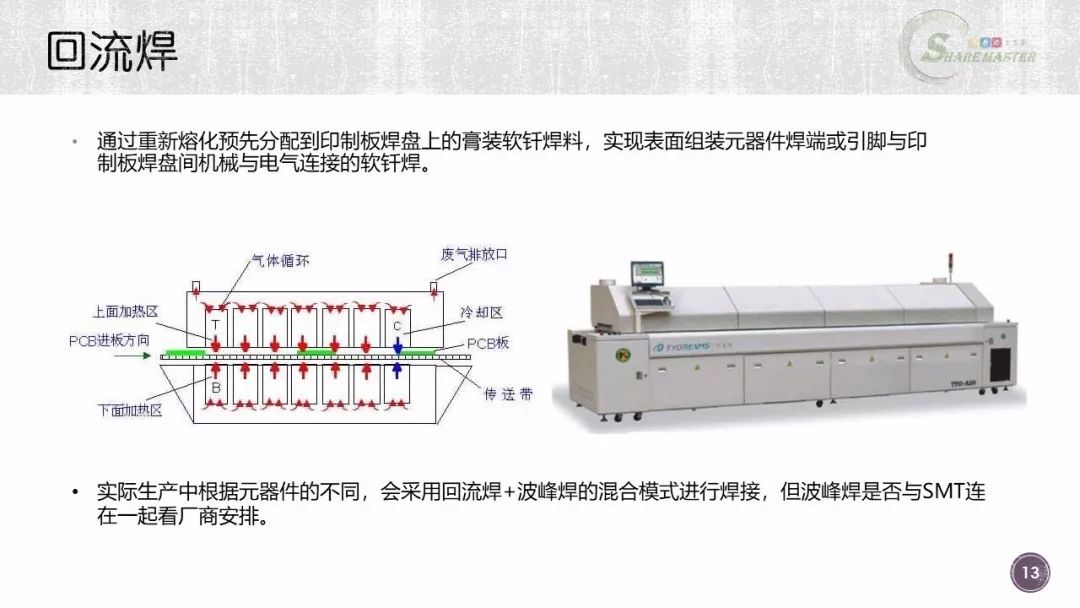
Reflow soldering is a specific process in the SMT process, where inert circulating gas is introduced into the reflow soldering machine to ensure a high-temperature gas atmosphere, remelting the solder paste distributed on the pads, which then solidifies after cooling.
Reflow soldering can only solder one side at a time; if double-sided SMT is required, a second pass through the reflow soldering is necessary. This is because the temperature at which the solder paste solidifies is higher than the reflow soldering temperature, so the SMT components on the reverse side will not fall off.
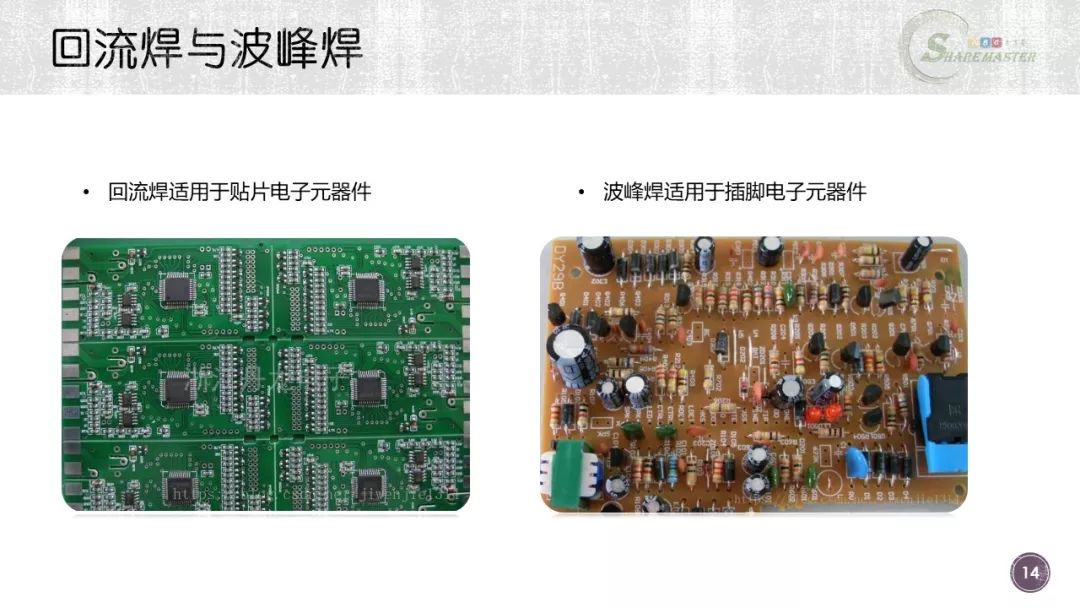
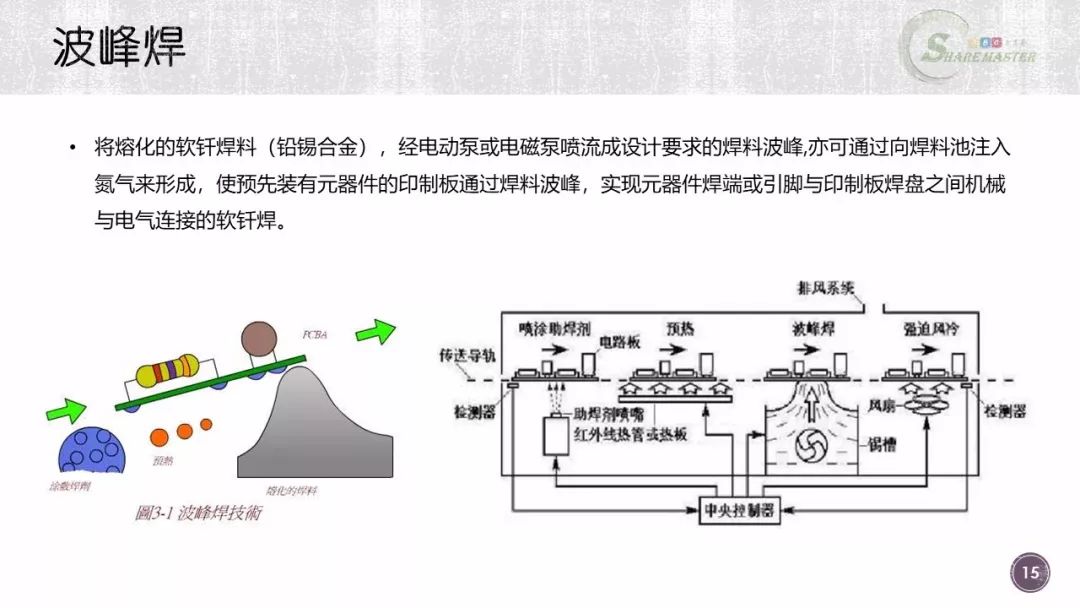
Wave soldering allows the soldering surface of the plug-in board to come into direct contact with high-temperature liquid solder to achieve the soldering purpose. The high-temperature liquid solder maintains a sloped surface and is manipulated by special devices to create a wave-like phenomenon, hence the name “wave soldering”.
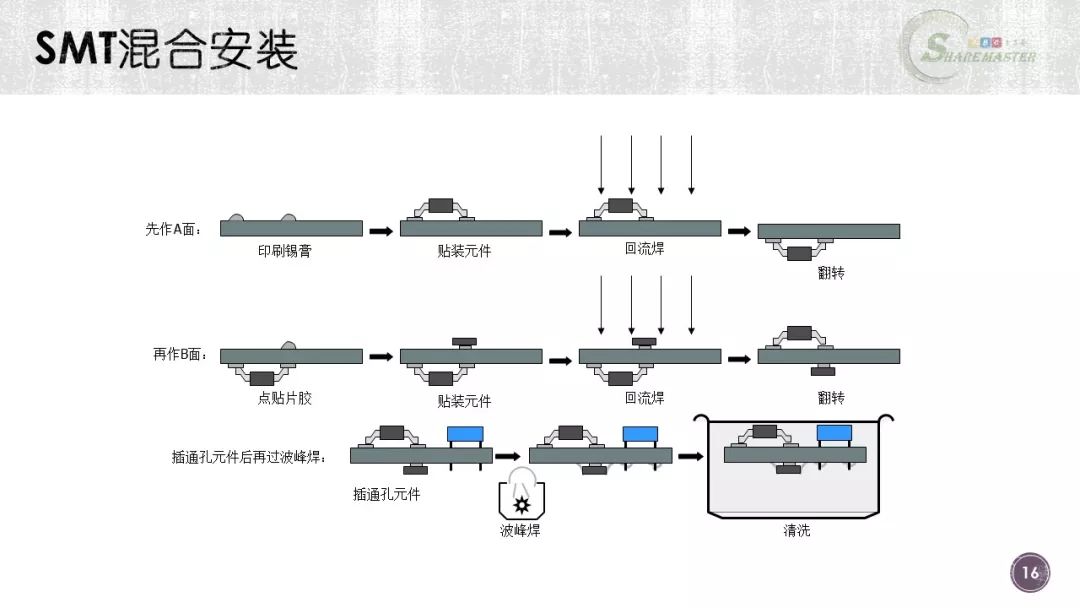
For some applications that require both SMT and THT, the mixed use of reflow soldering and wave soldering is inevitable. It is important to note that wave soldering must occur after reflow soldering; first, because the reflow soldering machine is filled with hot air, passing through the wave soldering before entering the reflow soldering machine may cause the solder paste to melt again, and second, because most electronic components assembled in THT processes have leads, placing them back onto the reflow soldering conveyor may cause uneven placement.

Discussion Questions Record (Jiang Huai):
1. Will SMT completely replace THT processes?
This is related to industry requirements and development trends. Under the influence of design trends in the mobile phone industry, PCBA requires miniaturization and flatness, so THT processes have gradually been eliminated in the consumer electronics industry. However, in the automotive and industrial control electronics industries, there are no clear requirements for space, and components or modules with large currents are still limited by space, so THT processes are still frequently used.
2. When does the switch between automation and manual work occur in THT?
1. When the components are large.
2. For components with special designs for leads.
3. When the quantity is small, manual work is more cost-effective.
3. Why are the requirements for automotive and surface mount higher than for industrial grade?
1. Different requirements for deviations caused by surface mounting.
2. Components in automotive electronics are expensive; if surface mounting causes waste, the loss is enormous.
3. The automotive industry has stricter requirements for temperature, vibration, and waterproofing.
Presenter’s Postscript(Xiao Gang):
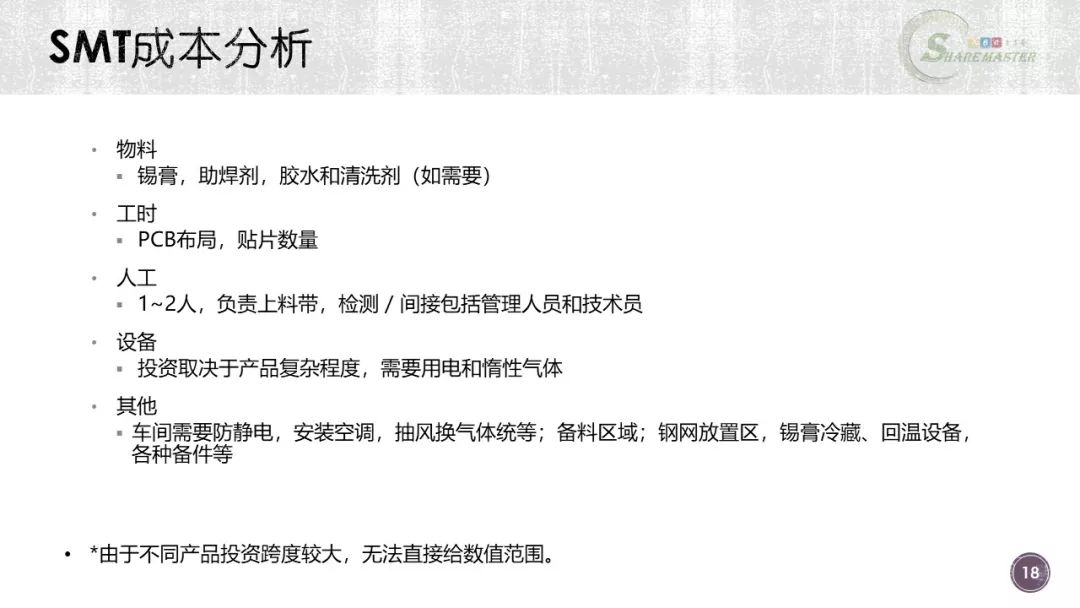
I once saw a saying that the automotive and electronics industries in manufacturing are both good, and if it’s automotive electronics, it’s even better, so I stepped into the field of automotive electronics. PCBA is one of the core components of electronic products, and SMT is currently the most popular assembly process. As market competition becomes increasingly fierce, the costs of electronic products are no longer a no-man’s land. The manufacturing cost of SMT only accounts for a small part of the product, yet it is the foundation of electronic products.
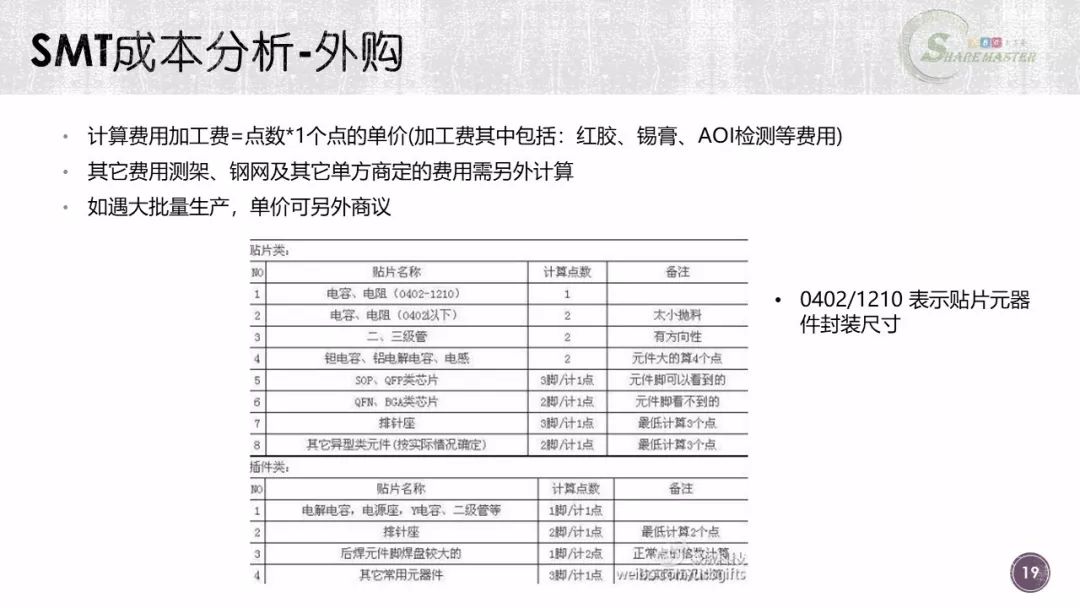
Different PCBA layouts, required functions, and subsequent installations of other components will affect the differences in SMT processes among different products. These major points are helpful for benchmarking products. I hope to provide everyone with a direct understanding of the SMT process from my perspective as a novice, and I appreciate the interactions that have brought my attention to aspects I had previously overlooked.
Expert Comments(Jian):
When discussing PCBA processes, we cannot overlook the EMS industry, which is a very important link in the electronics industry chain. It originated in Silicon Valley, USA, gradually evolving from surface mount technology to today’s comprehensive solutions that include early-stage research and development, product development, component procurement, warehousing, logistics, and after-sales service. With the global industrial transfer, complete industrial clusters have formed in regions such as the Pearl River Delta, Yangtze River Delta, and Bohai Rim, covering various aspects of consumer electronics, home appliances, automotive, industrial, medical, communications, and computer-related equipment. In the near future, with the further development and mature application of artificial intelligence, electrification will usher in further development. As cost professionals who keep pace with the times, we must continuously enrich ourselves with an open mindset to keep up with the pace of the times.
Expert Comments(Ya Qiong):
Having worked in the electronics industry for many years, I have always been involved in material-related work. After participating in the sharing session, I felt a sense of clarity as if my meridians had been opened. From the process flow to the value stream of PCBA, through sharing and sorting, I have gained a clearer understanding of each link in the cost structure of PCBA.
Can You Calculate the Cost of EPP Foam?
Cost Structure of Automotive Sunroof Systems
How to Calculate Mold Costs? Starting from Injection Molds
How to Control Project Costs? Starting from Seats
May Course Preview
What is the ABC Sharing Session?
I Want to AskCost Issues!