Recently, there have been frequent developments in the field of AI glasses. HTC has released the AI glasses VIVEEagle, priced at approximately 3730 yuan, capable of running Google Gemini or OpenAI’s GPT. Thunderbird Innovation has partnered with Ant Group to implement “look and pay” functionality with AI glasses. Meta plans to launch AI glasses codenamed Hypernova next month, and the industry is showing a trend of “exchanging price for volume.” In terms of sales, this year, AI glasses have shown explosive growth. According to a report by Counterpoint, in the first half of 2025, global shipments of smart glasses are expected to grow by 110% year-on-year, with AI smart glasses accounting for 78%. The domestic market is equally hot, with online platform sales of smart glasses increasing more than eightfold year-on-year. It is expected that global sales of AI glasses will soar to 5.5 million units by 2025.
As the king of AI edge applications, SoC chips serve as the “intelligent hub” of AI glasses, playing a crucial role. They integrate key modules such as CPU, GPU, and NPU, providing AI glasses with powerful computing and graphics processing capabilities to smoothly run various complex AI tasks, while also handling image data processing. Their performance directly affects the computing speed, recognition accuracy, and battery life of AI glasses.
SoC, short for System on Chip, is also known as a digital chip. It is a technology aimed at defining system functions, where various modules are developed in a coordinated manner, and the results are ultimately integrated onto a single chip. In simple terms, it is like a small universal toolbox containing a CPU, GPU, memory controller, communication modules, etc. SoC chips are primarily used on the edge, meaning they handle most of the computing and processing tasks on the terminal application device without relying on remote servers or the cloud to perform the main work. Therefore, they are widely used in various terminal devices such as smartphones, tablets, smartwatches, and smart home devices.
Next, we will outline five core companies in the SoC chip industry. However, it should be noted that this content is based on publicly available information and is intended for educational purposes only, not constituting any investment advice.
Helping retail investors become professionals, eliminating information gaps, and providing more professional research materials on hot topics such as AI, solid-state batteries, stablecoins, humanoid robots, commercial space, controllable nuclear fusion, and autonomous control, are all published on Knowledge Planet. We welcome you to scan the code to join (fans report that the cost-performance ratio is extremely high)..

First, we have Hengxuan Technology.
A leading company in smart audio and video SoC chips, its products are widely used in various smart audio and video terminal devices, such as smart Bluetooth headsets, Wi-Fi smart speakers, and smartwatches.
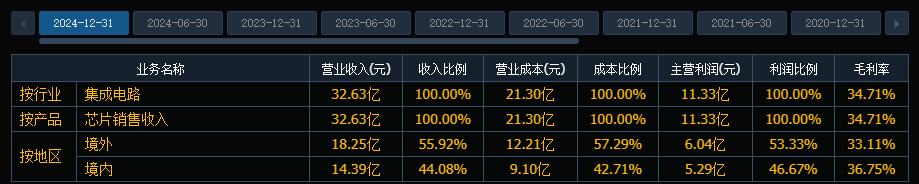
Specifically, it is divided into three main parts. Bluetooth audio chips account for about 70%, while smart watch and band chips account for over 20%, and other chips account for 7%. Compared to when it was first launched, when Bluetooth audio chips accounted for over 90%, the business structure is gradually diversifying.
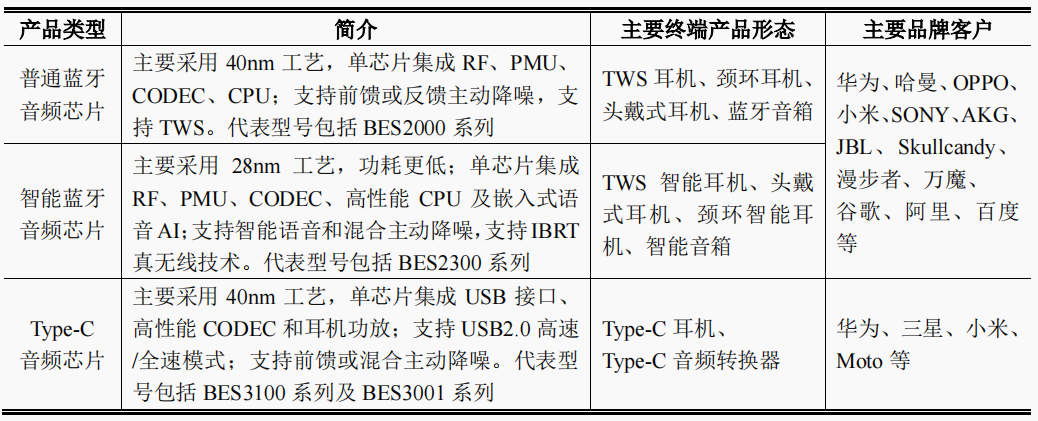
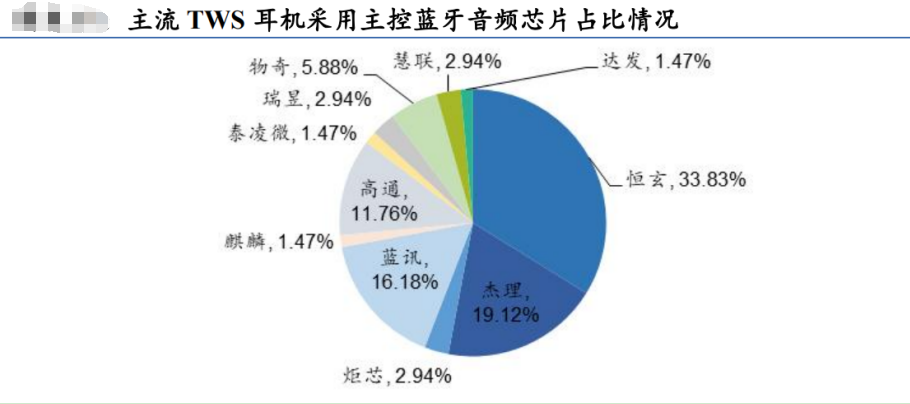
The company’s basic Bluetooth audio chips are mainly applied to TWS headsets, and the company has accumulated considerable experience in this area. By continuously launching new products, it aims to narrow the experience gap with Apple AirPods. The customer base includes four major global smartphone brands, in addition to Apple, with collaborations with Huawei, OPPO, vivo, and Xiaomi. Especially among mainstream Android smartphone brands, Hengxuan’s main control chip accounts for over 30% of TWS headset models, ranking first.
The company’s AI layout mainly revolves around smart audio and wearable devices. On one hand, it has launched the next-generation 6nm smart wearable chip BES2800 and other products, providing powerful computing power and high-quality seamless connectivity for TWS headsets, smartwatches, smart glasses, and smart hearing aids;
On the other hand, it has also collaborated with ByteDance, providing the BES2700ZP Bluetooth audio SoC chip for ByteDance’s OlaFriend smart headset. This chip integrates multiple components and provides powerful application processing capabilities under low power consumption, enabling the headset to perform various AI functions such as real-time Q&A and English practice. With the BES2700, it has entered the AI glasses market, investing 1.5 billion yuan to implement the “smart glasses SoC chip project.” There are reports that it is expected to collaborate on ByteDance’s AI glasses project.
In terms of performance, SoC chips exhibit significant cyclicality. Before 2021, they experienced annual growth due to the explosion of TWS headsets, but there was a decline as they entered maturity. Fortunately, a significant recovery is expected to begin in 2024.
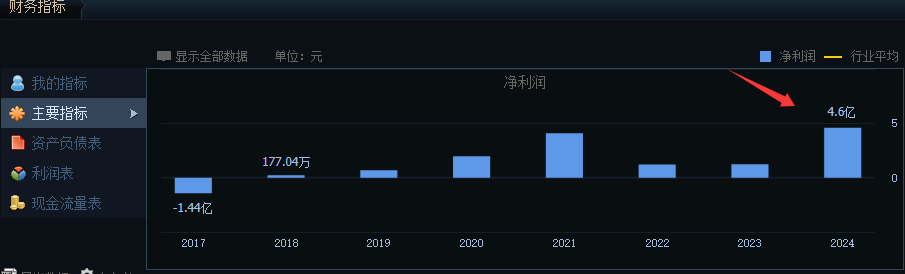
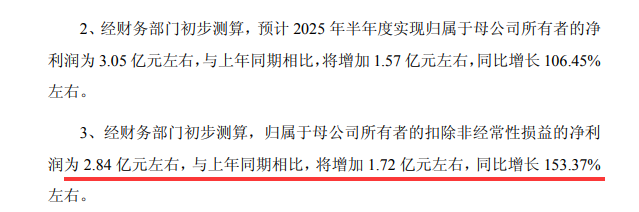
In this year’s mid-term report, the net profit excluding non-recurring items increased by 1.5 times year-on-year.
Second, we have Rockchip.
A leader in smart IoT SoCs, its business type is similar to Allwinner, also developing a multi-category platform, but its products are more high-end and have more advanced processes compared to Allwinner Technology.
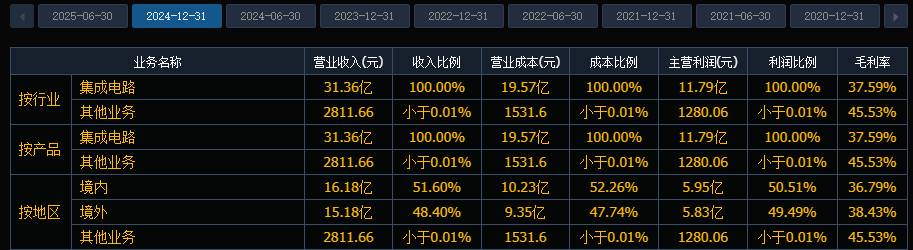
Its products are mainly applied in two fields: smart IoT and consumer electronics, covering smart appliances and hardware products such as tablets, TV boxes, dictionary pens, smart speakers, and robotic vacuum cleaners. Its clients include major brand companies in the industry, such as consumer electronics including Sony, ASUS, OPPO, Ecovacs, NetEase, Xiaomi; in the AI field, including Baidu and SenseTime; in the automotive field, including BYD and Tengshi; and in smart home, including ZTE, Skyworth, Xiaomi, Alibaba, etc.;
Rockchip’s products have more advanced processes, and its products are high-end, with many of its partner companies being brand enterprises, while its peer Allwinner’s customer base mainly consists of small and medium-sized enterprises. Rockchip is one of the few companies in China that possesses advanced process design capabilities, having mass-produced 14nm products as early as 2020, and currently has multiple 8nm chips, clearly leading its peers.
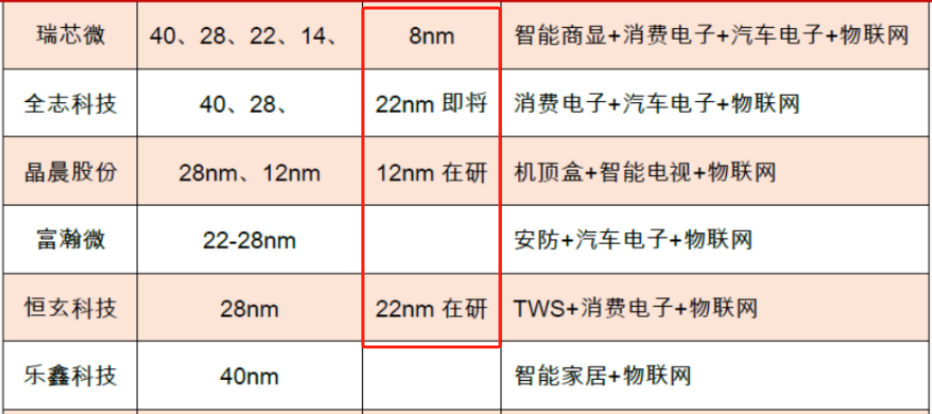
It has a broad layout in the AI field, with its RK3588, RK3576, and other chips featuring high-performance NPUs that support mainstream model deployment on the edge, applicable in various fields such as AI learning machines, and also providing AI development kits and computing sticks. Some of its chips have been applied in various forms of robots, handling data processing and running AI models, and it also has related products in machine vision, audio, and other fields. Additionally, its chips can also be used in AI learning machines, dictionary pens, smart speakers, computing terminals, conference hosts, smart cameras, and other products.
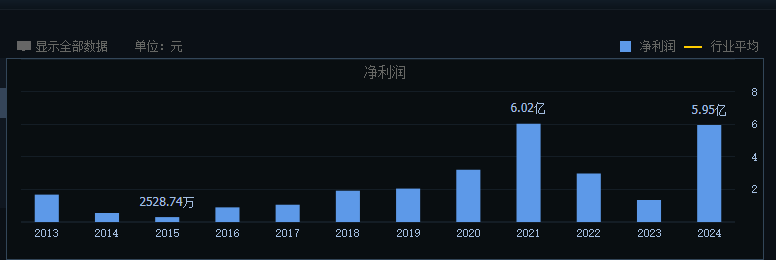
In terms of performance, it exhibits significant cyclicality, similar to Allwinner, but fortunately, it is expected to see a significant recovery starting in 2024, with annual net profits approaching historical highs.
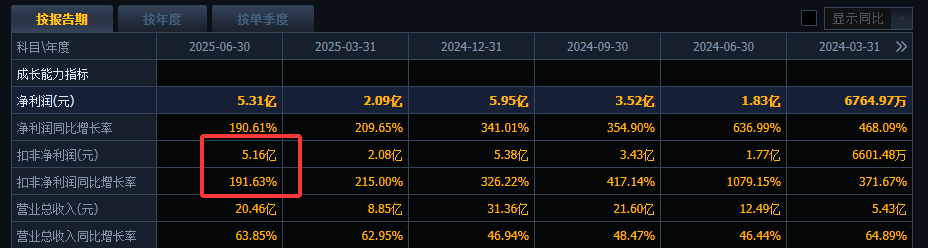
In this year’s first quarter, the net profit excluding non-recurring items increased by 2 times, nearing last year’s total.
Fourth, we have Allwinner Technology.
A comprehensive player in the SoC chip market, it has implemented a development path from single products to multi-products and then to platformization. Before 2014, its products were primarily focused on tablet processors. Since then, it has gradually entered the fields of internet set-top boxes, consumer electronics, smart home, and vehicle networking, resulting in a more diversified product range. In recent years, it has begun to lay out smart power management chips and automotive intelligence.
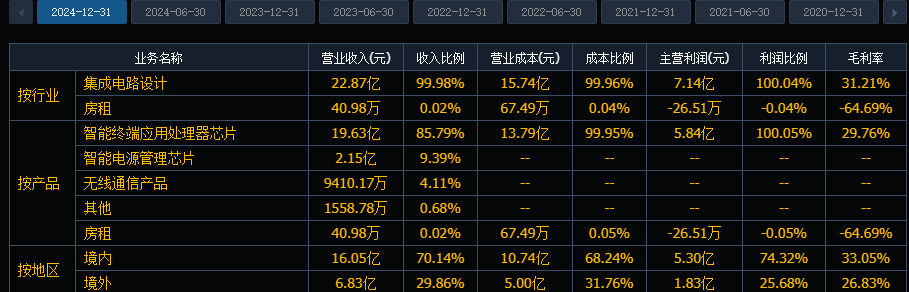
In terms of business structure, smart terminal application processor chips account for 80%, while smart power management chips and wireless communication products each account for nearly 10%. However, overall, its products are not as high-end as Rockchip’s.
The product system is very rich, with important segments including tablets, smart speakers, robotic vacuum cleaners, and smart appliances: audio clients include Tmall Genie, Xiaomi, Baidu, etc.; tablets include Teclast, Subor, etc.; robotic vacuum cleaners cover a wide range including Roborock, Yunji, Xiaomi, ZhiMing, LeDong, Midea, Haier, etc. Smart set-top boxes include Tencent-Skyworth Aurora Box, Tmall Magic Box, etc.
Because it covers various AIoT scenarios comprehensively, its series of smart terminal processor chips are all ASIC chips, which can easily benefit from the popularity of AI products. In terms of product applications, it has launched chip products targeting VR all-in-one applications and has established a strategic partnership with Xiaomi in the field of smart robots to jointly promote the mass production of intelligent products in multiple sub-AI fields.
In terms of performance, it is significantly affected by cyclical volatility, and the recovery situation in 2024 is not as good as the first two companies.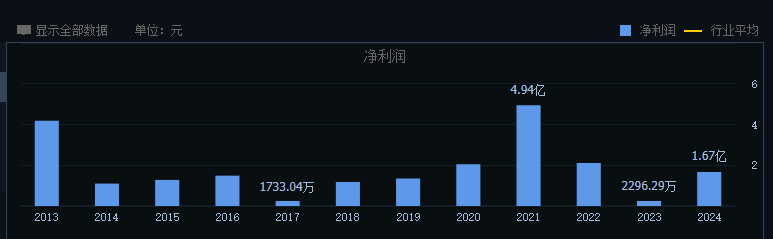
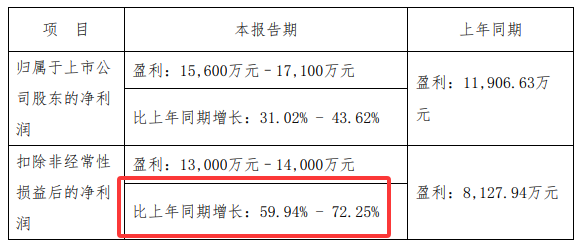
According to performance forecasts, the net profit excluding non-recurring items is expected to grow by 60-70% year-on-year in this year’s mid-term report.
Fifth, we have Zhongke Lanyun.
A major supplier in the wireless audio SoC chip field, it started with white-label TWS chips and has gained a favorable position in market competition with its cost-effective product solutions, with over 80% of its customers being white-label clients.
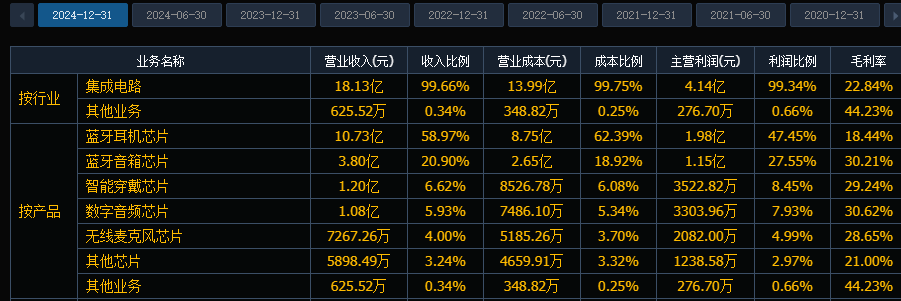
White-label refers to products that do not have a brand name or have low brand recognition. They invest less in advertising, packaging design, etc., and mainly attract consumers with lower prices. The company’s products have successfully penetrated emerging markets such as India and Africa, with overseas shipments exceeding 60%.
In recent years, it has invested heavily in AI hardware. The company’s Xunlong third-generation BT895x chip has been equipped in AI high-quality open-ear headphones, making it the second product on the market to support the Doubao large model AI. Its Bluetooth audio chips AB5656C2 and AB5636A have been applied in Miniso’s smart music glasses and Zhiguozhe S03 smart audio glasses, respectively. Additionally, its chips can also be used in AI toys, but the overall downstream coverage is not as extensive as the top three companies.
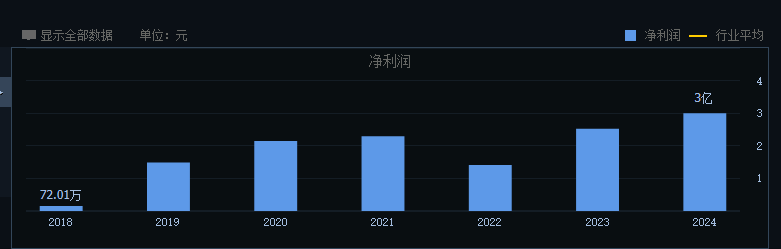
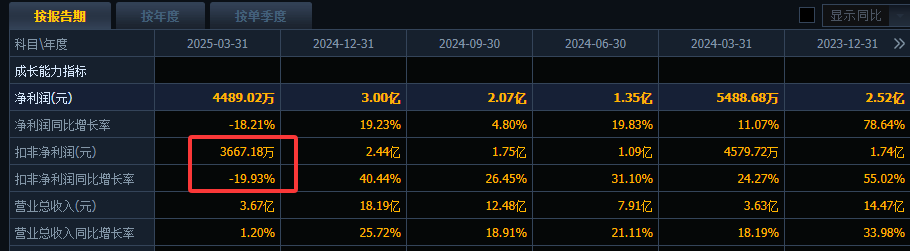
In terms of performance, its historical stability is better than the other few companies, but in this year’s first quarter, the net profit excluding non-recurring items decreased by 20% year-on-year.
Finally, we have Amlogic.
A leader in the domestic multimedia SoC chip design industry, its products mainly cover set-top box chips, smart TV chips, AI audio and video chips, WiFi chips, and automotive electronics chips. In fact, the main products are set-top box chips and TV chips.
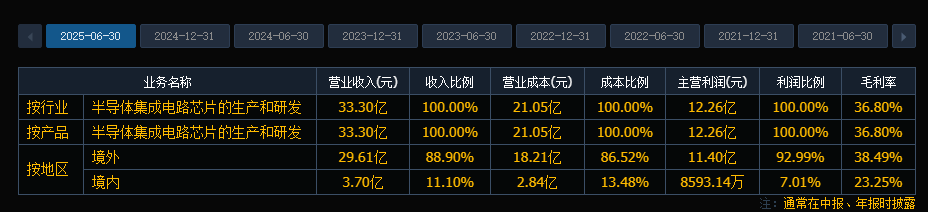
Although set-top box SoCs dominate the domestic market, the domestic market is relatively mature. Therefore, the company mainly exports overseas, with overseas revenue accounting for 90%.
The company is also actively embracing the AI era, having released a 6nm chip, which is the industry’s first commercial chip integrating 4K and AI functions. Compared to previous generation products, CPU performance has improved by over 60%, GPU performance has increased by over 230%, and power consumption has decreased by 50% compared to 12nm. It has already been commercially shipped, and several globally renowned operators have decided to commercialize based on this chip. However, the popularization of AI in TVs and set-top boxes is expected to lag behind that of AI toys, AI glasses, and AI speakers.
In terms of performance, due to good demand in overseas markets, the net profit scale over the past few years has been higher than that of the previous few companies, but its overall correlation with AI hardware is not as strong as the top three companies.
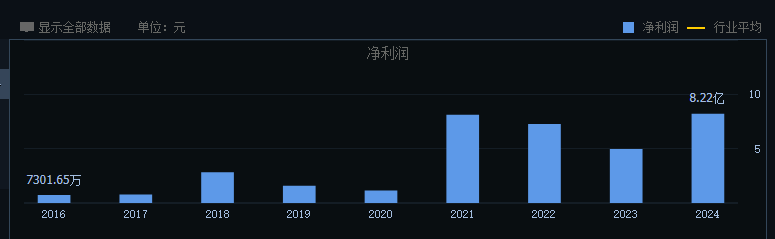
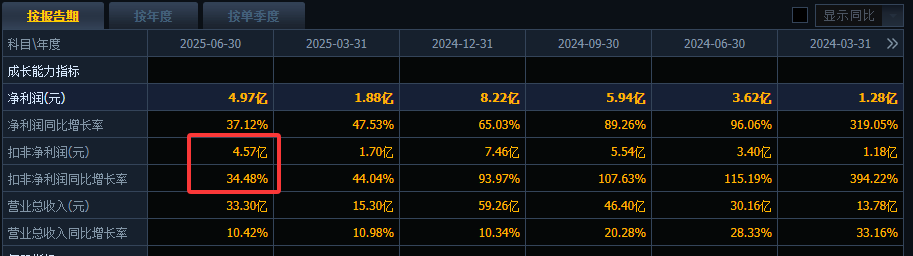
In this year’s mid-term report, the net profit excluding non-recurring items increased by 34% year-on-year.
In conclusion,
Hengxuan Technology is a leader in smart audio and video SoC chips, with a diverse business and deep AI layout; Rockchip is a leader in smart IoT SoCs, with high-end products and a broad AI layout; Allwinner Technology has a rich product range covering multiple fields, making AI products easy to popularize; Zhongke Lanyun is a major supplier of wireless audio SoC chips, offering high cost-performance and investing heavily in AI hardware; Amlogic is a leader in multimedia SoC chip design, actively embracing AI. Overall, the top three companies have a higher correlation with AI edge applications, with the first two being particularly strong.
Some content from Knowledge Planet is displayed; long press to scan the code to join.