1 SoC Verification
1.1 Flow
First, understand the chip based on the structure of the SPEC/DUT;
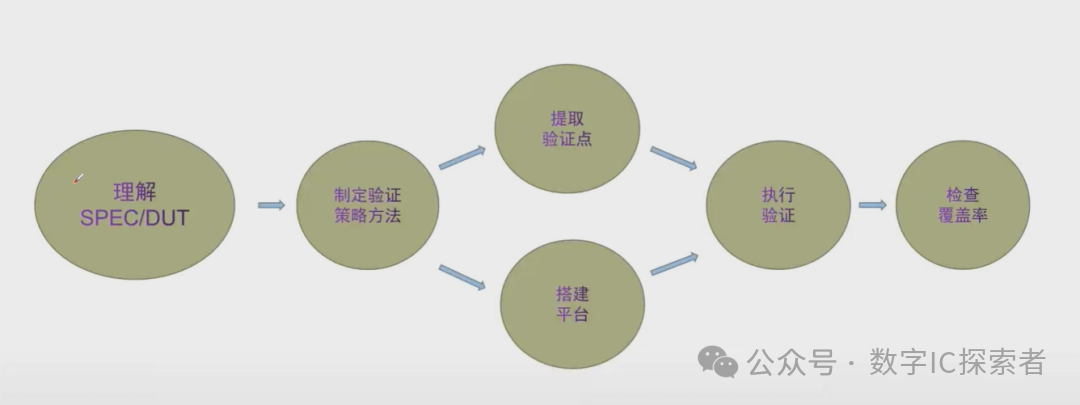
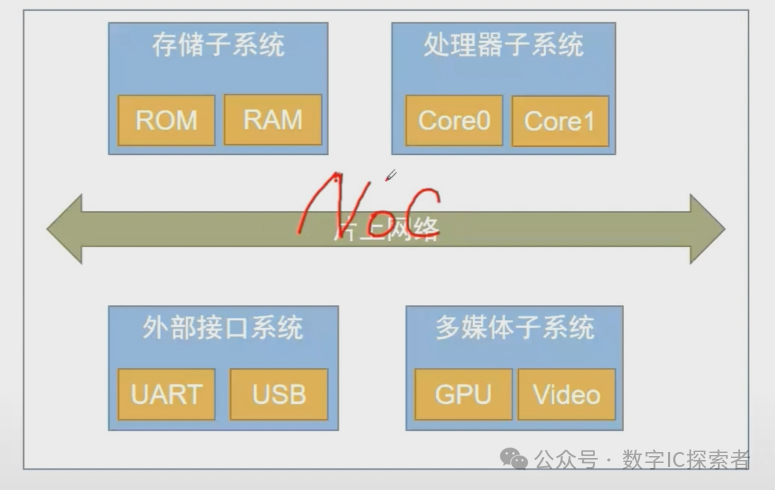
The basic chip generally consists of the following parts – just mindlessly existing basic parts:
Verification strategy:
-
Black-box verification — Gray-box verification — White-box verification; I won’t elaborate on what they are;
White-box verification: For me, it means directly writing assertions;
Black-box verification: It simply means building a platform to inject stimuli;
Gray-box verification: As the test cases are continuously debugged, the understanding of the DUT’s internals also deepens; this is a process;
-
Hierarchy division: ST — IT — UT; Essentially, it is based on the granularity division;
1.2 Verification Platform
Generally, it is: UVM + SV + C; here C: is the execution language of the processor; and the DPI-C interface;
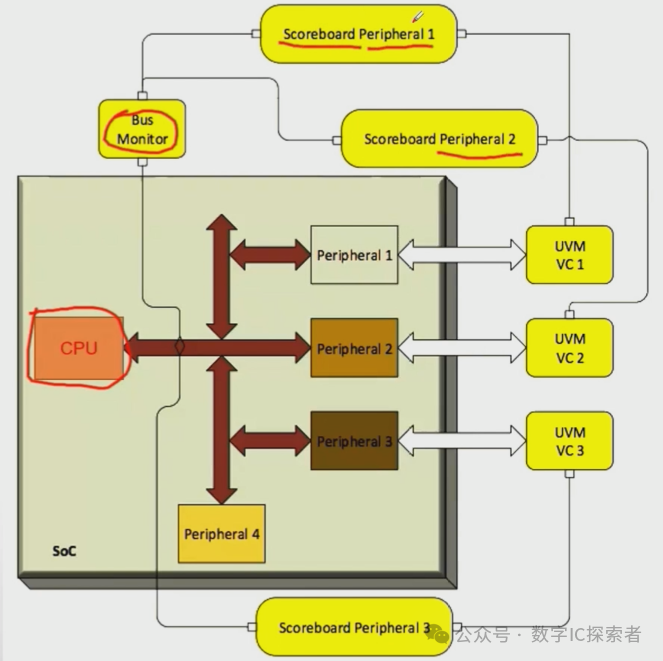
-
Verification Test Points
Spec –> Feature –> Test Point

Consider the following perspectives:
-
Functional: Clock, Reset, Power, Register Access, FIFO Regular Points, Exception Handling, etc.;
-
White-box test points:
-
Interface:
-
Scenario:
-
Performance: Can the bandwidth meet the requirements?
-
Exception:
2 Verification Functional Points
-
Typical Values
-
Boundary Values
-
Exception Values
-
Cross Values
Generally, there are specific Excel templates in the company to help open up ideas.
1.3 Execution Cases
Write test cases and execute debug
Regression Testing
-
Ensure random opening can trigger issues;
-
Used to iterate coverage; -cm line + cond + fsm + tgl; Common tools: DVE and VERDI;
-
Ensure confirmation of RTL modifications;
Functional Coverage
Functional coverage measures whether all functions of the design have been implemented;
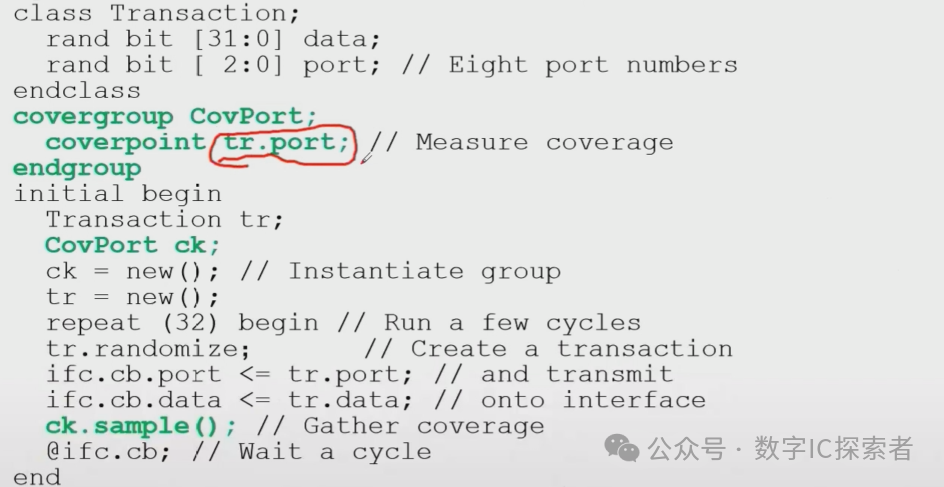
-
Functional coverage is closely related to functional design, while code coverage only measures the execution of the design;
-
If a certain functional judgment is not tested, code coverage cannot determine it, but functional coverage can; low functional coverage with high code coverage indicates an incomplete verification plan;
Understanding DUT Architecture
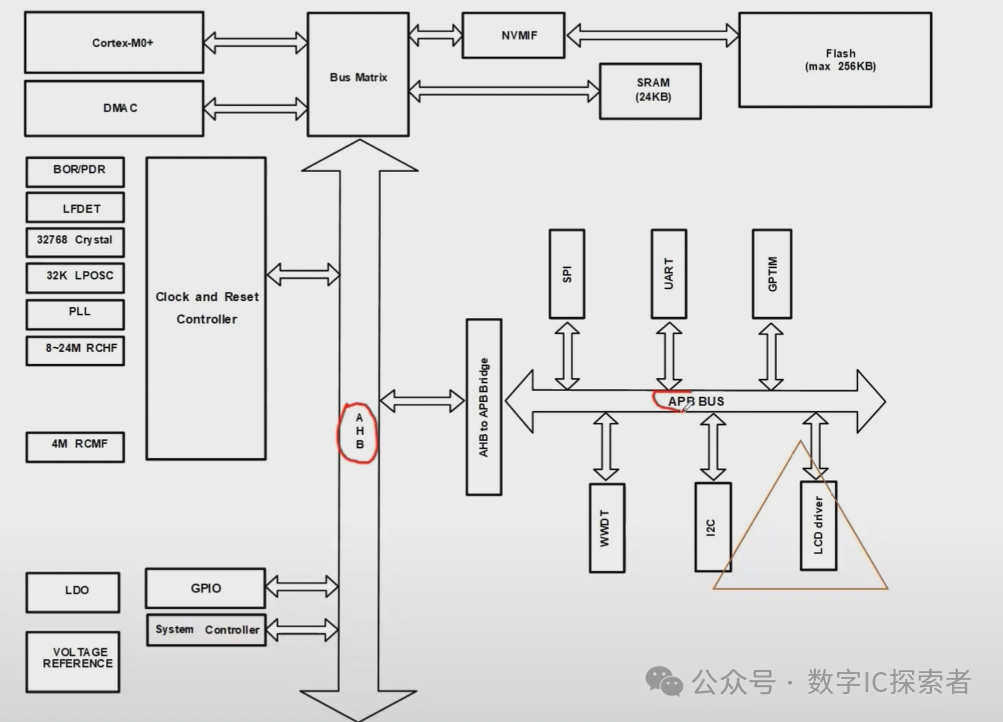
Use the DUT architecture diagram in the Spec to better understand the operation of the entire SoC chip;
Building the Verification Environment — UVM Verification Platform
UVM is a fixed verification methodology — verification components; it is convenient for reuse and direct inheritance;