
Introduction:
The medium and heavy plate rolling line consists of numerous individual devices. In the process of achieving regional automation and intelligence, each region implements its automation and intelligence through dedicated computer servers and corresponding automation systems. However, with the development of information technology in recent years, the expansion of intelligent applications, the deployment of CPS systems, and the promotion of cloud computing and cloud applications, the original independent control system structure of the medium and heavy plate rolling line has become inadequate to meet the demands. Additionally, the traditional automation systems have formed a “silo” structure with strong coupling between software and hardware, leading to low resource utilization and efficiency. The usage rates of server CPUs and memory are not high, and excess resources are not released. Moreover, when online servers fail, switching to backup servers is time-consuming and may result in data loss.
Given the above issues, there is an urgent need for a comprehensive system integration framework that can provide integrated data storage sharing, application integration, and unified display capabilities. It should also possess strong capabilities in information network transmission, data center storage and processing, message conversion, as well as data collection, storage, sharing, interaction, and display.
Project Overview:
The automated system for medium and heavy plate rolling lines has matured after years of research and practice. Each individual device is equipped with a relatively complete automation system, capable of achieving high control accuracy and good control effects. However, the complex process flow of the medium and heavy plate production line means that the coordination between various processes affects the overall production stability and product quality. Therefore, communication between individual devices and coordination of operations across all processes becomes increasingly important.
With the promotion of MES systems in recent years, the development of CPS systems, and the growing demand for centralized control from enterprises, traditional multi-point automation systems struggle to meet the demands of new technologies and systems, primarily reflected in:
• The physical distribution of servers is not centralized; each process has its own independently operating server.
• The server system environment is quite complex, characterized by a large number of devices, numerous failure points, non-uniform products, and lack of standardization, leading to a heavy workload and difficulty in operation and maintenance management.
• Each system incurs redundant investment and construction, leading to high construction costs, with no unified norms or standards in technology.
• There is no resource sharing; server resource utilization is low, making centralized management and usage difficult.
• Resources cannot be dynamically adjusted and quickly expanded based on actual needs and business changes, resulting in poor system flexibility and scalability.
• Some servers have single point failure risks. Some server configurations are unreasonable, leading to idle resources and high costs.
• Legacy servers cannot run applications on new servers after being phased out.
• Hardware procurement follows the launch or changes of each business system, resulting in a discrete incremental state, making unified planning and management challenging.
The RAL laboratory’s medium and heavy plate automation research team at Northeast University has conducted exploratory research on the above issues and constructed a virtualization platform suitable for medium and heavy plate rolling lines using virtualization technology. This platform not only realizes all the functions of traditional system platforms but also has advantages such as full utilization of hardware resources, convenient system expansion, fewer failure points, and flexible application migration.
Advanced Technologies of the Virtualization Platform:
The virtualization platform employs advanced computer technology to create an efficient, flexible, and reliable cloud computing environment. By using virtualization software, multiple physical servers’ computing cores—CPUs and memory—are integrated into a virtualized computing resource pool, undertaking the “computing” function. Suitable computing resources are allocated based on the different uses of virtual machines, ensuring that applications corresponding to different virtual machines can run perfectly. The software-defined computing resources allow for dynamic scheduling and allocation, flexibly distributing resources according to the actual needs of virtual machines, maximizing the efficient use of physical computing resources.
The software-defined storage architecture unifies various storage devices of different structures and performances into a single virtualized storage interface, while also providing advanced functions such as cross-vendor platform imaging, snapshots, thin provisioning, and remote disaster recovery replication, supporting the operation of the entire cloud computing platform. The storage system employs advanced, mature technologies and excellent system design, ensuring that the system has a fast overall response speed and higher data bandwidth, capable of withstanding high access frequencies and speeds from a large number of users for extended periods. The entire storage system boasts high reliability, heterogeneous platform sharing, cost-effectiveness, scalability, ease of management, ease of use, and excellent performance, and can be smoothly upgraded and expanded to adapt to the development of data storage technologies.
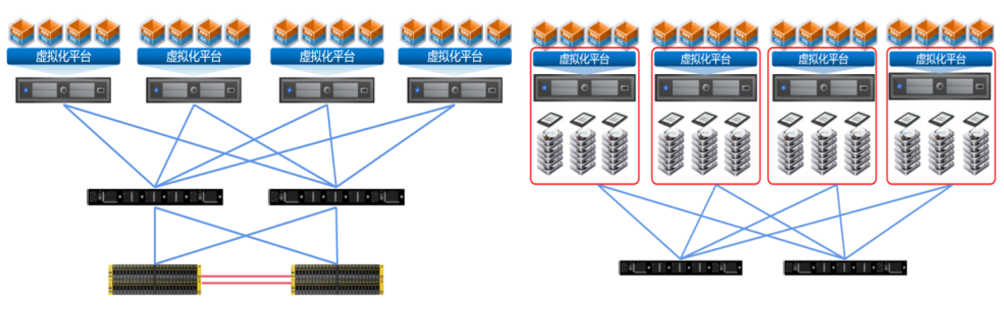
Figure 1 Virtualization Platform Architecture
By using virtualization software to define virtual network cards and distributed virtual switches, external communication for virtual machines is achieved through virtual network cards. One end of the distributed switch is connected to the virtual port associated with the virtual machine, while the other end connects to the physical Ethernet adapter on the host where the virtual machine is located. This allows for connectivity between the host and the virtual machine, enabling network communication across the system. Furthermore, the distributed switch is used as a single virtual switch among all associated hosts. This functionality ensures that when virtual machines migrate across hosts, their network configurations remain consistent. The virtualization software replicates the entire network connection environment, providing a complete set of logical network connection elements and services, including logical switching, routing, firewalls, load balancing, VPN, quality of service, and monitoring. For virtual networks, they can be programmed and managed independently of the underlying hardware.
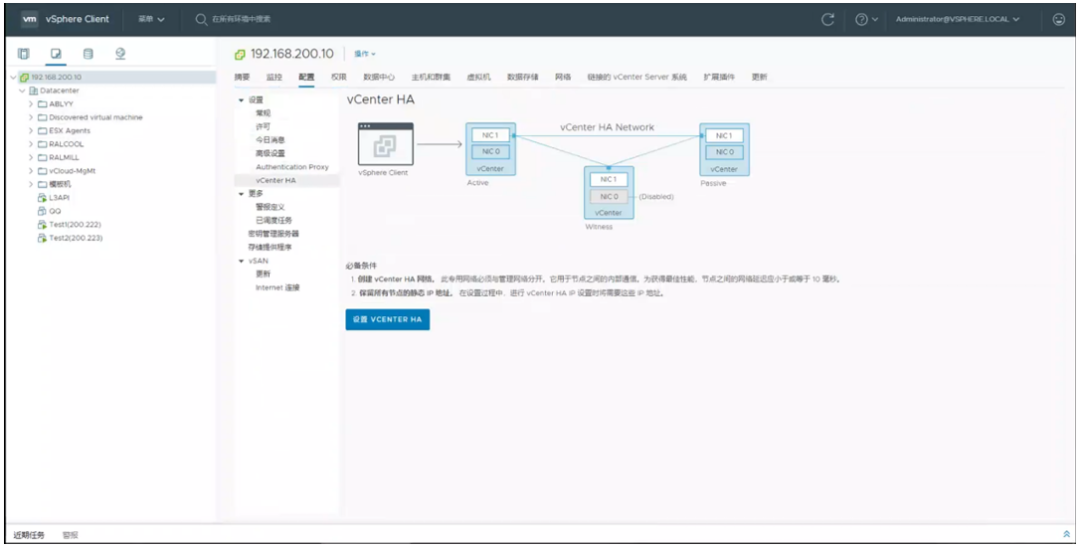
Figure 2 Virtualization System Configuration
Application of the Medium and Heavy Plate Rolling Line Automation System Based on the Virtualization Platform:
The architecture of the virtualization platform is flexible, with a typical configuration using four physical servers. Each server can install two or four high-performance CPUs, and storage employs two external centralized storage units that can achieve dual-active functionality or use distributed storage for multi-copy data preservation. This architectural design supports the large-scale computing demands of the automation system, providing powerful computing capabilities and processing speeds while ensuring the security and reliability of data, guaranteeing efficient system operation.
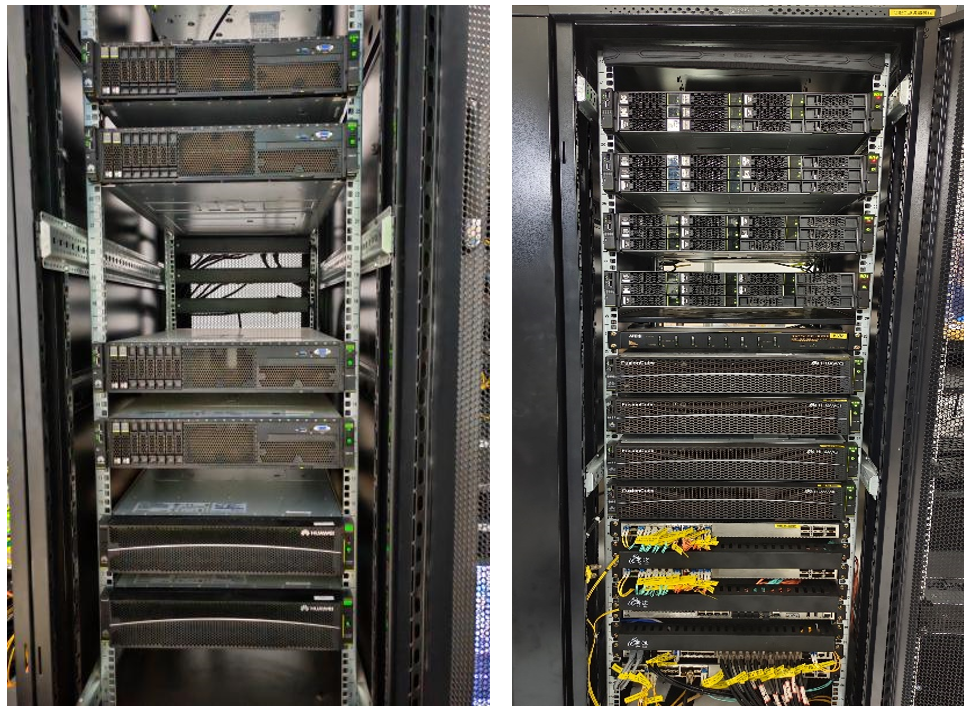
Figure 3 Hardware Composition of the Virtualization Platform
The entire automation system of the medium and heavy plate production line can be centralized on this platform, including: heating furnace automation system, rolling mill automation system, post-rolling cooling automation system, straightening automation system, cooling bed automation system, head-cutting automation system, dual-side cutting automation system, fixed-length cutting automation system, printing automation system, collection automation system, and various system clients. These systems communicate directly through the virtualized network, improving communication speed and stability between systems, while also providing a unified and convenient interface solution for each automation system with MES and CPS systems. Currently, virtualization platform technology has been successfully applied to multiple domestic medium and heavy plate production lines, integrating data storage and computing resources during the production process.
Figure 4 shows the network architecture of the automated system based on the virtualization platform for a medium and heavy plate rolling line, where all computing resources for the rolling line are provided by the virtualization platform. The platform integrates data servers, secondary servers, and HMI servers for the entire line, while also virtualizing all operational clients of the line. Production operators can conveniently access the clients within the virtual platform through thin clients or cloud desktops. The integration of data, computing, and communication resources in the virtualization platform not only reduces the hardware capability requirements for remote access but also enhances the high-speed communication capabilities and security of the data. With the gradual application of intelligent technologies in the medium and heavy plate rolling line, the flexible upgrade and expansion capabilities of the virtualization platform also provide strong support for the intelligent transformation and upgrading of the production line.
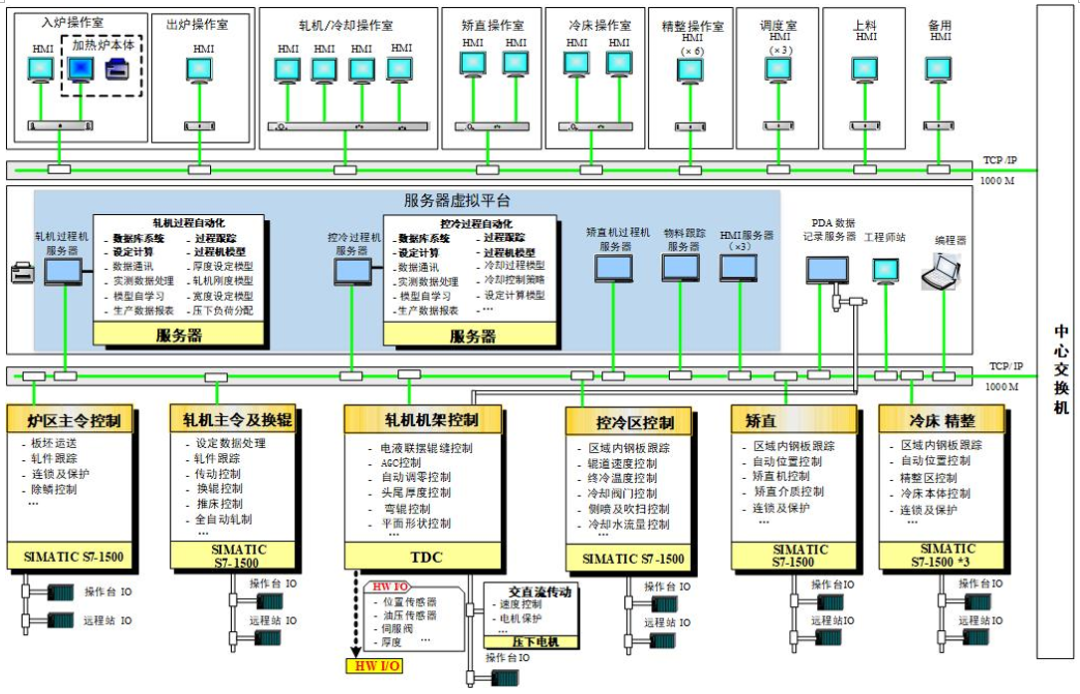
Figure 4 Network of the Medium and Heavy Plate Rolling Line Automation System Based on the Virtualization Platform
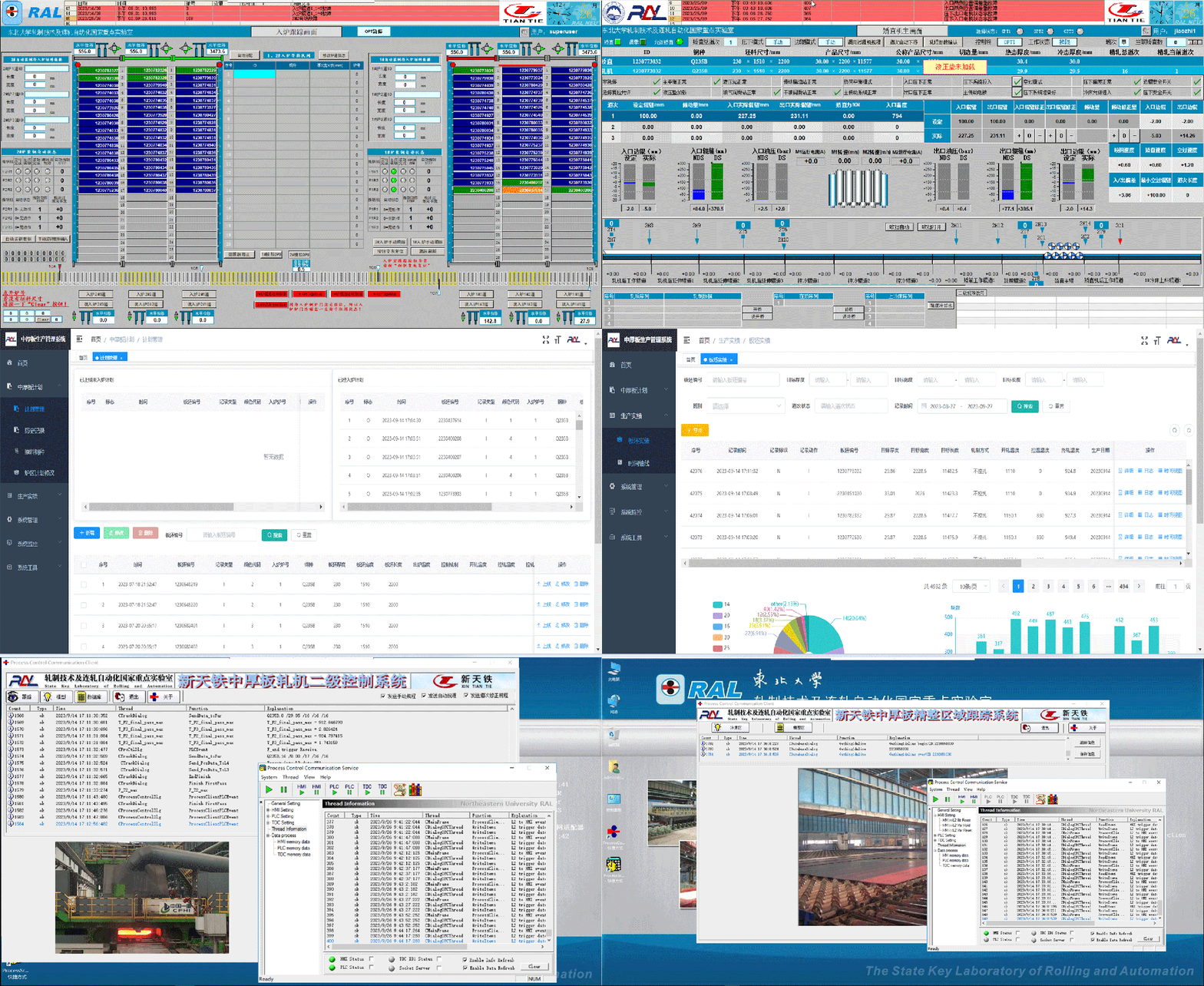
Figure 5 Medium and Heavy Plate Rolling Line Automation System Based on the Virtualization Platform
Video 1 Medium and Heavy Plate Production Line Using Virtualization Platform
Conclusion:
The virtualization platform has achieved flexible allocation of resources in the medium and heavy plate rolling line automation system by deploying multiple virtual machines on a unified physical server, flexibly allocating computing, storage, and network resources, maximizing resource utilization and reducing enterprise costs. At the same time, the virtualization platform supports the operational automation and centralized management of the medium and heavy plate rolling line automation system, enhancing the efficiency of administrators, reducing errors and failures caused by human operations, and improving the stability and reliability of the production line.
This platform is highly stable, has few failure points, is easy to expand, and is simple to maintain. The utilization rate of server hardware resources is high, redundant investments are minimized, and there is no need to modify the existing process control systems. It can also serve as an emerging edge node for CPS systems, cloud computing, and cloud applications, providing a convenient expansion platform for further digitization and intelligence of the medium and heavy plate production line.
Source: Metallurgical Information Network