A couple of days ago, Zhizhi Dog shared with everyone the issues of “Yin Yang Screens” and “Cool and Warm Screens”. Today is the last question of the three screen questions, which is the “burn-in” risk that makes many users hesitant to buy the iPhone X.
OLED (including AMOLED) screens have advantages such as high color gamut, self-emission, and almost no power consumption for black displays, making them favored by high-end phones like the Samsung S series, Huawei Mate 10 Pro, and iPhone X. However, this high-end screen has a troublesome ailment, namely the so-called “burn-in” issue.
Ghosting on the Screen
Many smartphones using OLED screens will show ghosting at the bottom virtual button bar or the top status bar after a period of use. This phenomenon is what players refer to as “burn-in”, while the industry calls it “image retention” (burn-in).
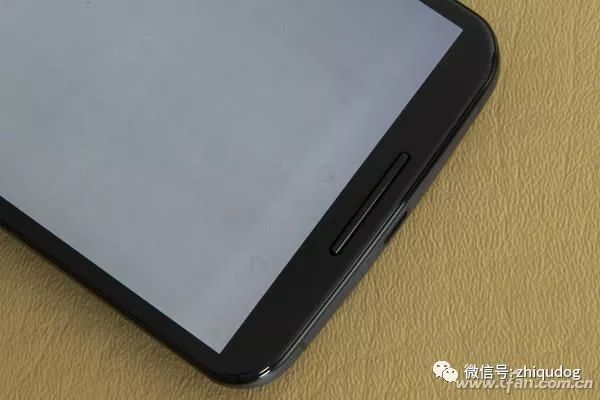
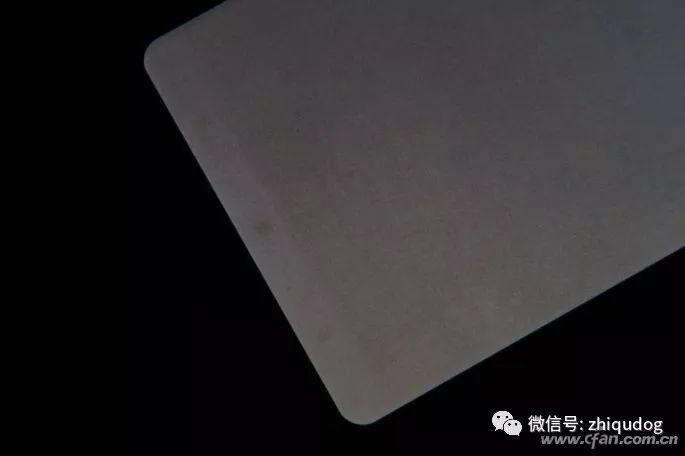
In fact, both LCD and OLED screens have the risk of “image retention”; however, the “image retention” on LCD can gradually disappear over time and with changing display content, while OLED’s “image retention” is irreversible. Once it occurs, it will remain permanently and tends to become more pronounced.
Why Does OLED Burn In?
OLED is a self-emissive display technology, with its surface made of a layer of organic compound film. These organic materials have a lifespan, and over time and with heating, they slowly degrade. The “image retention” in OLED is actually caused by displaying the same static image at a fixed position for a long time, leading to the organic compound film corresponding to that part of the emitting pixels being worn out more than other areas, resulting in a faster decline in luminous efficiency and leaving an image retention on the screen.
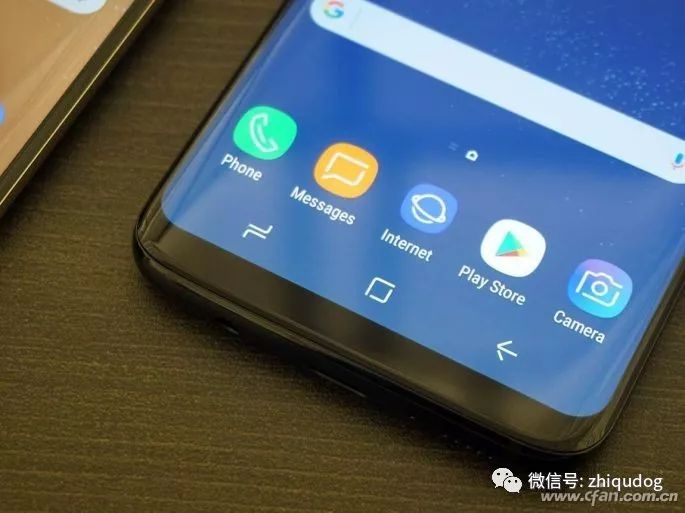
Since the mobile signal bar and virtual button bar are the areas with the least frequent changes in the display, they are also the hotspots for “image retention” on OLED screens.
Unfortunately, the OLED burn-in issue is essentially unsolvable. Even Apple clearly stated while promoting the iPhone X that: during long-term use, the OLED display may show slight visual changes. This is a normal phenomenon, including “image retention” or “aging”.
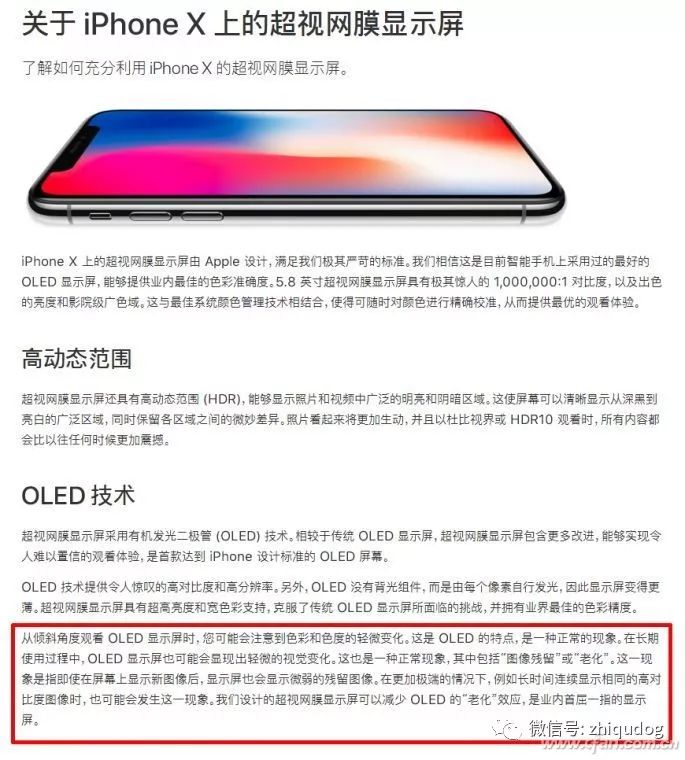
This phenomenon refers to the display showing faint residual images even after new images are displayed on the screen. In more extreme cases, such as displaying the same high-contrast image for a long time, this phenomenon may also occur.
To avoid premature burn-in issues, we should simply avoid displaying the same static image in the same location for long periods, especially when the screen is heating up (such as during charging and gaming).
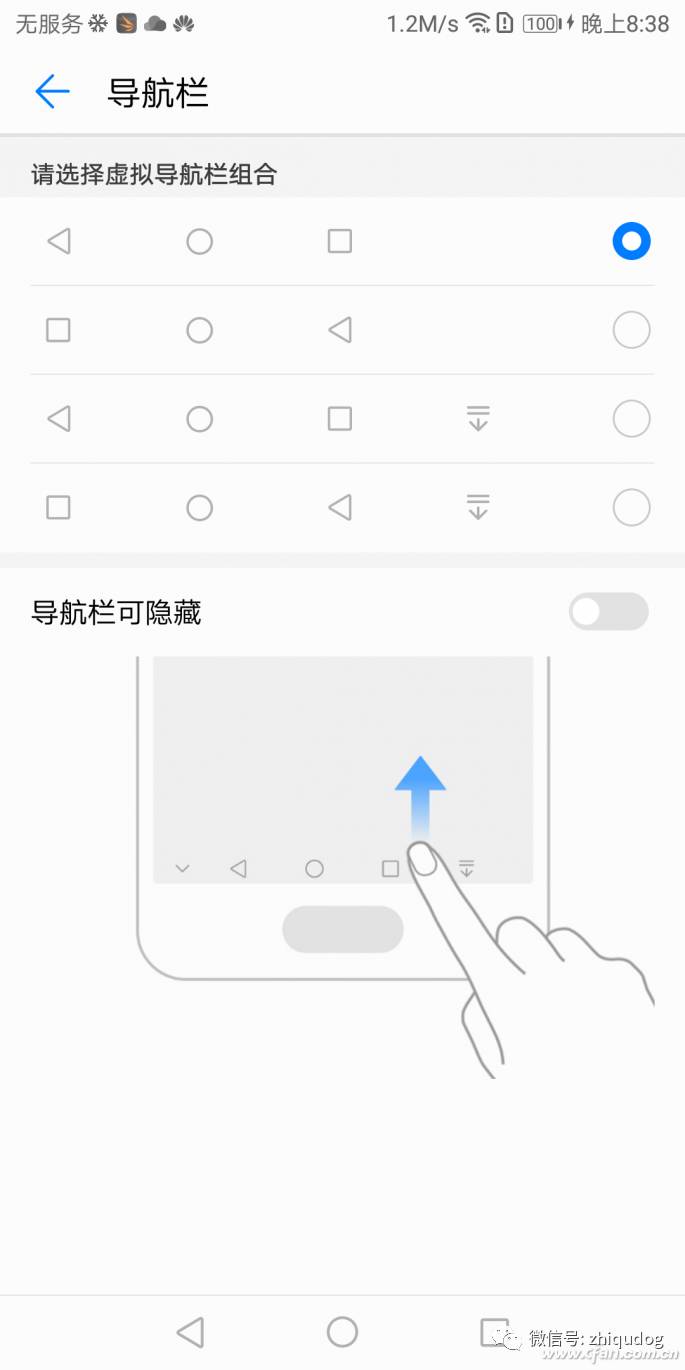
The prevention methods are straightforward: switch to a pure black background or dynamic wallpaper, and change the mobile virtual buttons to a hidden state, revealing them only when needed. If burn-in has already occurred, try playing a movie continuously to keep the part of the screen with the residual image moving for a long time, which may reduce the residual effect.
From the trend, OLED has become the standard for mid to high-end smartphones in the future. I wonder if you can accept this small flaw of high contrast, high color gamut, and almost no power consumption black screen material?
After reading this article, 99% of readers also clicked: