20
25
Agricultural Internet of Things
Agricultural Internet of Things
Opening a New Era of Smart Agriculture

Kunxiang Agriculture
Introduction
Introduction
In the current era of rapid technological advancement, the agricultural sector is undergoing a profound transformation. The Agricultural Internet of Things, as the core driving force of smart agriculture, is leading global agriculture towards intelligence, precision, and efficiency with its unique charm. What kind of magic does it possess that can rejuvenate traditional agriculture? Today, let us step into the wonderful world of the Agricultural Internet of Things.
01
What is the Agricultural Internet of Things?
Agricultural Internet of Things

The Agricultural Internet of Things may sound complex, but it is not. Simply put, it is a vast intelligent perception, transmission, and processing system built through the integration of sensors, wireless communication, big data analysis, and artificial intelligence. This system acts like a “smart brain” and “eyes and ears” for agricultural production, enabling real-time monitoring, precise management, and intelligent decision-making of the agricultural production environment.
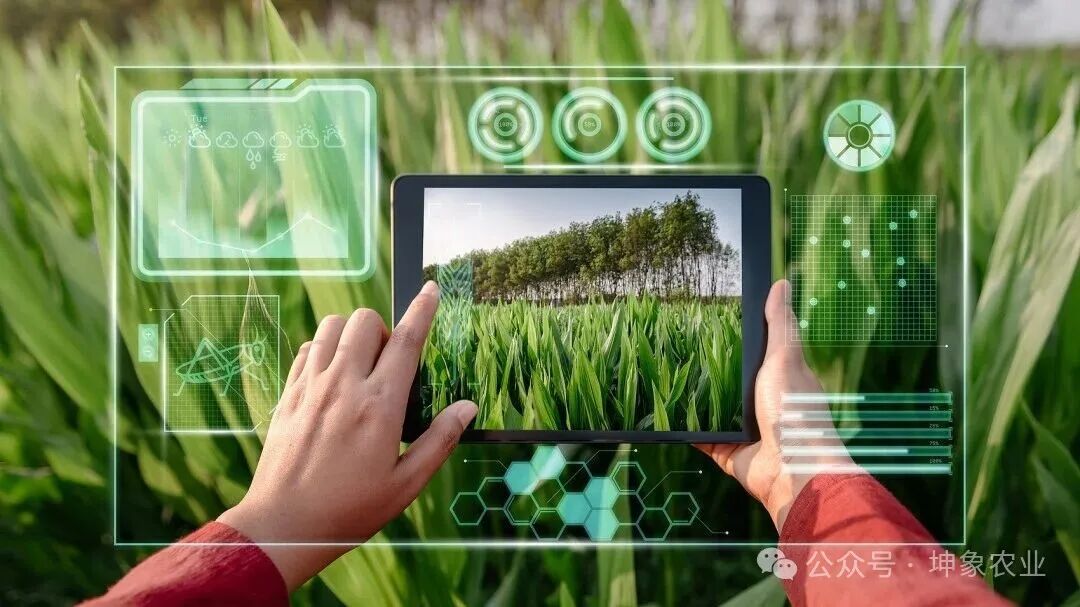
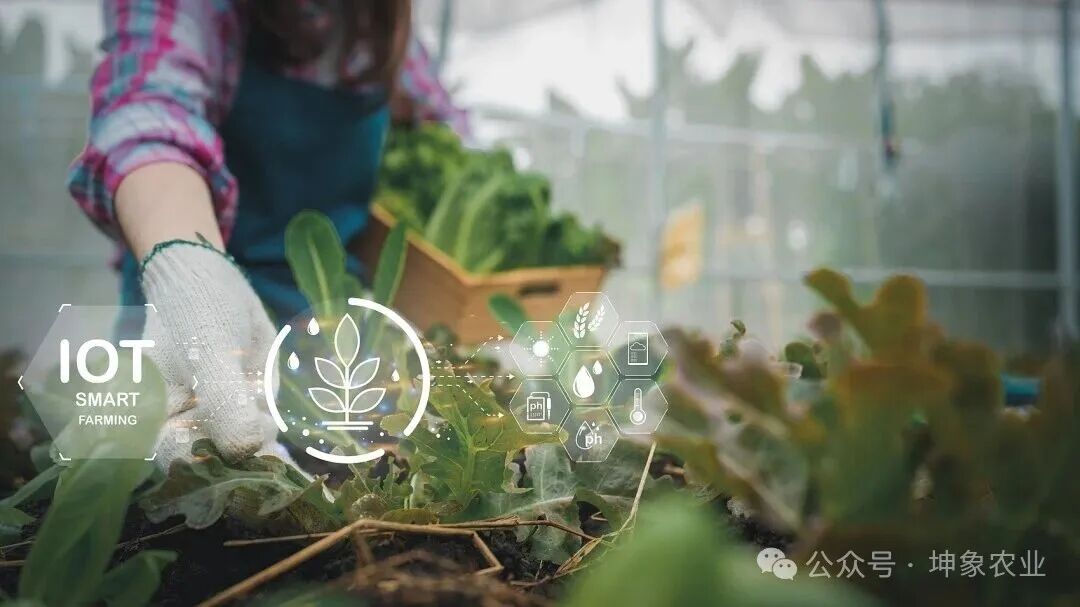
In various agricultural production scenarios such as fields, orchards, and farms, a variety of sensors are deployed. These sensors act like tireless “little guardians,” constantly collecting various information from the environment. For example, soil moisture sensors can accurately sense the moisture content in the soil, informing us when to irrigate crops; light intensity sensors can monitor light conditions in real-time, providing optimal “guidance” for photosynthesis; and there are temperature and humidity sensors, air quality sensors, etc., all working together to capture and transmit every subtle change in the agricultural production environment.
02
Application Scenarios Unveiled
Application scenarios

Precision Agriculture:
Making Every Drop of Sweat Worthwhile
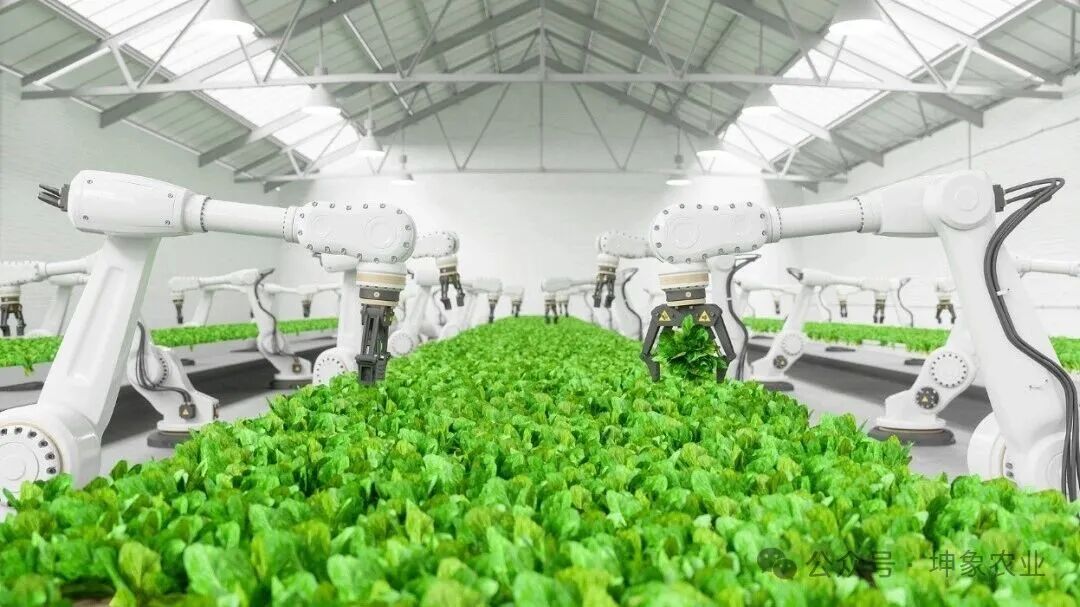
In traditional agricultural production, farmers often rely on experience and intuition for irrigation, fertilization, and pest control, which can lead to resource waste and environmental pollution. The emergence of the Agricultural Internet of Things has made precision agriculture a reality. By monitoring soil moisture, light intensity, nutrient content, and other environmental parameters in real-time, the system can accurately calculate the required amounts of water, fertilizer, and pesticides based on the growth needs of the crops, delivering these resources precisely to the roots of the crops through intelligent irrigation, fertilization, and spraying equipment. This not only increases crop yield and quality but also significantly reduces waste of water resources, fertilizers, and pesticides, lowering production costs and achieving the ideal effect of “less input, more output.”
Imagine a vast field where intelligent agricultural machinery is busily traversing the land. They automatically adjust plowing depth, sowing spacing, and fertilization amounts based on data from sensors, with every action being precise. Farmers can simply sit in a monitoring room at the edge of the field, using a computer or mobile phone to grasp everything happening in the field in real-time, easily directing this agricultural production “feast.” This is no longer a scene from a science fiction movie, but a real change brought about by the Agricultural Internet of Things.

Resource Optimization:
Protecting Green Water and Green Mountains, Harvesting Golden Mountains and Silver Mountains
As global resource constraints intensify, how to achieve efficient use of agricultural resources and sustainable development has become an important issue before us. The Agricultural Internet of Things provides a perfect solution to this problem.
For example, in precision irrigation, through soil moisture sensors and meteorological data monitoring, the system can accurately determine the water needs of crops, achieving on-demand irrigation. Compared to traditional flood irrigation methods, precision irrigation can save 30% – 50% of water, while also avoiding soil compaction and nutrient loss caused by over-irrigation. In today’s increasingly scarce water resources, this is undoubtedly significant.
In terms of fertilization, the Agricultural Internet of Things also plays an important role. By monitoring soil nutrient sensors, the system can accurately allocate the types and amounts of fertilizers based on soil fertility and crop growth needs, achieving scientific fertilization. This not only improves fertilizer utilization, reduces waste and environmental pollution, but also lowers agricultural production costs and enhances the quality and market competitiveness of agricultural products.

Pest and Disease Early Warning:
Safeguarding the Health of Crops
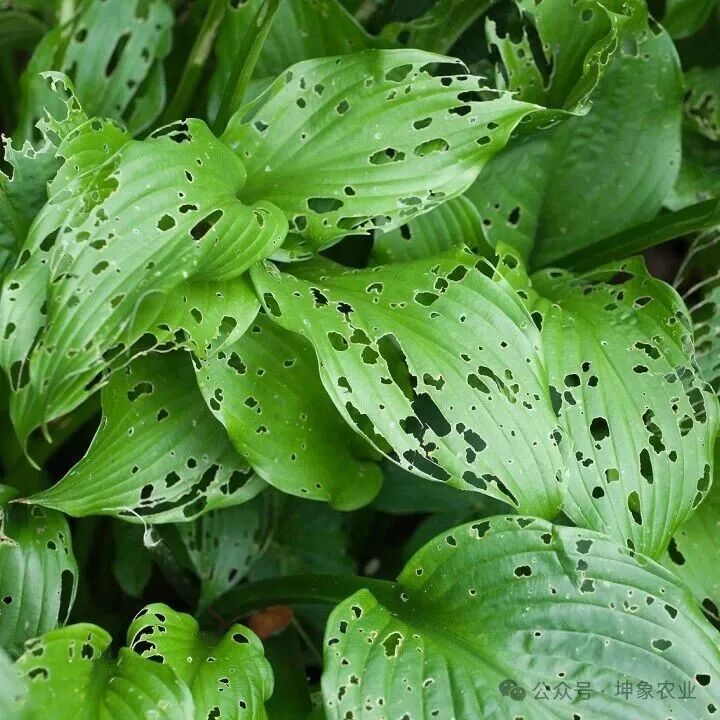
Pests and diseases have always been a major challenge in agricultural production, and once they break out, they can cause significant losses to farmers. The pest and disease early warning system of the Agricultural Internet of Things acts like a solid “protective wall” for crops, capable of detecting signs of pests and diseases in advance and taking timely measures to eliminate them at the bud stage.
This early warning system mainly collects information on crop growth status, environmental parameters, and pest and disease-related data through sensors, utilizing big data analysis and artificial intelligence technology to predict the trend of pest and disease outbreaks. Once the risk of pests and diseases exceeds a set threshold, the system immediately issues a warning, alerting farmers to take appropriate control measures. Additionally, the system provides personalized control plans based on the type and severity of the pests and diseases, helping farmers respond scientifically and effectively.
With the pest and disease early warning system, farmers no longer have to worry all day about pest and disease invasions. They can prepare in advance and take targeted measures to effectively reduce the harm of pests and diseases to crops, ensuring healthy growth and stable agricultural production.

Intelligent Decision-Making:
Making Agricultural Production More Scientific and Forward-Looking
In the agricultural production process, farmers face various decisions, such as choosing crop varieties, determining sowing times, and formulating fertilization and irrigation plans. The correctness of these decisions directly affects agricultural production efficiency and farmers’ income. The intelligent decision-making system of the Agricultural Internet of Things acts like an experienced “agricultural expert,” providing farmers with scientific planting advice and market forecasts to help them make wiser decisions.
The intelligent decision-making system collects, analyzes, and mines a large amount of agricultural data, including meteorological data, soil data, crop growth data, and market price data, establishing mathematical models and predictive algorithms. Based on these models and algorithms, the system can simulate and evaluate different agricultural production plans, predicting the potential outcomes of various plans. Farmers only need to input their production goals and actual conditions, and the system can recommend the best planting plans and management strategies.
Moreover, the intelligent decision-making system can track market dynamics in real-time, analyzing price trends and changes in market demand for agricultural products, providing farmers with market forecasts and sales suggestions. This way, farmers can better seize market opportunities during production, reasonably arrange production plans, and avoid losses caused by market fluctuations, improving the economic efficiency and market competitiveness of agricultural production.

Food Safety Traceability:
Eating with Confidence and Peace of Mind
As food safety issues receive increasing attention, consumers are becoming more concerned about the quality and safety of agricultural products. The food safety traceability system of the Agricultural Internet of Things acts like a unique “identity card” for each agricultural product, allowing consumers to clearly understand the “past and present” of agricultural products, traceable from the field to the table.
When agricultural products enter the market circulation stage, consumers can simply scan the QR code or barcode on the product with their mobile phones to obtain detailed information about the agricultural product, including planting origin, planting variety, fertilization and pesticide use, harvesting time, inspection reports, and transportation processes. This information is collected and recorded in real-time through IoT technology, ensuring authenticity and immutability. Through the food safety traceability system, consumers can purchase agricultural products with confidence, while also effectively supervising the production enterprises and farmers, prompting them to pay more attention to the quality and safety of agricultural products.
For agricultural production enterprises and farmers, the food safety traceability system is not only an important means to protect consumer rights but also a powerful tool to enhance their brand image and market competitiveness. By establishing a comprehensive traceability system, enterprises and farmers can better manage the production process, improve product quality, and enhance consumer trust in their products, thus gaining a more advantageous position in market competition.

03
Current Development Status and Future Trends
Development status
and future trends

Currently, the Agricultural Internet of Things is experiencing vigorous development globally. With the continuous maturation of technologies such as sensors, cloud computing, and artificial intelligence, the deployment costs of the Agricultural Internet of Things are decreasing, and the stability and reliability of the systems have greatly improved. At the same time, governments around the world are introducing policies to encourage agricultural technology innovation and promote the widespread application of the Agricultural Internet of Things. In terms of market demand, as consumers’ demand for high-quality agricultural products increases, agricultural producers’ need to enhance production efficiency and management levels is also becoming increasingly urgent, providing strong momentum for the development of the Agricultural Internet of Things.
According to market research firm QYResearch, the global Agricultural Internet of Things market is expected to grow at an astonishing rate in the coming years, with an estimated annual compound growth rate exceeding 20%. In the future, the Agricultural Internet of Things will focus more on intelligent development, further integrating advanced technologies to achieve more precise and comprehensive monitoring and management of agricultural production environments. Additionally, the Agricultural Internet of Things will deeply integrate with big data, cloud computing, and blockchain technologies, forming a more comprehensive ecosystem that enables data sharing and secure storage, improving system reliability and stability.
Furthermore, the Agricultural Internet of Things will place greater emphasis on green and sustainable development, reducing environmental damage through precision fertilization, irrigation, and pesticide use, promoting sustainable agricultural development. In terms of application scenarios, the Agricultural Internet of Things will continue to expand, not only deepening its roots in traditional agricultural production but also playing a larger role in agricultural product processing, circulation, and sales, constructing a complete smart ecosystem for the agricultural industry chain.
04
Conclusion
In this era filled with technological charm, the Agricultural Internet of Things is bringing an unprecedented transformation to traditional agriculture. It makes agricultural production more precise, efficient, and intelligent, making farmers’ labor easier, more scientific, and rewarding, while also enriching and ensuring the safety of our dining tables. With continuous technological advancements and expanding applications, the Agricultural Internet of Things will undoubtedly play an increasingly important role in the modernization and sustainable development of agriculture, creating a better future for us. Let us look forward to the vibrant vitality that the Agricultural Internet of Things will bring to this ancient land of agriculture!
Follow “Kunxiang Agriculture”
To get more agricultural knowledge!