As the global population continues to age, traditional elderly care models are facing severe challenges such as a shortage of caregivers and high service costs. In this context, the rapid development of artificial intelligence technology is bringing revolutionary changes to the elderly care industry. AI robots, as the core tools of smart elderly care, are gradually being integrated into various elderly care institutions, covering comprehensive scenarios such as daily living assistance, rehabilitation training, and health monitoring. Through intelligent solutions, they not only effectively alleviate the pressure on human resources but also significantly enhance the quality of life and happiness of the elderly. In the future, AI in elderly care will drive the industry towards a more efficient and humanized direction, creating a better living environment for the elderly.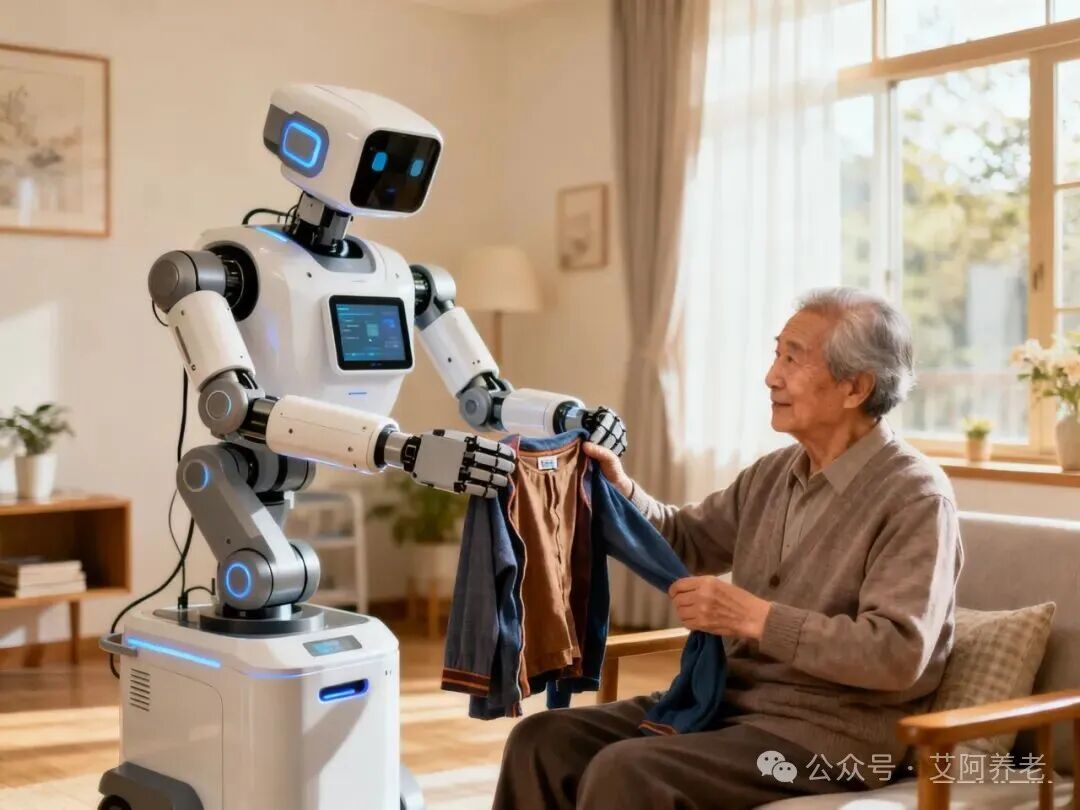
In terms of daily living assistance, AI robots utilize advanced sensor and robotic arm technologies to assist the elderly in completing daily activities such as dressing, eating, and personal hygiene. For example, smart care robots can gently help elderly individuals with mobility issues move around or accurately deliver necessary items, thereby avoiding the risk of accidental falls. Additionally, these robots are equipped with voice recognition and natural language processing systems, allowing them to understand personalized instructions from the elderly and provide customized services. This round-the-clock intelligent care not only reduces the burden on caregivers but also allows the elderly to feel respected and autonomous, thereby enhancing their overall quality of life.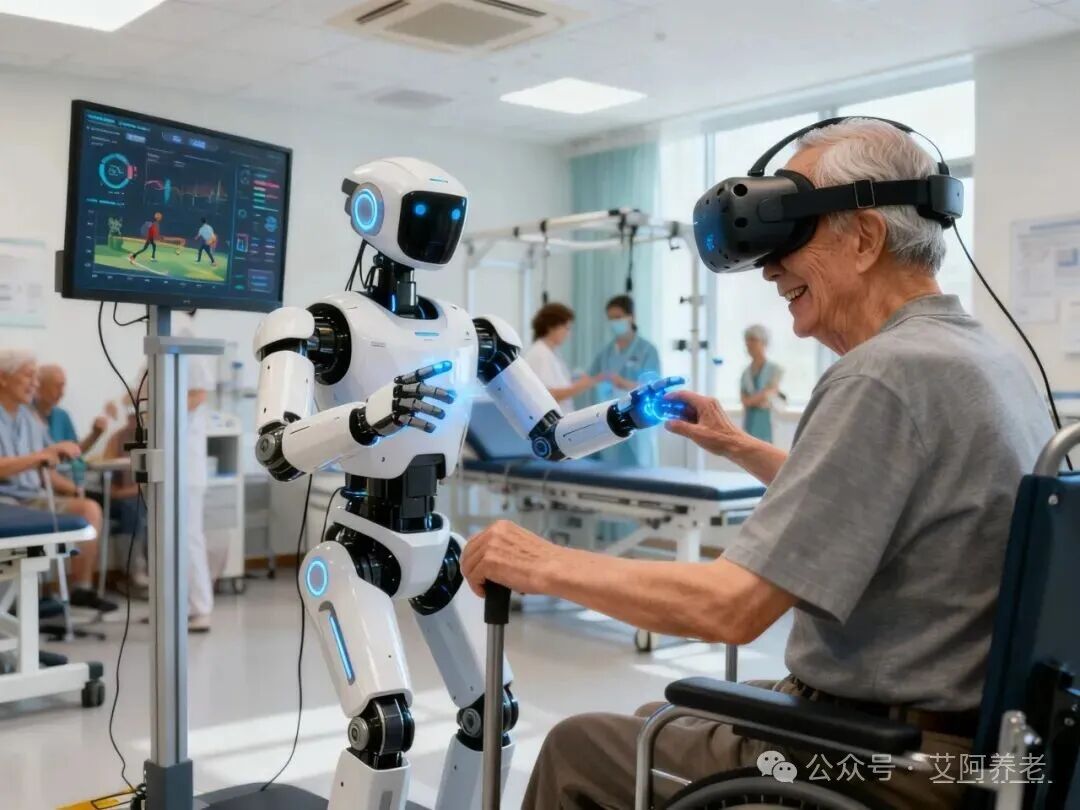
Rehabilitation training is a key aspect of elderly care, and AI robots demonstrate exceptional application potential in this area. Through high-precision motion monitoring and data analysis, robots can customize rehabilitation plans for each elderly individual and adjust training intensity in real-time to ensure safety. For instance, rehabilitation robots can guide the elderly through physical therapy, creating an immersive training environment using virtual reality technology to enhance engagement and effectiveness. Clinical studies have shown that AI-assisted rehabilitation can effectively shorten recovery times and reduce the risk of complications, providing a more scientific approach to health management for the elderly.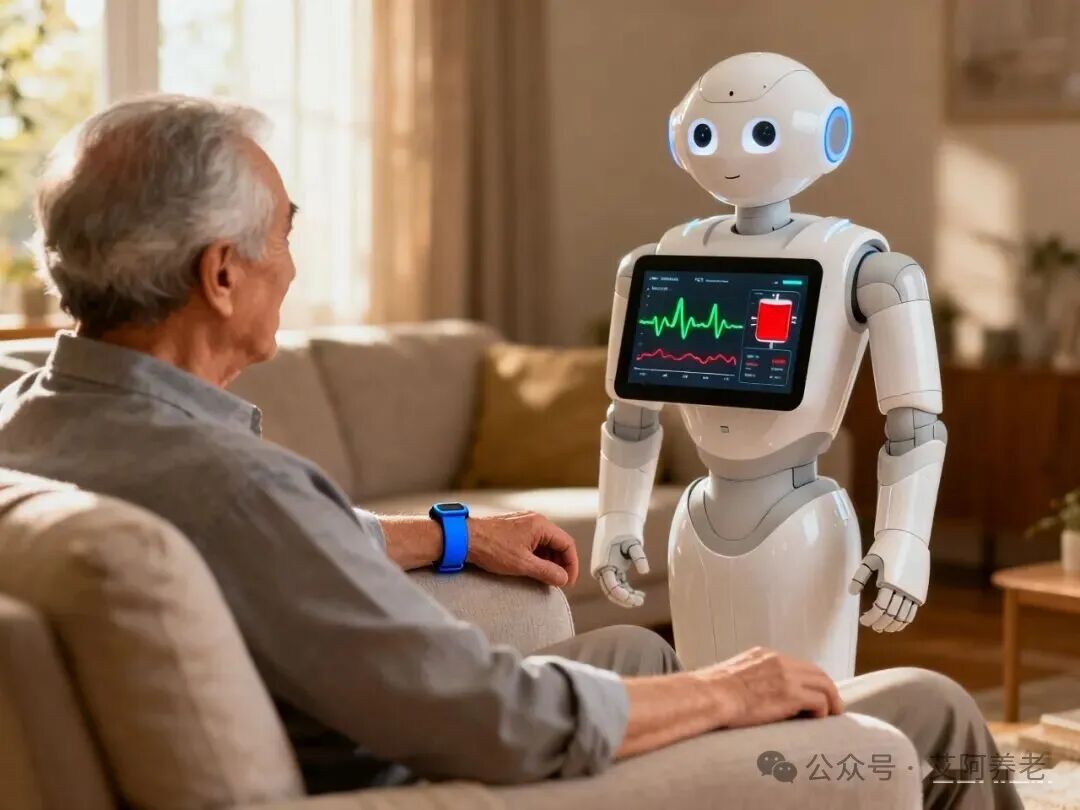
Health monitoring is another core application of AI in smart elderly care. Smart wearable devices and environmental sensors can collect real-time physiological data such as heart rate, blood pressure, and sleep quality from the elderly, which is then analyzed using AI algorithms for early warning. If any abnormalities are detected, the system immediately notifies caregivers or family members to prevent sudden health issues. Furthermore, robots can proactively remind the elderly to take medication and schedule medical appointments, transitioning from passive treatment to active management. This round-the-clock monitoring system provides a solid health defense for the elderly, giving their families peace of mind.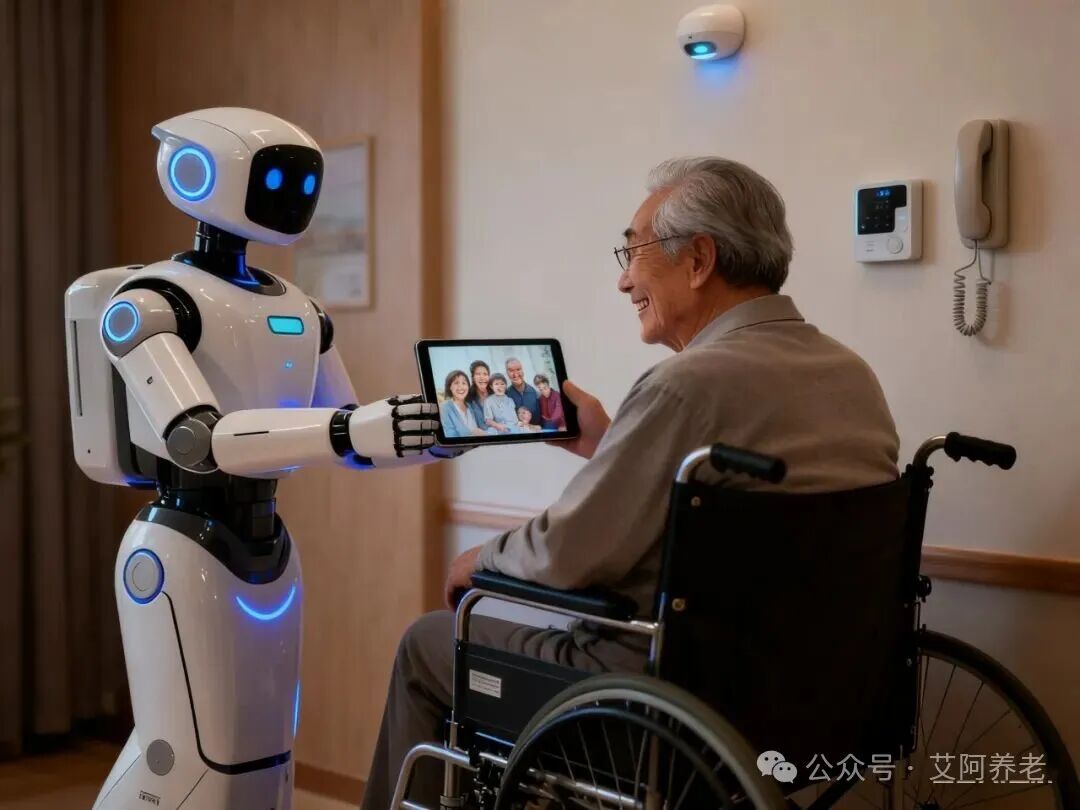
In addition to physical care, AI robots also play an important role in social companionship. Loneliness is a common psychological issue among the elderly, and smart robots provide emotional support through interactions such as conversation, games, and music. Some high-end models even integrate emotional computing technology, enabling them to recognize changes in the elderly’s emotions and provide appropriate comfort. Additionally, robots support video calling features, helping the elderly maintain contact with family and friends, thus promoting social interaction. This human-centered design effectively alleviates the psychological pressure on the elderly and enhances their overall happiness.
In summary, the comprehensive application of AI robots in the elderly care sector is reshaping traditional service models. From daily living assistance to rehabilitation training, from health monitoring to social companionship, intelligent technology is providing the elderly with a safer, more convenient, and warmer living experience. In the future, with the integration of new technologies such as 5G and the Internet of Things, AI elderly care will become even more intelligent and widespread. We should actively embrace this transformation, strengthen technological research and development, and support policies to jointly promote the sustainable development of smart elderly care, providing replicable solutions for the global aging society.