Did you think the Internet of Things (IoT) could only connect phones? The nation’s sudden launch of satellite IoT trials aims to connect vast oceans and deserts!
On November 22, at the 2025 China 5G + Industrial Internet Conference, the Ministry of Industry and Information Technology officially “ordered”: the commercial trial of satellite IoT services has begun.

In simple terms, it allows qualified enterprises to use satellites as “space base stations”—while ground base stations can connect phones and smart homes, sensors in deep mountains, cargo ships at sea, and exploration equipment in deserts often lose signal; now satellites can fill these “blind spots”, weaving a “net of connectivity” for smart devices worldwide.

Essentially, this move addresses the “shortcomings of ground networks”!
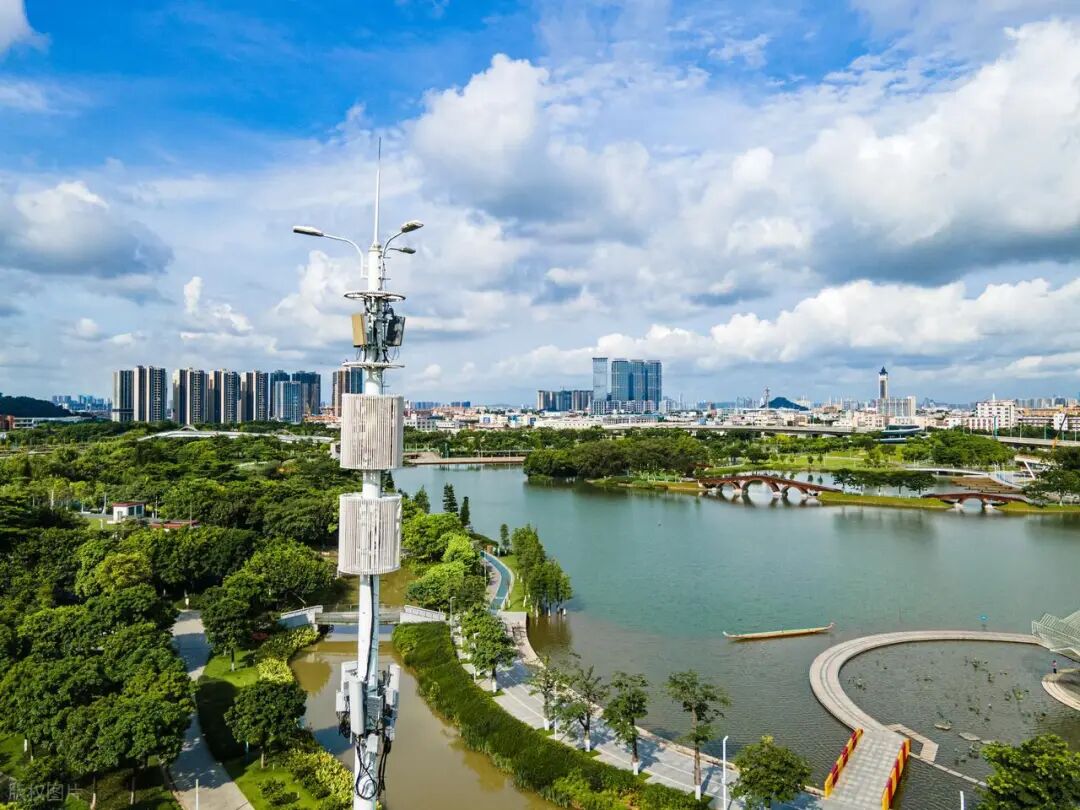
Although we have many 4G and 5G base stations, the coverage cost is too high—building a base station in mountainous areas can cost hundreds of thousands, and maintenance is even more troublesome. As a result, 70% of the world’s land and 90% of the oceans still lack stable networks. Satellite IoT acts like “space Wi-Fi”; a low-orbit satellite can cover millions of square kilometers, allowing weather stations, fishing boats, and oil pipeline sensors in remote areas to stay connected 24/7. For example, previously, offshore drilling platforms had to rely on “ships carrying USB drives” or expensive satellite phones to transmit data, but now satellite IoT can provide real-time data transmission, reducing costs by 90%.
More importantly, this opens the door for “private enterprises to build satellites”!
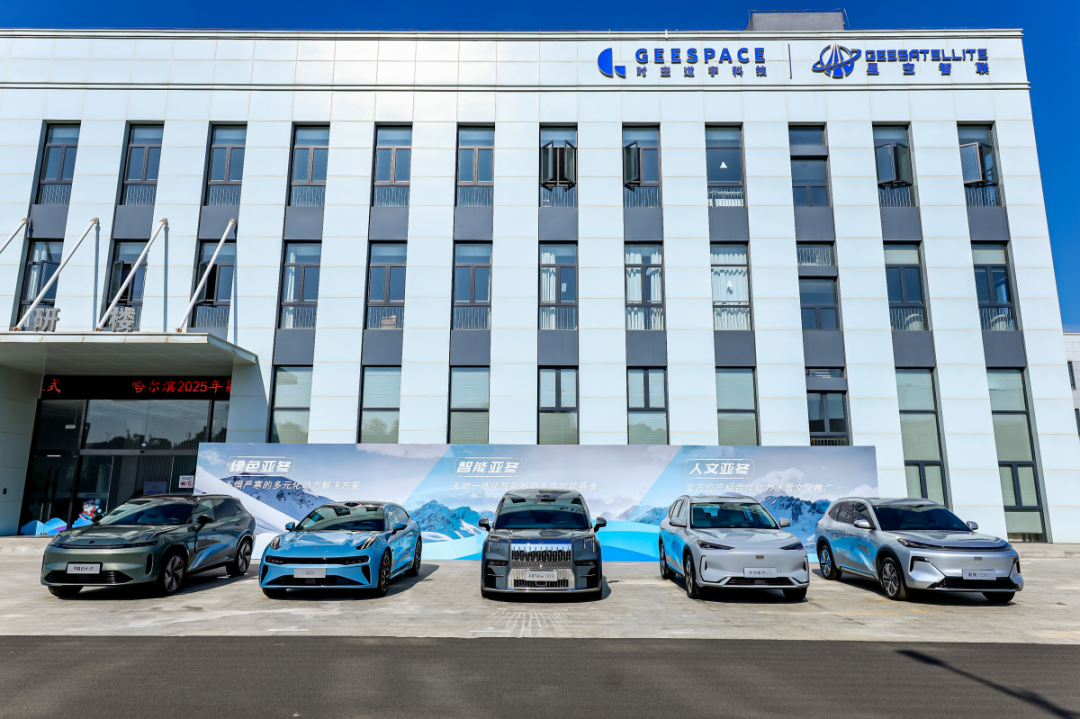
In the past, commercial space ventures relied mainly on “hitching rides” to launch research satellites or securing government contracts; now, the commercial trial clearly states “support for qualified enterprises to conduct business legally”, which essentially points private enterprises towards a “path to profit”—for instance, if you develop low-cost satellites that can connect sensors in agricultural greenhouses or track logistics fleets, you can profit by “selling data services”. In the past two years, companies like Geely’s “Shikong Daoyu” and Aerospace Science and Industry’s “Xingyun Project” have been waiting for this “commercial license” with their satellites ready to go.
Looking deeper, this also paves the way for “connecting everything”!
The industrial internet needs to connect factory equipment, agriculture needs to connect sensors in the soil, and the marine economy needs to connect buoys and aquaculture nets—many of these devices are located in areas where “ground networks cannot reach”. Once satellite IoT is commercialized, it is equivalent to equipping the industrial internet with a “space extender”: wind turbine blades in Inner Mongolia can transmit vibration data in real-time; aquaculture nets in the South China Sea can alert when “the net is broken and fish escape”; even global shipping containers can be tracked to “where they are currently floating in the ocean”. This data can, in turn, optimize production and reduce waste, embedding the “digital economy” deeply into the roots of the real economy.

The commercial trial of satellite IoT, on the surface, seems to be “just another way to connect”, but fundamentally, it is filling in “the last piece of the digital infrastructure puzzle”. It not only ensures that devices in remote areas do not “lose connection”, but more importantly, it opens a “market window” for commercial space—private enterprises can profit from technology, leading to more investment in developing cheaper and smarter satellites; the more satellites there are, the denser the coverage, and the lower the cost of connecting everything.
This step is both a realization of a “space power” and an extension of a “digital China”—when thousands of “space base stations” float in the sky, every device on the ground, every seed, and every drop of seawater can become a “nerve ending” of the digital economy.
In summary, the future of connecting everything may truly reach “the heavens to catch the net, and the oceans to connect everything”.