ABOUT ME
“Undergraduate in Electronic Information, Master’s in Computer Science, dual 985. Years of R&D experience in top internet companies, two of the top three. Focused on the IT field, professional choices, career planning, and programming skill enhancement.”
Embedded systems are an important field of modern technology, widely used in smart homes, industrial control, automotive electronics, the Internet of Things, and more.For students majoring in Electronic Information, Automation, and Computer Science, choosing the embedded direction is undoubtedly an important career path.Recently, several second-year students from Electronic Information and Automation-related majors have communicated with Newton, expressing some doubts.There seem to be many directions in embedded development, and they are unsure which one to choose. What are the requirements for each direction? What are the salary expectations and career prospects?…Today, Newton will analyze three mainstream directions: Embedded Hardware, Embedded Software (MCU), and Embedded Software (Linux), discussing their characteristics, learning paths, and career development suggestions.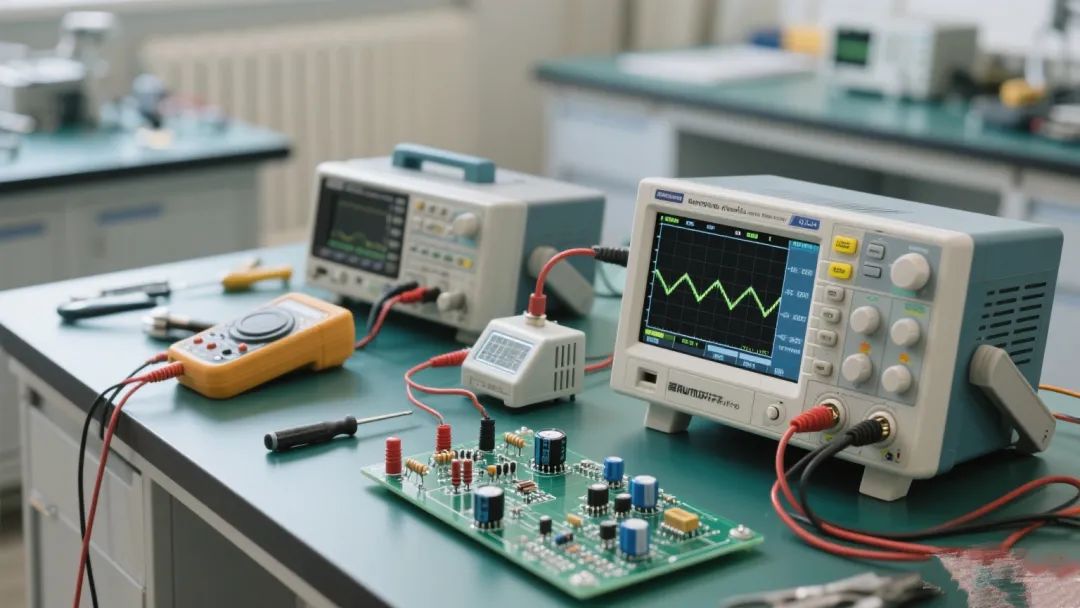 1. Embedded Hardware Direction: From Circuits to PCBThe core work of an embedded hardware engineer is to design hardware circuit schematics, PCB layouts, and ensure the stability and reliability of hardware systems through component selection, soldering, and debugging.This direction requires a solid foundation in electronic circuits (digital and analog), PCB design tools (such as Altium Designer, Cadence), and hardware debugging skills.Hardware engineers need to balance theory and practice, especially in areas like electromagnetic compatibility (EMC) design and high-frequency signal integrity (SI/PI), where the technical barriers for senior engineers are quite high, and the entry period is relatively long.Learning Path1. Basic Theory: Master courses such as “Digital Electronic Technology,” “Analog Electronic Technology,” and “Signals and Systems,” and understand the basic principles of circuit design, such as amplifier, filter, and power management module design methods.2. Tool Skills: Proficient in using EDA tools (like Altium Designer) for circuit design and PCB layout, mastering multilayer board design techniques, and understanding high-speed signal transmission routing rules.3. Practical Projects: Start with simple 51 microcontroller development boards and gradually attempt to design complete hardware systems (like smart temperature controllers, Bluetooth modules). Accumulate hardware troubleshooting experience through actual soldering and debugging.4. Industry Knowledge: Understand mainstream technology trends in the hardware industry (such as low-power design, RF circuit design) and industry standards.Career DevelopmentThe salary level of hardware engineers is closely related to experience. Junior engineers earn about 80,000-120,000, while mid-level engineers (3-5 years of experience) can reach 150,000-250,000, and senior engineers (over 8 years) can even exceed 300,000.Hardware engineers can develop towards hardware architect, EMC expert, or hardware product manager roles.
 ⏰Newton remindsThis path is suitable for students who are interested in circuit design and enjoy hands-on practice.Students who wish to engage in hardware development, product design, or hardware testing are encouraged.Students willing to accumulate hardware experience over the long term and have patience, as the learning cycle for hardware development is long, and the crisis at 35 is relatively better compared to software.2. Embedded Software (MCU Direction): From Microcontrollers to Real-Time SystemsThe MCU (Microcontroller) direction is the entry path for embedded software development.Its core is to control hardware peripherals (such as GPIO, UART, SPI) through C language programming and complete complex task scheduling in conjunction with RTOS (Real-Time Operating System).The MCU direction requires a high level of hardware abstraction capability, familiarity with low-level driver development, and a certain level of algorithm and logic design skills.Learning Path1. Programming Basics: Master C language, especially advanced features like pointers, structures, and bit manipulation. Understanding assembly language is crucial for grasping the low-level logic of MCUs.2. Microcontroller Development: Start with the 51 microcontroller, learning basic peripheral (like timers, serial ports) driver development; advance to STM32 series MCUs, mastering core technologies like GPIO control, ADC sampling, and PWM output.3. RTOS Practice: Learn lightweight real-time operating systems like FreeRTOS or uC/OS, mastering task scheduling, semaphores, message queues, and solidifying skills through project practice (like smart cars, industrial controllers).4. Communication Protocols: Familiarize with communication protocols like I2C, SPI, CAN, LIN, and be able to independently implement protocol stack development. Also, learn to integrate wireless communication modules like Bluetooth (ESP8266) and WiFi (ESP32).5. Project Experience: Accumulate complete soft-hard coordination experience through projects like developing smart home devices and industrial sensors.Career DevelopmentEngineers in the MCU direction are in high demand in consumer electronics, industrial automation, and automotive electronics.Junior engineers earn about 100,000-150,000, while mid-level engineers (3-5 years of experience) can reach 180,000-300,000, and senior engineers (over 5 years) can enter chip manufacturers or leading companies, with salaries exceeding 400,000.MCU engineers can develop towards embedded driver development, real-time system optimization, or hardware architecture design.
 ⏰Newton remindsThis path is suitable for students who enjoy the combination of “software and hardware” and wish to control hardware through low-level code.Students interested in real-time systems and low-power design, willing to delve into embedded low-level logic are encouraged.There are relatively more job opportunities, suitable for students looking for quick employment and project experience accumulation, gradually transitioning to technical architect roles.3. Embedded Software (Linux Direction): From System Kernel to Application DevelopmentThe Linux direction can be considered the pinnacle of embedded software development, involving complex technologies such as Linux kernel trimming, driver development, system porting, and application layer development.This direction requires a high understanding of computer architecture, operating system principles (processes, threads, memory management), and network protocols (TCP/IP, MQTT), as well as mastery of advanced skills like cross-compilation environment setup and device tree configuration. Linux engineers often need to face complex system tuning and performance optimization issues.Learning Path1. Operating System Basics: Deeply study “Operating System Principles,” mastering core concepts like process scheduling, memory management, and file systems. Be proficient in using Linux command-line tools (like grep, awk, sed) and shell scripting.2. Kernel and Driver Development: Learn Linux kernel compilation and trimming, mastering the development methods for character device drivers and block device drivers, and be able to write simple GPIO and UART drivers.3. Application Layer Development: Master C language development under Linux, familiar with multithreading programming, network programming (Socket), and database interaction (SQLite) technologies.4. Development Toolchain: Master cross-compilation environment setup (like ARM-Linux toolchain), and be familiar with embedded Linux build tools like Buildroot and Yocto.5. Project Practice: Accumulate full-stack experience in system porting, driver debugging, and application development through projects like developing smart home gateways and industrial IoT devices.Career DevelopmentEngineers in the Linux direction are in high demand in fields like IoT, industrial control, and smart hardware.Junior engineers earn about 120,000-180,000, while mid-level engineers (3-5 years of experience) can reach 250,000-400,000, and senior engineers (over 5 years) can enter leading tech companies or chip manufacturers, with salaries reaching 500,000 or more.
 Linux engineers are advised to expand towards system architecture, cloud computing, and edge computing directions.⏰Newton remindsThis path is suitable for students with a strong interest in operating system principles and low-level technologies.Students who wish to tackle high-difficulty technical problems and pursue technical depth are encouraged.Students aiming to enter internet and tech giants or participate in cutting-edge technology (like AIoT, edge computing) development are encouraged.Like and follow + add “Newton” for communication!