In the field of photoconversion of carbon dioxide (CO₂) into high-value chemicals, the importance of near-infrared (NIR) light is gradually being recognized. Compared to ultraviolet (UV) and visible light, near-infrared light (700-2500 nanometers) accounts for about 50% of solar energy, offering unique advantages such as greater penetration depth and photothermal effects. Therefore, utilizing near-infrared light not only compensates for the inherent limitations of UV/visible light-based CO₂ reduction systems but also maximizes solar energy utilization. However, due to the lower photon energy of near-infrared light, driving CO₂ reduction remains challenging, and efficient utilization of near-infrared light is still a hurdle. Additionally, the limited understanding of the reduction mechanisms driven by low-energy photons hinders the development of this field. This review systematically introduces the dynamics and fundamental principles of near-infrared light-driven CO₂ reduction, design strategies for NIR light-activated photocatalysts (including band structure modulation strategies, energy transfer strategies, and photothermal utilization strategies), the near-infrared light absorption mechanisms of these catalysts, and representative applications of these strategies. Finally, the challenges faced by near-infrared light-driven CO₂ reduction are discussed, and suggestions for improving current photocatalysts, characterization techniques, evaluation procedures, and potential large-scale applications in future research are proposed. With the further development of near-infrared light-driven CO₂ reduction technology, it is expected to maximize solar energy utilization and ultimately achieve efficient photoconversion of CO₂ in industrial applications.
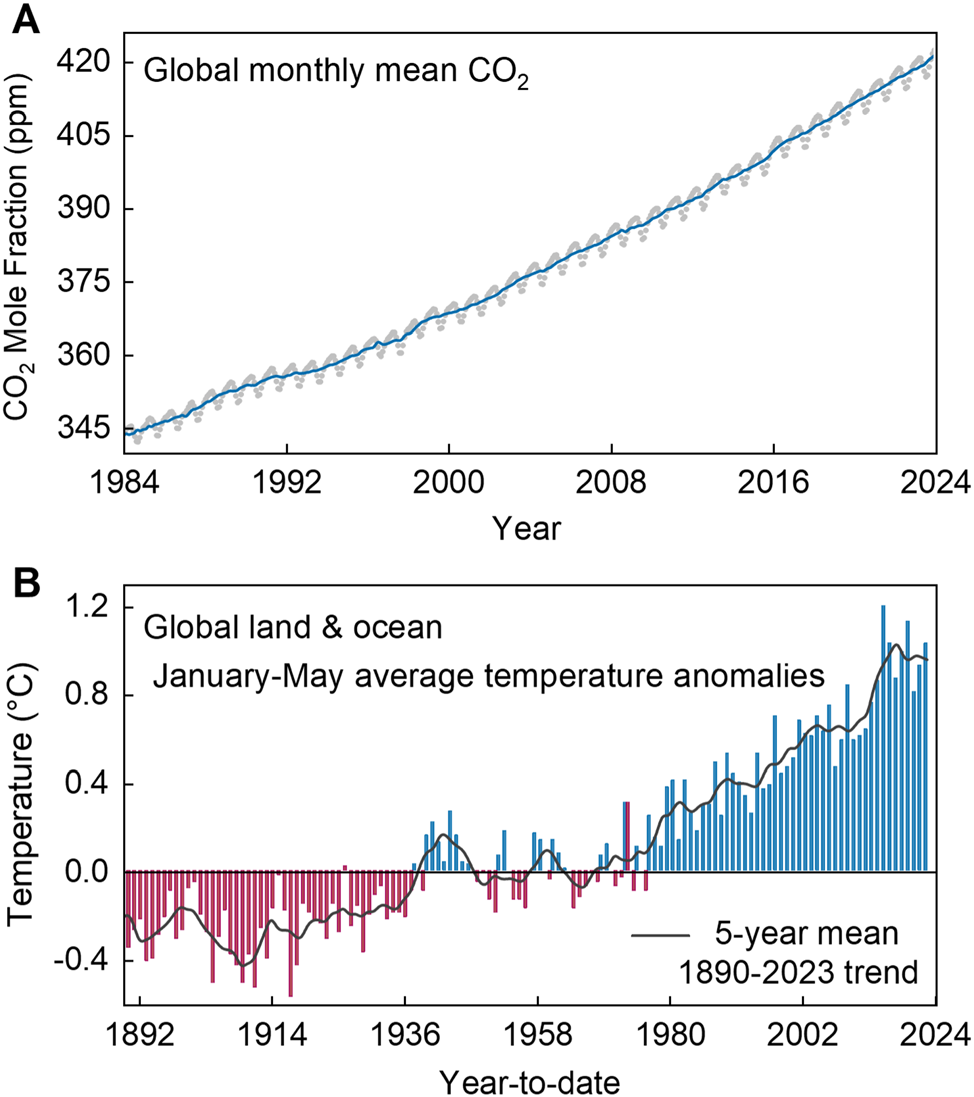
Fig. 1 (A) Global trends in the increase in CO2 concentration are shown via globally averaged CO2 mole fraction since 1980. Reproduced with permission from ref. 2. Copyright 2024, NOAA. (B) Global land and ocean average temperature anomalies since 1850. Coordinate anomalies are concerning the 1890–2020 average. Data adapted from the National Ocean and Atmospheric Administration (NOAA) website. Reproduced with permission from ref. 3. Copyright 2024, NOAA.
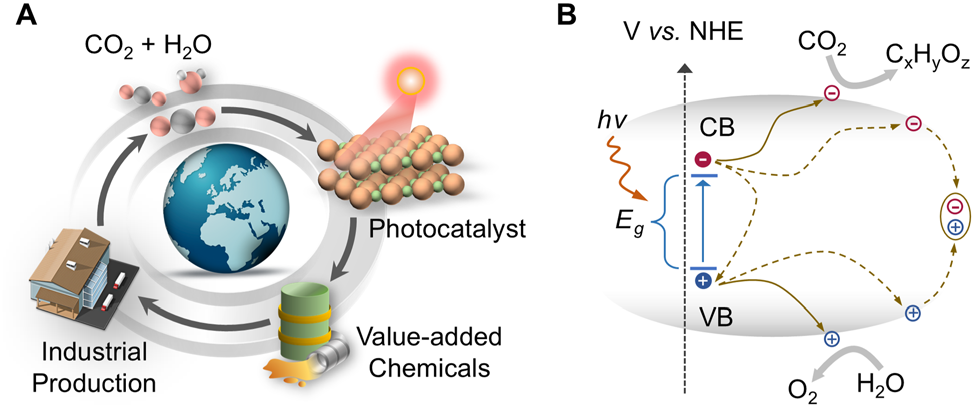
Fig. 2 (A) Scheme of the artificial carbon cycle aiming at upgrading CO2 into value-added chemicals. (B) The diagram of a typical photocatalytic CO2 reduction process on semiconductors.
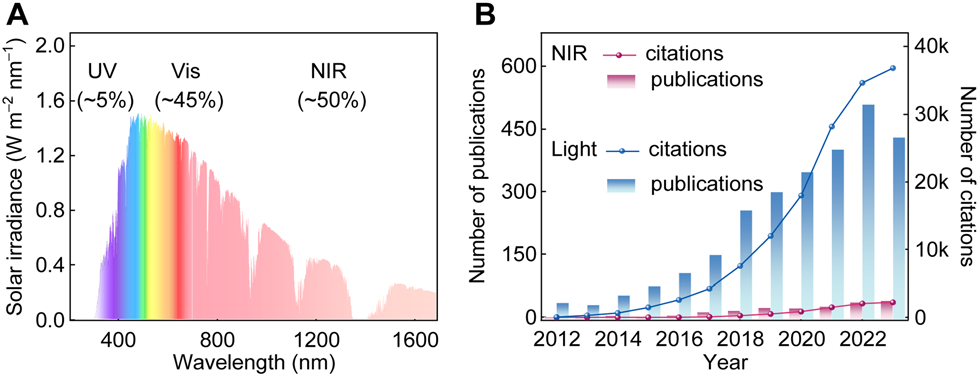
Fig. 3 (A) The solar spectrum primarily comprises visible and NIR light, constituting B45% and B50% of the total irradiance, respectively. (B) Publication and citation statistics of photocatalytic CO2 reduction reports for the topics ‘light driven CO2 reduction’ and ‘infrared light driven CO2 reduction’. (Data adapted from the Web of Science, timespan from 2012 to 2023, collected on August 14, 2024.)
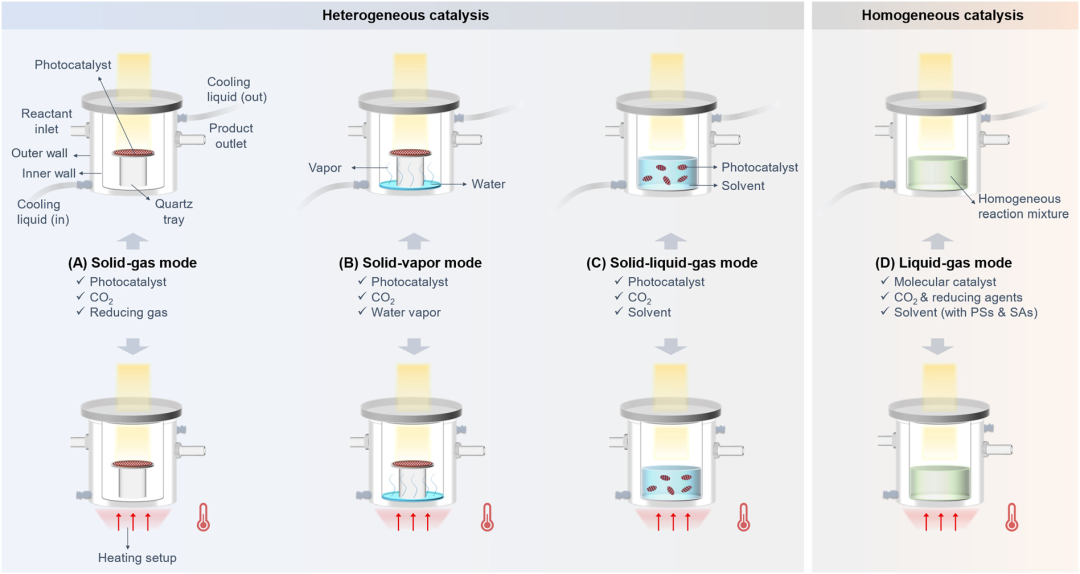
Fig. 4 Different reaction modes for CO2 photoreduction: (A) solid–gas mode, (B) solid–vapor mode, (C) solid–liquid–gas mode, and (D) liquid–gas mode, where PS represents the photosensitizer and SA represents the sacrificial agents.
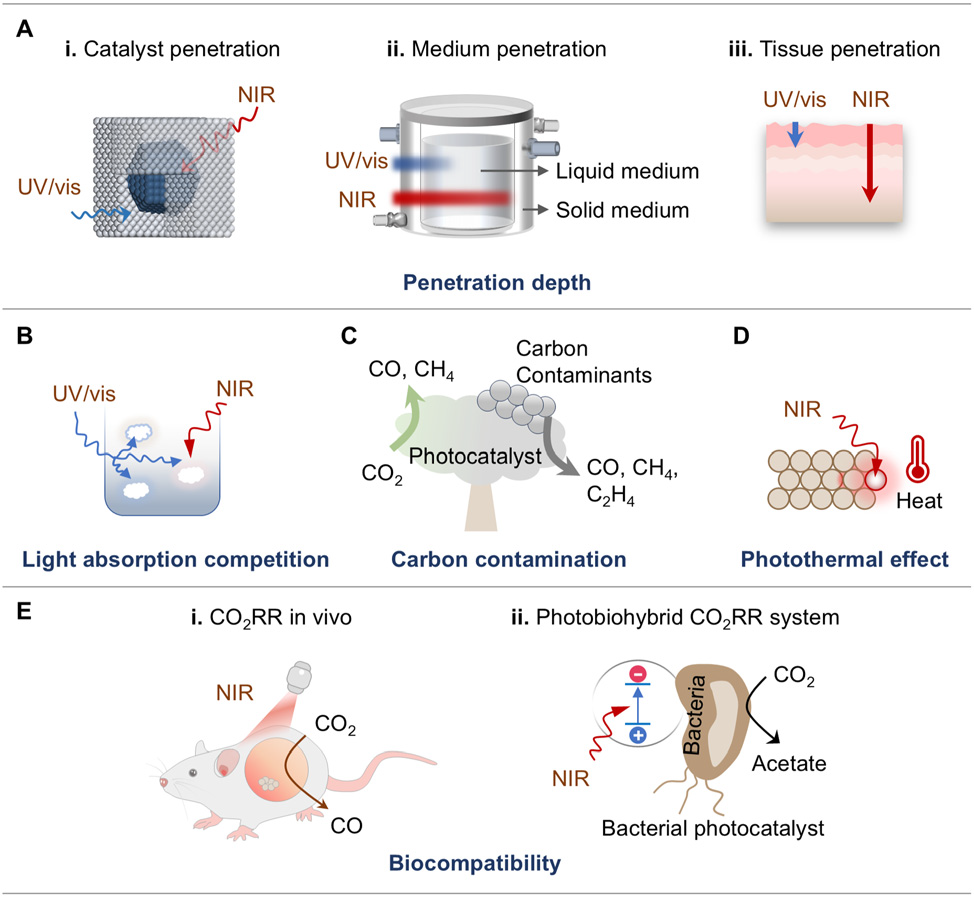
Fig. 7 Comparison of UV/visible light and NIR light. (A) Penetration depth: (i) catalyst penetration, (ii) medium penetration, and (iii) tissue penetration. (B) Light absorption competition. (C) Carbon contamination. (D) Photothermal effect. (E) Biocompatibility: (i) CO2RR in vivo and (ii) photobiohybrid CO2RR system.
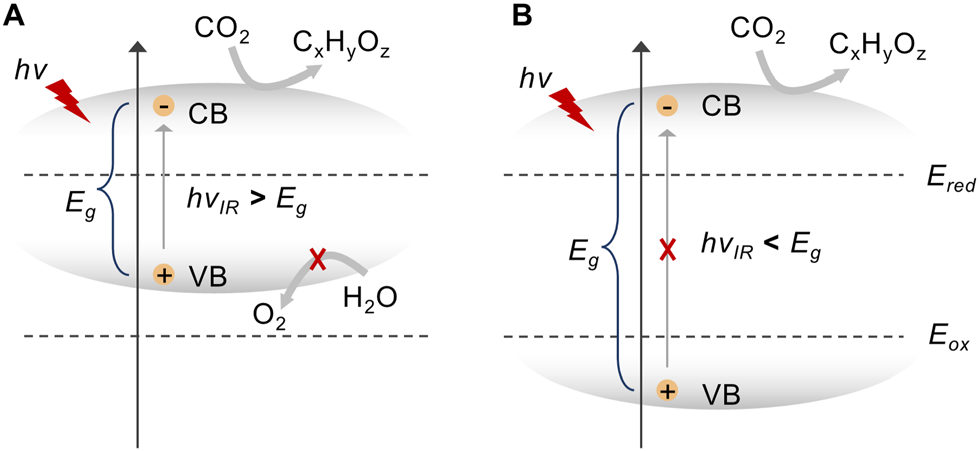
Fig. 8 Paradoxes in NIR-light-driven CO2 reduction systems. (A) Unsuitable band edge position. (B) Unsuitable band gap for light absorption.
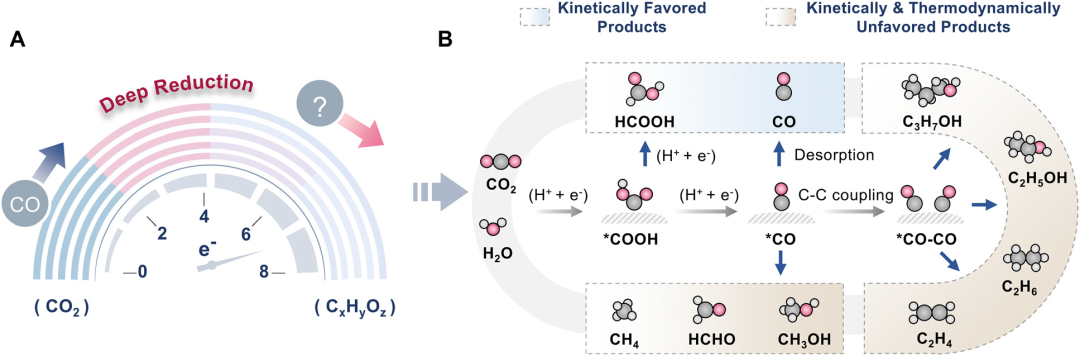
Fig. 9 (A) Deep photocatalytic CO2 reduction. (B) Various pathways of photocatalytic CO2 reduction.
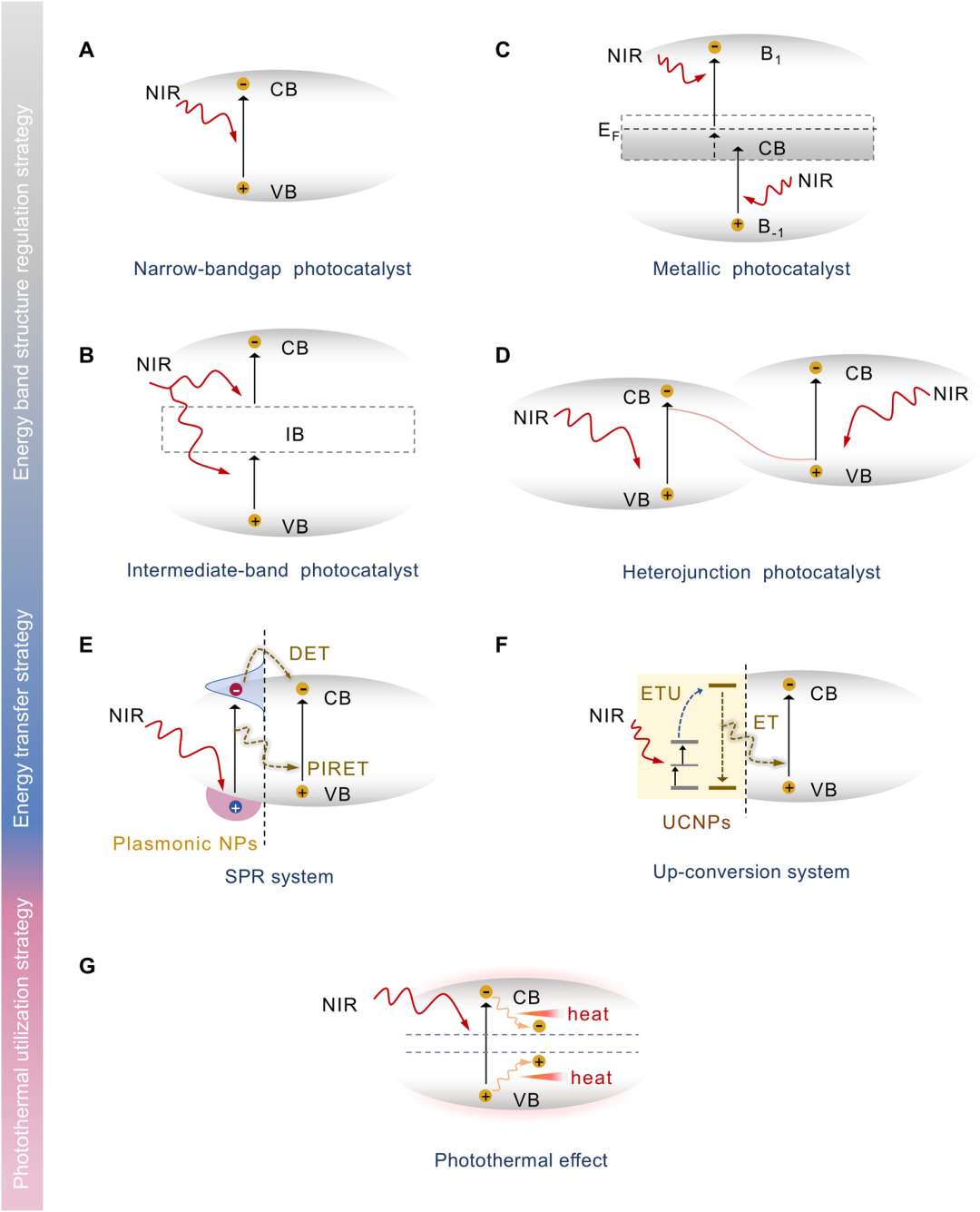
Fig. 10 Schematic illustration of different NIR photocatalysis mechanisms. Energy band structures of (A) narrow bandgap photocatalysts, (B) intermediate-band photocatalysts, (C) metallic photocatalysts, and (D) heterojunction photocatalysts. Illustrations of the (E) SPR system, (F) upconversion system, and (G) photothermal synergetic system. CB = conduction band, VB = valence band, IB = intermediate band, B1 = the highest occupied band, B1 = the lowest unoccupied band, DET = direct electron transfer, PIRET = plasmon induced resonant energy transfer, ET = energy transfer, and ETU = energy transfer up-conversion.
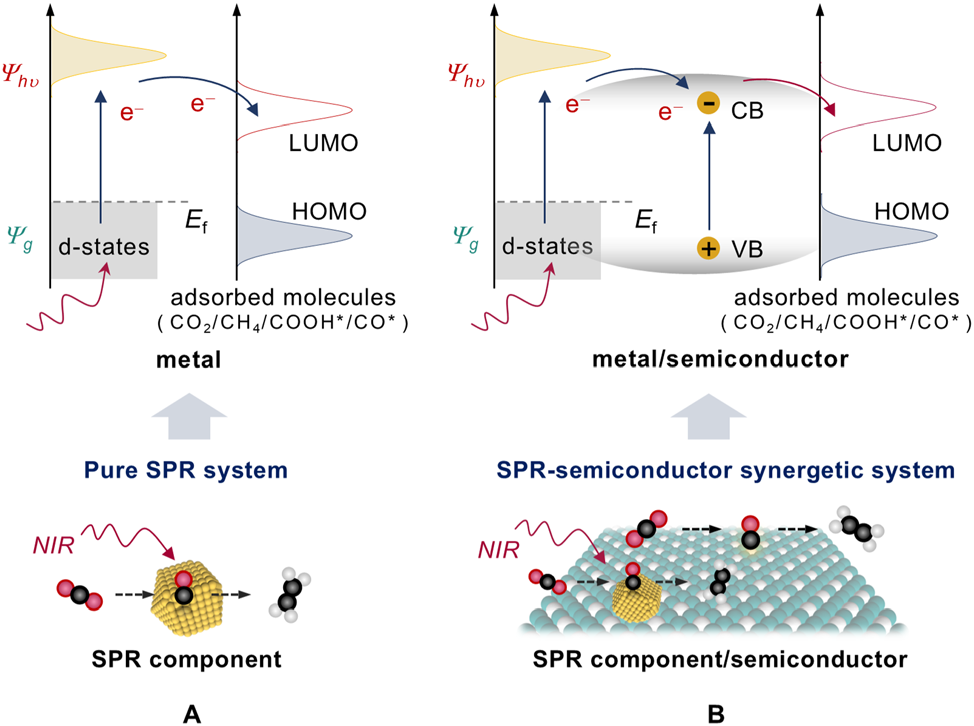
Fig. 17 Different SPR systems promote NIR-light-driven CO2 reduction. (A) Pure SPR system. (B) SPR-semiconductor synergetic system.
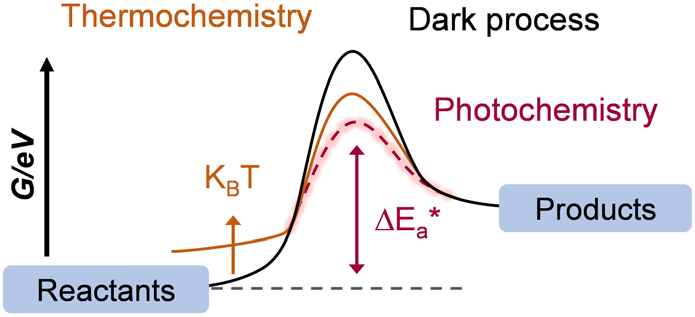
Fig. 21 Photothermal strategy for promoting NIR-light driven CO2 conversion. Photochemistry contributes to reducing the reaction energy barrier, while thermochemistry helps the reactants overcome the barrier by elevating the temperature.
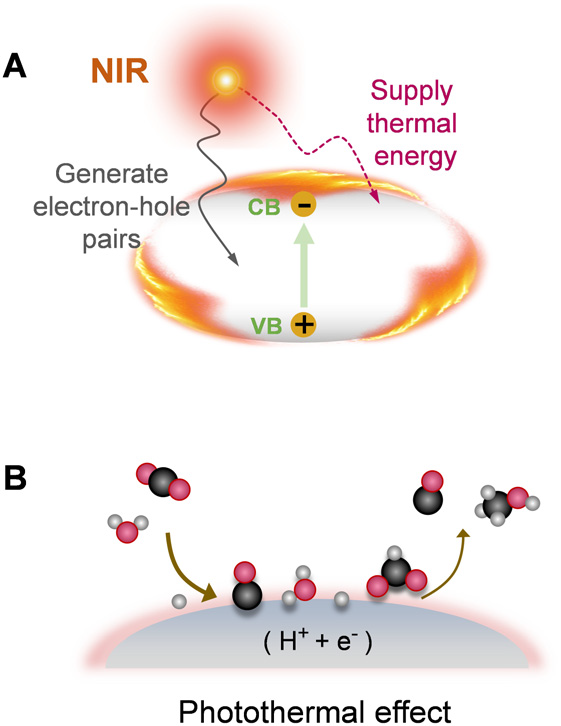
Fig. 23 (A) Photothermal effect for supplying thermal energy and generating electron–hole pairs. (B) Photothermal strategy for promoting NIR-light driven PCO2R.
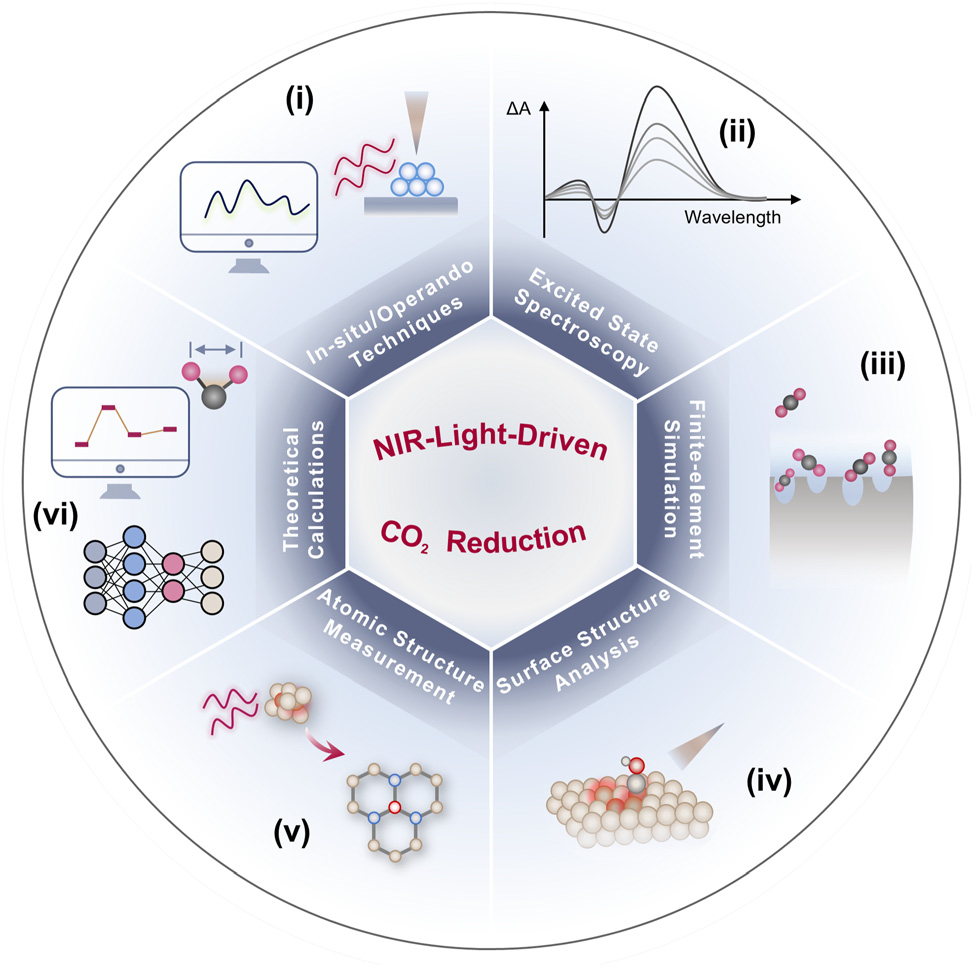
Fig. 30 Prospects of advanced characterization techniques for NIR-light-driven CO2 reduction.
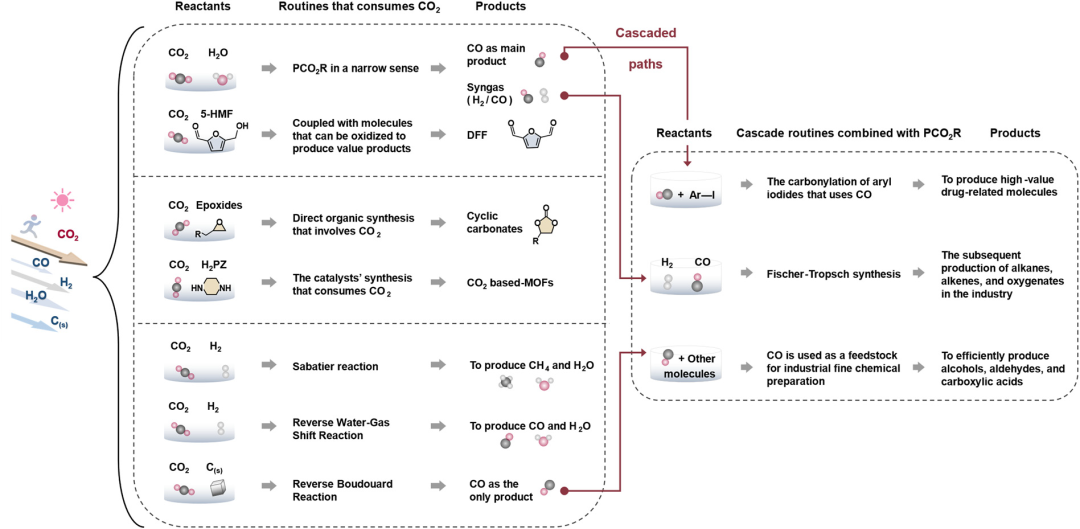
Fig. 31 General steps for reliable NIR-light-driven CO2 reduction.
Fig. 32 Future design directions of CO2 chemical utilization systems driven by NIR light.
Advancements and prospects of near-infrared-light driven CO2 reduction reaction
10.1039/d4cs00721b