Periodontitis, also known as gum disease, is one of the most common oral diseases, affecting 4 out of 10 adults aged 30 and older, and 60% of seniors aged 65 and above. According to a 2018 study by JADA, the age group over 65 is one of the most prevalent among patients with severe periodontitis in the United States. This severe gum infection can damage gum tissue and lead to bone loss around the teeth.
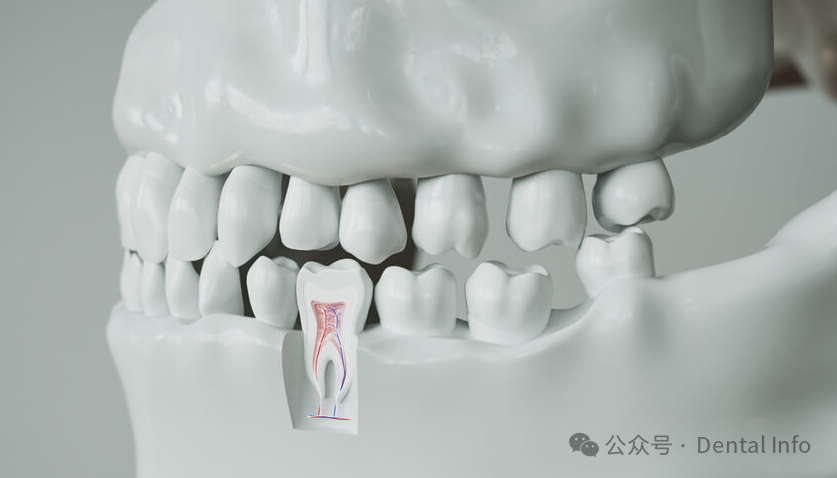
Scientists at the ADA Forsyth Institute and Brigham and Women’s Hospital are conducting groundbreaking bioengineering research to address the issue of bone loss in the treatment of this disease. The study involves 3D printed bone graft materials that incorporate drugs to control inflammation within the bone grafts, creating customized grafts that can more effectively regenerate bone.
This research is an application of 25 years of exploration into immune response and inflammation science, partially led by Dr. Thomas Van Dyke, Vice President of Clinical and Translational Research at ADA Forsyth.
“The ultimate goal is to treat or control periodontal disease,” Dr. Van Dyke said. “We can save teeth and restore lost tissue with customized bone grafts that can regenerate tissue quickly and effectively.”
Currently, bone grafting treatment for periodontitis is at best only partially effective, with patients requiring six months or longer to recover from surgery. However, utilizing the body’s own mechanisms to control inflammation can prevent damage to newly installed bone grafts or dental implants.
Dr. Charles Serhan and his team at Brigham and Women’s Hospital discovered specialized pro-resolving lipid mediators (SPM), which are naturally occurring molecules used to resolve inflammation. SPMs are the body’s “off” signals for inflammation.
“This is a groundbreaking discovery because it opens up control over inflammation,” Dr. Van Dyke said.
In this study, Dr. Van Dyke and his team at ADA Forsyth are collaborating with Dr. HaeLin Jang and her team at Brigham and Women’s Hospital to design enhanced bone graft materials. The team plans to incorporate SPMs into the graft materials to simultaneously address inflammation and promote bone regeneration.
SPMs are naturally present in the human body, but their production decreases with age. Chronic inflammatory diseases such as periodontitis are often associated with the failure of natural resolution pathways.
The exploration of this new bioengineering approach has yielded encouraging results in animals. Dr. Van Dyke believes this research could accelerate the healing process—where SPM-printed bone grafts are replaced more quickly and thoroughly by new bone.
“We have done a lot of bone grafting related to periodontitis,” Dr. Van Dyke said. “While its effectiveness is not great, there is significant room for improvement. With this new approach, we believe we can leverage it and make bone grafting consistently effective.”