
As we all know, PLCs are widely used in the automatic control of various production machinery and processes, becoming one of the most important and widely used industrial control devices, recognized as one of the three pillars of modern industrial automation (PLC, robots, CAD/CAM).
As long as you are involved in automation, you must know how to use PLCs, or you will soon be eliminated from the automation industry. So how should electricians start learning PLC? Today, let’s take a look at these 7 shortcuts for learning PLC:
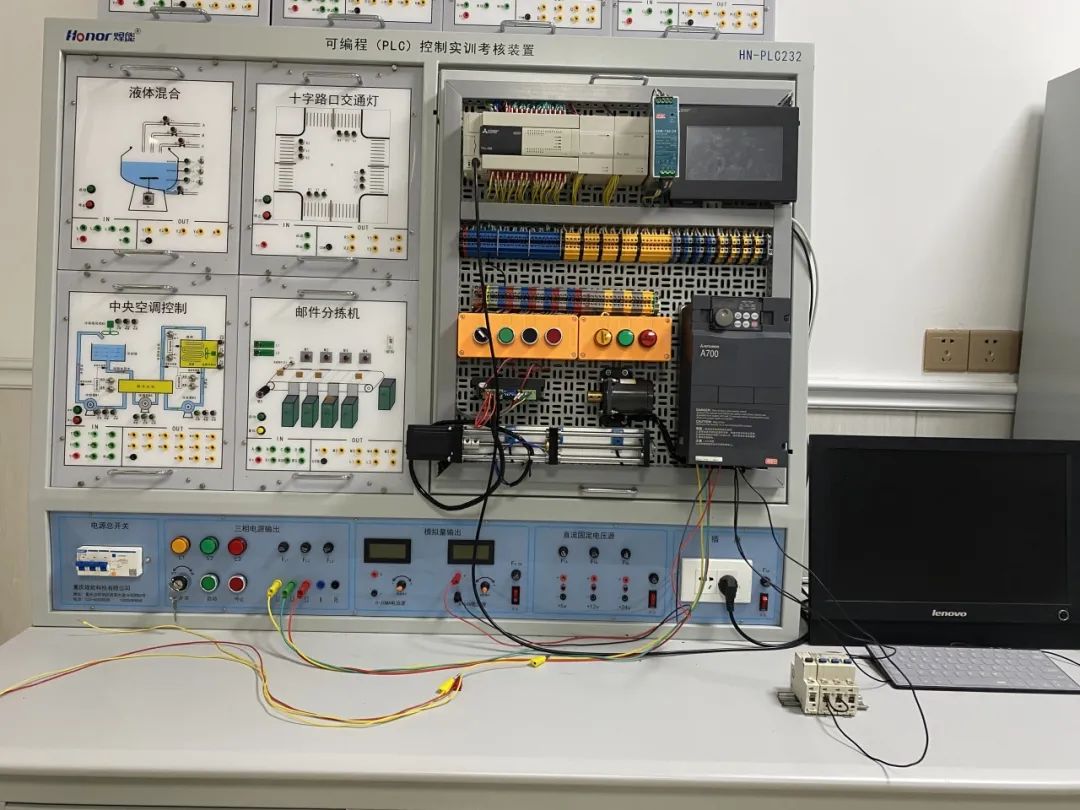
Understand the Basics of PLC
First, to learn PLC, you need to start with the basics, which include: electrical basics (DC, AC, switches, relays, etc.), computer basics (basic computer principles, binary, hexadecimal, bytes, words, etc.), as well as mechanics, hydraulics, pneumatics, etc. Once you master the foundational knowledge, you can start looking at PLC programming, PID, and other content.

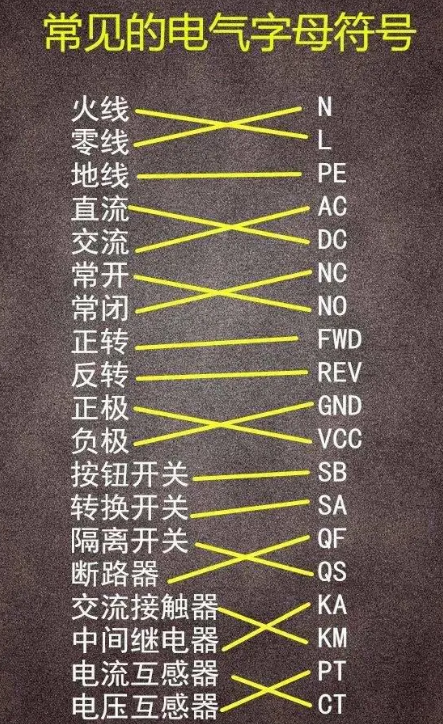
Understand Electrical Schematics
The purpose of electrical schematics is to facilitate the reading and analysis of control circuits. They should be drawn based on principles of simplicity and clarity. It includes all conductive parts of electrical components and terminals, but does not depict the actual layout or size of the components.
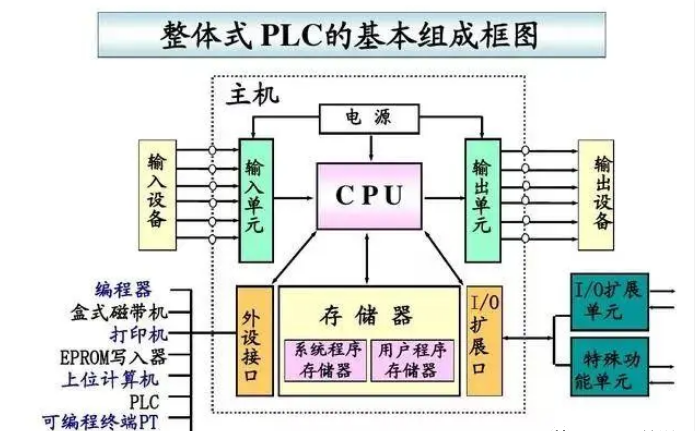
Understand the Basic Structure of PLC
A PLC is essentially a computer specially designed for industrial control, with a hardware structure similar to that of a microcomputer. Structurally, PLCs can be divided into fixed and modular types. Fixed PLCs include CPU boards, I/O boards, display panels, memory blocks, power supplies, etc., forming an indivisible whole. Modular PLCs consist of CPU modules, I/O modules, memory, power modules, and bases or racks, which can be configured in accordance with certain rules.
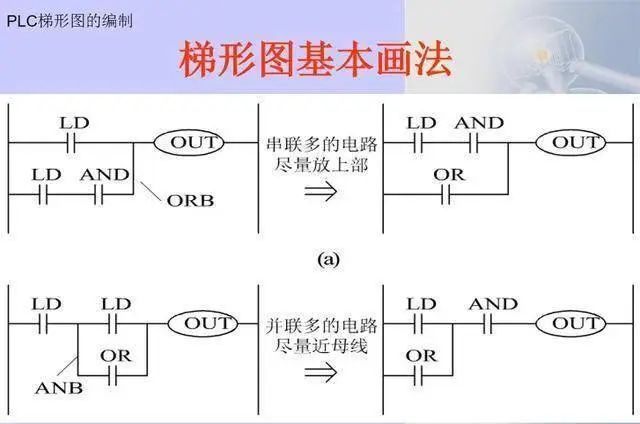
Master PLC Ladder Diagrams
Characteristics of PLC control system ladder diagrams:
(1) Input signals and output loads of the PLC control system
(2) Handling of intermediate and time relay circuits in relay diagrams
(3) Setting of intermediate units
(4) Handling of momentary contacts of time relays
(5) Establishment of external interlocking circuits
Basic Programming Languages and Instructions for PLC
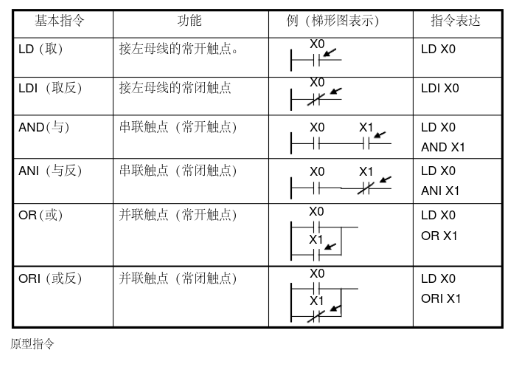
Programming languages and logical instructions are the logical languages that PLCs can understand, similar to how humans communicate. Therefore, we must understand the basic logical language of PLCs, as logical instructions or languages are the ‘language’ that PLCs can comprehend. Basic programming instructions include: LD, LDI, AND, etc. Programming languages and logical instructions are also a means of programming PLCs, serving as the foundation of PLC.
Don’t Get Hung Up on Brands
As we all know, the PLC learning courses available on the market are categorized in great detail, and many beginners are unsure how to choose. In fact, there is no need to get too hung up on brands; every PLC on the market is different, but their principles are fundamentally similar. As long as you master one well, you will quickly pick up others, as the knowledge is transferable!
Practice is the Key
As the saying goes, “Theory without practice is shallow.” Even the best theoretical experiences must be applied in practice, and learning and summarizing experiences in practice is crucial to making them useful! Learning PLC cannot do without practical experience; only by continually practicing can you truly know if you have mastered the essentials.
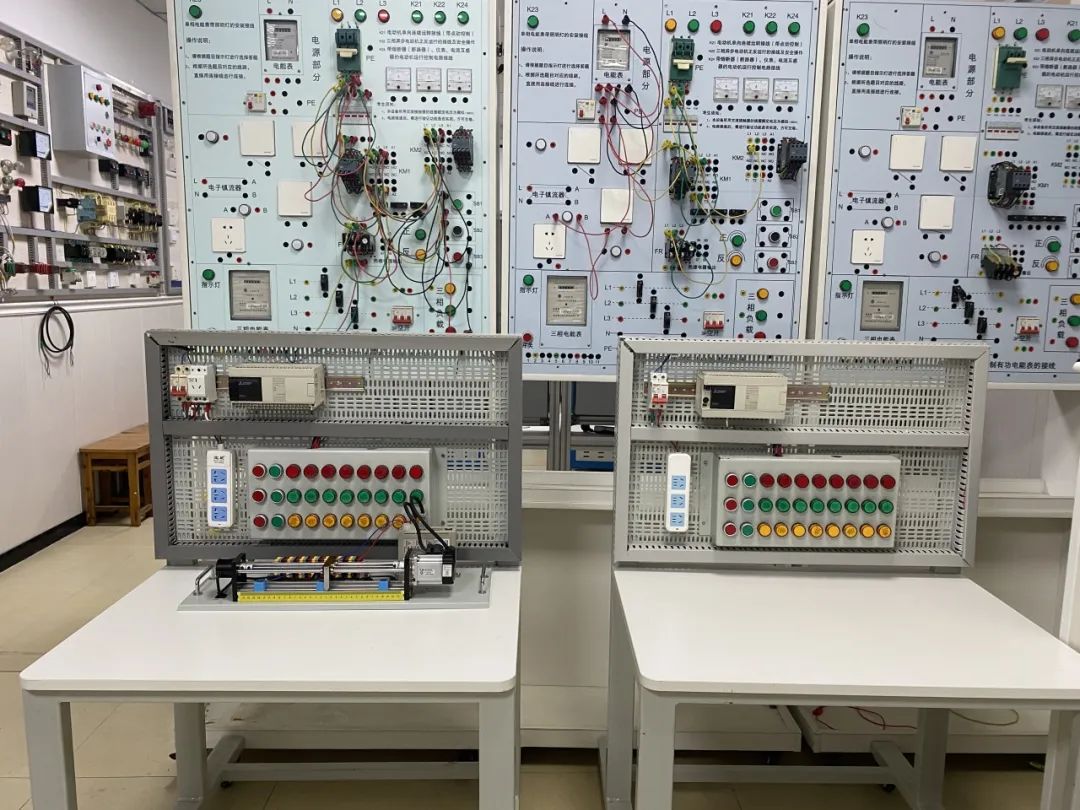
Chongqing Bashu Vocational School PLC Training
Abandon boring theoretical knowledge
Adopt humorous and practical teaching methods
Make theory practical
Truly improve students’ PLC technical abilities!