Transforming a display into something as transparent as glass may sound like a scene from a sci-fi movie, but it has gradually become a reality. Xiaomi’s transparent TVRecently, Xiaomi’s released transparent TV illustrates this possibility: it can display various video content while allowing you to see through the screen to the wall and objects behind it.So how is this achieved?The shape of the TV is relatively fixed, resembling a “black box” with many components blocking visibility. Therefore, the idea of making the TV transparent is simply to “remove everything unnecessary and leave only what must be transparent,” which guided the entire development process of Xiaomi’s transparent TV.
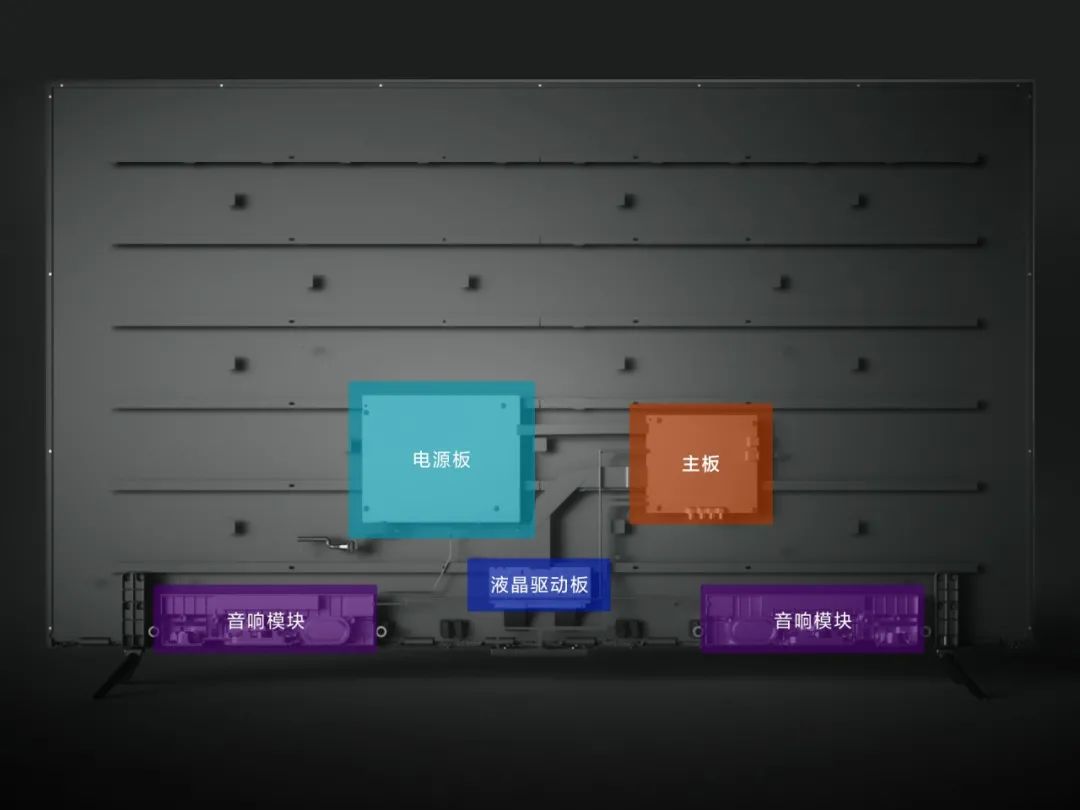 Internal structure distribution of a regular TVFirst is the TV’s back panel. The back panel is mostly black and contains various components: T-CON board, power board, mainboard, etc. These are all non-essential items that obstruct the TV’s transparency.However, “removing” does not mean “discarding”; the goal is to take these components out of the back panel and reorganize them into an external host, establishing a connection with the screen via cables to ensure it operates correctly.
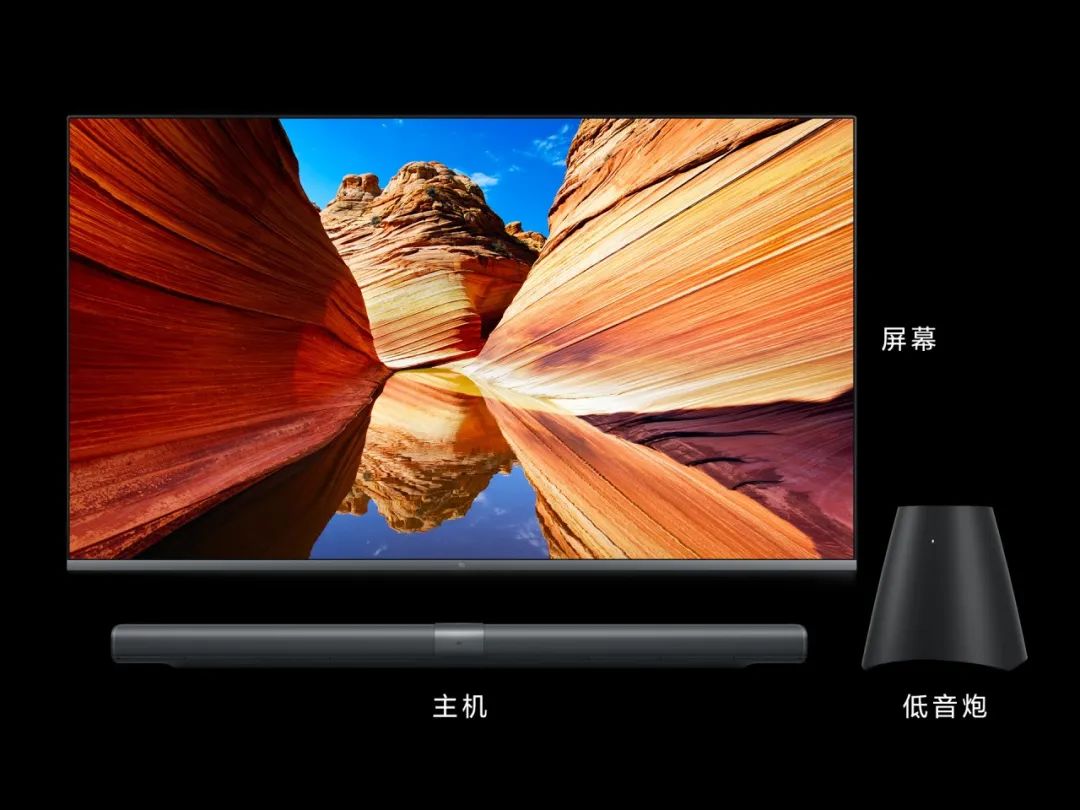 Wall art TVThis processing solution has been partially adopted in Xiaomi’s wall art TV, where the heavy and redundant “burden” on the back panel was removed, and the main unit was externalized, achieving an ultra-thin screen. The external host solution provided the prerequisite for the TV’s transparency.Xiaomi’s transparent TV’s approach of separating the host from the screen is similar but more complex.
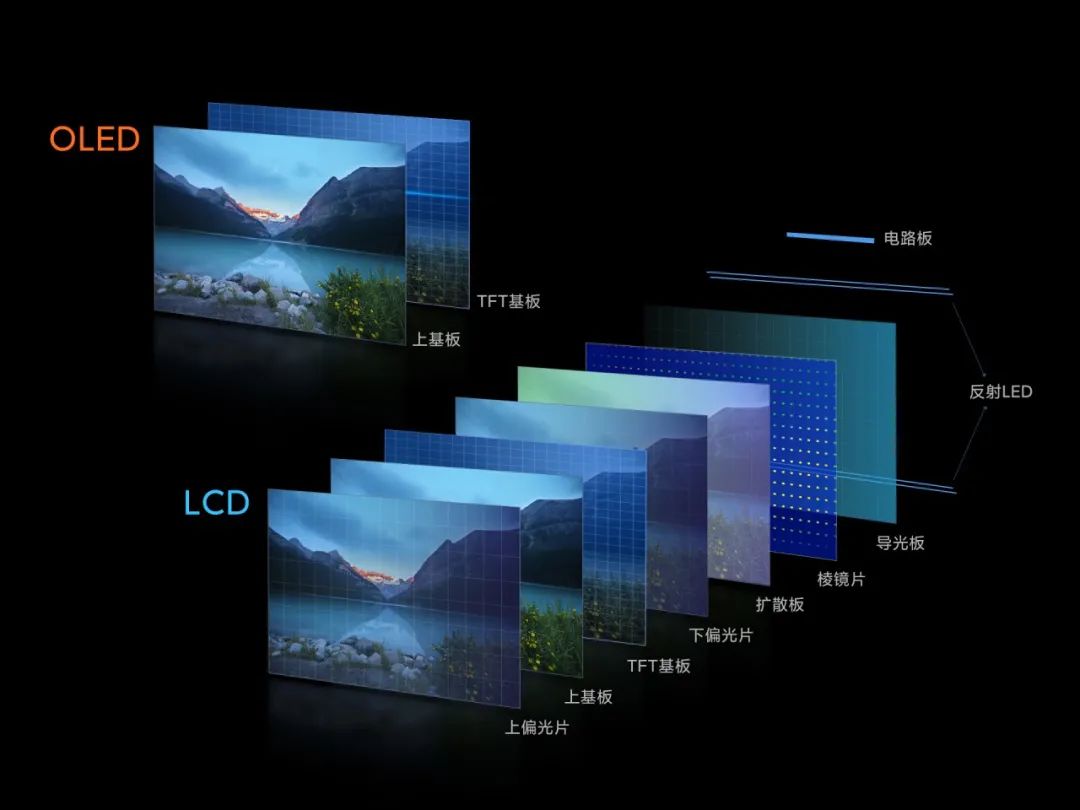 Comparison of OLED and LCD screen structuresAfter eliminating redundant physical components, we can now focus on the screen itself. Currently, the widely used screen display solutions for TVs are LCD (liquid crystal) and OLED, both of which can be made transparent. However, OLED has an inherent advantage for transparent TVs due to its self-emitting characteristics.
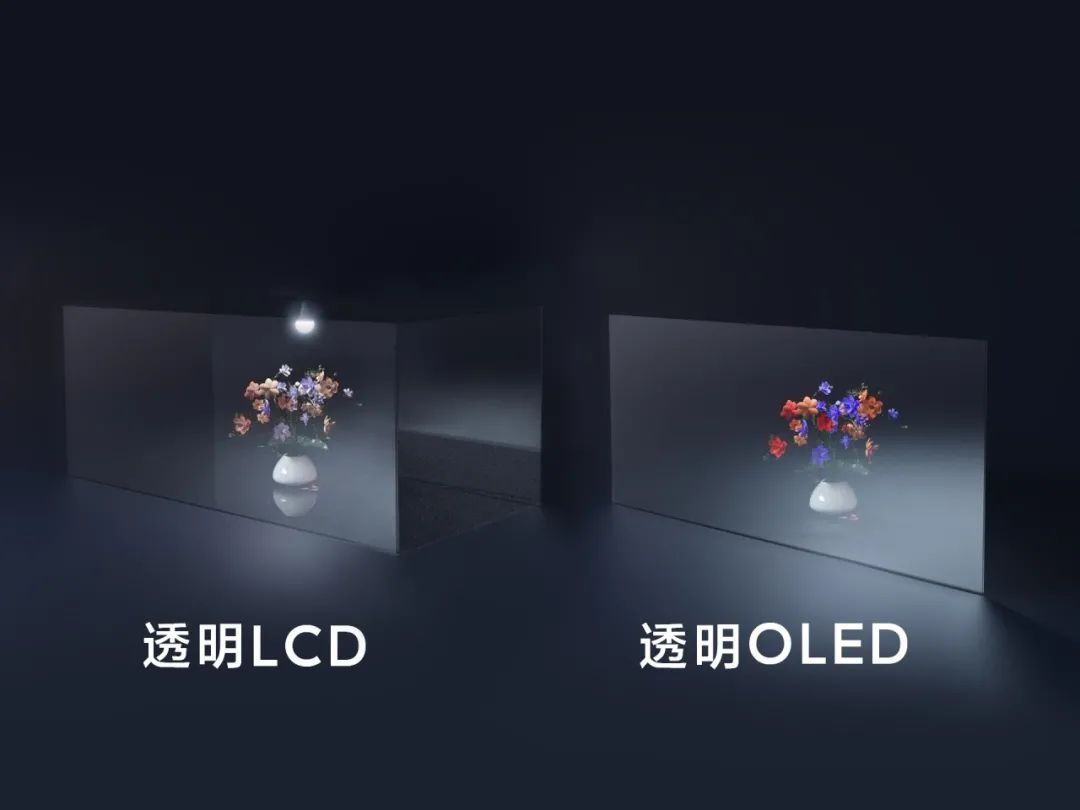 Transparent LCD relies on a light source to illuminate the image, resembling a boxTo understand why OLED is superior to LCD, we need to revisit a key point: the self-emitting property of OLED screens means that each red, green, or blue subpixel emits its own light without relying on additional backlighting.Only in this way can OLED screens avoid the common liquid crystal layer, backlight layer, and other modules found in traditional LCD screens, achieving higher color contrast and ensuring sufficient thinness.This inherent structural characteristic also meets the demand of many manufacturers to make displays thinner, even bendable or foldable.
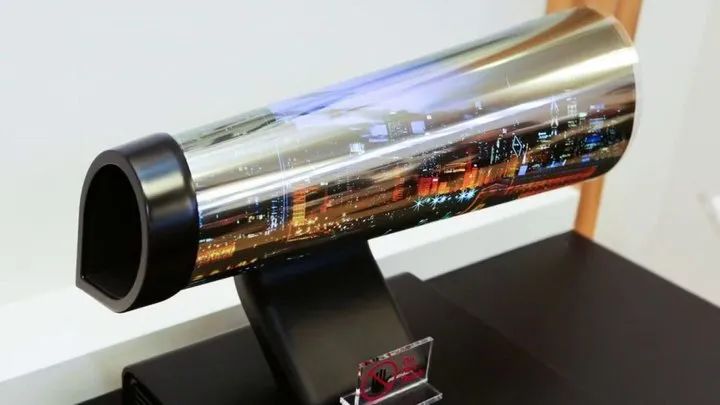 Thin, foldable, and curved, these screen forms all rely on the structural characteristics of OLED screensHowever, the real challenge for transparent TVs is to make millions of tiny pixels “sufficiently transparent.” We might assume that simply using materials with high light transmittance and replacing the upper and lower cover plates and electrodes with glass would easily allow light to pass through the panel, making it as transparent as glass.But now, panel manufacturers have thought of a clever approach: introducing the concept of “transparent subpixels.”
 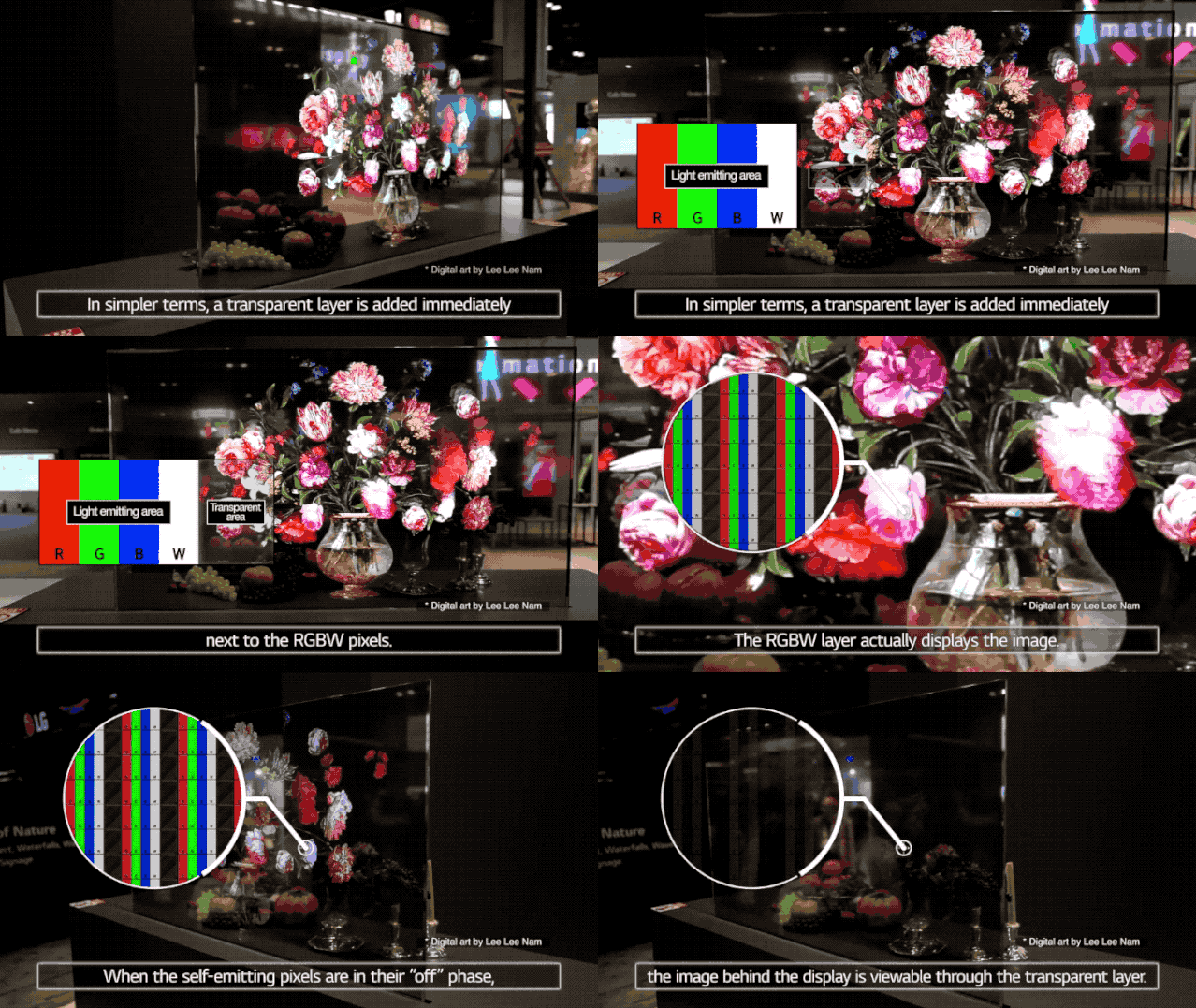 The introduction of transparent subpixels is the core to making the TV transparent. Image from: LG Information DisplayLG’s transparent OLED screen adds a “transparent subpixel” to the original red, green, blue, and white four pixels. This pixel does not emit light and does not participate in image display, but it is made from highly transparent materials.Ultimately, when countless such subpixels are evenly distributed on the panel, the screen will naturally achieve a certain level of transparency while also accommodating the display of color images.
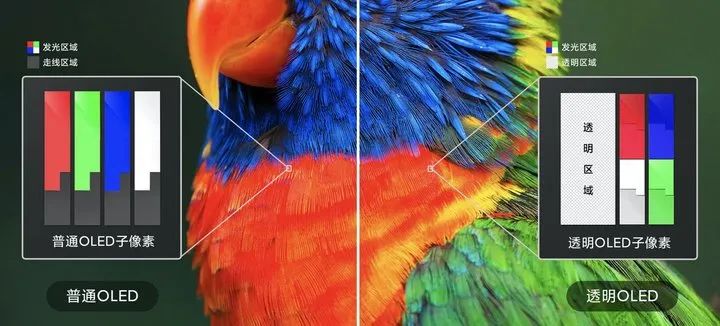 Xiaomi’s transparent TV has increased the area of “transparent subpixels” by nearly 50%, achieving higher transparency visually. Image from: XiaomiOn this point, I personally prefer Xiaomi’s “shutter” explanation.That is, if a shutter with a pattern is completely closed, you can see the complete image, but at the same time, the scenery behind it is completely blocked by the closed shutter.However, if you open the shutter at an angle, you will find that while the pattern on the shutter appears fragmented, it does not affect the overall perception, and you can still clearly identify the pattern on the shutter. Moreover, the opened shutter allows the outdoor scenery to come through, achieving coexistence between the image and the scenery.
 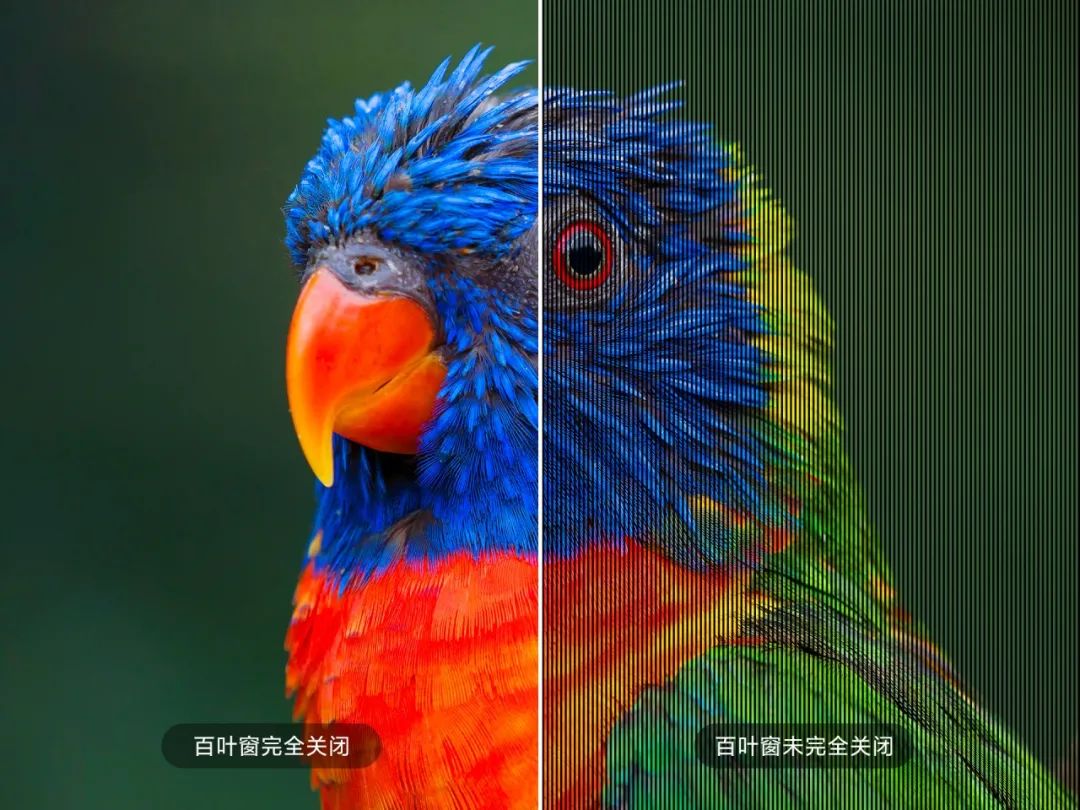 The transparent area resembles the state of the shutter when it is openedIn this analogy, the shutter and window make up the entire transparent screen, where the display area is the “blades” of the shutter, and the transparent area is the “gaps between the blades” when opened.Although the transparent area cannot display images, if the “gaps between the blades” are controlled properly and made small enough that the human eye cannot perceive them, the display area composed of various blades can display a clear and complete pattern, while the “gaps between the blades” allow the background scenery to show through, achieving a visually magical transparent effect.After understanding the “shutter” principle, we can analyze the principles from a microscopic perspective. In transparent OLED pixels, in addition to the usual WRGB four subpixels found in conventional OLED screens, nearly 50% more area of “transparent subpixels” is added.The combination of “transparent subpixels + WRGB subpixels” forms a single pixel of the transparent OLED screen, resulting in a total of 2,073,600 pixels on this 55-inch transparent screen (1920X1080).
 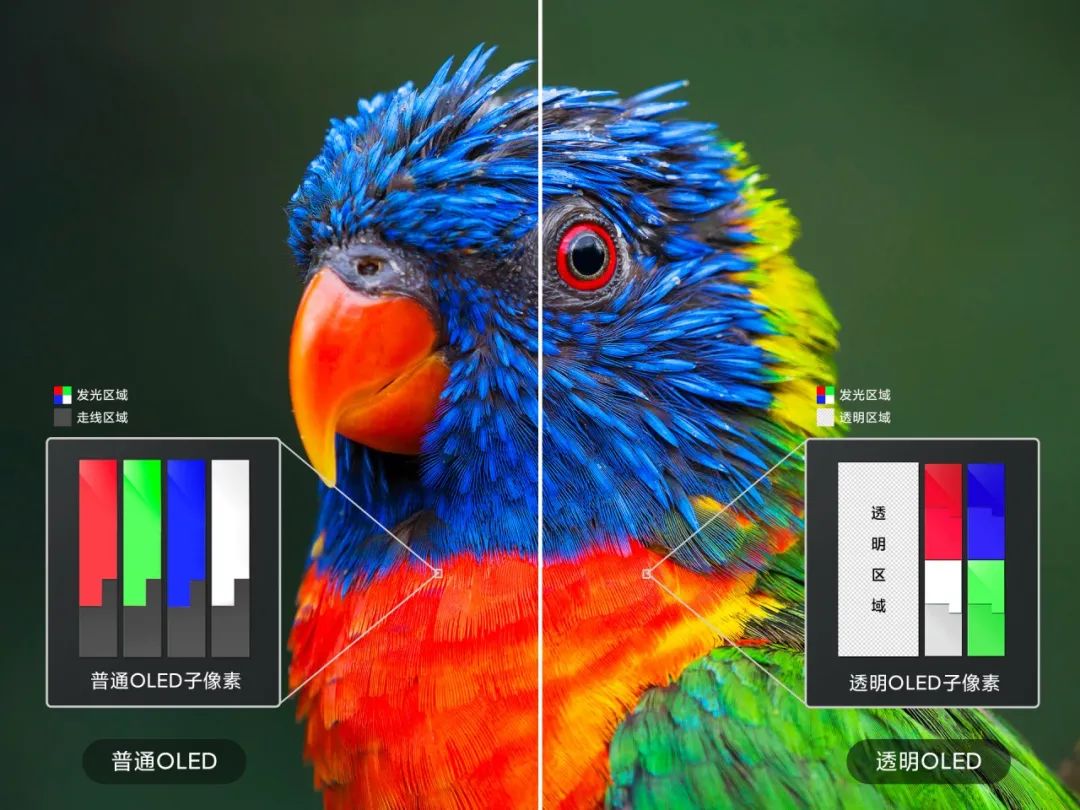 Comparison of regular OLED subpixels and transparent OLED subpixelsIn summary, these sufficient WRGB subpixels make up the “blades” in the shutter principle, responsible for displaying images; additionally, a sufficient number of transparent subpixels make up the “gaps between the blades,” responsible for transparency.Since nearly half of the total pixel count is completely transparent, this transparent area is sufficiently large and evenly distributed, achieving a very high level of transparency visually, while the other half composed of WRGB also has more than half of the pixel count to display images, ensuring a high level of display quality.However, you may have already noticed that under such a structure, the pixels that truly allow light to pass through only account for a portion of the total.This is why the current transparency of transparent TVs is only about 30-40%, rather than 100%, as some subpixels still need to be used for image display. However, as long as the density of transparent subpixels is sufficiently high and the quantity is large enough, it can still “fool” the user’s visual perception.
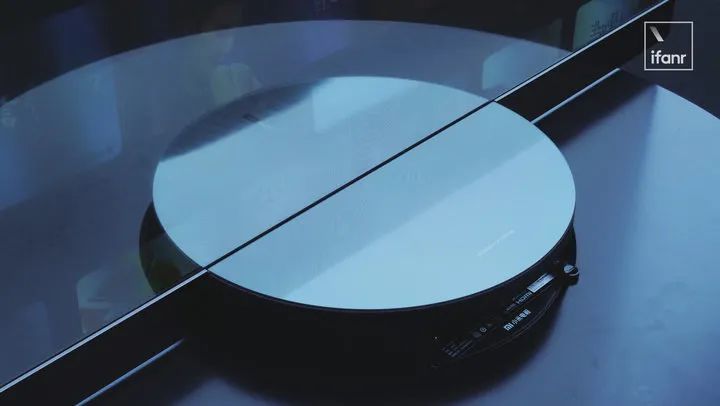 Making the screen transparent only solves the first problem of transparent TVs. After all, outside the screen, traditional TVs still have power supplies, mainboards, speakers, and other components that cannot just disappear.From a technological standpoint, transparent display screens are not considered extremely high-tech. A few years ago, manufacturers including Samsung, LG, and Panasonic showcased many prototype solutions using transparent panels, and these were not related to TVs.
 Samsung showcased a transparent notebook at the 2010 CES. Image from: WiredIn 2010, Samsung introduced a concept notebook equipped with a transparent OLED screen, allowing you to see the Windows operating system running on the screen, with icons and text displayed clearly.Image from: Mobile NationsBy 2012, Samsung also showcased a prototype of a “smart window” that supports touch, allowing you to imagine the feeling of sliding and tapping the interface on a transparent glass surface, which is quite close to a scene from a sci-fi movie.In fact, Samsung was the most likely company to commercialize transparent OLED screens. In 2016, they indeed received orders from several manufacturers, but shortly after shipment, Samsung decided to halt production of transparent OLED screens, shifting their focus to the more promising and profitable development of smartphone OLED screens.
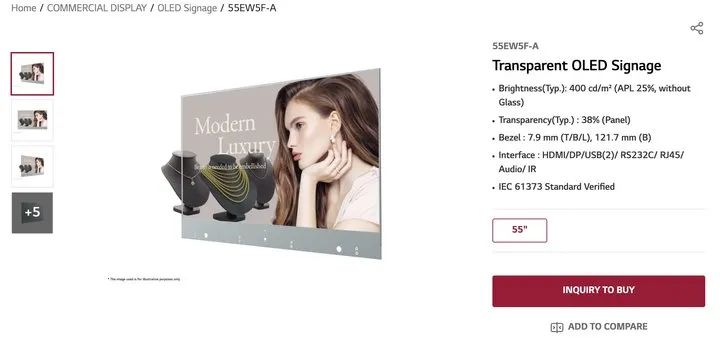 LG’s 55-inch transparent OLED screen aimed at the commercial market. Image from: LGCurrently, the only supplier capable of mass-producing transparent OLED screens globally is LGD. The panel used in Xiaomi’s transparent TV is also provided by LG.
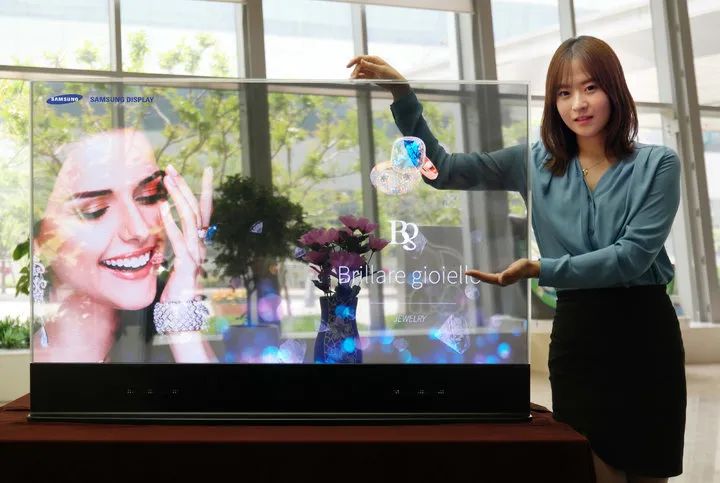 Samsung showcased a fully transparent OLED screen in 2016The “coolness” of transparent TVs is also a major reason for their appeal. However, in terms of practicality, TVs may not be the most suitable category for applying transparent display screens.
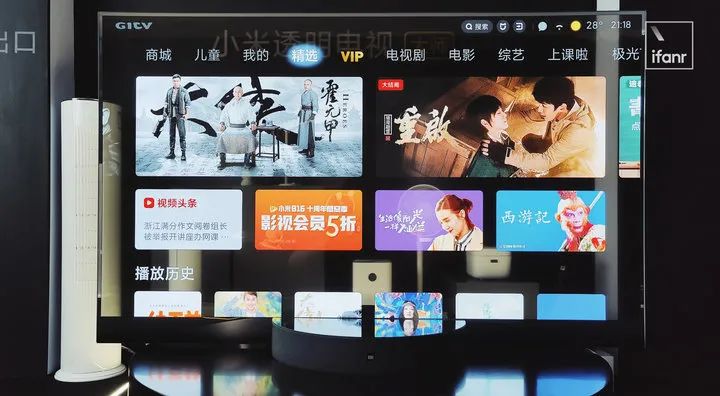 After all, when we watch TV, we are not just looking at the screen; we are focused on the content displayed on it.But with a transparent screen, the subject of the display becomes quite chaotic; you will not only see the content of the TV itself, but also through the screen, see the wall and objects behind the TV, as well as the light from the real world, which can negatively impact the image.Having experienced Xiaomi’s transparent TV, it is evident that a better viewing experience can only be achieved in dim lighting or with a black wall as the background. Otherwise, the image on the transparent TV is even less clear than that of a traditional TV.
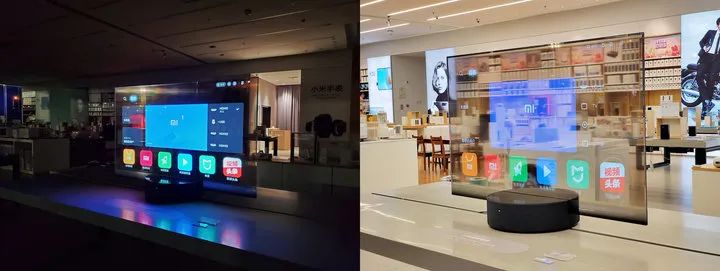 Only in relatively dim environments can the transparent TV achieve a better viewing experience. Image from: Xiaomi Home, NanjingIf practicality is the goal, perhaps what is needed is a TV that can adjust its transparency, which can display video content like a traditional TV and transform into a transparent decorative piece when not in use, or show simple information like time and weather.
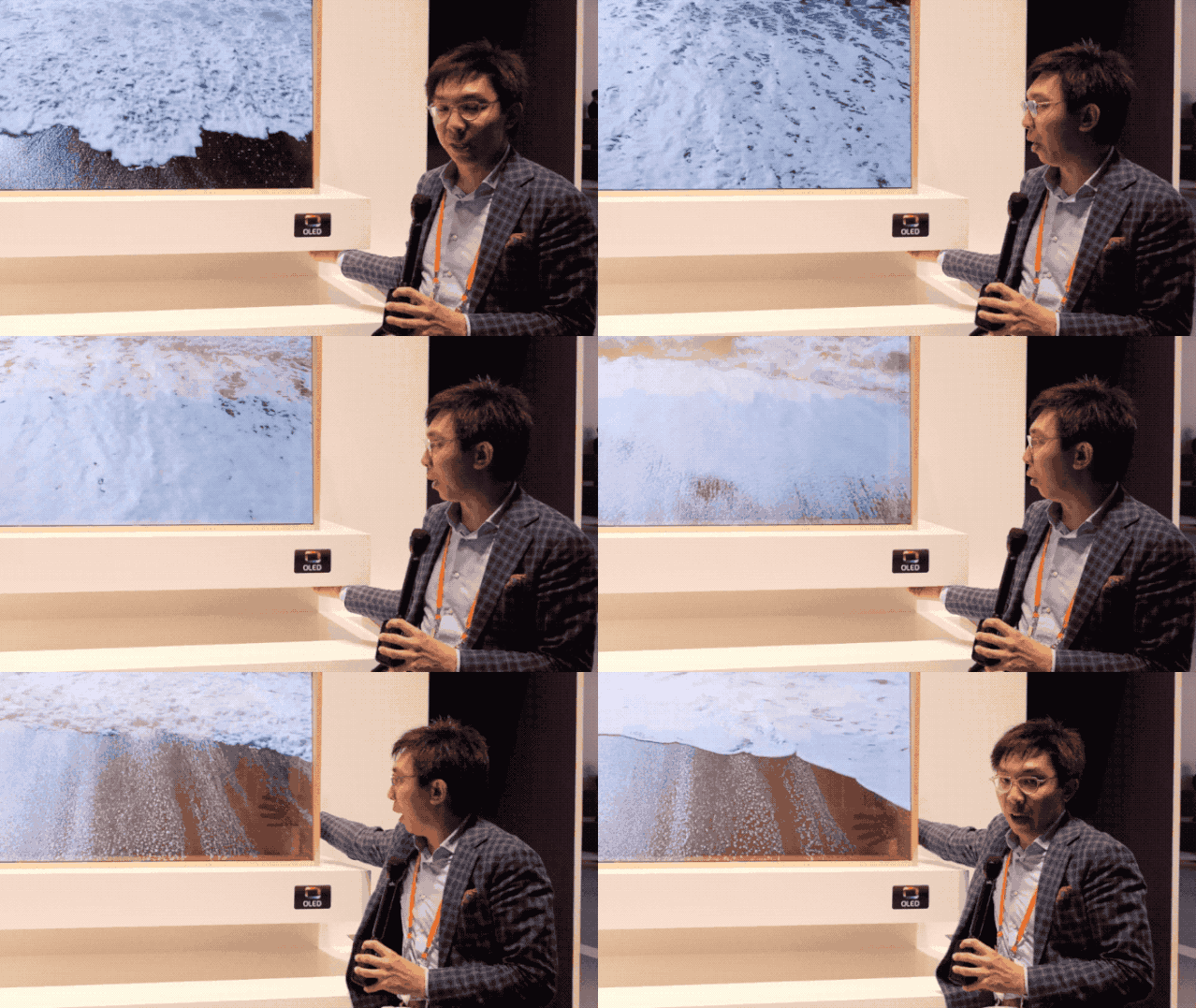 Panasonic’s transparent TV prototype, designed in collaboration with furniture brand Vitra, can adjust its transparency. Image: HDTVTestThis type of product is not impossible to achieve. Last year, Panasonic showcased a transparent TV prototype that can switch between transparent and opaque states.This OLED TV incorporates a polarizing layer, which essentially adds a “shutter” layer to the TV. By controlling the opening and closing of the “blades” through electric current, it can block the light from the back, making the screen no longer transparent and returning to the traditional TV state.However, the downside is that it sacrifices the thinness characteristic of OLED screens.
 Several use cases of transparent displays provided by LG. Image from: LGBeyond TVs, transparent displays can find many application scenarios, such as outdoor billboards or information display boards in enterprises and museums.
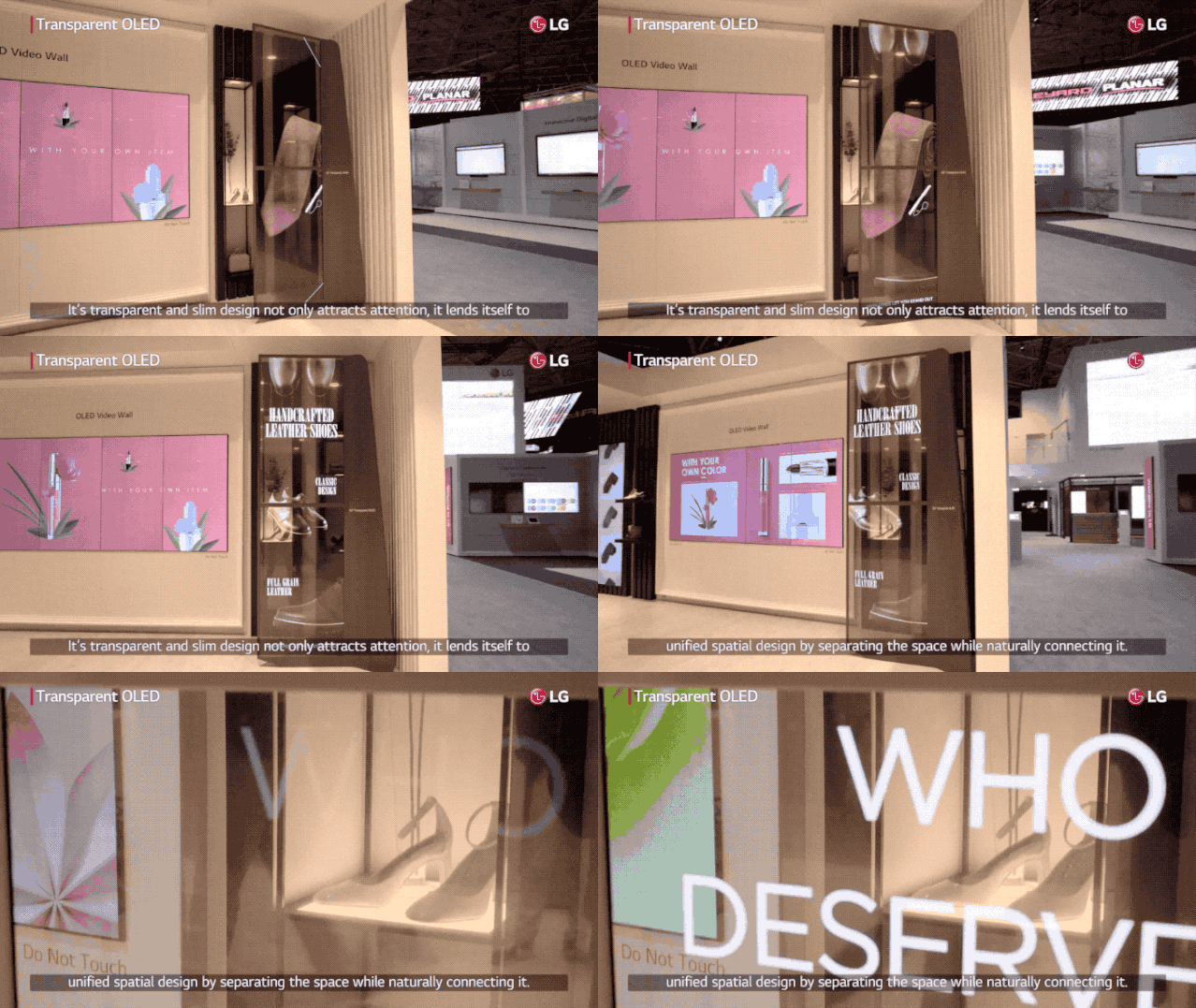 Dynamic advertising sign made with transparent OLED screen. Image from: LG Information Display
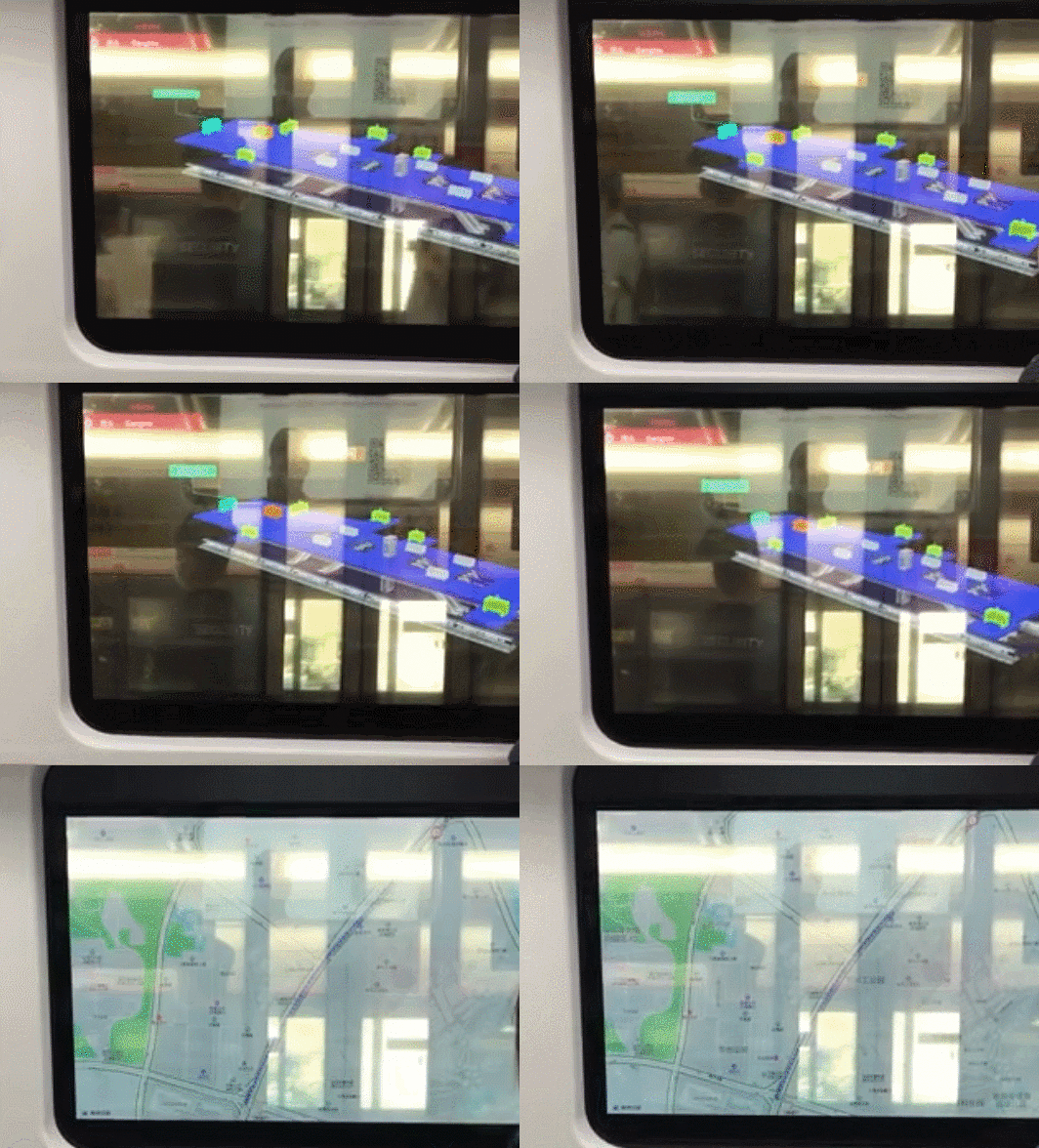 Shenzhen Metro’s “Magic Screen”There are also applications in public transport and automotive fields. For instance, just yesterday, a user recorded a video of a “magic window” system in the Shenzhen Metro, which retains the glass’s transparency while displaying station and route information. This is actually the result of transparent OLED screens, which can also be used in mobile phones but have not gained much public awareness.
Source: Xiaomi, Ifanr