Where traditional shipbuilding methods struggle to transition to sustainable materials, 3D printing ships seem to achieve this effortlessly. The supply of recycled plastics is abundant, and additive manufacturing is one of the technologies that can effectively utilize these secondary materials. The first batch of motorboats and sailboats manufactured by printers has already been launched. This technology has been validated and is scaling up (with a printing video at the end).
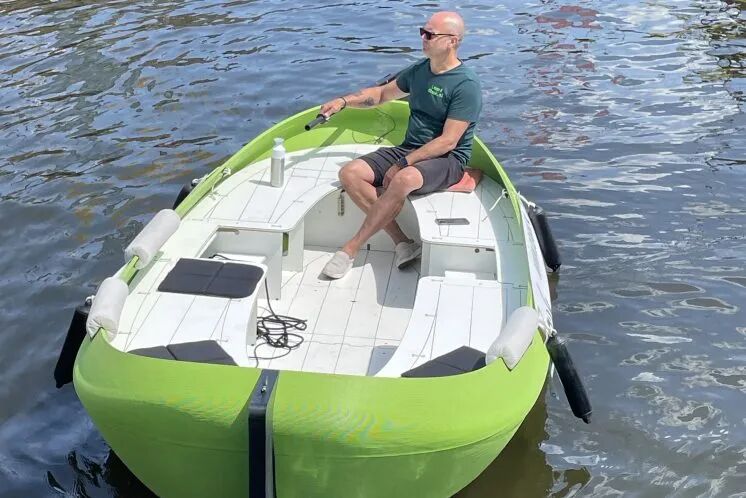
Using “Ctrl-P” (the print shortcut) as a ship name may seem odd, but this name pays homage to the origins of a growing fleet. One of the first fully operational ships made from recycled materials and also recyclable itself is the D3aak boat conceived by Leon Wokke and Derk Pas. Wokke’s inspiration came from his Dutch compatriot Boyan Slat, a young student who turned the idea of cleaning up the plastic waste and other pollutants accumulated in the Great Pacific Garbage Patch into reality.
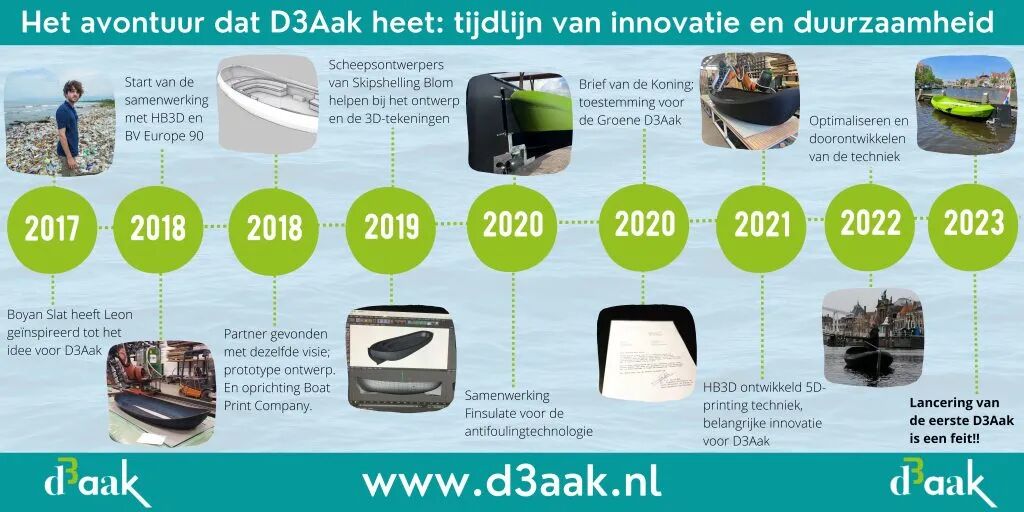
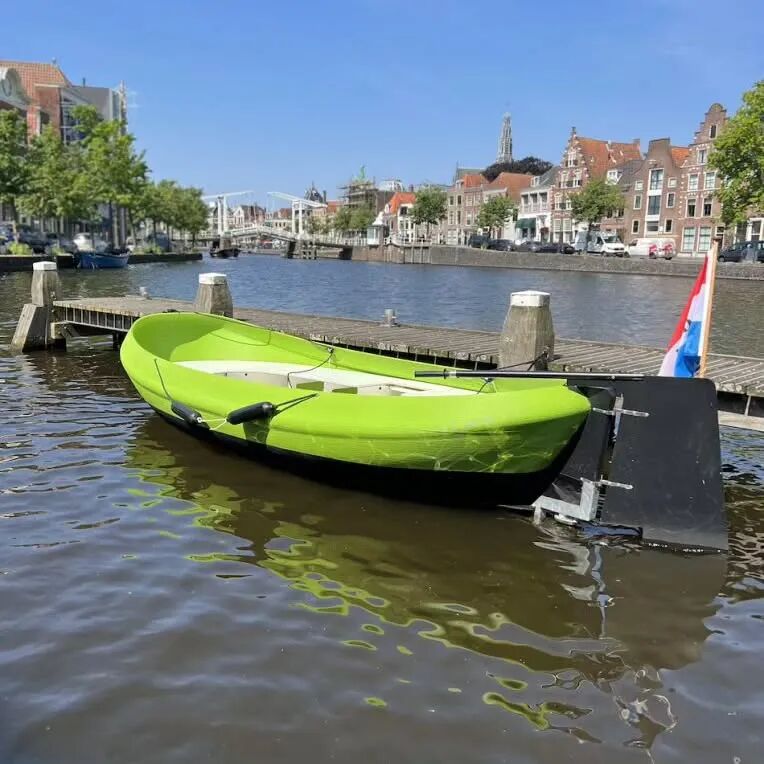
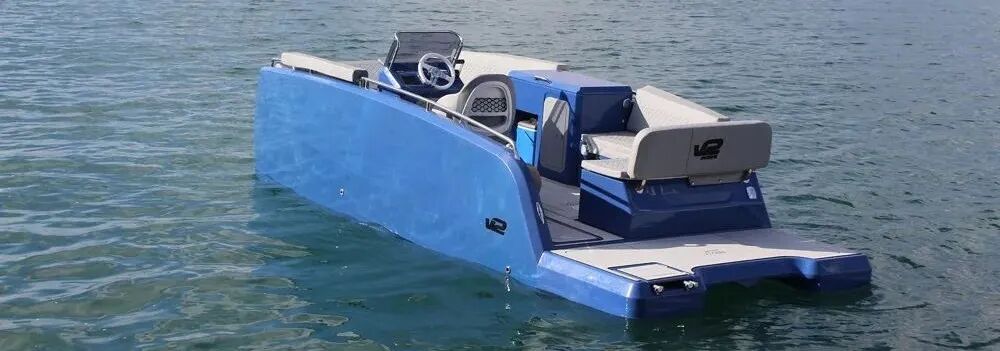
Through his organization, The Ocean Cleanup, Slat is collecting tons of plastic. Wokke believes that this plastic can be reused, and additive manufacturing seems to be a very viable technology for utilizing recycled plastics. Thus, he collaborated with 3D printing expert HB3D to design their D3aak boat—a small vessel mimicking the style of traditional Dutch barges, and they launched their first fully operational boat in 2022.

Leon Wokke
5D Printing
Wokke recalled, “The curves in the hull are typical for traditional Dutch barges, but they posed significant challenges when printing the first hull. 3D printers can print curves, but this method makes the curved structures more fragile than the straight sections. To create a hull that is strong enough and concentrates weight in the ideal position, a completely new additive manufacturing method needed to be developed.” HB3D’s engineers were just as eager to experiment as Wokke, and they decided to see if this issue could be resolved.
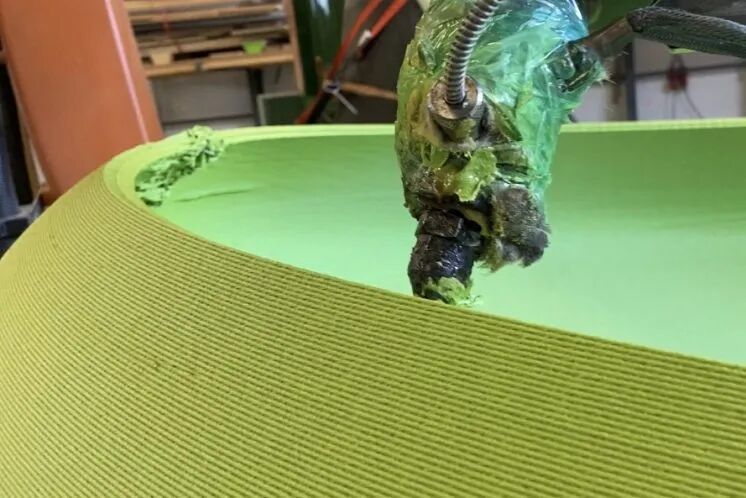
They jointly proposed a technology they call “5D printing.” In this technology, not only does the robotic arm responsible for moving the print head to the desired material addition position move, but the work table carrying the product being made also moves to optimize the welding position between one layer of material and another, thereby maximizing structural strength. The result is a 5.2-meter long and 2.1-meter wide small boat that has been in production since 2022. The bare hull has a displacement of only 350 kilograms. The builders point out that any size can be easily adjusted, as 3D printing allows for unlimited customization. The printer prints one boat at a time, and the design can be changed with each print.
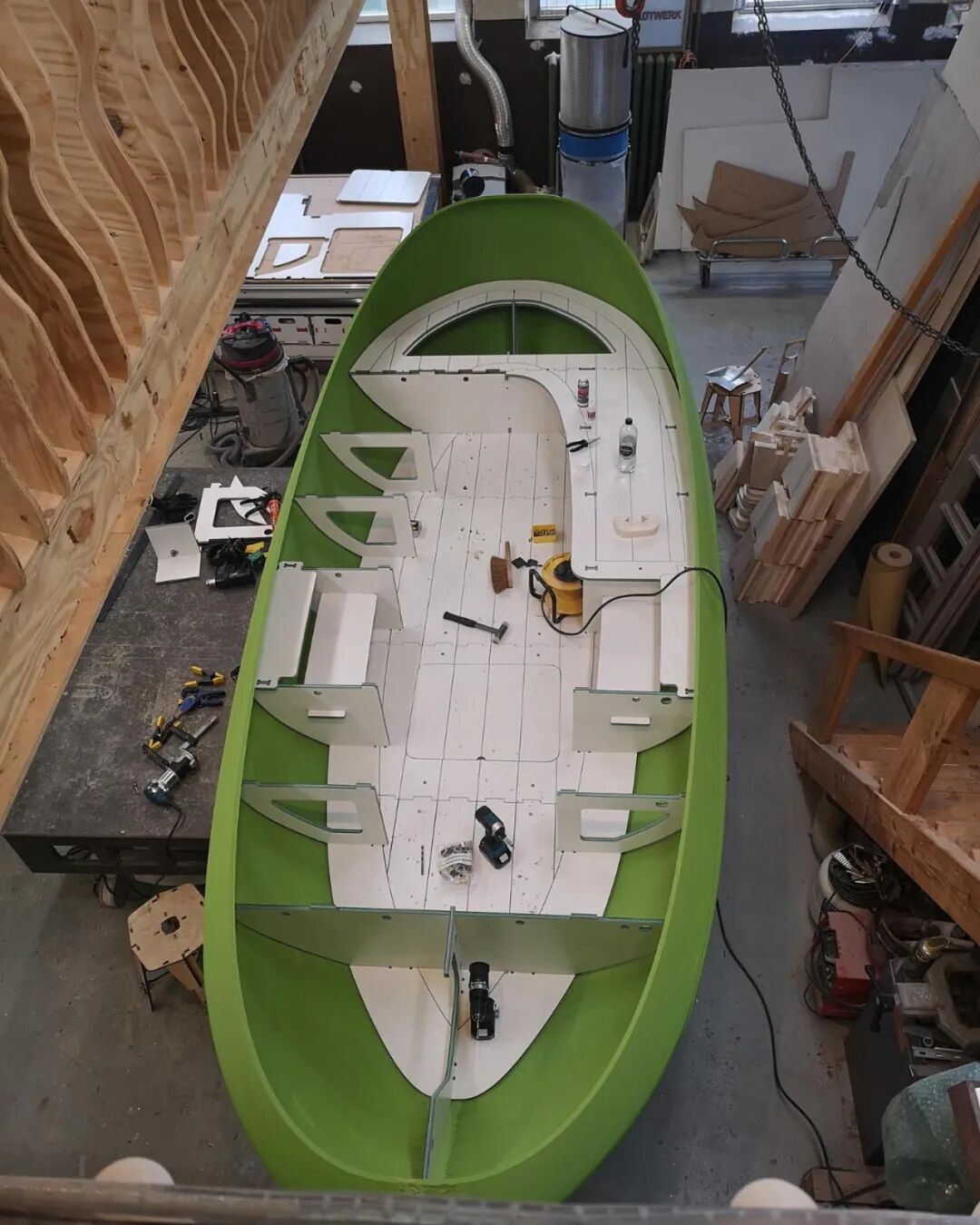
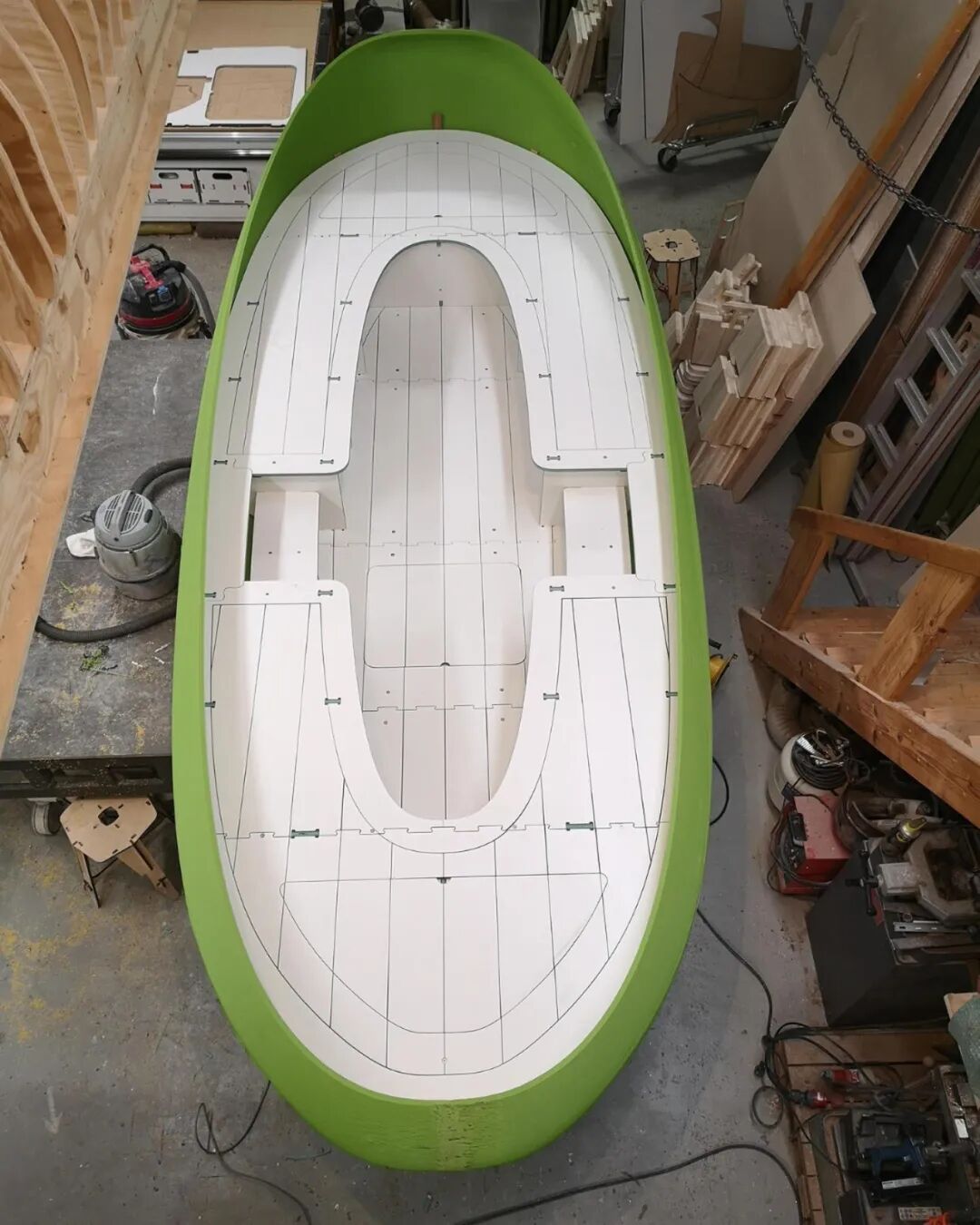
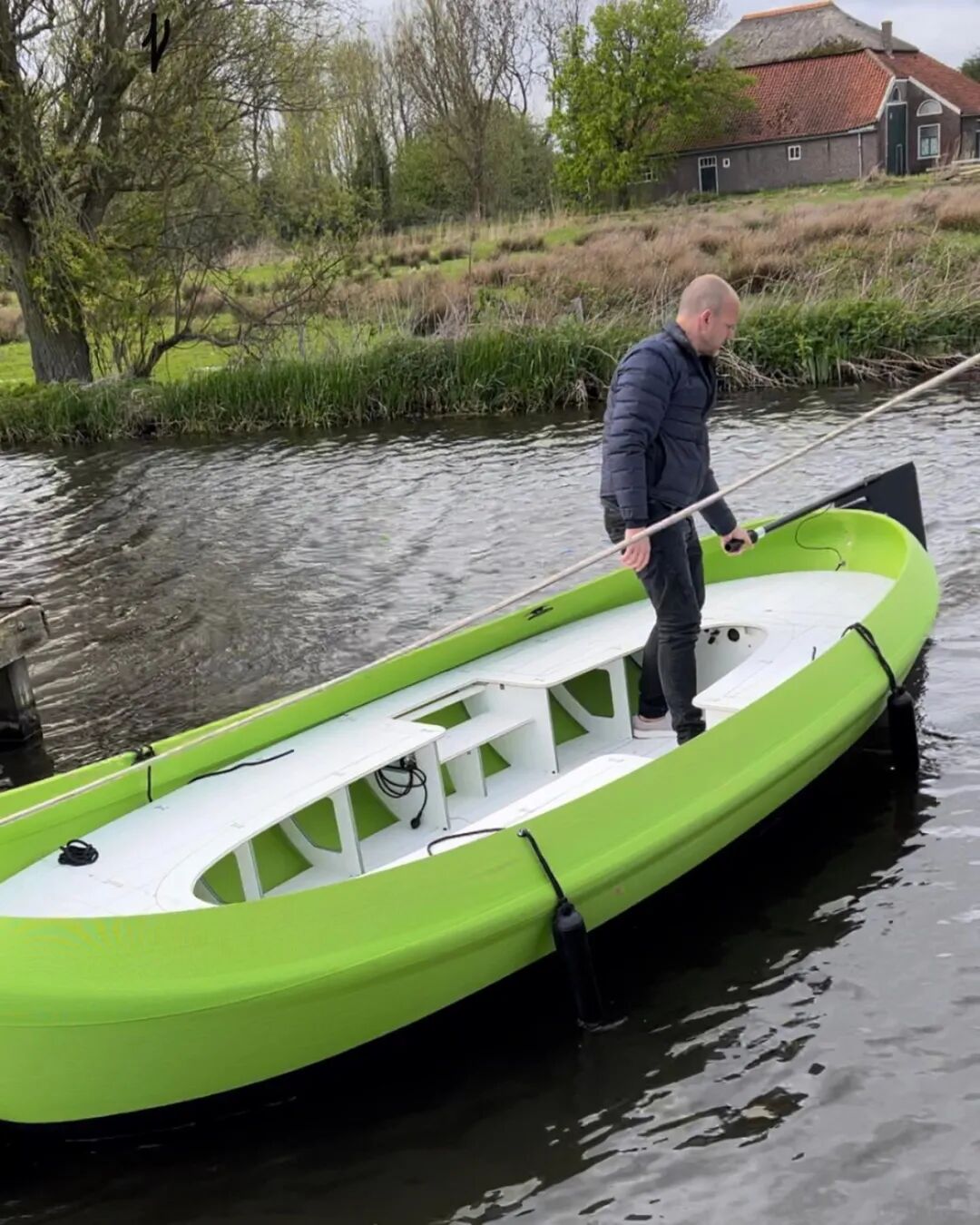
HDPRO Materials
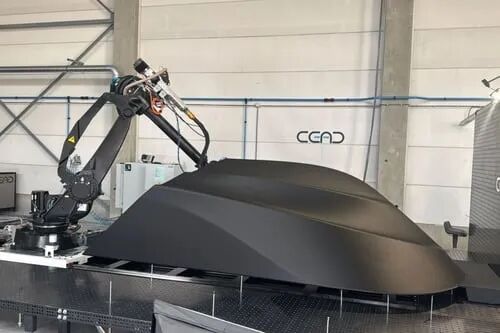
Larger, more established shipyards are also embracing additive manufacturing. The Dutch Damen Group—a group with about 18 shipyards worldwide—is collaborating with the Dutch company CEAD to use 3D printing technology to build workboats and military patrol vessels. Through partnerships with universities and research institutions, they have developed a new material called HDPRO. This is a printable high-strength, durable material similar to high-density polyethylene (HDPE). HDPRO has high impact resistance, just like HDPE. The printing process of the hull can create a smooth surface. With current material development and printing technology, CEAD can print boats up to 12 meters long. CEAD is a 3D printing company whose focus extends beyond shipbuilding. Its R&D work within the MAC (Maritime Applications Center) is conducted in collaboration with Damen and MARIN (the Netherlands Maritime Research Institute).
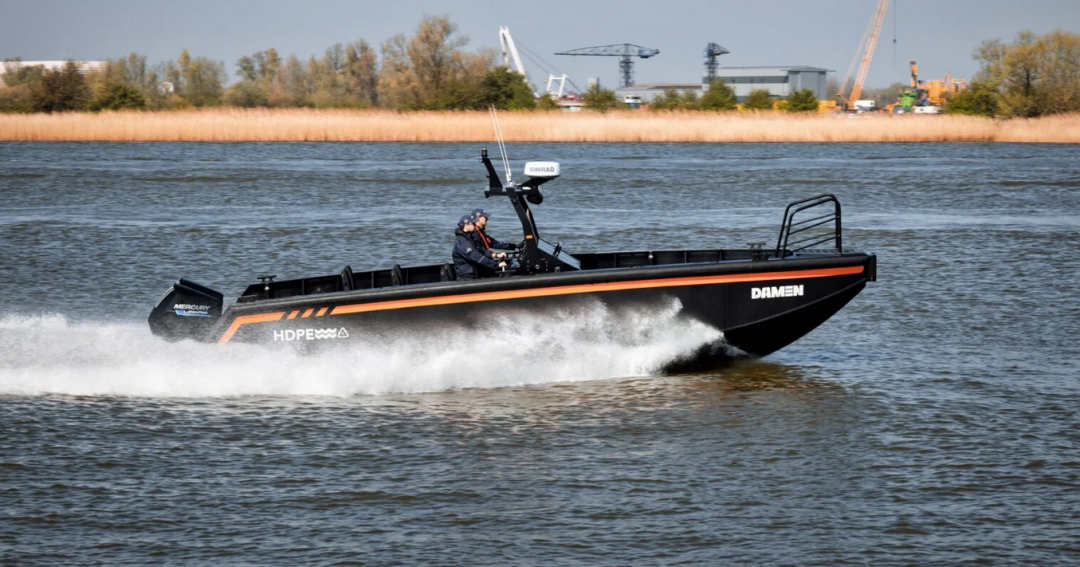
Damen and CEAD collaborate to develop 3D printed HDPE workboats
CFM Process
The Italian company MOI composites introduced glass fiber additive manufacturing technology as early as 2020, unveiling MAMBO—the first fully 3D printed yacht at the Genoa Boat Show. This process is called Continuous Fiber Manufacturing (CFM). In this production method, continuous glass fiber strands are impregnated with thermosetting resin. The result is very similar to the resin-injected woven glass fiber mat in vacuum infusion processes, but in this case, no mold is required. The glass fiber is injected with resin at the nozzle of the 3D printer, which precisely lays the impregnated fiber bundles in the correct position on the hull being constructed. The resin bonds with the previously injected resin of the glass fiber bundles, forming a fiber-reinforced hull.
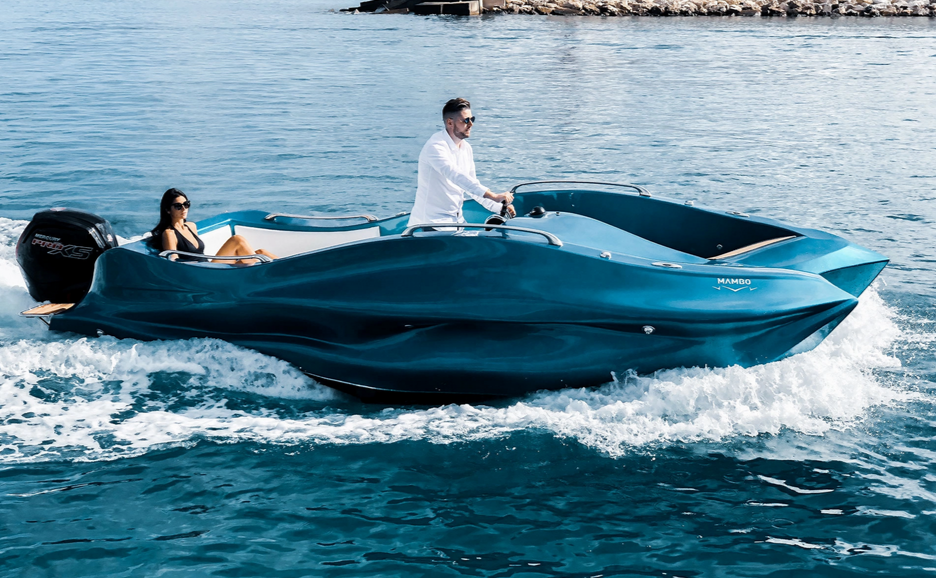
MAMBO—the first fully 3D printed yacht
Lessons Learned
Additive manufacturing has greatly changed the way production is done. The labor force for construction is no longer human but executed by robots. The printing arms (usually multi-axis robotic arms used in the automotive industry) are controlled by software that translates the designed hull shape (including hull, structural supports, engine and instrument bases, and furniture) into the movements of the print nozzle, adding thermoplastic materials layer by layer and bonding with the previous layer. After several years of additive manufacturing for boats, what lessons have we learned?
Advantages of 3D Printed Boats Include:
Integrity in One Piece: If designed cleverly, the entire boat, including installation spaces, furniture, and buoyancy devices, can be printed in one go. However, all moving parts still need to be manufactured elsewhere and installed onto the hull.
Design Flexibility: Since 3D printers produce one at a time and do not require molds, each boat can differ from the previous one. This incurs design costs for the required changes but does not add extra production costs.
Fast Production Speed:A complete boat (without installed equipment) can be produced in a matter of days, while traditional shipbuilding methods can take months.
Cost Reduction: There is no waste; all materials used are incorporated into the hull. The labor involved in production is significantly reduced.
Waste Reduction: There is almost no waste after the printing process.
Recyclability: Using recycled materials for 3D printing is entirely feasible. Since the materials are always thermoplastic resins, in most cases, the production process can be reversed for recycling at the end of the boat’s lifespan.
Disadvantages:
Strength: Thermoplastic plastics consist of weldable long chains, and their strength cannot compare to metals like steel or aluminum.
Degradation: Thermoplastic plastics can degrade quickly when exposed to UV radiation. Surface treatment (coating) is required. This ultimately increases labor costs.
Size Limitations: Printing large structures requires very large, expensive, and complex machines. This necessitates a significant investment. However, the fact that custom production is easier and does not require mold-making may offset the investment costs.
Surface Treatment: The surfaces of products from printers are often wavy.
The motivations of the aforementioned shipbuilders vary. The founders of D3aak aim to build a truly sustainable boat, and they have succeeded with additive manufacturing. The fact that this construction method leaves no waste after production makes it more environmentally friendly, even when using virgin resins. Other manufacturers focus more on the extremely high degree of customization that 3D printing can achieve. Another benefit is the shift of labor from the workshop to the design studio. Additive manufacturing may prove to be a driving technology that can sustain the production of boats and yachts in high-wage countries, preventing rough processing from being done in low-wage countries, thus realizing the trend of assembling boats at the customer’s location.
 ……………..If you like it, give me a “thumbs up“…………..
Related Reading
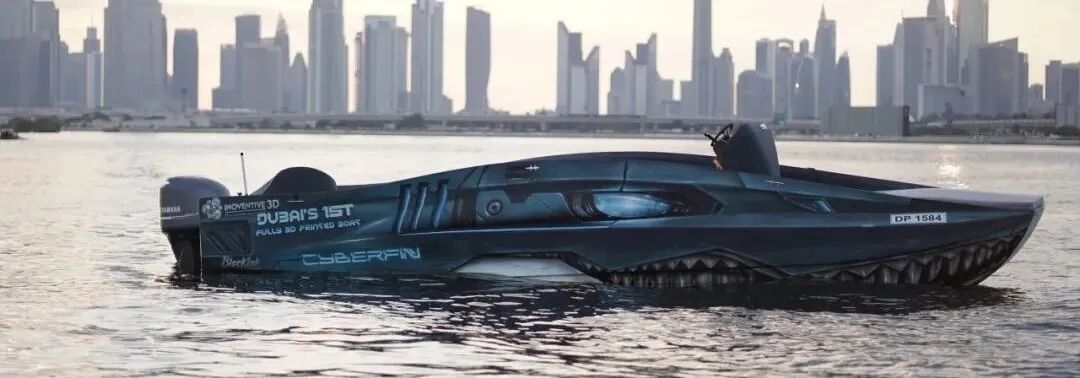
Dubai Launches First 10-Meter Long 3D Printed Catamaran
World’s First Functional Large 3D Printed Electric Catamaran Launched