






The Adventure of Stationery
The Wonderful Journey of the 3D Printing Pen
Jiangyin High-tech Zone Nanyuan Kindergarten Class Two




Origin:
What is a 3D printing pen?
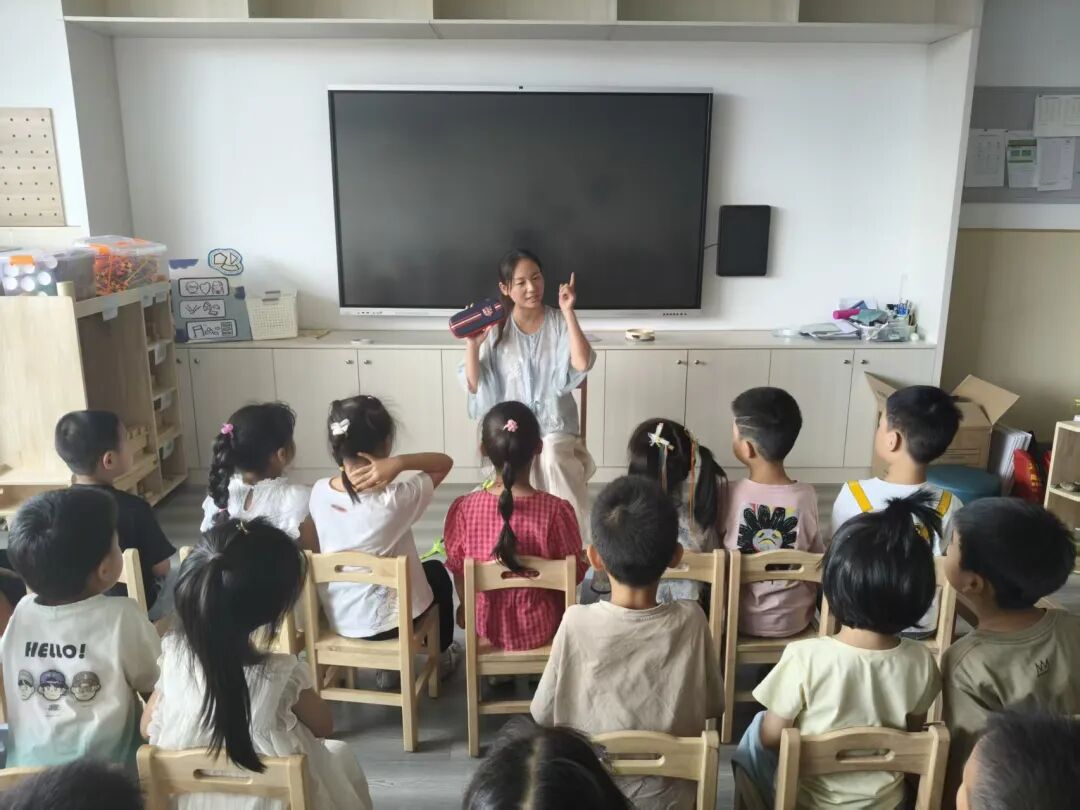
During the activity time after the nap, the classroom of Class Two was filled with discussions.
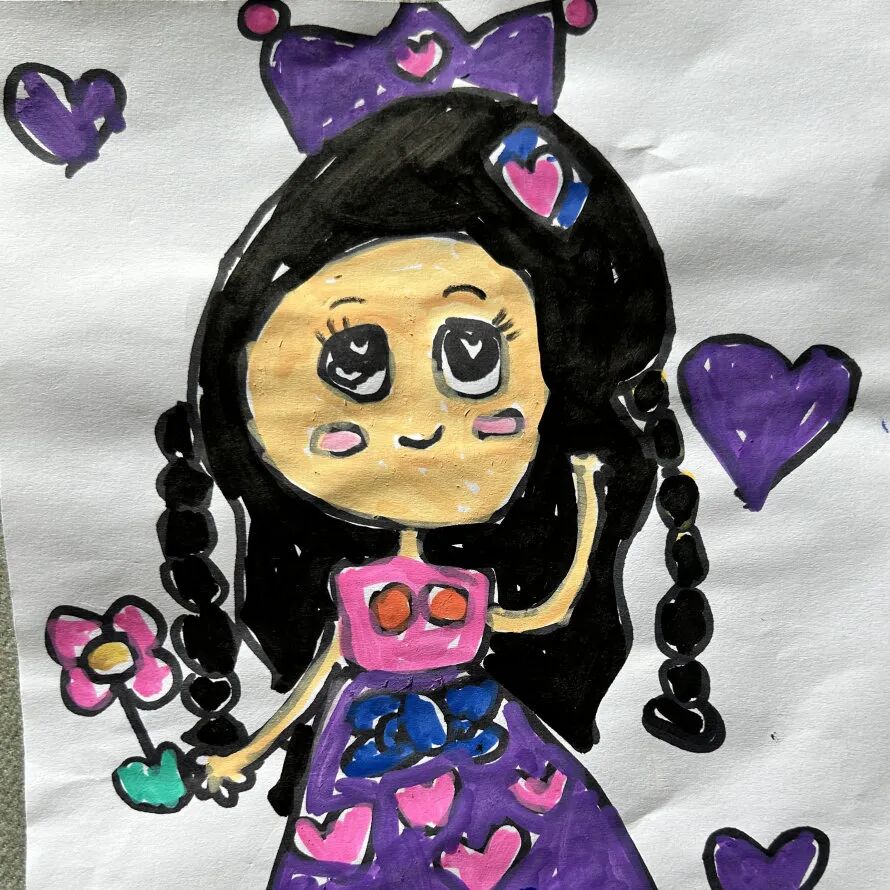
If you could design your own stationery, what would you design?
I want to design a pencil, and a ruler with wings.
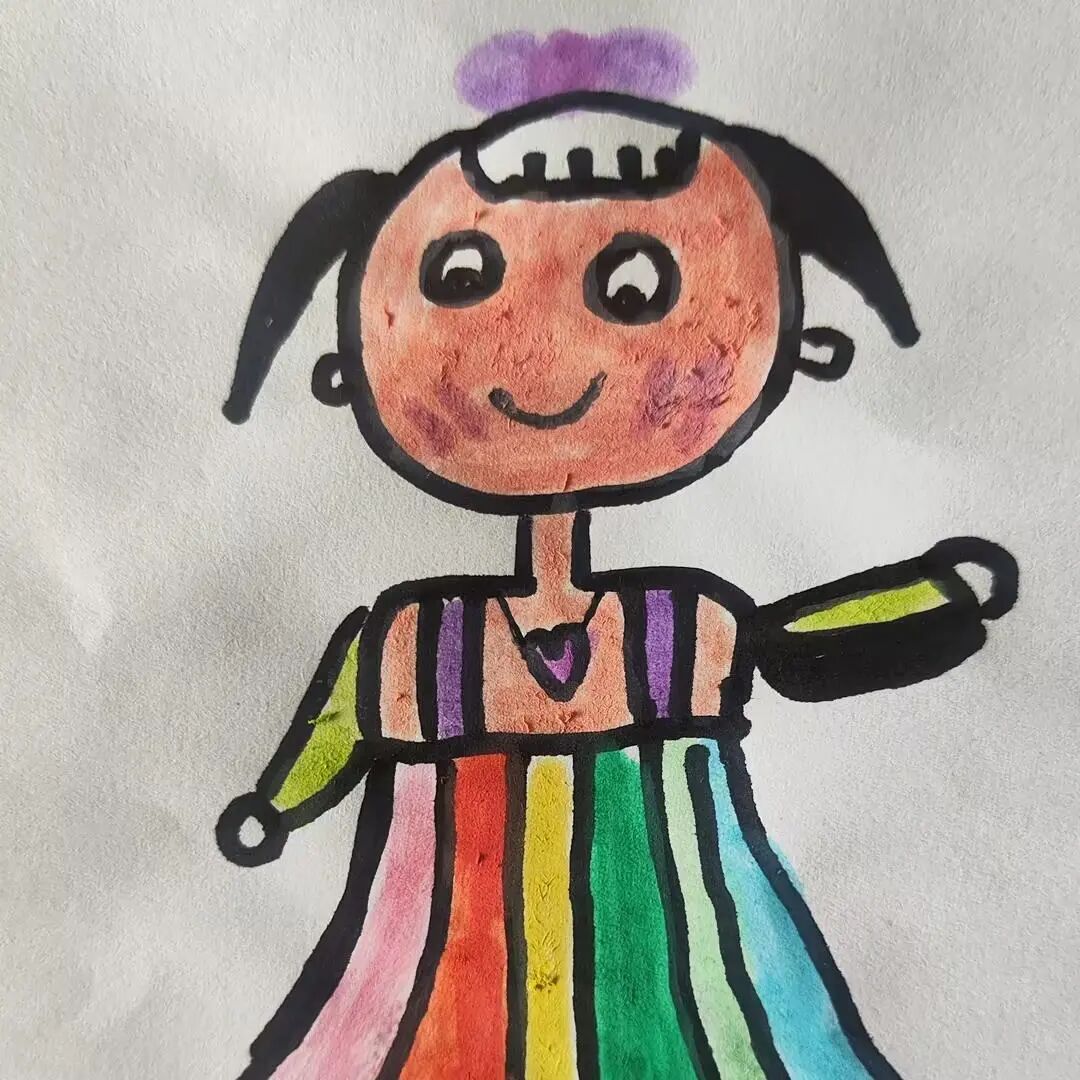
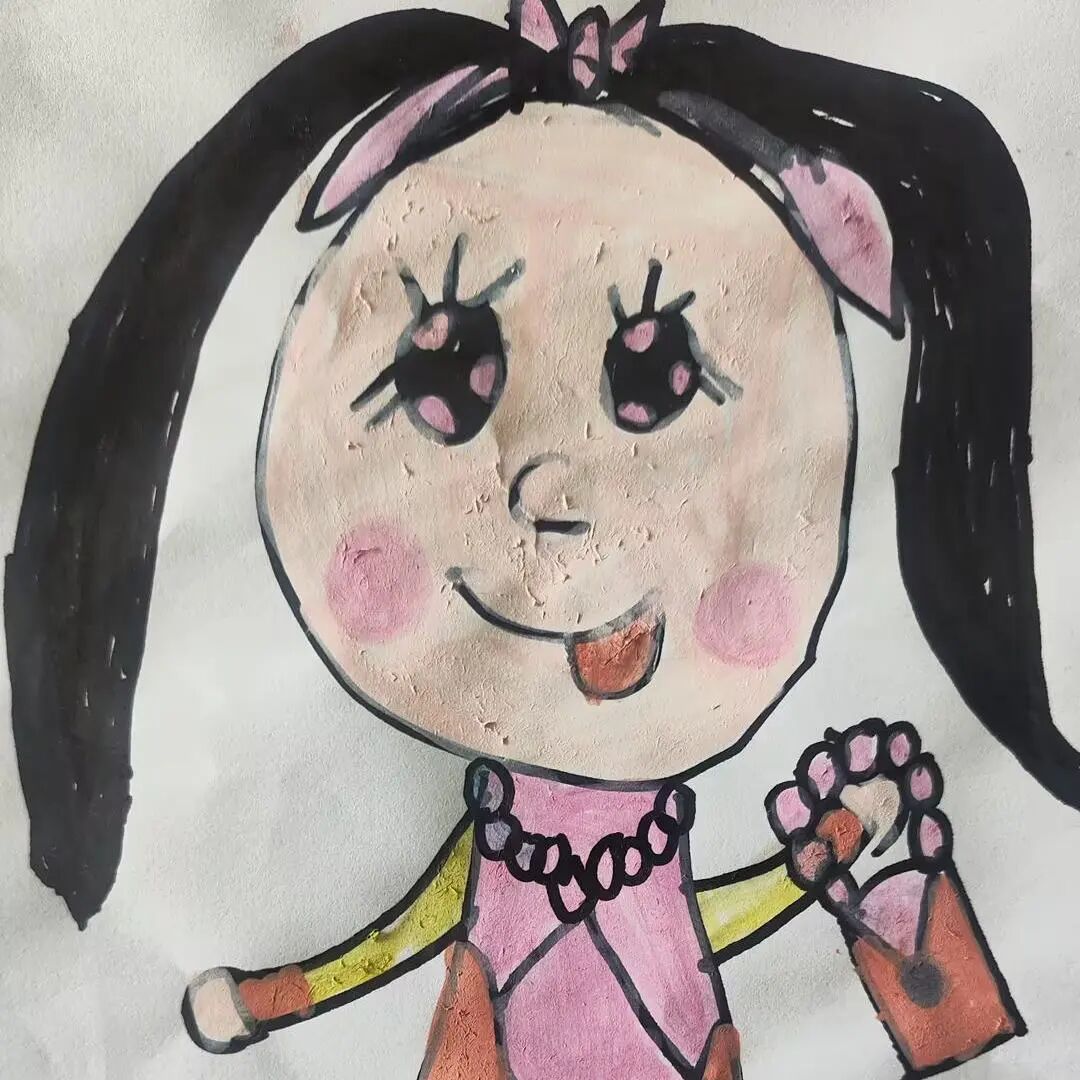
If only we could really make it.
We can make it with a 3D printing pen, my dad taught me!
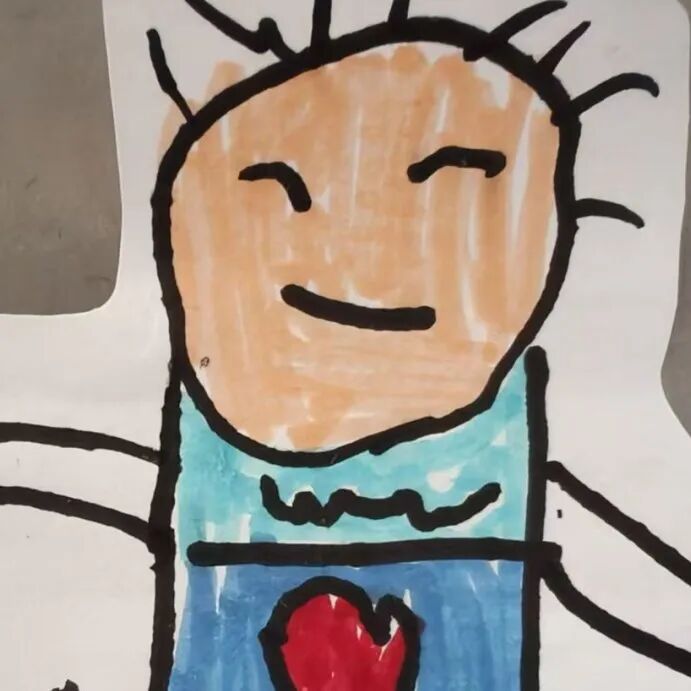
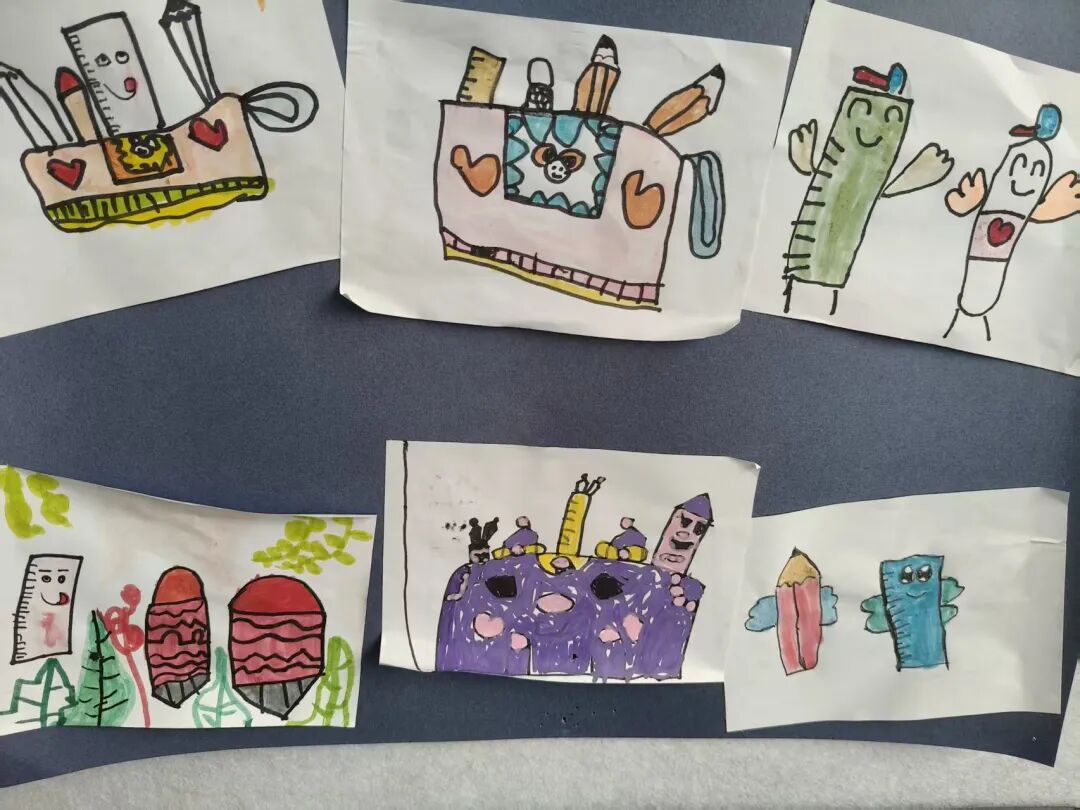
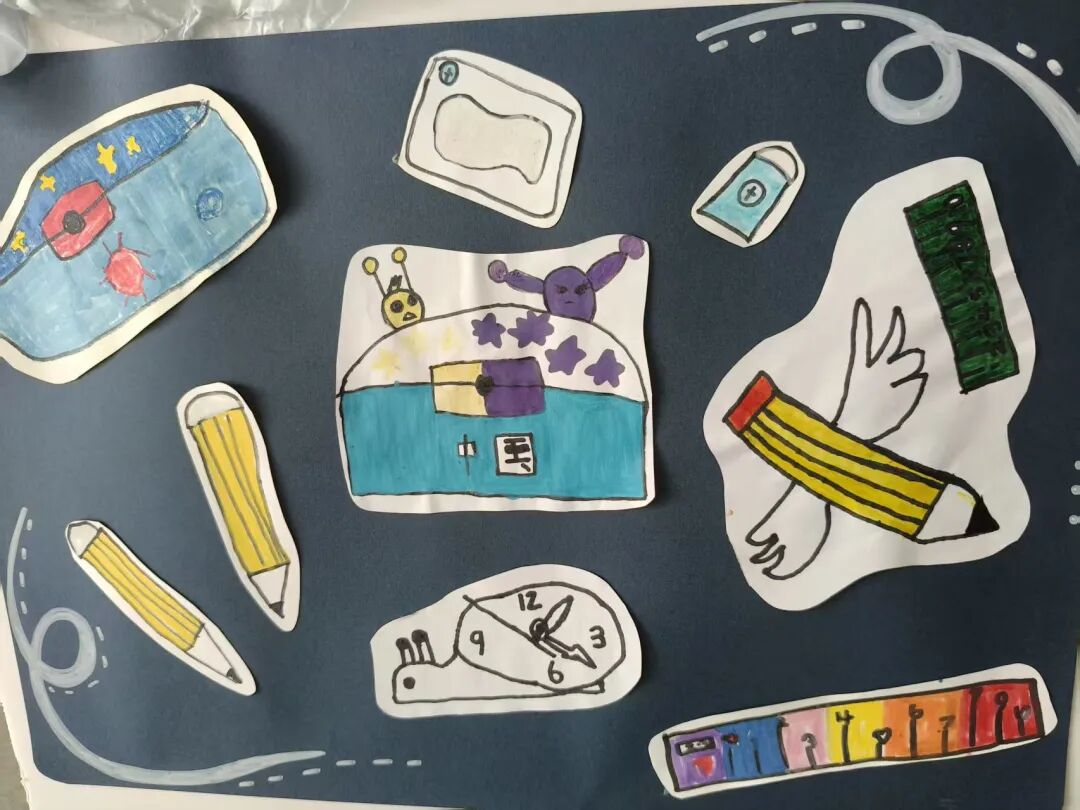
The next day, Cheng Cheng brought his printing pen to kindergarten. The children had many questions and began to chatter excitedly.
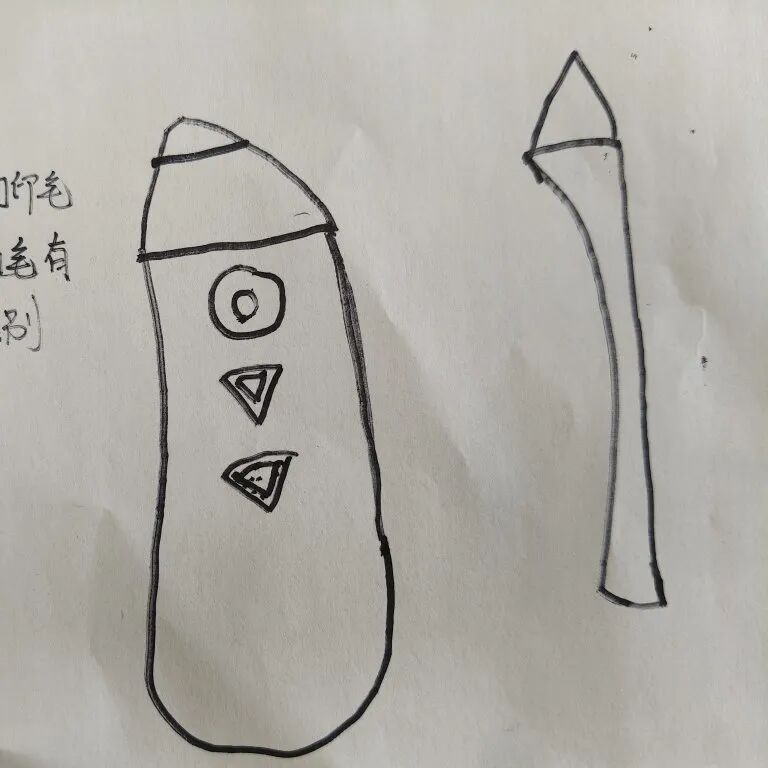
What is different about this pen compared to our usual pens?
What is this button for?
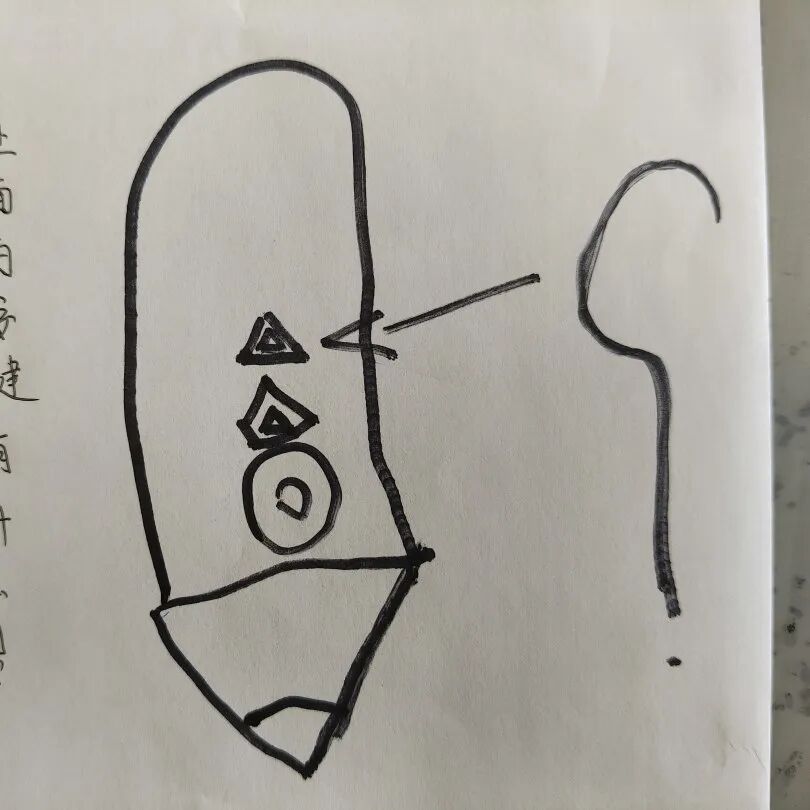
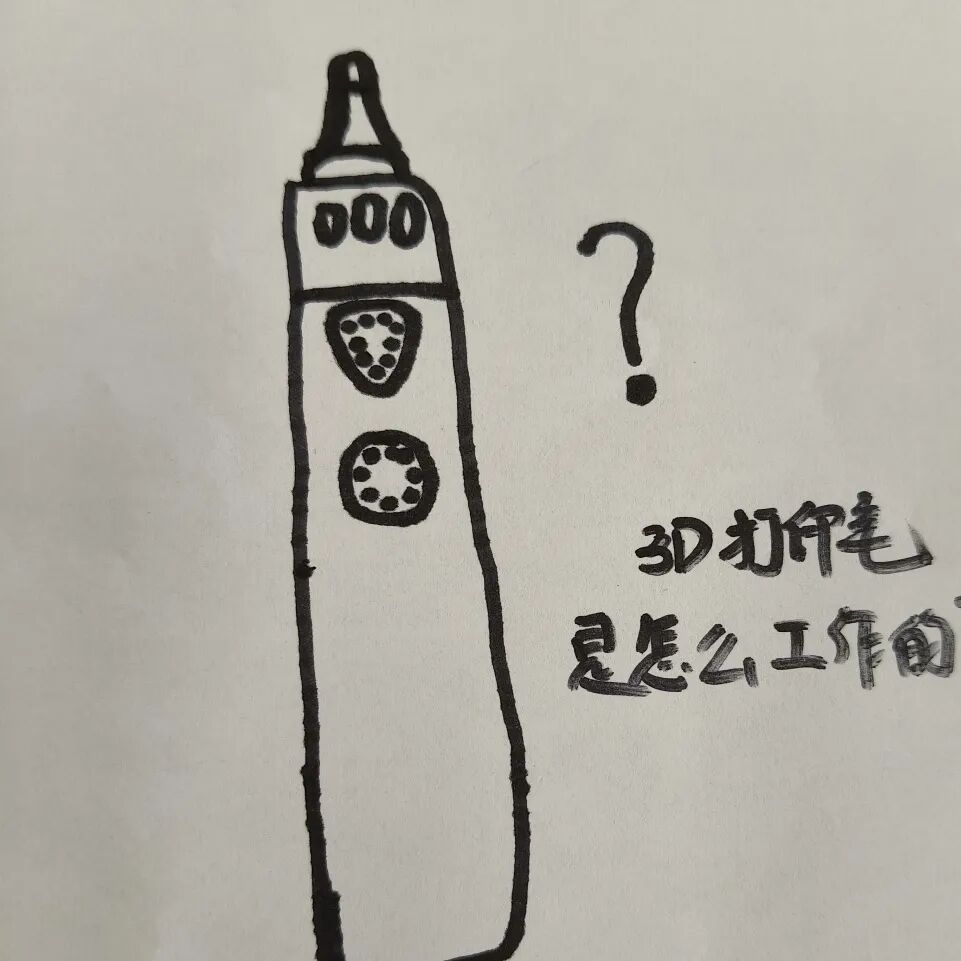
How does it work?
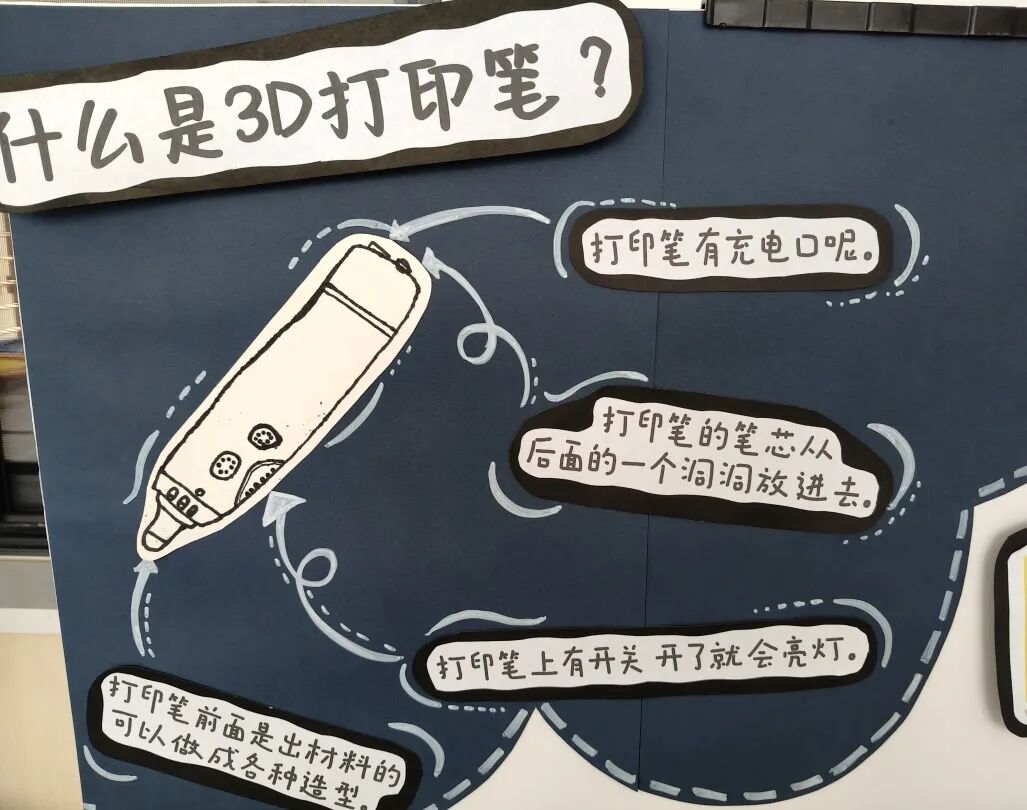
Faced with these questions, the children decided to search for answers online together. They found many videos about 3D printing pens and admired many works, deepening their desire to explore. Following the children’s interests, we launched the “Adventure of Stationery” activity.

Support Strategies

Group Teaching

Little Teacher Explanation

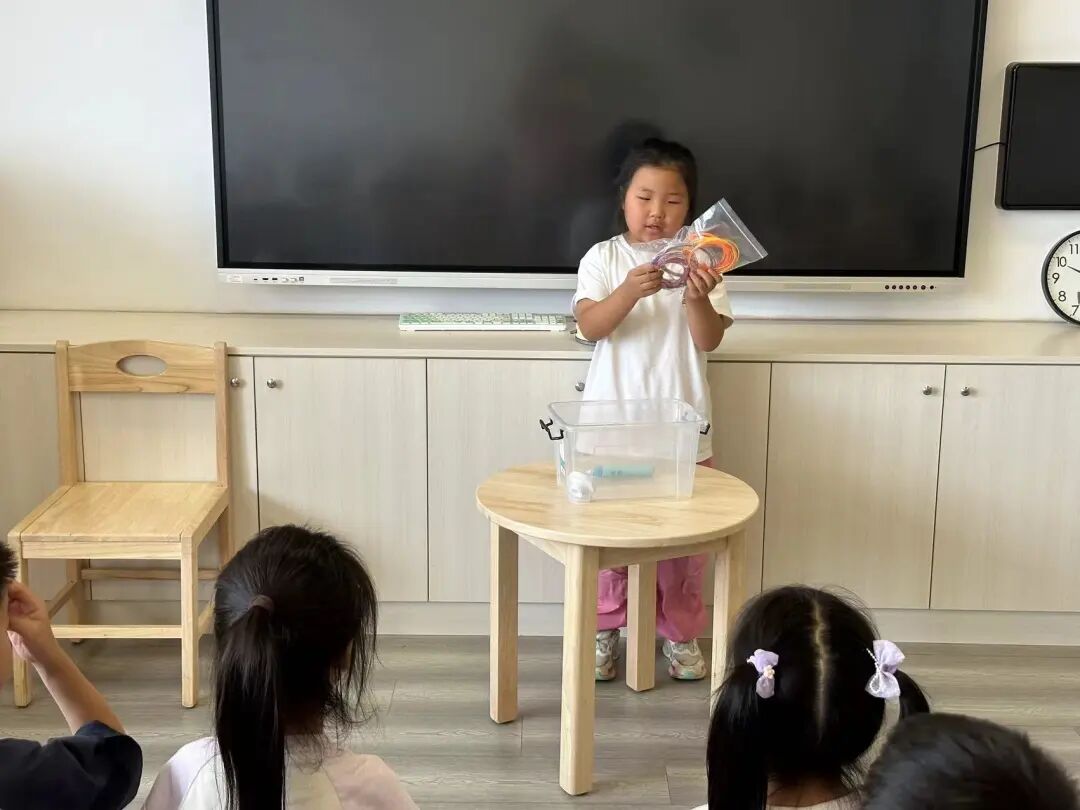
Area Setup
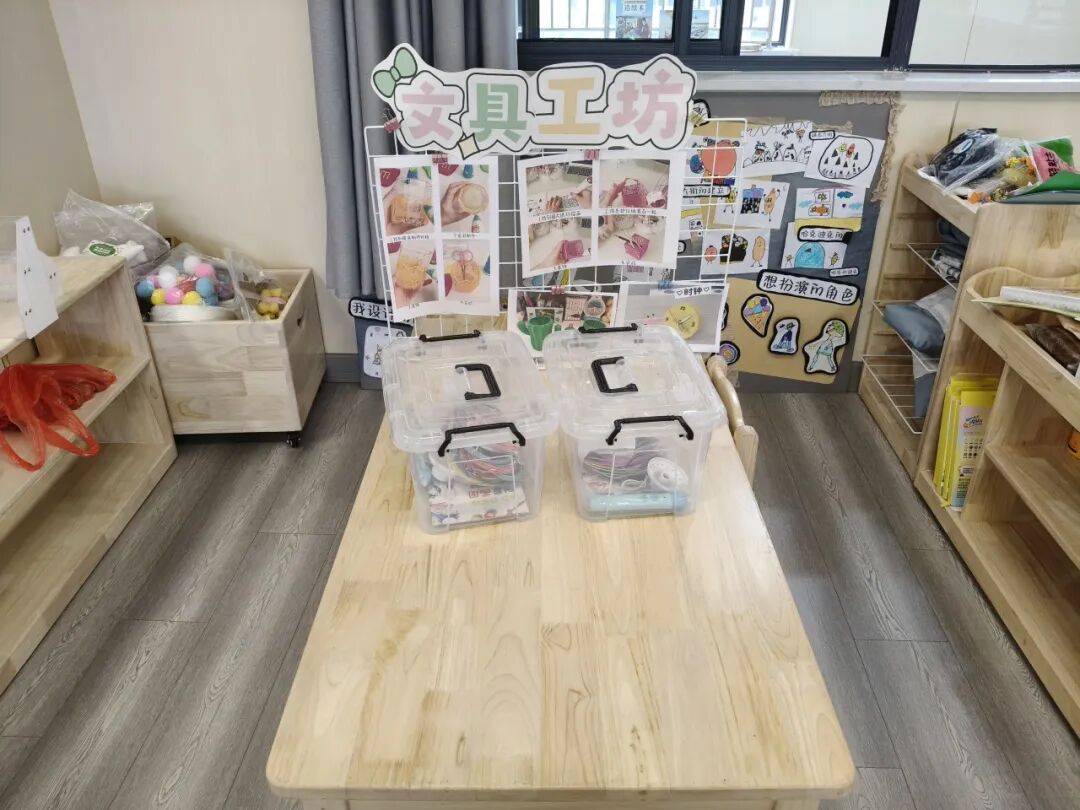

Teacher’s Reflection
The “Guidelines” state: “Children’s learning is based on direct experience, conducted through play and daily life, and should maximize support and meet children’s needs for acquiring experience through direct perception, practical operation, and personal experience.” We promote the implementation of the curriculum through a prepared environment, providing children with ample opportunities for hands-on perception during autonomous play.

Stationery Detective:
Problem-Solving Battle!
Problem 1: My creation broke!
During the area game, the children eagerly rushed to the 3D printing area. However, soon they encountered trouble.
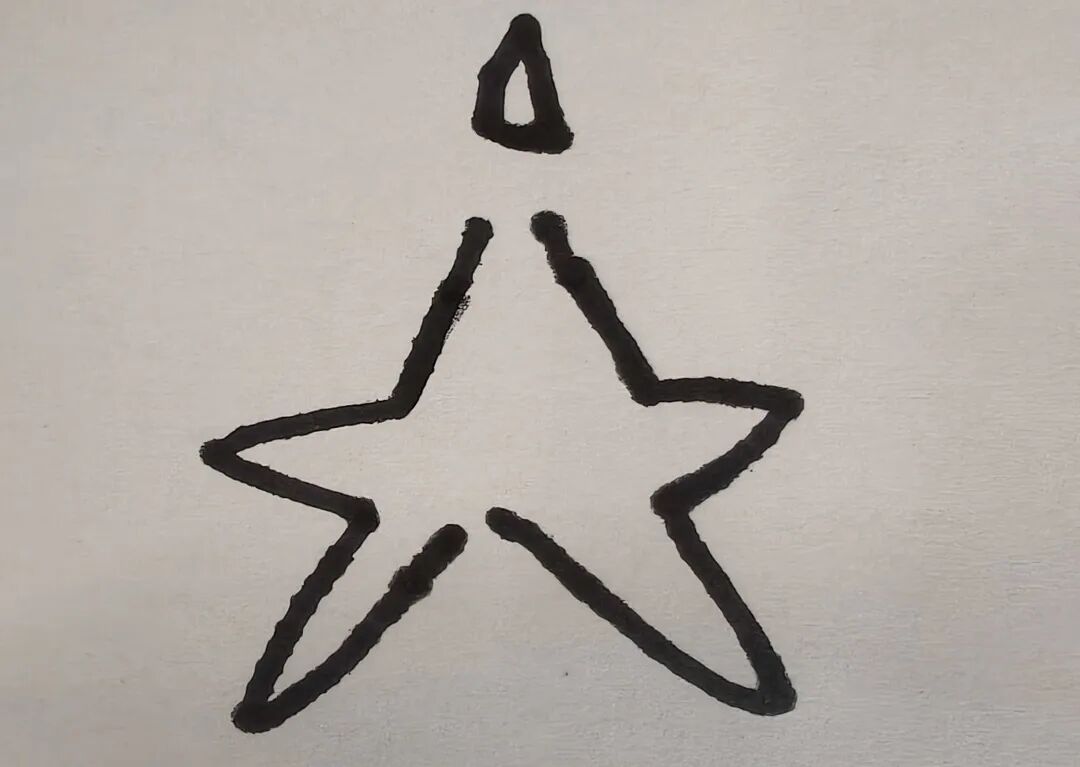
The star-shaped eraser broke in half as soon as it was picked up.
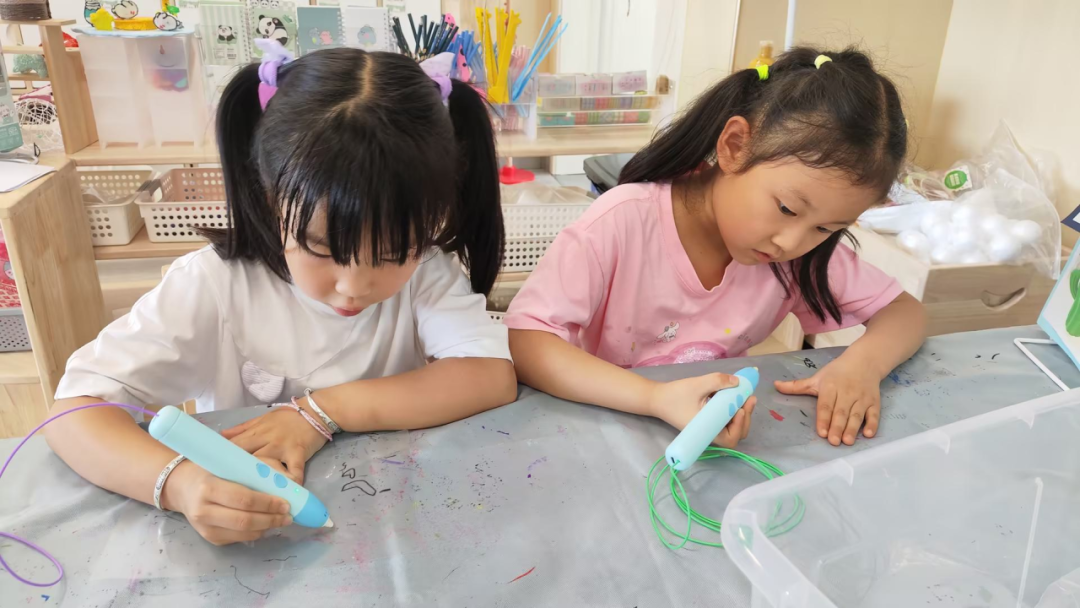
The ruler got stuck to the base and couldn’t be picked up.
Through on-site observation during practical operation, followed by group discussion and analysis, the children found the reasons.
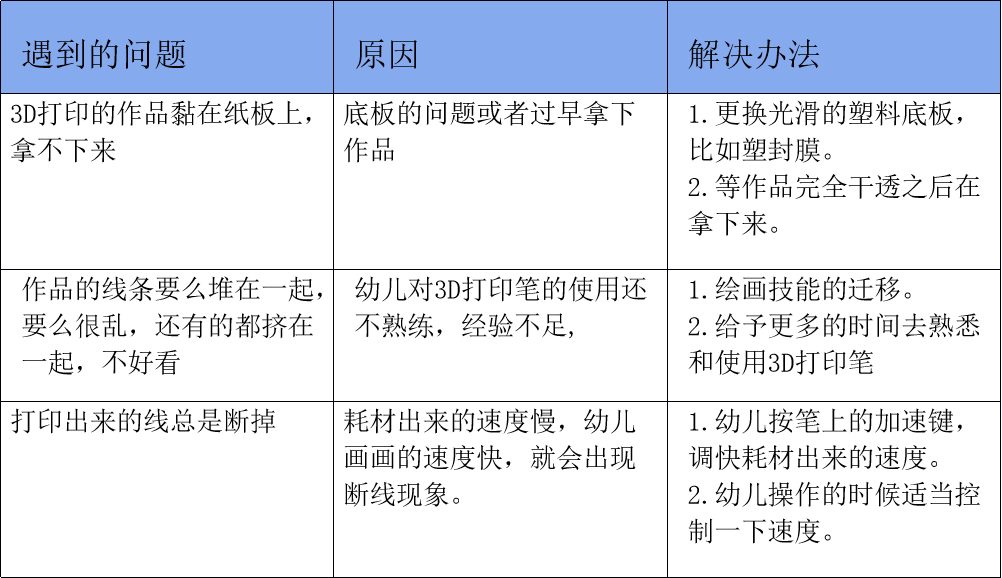
Faced with problems, the children continuously observed, hypothesized, and verified, effectively exercising their problem-solving abilities, achieving the developmental goals in the scientific field outlined in the “Guidelines,” while showcasing the educational value of gamified learning.
Problem 2: My pen holder won’t stand up!
During the area activity, the children looked at the dazzling array of flat stationery creations but were puzzled.
These beautiful pen holders and boxes look nice, but they can’t hold pencils or erasers at all!
How can we make a three-dimensional stationery that can hold things?
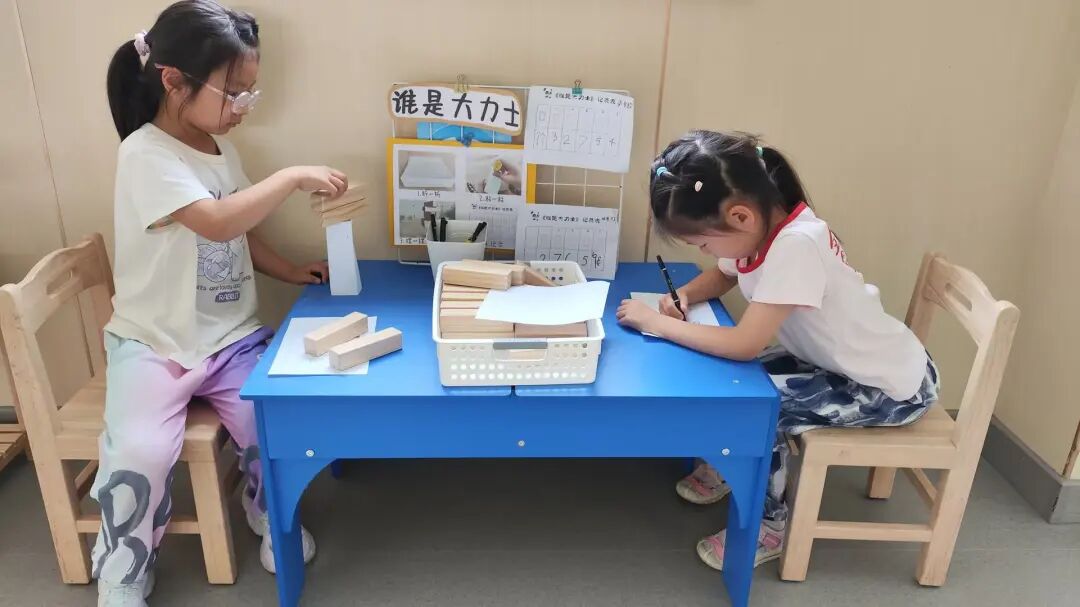
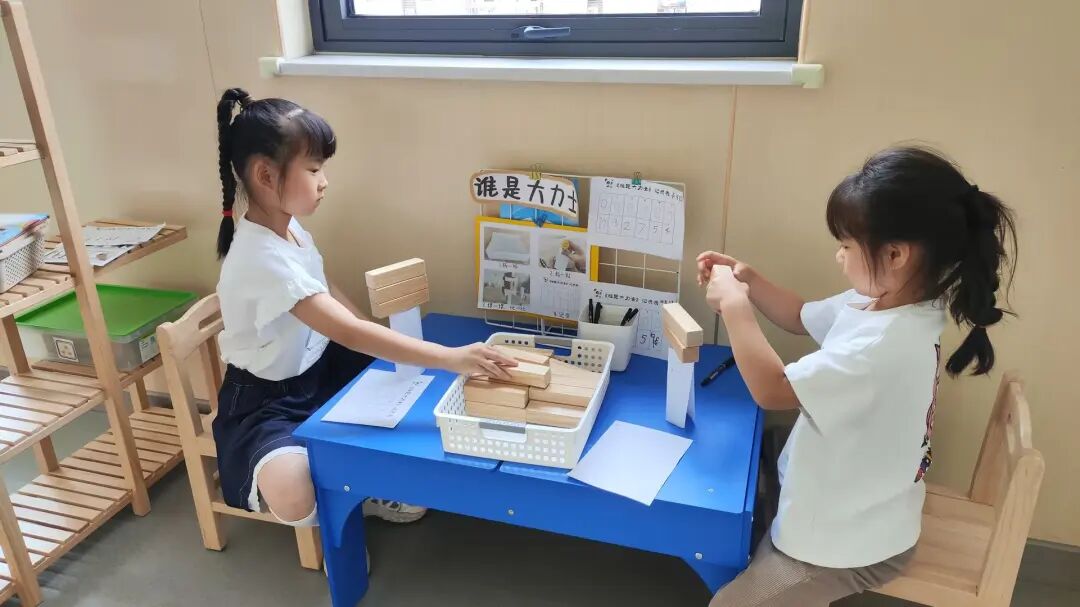
We previously did the ‘Paper Hercules’ experiment, where folding paper can create three-dimensional shapes. Can the material made with the 3D printing pen be used in the same way?
Paper Hercules

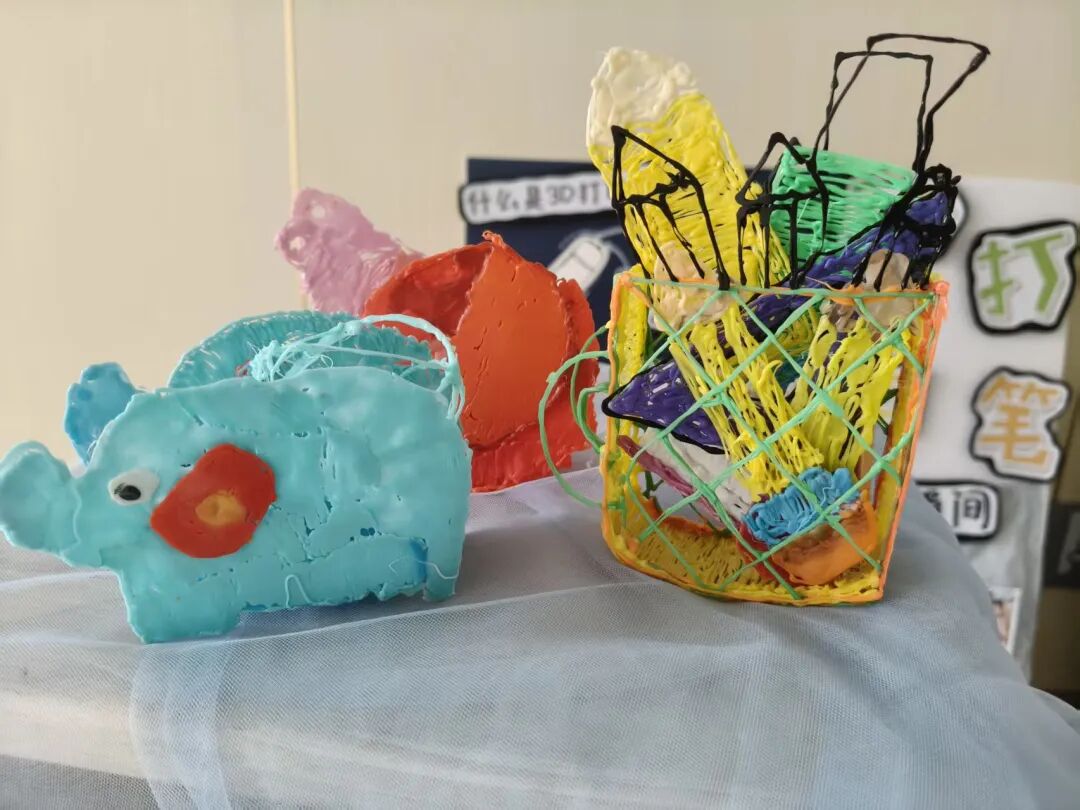
The children picked up the 3D printing pen, imitating the folding techniques from the “Paper Hercules” experiment, bending and shaping, and then bonding the joints, a round pen holder was born, and they cheered excitedly.
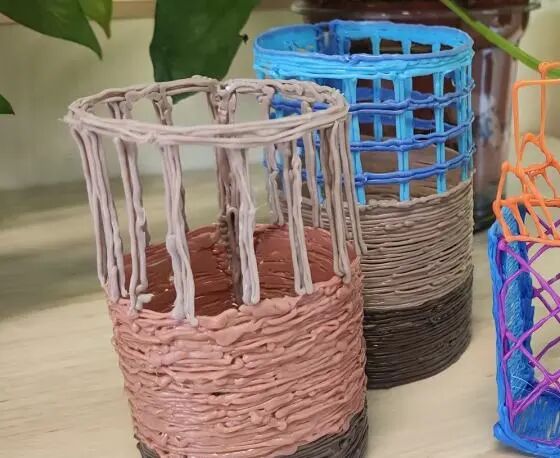
But the joy didn’t last long, as new problems arose.

When making a rectangular pen holder, the freshly folded thin sheets always cracked with a “pop”.


Just when everyone was at a loss, Xiao Heng said: “If several magnetic pieces are combined, they can stand steadily. Can we combine them like magnetic pieces?”
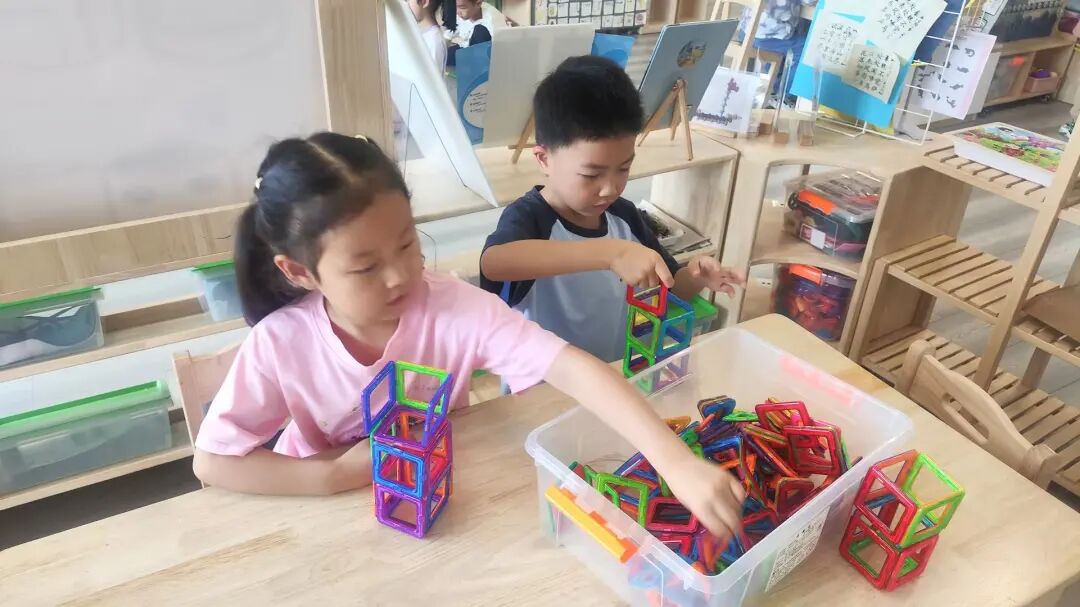
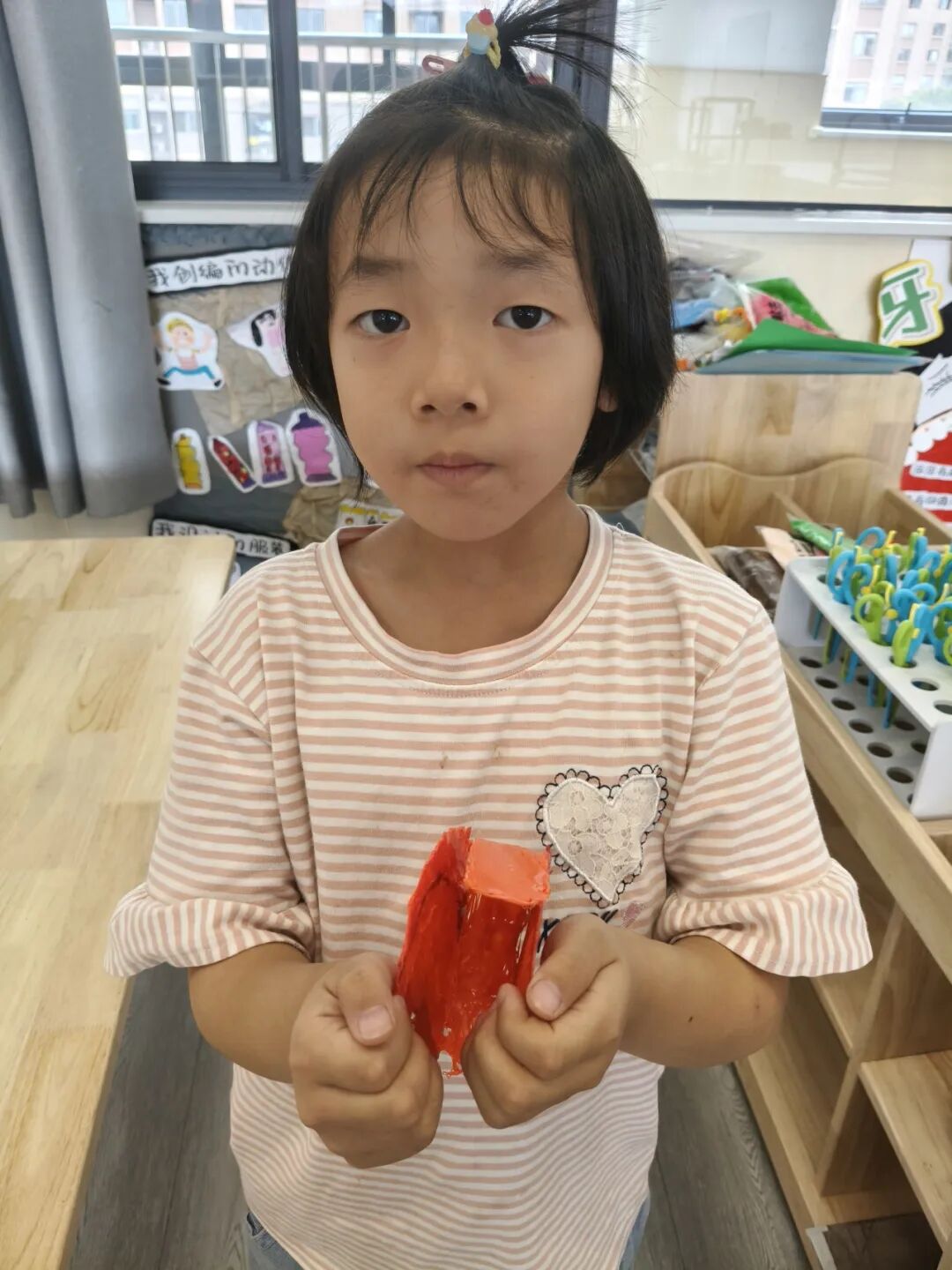
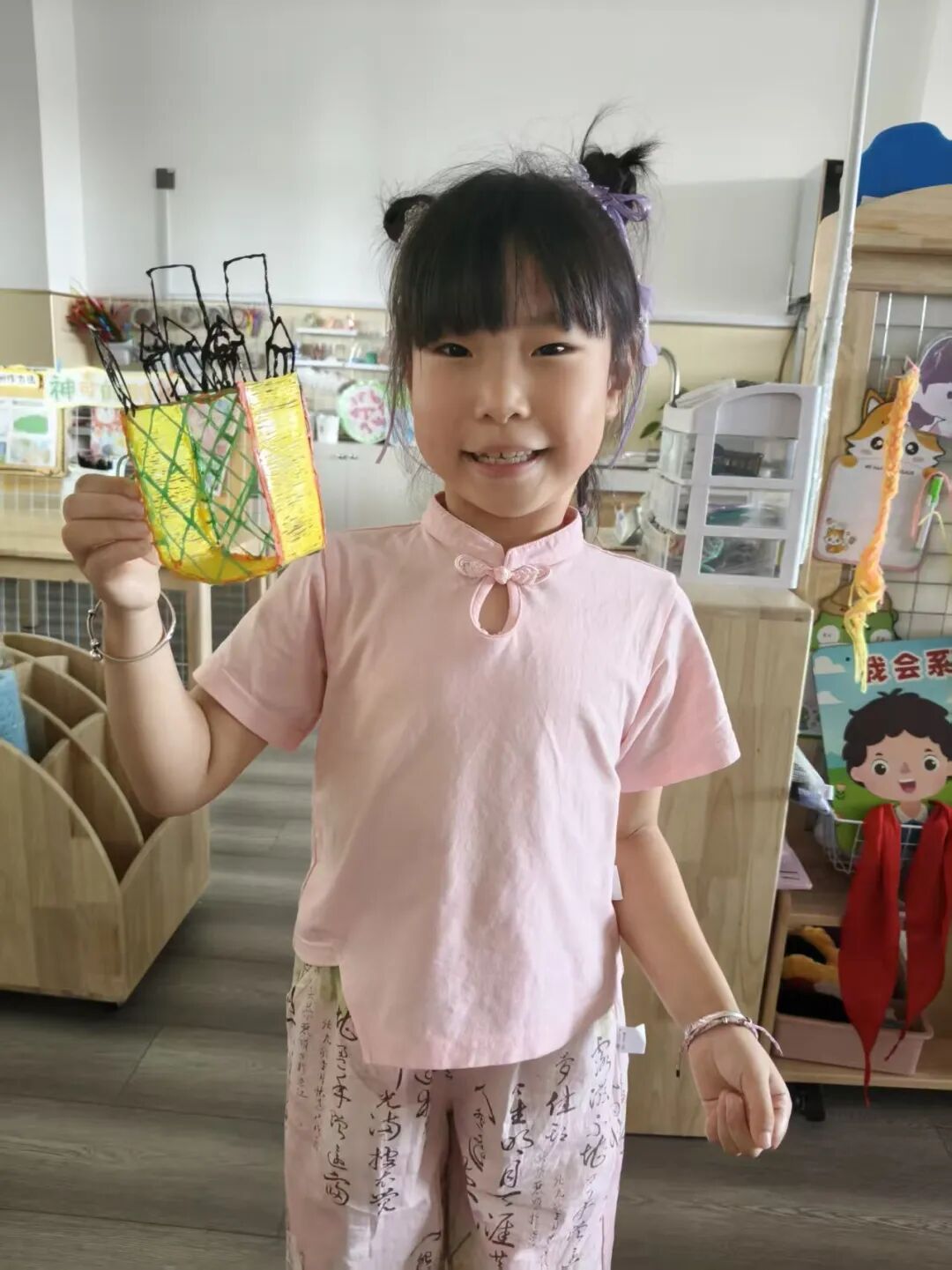
After numerous attempts, the three-dimensional pen holder was finally completed. They discovered that by cleverly combining multiple flat pieces, a stable three-dimensional structure could be created! With this discovery, everyone’s creative inspiration flowed like a spring.
Teacher’s Reflection
Children encounter problems during operations, and through observation, comparison, trial and error adjustments, they practice the constructivist theory of “learning by doing.” Through the process of “hypothesizing – verifying solutions,” they begin to form engineering thinking and spatial geometric concepts.
Elementary Preparatory:
Stationery Quality Inspector Online!
In the lively atmosphere of the area game, suddenly there were frustrated voices.
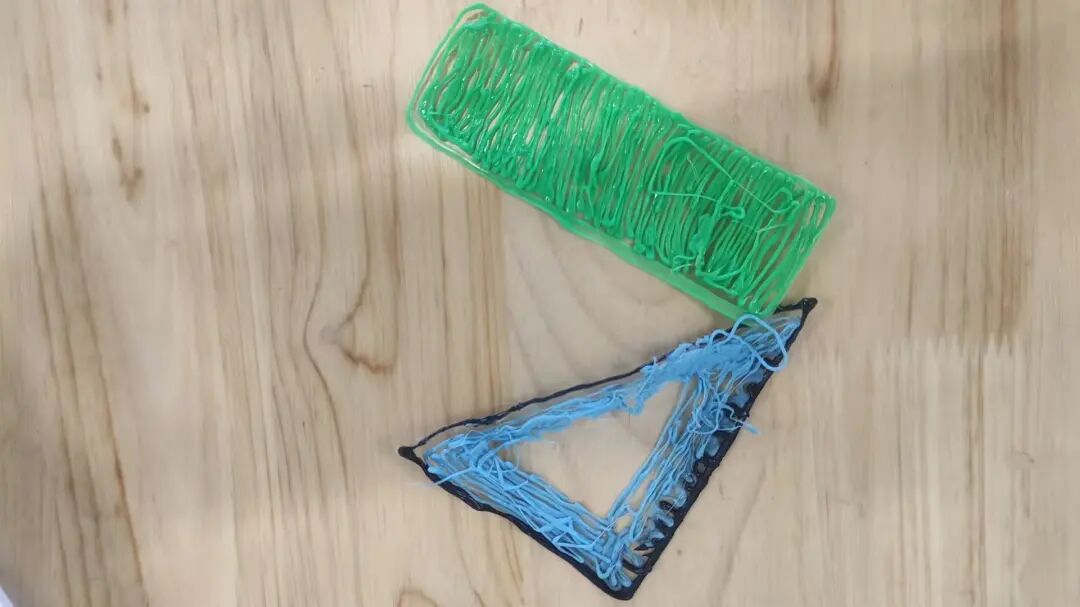
The ruler is crooked, and everything measured is short by a bit!
Yes, the ruler’s scale is problematic and cannot be used for measurement at all.
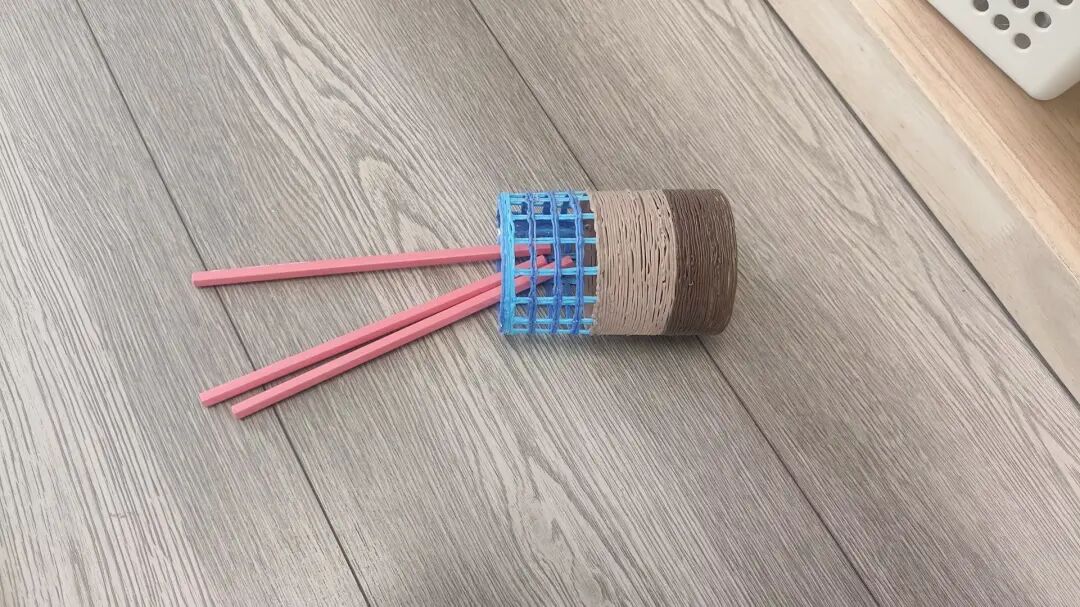
This pen holder is also soft and collapses at a touch.

Expand Discussion
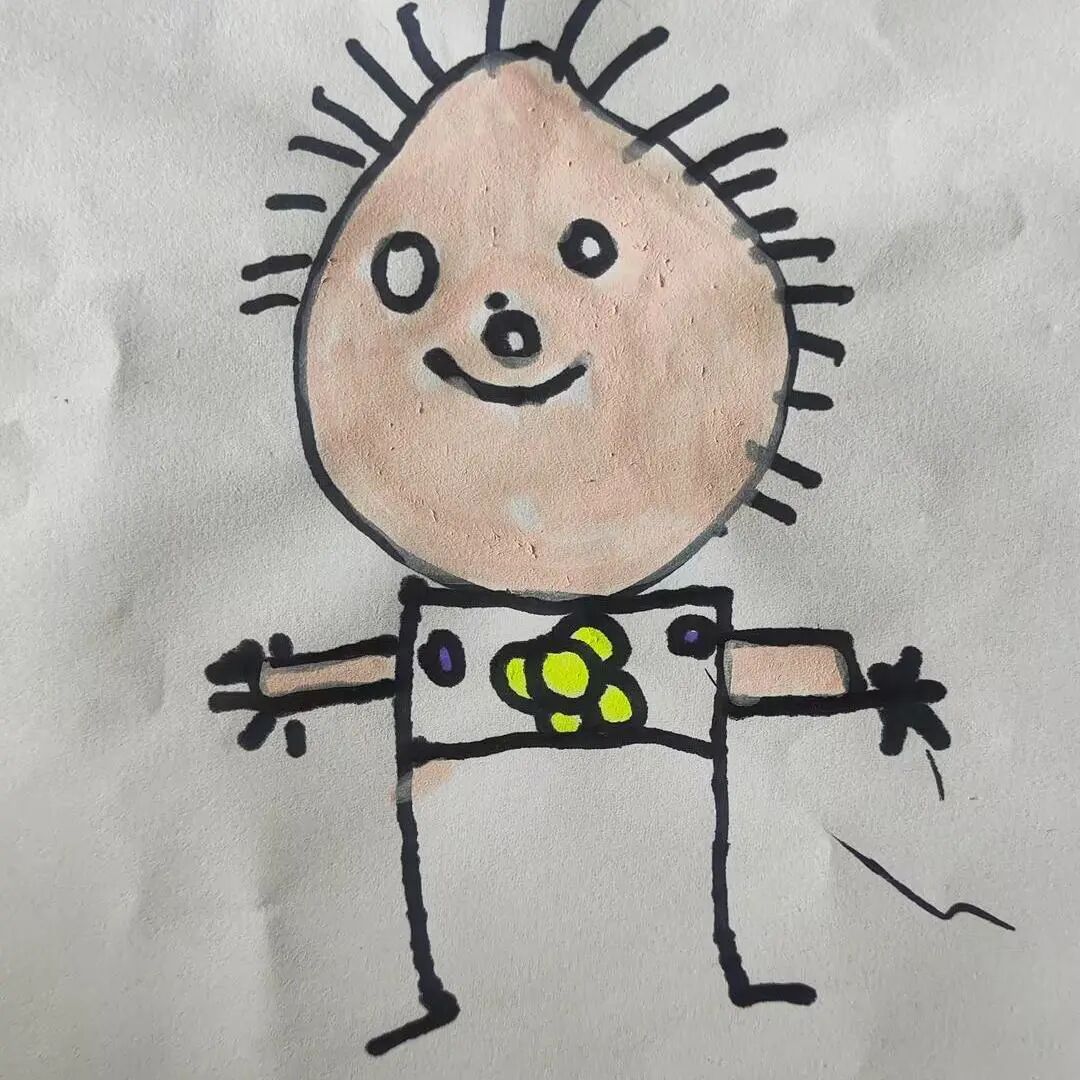
When drawing along a real ruler, it will definitely be straight!
When drawing scales, be more careful, drawing slowly one grid at a time.
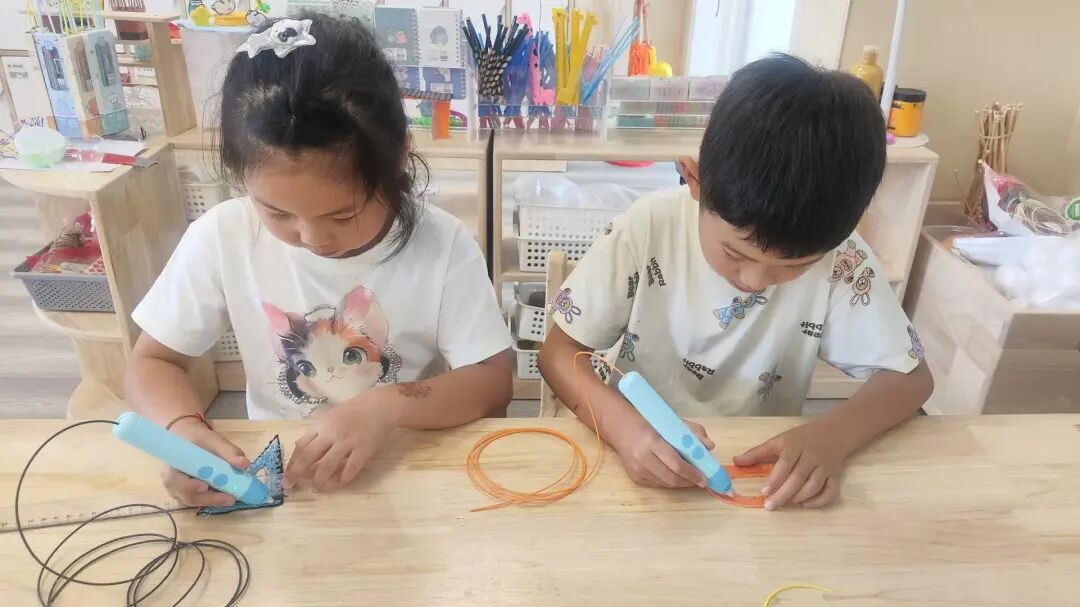
When making the pen holder, we can draw several layers to make the shape thicker, which may make it more sturdy.
The children immediately divided into groups: one group used a ruler to outline the scales, while another group “armored” the pen holder. In the end, they created a more sturdy and practical stationery.
Teacher’s Reflection
Regarding issues like “scale deviation” and “unstable structure,” the children spontaneously formed inquiry groups, conducting error analysis by comparing standard stationery, reflecting the scientific inquiry methods of “guiding children to think and reason during exploration” as outlined in the “Guidelines,” laying the foundation for “task awareness” and “problem-solving ability” in the transition from kindergarten to elementary school.
The Amazing 3D Printer
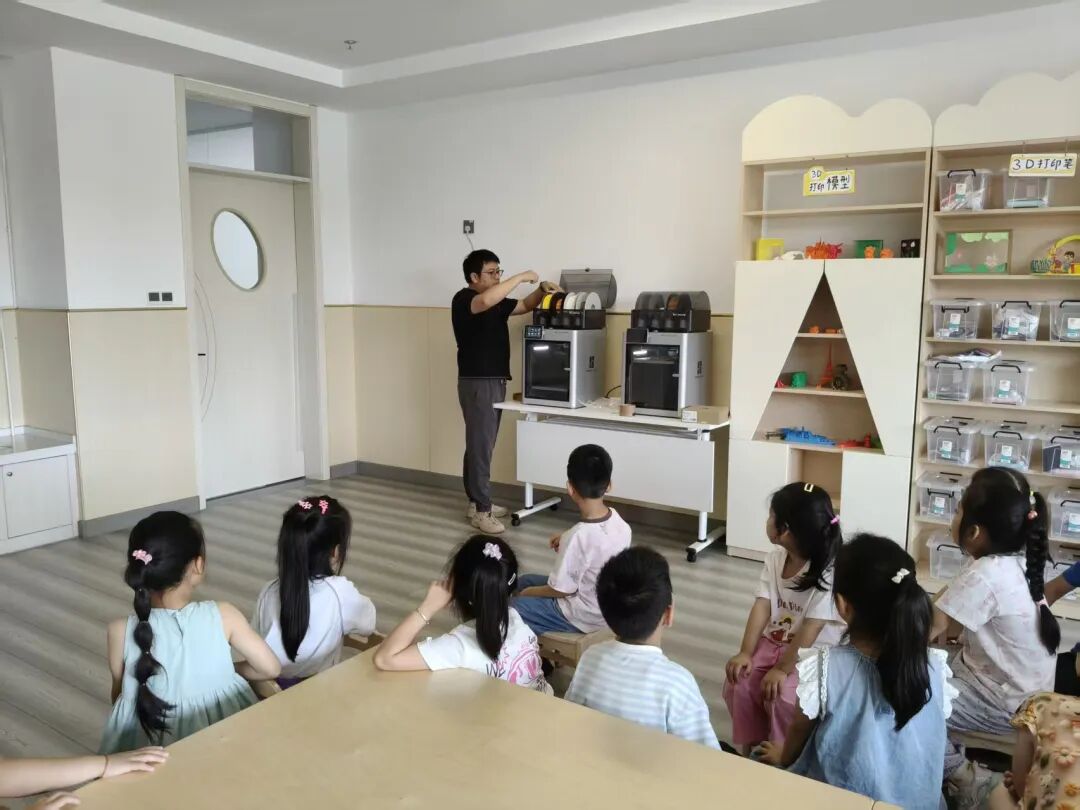
After the children made the pen holder with the 3D printing pen, inspiration burst forth. “I want a pen case that can transform!” “I want a cheese-shaped whistle!” However, the thin materials of the printing pen couldn’t support complex structures. At that moment, the mysterious guest, Teacher Liu, brought the children to the science and technology classroom to showcase this mysterious machine – the 3D printer.

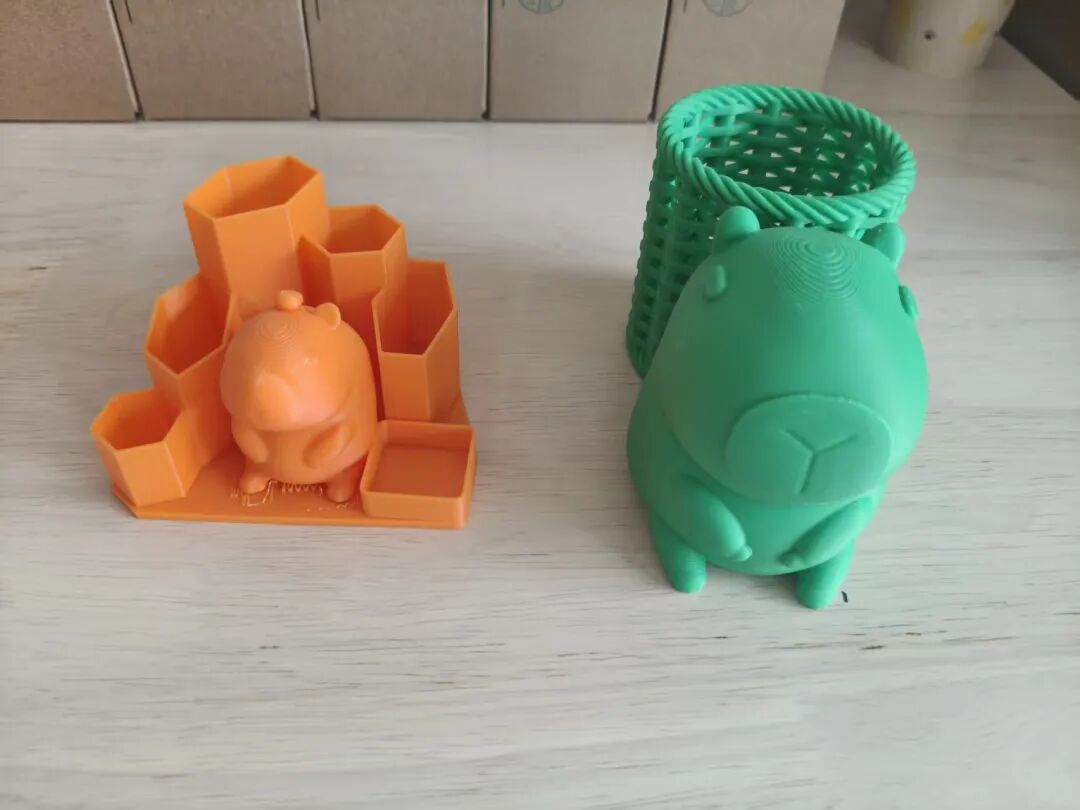
As the machine started, a cute capybara pen holder slowly “grew” from the platform. “Wow! It feels like magic!” The children couldn’t help but gather around, occasionally gasping in amazement.
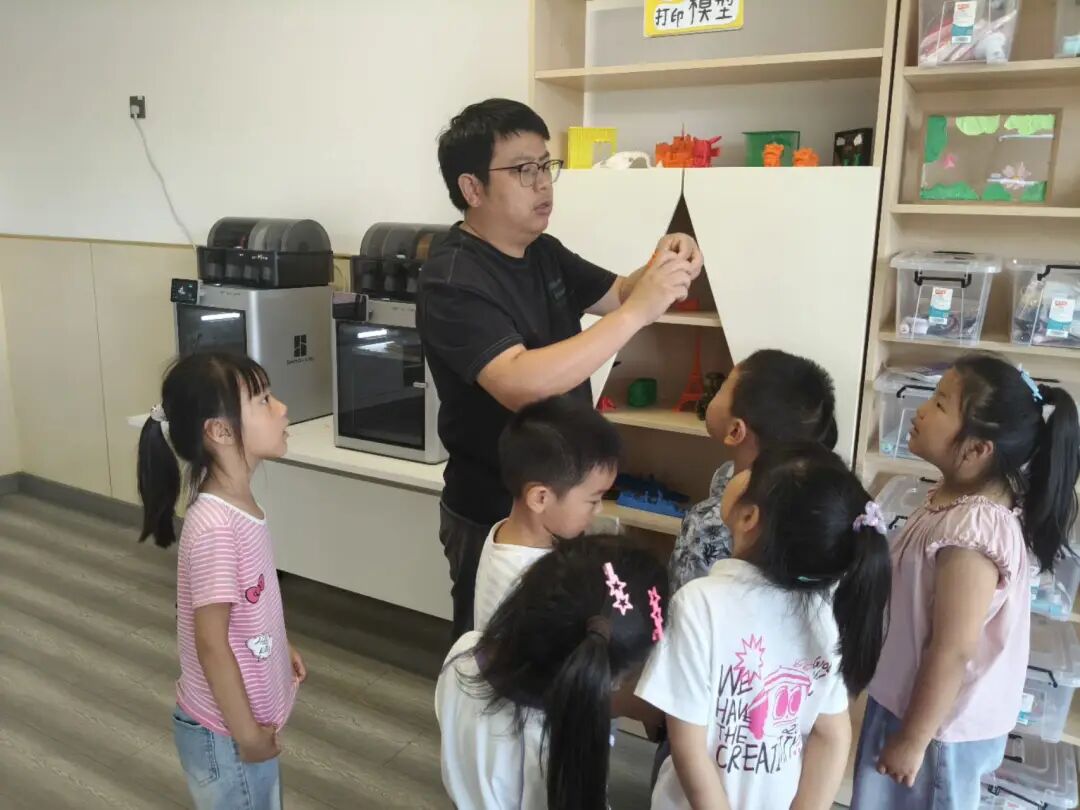


The cheese-shaped whistle was also created.
When they saw their designed models gradually turn into reality, the children jumped up in excitement. This creative lesson not only taught them new skills but also made them understand that as long as they dare to imagine and are not afraid of difficulties, they can turn their dreams into reality.
Teacher’s Reflection
As supporters and guides, teachers need to keenly capture children’s points of interest, providing suitable materials and resources in a timely manner, expanding their cognitive boundaries regarding technology.
3D Printing Exhibition


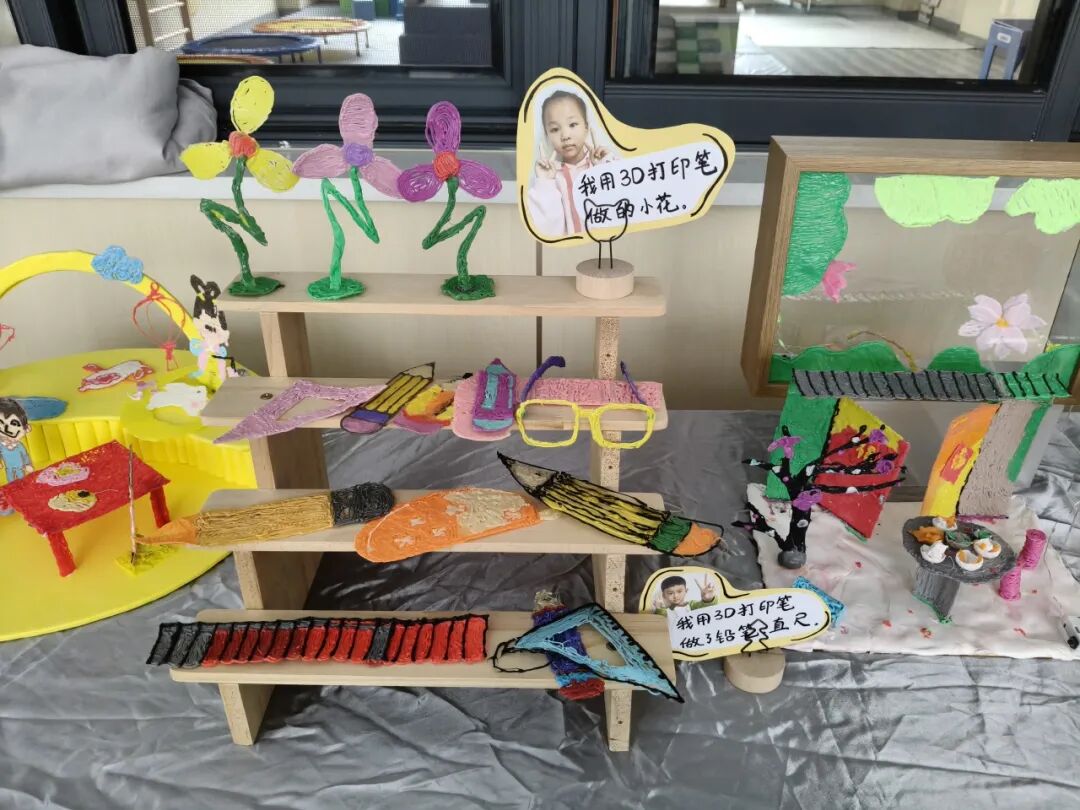
This adventure from drawing to fixing and patching taught them to solve problems like elementary school students, and packed the “scientific little universe” into their backpacks – who knows, one day, these little adventurers with 3D printing pens might really draw the future school!
GO TO TRAVEL
Teacher’s Words
The “Adventure of Stationery – The Wonderful Journey of the 3D Printing Pen” activity utilized the 3D printing pen as a medium, guided by the “Preschool Education Law” and the “Guidelines for Learning and Development of Children Aged 3-6,” constructing a complete learning chain of “creative germination – practical trial and error – engineering optimization – application of results.” Children naturally integrated the observational skills, logical thinking, cooperative awareness, and task execution abilities required for the transition from kindergarten to elementary school while solving the real problem of “realizing the functions of stationery,” achieving the educational goals of “learning through play, doing through learning, and creating through learning,” and building a bridge between science and art for the cognitive transition from kindergarten to elementary school.

Written by: Feng Lingxia Qian Yi
Reviewed by: Lu Jinhua Liu Lina
Published by: Liu Chunjun