In the future, the core competitiveness of the industry will no longer be limited to breakthroughs in single technologies, but rather the deep integration of “technological innovation” and “scene implementation”.
As international geopolitical complexities increase, the semiconductor industry has gradually grown into a strategic emerging industry—from upstream semiconductor raw materials and equipment supply, to midstream semiconductor product manufacturing, and downstream diverse applications, the entire industry chain has entered a period of accelerated technological iteration in recent years.
With the continuous promotion of 5G communication, AI, IoT, and autonomous driving, the integration of optoelectronic technology and the semiconductor industry chain is deepening, and its key role is becoming increasingly prominent in more and more scenarios.
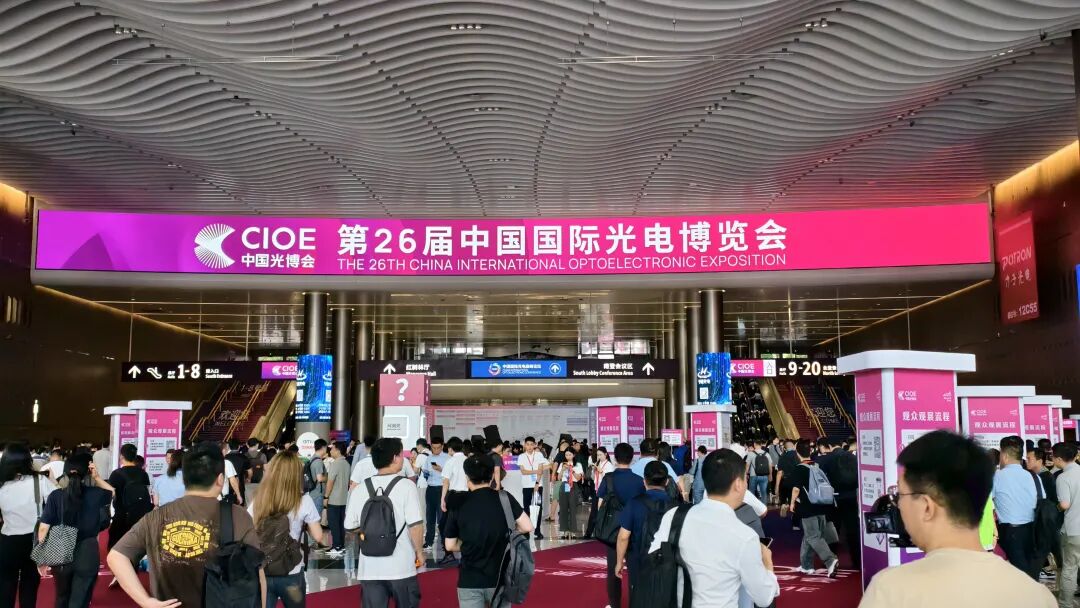
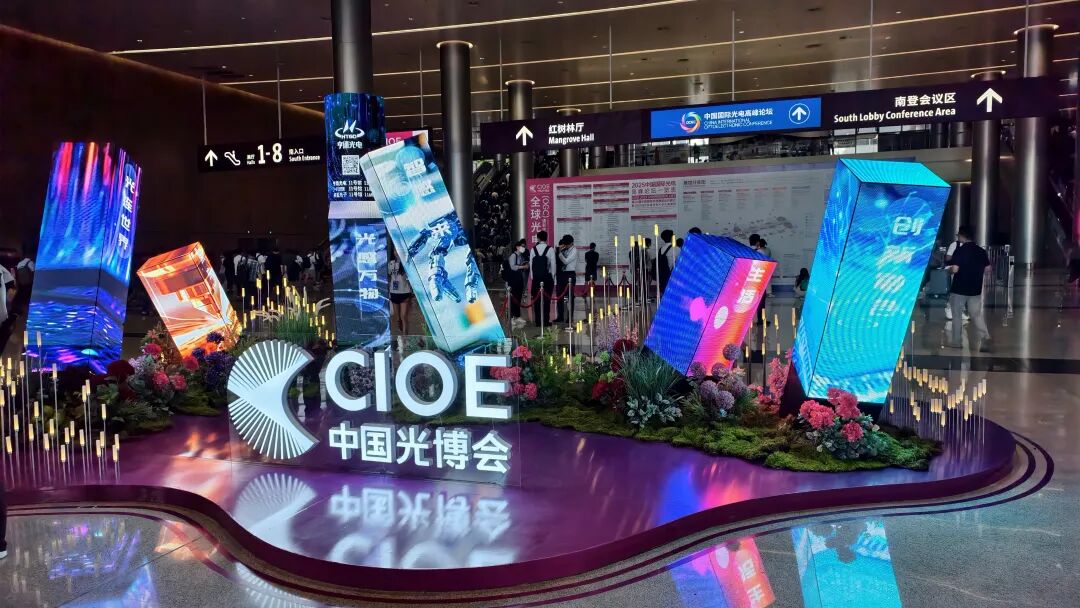
In this industrial context, the recently concluded 26th China International Optoelectronic Expo (hereinafter referred to as the “Photonics Expo”) has become an important window for observing industry dynamics.
During the exhibition, I focused on visiting exhibitors in the semiconductor and consumer electronics fields. Compared to last year, it was evident that this year’s exhibitors showcased a richer variety of physical products, and the presentation of technological routes was also more diversified.
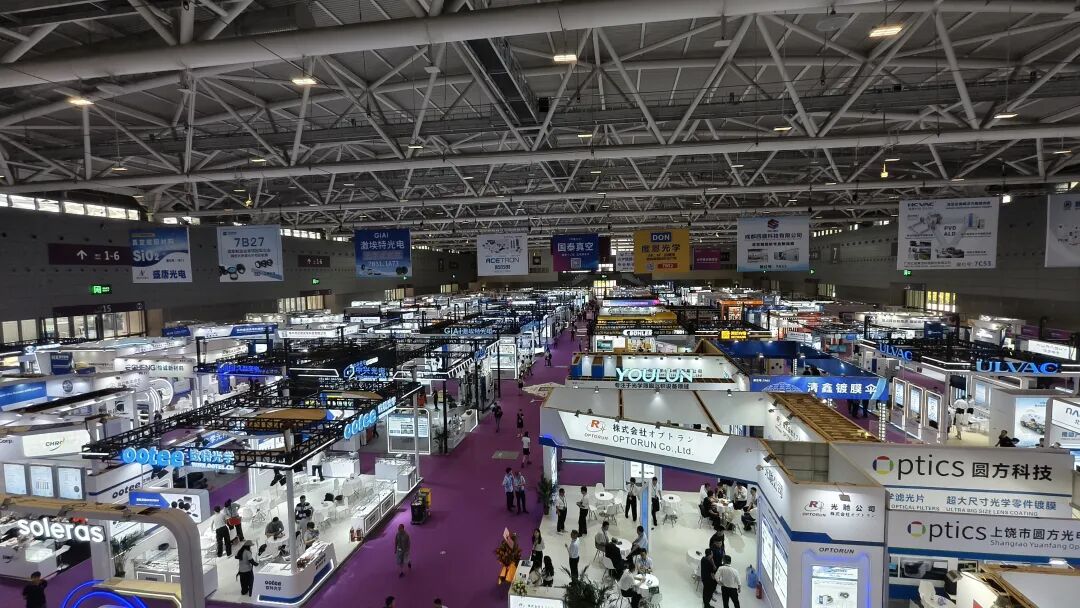
As a highly influential comprehensive exhibition in the domestic optoelectronic industry, this year’s Photonics Expo gathered over 3,800 companies worldwide, focusing on eight cutting-edge fields: information communication, precision optics, camera technology and applications, laser manufacturing, infrared and ultraviolet, intelligent sensing, new displays, and AR/VR.
From the technical competition of 1.6T optical modules to the immersive experience of AR/VR optics, from the microscopic world of precision optics to the extensive applications of infrared sensing, this event not only showcased the latest achievements in the optoelectronic industry but also clearly outlined the future development trajectory of the industry.
“Optoelectronics + Semiconductors,” Accelerating the Construction of the Industrial Ecosystem
Comparing this year’s Photonics Expo to last year’s, the display logic in the field of optical communication has undergone a significant change: last year, most companies emphasized the keyword “AI” in their promotional materials—especially for products like optical modules and silicon photonic chips, which benefited from the AI wave driving upgrades in optical communication technology, and product introductions naturally revolved around AI.
This year, however, leading companies in the optical communication field have focused more on physical displays, with CPO (Co-Packaged Optics) solutions and 1.6T optical modules prominently featured. Even the 800G optical modules, which occupied the “C position” last year, have essentially become mass-produced products this year, ready to respond to market demand for bulk deliveries.
This change reflects the industry’s transformation driven by the dual tracks of data centers and AI: competition in the optical module industry is becoming increasingly fierce, and the market focus has shifted from “technical concepts” to “practical applications.” AI is no longer an optional promotional highlight but rather the core capability foundation of products, which also raises higher requirements for companies to integrate the “technology – production – application” industrial ecosystem.
Notably, the integration of “optoelectronics + semiconductors” is not limited to the optical communication field but is present throughout all exhibition halls of this year’s Photonics Expo.
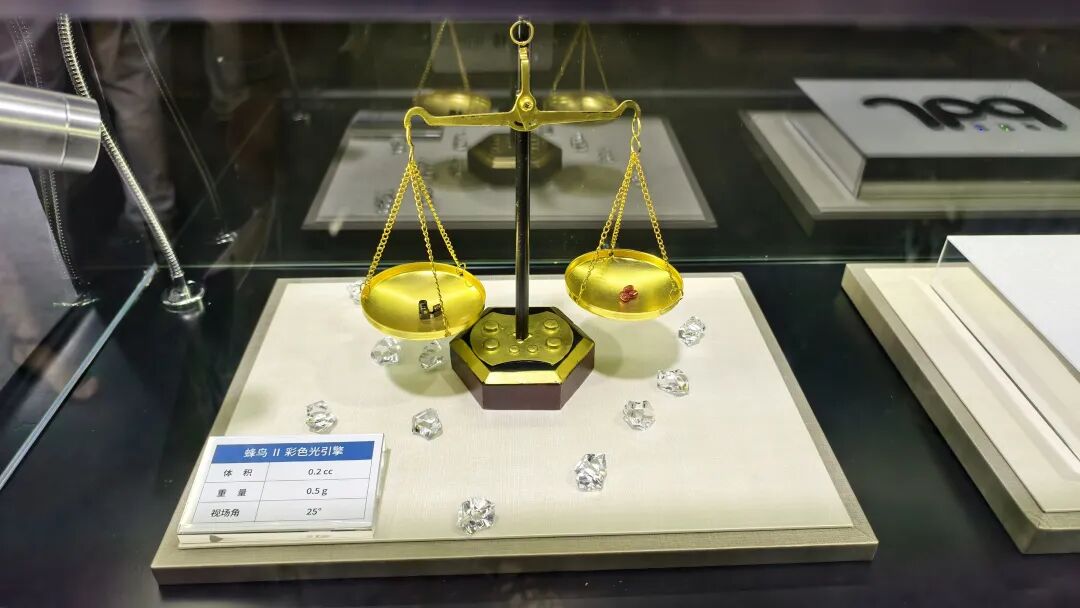
For example, in the AR headset displays, companies are no longer just presenting complete products but are focusing on disassembling their core components. For instance, the “light engine,” which is core to converting optoelectronic signals and projecting images, has a higher integration level compared to traditional optical module components, and demands greater precision in design and packaging.
As the application of such silicon photonic integrated chips becomes increasingly widespread in downstream fields, the associated semiconductor materials, semiconductor equipment, and other segments are also being interconnected, injecting new development momentum into China’s semiconductor industry.
The most direct manifestation is that compared to last year’s Photonics Expo, this year’s exhibition saw a significantly higher proportion of domestic semiconductor equipment exhibitors, which is a result of the improved supporting capabilities of domestic equipment driven by the completion of the silicon photonic integrated industrial chain.
Richer Applications, with Drones Joining the Scene
In the consumer electronics field, the development pace of the AR/VR industry still lags behind that of mature terminal devices like smartphones, PCs, and tablets, and the issue of a missing application ecosystem has yet to be effectively resolved. This situation remains prominent at this year’s Photonics Expo: the number of exhibitors in the AR/VR field has decreased, and most companies are still focused on the research and upgrade of optical display solutions such as high refresh rates and high resolutions, with relatively limited physical product displays.
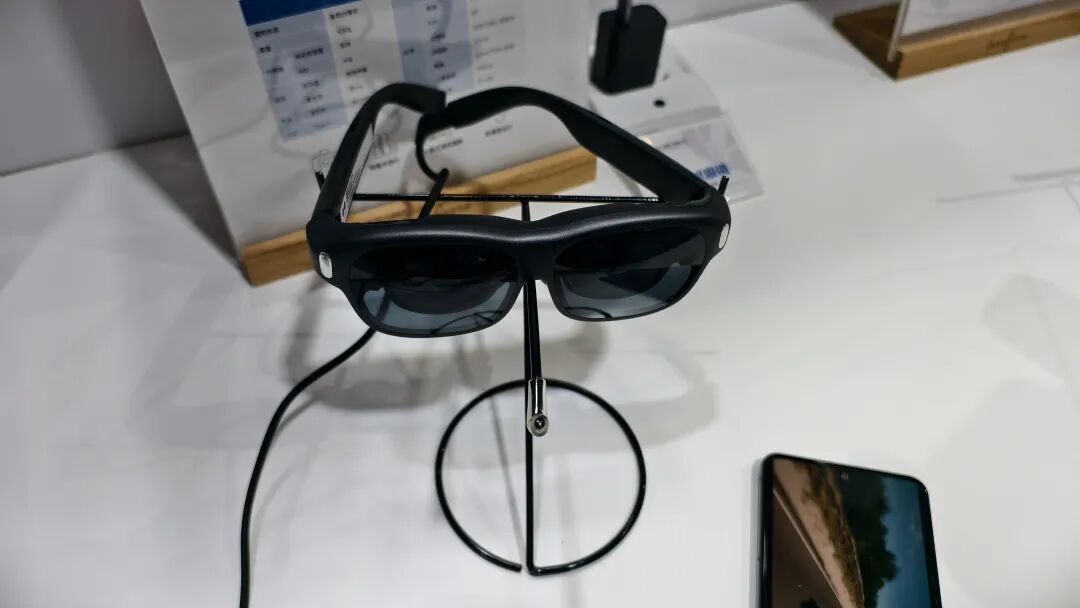
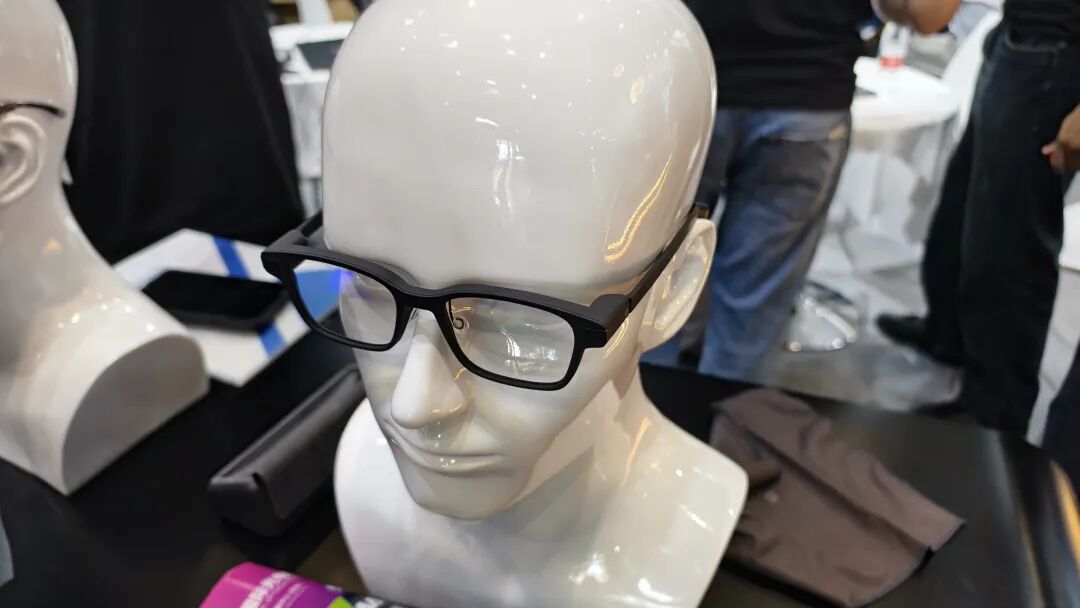
However, a turning point is quietly emerging: despite the overall decrease in exhibitors, many participating companies have significantly increased the proportion of AR glasses products on display.
With major companies like Xiaomi and Alibaba entering the market, the heat in the AR glasses sector continues to rise. Especially with the support of AI technology, smart glasses that have significantly reduced weight have broken through the portability bottleneck, finding key entry points for application; more importantly, a mature supply chain system has already formed at the hardware level, laying the foundation for subsequent large-scale applications.
For the AR/VR industry, this change represents an adjustment to past development paths: previously, due to the lack of an application ecosystem, companies chose to prioritize upgrading optical display solutions and relied on the B-end market (such as industrial and medical sectors) to enhance brand revenue scale; now, as downstream application scenarios continue to expand, these mature display technologies are no longer limited to AR glasses but are also being applied to helmet display systems, night vision devices, and other fields, with many cross-industry application products showcased at this year’s Photonics Expo.
In fact, the explosion of optoelectronic technology in application is far from limited to AR glasses.
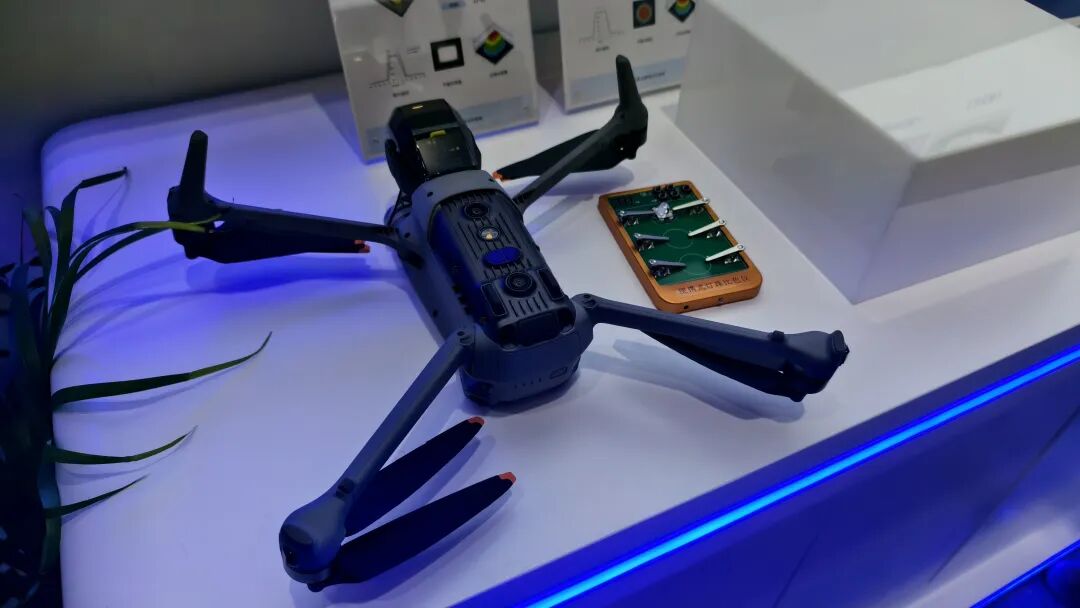
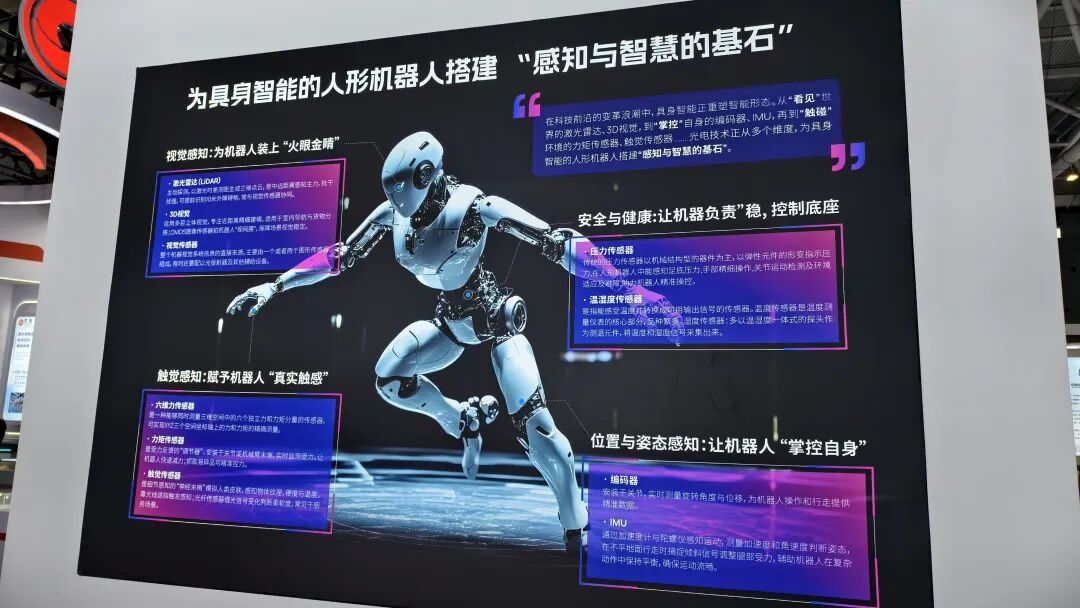
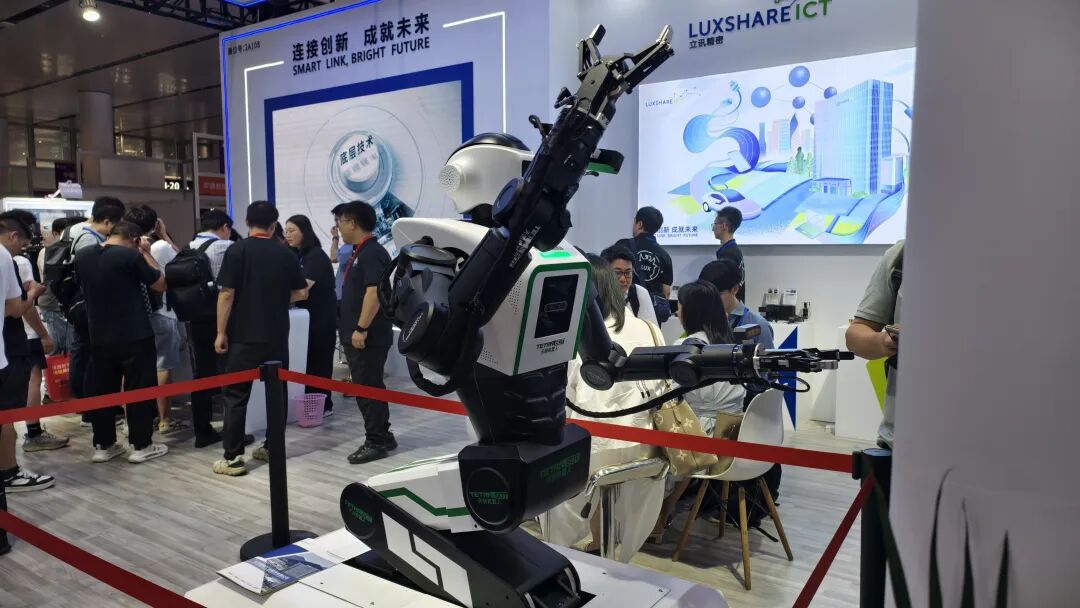
At this year’s Photonics Expo, drones, vehicle-mounted optical communication devices, endoscopic imaging instruments, laser medical devices, humanoid robot prototypes, and quantum computing-related optical components have all received more exposure.
These products, through scenario-based displays, break down the barriers between “technology research and development” and “practical application,” forming an industrial aggregation effect of “1+1>2”.
New Trends in the Optoelectronic Industry—Integration of Technology and Scenarios
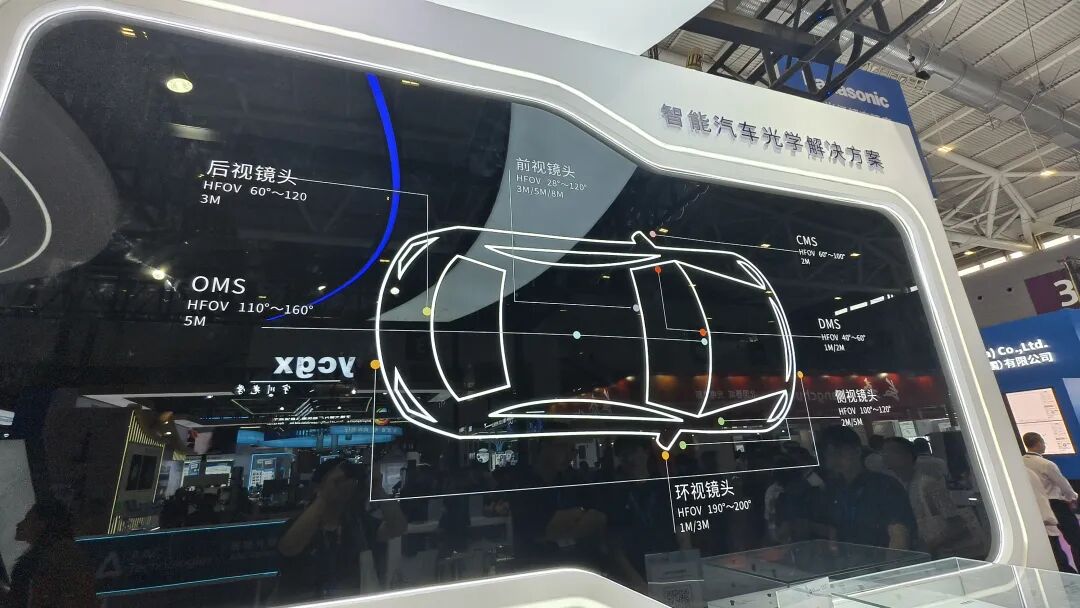
In addition to the two major fields of semiconductors and consumer electronics, this year’s Photonics Expo also gathered various categories such as smart cars, security lenses, laser technology, infrared technology, precision optics, and camera technology, showcasing the diversity of the optoelectronic industry.
In the “Camera Technology Pavilion,” companies concentrated on displaying optical lenses, camera modules and supporting products: from high pixel upgrades of mobile phone cameras to precise imaging of industrial cameras; from optimizing the wide dynamic range of security monitoring to enhancing the microscopic detection capabilities of medical devices, camera technology is continuously innovating to meet the diverse needs of different industries.
In the “Precision Optics Processing Pavilion” and the “Optical Vacuum Coating Pavilion,” companies showcased the “unsung heroes” of the optoelectronic industry: optical materials, optical components, and processing equipment. These seemingly ordinary basic components are the core support for the performance of all optoelectronic products. From sapphire substrates to silicon carbide wafers, from precision lenses to vacuum coating equipment, breakthroughs in each link directly determine the competitiveness of end products, highlighting the depth and breadth of the optoelectronic industry chain.
Even in relatively traditional fields like laser technology and infrared technology, new changes were presented at this year’s exhibition: AI technology has begun to deeply penetrate laser cutting, infrared detection, and other processes, enhancing the precision and efficiency of equipment through algorithm optimization, helping the industry accelerate its intelligent upgrade process.
Looking at the entire Photonics Expo, one can glimpse the rapid development of China’s optoelectronic industry: shifting from “scale expansion” to “quality improvement,” from “technology following” to “original leadership.” In mature fields like optical modules and precision optics, Chinese companies have the strength to compete on the same stage as international giants; in emerging fields like AR/VR, Chinese companies are seizing development opportunities with rapid market response capabilities and continuous innovation investment.
With the acceleration of 5G/6G construction, the explosion of AI computing power demand, and the upgrading of the new energy industry, optoelectronic technology, as the foundational support for information acquisition, transmission, and processing, will further expand its application scenarios.
In the future, the core competitiveness of the industry will no longer be limited to breakthroughs in single technologies, but rather the deep integration of “technological innovation” and “scene implementation”—this is both the core signal conveyed by this year’s Photonics Expo and the key direction for the high-quality development of China’s optoelectronic industry.
Author: jh
Remember to star the WeChat public account: Maker Network (im2maker), more valuable content awaits you