A research team from Sungkyunkwan University (SKKU) in South Korea has developed a new bone grafting technology that utilizes an improved glue gun and glue sticks made from bone minerals and biodegradable composites. This material, when melted, can serve as a scaffold to promote bone growth, outperforming traditional bone cement. Furthermore, according to New Atlas, the technology aims to enable surgeons to more easily and economically create custom implants in the operating room, thereby reducing reliance on bone grafts or metal reconstructions.
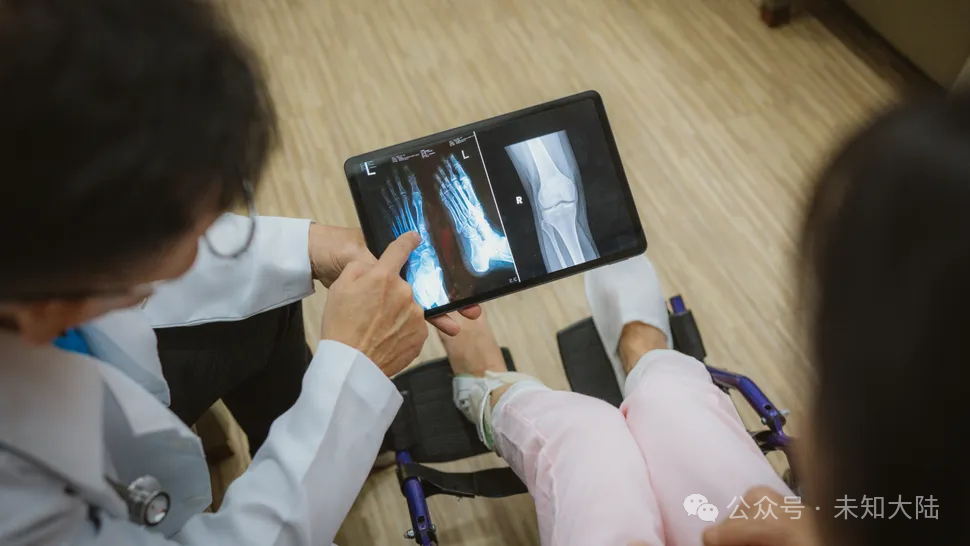
“The technology we proposed offers a unique approach by developing an in-situ 3D printing system that can manufacture scaffolds in real-time and apply them directly at the surgical site,” said Jung Seung Lee, an associate professor of biomedical engineering. He also added, “Due to the compact and manually operated structure of the device, surgeons can adjust the printing direction, angle, and depth in real-time during the procedure.”
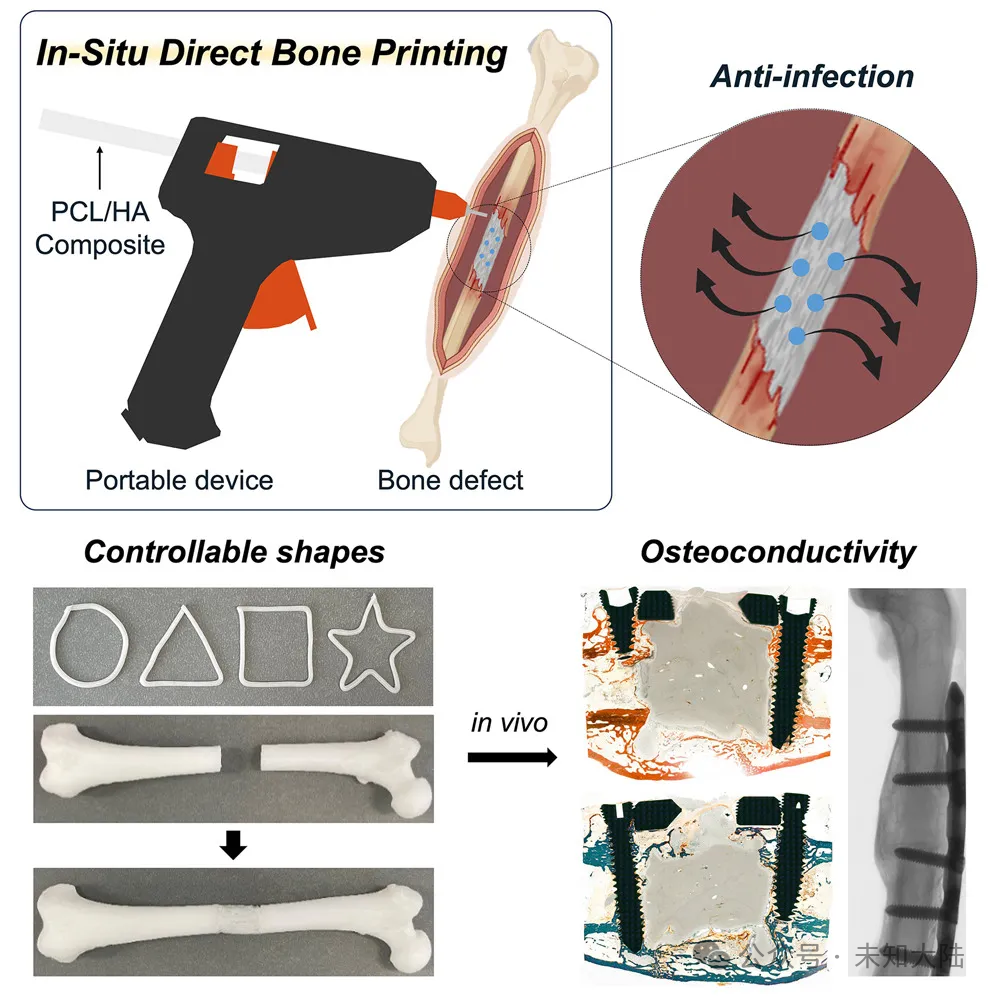
In-situ direct bone 3D printing
The improved glue gun employs low-temperature 3D printing technology to avoid damaging the surrounding tissues of the surgical area. On the other hand, the “hot glue sticks” are composed of polycaprolactone (PCL) and hydroxyapatite, a material naturally found in bones. In addition to these two materials, the researchers stated that they could also incorporate antibiotics such as vancomycin and gentamicin into the mixture, thereby reducing the need for patients to take oral antibiotics and lowering the risk of developing antibiotic resistance while combating infections.
The technology aims to replace the commercial bone cement currently used in most orthopedic operating rooms. Compared to traditional methods, the bone glue gun has shown better results within 12 weeks, producing stronger and more naturally structured bone tissue. No signs of inflammation or tissue damage were observed around the application area.
“The design of the scaffold not only allows for biological integration with the surrounding bone tissue but also gradually degrades over time, being replaced by newly formed bone,” Lee stated. “The results indicate that the printed group exhibited superior outcomes in key structural parameters such as bone surface area, cortical thickness, and polar moment of inertia, suggesting more effective bone healing and integration.”
Despite the promising prospects of this orthopedic technology, it will take some time before it can be applied in the hands of orthopedic surgeons and become a standard fixture in operating rooms. The team still needs to develop sterilization protocols and conduct preclinical studies to obtain regulatory approval. They must also standardize the production process of the device to ensure consistency. However, once they overcome all these hurdles, it has the potential to make bone repair faster and easier for both medical teams and patients.