I Spent 20,000 on a Bunch of “Electronic Nannies” and Realized That Wellness Isn’t as Complicated as I Thought
To be honest, I am the kind of person who practices wellness all year round, with goji berries steeped in my thermos. But it wasn’t until last year when I bought my first smart wristband that I realized my previous wellness practices might have been a bit misguided.
The “Electronic Nannies” Quietly Changing Our Lives
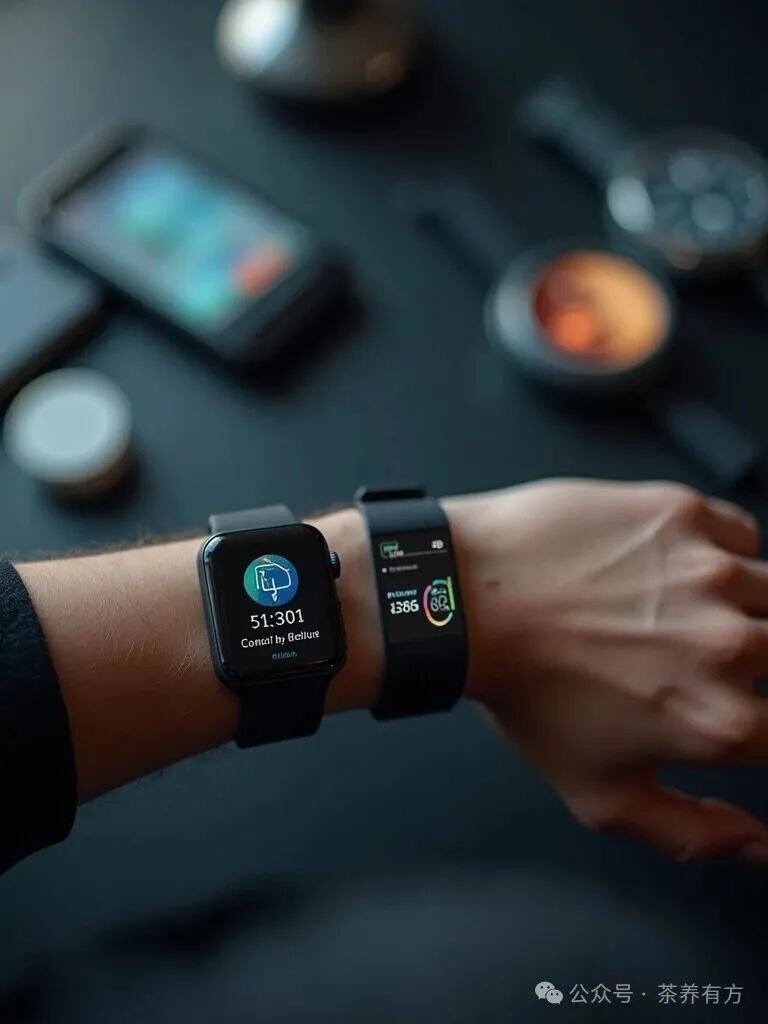
I remember the first week I wore my Apple Watch, I was bombarded with reminders that made my head spin: “It’s time to stand up and move,” “Your heart rate is a bit high,” “Your sleep quality was poor last night”…
At first, I thought: Why do you care? But gradually, I began to rely on this data, as if I had a little nanny monitoring my health 24/7.
Nowadays, the market is flooded with wearable devices, from basic pedometers to advanced watches that can measure blood oxygen levels, from smart rings that monitor sleep to meditation headbands that analyze stress… My friends who are into “tech wellness” have basically collected all these “fashionable electronic accessories,” with an average investment of over 10,000.
Honestly, I have fallen into this trap too; I’ve already changed my smart watch three times… 🙈
When Data Becomes a “Life Coach”
Did you know? I unconsciously hold my breath for several seconds while sleeping! If my watch hadn’t told me, I would have never known. There was also that time I thought I was exercising a lot, but when I checked the data, I had only taken 3,000 steps all day, which is less than half of what my grandmother walks…
These cold numbers act like a mirror, reflecting health truths we usually can’t perceive. But to be honest, when I first saw this data, I was really anxious. Low heart rate variability? Fluctuating blood oxygen saturation? These terms sound intimidating.
Later, I realized, data is just a tool; the key is how to use it.
For example, I discovered that I was severely lacking in deep sleep, and after researching, I found out that it might be due to using my phone before bed. So, I forced myself to avoid electronic devices for an hour before sleeping, and a week later, my deep sleep increased from 40 minutes to 90 minutes, and my overall mental state improved significantly!
My “Data Wellness” Revolution
Previously, I followed wellness tips I found online, like drinking honey water in the morning and soaking my feet at night, feeling good but unsure of their effectiveness. Now it’s different; my wellness plan is completely “data-customized”:
✅ My watch tells me that my heart rate variability significantly increases after exercise, so I switched from my previous “casual walking” to HIIT training three times a week.
✅ Sleep monitoring shows that I sleep best between 11:00 PM and 11:30 PM, so I force myself to go to bed during this golden time, no matter how busy I am.
✅ The blood sugar monitor revealed that my favorite “sugar-free milk tea” still spikes my blood sugar, which made me decisively quit this “happy drink”…
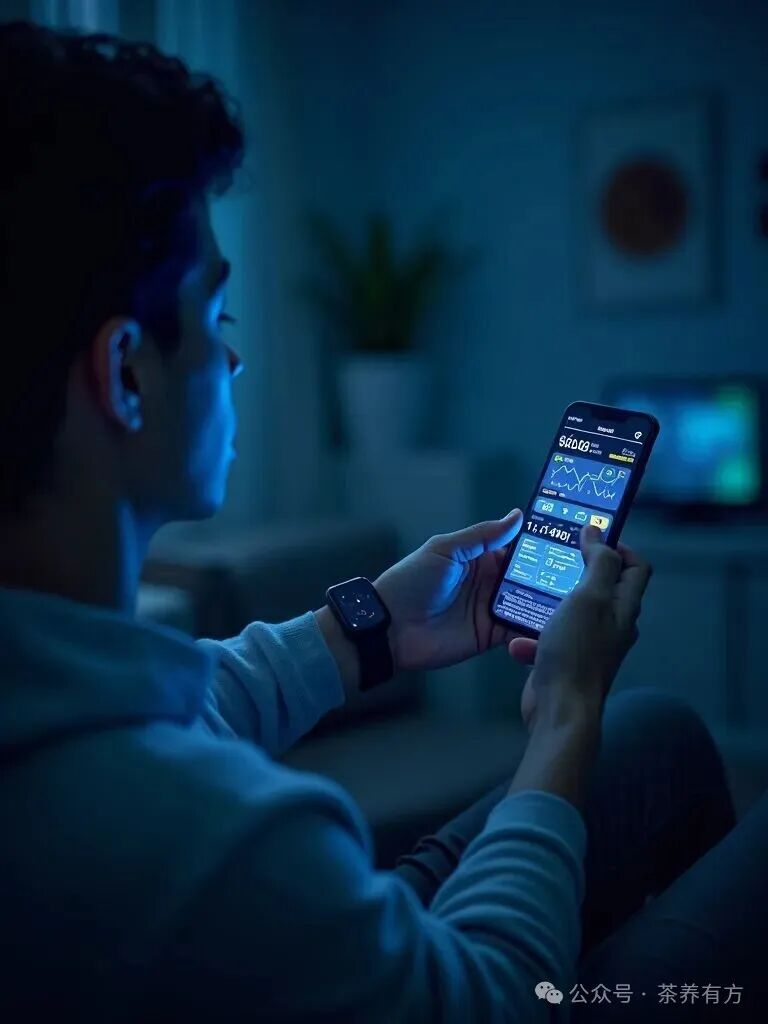
The most amazing part is that I combined this data with the traditional wellness methods my mom taught me, and the results were surprisingly good. For instance, the data showed that I tend to have blood pressure fluctuations during seasonal changes, so I started drinking my mom’s chrysanthemum tea recipe a week in advance, and my blood pressure stabilized significantly.
In the Future, Will We Rely on “Data” for Wellness?
A few days ago, I attended a health technology exhibition and saw that future wearable devices might become even crazier: smart t-shirts that can predict heart attacks, smart toilets that analyze urine composition, and even smart glasses that can detect emotional changes… I can’t help but wonder: do we really need so many “electronic nannies”?
Honestly, I have a love-hate relationship with these devices. I love that they make health visible, no longer just an empty phrase of “health is important”; but I fear that we might become too reliant on data and forget to listen to our own bodies.
My grandfather is over ninety years old and never looks at data; he just drinks tea, practices Tai Chi, and enjoys the sun, and he is in great health. Sometimes I think, perhaps true wellness is about balancing data and intuition?

Regardless, this wave of “data wellness” has already arrived, and instead of resisting it, we should learn to coexist peacefully with these little electronics. After all, who doesn’t want to live longer and better?
Just don’t forget, no matter how smart the device, it can’t compare to your own awareness and care for your body.
| In Conclusion Have you used smart wearable devices? Have you changed any of your habits because of a specific piece of data? Feel free to share your “data wellness” stories in the comments! |
| Give a “like” so more people can see this article! 👇 |